English


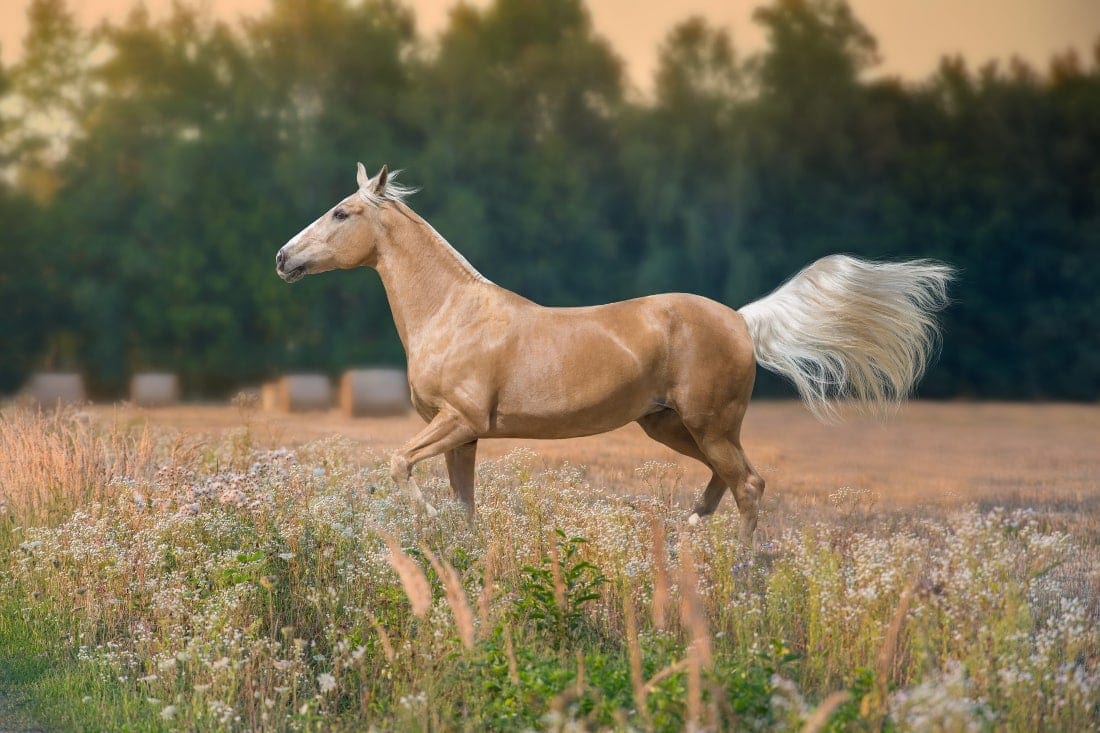
The Palomino is not a horse breed, but a distinctive coat color characterized by a golden body paired with a light mane and tail. This coloration occurs across many breeds and bloodlines and results from specific genetic interactions affecting coat pigmentation.
Because palomino describes appearance rather than ancestry, these horses can be found within diverse breeds, including Quarter Horses, Morgans, and various crossbreds. Despite the absence of a shared pedigree, palomino horses are recognized by dedicated registries and valued for their consistent visual traits.
This guide explores the genetic basis of the palomino coat, common physical characteristics, relevant health considerations, and nutritional management practices.
Understanding palomino horses through the lens of genetics and care—rather than breed classification—provides a clearer, more accurate framework for owners and enthusiasts.
Palomino Horses
Palomino-colored horses can be traced back through history. Due to their beauty and utility, golden horses were favored by noble leaders and monarchs across Europe.
Queen Isabella of Spain admired the golden hue and is credited with introducing palomino horses to the Americas. Her prized Isabella horses were brought to Mexico during Spanish colonization and later spread into what is now the southern United States. [1]
As Spanish-bred horses escaped or were released, golden-colored horses appeared in feral herds across the western frontier. Native American tribes caught and trained them for hunting, transport, and warfare.
Revered for their speed and agility, palominos earned a central place in tribal life, artistry, and legend. They were immortalized in early American Western films, paintings, and literature, often symbolizing heroism and freedom. [1]
Despite their popularity, it was not until the 20th century that efforts were made to formalize palomino breeding and registration. The Palomino Horse Breeders of America (PHBA), formed in 1941, brought structure to the recognition and promotion of these golden horses. [2]
However, because ppalomino is a coat color rather than a true genetic breed, standardization has remained an evolving process.
What's your top priority with your horse's health?

What's your top priority with your horse's health?
Etymology of Palomino
The term “Palomino” entered the English lexicon around the late 19th century, likely derived from American Spanish. In Spanish, palomino means “young dove,” a reference to the dove-like coloring of the mane and tail. [3]
Over time, this poetic association with light, soft color gave rise to the modern use of the word Palomino as a descriptor for golden-coated horses with light-colored manes and tails. [3]
Color Breed Registries
Since palomino is a color rather than a fixed breed, registry systems for these horses function differently than traditional stud books.
Registries such as the Palomino Horse Breeders of America (PHBA) accept horses based on appearance and conformation, regardless of primary breed, provided they meet specific color standards.
To qualify for registration with the PHBA, horses must: [4]
- Stand between 14 and 17 hands
- Exhibit a coat color resembling a newly minted U.S. 14-karat gold coin
- Have at least 85% white mane and tail
- Lack gray markings, black points, or primitive striping
The PHBA accepts horses already registered with breed associations, including but not limited to: [4]
- American Quarter Horse Association
- American Paint Horse Association
- Arabian Horse Association
- Morgan Horse Registry
This inclusivity allows for a diverse gene pool and makes the Palomino designation accessible across many performance disciplines.
Founded in 1941, the PHBA serves as the principal registry for Palomino horses in the United States. It maintains pedigree records, hosts competitive events, and supports amateur, youth, and breeder-focused programs. [4]
Key programs offered by the PBHA include: [4]
- Youth World Championship and PHBA World Championship Show
- Amateur and Novice Amateur competitions
- Golden Trails Recreational Riding Program
- Palomino Incentive Program, rewarding show-point accumulations
- Palomino Performance Program, recognizing success in open competitions outside of PHBA-sanctioned events
With more than 88,000 horses and owners in its database, the PHBA offers a robust framework for those passionate about this color type. [4]
| Breed Summary | |
|---|---|
| Breed Name | Palomino |
| Breed Type | Color breed |
| Origin | Spain; later the Americas |
| Breed Registry | Palomino Horse Breeders of America (PHBA) |
| Average Height | 14.2 – 16 hh |
| Common Coat Colors | Golden coat with white or ivory mane and tail |
| Conformation | Varies by breed; generally balanced, refined, muscular, strong topline, powerful hindquarters |
| Common Uses | Reining, cutting, barrel racing, ranch work, hunter, jumper, dressage, eventing |
| Temperament | Intelligent, responsive, people-oriented |
| Common Health Concerns | UV sensitivity, sunburn, alopecia, habronemiasis, obesity, EMS |
Palomino Horse Characteristics
Because the palomino is a color type, not a distinct breed, characteristics vary widely depending on the horse’s pedigree, and there is no one conformation for this color. However, some general expectations exist when referring to a palomino horse.
Palominos are typically found in light horse breeds and often display refined features, muscular builds, and good overall balance. Their height usually ranges from 14.2 to 16 hands, depending on breed lineage.
Many show a well-arched neck, strong topline, and powerful hindquarters, traits that reflect the influence of breeds such as the American Quarter Horse.
True palomino coloration results from a single cream dilution gene acting on a chestnut base coat. This genetic combination lightens the red pigment of the coat, producing the characteristic gold hue while leaving the mane and tail a creamy white. [5]
Seasonal changes, sun exposure, and nutrition can influence the coat’s shade. Winter coats often appear lighter or duller than sleek summer coats, and sweat or sun-bleaching may add complexity to the coloring.
The Palomino Color
Palomino horses owe their golden coloring to a specific interaction of coat color genes.
A true Palomino has one copy of the cream dilution gene (N/Cr) acting on a chestnut (ee) base coat. This single-dose dilution results in a coat ranging from pale cream to rich gold, paired with a white or ivory mane and tail. [5]
The cream gene (C^Cr) is an incomplete dominant. When present in a single copy (heterozygous), it partially dilutes the base coat.
When inherited in two copies (homozygous), the result is a double-dilute, such as the cremello, which has a cream-colored coat, blue eyes, and pink skin. Because the cream gene does not breed true, Palomino foals can only be produced through specific pairings. [6][7][8][9]
The probability of Palomino × Palomino crossing yields: [6][7][8][9]
- 25% cremello (double dilute)
- 50% palomino (single dilute)
- 25% chestnut (no cream gene)
Given this, breeders carefully plan matings using chestnuts and cremellos to increase the chances of producing true Palominos.
Similar Horse Coat Colors
Not all golden or flaxen-maned horses are Palominos. Several other genetic mechanisms produce similar appearances, including: [9][10]
- Chestnuts with Flaxen: Can resemble darker Palominos, especially in breeds like the Haflinger. However, these horses do not carry the cream gene.
- Buckskins: Like Palominos, buckskins carry a single cream gene, but on a bay base. They have a golden coat with a black mane, tail, and lower legs.
- Champagne Gene: Creates a golden sheen, but champagne horses often have mottled skin, hazel or amber eyes, and a different overall tone.
- Silver Dapple: Affects black coats, diluting the mane and tail to cream while turning the body chocolate. Sometimes misidentified as “chocolate Palominos.”
- Duns: Have tan coats with primitive markings such as dorsal stripes and leg barring, which Palominos lack.
- Pearl Gene: In homozygous form or combined with cream, this gene can produce a pale apricot shade resembling cremellos.
Temperament
Temperament varies by breed but Palomino horses are generally known for being intelligent, responsive, and people-oriented. Because they are often Quarter Horses or Arabian crosses, many Palominos display sensitivity, agility, and a willingness to work.
Good handling, consistent training, and appropriate socialization are key to maintaining a calm, confident Palomino. As with any horse, behavioral traits depend more on breeding and handling than coat color.
Riding Disciplines
Palomino horses can be found in nearly every riding discipline thanks to their diverse breed backgrounds. Because Palomino is a coat color rather than a single breed, these horses may inherit a wide range of athletic traits, temperaments, and movement styles that suit both Western and English riding.
Western Riding
Palominos are especially popular in Western disciplines. Many Palominos with strong stock breed lineage thrive in Western sports, including:
- Reining
- Cutting
- Barrel racing
- Ranch work
Their strength and agility, paired with steady temperaments, make them ideal for Western riders. In showmanship and parade settings, Palominos stand out visually and often draw judges’ attention. Their golden coats make a dramatic contrast against traditional Western tack.
English Disciplines
While less common than in Western riding, Palomino horses can compete successfully in hunter, jumper, dressage, and eventing.
Their athleticism, trainability, and eye-catching coats make them well-suited for the show ring, where movement, presentation, and overall impression are key.

Palomino Horse Health
While Palomino horses are not predisposed to specific systemic diseases by virtue of their color alone, certain conditions may be more commonly observed due to coat and skin characteristics.
UV Sensitivity
Palominos, especially those with pink or lightly pigmented skin, are prone to sunburn and long-term UV damage. Areas around the muzzle, eyes, and white markings are most vulnerable. Sunburn can cause irritation, peeling, and increase the risk of skin cancers.
Preventive strategies include:
- Providing shade
- Applying equine-safe sunblock
- Using fly masks with UV protection
- Timing turnout to avoid peak sun hours
Alopecia (Hair Loss)
Palomino horses may be overrepresented in some forms of alopecia, particularly alopecia areata, which is suspected to have an immune-mediated basis. This condition results in localized hair loss, often on the head or neck, and may be associated with itching (pruritis). [11]
Other causes of alopecia in Palominos include: [11]
- Folliculitis (bacterial or fungal)
- Habronemiasis (parasitic skin nodules, especially in warmer climates)
- Skin damage or rubbing due to tack, blankets, or insects
A veterinary workup, including skin scrapings and biopsies, may be required to differentiate among causes. [11]
Habronemiasis
Dilute-colored horses, including Palominos, may be at higher risk for cutaneous habronemiasis, also known as summer sores.
This seasonal skin condition is caused by larvae of stomach-dwelling parasites deposited into wounds or moist skin by flies. The resulting lesions are nodular and ulcerated. Management includes deworming, fly control, and treating open wounds promptly. [12]
Care and Management
To keep Palomino horses healthy, owners should implement a preventive care routine that supports their overall soundness, comfort, and long-term well-being, including:
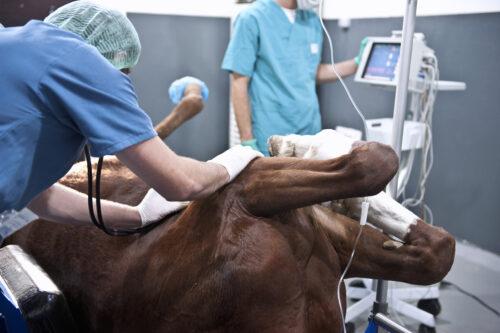
- Veterinary Exams: Schedule regular veterinary check-ups to monitor overall health, body condition, and soundness, especially in horses used for riding, showing, or performance.
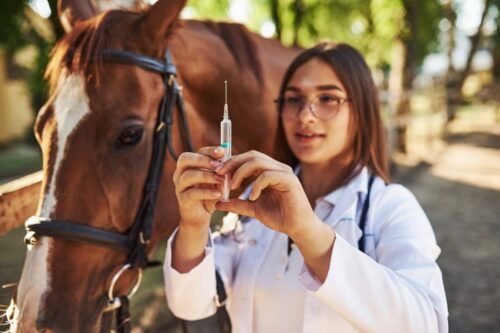
- Vaccinations: Follow a vaccination schedule recommended by your veterinarian to protect against infectious diseases, particularly for horses that travel or live in boarding environments.
- Dental Care: Routine dental check-ups and floating help support proper chewing, comfort, and efficient feed utilization.
- Parasite Management: Implement a targeted parasite control program based on fecal egg counts and veterinary guidance to maintain digestive health and body condition.
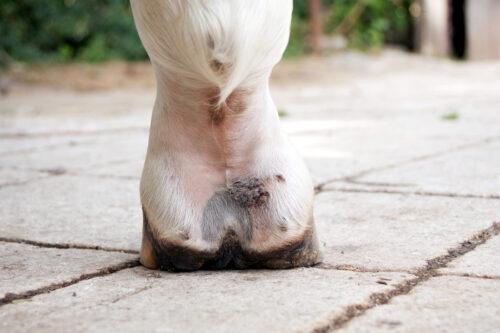
- Hoof Care: Consistent farrier visits help maintain strong hooves, balanced movement, and soundness. Horses in regular work may benefit from trimming or shoeing plans suited to their discipline and footing.
Grooming & Coat Care
Because the coat is one of the most distinguishing features of a Palomino, management strategies often focus on enhancing and protecting coat and skin condition.
Palominos require consistent and attentive grooming to keep their golden coats and pale manes in optimal condition. Their light-colored hair is especially prone to staining from manure, mud, grass, and even some feeds, which can dull the striking contrast between body and mane. Regular grooming not only enhances appearance but also supports skin health and coat longevity.
Daily brushing helps remove dust and debris while distributing natural oils that contribute to the coat’s healthy sheen. A rubber curry comb followed by soft-bristled brushes is effective for most body grooming. For stain-prone areas such as the mane, tail, hocks, and flanks, spot cleaning with whitening shampoos or waterless cleansers can restore brightness without the need for full-body bathing.
To prevent sun bleaching and fading, some owners opt to stable their horses during the peak sunlight hours or use UV-protective sheets and fly masks during turnout. Pale manes and tails should be detangled gently using wide-toothed combs or fingers to avoid breakage, and washed with brightening or purple-toned shampoos as needed to combat yellowing.
Nutrition
A well-balanced feeding program for Palomino horses should be tailored to the horse’s workload, body condition, and forage needs to support long-term health and overall performance.
Weight Maintenance
Palomino horses are often easy keepers, especially because many are stock-type breeds such as Quarter Horses or Morgans, which tend to maintain weight efficiently. This means they can gain excess weight if overfed. Obesity is linked to equine metabolic syndrome (EMS), so maintaining a healthy body condition is an important priority. [13]
Monitor your horse’s weight regularly and aim for an optimal body condition score (BCS) between 4 and 6 out of 9 on the Henneke scale to support long-term metabolic health.
Sample Diet
Below is a balanced diet for a 1,000 lb (450 kg) Palomino American Quarter Horse at maintenance in an optimal body condition.
| Feed | Maintenance Diet |
|---|---|
| (Amount / Day) | |
| Mature Grass Hay (8% crude protein) | 9 kg / 20 lb |
| Salt | 30 g (2 tbsp) |
| Omneity® Pellets | 200 g (2 scoops) |
| Diet Analysis | |
| Digestible Energy (% of Req) | 105% |
| Protein (% of Req) | 112% |
| NSC (ESC + starch; % Diet) | 8.8% |
Most palomino horses can meet their energy and protein needs on a forage-based diet, provided the hay is of adequate quality and enough is offered based on body weight and activity level. However, many types of hay are naturally low in certain essential vitamins and minerals. [14]
To help balance the diet, feed a comprehensive vitamin and mineral supplement that corrects common deficiencies without adding unnecessary sugars or excess calories.
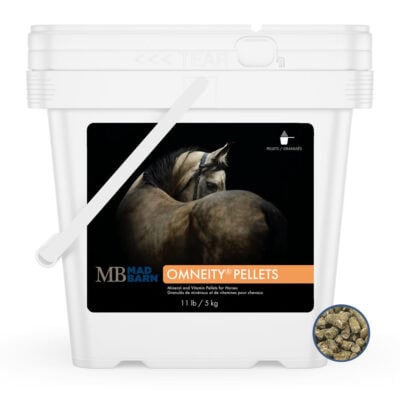
Mad Barn’s Omneity® is a complete, balanced supplement that provides key nutrients to support hoof strength, muscle development, metabolic health, immune function, and coat shine in an easy-to-feed, palatable pellet form.
All horses require free access to clean, fresh water at all times. Horses in regular work may lose more fluids and electrolytes through sweat, especially in hot weather or during extended riding sessions.
While a salt block can help promote hydration, most horses do not consume enough sodium from a free-choice source alone. Adding approximately 2 tablespoons of loose salt to the daily ration helps support electrolyte balance and proper hydration.
Forage
The amount of forage a Palomino horse needs depends on body weight, workload, and metabolism. Most horses consume around 2% of their body weight in dry matter each day. For example, a 1,000 lb (450 kg) Palomino horse will eat approximately 20 lb (9 kg) of hay daily on a forage-only diet. [15]
The best hay for a Palomino horse depends on energy requirements and overall health. Mid-maturity grass hay is often ideal, providing moderate energy and fiber without excessive sugars that can contribute to unwanted weight gain.
Palomino horses in active training or performance work may benefit from higher-calorie forage sources such as alfalfa, which supplies additional protein and energy for muscle recovery and sustained conditioning. If protein needs are already met, beet pulp is an excellent low-starch option for adding calories safely.
Free-choice hay supports digestive and behavioral health, but easy keepers may gain excess weight if forage is unrestricted. Using slow feeders can help extend feeding time for those with rationed hay provisions.
When turned out on pasture, Palomino horses may require restricted grazing during spring and fall when grass sugar levels peak. Grazing muzzles or turnout on dry lots can help prevent overconsumption and reduce the risk of metabolic issues or laminitis.
A forage analysis is the best way to determine if your hay meets your horse’s nutritional requirements and to identify any deficiencies that may require supplementation.
Feeding Recommendations
A well-balanced diet supports healthy hooves, skin, joints, and digestion in Palomino horses, helping prevent nutrition-related health issues that can affect comfort and overall performance.
Most Palomino horses do not require commercial concentrates in their diet. Many are easy keepers, and high-starch or high-sugar feeds can increase the risk of digestive upset, excitability, laminitis, and metabolic imbalance. [16][17]
To minimize sugar, starch, and calorie intake, use a concentrated vitamin and mineral supplement in place of grain. If a carrier is needed for supplements, soaked hay pellets or beet pulp provide a safe, fiber-based option without excess starch.
For senior horses or those with dental issues, beet pulp and forage cubes can be easier to chew and digest. Horses that quid or have difficulty breaking down long-stem hay may benefit from soft, easy-to-chew forage options to maintain body condition.
If additional calories are needed to maintain condition or support training, consider a fat supplement instead of adding more grain. Sources high in omega-3 fatty acids promote joint comfort, coat quality, and overall metabolic health. [18][19]
All Palomino horses should have access to fresh water and salt at all times. Providing approximately 2 tablespoons of plain loose salt daily helps meet sodium needs and encourages consistent hydration.
Frequently Asked Questions
Here are some frequently asked questions about Palomino horses:
A Palomino horse is not a horse breed, but a horse with a golden coat and a white or ivory mane and tail. The palomino color occurs across many different breeds and results from one cream dilution gene acting on a chestnut base coat. Because palomino describes color rather than ancestry, Palomino horses can vary widely in build, temperament, and athletic ability.
Palomino horses usually do not have blue eyes. Most palomino horses have dark eyes, while blue eyes are more commonly seen in double-dilute horses such as cremellos. The Palomino’s eye color can vary, but blue eyes are not considered typical of true palomino coloration.
Some Palomino horses are more sensitive to sunlight than other horses, especially if they have pink or lightly pigmented skin. These horses are more prone to sunburn and UV damage on areas such as the muzzle, around the eyes, and under white markings. Shade, UV-protective fly masks, and equine-safe sun protection can help reduce sun exposure.
Some Palomino horses are suitable for beginners, but suitability depends on the individual horse’s breed, training, and temperament. Because palomino is a coat color rather than a breed, beginner-friendliness varies widely from one horse to another. Many palomino horses come from calm, versatile breeds such as Quarter Horses or Morgans, which can make good beginner mounts when they are well trained and properly matched to the rider.
Palomino horses are used for many different riding disciplines because the palomino color appears in a wide range of breeds. Palomino horses are especially popular in Western disciplines such as reining, cutting, barrel racing, and ranch work. They are also seen in English disciplines including hunter, jumper, dressage, and eventing, as well as pleasure riding and show classes.
The temperament of Palomino horses depends mainly on breed, training, and handling rather than coat color alone. Many palomino horses are described as intelligent, responsive, and people-oriented because they often come from versatile riding breeds. With consistent handling and good management, Palomino horses can range from quiet family horses to energetic performance mounts.
Palomino horses do not have one standard conformation because palomino is a coat color, not a breed. Most Palomino horses come from light horse breeds and often have balanced, athletic builds with refined features, good muscling, a strong topline, and powerful hindquarters. Their exact conformation depends on the underlying breed or cross.
Palomino horses have a golden coat with a white or ivory mane and tail. The body color can range from pale cream to rich gold, and the shade may vary with season, sun exposure, and coat condition. True palomino horses do not have black points like buckskins.
Palomino horses have a golden coat with a white or ivory mane and tail. True palominos get this color from one copy of the cream dilution gene acting on a chestnut base coat, which produces a body color that can range from pale cream to rich gold. The exact shade may vary with season, sun exposure, and coat condition. Not all golden or flaxen-maned horses are palominos, since similar colors can also occur through other genetic combinations, and because the cream gene does not breed true, breeding two palominos does not guarantee a palomino foal.
Palomino horses are usually between 14.2 and 16 hands tall. Because palomino is a color found in many breeds, some individuals may fall outside that range. Most Palomino horses are similar in height to other light riding horses.
Palomino horses are not prone to one specific breed-related disease, but some can be more susceptible to skin and management-related issues. Palomino horses with light or pink skin may be more prone to sunburn and UV damage, and dilute-colored horses may be more likely to develop problems such as alopecia or cutaneous habronemiasis. Many Palomino horses also come from easy-keeping breeds, so obesity and equine metabolic syndrome can become concerns if body condition and diet are not managed carefully.
Summary
The Palomino horse represents a compelling intersection of beauty, genetics, and versatility.
- While not a breed in the traditional sense, Palominos have earned a place in nearly every discipline and corner of the equestrian world
- Their golden coats and ivory manes have enchanted riders and artists alike, from ancient crusaders to modern-day show arenas
- Genetically, Palomino coloration is the result of a precise combination of the cream dilution gene and a chestnut base
- Understanding this helps breeders produce and distinguish true Palominos from similar-looking horses
- Despite challenges such as UV sensitivity and grooming demands, the Palomino remains a beloved and striking partner for riders of all backgrounds
References
- History of the Isabella Horse. Baroque Horse Magazine. Baroque Horse. 2017.
- About PHBA. Palomino Horse Breeders Association.
- Palomino - Etymology, Origin & Meaning. etymonline.
- Membership. Palomino Horse Breeders Association.
- Glynis. Palomino Horses. horse-genetics.com.
- Castle. W. E. and Singleton. W. R. The Palomino Horse. Genetics. 1961. View Summary
- Cotton. J. F., Equine Coat Color Genetics. Veterinary Genetics Laboratory. 2020.
- Cream Dilution Explained. The British Palomino Society.
- Melvin. K. et al., Equine Genetics Basic Coat Color Inheritance. UTExtension, Institute of Agriculture The University of Tennessee. 2023.
- Flaxen Color Genetic Research in Progress. The Horse. 2009.
- Marsella. R. Manual of Equine Dermatology. CABI, Wallingford Boston, MA. 2019.
- Equine Internal Medicine. Elsevier. 2004.
- Frank. N. et al. Equine Metabolic Syndrome. Journal of Veterinary Internal Medicine. Wiley. 2010. View Summary
- Richards. N. et al. Nutritional and Non-Nutritional Aspects of Forage. Veterinary Clinics of North America: Equine Practice. 2021. View Summary
- Nutrient Requirements of Horses: Sixth Revised Edition. National Academies Press, Washington, D.C. 2007. View Summary
- Cipriano-Salazar. M. et al. The Dietary Components and Feeding Management as Options to Offset Digestive Disturbances in Horses. J Equine Vet Sci. 2019.
- Geor. R. J. Metabolic Predispositions to Laminitis in Horses and Ponies: Obesity, Insulin Resistance and Metabolic Syndromes. Journal of Equine Veterinary Science. 2008.
- Manhart. D. R. et al. Markers of Inflammation in Arthritic Horses Fed Omega-3 Fatty Acids. The Professional Animal Scientist. 2009.
- Richards. T. et al. Effects of Dietary Camelina, Flaxseed, and Canola Oil Supplementation on Transepidermal Water Loss, Skin and Coat Health Parameters, and Plasma Prostaglandin E2, Glycosaminoglycan, and Nitric Oxide Concentrations in Healthy Adult Horses. Journal of Animal Science. 2023. View Summary