Our best-selling supplement, Visceral+ is a comprehensive gut formula to maintain your horse’s stomach and hindgut health. Visceral+ supports the function of the immune system, is competition safe, and is recommended by veterinarians.
All-natural formula to maintain gastric health
Helps to support a healthy intestinal lining
Provides probiotics and prebiotics to nourish the microbiome
Keeps top equine athletes ready to compete
I have been feeding him Visceral+ for 2 months now and he has drastically improved in his eating habits and overall appearance... I have recommended this product to everyone I know
Michela Silvestre
Verified Customer
When Tucker became a show pony we put him on MadBarn Visceral+ to help with any gut issues and with his hair coat and temperament. We can’t say enough great things about this product
Avery
Verified Customer
My mare loves the Viceral+ and I noticed an immediate difference in her gut comfort. Thanks for making this excellent product so easy to feed and store!
Gina Smith
Verified Customer
Finally a product that really helps my young overly-enthusiastic Oldenburg calm his gastric distress induced behavior problems. I've signed up for periodic deliveries.
Amber Benson
Verified Customer
Speaking specifically to visceral, I think this product made an immediate and measurable difference on my show string. Noticeably happier horses who are more focused during training
Kristen MacGarva
Verified Customer
I have two horses, one with major diarrhea issues & the other with heaves. Both are rescued horses & now since using Visceral they are feeling a lot better. Thank you so much!
Chris Linkletter
Verified Customer
My 14 yr old TB gelding has been on Visceral for 2 months and I have noticed a huge improvement in his physique and his temperament. Now, 2 months later, he is looking really healthy
Kim Nielsen
Verified Customer
I have been feeding the Visceral+ and my mare is definitely more comfortable with her gastric issues. I tried to discontinue the product but clearly it was making a difference in how she feels for the better.
M Elder
Verified Customer
Purchased this product for my mini that was having problems with fecal water being passed... In a just a few weeks of starting visceral all of his gastric issues have abated.
Valerie Mcmurray
Verified Customer
After about a month of using Visceral+, Silver was no longer girthy and seemed so much happier in his gut. Even my coach noticed the difference and said he looked calmer overall.
Zoe Hudson
Verified Customer
Our 10 year old OTTB is doing wonderfully on Visceral+! We added this to his supplements when he was getting ready to enter the hunter jumper field of work.
Brandy Marik
Verified Customer
When shipping to new places, I like to give Sunny Visceral+, as she can be a bit of a stress ball when going to new places and I like to keep her stomach settled with it.
Korina McLean
Verified Customer
We love using Viseral to keep this small but mighty mare kid safe! Violet rides Luna 5 days per week... Visceral seems to be one of our key components to keeping [Luna] happy :)
Violet
Verified Customer
My mare is in the best condition, ever! Her coat glistens and she’s not as edgy so I know she’s feeling better.
Michelle Edwards
Verified Customer
My horse has chronic hindgut issues - Visceral has really helped support his digestive system!... and [I] found it more affordable than other products....
Kayla Wilkins
Verified Customer
Every time I trailered him somewhere he would have horrible runny diarrhea. I bought Visceral+ after reading some success stories. I must say I’m very impressed with the results.
Kimberly McManus
Verified Customer
We stand behind our products to provide the best nutrition for your horse. No fillers, just research-backed ingredients. If your horse doesn't love this product, our Customer Happiness team is here to help or give you a refund guaranteed.
Choline
Choline is an essential nutrient that functions as a structural component of cell membranes, a methyl group donor in metabolic reactions, and a precursor for the neurotransmitter acetylcholine. It plays critical roles in liver function, lipid transport, and nervous system communication.
In equine nutrition, choline is considered a vitamin-like compound closely associated with the B-vitamin group. It contributes to normal fat metabolism and supports hepatic and muscular energy balance. Although horses can synthesize some choline endogenously, requirements may increase under metabolic stress, high performance demands, or when diets are low in methyl donors such as methionine or folate.
Choline also influences intestinal and hepatic lipid metabolism and may contribute to maintaining normal gut function through its effects on phospholipid synthesis and membrane integrity. Supplementation with bioavailable forms such as choline chloride or phosphatidylcholine supports these physiological roles in horses.
Docosahexaenoic acid (DHA) is a long-chain omega-3 fatty acid that supports inflammatory balance, joint mobility, cardiovascular health, and immune resilience. It is a structural component of cell membranes and contributes to normal signaling in tissues such as the brain, retina, and muscle.
In the horse, DHA and eicosapentaenoic acid (EPA) are the primary omega-3 fatty acids that generate bioactive compounds—resolvins and protectins—which help regulate inflammation and oxidative stress. Because the conversion of alpha-linolenic acid (ALA) from plant sources to DHA and EPA is inefficient, direct supplementation with marine-derived DHA (such as from microalgae or fish oil) provides a more effective source of these functional lipids than supplementing with ALA alone. .
DHA supplementation has been shown in equine research to support metabolic health, respiratory function, and post-exercise recovery, particularly in horses with higher oxidative or inflammatory demands. In horses, dietary supplementation with DHA has been shown to improve insulin sensitivity and support healthier insulin levels. This fatty acid also benefits digestive health by modulating inflammation in the gut and supporting a healthy gastrointestinal lining. It can also help promote a balanced microbiome. Microalgal DHA offers a sustainable, contaminant-free source suitable for performance and metabolic support.
Dried yeast extract is produced from the soluble components of yeast (Saccharomyces cerevisiae) and provides a concentrated source of mannan-oligosaccharides (MOS), beta-glucans, nucleotides, and peptides. These bioactive fractions support a balanced hindgut microbiota, efficient nutrient absorption, and optimal digestive and immune function.
Beta-glucans and MOS from yeast help maintain microbial stability and gut barrier integrity by promoting beneficial bacteria and reducing pathogen attachment to the intestinal wall. The naturally occurring nucleotides in yeast extract play a key role in supporting rapid epithelial turnover and cellular regeneration in the intestinal lining, especially during periods of stress or high metabolic demand.
Through its combined prebiotic, immune-supportive, and trophic effects, dried yeast extract contributes to digestive resilience and gastrointestinal health in performance and metabolically sensitive horses.
L-Glutamine is the most abundant amino acid in the horse’s body and serves as a primary fuel source for rapidly dividing cells, particularly enterocytes that line the gastrointestinal tract. It plays a central role in maintaining gut integrity, supporting nutrient absorption, and promoting tissue repair following stress, illness, or intensive training.
Glutamine also contributes to protein synthesis, acid-base regulation, and immune cell function. During periods of high metabolic demand or inflammation, endogenous glutamine production may not meet physiological needs, making supplementation beneficial for maintaining digestive and muscular health.
In equine nutrition, glutamine is often included to help maintain mucosal integrity, reduce oxidative stress, and support normal inflammatory balance within the digestive tract—key factors for horses recovering from stress, transportation, or gastrointestinal upset.
Lactobacillus acidophilus is one of the best-studied lactic acid bacteria used in equine probiotics. It naturally occurs in the horse’s gut and helps maintain a balanced, diverse microbial community by producing lactic acid and other metabolites that support a stable hindgut environment.
This species ferments carbohydrates to produce lactic acid in controlled amounts, contributing to a healthy gut pH that discourages the growth of undesirable microbes. L. acidophilus also adheres to the gut lining, competing with harmful bacteria for space and nutrients, and helping support the integrity of the mucosal barrier. These actions contribute to normal digestive processes and healthy immune function.
Research shows that L. acidophilus can promote the production of beneficial short-chain fatty acids such as butyrate, which supports gut lining health and efficient nutrient absorption. In horses, supplementation with L. acidophilus often alongside L. casei has been associated with improved protein and fibre digestibility, more efficient fermentation, and overall support for healthy hindgut function.
Lactobacillus casei is a lactic acid–producing bacterium known for its ability to tolerate a wide range of acidity and temperature conditions. It naturally occurs in the equine digestive tract and is commonly paired with L. acidophilus because the two species complement each other’s growth and activity.
As a direct-fed microbial, L. casei helps support a balanced hindgut microbiome by competing with undesirable microbes for space and nutrients, a process known as competitive exclusion. This strain can adhere to the gut lining and produce bacteriocins—natural antimicrobial peptides—that help maintain a healthy microbial environment. These actions support normal digestive function, nutrient utilization, and gut barrier integrity.
Research in horses indicates that supplementation with L. casei, particularly when combined with other probiotic species such as L. acidophilus, can enhance fibre and protein fermentation, contributing to improved nutrient absorption. Studies in other species also demonstrate that L. casei can help maintain microbial balance during periods of stress and provide antioxidant activity that supports normal immune responses.
Lactobacillus farciminis is a lactic-acid–producing bacterium that supports healthy fermentation in the equine hindgut. This species helps break down structural fibres such as cellulose and hemicellulose, releasing short-chain fatty acids that the horse can use as an energy source.
By producing lactic acid in controlled amounts, L. farciminis contributes to a stable hindgut pH and helps maintain an environment that limits the proliferation of undesirable microbes. In vitro work also shows that this strain can inhibit certain harmful bacteria, including some E. coli species, while providing antioxidant activity that supports normal immune function.
Research using hindgut samples from horses supplemented with L. farciminis demonstrates improved fibre fermentation and enhanced gas production patterns associated with active, healthy microbial activity. Additional studies suggest this strain can adhere to the gut lining, helping to support a resilient mucosal barrier and overall digestive tract integrity.
Lactobacillus fermentum is a Gram-positive lactic acid bacterium that naturally forms part of the horse’s gut microbiota. Like other lactic acid bacteria (LAB), it is valued as a probiotic because it can survive exposure to gastric acid and bile, allowing it to reach the hindgut where it contributes to a balanced microbial community.
L. fermentum produces natural antimicrobial compounds such as lactic acid and hydrogen peroxide that help limit the growth of undesirable microbes through competitive exclusion. Research in other species shows that this strain can block pathogen attachment to gut tissues and promote a more favourable composition of gut bacteria, supporting normal digestive function and microbial stability.
This species has also demonstrated antioxidant activity in experimental models, helping support normal inflammatory pathways and gut tissue health. By contributing to efficient fermentation, supporting the mucosal barrier, and enhancing nutrient availability, L. fermentum plays a meaningful role in maintaining overall digestive and immune function in horses.
Lactobacillus plantarum is a beneficial lactic acid bacterium (LAB) that naturally inhabits the equine digestive tract. It is commonly used in equine probiotic formulations because it can withstand the acidic conditions of the stomach and help maintain a balanced hindgut microbiome.
Research shows that L. plantarum supports normal digestive function by enhancing fibre and protein fermentation and by helping the gut microbiota break down nutrients more efficiently. Certain strains, including the LF4 strain, have demonstrated the ability to inhibit harmful bacteria through competitive exclusion and to provide antioxidant activity that supports normal immune responses.
Direct-fed microbials like L. plantarum also contribute to maintaining a stable hindgut environment by helping regulate microbial populations and supporting the production of beneficial fermentation by-products. Preliminary studies in animals suggest that long-term supplementation with L. plantarum may help support healthy energy metabolism and overall physiological resilience during exercise.
Lecithin is a naturally occurring mixture of phospholipids that supports the structure and function of cell membranes throughout the body, including those that line the gastrointestinal tract. Phosphatidylcholine, a major component of lecithin, plays an essential role in maintaining the protective mucus layer that shields the stomach lining from acid and mechanical stress.
By supporting the integrity of the gastric mucosa and normal lipid emulsification, lecithin contributes to a healthy gut barrier and balanced digestive environment. Its surface-active properties help stabilize mucus secretions, promoting mucosal hydration and normal barrier function.
Lecithin also provides a source of choline, an essential nutrient that supports lipid metabolism, liver function, and cellular membrane synthesis. In Visceral+, lecithin helps maintain gastric comfort and supports digestive resilience under dietary or performance stress.
Magnesium is an essential macro-mineral involved in hundreds of enzymatic reactions that regulate energy metabolism, nerve transmission, and muscle contraction. It supports bone integrity, cardiovascular function, and normal insulin sensitivity in horses.
In muscle tissue, magnesium contributes to relaxation following contraction, helping to maintain normal muscle tone and reducing the risk of cramping or tightness. It also plays a role in maintaining a calm temperament by supporting balanced nervous system activity, particularly in horses prone to stress or excitability.
Magnesium oxide is a highly concentrated inorganic source of magnesium commonly used in equine diets. It provides a bioavailable and cost-effective way to maintain optimal magnesium levels, especially for horses with limited access to fresh forage or those losing electrolytes through heavy sweating or training.
Mannan-oligosaccharides (MOS) are complex carbohydrates derived from the outer cell wall of yeast (Saccharomyces cerevisiae). They function as prebiotics that help maintain a balanced hindgut microbiota, support mucosal integrity, and promote optimal digestive function in horses.
MOS can bind to certain pathogenic bacteria, reducing their attachment to the intestinal lining and supporting a healthy microbial environment. These actions contribute to improved nutrient absorption and overall digestive resilience. In addition, MOS contains beta-glucans that support normal immune modulation and gut barrier function.
Mad Barn uses Bio-Mos® from Alltech® as the source of MOS in our formulations. Bio-Mos® is derived from a proprietary yeast strain and has been evaluated in over 700 research trials, including peer-reviewed studies in horses and other species.
Marshmallow root (Althaea officinalis) is a botanical ingredient rich in mucilage, a complex mixture of polysaccharides that forms a soothing gel when hydrated. This mucilage supports digestive health by coating and hydrating the gastrointestinal lining, helping to maintain mucosal integrity and normal tissue resilience under acidic or stressful conditions.
The demulcent properties of marshmallow root help maintain gastric comfort and support the natural defense mechanisms of the stomach and intestines. Its bioactive compounds also contribute to antioxidant protection, which supports normal cellular function within the gastrointestinal tract.
Marshmallow root is included in Visceral+ to help support normal mucosal hydration, barrier integrity, and overall digestive comfort in horses exposed to dietary, environmental, or training-related stressors.
Meadowsweet (Filipendula ulmaria) is an herb that supports normal inflammatory balance and helps maintain the integrity of the gastrointestinal mucosa. It contains phenolic compounds such as salicylates, flavonoids, and tannins that contribute to its soothing and gastroprotective properties.
These constituents help support normal prostaglandin activity and mucosal defense, maintaining comfort and resilience in the gastric lining under conditions of acid exposure or dietary stress. Meadowsweet also provides antioxidant activity that supports cellular health and overall digestive function.
By promoting normal inflammatory responses and supporting gastric tissue integrity, Meadowsweet contributes to overall digestive comfort and well-being. It is included in Visceral+ to help maintain a healthy gastric environment in horses under stress or in training.
DL-Methionine is an essential sulfur-containing amino acid that serves as a building block for proteins involved in metabolism, growth, and tissue repair. Because horses cannot synthesize methionine internally, it must be obtained from feed or supplementation. It is often identified as the second-most limiting amino acid in equine diets, meaning insufficient methionine can restrict overall protein synthesis even when other amino acids are present in adequate amounts.
Methionine supports the formation of structural proteins such as keratin and collagen, contributing to strong hooves, healthy skin, and a glossy coat. It also plays a critical role in maintaining connective tissue integrity, supporting joints, ligaments, and tendons. In the nervous system, methionine assists in the production of neurotransmitters such as serotonin and helps support normal mood and focus.
Biochemically, methionine acts as a precursor for several important compounds, including taurine, L-carnitine, and cysteine. It is also required for the synthesis of S-adenosylmethionine (SAMe), a key methyl donor involved in cellular metabolism, detoxification, and liver health. Through its conversion to cysteine and subsequently glutathione, methionine supports antioxidant defense and helps protect tissues from oxidative stress.
According to the NRC’s Nutrient Requirements of Horses, a 500 kg (1,100 lb) horse at maintenance requires approximately 7,500 mg of methionine per day. Supplementation may be beneficial for horses on high-fiber or low-protein diets, those in heavy training, or horses needing nutritional support for hoof growth and coat quality.
Milk Thistle (Silybum marianum) is a botanical source of silymarin, a complex of flavonolignans including silybin, silychristin, and silydianin. These compounds are known for their antioxidant activity and their ability to help maintain normal liver function and metabolic balance. Milk thistle has been extensively studied in both human and veterinary contexts for its role in supporting hepatic health, antioxidant defense, and normal inflammatory processes.
In horses, silymarin helps protect hepatic tissue from oxidative challenges associated with exercise, diet, and environmental factors. It supports normal detoxification pathways by stabilizing cell membranes and promoting the regeneration of hepatocytes. Research in horses indicates that silibinin, the primary active component, is bioavailable and well-tolerated, supporting its use in equine nutrition. Its actions may also assist in maintaining healthy immune and inflammatory balance, contributing to overall well-being in horses exposed to training or metabolic stress.
Peppermint (Mentha × piperita) is an aromatic herb from the mint family Lamiaceae that supports normal digestive function. It provides bioactive compounds such as menthol and menthone, which exhibit antispasmodic activity and help maintain smooth muscle tone within the gastrointestinal tract.
By supporting normal gut motility and easing transient digestive discomfort, peppermint contributes to overall gastrointestinal comfort. Its carminative and soothing properties help maintain healthy intestinal function in horses receiving high-fiber or high-concentrate diets.
In addition to its functional benefits, peppermint provides a natural, palatable flavor that enhances feed acceptance, making it a useful ingredient in formulations designed to support gastric and hindgut health.
Saccharomyces cerevisiae 1026 is a live yeast strain used as a probiotic to support hindgut health and digestive efficiency in horses. It promotes a stable hindgut environment by helping maintain optimal pH and fostering the growth of beneficial cellulolytic bacteria that aid in fiber fermentation.
This yeast strain has been shown to enhance nutrient digestibility, particularly for fiber and phosphorus, and to support normal microbial balance under dietary or environmental stress. It may also improve feed efficiency and promote consistent appetite and digestive comfort in performance horses.
Mad Barn utilizes Yea-Sacc® 1026 from Alltech® as its source of Saccharomyces cerevisiae. This strain has been extensively researched for its effects on digestion, microbial ecology, and nutrient utilization in horses and other livestock species.
Slippery elm (Ulmus rubra) is derived from the inner bark of the red elm tree and is rich in mucilage — a complex polysaccharide that forms a viscous gel when hydrated. This mucilage helps maintain a healthy gastrointestinal lining by providing a physical barrier that supports mucosal hydration and comfort.
By forming a protective layer over the gastric and intestinal mucosa, slippery elm supports normal tissue integrity and helps buffer the effects of acid and dietary stress. Its demulcent properties contribute to digestive comfort and may assist in maintaining regular motility and stool consistency.
Slippery elm is included in Visceral+ to help support gastric and hindgut health in horses by promoting normal mucosal defense and a balanced digestive environment.
Threonine is an essential amino acid and one of the primary limiting amino acids in equine diets, meaning it often limits the rate of protein synthesis when insufficiently supplied. It plays a key role in maintaining normal muscle development, immune function, and digestive health.
Within the gastrointestinal tract, threonine is a critical component of mucin glycoproteins that protect and maintain the gut lining. Adequate threonine intake supports gut integrity, particularly in horses consuming high-grain or low-quality forage diets, or those experiencing digestive stress.
Beyond its role in gut barrier function, threonine contributes to the synthesis of structural proteins, enzymes, and neurotransmitters. It works synergistically with lysine and methionine to optimize amino acid balance, supporting lean tissue development and recovery in growing, performance, or metabolically challenged horses.
Formulated to promote normal and healthy mucin production, mucosal barrier, and lining of the stomach. Supports normal function of the stomach, hindgut and immune system. Recommended for performance horses and those exposed to environmental stresses such as trailering, heavy workloads and/or environmental changes.
Directions for Use:
Feed 1 scoop per day (2.8 oz / 80 grams) per 1,100 lbs (500 kg) of body weight.
Body Weight
Scoops
Dose
< 200 kg
0.5 scoop
40 g
200 – 500 kg
1 scoop
80 g
> 500 kg
1.5 scoops
120 g
1 scoop = 2.8 oz = 80 grams
Body Weight
Scoops
Dose
< 440 lb
0.5 scoop
40 g
440 – 1100 lb
1 scoop
80 g
> 1100 lb
1.5 scoops
120 g
1 scoop = 2.8 oz = 80 grams
Caution:
Store in a cool, dry place, protected from direct sunlight. Keep tightly closed when not in use. Do not use in animals receiving other drugs, animals with bleeding disorders or pregnant or lactating animals, unless directed by a veterinarian. This VHP may not be incorporated into a mixed feed.
Shelf Life:
12 months from date of manufacture.
Disclaimer: These statements have not been evaluated by Health Canada or the FDA. This product is not intended to diagnose, treat, cure or prevent any disease.
ACTIVE INGREDIENTS Per gram serving
Ingredients
Per 80 g
Proprietary Gut Health Pak
(Source of Lecithin, Saccharomyces Cerevisiae 1026, Mannan-Oligosaccharides, Dried Yeast Extract, Marshmallow Root, Slippery Elm)
Register & manufactured by: Mad Barn Inc., Petersburg, ON, Canada.
2.5 kg (5.5 lb): SKU 628055180746 5 kg (11 lb): SKU 628055180197 20 kg (44 lb): SKU 628055180203
Cost Calculator
Metric (kg)
Imperial (lb)
kg
grams
* Recommended serving size of 16 grams per 100 kg (220 lb) of body weight
Servings
Cost Per Day
Disclaimer: Recommended feeding rate varies depending on your horse's condition and current diet. Consult with a nutritionist to determine the appropriate inclusion rate for your horse.
Frequently Asked Questions
Visceral+ is a comprehensive digestive health supplement used to maintain normal gastric and hindgut function in horses. It provides nutrients, probiotics, and natural ingredients that support a healthy stomach lining, promote microbial balance, and aid nutrient absorption. Visceral+ is recommended for horses under stress, in training, or showing signs of digestive sensitivity such as girthiness, poor appetite, or discomfort under saddle. By supporting both stomach and hindgut health, Visceral+ helps maintain comfort, performance, and overall well-being.
Visceral+ is ideal for performance horses, horses under travel or training stress, and those with a history of gastric irritation or sensitivity. It also benefits horses on restricted turnout, grain-based diets, or those showing signs of reduced appetite, girth discomfort, or changes in attitude. Pleasure horses with inconsistent feeding schedules, and horses prone to digestive upsets or loose manure, can also benefit from its stomach and hindgut support.
Visceral+ works by providing nutrients that reinforce the stomach’s natural protective mechanisms and help maintain a stable hindgut environment. In the stomach, the amino acids glutamine and threonine serve as primary energy substrates for epithelial cells, promoting normal cell turnover and mucin production that maintain the integrity of the gastric lining. Lecithin provides phospholipids that help maintain the surface layer of the stomach’s mucosa, reducing direct contact between acid and the tissue. Magnesium oxide contributes buffering capacity within the stomach contents, helping to limit excess acidity during exercise or periods of intermittent feeding. In the hindgut, yeast, mannan oligosaccharides (MOS), and dried yeast extract support populations of fibre-fermenting bacteria, stabilizing microbial fermentation and promoting the formation of volatile fatty acids (VFAs). These VFAs are absorbed through the intestinal wall and serve as the horse’s main energy source derived from forage.
The intestinal barrier is made up of epithelial cells and a protective mucin layer that regulate nutrient absorption and prevent harmful substances from entering the bloodstream. Visceral+ supports this barrier by supplying glutamine and threonine, amino acids required for the synthesis of mucin and the maintenance of tight junctions between intestinal cells. Lecithin contributes phospholipids that reinforce cell membranes and help maintain the structural integrity of the gut lining. A healthy microbiome, supported by the probiotics and yeast in Visceral+, further protects the barrier by reducing pathogen attachment and inflammation in the gut wall. Together, these actions help preserve normal permeability and efficient nutrient uptake throughout the digestive tract.
Discomfort in the stomach and hindgut can affect a horse’s mood, focus, and willingness to work. Visceral+ helps maintain normal gastric comfort by providing nutrients that support the integrity of the stomach lining and promote balanced fermentation in the hindgut. When the digestive system functions smoothly, horses are often more relaxed, attentive, and consistent under saddle. Visceral+ supports calm behavior indirectly by reducing the internal stress associated with digestive discomfort.
Performance horses and frequent travelers face digestive challenges from training stress, altered feeding schedules, and transport. Visceral+ helps protect the stomach during these conditions by supporting mucosal barrier integrity and normal acid balance. The inclusion of lecithin, glutamine, and threonine helps maintain the gastric lining, while probiotics and yeast stabilize the hindgut microbiome. These combined effects support appetite, hydration, and recovery, helping horses maintain energy and performance consistency during travel and competition.
Horses that struggle to maintain weight often have reduced digestive efficiency or mild gastric irritation that limits feed intake. Visceral+ supports healthy digestion by promoting normal stomach function and improving hindgut fermentation. The live yeast in Visceral+ enhances fibre breakdown and increases the production of volatile fatty acids, which are a major energy source for horses. Better digestion and nutrient absorption contribute to improved body condition, muscle tone, and steady weight maintenance over time.
Yes. Visceral+ has been evaluated in a clinical setting by Halton Equine Veterinary Services in horses that had completed omeprazole therapy for gastric ulcers. In this study, horses received omeprazole for 15–30 days, and Visceral+ was introduced one to two weeks before discontinuing omeprazole and continued for an additional 30 days afterward. Follow-up gastroscopy showed improved gastric appearance and a return to normal mucosal health across all horses by the end of the 60-day period. These results support the use of Visceral+ to maintain normal gastric function and mucosal integrity in horses, particularly those prone to increased acid exposure or digestive sensitivity after omeprazole withdrawal. By providing nutrients that support epithelial renewal and maintain the stomach’s natural barrier and buffering systems, Visceral+ helps support normal gastric function and comfort during periods of digestive stress.
Calcium-based buffering supplements work by temporarily neutralizing stomach acid to raise gastric pH. While this can provide short-term effects, it does not address the underlying factors that influence stomach health. Because stomach acid plays a normal role in digestion — helping to initiate protein breakdown and improve mineral absorption — excessive buffering can interfere with these processes and alter normal digestive function.
Visceral+ supports gastric health through a different mechanism. Instead of neutralizing acid, it provides nutrients that help the stomach maintain its natural protective systems. Glutamine and threonine act as energy sources for epithelial cells and support mucin production, while lecithin supplies phospholipids that maintain the surface layer of the mucosa. Together, these nutrients help maintain normal gastric physiology and support long-term digestive function without disrupting nutrient uptake or digestion.
Visceral+ is formulated to maintain normal gastric function and support a healthy stomach lining in horses that may be prone to gastric irritation. It provides key nutrients such as glutamine and threonine that serve as fuel for the cells of the gastric mucosa, supporting normal repair processes and mucin production. Lecithin also contributes phospholipids that help preserve the protective surface layer of the stomach and maintain intestinal barrier function.
Visceral+ has been evaluated in horses with documented gastric lesions as part of a clinical study conducted by Halton Equine Veterinary Services. Horses receiving Visceral+ following omeprazole administration showed a return to normal gastric appearance and mucosal health after 60 days. These findings support the use of Visceral+ as nutritional support for maintaining stomach health and mucosal integrity, particularly in horses at risk of gastric challenges or during recovery after omeprazole therapy.
Yes. Visceral+ supports normal hindgut fermentation and microbial stability, which can help normalize manure consistency in horses showing signs of loose stool or fecal water. It contains live yeast, probiotics, and prebiotics that help maintain a balanced hindgut microbiome while also providing nutrients that support gastric health and the integrity of the digestive lining. This makes Visceral+ a good choice for horses experiencing both gastric sensitivity and changes in manure quality.
In cases where digestive concerns are limited strictly to the hindgut, Optimum Digestive Health offers a targeted alternative. However, for horses experiencing intermittent loose manure, discomfort under saddle, and appetite changes, Visceral+ provides the broadest support for the entire digestive system.
Yes. Visceral+ provides nutrients that help maintain the integrity of the intestinal lining and support normal mucin production, both of which are important for gut barrier function. Glutamine, threonine, and lecithin are included to provide energy for intestinal cells and reinforce mucosal defences, while probiotics and yeast support microbial balance to help reduce irritation and permeability within the gut wall.
Most horses show changes in appetite, attitude, and gut comfort within two to four weeks of starting Visceral+. Improvements in body condition, immune function, and overall gastrointestinal health usually take six to eight weeks of daily feeding.
Feeding for at least eight weeks allows enough time for renewal of the stomach lining and for the hindgut microbial population to stabilize. Horses that remain in regular training, travel often, or experience ongoing stress can continue on Visceral+ long term.
If a horse no longer faces frequent stress or digestive challenges, they can be switched to Optimum Digestive Health to maintain hindgut fermentation and digestive support.
Yes. Visceral+ can be used following omeprazole or sucralfate administration to maintain normal gastric and hindgut function. These medications can influence gastric acidity and alter microbial populations in the digestive tract. Visceral+ provides nutrients and microbial cultures that help restore physiological balance after such interventions. Glutamine and threonine serve as energy sources for the cells lining the stomach and intestines, supporting normal epithelial renewal and mucin production. Lecithin supplies phospholipids that help maintain the surface layer of the gastric mucosa, while probiotics, yeast, and prebiotics contribute to a stable hindgut microbiome.
Because abrupt withdrawal of omeprazole can result in rebound acid hypersecretion, starting Visceral+ during the final week of therapy and continuing afterward helps support normal gastric physiology as acid production returns to baseline. This nutritional approach helps maintain stomach comfort and digestive stability during the recovery phase.
Yes. Visceral+ can be fed following a course of antibiotics or deworming to help maintain normal digestive function and microbial balance. Both antibiotics and antiparasitic treatments can disrupt the natural community of microorganisms in the hindgut, temporarily affecting fibre fermentation and nutrient absorption. Visceral+ contains live yeast, probiotics, and prebiotics that help repopulate beneficial microbial species and stabilize hindgut fermentation. The amino acids glutamine and threonine also support the renewal of intestinal cells and mucin production, helping to maintain the normal barrier function of the gut lining. Feeding Visceral+ during the post-administration period supports normal hindgut fermentation and digestive function after these treatments.
Visceral+ can be used with products like Succeed®, but in most cases this is unnecessary. Both are designed to support gastric health, but Visceral+ provides a more complete approach that targets the entire gastrointestinal system (stomach, small intestine, and hindgut) rather than focusing on one area. Visceral+ works by supporting the stomach’s natural protective functions while maintaining normal fermentation and microbial balance in the hindgut. This makes Visceral+ a single, all-in-one solution for horses that need reliable digestive and gastric support without combining multiple products.
Purina® Outlast® is a buffering supplement formulated to temporarily raise gastric pH by neutralizing acid in the stomach. This can provide short-term relief from acid exposure but does not address the biological processes that maintain gastric tissue integrity. Because buffering effects are transient and limited to the stomach, they do not influence hindgut or immune function.
Visceral+ is formulated to promote normal and healthy mucin production, support the mucosal barrier and the lining of the stomach, and maintain normal function of the stomach, hindgut, and immune system. Rather than acting as a buffer, Visceral+ supports the body’s natural protective and regenerative mechanisms throughout the gastrointestinal tract. It is recommended for performance horses and those exposed to stressors such as travel, training, or environmental changes.
Yes. Visceral+ can be used in any horse to maintain normal digestive function and comfort, even without a confirmed diagnosis of gastric ulcers. Many horses in regular work, travel, or competition experience changes in feeding schedule, stall confinement, or stress that can affect gastric and hindgut health. Visceral+ supports normal mucosal barrier function and microbial stability, helping to maintain appetite, attitude, and performance in horses prone to digestive sensitivity or stress-related discomfort.
Yes. Visceral+ is formulated for daily use and is safe to feed long term. All ingredients are naturally derived nutrients (including amino acids, phospholipids, yeast cultures, probiotics, and plant compounds) that support the body’s normal digestive and immune functions. Horses in continuous training, frequent travel, or stressful management environments can remain on Visceral+ indefinitely to maintain gastric health and hindgut fermentation. Horses that are no longer under significant stress may transition to Optimum Digestive Health for ongoing hindgut maintenance.
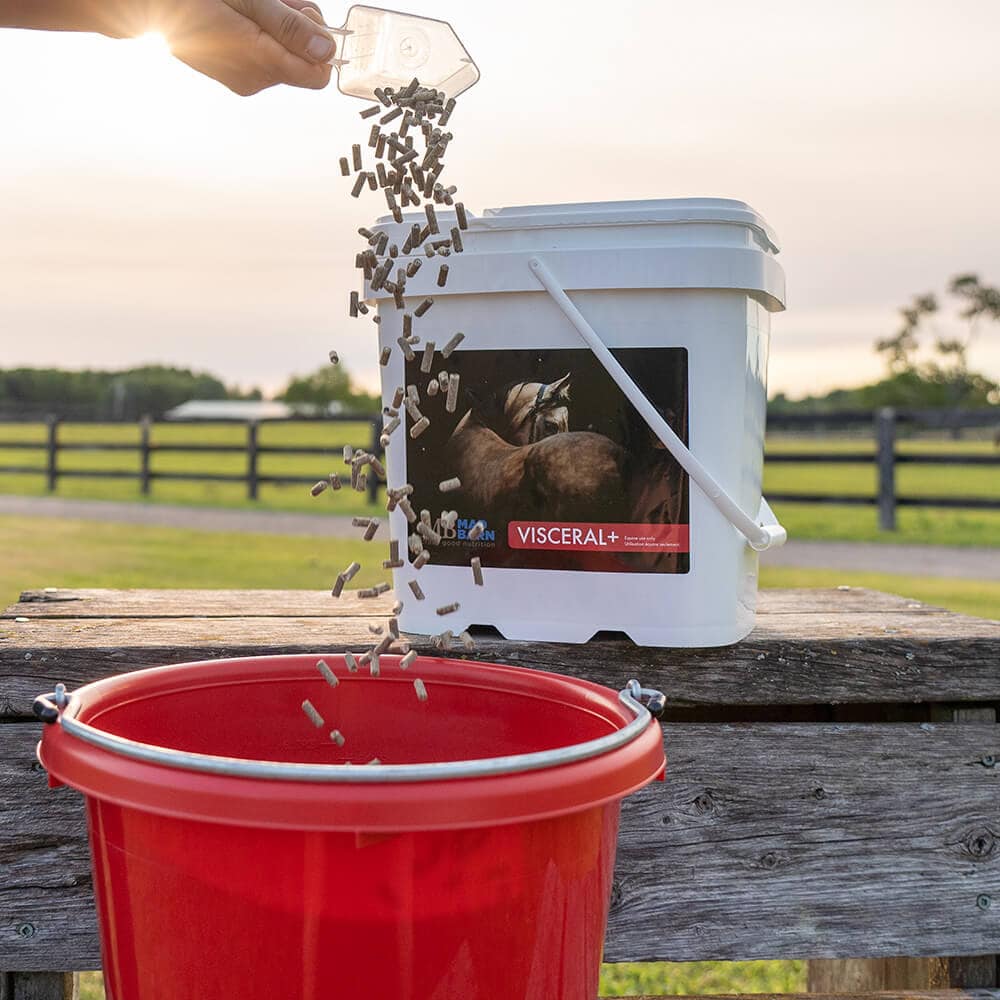
Yes, Visceral+ comes with a scoop for accurate measurement. Feed one 80 g scoop per 500 kg (1,100 lb) of body weight daily. Adjust the amount for smaller or larger horses according to the label instructions. The supplement should be fed once daily, top-dressed on feed or split into multiple meals depending on your routine.
Visceral+ is a pelleted formula designed for high palatability and ease of feeding. The pellets minimize waste, ensure consistent intake, and are readily accepted by most horses.
Yes. Visceral+ can be mixed into soaked feeds or wet mashes. To preserve live probiotic activity, it’s best to top-dress it just before feeding or limit soaking to under four hours. Avoid soaking with hot water, as excessive heat can reduce probiotic viability.
Yes. Visceral+ can be safely fed alongside other Mad Barn supplements. It does not contain added vitamins or minerals and is designed to complement a balanced feeding program.
For complete nutritional support, Visceral+ can be paired with Omneity or AminoTrace+ to meet vitamin and mineral requirements. It can also be used with Mad Barn products that target other aspects of health and performance, including:
W-3 Oil – source of DHA omega-3 fatty acids for joint, skin, and metabolic support
Three Amigos – provides essential amino acids for topline and muscle development
All of these products are formulated to work together as part of a complete, balanced nutrition plan for horses in training, competition, or general maintenance.
Feed Visceral+ for a minimum of two months at the full recommended rate, then reassess based on your horse’s response. Many owners continue using it long-term during training, competition season, or stressful management periods. For maintenance between seasons, some horses transition to Optimum Digestive Health for hindgut-only support.
Yes. Visceral+ is a palatable pelleted supplement and is well accepted by most horses. The mild herbal aroma comes from ingredients such as milk thistle and peppermint, which some horses notice at first. For selective eaters, introduce the pellets gradually by mixing a small amount into their regular feed and increasing to the full dose over several days. You can also mix it with a familiar flavour such as soaked beet pulp or a small handful of oats.
If your horse is especially hesitant, try offering a few pellets by hand or sprinkling some around their hay so they become accustomed to the scent. All Mad Barn products are covered by our 100% Customer Happiness Guarantee — if your horse will not eat it, we’ll provide a refund or store credit.
Visceral+ has a 12-month shelf life from the date of manufacture, printed on the package. Store it sealed in a cool, dry location, away from direct sunlight and moisture. Always close the container tightly after each use to preserve freshness and probiotic viability.
Yes. Visceral+ is competition-legal and contains no prohibited substances, making it safe for performance horses across all disciplines, including FEI and USEF levels. Because regulations can change, always confirm with your governing organization before competition.
We do not recommend feeding Visceral+ to pre-weaned foals without veterinary guidance. However, it is safe for weanlings, yearlings, and young horses that may benefit from added digestive and immune support during growth or stress.
Yes. Visceral+ is made with low-NSC ingredients and has a combined sugar (ESC) and starch content below 6%. It supports gut and immune health without adding unnecessary sugars, making it suitable for horses with PPID, IR, or a history of laminitis.
Visceral+ is not recommended for pregnant or lactating mares unless specifically directed by your veterinarian, as some of the herbal ingredients have not been fully evaluated for use during pregnancy. For mares requiring digestive support during gestation or lactation, Optimum Digestive Health is a safe alternative and has been shown to help maintain immune function and colostrum quality.
Ask A Question
Have a question about this product? Ask below and our nutritionists will be happy to assist.
“Visceral+ provides targeted support for gastric health and the immune system. Trusted by Olympic athletes and veterinarians, it helps maintain digestive function under stress, travel, intense training, and other challenges.”
Comprehensive gastric support to help keep your horse comfortable.
Health and wellness start in the gut. Mad Barn's Visceral+ is our most advanced gut supplement in a convenient pelleted format that horses love.
Visceral+ is formulated with natural ingredients to help maintain a healthy intestinal lining, support normal renewal of stomach tissue, nourish beneficial hindgut microbes, and promote immune and digestive function.
✓Helps maintain gastric health and normal appetite
✓Provides probiotics, yeast, herbs, minerals and amino acids
✓Supports horses challenged by stress, travel, and training
✓Trusted by veterinarians, Olympic riders and everyday horse owners
Why Horse Owners Choose Visceral+
Advanced gut support that works when your horse needs it most.
Visceral+ is designed for horse owners who don't want to guess about gut support. Choose the comprehensive formula that reliably supports the entire digestive tract so your horse can feel and perform their best.
Evidence-Based Ingredients
Nutritionist Formulated
A transparent formula with research-backed ingredients to support stomach barrier function and digestive health.
Clinically Evaluated Formula
Veterinary Research Trial
Tested by equine veterinarians as part of a nutritional support program for horses with gastric health concerns.
Over 100,000 Units Sold
Loved by Horse Owners
Relied on for over a decade by thousands of horse owners across North America to maintain gastric and hindgut health.
Trusted by Olympic Riders
Proven at the Highest Levels
Used by elite competitors across disciplines to support horses through demanding training, travel and competition schedules.
Gut discomfort shows up in different ways.
A tense horse. Poor appetite. Spooky behavior. Reluctance to move forward. These are often the first signs owners notice when digestive concerns start affecting the ride. Visceral+ supports stomach and hindgut health to help horses stay focused, consistent and ready to work.
Girthy or reactive
Pins ears, flinches, tightens through the back or becomes uncomfortable during grooming, saddling or work.
Loose manure after stress
Changes in manure after trailering, competition, deworming, medication use or routine disruption.
Picky eating or reduced appetite
Leaves meals unfinished, becomes selective, loses condition or goes off feed during stress or exercise.
Less settled under saddle
Feels on edge, distracted, dull, resistant or less willing, especially during busy training or management periods.
Difficulty maintaining condition
Struggles to maintain weight or topline despite a balanced feeding program that supplies enough calories.
Stress behaviours
Shows signs of tension such as cribbing, weaving, stall walking, pawing or other repetitive behaviours, especially during changes in routine.
What Makes Visceral+ Different?
Not a buffer. Supports the stomach’s natural defenses.
Visceral+ supports the natural protective mechanisms your horse's stomach relies on. Instead of temporarily buffering gastric acid, it provides nutritional factors that maintain a healthy stomach lining and intestinal barrier.
✓Mucin precursors that support the stomach’s protective mucus barrier
✓Amino acids that support cell turnover and the epithelial barrier
✓Phospholipids that protect gastric tissue from acid exposure
✓Mucilage-forming botanicals that coat and soothe mucosal surfaces
Why use Visceral+?
Visceral+ works with your horse’s biology to maintain stomach and hindgut health.
Stomach concerns are reported in up to 95% of performance horses. Trailering, competition, hard work, limited turnout, large grain meals and restricted forage put pressure on the digestive system every day.
If almost every performance horse faces digestive stress, gut support can't be optional. Visceral+ provides advanced stomach and hindgut support before issues start affecting comfort, condition and consistency.
1
Supports normal tissue repair
A scientifically formulated combination of ingredients that works with your horse’s natural biology to help maintain a healthy intestinal lining.
2
Provides nutritional building blocks
Amino acids, minerals, phospholipids, and essential fatty acids support stomach tissue, mucosal integrity and the microbiome.
3
Nourishes the hindgut microbiome
Combines 20 billion CFUs of probiotics with dried yeast extract to support microbial balance, fibre fermentation and digestive function.
4
Supports immune function
Probiotics and functional nutrients that support normal immune function, helping to maintain defenses against pathogens that can disrupt gut health.
Don’t fight biology. Visceral+ supports normal mucin production, stomach barrier integrity, hindgut microbial balance and immune health so your horse can stay comfortable, settled and ready to work.
Equestrians from different disciplines use Visceral+ to support digestive health, comfort and performance in their horses.
Key ingredients
Research-backed ingredients selected to support complete gastrointestinal health.
Visceral+ is formulated with high-quality natural ingredients, including probiotics, yeast, herbs, minerals, omega-3 fatty acids and amino acids to support your horse’s gastric health, hindgut function and immune system.
Glutamine & threonine
Amino acids that provide nutritional support for digestive lining maintenance, mucosal cell turnover and mucus barrier integrity.
Prebiotic fiber
Mannan-oligosaccharides and yeast-derived compounds help nourish beneficial microbes and support a healthier hindgut environment.
5-strain probiotic blend
Provides 20 billion CFUs per serving of beneficial bacteria to support microbial balance and normal digestive function during feeding and management stress.
Dried yeast extract
Supports fiber utilization, hindgut fermentation and the beneficial organisms horses rely on for normal digestive function.
Mucilage-rich herbs
Slippery elm and marshmallow root provide mucilage compounds that help coat and soothe the digestive tract.
Lecithin & omega-3s
Supports the stomach's phospholipid barrier and provides fatty acids involved in maintaining healthy tissues and inflammatory balance.
Owners often report their horses appear more comfortable, less girthy, more settled under saddle, easier to maintain in condition, and have more consistent appetite and manure quality when Visceral+ is fed consistently.
★★★★★
Girthiness and comfort
“After about a month of using Visceral+, Silver was no longer girthy and seemed so much happier in his gut.”
Zoe Hudson
✓ Verified Customer
★★★★★
Loose manure
“Every time I trailered him somewhere he would have horrible runny diarrhea. I’m very impressed with the results.”
Kimberly McManus
✓ Verified Customer
★★★★★
Appetite and condition
“He has drastically improved in his eating habits and overall appearance. I have recommended this product to everyone I know.”
Michela Silvestre
✓ Verified Customer
★★★★★
Training and travel stress
“When shipping to new places, I like to give Sunny Visceral+, as she can be a bit of a stress ball.”
The clinical test for Visceral+ was conducted by Halton Equine Veterinary Services. Horses with gastric concerns received omeprazole under veterinary care. Visceral+ was introduced two weeks before omeprazole was stopped and continued for 30 days after withdrawal.
The study evaluated Visceral+ as nutritional support for maintaining gastric health after acid-suppressing medication is discontinued. At the final gastroscopy, gastric appearance remained healthy in supplemented horses.
1
Veterinary scoped
Horses brought to the clinic for gastroscopy were enrolled with owner consent to document initial gastric findings.
2
Omeprazole protocol
Horses received GastroGard® (omeprazole) under veterinary care for 15–30 days.
3
Visceral+ introduced
Visceral+ was introduced one to two weeks before omeprazole was discontinued and continued for another 30 days.
4
Follow-up scope
At the end of the 60-day period, follow-up gastroscopy showed improved gastric appearance while Visceral+ provided daily nutritional support.
Visceral+ is a Veterinary Health Product (VHP) reviewed by Health Canada for maintaining gastric and hindgut function and supporting the immune system.
Trusted by elite athletes
Used by riders who need their horses focused and ready to perform.
Visceral+ is part of the daily gut health program for horses competing across reining, eventing, dressage, combined driving, show jumping and other performance disciplines.
Reining
Jim Greendyk
NRHA reiner & trainer
“We feed Visceral+ to keep our horses’ guts healthy. It’s been a game changer.”
Eventing
Karl Slezak
Olympic eventer
“I trust Visceral+ to support my horses’ gut health so they’re focused and ready to compete.”
Eventing
Phillip Dutton
Olympic eventer
“I’ve been using Visceral+ now for about 2 years. It’s without a doubt the leader in its field.”
Dressage
Denielle Gallagher
Grand Prix dressage rider
“Visceral+ allows him to feel comfortable and perform his best!”
Combined Driving
Martha Younger
FEI combined driving competitor
“Visceral+ ensures my horses are able to maintain a healthy weight and a happy attitude.”
Show Jumping
Isabella Erlick
FEI show jumper
“When we put him on the Visceral+, he gained weight and his overall digestive comfort improved.”
What to expect
Feed daily. Look for a more comfortable, consistent horse.
Visceral+ is palatable and easy to add to your horse’s routine. For best results, feed consistently while monitoring appetite, manure quality, girth sensitivity, attitude under saddle and body condition.
1
Feed once daily
For a 500 kg / 1,100 lb horse, the typical feeding rate is 80 grams (1 scoop) per day. Adjust according to body weight and label directions.
2
Use consistently
Feed consistently for 1–2 months as part of a gut-friendly management program to fully evaluate your horse's response.
3
Monitor comfort
Watch for changes in appetite, manure quality, girthiness, temperament, willingness to work and condition.
100% Customer Happiness Guarantee
Try Visceral+ Risk-Free
We're confident you'll love Visceral+. If you're not satisfied with the product, our team is here to help you find the right solution or provide a full refund.
Less than 1% of customers ever use our satisfaction guarantee.
Need help deciding? Talk to a nutritionist for free before you buy.
Every horse’s health history, workload, body condition, forage and management routine is different. You should always consult a qualified nutritionist before altering your feed program.
Submit your horse’s diet for analysis online.
One of our equine nutritionists will be happy to provide a complimentary review and help determine whether Visceral+ is the right fit for your horse.


 English




 B-Vitamin Pak
  Omneity® Pellets
  Omneity® Premix
  Visceral+
 MagneChrome+
  OmegaPrime+
  w-3 Oil
 AminoTrace+
  Optimum Digestive Health

 Optimum Probiotic


 Magnesium Oxide
  Performance XL: Electrolytes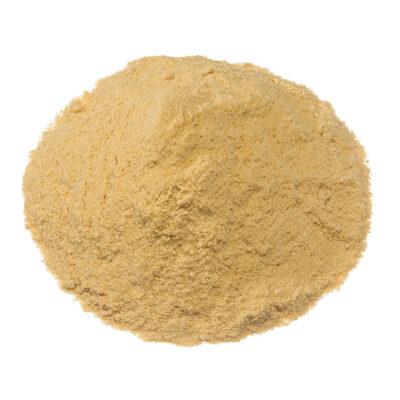


 DL-Methionine
  Three Amigos
 Milk Thistle
  NOCR
NOCR 


 Threonine






















