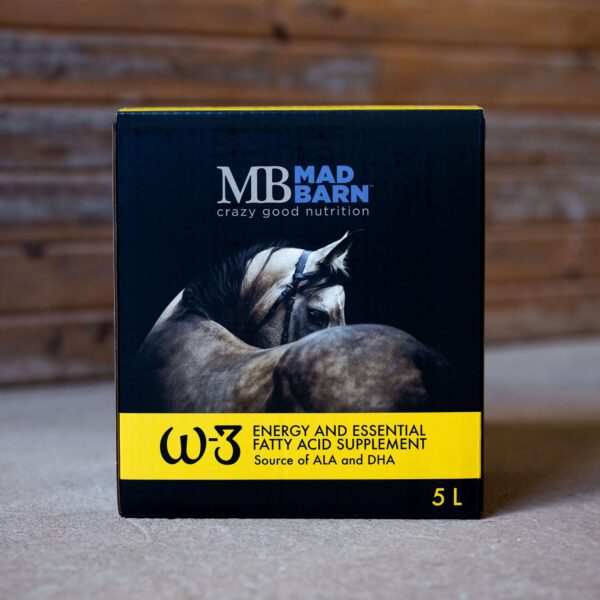
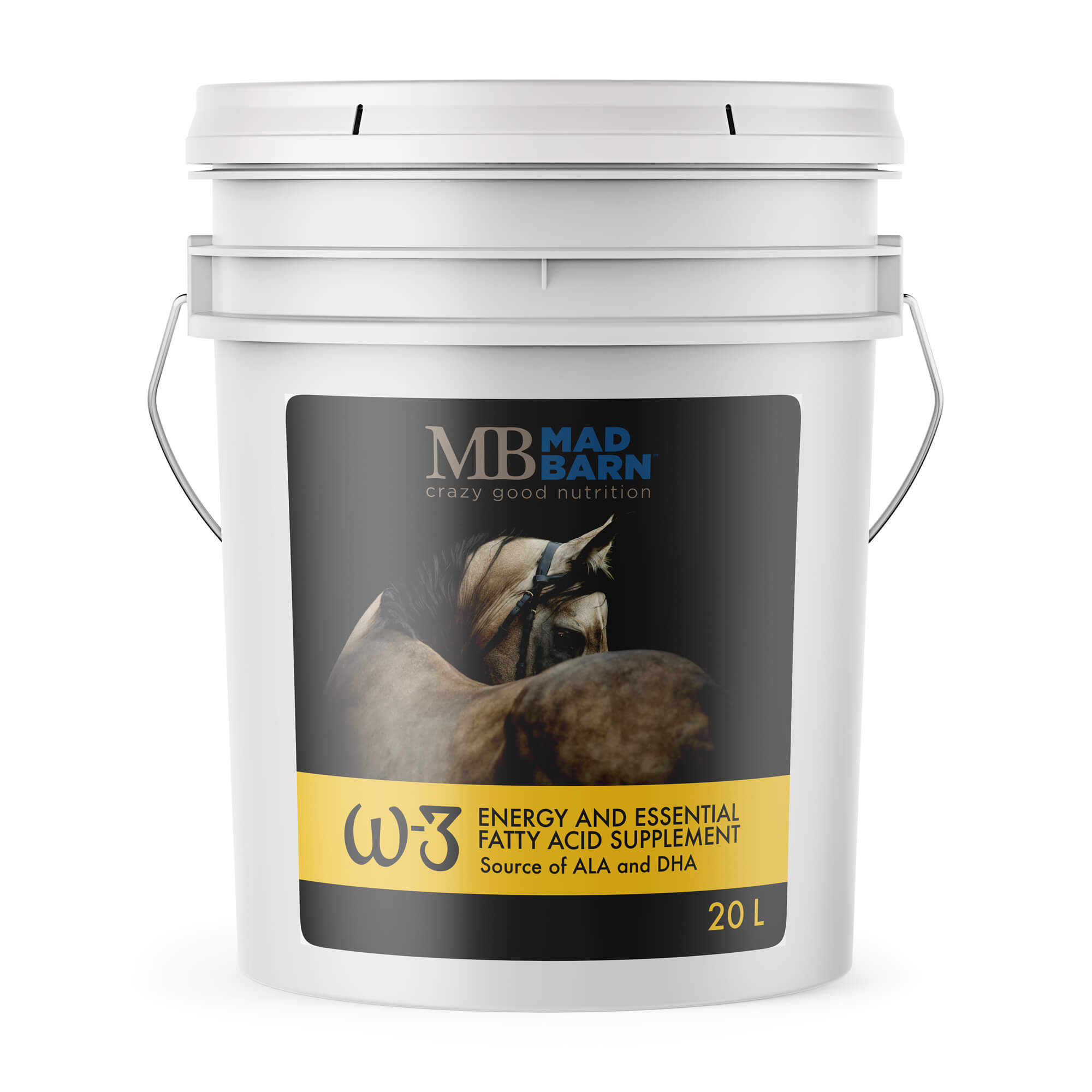
w-3 Oil is an energy and essential fatty acid supplement for horses enriched with the omega-3 DHA as well as natural vitamin E. This plant-based formula supports cardiovascular health, weight management, and healthy skin, delivering all the benefits of omega-3s without the fishy smell or taste.
Helps maintain healthy joints and a shiny coat
Supports respiratory function and normal regulation of inflammation
Source of cool calories for exercising horses and hard keepers
Very palatable and easy to add to any feeding program
I’ve been using W-3 oil for the past 9 months and have noticed a healthy weight gain and extremely silky and thick coat! My pony loves the taste of the oil, and I love the smell!
Serena Vicano
Verified Customer
I decided to go with MadBarn's W3 oil. Within 2 months I saw the shine return to my mare that we'd been missing previously. She looks and feels better than ever, moving more fluidly...
Lauren Gingery
Verified Customer
I have used the w-3 oil on previous horses and my current one and have never been disappointed! The effortless shine it gives them is incomparable, and I love the added vitamin E for joint health...
Zoe Hudson
Verified Customer
This has been a big plus to my mare. We went a week without feeding the oil and there was a noticeable difference in how she moved... putting her back on it she's like a different horse
Samuel La Rocke-Seitz
Verified Customer
EXCELLENT product. I have a 17 year old tb that’s always been a hard keeper and this made him bulk up in all the right ways. He loves how it tastes too!!! This stuff is liquid gold..
Kiana Wojcik
Verified Customer
...nothing has given me the results that Mad Barn Omneity and w3 oil has! He’s keeping weight on while still growing and his coat looks amazing... Very impressed with madbarn supplements!
Madison Evanitski
Verified Customer
I started using W-3 Oil and Extra Vitamin E for my 17 year old APHA Sport Horse Stallion... His coat is shinier, his body has more muscular tone. He is moving freely with out stiffness.
kellybrookallen
Verified Customer
This oil is amazing - our pony is no longer show ANY signs of heaves 6 weeks on W3. He is no longer on any meds or supplements other than W3. So impressed.
Barb Thurber
Verified Customer
I believe it is helping my mare gain weight and be healthy. She was in very rough shape when we bought her, and she is coming around quite well, even in our cold winter.
Laurie McDonald
Verified Customer
I started using the W-3 oil on my 21 year old mare for allergy and coughing. She has been on W-3 now for 3-1/2 months and the condition has improved quite a bit.
Gary Smith
Verified Customer
Outstanding!!!! Have an 18yo with PPID. Hard to keep weight on. This has been a game changer. Using this with Omneity, starting to rebuild muscle and conditioning.
Erica McLaughlin
Verified Customer
I've noticed a difference in my 28-year old gelding with Cushing's since giving him W-3 oil. His coat is so shiny with dapples and he has more energy.
Laura Mollrich
Verified Customer
w-3 Oil is great. Best and most economical source I've found for the DHA I was looking for. Not fishy smelling at all.... Definitely plan on getting more when needed.
Susan Krieg
Verified Customer
My coming 3 year old has been on this for 7 weeks now and her winter coat looks incredible; shiny and soft but still ridiculously fluffy... and her face seems much less itchy.
Naomi Henneberry
Verified Customer
He gets the max dose of w-3 oil daily and has never looked better. He maintains a healthy weight all winter and his coat has stays so shiny all year long.
Katie Byer
Verified Customer
They seem to really enjoy the W3 oil. My 18 year old mare is keeping up with my 4 year old TB galloping around the paddock now!
Alex Elliot
Verified Customer
All my horses are on the W3 oil, and they love it. Their skin and coats have never looked so sleak and shiny this Spring.
Taylor Storms
Verified Customer
We stand behind our products to provide the best nutrition for your horse. No fillers, just research-backed ingredients. If your horse doesn't love this product, our Customer Happiness team is here to help or give you a refund guaranteed.
Docosahexaenoic Acid (DHA)
Docosahexaenoic acid (DHA) is a long-chain omega-3 fatty acid that supports inflammatory balance, joint mobility, cardiovascular health, and immune resilience. It is a structural component of cell membranes and contributes to normal signaling in tissues such as the brain, retina, and muscle.
In the horse, DHA and eicosapentaenoic acid (EPA) are the primary omega-3 fatty acids that generate bioactive compounds—resolvins and protectins—which help regulate inflammation and oxidative stress. Because the conversion of alpha-linolenic acid (ALA) from plant sources to DHA and EPA is inefficient, direct supplementation with marine-derived DHA (such as from microalgae or fish oil) provides a more effective source of these functional lipids than supplementing with ALA alone. .
DHA supplementation has been shown in equine research to support metabolic health, respiratory function, and post-exercise recovery, particularly in horses with higher oxidative or inflammatory demands. In horses, dietary supplementation with DHA has been shown to improve insulin sensitivity and support healthier insulin levels. This fatty acid also benefits digestive health by modulating inflammation in the gut and supporting a healthy gastrointestinal lining. It can also help promote a balanced microbiome. Microalgal DHA offers a sustainable, contaminant-free source suitable for performance and metabolic support.
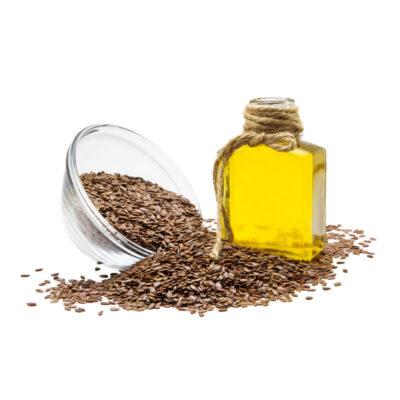
Flax oil, also known as linseed oil, is a plant-derived oil extracted from flaxseed and is notable for providing one of the richest natural sources of the omega-3 fatty acid alpha-linolenic acid (ALA). It also contains smaller amounts of omega-6 fatty acids, both of which are essential nutrients that horses must obtain through their diet to maintain normal cellular and metabolic function.
Because of its palatable taste, high omega-3 content, and ease of mixing, flax oil is widely used in equine nutrition to help support normal inflammatory balance, skin health, and coat quality. Omega-3 fatty acids contribute to maintaining a healthy skin barrier and are involved in supporting normal immune and metabolic responses. Flax oil also serves as an effective carrier for long-chain omega-3s such as DHA from algal sources, helping to evenly distribute these beneficial fats in the diet.
As a “cool” calorie source, flax oil provides energy from fat rather than sugar or starch, helping maintain body condition and performance without contributing to excess excitability. Supplemental fats can also increase the overall calorie density of the ration, supporting horses with higher energy demands or those needing assistance with weight maintenance.
As with all dietary adjustments, flax oil should be introduced gradually to allow the digestive system to adapt and to ensure optimal tolerance and nutrient utilization.
Heterotrophic microalgae is a plant-based source of the omega-3 fatty acid DHA, derived from marine algae. It delivers high levels of DHA comparable to fish oil, but without the fishy smell or taste—making it highly palatable for horses.
Algae-derived DHA production is a more sustainable and efficient process than fish-derived sources. Algal oil is produced in an industrial fermentation process that removes contaminants and heavy metals, making this oil a healthy source of DHA.
The omega-3 fatty acid DHA derived from heterotrophic algae supports many processes in the horse's body including a normal inflammatory response, skin health, joint function, metabolic health and nervous tissue health.
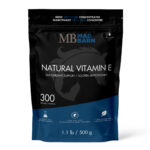
Natural Vitamin E (d-alpha-tocopherol) is a fat-soluble antioxidant that protects cells and tissues from oxidative damage. It supports immune health, muscle recovery, cardiovascular function, and neural integrity in horses. Compared to synthetic dl-alpha-tocopherol, the natural form is significantly more bioavailable and efficiently incorporated into cell membranes, making it the preferred source for supplementation.
Vitamin E is a key component of the body’s antioxidant defense system, neutralizing free radicals produced during metabolism and exercise. It helps maintain the integrity of muscle and nerve tissues, supports red blood cell stability, and reduces oxidative stress associated with intense training or illness. Chronic deficiency can lead to neuromuscular disorders such as equine motor neuron disease or vitamin E–deficient myopathy.
Fresh green pasture is the richest natural source of vitamin E, but levels decline rapidly during hay storage and are negligible in most grains. Horses without regular access to pasture, those in heavy work, or individuals with metabolic conditions benefit from daily supplementation of natural vitamin E to maintain optimal antioxidant status and support recovery.
Supplementing bioavailable natural forms of vitamin E has been shown to enhance immune response, improve muscle enzyme stability, and reduce inflammation following exercise, contributing to overall vitality and performance in horses.
Soybean oil is a plant-derived oil extracted from soybean seeds and is widely used in equine nutrition as a safe, highly refined source of dietary fat. During processing, soybean oil undergoes extensive refining steps that remove protein fractions and other components, leaving a purified lipid source suitable for all horses, including those with dietary sensitivities.
Soybean oil is naturally rich in linoleic acid (LA), an essential omega-6 fatty acid that must be supplied in the diet. Its typical omega-6:omega-3 ratio of around 7:1 reflects a higher proportion of omega-6 relative to many other plant oils. Omega-6 and omega-3 fatty acids support normal immune and inflammatory functions, and balanced intake of both helps maintain healthy physiological responses. For this reason, soybean oil is often complemented with omega-3 sources such as DHA-rich algal oil to support an appropriate overall fatty acid profile.
As a “cool” energy source, soybean oil provides calories from fat rather than sugar or starch, helping maintain body condition and support performance without increasing excitability. Increasing dietary fat allows the horse’s metabolism to adapt to using fat more efficiently as fuel, supporting steady energy release and reducing heat production during exercise.
Soybean oil also supports skin and coat health by supplying essential fatty acids that contribute to a smooth, glossy hair coat and a resilient skin barrier. As with any dietary adjustment, soybean oil should be introduced gradually to allow the gastrointestinal tract to adapt and ensure optimal digestion and tolerance.
Register & manufactured by: Mad Barn Inc., Petersburg, ON, Canada.
Disclaimer: These statements have not been evaluated by Health Canada or the FDA. This product is not intended to diagnose, treat, cure or prevent any disease.
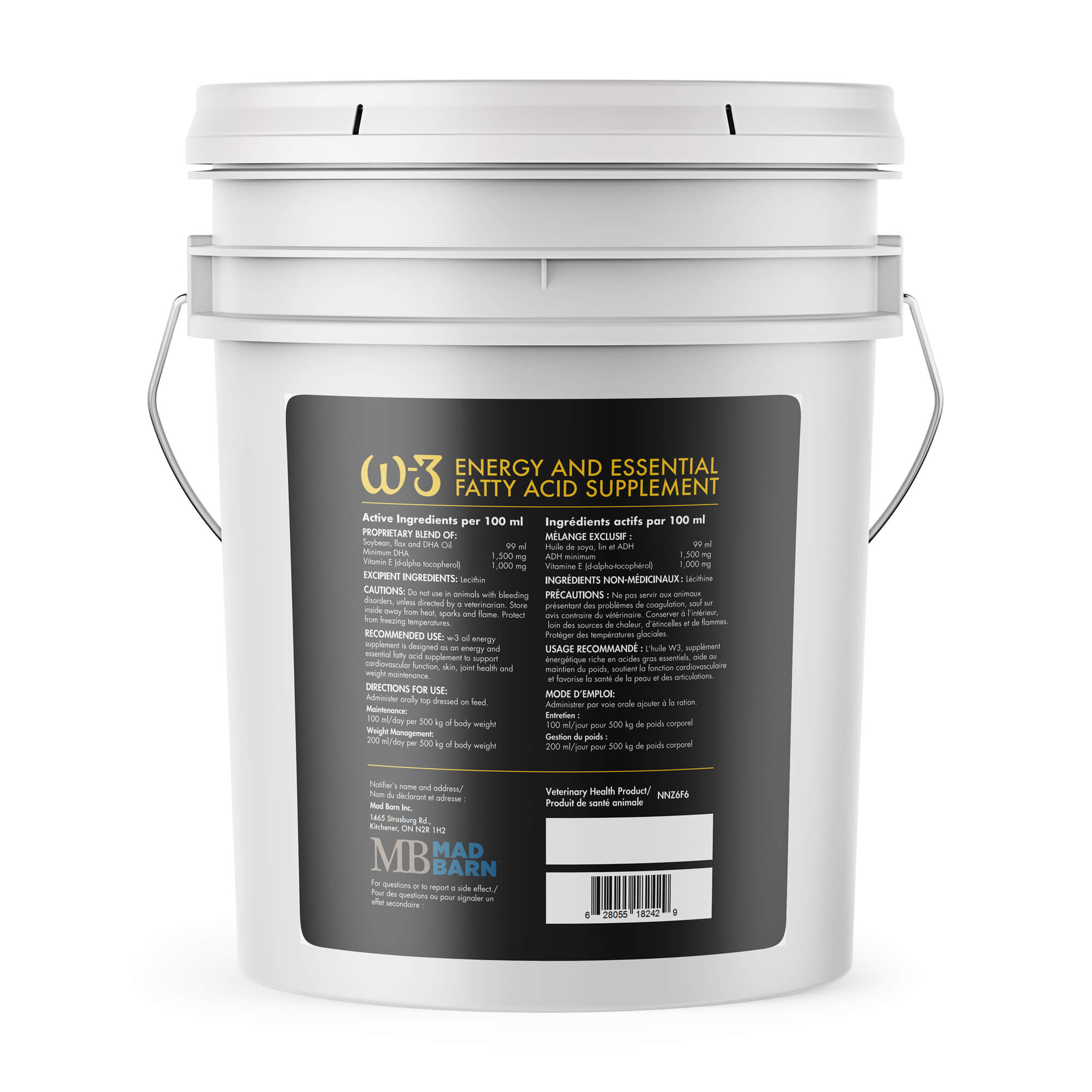
5 L: SKU 628055180708 20 L: SKU 628055182429
Cost Calculator
Metric (kg)
Imperial (lb)
kg
mL
Servings
Cost Per Day
Disclaimer: Recommended feeding rate varies depending on your horse's condition and current diet. Consult with a nutritionist to determine the appropriate inclusion rate for your horse.
Frequently Asked Questions
W-3 Oil is a DHA-enriched fat supplement for horses that provides cool, concentrated calories to support optimal health and performance. It is a source of microalgae-derived long-chain omega-3 fatty acids, primarily Docosahexaenoic Acid (DHA) — the biologically active form that the body can use directly.
By supplying DHA in its active form, W-3 Oil helps maintain normal inflammatory balance and supports joint comfort and mobility, skin and coat quality, respiratory function, metabolic health, reproductive performance, and post-exercise recovery. Unlike flax or camelina oil, which provide short-chain ALA that is less effective, W-3 Oil delivers DHA directly for superior omega-3 support.
This supplement contains no sugar or starch (low NSC), is 100% plant-based, and is highly palatable — making it suitable for performance, senior, and metabolic horses. Increasing the fat content of the diet with W-3 Oil can also help support gut health, calm behavior, athletic performance, and weight maintenance while reducing reliance on grain for calories.
W-3 Oil can be beneficial for a wide range of horses. Underweight or hard-keeping horses benefit from the cool, calorie-dense energy source that helps maintain weight and body condition without relying on grain or starch. Athletic and performance horses use W-3 Oil to support stamina, post-exercise recovery, and normal muscle and joint function. Senior horses often gain additional support for metabolic health, mobility, and overall vitality through the omega-3s and natural vitamin E it provides.
Because W-3 Oil contains no sugar or starch and delivers DHA directly from algae, it is also safe and valuable for horses with metabolic concerns such as PPID (Cushing’s), insulin resistance (IR), and EMS. Broodmares and growing foals benefit from DHA’s role in reproductive performance, pregnancy maintenance, and foal cognitive and neurological development.
W-3 Oil is suitable for a wide range of horses that can benefit from supplemental fat and omega-3 fatty acids. Underweight or hard-keeping horses benefit from its calorie-dense, starch-free energy source that supports healthy weight maintenance and body condition. Performance and athletic horses benefit from the DHA and natural vitamin E in W-3 Oil, which help maintain muscle and joint comfort, support exercise recovery, and promote normal inflammatory balance after training or competition.
Senior horses often show improved mobility and comfort when omega-3 intake is increased, while horses with metabolic conditions such as PPID (Cushing’s), insulin resistance (IR), or equine metabolic syndrome (EMS) may benefit from DHA’s role in supporting normal glucose metabolism and vascular health. Broodmares and growing foals benefit from DHA’s involvement in reproductive function, pregnancy maintenance, and foal neurological development.
W-3 Oil can also be useful for horses with skin allergies, poor coat quality, or respiratory sensitivities. In these horses, DHA helps maintain healthy immune and tissue function, supporting skin integrity and respiratory comfort. This supplement can also help maintain a calm disposition and support digestive health in horses that tend to be high-strung, particularly when used to replace grain as an energy source in the diet. Because it contains no added sugar or starch, W-3 Oil is safe for metabolic and performance horses alike when fed as part of a balanced diet.
W-3 Oil provides DHA (docosahexaenoic acid), a long-chain omega-3 fatty acid known to support joint health by helping maintain a normal inflammatory balance in connective tissues. DHA is incorporated into cell membranes within cartilage and synovial tissue, influencing the production of signaling molecules that regulate inflammation. This helps preserve joint flexibility, comfort, and overall mobility in active, aging, or performance horses. Regular supplementation with W-3 Oil can be beneficial as part of a comprehensive joint support program that includes balanced nutrition, proper exercise, and routine veterinary care.
W-3 Oil supplies DHA and other essential fatty acids that help maintain normal skin barrier integrity and coat quality. These nutrients support natural sebum production, promote moisture retention, and help the skin respond normally to seasonal or environmental irritants. Horses supplemented with W-3 Oil often develop a soft, glossy coat as skin cell turnover and lipid balance improve with consistent feeding.
W-3 Oil provides DHA (docosahexaenoic acid), a long-chain omega-3 fatty acid that plays a role in maintaining a normal inflammatory response within the respiratory tract. DHA is incorporated into the phospholipid membranes of airway and immune cells, where it influences the production of signaling molecules involved in inflammation and mucus regulation. Supplementing with DHA supports normal airway function, oxygen exchange, and recovery from exercise. W-3 Oil is particularly beneficial for horses exposed to dust, pollen, or heavy training demands. For comprehensive respiratory support, it can be fed alongside nutrients such as spirulina and jiaogulan as part of a balanced diet and overall management program.
W-3 Oil supports digestive health by providing a concentrated calorie source that contains no sugar or starch, helping reduce dietary factors that can disrupt hindgut pH or microbial balance. Replacing high-starch feeds with fat-based calories lowers the risk of starch overload and supports a more stable gut environment. The DHA in W-3 Oil also contributes to maintaining the integrity of intestinal cell membranes and supports a balanced inflammatory response within the digestive tract. Together, these effects support normal microbial function, nutrient absorption, and digestive comfort in horses.
Omega-3 fatty acids, particularly DHA, play important roles in reproductive efficiency, pregnancy maintenance, and milk quality. In mares, DHA supports uterine health and helps maintain normal inflammatory balance during breeding and gestation. In stallions, omega-3s contribute to sperm membrane integrity and motility. Supplementing W-3 Oil during breeding and lactation helps support both reproductive performance and foal development.
W-3 Oil supports normal metabolic function by supplying energy from fat instead of sugar or starch, helping to avoid spikes in blood glucose. This makes it suitable for horses with metabolic concerns such as PPID (Cushing’s), insulin resistance (IR), or equine metabolic syndrome (EMS). The DHA in W-3 Oil contributes to maintaining normal cellular energy metabolism and supports a balanced inflammatory response, both of which play key roles in metabolic health. When fed at the appropriate rate and as part of a balanced diet that provides complete vitamin and mineral nutrition, W-3 Oil can help maintain a healthy body weight, energy balance, insulin sensitivity and overall metabolic function.
W-3 Oil provides a concentrated, slow-release energy source that supports endurance and post-exercise care in athletic horses. DHA and other omega-3s help maintain normal blood flow, muscle oxygenation, and joint comfort, while reducing exercise-related oxidative stress. Supplementing W-3 Oil can also support muscle glycogen resynthesis and shorten recovery time between workouts, helping performance horses sustain peak condition.
No, the energy provided by W-3 Oil comes from fat, not sugar or starch, which means it delivers slow-release calories without causing excitability. This makes it an excellent source of “cool energy” for performance horses that need additional calories to maintain body condition without becoming hot or reactive. However, as with any fat supplement, total calories should be adjusted based on your horse’s activity level and body weight to prevent excess weight gain.
Flax and camelina oils provide omega-3 fatty acids primarily in the form of alpha-linolenic acid (ALA), a short-chain precursor that the horse’s body must convert into the long-chain forms, DHA and EPA, before they can be used in cellular processes. This conversion is very limited in horses, meaning only a small fraction of ALA becomes biologically active. W-3 Oil provides DHA directly from algae — the same long-chain omega-3 naturally found in marine sources — making it far more readily incorporated into cell membranes. Because DHA is the bioactive form utilized by tissues, W-3 Oil delivers significantly more effective nutritional support for normal joint function, skin and coat condition, respiratory health, and reproductive function compared to flax or camelina oil.
W-3 Oil provides the same long-chain omega-3 fatty acids—particularly DHA (docosahexaenoic acid)—that are found in fish oil, but derived from marine microalgae. This makes W-3 Oil a sustainable, plant-based alternative that eliminates the strong odor and taste associated with fish oil while maintaining the same nutritional benefits. The DHA in W-3 Oil supports normal inflammatory balance, joint mobility, skin and coat condition, and metabolic function, with excellent palatability and acceptance by horses.
W-3 Oil provides DHA (docosahexaenoic acid), the long-chain omega-3 fatty acid that the horse’s body uses directly. This makes it more efficient than flax or camelina oil, which supply only ALA (alpha-linolenic acid) that must be converted to DHA and EPA — a process that is extremely limited in horses.
Compared to fish oil products like EO-3™, W-3 Oil delivers the same bioactive omega-3s but in a plant-based form derived from algae, eliminating the strong odor and taste often associated with fish oil. It is highly palatable, sustainably sourced, and more cost-effective per milligram of DHA. For horses, this means easy feeding, consistent intake, and affordable support for joint, skin, metabolic, and respiratory health.
W-3 Oil provides a concentrated source of calories from fat, supplying approximately 9 kcal per gram, similar to vegetable or rice bran oils. However, unlike conventional fat supplements that only add calories, W-3 Oil is enriched with DHA, a long-chain omega-3 fatty acid that supports normal inflammatory balance, metabolic function, and overall health.
Because W-3 Oil delivers DHA directly from algae, it is more biologically active than flax or camelina oils that rely on inefficient conversion of ALA to DHA. It also avoids the strong odor and palatability issues often associated with fish oil. For horses needing additional calories, weight gain, or skin, joint, or metabolic support, W-3 Oil offers a more nutrient-dense and effective option compared to fat or weight gain supplements.
W-3 Oil provides 1,500 mg of DHA (docosahexaenoic acid) per 100 mL serving. The omega-3 to omega-6 ratio is often discussed in equine nutrition, but it becomes less meaningful when feeding DHA directly because not all omega-3s are the same. The ratio applies to short-chain omega-3s such as alpha-linolenic acid (ALA) found in flax or camelina oil. Horses convert less than 5% of ALA into DHA or EPA, making this pathway highly inefficient for supporting omega-3 status.
By supplying DHA directly in its bioactive, long-chain form, W-3 Oil bypasses this conversion step and delivers the form the body uses to maintain normal inflammatory balance, cardiovascular function, and metabolic health. Direct supplementation with DHA is far more effective than increasing dietary ALA, as even small amounts of DHA from W-3 Oil can have a greater physiological impact than much larger doses of short-chain omega-3s.
Yes. While horses do not have a gallbladder, they are still fully capable of digesting and utilizing dietary fat. Unlike humans, horses continuously secrete bile directly from the liver into the small intestine, which allows them to emulsify and absorb fats throughout the day rather than relying on a single large bile release after meals. This adaptation suits their natural grazing behavior and enables efficient digestion of added oils.
Although forage-based diets are naturally low in fat (typically 2–4%), horses can readily metabolize higher fat levels when introduced gradually. Research shows that horses can derive up to 20% of their daily digestible energy from fat without digestive compromise. Adding fat sources such as W-3 Oil provides a concentrated, “cool” calorie source and supplies bioactive omega-3 fatty acids like DHA, which support metabolic, joint, and cardiovascular health without increasing dietary starch or sugar.
Yes. W-3 Oil can be safely combined with Omneity, AminoTrace+, and other Mad Barn supplements as part of a balanced feeding program. These products are formulated to complement one another: Omneity and AminoTrace+ provide complete vitamin and mineral coverage, while W-3 Oil delivers bioavailable omega-3 fatty acids such as DHA to support joint, skin, metabolic, and overall health. Feeding W-3 Oil within a balanced diet ensures your horse receives both the essential micronutrients and healthy fats required for optimal performance and wellbeing.
Yes. W-3 Oil can be added to soaked feeds such as beet pulp or hay cubes. This makes it easy to include in the diet of horses that require soaked rations or have dental concerns.
W-3 Oil can be top-dressed directly onto your horse’s daily ration or mixed into soaked forage pellets, beet pulp, or grain-based feeds. It can be fed in a single meal or divided between multiple feedings, depending on your routine and your horse’s preference. For best results, feed W-3 Oil daily as part of a balanced diet to maintain consistent omega-3 levels in the body and support overall health and performance.
Yes. While W-3 Oil provides omega-3 fatty acids and natural vitamin E, it does not supply the full spectrum of vitamins and minerals required in the equine diet. For balanced nutrition, pair W-3 Oil with a complete vitamin and mineral supplement such as Omneity or AminoTrace+.
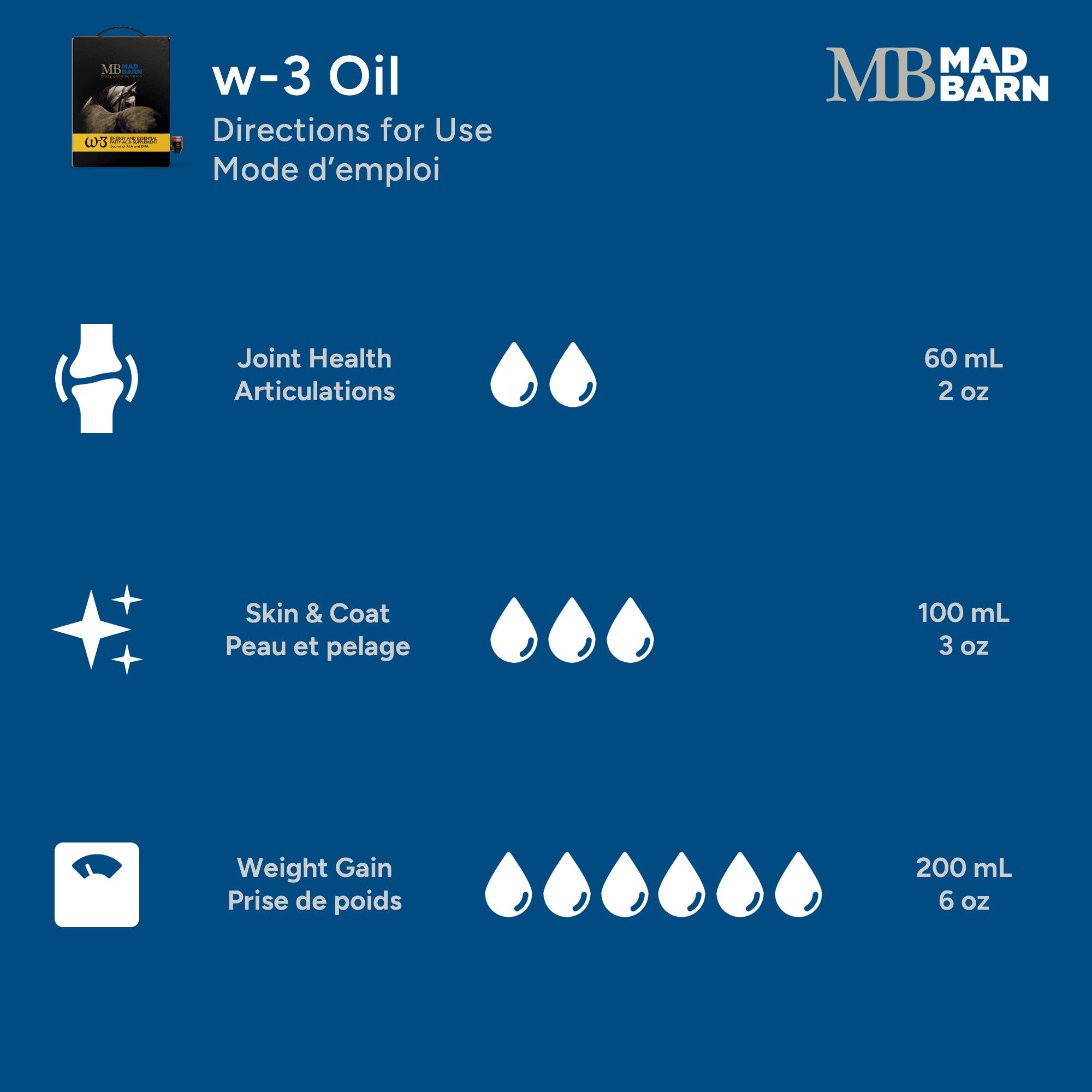
A typical feeding rate is 100 mL per day to provide beneficial DHA levels for joint and metabolic support without contributing to excess calories. For easy keepers, 60 - 75mL per day may be sufficient, while horses needing additional calories can receive up to 200 mL daily under veterinary or nutritionist guidance.
W-3 Oil can be used at lower feeding rates to provide the benefits of DHA without contributing excess calories. Many horses see benefits for joint, skin, and metabolic support at 60 - 75 mL per day. Because it is a calorie-dense fat source, it may be helpful to slightly reduce other calorie sources such as grain or added oils when incorporating W-3 Oil into the diet.
For horses that are easy keepers or prone to weight gain, start with a smaller amount and monitor body condition over time. Working with an equine nutritionist can help ensure that your horse’s total diet remains balanced for energy, vitamins, and minerals while still providing the targeted omega-3 support from W-3 Oil.
Each 100 mL serving of W-3 Oil provides approximately 0.9 Mcal (900 kcal). This makes it an excellent source of “cool” calories for horses needing additional energy without increasing starch or sugar intake.
W-3 Oil provides 1,500 IU of natural vitamin E per 100 mL serving. This helps protect omega-3 fatty acids from oxidation and contributes to the horse’s overall antioxidant status.
The soybean oil used in W-3 Oil is not guaranteed non-GMO. However, it is refined and serves primarily as a carrier for the algae-derived DHA, ensuring product stability and consistent quality.
Soybean oil is used in W-3 Oil because it is a safe, stable, and highly digestible carrier that helps deliver algae-derived DHA (docosahexaenoic acid), the long-chain omega-3 fatty acid responsible for most of the product’s health benefits. The soybean oil is refined, meaning the proteins, carbohydrates, and phytoestrogens naturally present in whole soy are removed during processing.
Soybean oil is a concentrated source of essential fatty acids that support normal cellular and metabolic function. It is not pro-inflammatory when used in moderation as part of a balanced diet. In fact, by acting as a carrier for DHA, it helps stabilize and support the bioavailability of omega-3 fatty acids that contribute to a normal inflammatory response. The soybean oil used in W-3 Oil is not certified non-GMO, but it undergoes refinement and quality testing to meet strict feed-grade safety standards.
DHA is highly prone to oxidation, and liquid oil allows it to be packaged in airtight, light-protective containers that preserve freshness and potency. Powdered or pelleted DHA forms undergo additional processing and exposure to heat and air, which can reduce stability. Liquid W-3 Oil ensures more reliable delivery of active omega-3s to your horse’s diet.
Yes. W-3 Oil is highly palatable because it is derived from algae rather than fish oil, eliminating the strong odor and taste that many horses dislike. Most horses readily consume it when mixed with their regular feed. For picky eaters, start with a small amount and gradually increase to the full serving.
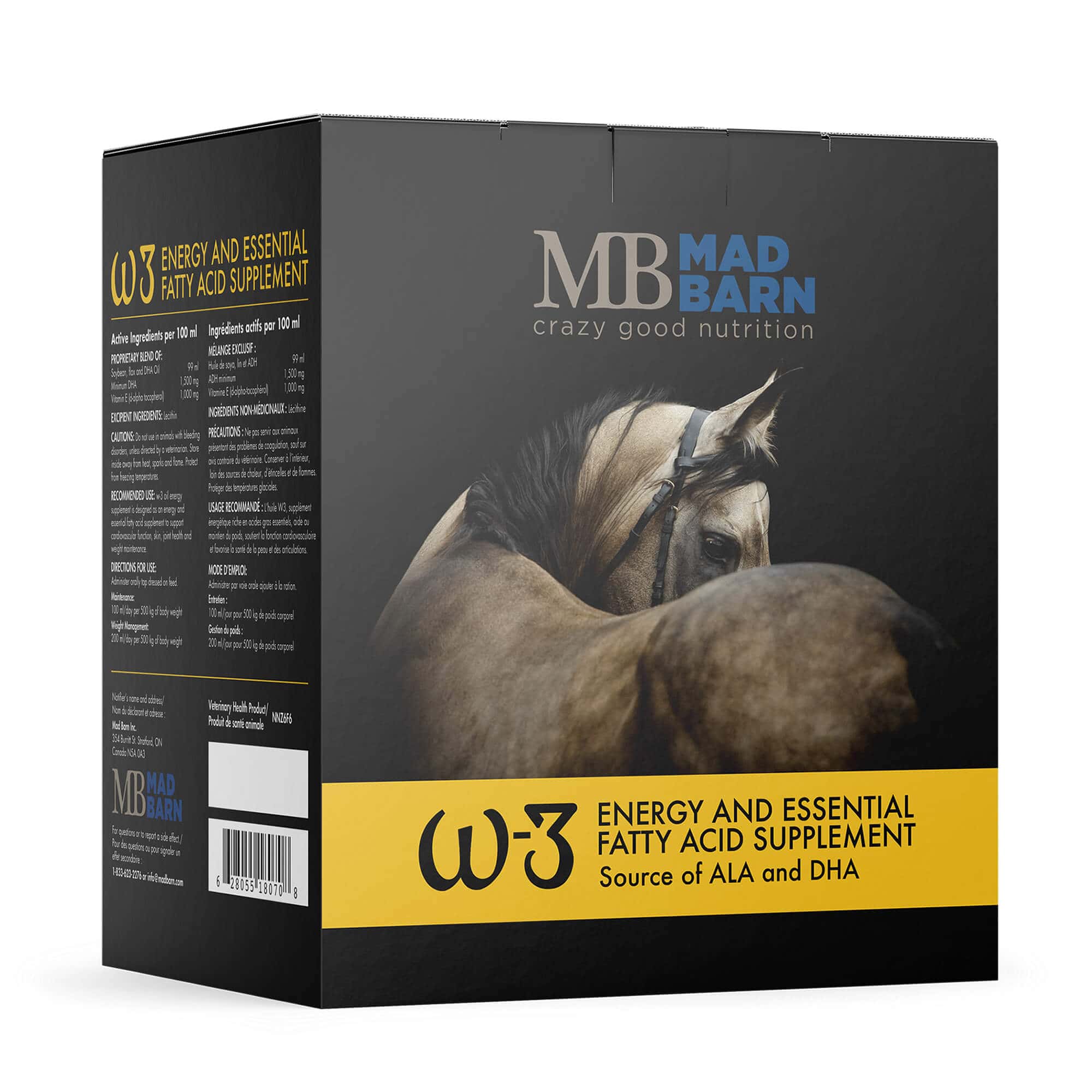
The 5 L box comes with a collapsible bladder and spout for easy pouring and freshness. The 20 L pail can be fitted with a pump (sold separately), with each pump delivering approximately 30 mL per stroke for accurate measuring.
W-3 Oil has a shelf life of 12 months from the date of manufacture. Store it in a cool, dry place away from direct sunlight and temperature extremes. Keep it sealed in its original light-protective packaging to prevent oxidation of DHA and vitamin E.
Yes. W-3 Oil is safe and recommended for pregnant and lactating mares. It provides DHA and other omega-3 fatty acids that help support reproductive health, pregnancy, and milk production. DHA also plays a key role in foal development by supporting brain, eye, and nervous-system function.
Yes. W-3 Oil can be safely fed to foals, weanlings, and yearlings to provide essential omega-3 fatty acids that support healthy growth, immune system development, and cognitive function during early life stages. Consult with a nutritionist to determine the correct feeding rate for your young horse.
Yes. W-3 Oil is a pure fat supplement and contains no non-structural carbohydrates (NSC), sugar, or starch, making it suitable for horses with metabolic conditions such as PPID (Cushing’s), insulin resistance (IR), equine metabolic syndrome (EMS), or a history of laminitis. The DHA in W-3 Oil provides nutritional support for a balanced inflammatory response and normal metabolic function. For easy keepers or horses prone to weight gain, feed smaller amounts (typically 60 - 75 mL per day) to provide the benefits of DHA without excess calories. Always feed as part of a balanced, forage-based diet that meets your horse’s vitamin and mineral requirements.
Yes. W-3 Oil is safe for horses with gastric ulcers and can be a beneficial component of a feeding program for digestive support. It provides calories from fat rather than sugar or starch, reducing reliance on grain-based feeds that may contribute to excess gastric acid production. Dietary fat has also been shown to help support normal gastric function and maintain the integrity of the intestinal barrier. The DHA in W-3 Oil supports a balanced inflammatory environment in the digestive tract and helps promote overall gastrointestinal health when fed as part of a balanced, forage-based diet.
Yes. W-3 Oil provides nutritional support for horses with respiratory sensitivities such as heaves or recurrent airway obstruction (RAO). The DHA in W-3 Oil helps maintain normal airway function and supports a balanced inflammatory response within the respiratory system. By promoting healthy cell membrane composition in lung tissues, W-3 Oil contributes to overall respiratory comfort and performance when used as part of a balanced diet and good environmental management program.
Yes. W-3 Oil contains no prohibited substances and is competition-legal under FEI and other governing-body regulations. As rules can change, always verify with your sport’s organization before competition.
Yes. W-3 Oil can be fed safely with common equine medications such as NSAIDs, pergolide (Prascend®), omeprazole, sucralfate, antibiotics, Regu-Mate®, and antiparasitic treatments. Omega-3 fatty acids may help support joint comfort and overall wellness during medication use. Always consult your veterinarian if your horse is on prescription therapy or has a complex medical history.
W-3 Oil is safe for most horses when used as directed, but it should not be fed to animals with known bleeding disorders unless under the supervision of a veterinarian. Omega-3 fatty acids such as DHA can influence normal blood clotting mechanisms when fed in high amounts. If your horse has a bleeding condition, is scheduled for surgery, or is receiving medications that affect blood coagulation, consult your veterinarian before adding W-3 Oil or any omega-3 supplement to the diet.
Ask A Question
Have a question about this product? Ask below and our nutritionists will be happy to assist.
“One of the reasons I recommend w-3 Oil is because of the added DHA. This omega-3 fatty acid provides targeted respiratory and joint support, making it a great option for senior and performance horses.”
Cool calories enriched with DHA for condition, shine, and comfort
Mad Barn's w-3 Oil is a calorie-dense fat supplement for horses that need support for weight, body condition or coat shine without adding more sugar or starch.
w-3 Oil combines essential fatty acids with microalgae-derived DHA and natural vitamin E to support skin and coat quality, normal inflammatory balance, joint health, respiratory function, immune health and cardiovascular function.
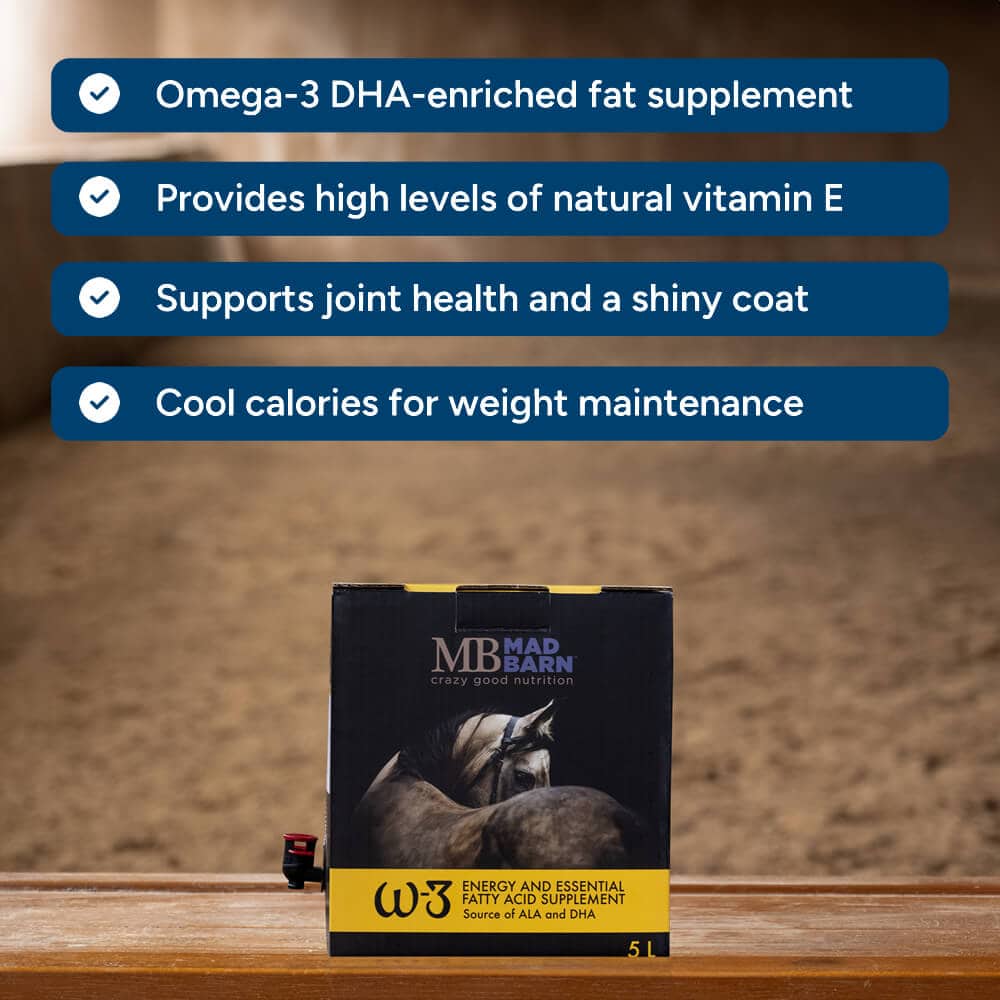
✓Supports healthy weight management, condition and a shiny coat
✓Provides digestible energy for exercising horses and hard keepers
✓Palatable source of DHA from microalgae, not fish oil
✓Fortified with high levels of natural vitamin E
Why Horse Owners Choose w-3 Oil
A fat supplement that does more than add calories.
All oils provide calories. What makes w-3 Oil different is the added DHA, a long-chain omega-3 fatty acid that supports normal inflammatory balance in tissues such as joints, airways, skin, muscle and immune cells. Each 100 mL (3.4 fl oz) serving provides:
1,500 mg
Docosahexaenoic Acid (DHA)
Provides an active form of omega-3 fatty acid used in cell membranes and normal inflammatory signaling.
1,500 IU
Natural Vitamin E
Supports antioxidant status and helps protect polyunsaturated fatty acids from oxidative stress.
0.9 Mcal
Fat-Based Calories
Supplies calorie-dense fat to help maintain weight and condition without increasing meal size.
0 g
Starch & Sugar
No hydrolyzable carbohydrates, unlike grain-based feeds, supporting low-NSC and gut-friendly diets.
Which horses benefit most from w-3 Oil?
w-3 Oil provides highly digestible calories from fat, the active omega-3 DHA and natural vitamin E to support condition, coat quality, comfort and normal inflammatory balance.
Hard keepers
Adds calorie density to help maintain body condition or support weight gain without relying on excess grain or commercial feed.
Performance horses
Provides fat-based calories, DHA and vitamin E to support stamina, muscle function, antioxidant status and post-exercise recovery.
Senior horses
Supports weight maintenance, coat quality, joint comfort and normal inflammatory balance in horses that need extra nutritional support with age.
"Hot" or reactive horses
Fat supplements provide "cool calories" that can replace some grain-based starch and sugar for horses that get reactive on feed.
Metabolic horses
DHA-rich oil helps maintain normal metabolic markers in horses under metabolic stress, and is suitable for a low-NSC diet.
Active or aging joints
DHA supports joint cell membranes and normal inflammatory signaling in horses exposed to exercise stress and age-related wear.
Breeding programs
DHA supports the health of reproductive tissues, fertility and normal cognitive development for foals.
Hay-based diets
Helps increase omega-3 fatty acid intake in horses on hay-based diets with limited access to fresh pasture grass.
Dull or dry coat
Dietary fat supports normal sebum production, the skin's natural oil that coats the hair shaft and gives the coat a smooth, glossy appearance.
Skin sensitivities
DHA supports immune cell membranes and normal inflammatory balance in skin challenged by insects, mud, or seasonal changes.
Respiratory support
DHA supports normal inflammatory balance in airway tissues during exposure to dust, pollen, smoke, humidity, travel or exercise stress.
Gut health concerns
Provides highly digestible calories from fat, while supporting stomach comfort and reducing carbohydrates that can disrupt the hindgut.
What Makes w-3 Oil Different?
Not all omega-3s are the same
Flax and camelina oils provide omega-3s as ALA, a precursor fatty acid that horses must convert into EPA and DHA before it can deliver the benefits associated with omega-3s.
w-3 Oil provides DHA directly from microalgae, bypassing the inefficient conversion of ALA and delivering a biologically active form of omega-3 that can influence normal inflammatory signaling.
✓Delivers DHA directly, the active omega-3 form horses can use
✓Provides more effective omega-3 support than oils with only ALA
✓Supports joint comfort and normal inflammatory balance
✓Palatable microalgae source of DHA, without the taste or smell of fish oil
Omega-3 Oil Comparison
w-3 Oil vs. Camelina Oil
Both w-3 Oil and Camelina Oil provide horses with cool calories, but they do not provide the same omega-3 support.
Camelina oil supplies alpha-linolenic acid (ALA), an 18-carbon omega-3 that must be converted into eicosapentaenoic acid (EPA) and docosahexaenoic acid (DHA) before it can meaningfully contribute to omega-3 activity in blood and joint tissues. In horses, this conversion pathway is inefficient.
w-3 Oil supplies preformed DHA directly from microalgae, bypassing the limited conversion pathway and delivering the omega-3 form most relevant to joint health and normal inflammatory balance.
Per 30 mL (1 fl oz) serving
Best Choice w-3 Oil
Camelina Oil
Oil type
Plant-based oil with DHA
Plant-based oil with ALA
Omega-3 form
DHA, a 22-carbon omega-3
ALA, an 18-carbon omega-3
Cost per 30 mL
$0.32 - $0.40 Lower cost per mL
$0.41 - $0.59 Higher cost per mL
Long-Chain Omega-3s (DHA)
450 mg
0 mg
Vitamin E
450 IU
~30 IU
Calories
~0.25 Mcal
~0.25 Mcal
NSC
0%
0%
Plasma EPA/DHA
Provides DHA directly
Poor conversion of ALA to EPA/DHA
Why the Omega-3 Form Matters
Plant-based oils like camelina and flax supply omega-3s mainly as ALA, an 18-carbon fatty acid. To become EPA or DHA, ALA must pass through enzyme-driven elongation and desaturation steps that lengthen the carbon chain and add double bonds.
This conversion is inefficient in horses. ALA must first be converted into EPA, a 20-carbon omega-3, before it can be further converted into DHA, a 22-carbon omega-3. Each step depends on limited enzyme activity, which restricts how much ALA actually becomes EPA or DHA.
The same desaturase and elongase enzymes are also used to metabolize omega-6 fatty acids, including linoleic acid. In diets high in omega-6, more of this pathway may be directed toward omega-6 metabolism instead of converting ALA into EPA and DHA.
How This Affects Your Horse
EPA and DHA are the omega-3 forms most closely associated with the benefits horse owners want, including support for joint health, respiratory health, skin and coat quality, and normal inflammatory balance. Equine research shows that ALA-rich oils do not reliably raise EPA or DHA levels in blood or joint fluid, while direct EPA/DHA sources can increase their status.
w-3 Oil supplies DHA directly from microalgae, bypassing the inefficient conversion pathway required by ALA-based oils like camelina. It provides omega-3 in the form that matters most for the benefits horse owners expect.
Why use w-3 Oil?
Add condition, shine, and omega-3 support all in one oil
When your horse needs more calories, oil is one of the easiest ways to add energy without increasing starch or sugar in the diet. w-3 Oil supports weight gain, body condition and coat quality while also supplying DHA and natural vitamin E, so it delivers more benefits than a fat supplement alone.
1
Adds concentrated calories
Fat provides dense, cool calories to help hard keepers, senior horses and performance horses maintain weight and body condition.
2
Replaces starch with fat
Fat supplies calories without the starch load of grain, helping support weight gain and gut health while keeping NSC intake low.
3
Supports a glossy coat from within
Essential fatty acids support skin barrier function and natural oils that help keep the coat soft, sleek and healthy-looking.
4
Supports antioxidant status
Natural vitamin E supports immune, muscle and cellular function while helping protect polyunsaturated fatty acids from oxidative damage.
More than a weight gain supplement. w-3 Oil helps add condition and shine while upgrading the fatty acid profile of the diet with DHA omega-3 support.
DHA, cool calories, and natural vitamin E in a palatable top-dress formula.
w-3 Oil is formulated with a proprietary plant-based oil blend that supplies calories, essential fatty acids, microalgae-sourced DHA and natural vitamin E.
Microalgae-derived DHA
Provides DHA directly from microalgae, offering a plant-based, fish-free omega-3 source that is more palatable for horses and more sustainable than fish oil.
Plant-based oil blend
Delivers calorie density and essential fatty acids that support body condition, skin barrier function, coat quality and steady energy.
Natural vitamin E
d-alpha-tocopherol supports antioxidant defenses, muscle function, immune function and cellular membrane integrity.
“w-3 Oil is one of my most recommended products! It is an excellent way to add some shine to their coats, support a normal inflammatory response, and antioxidant support from natural vitamin E.”
Owners often describe healthier weight, more bloom, a softer coat, better condition, steady energy and horses cleaning up their feed when w-3 Oil is fed consistently.
★★★★★
Coat shine and energy
"Their coats went from dull to shiny. They have more energy but they are not 'hot'."
Peggi Sargent
✓ Verified Customer
★★★★★
Hard keeper condition
"I have a 17 year old tb that’s always been a hard keeper and this made him bulk up in all the right ways."
Kiana Wojcik
✓ Verified Customer
★★★★★
Comfort and disposition
"Love the w-3 Oil for my older retired barrel horse. It keeps him moving comfortably and happy!"
Lindsay Nickerson
✓ Verified Customer
★★★★★
Palatable and easy to feed
"This oil smells like popcorn butter and my picky horse actually likes it!"
DHA is a long-chain omega-3 fatty acid that gets incorporated into phospholipids in cell membranes throughout the body. DHA helps influence membrane fluidity, cell signaling and production of lipid mediators involved in normal inflammatory resolution.
This makes DHA especially relevant for horses with higher inflammatory, oxidative or metabolic demands, including exercising horses, seniors, and horses needing support for joints, airways, skin, and immune cells.
1
Respiratory function
Omega-3 supplementation containing DHA has been studied as nutritional support for horses under respiratory challenge, especially alongside dust-control management.
2
Joint health
Long-chain omega-3s support normal inflammatory balance in connective tissues, helping maintain comfort and regular movement in active and senior horses.
3
Metabolic health
DHA-rich microalgae has been studied in horses with metabolic stress and shown to alter circulating fatty acids and support normal metabolic markers.
4
Exercise recovery
Fat calories help meet energy demands, while DHA and natural vitamin E support normal inflammatory and antioxidant responses after training.
w-3 Oil is a Veterinary Health Product (VHP) notified to Health Canada for supporting skin and joint health, cardiovascular function and weight maintenance.
What to expect
Feed daily. Look for condition, shine and comfort.
w-3 Oil can be top-dressed onto your horse's feed or ration and should be introduced gradually. For best results, feed consistently as part of a balanced forage-first diet that meets vitamin and mineral requirements.
1
Feed once daily
For a 500 kg (1,100 lb) horse, feed 100 mL (3.4 fl oz) per day for maintenance. For calorie-controlled diets, feed 30 - 60 mL (1 - 2 fl oz) per day.
2
Increase for weight gain
To support weight gain, feed up to 200 mL (6.8 fl oz) per day as part of a balanced diet. Increase gradually and do not exceed 8% total dietary fat.
3
Watch for results
With consistent feeding, look for improvements in body condition, topline coverage, coat quality, energy and overall comfort.
Get the best results with a custom feeding plan. Our nutritionists can help you choose the right feeding rate for your horse's body condition, workload and individual needs. Submit your horse's diet online for a free analysis.
Trusted by elite athletes
Used by riders who want their horses conditioned, comfortable and ready to perform.
w-3 Oil helps support body condition, coat quality, joint comfort, respiratory function and normal inflammatory balance in horses across performance disciplines.
Dressage
Denielle Gallagher
Olympic dressage rider
"I have noticed that Come Back has felt more energetic and supple in his work since I have added w-3 oil, his coat gleams and his weight has maintained during competition season which has always been a struggle for us."
Reining
Jim Greendyk
NRHA reiner & trainer
"So not only do the horses have better moods, not only do they have greater stamina, not only is their joint health better, but they just look good.... So w-3 oil is a no brainer for me."
Show Jumping
Ali Ramsay
Canadian Show Jumping Champion
"Since added MadBarn W-3 Oil I have noticed my horses skin no longer gets dried out, their coats stay shiny, and we don't have to worry about blanket or rein rubs anymore."
Dressage
Allie Schmidt
FEI dressage rider
"It adds shine as well as natural vitamin E which is key for healthy muscles top sport horses need."
Show Jumping
Isabella Erlick
FEI show jumper
"My horses have never been shinier or softer! They are always getting compliments on how shiny they look!"
Eventing
Karl Slezak
Olympic eventer
"W3 helps keep the horses coats looking shiny in the Florida sun and helps maintain moisture in their skin!"
100% Customer Happiness Guarantee
Try w-3 Oil Risk-Free
We're confident you'll love w-3 Oil. If you're not satisfied with the product, our team is here to help you find the right solution or provide a full refund.
Less than 1% of customers ever use our satisfaction guarantee.
Need help deciding? Talk to a nutritionist for free before you buy.
Every horse's health history, workload, body condition, forage and management routine is different. You should always consult a qualified nutritionist before altering your feed program.
Submit your horse's diet for analysis online.
One of our equine nutritionists will be happy to provide a complimentary review and help determine whether w-3 Oil is the right fit for your horse.


 English




 MagneChrome+
  OmegaPrime+
  Visceral+
  w-3 Oil
 Omneity® Pellets
  Omneity® Premix
 AminoTrace+
  Natural E/Organic Se
  Vitamin E