English


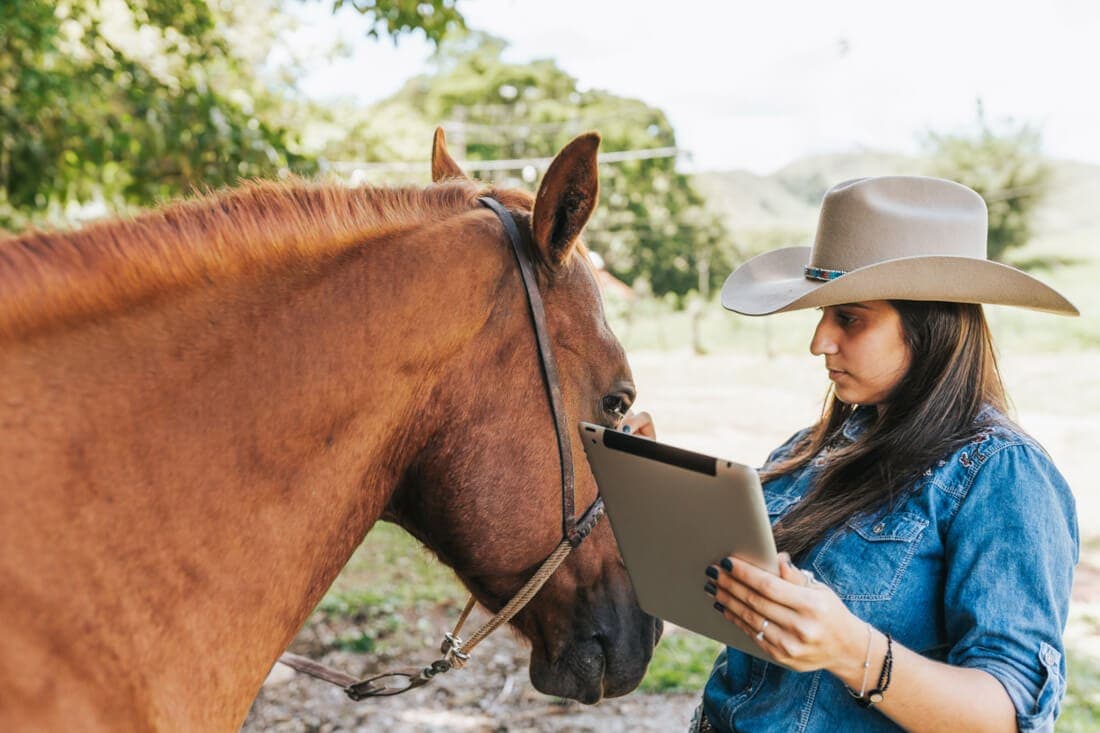
Running a horse farm, whether it’s a small private stable or a large-scale boarding, training, or breeding facility, requires strong behind-the-scenes organization. One of the most valuable tools in managing horses and daily operations is effective record-keeping.
Accurate records help track health care, training, expenses, and more for the horses on your property. This makes it easier to catch issues early, coordinate with veterinarians and farriers, and meet regulatory requirements. Good documentation also protects your business and supports smarter decision-making.
As equine welfare and biosecurity standards continue to rise, keeping detailed, up-to-date records is an important responsibility. Whether you use simple paper logs or farm management software, the key is consistency, accuracy, and quick access to information when you need it. [1]
Here, we have gathered the latest information about record-keeping for horse farms to help you choose the best approach for your operation’s size, needs, and workflow.
Choosing a Record-Keeping System for Horse Farms
Horse farms maintain a wide variety of records, including horse identification, veterinary care, vaccination and deworming schedules, farrier visits, feeding plans, breeding and foaling histories, competition results, and business records such as contracts, expenses, and maintenance logs.
Keeping these details organized ensures horses receive timely care, prevents missed treatments or appointments, and provides clear information for budgeting, staffing, and planning future activities.
There’s no universal solution for record-keeping. The best system depends on your operation’s size, how comfortable you are with technology, and who needs access to the records.
Both paper and digital methods have their advantages, and many farms find that a hybrid approach offers the most flexibility and convenience. [1][2]
Paper-Based Systems
Paper-based records use traditional handwritten logs and physical files, making them accessible without any technology and easy to update on the spot. However, they rely on manual organization and secure storage to prevent information loss.
Benefits:
- Simple to set up — no need for internet, special devices or software
- Easy to use for those who prefer handwritten notes
- Great for quick notes in the barn or in areas with limited connectivity
Limitations:
- Can be misplaced, damaged, or hard to duplicate
- Time-consuming to search through
- Difficult to share with remote team members or professionals
- Requires physical storage space (binders, filing cabinets, etc.)
Best Suited For:
- Small operations
- Farms with limited technology use
Digital Systems
Digital record‑keeping platforms offer centralized, searchable storage accessible from any device. They streamline updates, reminders, and sharing, making them ideal for operations that demand real‑time collaboration and detailed reporting.
Benefits:
- Centralized storage with easy access from phones, tablets, or computers
- Searchable, sortable, and easily updated
- Can include automatic reminders for farrier visits, vaccinations, etc.
- Easier to share with veterinarians, clients, or staff
- Often includes analytics, charts, or reporting tools which support management decisions
Limitations:
- Requires internet access and comfort with digital tools
- May have subscription costs or learning curves
- Risk of data loss if not regularly backed up
Best Suited For:
- Larger barns or commercial operations (boarding, training, or breeding)
- Owners or managers who travel and need remote access
- Farms requiring detailed reporting, scheduling, and multi-user access
Hybrid Record-Keeping
Many horse owners and managers use a hybrid system involving paper records in the barn for quick notes and digital systems for long-term tracking and data analysis.
For example, you might jot down a horse’s temperature on a whiteboard or in a barn notebook, then transfer it to a digital record at the end of the day.
What's your top priority with your horse's health?

Enter your email to receive your store credit
Top 6 Most Important Records For Horse Farms to Keep
Keeping comprehensive and organized records ensures that the horses in your care receive consistent attention, your operation runs efficiently, and you have the necessary information to make informed decisions.
Here are the top six most important records for horse farms to maintain:
1) Horse Health Records
Health records are essential for tracking each horse’s medical history and ensuring consistent, timely care.
These records should include: [3]
- Vaccination and deworming schedules
- Veterinary visits and procedures
- Illnesses, injuries, surgeries, and treatments
- Results of routine at-home health screening
- Medication administration logs (including dosage, date, route, and reason)
- Farrier visits, including notes on hoof condition or corrective work
- Dental exams and floating history
- Allergies or other chronic medical conditions
Accurate health records allow you to track trends over time, such as recurring lameness, chronic respiratory issues, or seasonal allergies, which can help identify underlying problems early and guide preventive care. By documenting treatments and outcomes, you also reduce the risk of repeating unnecessary therapies or overlooking prior conditions.
During medical emergencies, up-to-date records provide veterinarians with essential background information to make faster, more informed decisions. When a horse is sold, leased, or moved to a new facility, clear health documentation ensures continuity of care and builds buyer or caretaker confidence.
2) Feeding Records
Feeding records are important for tracking each horse’s diet and ensuring they receive the proper nutrition. These records should include: [4]
- Daily rations: Detailed logs of the types and amounts of feed, including hay, grain, and supplements
- Special diets: Information on specific dietary needs, such as for senior horses, performance horses, or horses with health conditions
- Feeding times: Document the time of day each horse is fed to confirm the diet is being followed
- Changes in diet: Record any adjustments made to the horse’s diet based on health, weight, or performance
Accurate feeding records help you monitor nutritional intake and identify any imbalances or dietary issues. By tracking any changes in appetite or weight, you can quickly address health concerns before they become more serious.
Additionally, if you are away, feeding records provide anyone watching your horses with clear guidance on what to feed and when, ensuring your herd continues receiving consistent care in your absence.
For an expert review of your feeding logs and a personalized diet evaluation, book a free nutrition consultation with one of Mad Barn’s qualified expert nutritionists. Our team can analyze your records and recommend targeted adjustments to optimize your horses’ health and performance.
3) Training & Exercise Logs
Training and exercise logs help monitor each horse’s workload, track progress, and prevent overtraining or injury. These records are especially valuable for performance horses, young horses in development, and horses returning from time off or injury.
Logs should include:
- Daily Workouts: Type of activity (e.g., groundwork, flatwork, jumping, trail riding), intensity level, and duration
- Progress Notes: Observations on behavior, responsiveness, improvements, or challenges during sessions
- Trainer or Rider Notes: Who worked the horse and any specific goals or feedback from the session
- Rest and Recovery Days: Document scheduled downtime to help balance training with adequate recovery
- Rehabilitation Exercises: Any prescribed work following an injury or medical condition, with notes on how the horse responded
These records support more strategic conditioning, help prevent repetitive strain or burnout, and make it easier to spot when a horse might be sore, resistant, or otherwise uncomfortable before physical issues become serious.
In boarding or training facilities, exercise logs are also a valuable tool, enabling effective communication between barn staff, riders, and owners—keeping everyone aligned on the horse’s activity and progress.
4) Breeding & Reproductive Records
For breeding operations, reproductive records are essential for managing the health and productivity of broodmares and stallions. These records help plan breeding schedules, track fertility, monitor pregnancies, and ensure optimal foal care.
Key information to include in reproductive and breeding records: [5]
- Mare Heat Cycles: Dates and characteristics of estrous cycles, including behavioral signs and ultrasound results
- Breeding Dates: Dates of live cover or artificial insemination, stallion used, and method (fresh, cooled, or frozen semen)
- Pregnancy Checks: Results of ultrasounds or palpations, including dates and findings at various stages of gestation
- Foaling Records: Expected and actual foaling dates, foaling outcomes, complications, and foal health at birth
- Stallion Records: Include semen collection dates, semen quality evaluations, breeding success rates, and results of regular veterinary exams
- Reproductive Health Treatments: Hormonal therapies, uterine flushes, or any fertility-related treatments
Well-maintained breeding records support better decision-making, improve conception rates, and help identify patterns that may affect fertility. They’re also important for registration, pedigree verification, and future sales.
In multi-horse breeding programs, clear records keep everyone—from barn staff to veterinarians—on the same page regarding reproductive timelines and health needs.
5) Financial & Operational Records
Financial and operational records are the backbone of a well-run horse farm, supporting everything from budgeting to compliance and long-term planning. Keeping these records organized helps you track profitability, manage expenses, and prepare for tax season or audits.
These records should include: [1][6]
- Invoices and Receipts: For all income and expenses—boarding, training, lessons, veterinary care, feed, equipment, maintenance, etc.
- Payroll Records: Wages paid to employees, contractor payments, and any benefits or taxes withheld
- Facility Maintenance Logs: Repairs, upgrades, equipment purchases, and maintenance schedules for barns, fencing, and arenas
- Insurance Documentation: Policies covering property, liability, horses, and employees
- Licenses and Permits: Business licenses, zoning documents, and any local/state/federal certifications
- Inventory Records: Feed, bedding, supplements, tack, and supplies—what’s on hand, what’s used, and when to reorder
Accurate financial records help control costs, identify areas for improvement, and ensure compliance with legal and tax obligations. Operational logs contribute to the smooth day-to-day functioning of the farm, reduce the likelihood of oversights, and help with staff accountability and scheduling.
6) Boarder & Client Records
If your farm boards horses, trains client animals, or offers lessons, maintaining organized client records is key to building trust and ensuring clear communication. These records help you manage responsibilities, billing, and expectations.
Make sure you include:
- Owner Contact Information: Full name, phone number, email, and emergency contact details
- Horse Details: Name, breed, age, sex, medical history, behavioral notes, and any special needs
- Boarding Agreements: Signed contracts outlining services provided, costs, liability waivers, and expectations
- Billing Records: Invoices, payment history, late fees, and any custom charges for extras like training or special care
- Service Logs: Notes on lessons, training sessions, medical care, or other services provided to the horse
- Correspondence History: Key conversations or decisions documented for reference and liability protection
Client records help ensure a professional relationship, reduce misunderstandings, and protect your business legally. They also make it easier to manage special requests, track horse progress, and provide clients with updates or reports when needed.
Importance of Record-Keeping for Barns
Accurate and accessible records are an important part of meeting legal and regulatory requirements. Depending on your location and the services you provide, local, state, or national laws may require you to keep certain types of records.
Key considerations include: [1][7][8][9][10][11]
- Animal Health Regulations: Some jurisdictions require documentation of vaccinations, disease testing (e.g., Coggins tests), and veterinary care, especially if horses are transported, shown, or sold
- Biosecurity Protocols: In the event of a contagious disease outbreak (such as strangles or equine influenza), having clear records of horse movements, health histories, and exposure can support biosecurity protocols by helping authorities trace and contain the spread
- Boarding Contracts and Liability Waivers: Well-documented agreements protect both the farm and the client by clearly defining responsibilities, services, and liability in case of accidents or disputes
- Employment and Payroll Compliance: Farms with staff must keep accurate records for tax reporting, worker compensation, and wage/hour laws
- Insurance Claims: Detailed health and care records are often needed to support insurance claims related to veterinary care, mortality, or liability
- Breed Registry and Sales Documentation: Breeding farms and sellers need proper documentation to verify lineage, performance history, ownership, and health status for registration or sale purposes
- Zoning and Permitting: Operating as a boarding, breeding, or training facility may require local permits, and keeping copies of these approvals is important for ongoing compliance
Maintaining clear and complete records ensures your farm stays within legal guidelines and can respond quickly to inspections, client disputes, or emergencies. It also reinforces a professional standard of care and builds credibility with clients, veterinarians, and regulatory bodies.

Best Practices for Record-Keeping
Good record keeping goes beyond just writing things down. It involves building a system that is consistent, reliable, and easy to use, so information is accurate, complete, and accessible when needed.
Whether you are managing a few horses or an entire herd, these best practices can help your records actively support horse health, regulatory compliance, and the smooth operation of your farm.
Be Consistent
- Set a standard format and routine for recording information
- Use the same terms, units (e.g., pounds vs. kilograms), and categories across entries
- Make record-keeping part of the daily routine, not an afterthought
Record Information Promptly
- Enter information as soon as possible after an event, treatment, or observation
- Delays lead to forgotten details, which can reduce the usefulness of your records
- Encourage staff or clients to report updates immediately so they can be logged in real time
Keep Records Organized & Accessible
- Group records logically—by horse, type of record (e.g., health, feeding), or date
- Use color-coding or digital tagging systems to simplify navigation
- If using digital tools, ensure backups are made regularly and files are easy to search
Train Everyone Involved
- Make sure all staff and volunteers understand what needs to be recorded and how
- Create simple checklists or templates to guide daily logging
- Clarify who is responsible for updating specific records (e.g., trainers vs. barn managers)
Review & Update Regularly
- Set monthly or quarterly times to review records for accuracy and completeness
- Look for patterns that may indicate a developing issue (e.g., recurring lameness, weight changes)
- Archive old records when needed but ensure they remain accessible for future reference
Protect Sensitive Information
- For client horses or boarding operations, maintain confidentiality
- Use password protection or locked files for digital and physical records, respectively
By following these best practices, your records will do more than just check a box. They will become a practical tool for improving horse care, keeping daily operations running smoothly, and making it easier to handle emergencies or audits.
Frequently Asked Questions
Here are some frequently asked questions about horse farm record keeping:
To keep track of farm expenses, use a structured financial record‑keeping system. Track expenses in clear categories such as feed, veterinary services, farrier work, bedding, utilities, labor, repairs, and equipment. Record the date, vendor, amount, and purpose for every purchase or payment. Using a digital system can make this easier by allowing quick searches, generating reports, spotting budget trends, and preparing accurate records for tax filing.
Accurate horse farm records are key to managing horse care, ensuring biosecurity, meeting legal obligations, and running an efficient operation. They help you catch issues early, communicate with professionals, and protect your business in audits or emergencies.
Maintain up‑to‑date records for health care, feeding, training, breeding, finances, operations, and clients. This includes logs for vaccinations, farrier visits, diets, workouts, breeding activity, expenses, and boarding agreements.
Summary
Record-keeping is essential for horse farm management, helping track horse health, training, feeding, finances, and operations while supporting better care and decision-making.
- Paper, digital, and hybrid systems each have pros and cons, and the right choice depends on the farm's size, tech comfort, and accessibility needs.
- Health records, feeding logs, training notes, and reproductive data are critical for ensuring consistency in care, spotting issues early, and communicating clearly with veterinarians and staff.
- Financial and operational records help with budgeting, planning, and compliance, while client and boarder files support professionalism, legal protection, and smooth service delivery.
- Legal and regulatory compliance depends on accurate documentation, particularly for health regulations, employment records, insurance, and contracts.
- Good record-keeping improves welfare and builds trust, enabling organized, responsive, and efficient horse and business management.
References
- Yadeta. W. et al. Dairy Farm Record Keeping with Emphasis on Its Importance, Methods, Types, and Status in Some Countries. International Journal of Research Studies in Biosciences. 2020.
- Basir. Md. S. et al. From Pen and Paper to Digital Precision: A Comprehensive Review of on-Farm Recordkeeping. Precision Agriculture. 2024.
- Akin. M. et al. CARE GUIDELINES FOR EQUINE RESCUE AND RETIREMENT FACILITIES. AAEP. 2019.
- Nutrition and Feeding Management for Horse Owners. Alberta Government. 2008.
- Freeman. D. W. Recordkeeping for Horse Breeding Activities. Oklahoma Cooperative Extension Service.
- Marcellino. D. M. and Wilson. C. A. The Current State and Value of Farm Record Keeping. 2006.
- Horse Disease Surveillance. Government of Ontario. 2009.
- Leppälä. J. et al. Development of a Safety Management Web Tool for Horse Stables. Animals : an Open Access Journal from MDPI. 2015.
- Lindahl. C. et al. Occupational Safety Climate in the Swedish Equine Sector. Animals : an Open Access Journal from MDPI. 2022. View Summary
- Escobar. M. P. Perceptions and Practices of Farm Record-Keeping and Their Implications for Animal Welfare and Regulation. King's College London. 2015.
- Werner. S. H. Medical Records in Equine Veterinary Practice. Veterinary Clinics of North America: Equine Practice. 2009.