English









Riding a green horse — one that’s young or inexperienced under saddle — is both a challenge and a valuable learning experience for skilled equestrians.
“Green” horses are still learning the fundamentals of communication, balance, and trust, which means every interaction shapes their development. Regardless of age, a green horse requires thoughtful handling, a strong foundation in groundwork, and a rider committed to clear communication and consistency.
Whether you’re working with a green-broke horse or a completely unstarted youngster, this guide can help you evaluate your readiness, understand essential safety measures, and build a successful training partnership grounded in best practices with your horse.
Understanding Green Horses
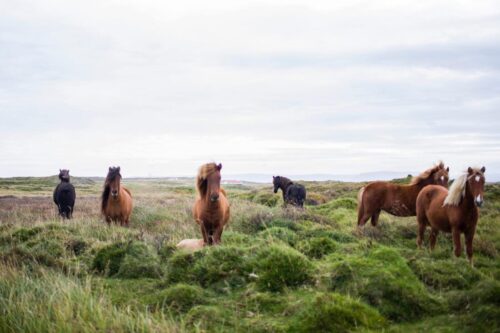
In horsemanship, the term “green horse” refers to a horse that has received little or no formal training, regardless of age.
While green horses are often young, the horse’s inexperience defines the term rather than their age. Some green horses may not have even worn a saddle, while others might have begun basic training but still lack consistency and confidence in their work.
The level of inexperience in green horses can vary widely. For example, green-broke horses are horses that have been started under saddle and understand basic cues but still need extensive training to become fully proficient under saddle. [1]
Benefits of Training Green Horses
Working with green horses is challenging, but adding one to your herd comes with some advantages. Green horses are typically more budget-friendly to purchase than seasoned, well-trained horses. This is because the seller hasn’t put the same amount of time, effort, and professional training into a green horse as they would a trained horse.
A green horse’s lack of training also means they’re less likely to come with ingrained bad habits. With time and proper guidance, green horses have the potential to develop into highly capable and talented riding partners, and their personalities are often still open and impressionable.
Working with a green horse can also challenge riders to refine their skills and deepen their understanding of horsemanship.
Challenges with Untrained Horses
While the initial purchase price may be lower for green horses, they often come with added costs for training and other care needs.
Training a green horse takes time, patience, and commitment. Riders should be prepared to invest significant effort into their development.
Green horses require the guidance of experienced horse people who possess a solid understanding of training and horsemanship. A consistent, structured approach is essential for their progress, and often, the support of a professional trainer is necessary.
What's your top priority with your horse's health?

Enter your email to receive your store credit
Riding a Green Horse
Riding a green horse requires honest self-assessment and careful preparation. Horses that are learning the basics rely on the rider’s consistency and patience to succeed.
Green horses are generally not suitable for novice riders, as young or inexperienced mounts can be unpredictable and require handling that differs from seasoned horses. Before riding a green horse, it’s essential to evaluate your riding skills, mental readiness, and the support system you have in place.
Riding Skills
Having the right skill set is one of the most important factors in deciding to work with a green horse. Green horses need clear direction and reassurance from the saddle, which can only come from riders who have refined their technique and built confidence through practice.
Basic Gaits & Transitions
Riders should be entirely comfortable at the walk, trot, and canter, and capable of smooth transitions between gaits before riding a green horse. Riding without stirrups should feel manageable, as it helps build balance and security in the saddle, both of which are critical when a horse moves unpredictably.
Training Experience
If you’ve successfully ridden young, spooky, or challenging horses in the past, you’re better equipped to handle the uncertainty of a green horse. Previous experience with training horses helps riders develop resilience and response timing, which are essential when guiding an inexperienced mount.
Mental Readiness
Working with a green horse also requires mental resilience and emotional control. A rider’s mindset directly influences the horse’s confidence and progress, making patience, adaptability, and self-awareness just as important as physical skill.
Patience & Composure
Training setbacks with green horses are common, and riders must remain calm and patient even when progress is slow.
Riders who are easily rattled by sudden movements, such as bucking or spooking, may unintentionally escalate a horse’s reactivity during training. Mindfulness and emotional control are fundamental tools for trainers working with green horses.
Self-Awareness
Knowing when to pause, reassess, or seek help is key. Horse training isn’t always linear, and sometimes the best way to support your horse’s training is to slow down or return to groundwork rather than pushing forward under saddle.
A panicked or distressed horse cannot learn. To address this behavior, go back several steps until your horse feels calm again, then slowly start moving forward in your training. Ensure you stay below your horse’s stress threshold, only increasing demands once they show they are calm and comfortable.
Understanding How Horses Learn
Trainers who are familiar with learning theory and how horses fit into that framework have valuable insight for working effectively with green horses. This model explains how horses process information and respond to training, and having this knowledge helps ensure communication is clear to your horse.
Riders who understand learning theory are better equipped to teach new tasks with minimal stress. They can avoid confusing or frustrating their horse and reduce the risk of unintentionally reinforcing undesirable behaviors.
Professional Support
Having the right support network, whether through a skilled trainer or experienced peers, provides safety, guidance, and a stronger foundation for your horse’s development.
Guidance from a trusted professional can make a huge difference for green horses, especially if it’s your first time working with one. Trainers can provide structure, spot potential issues early, and step in to ride or work with the horse when necessary.
Alternatives to Riding
If you’re unsure about mounting a green horse, start on the ground. Groundwork helps develop communication and responsiveness before you ever get in the saddle.
Long-lining, a more advanced technique involving working with your horse from the ground using two long reins, enables you to introduce steering and bit pressure in a safe and controlled manner.
Clicker training and positive reinforcement can help create a positive relationship between you and your horse from the ground, which will translate into under saddle work. This type of training can also give your horse a confidence boost as they are rewarded for seeking out the right answers.
Pole work on the ground can strengthen topline and hind-end muscles as well as improve balance and proprioception.
Another option is hiring a professional to start your horse under saddle before you ride. This ensures the horse receives consistent, correct guidance in the early stages of training, which sets the foundation for future success and safety. [1][2][3]

Safety
Riding a green horse comes with inherent safety risks, making precautionary measures essential to ensure both rider and horse stay safe.
Horse Safety
Ensuring the use of proper tack that is fitted correctly is essential for the comfort, safety, and effective training of a green horse.
The most important pieces of tack for green horses to learn on are: [4]
- Saddle: A well-fitting saddle is crucial for horse and rider comfort. An ill-fitting saddle can cause horses discomfort or pain, leading to behavioral issues such as bucking or resistance. Regular saddle-fit checks are necessary, especially as the horse’s physique changes with training and age. If a horse is started in an ill-fitting saddle, they may develop negative associations with riding, which they could carry with them for life.
- Bridle: Proper bridle fit ensures effective communication and prevents discomfort. Research indicates reducing pressure under the bridle can significantly improve a horse’s movement and overall welfare. Starting horses in soft snaffle bits with gentle mouthpieces and sufficiently loose nosebands will further improve a green horse’s association with the bridle.
- Safety Accessories: Utilizing safety stirrups can prevent the rider’s foot from getting caught during a fall and reduce the risk of injury. Grab straps provide additional stability, enabling riders to maintain their balance without pulling on the reins.
Rider Safety
Protective gear for riders plays a vital role in minimizing injury risk and ensuring rider safety when working with green horses.
Common protective gear for riders includes: [5][6]
- Helmets: Wearing a helmet that meets international equestrian safety standards, often indicated by Kitemark or SEI certifications, ensures the helmet can withstand various levels of impact and properly protect the rider. Proper helmet fit is another key component of safety.
- Protective vests: Consider wearing a body protector vest that complies with standards for your region, such as the EN 13158 for Europe or the ASTM F2681 for the United States. These vests offer extra protection to vital areas in the event of falls or impacts.
- Emerging technology: Recent advances in brain injury prevention have led to development of new technologies, such as the Q-collar, which are designed to minimize the impact of head and neck injuries.
Environmental Safety
The environment you choose for training your horse can also impact their learning. Some considerations include:
- Training space: Training is most effective when started in a controlled, enclosed space such as a round pen, small arena, or well-maintained paddock. These environments minimize distractions and enhance safety, providing the space needed for focused, progressive work with a green horse.
- Escape routes: Your training area should be equipped with easily accessible exits so you can retreat in an emergency.
- Timing: Schedule sessions during quieter times at your barn to reduce distractions that could unsettle a green horse.
- Other handlers: It’s best to have at least one other person present while riding, especially when working with a green horse. If something unexpected or unsafe happens, having another experienced handler available can make a difference in de-escalating the situation or calling for help.
- Emergency preparedness: In addition to other handlers, keep a cell phone with sufficient signal and battery on hand in case you need to call EMS. If you are working alone, make sure someone knows where you are and is prepared to check on you if you don’t respond by a certain time.
The Role of Other Horses
The presence or absence of other horses can strongly influence a green horse’s focus, confidence, and overall training experience. Two factors to keep in mind are:
- Companionship: The presence of a calm, experienced horse can provide reassurance to a green horse during training. However, you must ensure that the companion horse does not become a distraction during training sessions.
- Isolation: Training in complete isolation can cause horses anxiety. Strive for a balance and gradually acclimatize your horse to various social settings. If your horse struggles with separation anxiety, you can gradually train them to be more comfortable with temporary periods of isolation.
Recognizing Signs of Trouble
Recognizing early signs of stress or resistance is key to addressing problems before they escalate. By refocusing when necessary, you can help ensure steady progress in a green horse’s training.
To keep your horse focused and on track, you can: [7]
- Identify behavioral cues: Monitor your horse for behaviors such as spooking, bucking, or refusal to move. These behaviors may indicate confusion, discomfort, or fear, which can negatively impact your horse’s learning.
- Assess your approach: Persistent problematic behaviors suggest your horse may not be ready for the level of training you are attempting to use. Alternatively, they might be stressed, confused or afraid. Reassess your approach, and consider seeking guidance from a professional trainer to ensure your horse’s progress.
Best Practices
Effective horsemanship requires recognizing that behaviors like spooking, bucking, or refusing to move are not signs of disobedience. More often, these reactions stem from confusion, fear, or physical discomfort, all of which indicate the horse is overwhelmed or that a foundational training step has been missed.
Green horses need consistency and a patient approach to training. According to equine learning theory, green horses learn best through repetition, clear cues, and timely reinforcement. Rushed or inconsistent training can provoke behaviors in your horse that compromise both their safety and yours.
These behaviors are not challenges to “ride through,” but indicators that it’s time to slow down, reassess, and ensure your horse feels safe and comfortable. Positive learning experiences and building your horse’s confidence and trust are the most effective way to develop willing, happy partners.
A few key best practices when training a green horse include: [8][9][10]
- Be clear and consistent: Use the same aids and cues every time you train. Green horses depend on predictability. Be sure to use the lightest pressure possible to get a response, use fair rein pressure, and consider using voice commands to reinforce rhythm and understanding.
- Go at the horse’s pace: Start with short, manageable sessions. Watch for signs of stress, reward effort, and never punish confusion. Each horse has their own unique personality and temperament, which can affect how they learn and progress. Guide your horse patiently toward correct responses using positive reinforcement.
- Prioritize forwardness and relaxation: Focus on straight lines and rhythm before introducing circles or canter work. Keep your body relaxed, as your horse can sense tension.
- Don’t skip the basics: Establish walk-halt transitions, steering, and yielding before progressing. These fundamentals create the foundation for all future training.
- Listen and adjust: Escalating behaviors, such as bucking or bolting, often indicate that the horse is experiencing overwhelming stress. Stop, reassess, and adjust your approach rather than pushing through.
- Build confidence gradually: Create a safe, consistent environment. Celebrate small successes to reinforce trust and help your horse develop into a willing, confident partner.
Groundwork
Groundwork is a vital component in developing a green horse’s physical and mental foundation. By working your horse on the lunge and using other methods, you help establish the basic communication and expectations for green horses to follow.
Some benefits of groundwork and cross-training for green horses include: [11][12][13]
- Communication and trust: Groundwork helps build a common language between horse and handler, teaching the horse to calmly respond to cues. Research shows groundwork significantly improves equine responsiveness and learning outcomes in green horses compared to those who go straight to riding.
- Reducing stress: Research has shown horses with groundwork training exhibit lower stress markers than those who do not have this training. These findings suggest groundwork may contribute to better welfare and emotional regulation in horses.
- Preparing for under saddle work: Groundwork introduces fundamental cues in a safe, low-pressure environment. It also allows the horse to develop strength, balance, coordination, body awareness, and understanding before carrying a rider, making under saddle training safer and typically more successful.
Under Saddle Exercises
Once a green horse is comfortable under saddle, foundational exercises can help develop essential skills, such as steering and accepting rider aids. The following exercises are best implemented while walking your horse.
Teaching Steering
Before a green horse can develop balance or a collected frame, they must first learn how to follow basic steering aids. These simple exercises introduce control, responsiveness, and clear communication between horse and rider.
Serpentines & Figure-Eights
Walk your horse in serpentine and figure-eight patterns to help them learn to bend and respond to directional cues. These patterns promote balance, suppleness, and a clearer understanding of turning aids, while also improving overall flexibility and responsiveness. [14]
Spiral Circles
Begin walking in a large circle and gradually spiral inward, then outward. This exercise teaches the horse to maintain balance and respond to subtle steering cues, enhancing control and suppleness. [14]
Opening Rein
Employ the opening rein technique by moving your hand away from the horse’s neck in the direction of the turn. This encourages the horse to follow the rein and understand directional guidance without pulling against it. [14]
Teaching Acceptance of Aids
Green horses must first learn that the rider’s aids are our way of communicating with them.
The following exercises build trust while teaching clear and consistent responsiveness to leg, seat, and rein guidance: [14][15]
- Gait transitions: Practice transitions between walk, trot, and halt to teach the horse to respond promptly to leg and seat aids. Consistent transitions enhance the horse’s attentiveness and responsiveness to cues.
- Leg yields: Introduce leg-yielding exercises to encourage the horse to move away from leg pressure. This promotes lateral flexibility and responsiveness to leg aids.
- Ground poles: Incorporate ground pole exercises to help the horse focus on foot placement and develop rhythm. This also helps teach the horse to respond to seat and leg aids while maintaining balance.
In addition, it’s important to remember to maintain consistent rein contact. Steady, elastic contact with the reins helps the horse become comfortable with bit pressure. This consistency fosters trust and acceptance of hand aids.
Frequently Asked Questions
Here are some frequently asked questions about how to train and ride a green horse:
Riding a green horse demands more than just technical ability — it requires emotional control, patience, and adaptability. Riders should be confident in all gaits, comfortable riding without stirrups, and have prior experience with young or unpredictable horses. Mental readiness, including knowing when to pause or seek help, is just as important as physical skill. [2]
To reduce risk, always use properly fitted tack, including a saddle and bridle that won't cause pain or confusion, and consider using safety stirrups or a grab strap for added stability. Riders should wear a helmet certified to equestrian safety standards and a protective vest when appropriate. Choosing a quiet environment and having another person nearby during training are also important precautions. [4][5]
Groundwork builds trust and communication, helps reduce stress, and prepares the horse for under saddle work. Research shows that groundwork improves learning outcomes and signs of stress, which suggests it supports emotional regulation and welfare. It also teaches the horse to respond to basic cues in a low-pressure setting before adding the complexity of riding. [11][12][13]
The most effective training combines clarity, consistency, and gradual progression. Exercises like walking serpentine patterns, transitions, leg yielding, and working over poles help the horse understand rein, leg, and seat aids while developing balance and rhythm. Using an opening rein and maintaining steady contact further encourages responsiveness and confidence as the horse learns. [14][15]
Summary
A green horse is a horse with little or no formal training, regardless of age. Working with green horses demands patience, preparation, and a deep understanding of both horse behavior and training principles.
- Green horses are often more affordable and may not have pre-existing bad habits, but they demand significant time, training, and financial investment
- Successfully training a green horse depends on strong riding skills, prior experience, mental composure, knowledge of learning theory, and a willingness to step back or seek help when needed
- Proper tack, protective gear, a controlled environment, and guidance from a qualified trainer are essential to reduce risks when riding green horses
- Groundwork, gradual under saddle exercises, consistency, and positive reinforcement help build trust, confidence, and a responsive partnership in green horses
References
- Fabus. T. Defining Horse Jargon: Horse Sale Terms. MSU Extension. 2019.
- Horse Behavior. University of Kentucky. 2025.
- Gabor. V. and Gerken. M. Horses Use Procedural Learning Rather than Conceptual Learning to Solve Matching to Sample. Applied Animal Behaviour Science. 2010.
- Dyson. S. et al. Saddle Fitting, Recognising an Ill-Fitting Saddle and the Consequences of an Ill-Fitting Saddle to Horse and Rider. Equine Veterinary Education. 2015.
- Elliot. D. Why Young Riders Should Wear Helmets That Meet Multiple Safety Standards. US Equestrian Federation. 2024.
- FDA-Authorized & Science Backed Technology. Q30 Innovations. 2025.
- Luke. K. et al. Does a Working Knowledge of Learning Theory Relate to Improved Horse Welfare and Rider Safety?. Anthrozoös. 2023.
- Warren-Smith. A. K. and McGreevy. P. D. Equestrian Coaches' Understanding and Application of Learning Theory in Horse Training. Anthrozoös. 2008.
- Olczak. K. et al. Motivation, Stress and Learning – Critical Characteristics That Influence the Horses' Value and Training Method – A Review. Annals of Animal Science. 2016.
- Mills, D.S. Applying Learning Theory to the Management of the Horse: The Difference between Getting It Right and Getting It Wrong. Equine Veterinary Journal. 1998.
- Rivera. E. et al. Behavioral and Physiological Responses of Horses to Initial Training: The Comparison between Pastured versus Stalled Horses. Applied Animal Behaviour Science. 2002.
- Kapteijin. C.M. et al. Measuring Heart Rate Variability Using a Heart Rate Monitor in Horses (Equus Caballus) during Groundwork. Front Vet Sci. 2022. View Summary
- Groundwork Exercises To Improve Your Relationship With Your Horse. American Quarter Horse Association. 2020.
- Baker. S. 20-Minute Rides You Can Do in Walk. FEI.org. 2020.
- Walker. V. A. et al. Effect of Ground and Raised Poles on Kinematics of the Walk. Journal of Equine Veterinary Science. 2022. View Summary