English



Stretching before a ride is an important yet often overlooked component of equestrian fitness. Horseback riding requires a unique combination of strength, flexibility, and balance to maintain control, communicate effectively with the horse, and respond to motion during various gaits.
Pre-ride stretching not only prepares the body for the physical demands of riding but also reduces the risk of injury, enhances muscle coordination, and improves overall riding performance.
Riders often experience muscle stiffness related to the static postures held during riding and the asymmetrical nature of many equestrian activities. Stretching helps counteract these effects by increasing joint mobility and muscle elasticity. It also enhances proprioception, or body awareness, which is essential for giving precise aids and maintaining balance.
Understanding the importance of stretching, the key muscle groups involved, and how to stretch safely and effectively can significantly improve a rider’s comfort, performance, and partnership with their horse. This guide provides a detailed overview of pre-ride stretching for equestrians, including the benefits, recommended exercises, common mistakes to avoid, and practical advice for incorporating stretching into daily routines.
Stretching for Equestrians
It’s second nature for many equestrians to carefully plan a warm-up for their horse, gradually easing into the ride with walking, exercises, and transitions that prepare the horse’s body and mind for work.
With all the planning and preparation that goes into every ride, it’s easy to forget that a thoughtful warm-up provides similar benefits to riders.
Whether you’re schooling at home or heading into the show ring, taking time to stretch before getting in the saddle can help you ride more effectively and comfortably.
Stretching improves mobility, activates your muscles, and primes your nervous system for coordinated movement, making it easier to maintain good posture, give clear aids, and harmonize with your horse’s motion.
Flexibility
Flexibility plays a key role in equestrian sports as riders must adapt their bodies to the horse’s movements. Adequate flexibility in the hips, pelvis, and spine allows riders to follow the horse’s motion seamlessly, reducing resistance and improving communication through seat and leg aids.
When muscles are tight, the rider’s movements become rigid, interfering with the horse’s performance and increasing the risk of miscommunication. Horseback riding requires riders to maintain a dynamic posture while executing subtle yet effective movements.
Hip flexibility is essential for maintaining correct leg position and delivering precise aids, particularly during lateral work or when riding different gaits.
Shoulder and chest flexibility also support proper rein aids and posture, preventing the rounded shoulders often seen in riders who spend long hours in the saddle. [1][2][3]
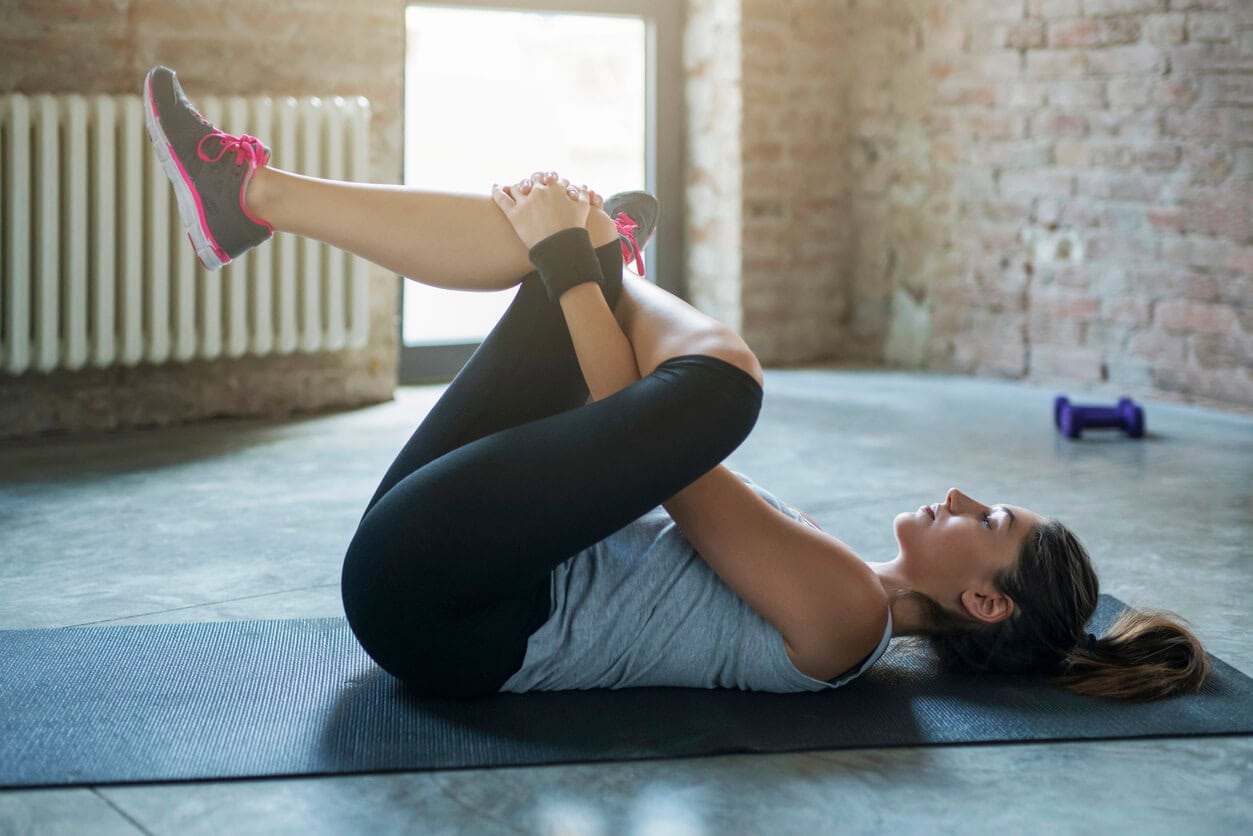
Stretching before a ride helps lengthen muscles that might be shortened due to prolonged sitting or everyday activities. The hamstrings, hip flexors and leg adductors are particularly prone to tightness in equestrians due to the static nature of riding and the need to maintain leg contact with the horse’s sides.
Improved flexibility in these areas promotes better alignment, reduces strain on the lower back, and minimizes discomfort during longer rides. [4]
Additionally, increased flexibility aids in shock absorption, particularly during high-impact activities such as jumping or riding on uneven terrain.
Riders with good flexibility are also more likely to hold a symmetrical frame while riding and can adapt more easily to sudden changes in the horse’s movement, reducing the risk of falls or strains. [4]
Stretching also supports joint health by maintaining a balanced range of motion and preventing the uneven muscle development that can result from repetitive riding patterns. [4]
Core Strength
Stretching and core strength are closely connected in equestrian performance. A rider’s core acts as their stabilizing foundation, enabling independent use of the seat, legs, and hands.
Core flexibility enhances this strength by ensuring the muscles surrounding the pelvis, hips, and lower back work harmoniously to maintain balance and posture.
When the core muscles are tight or imbalanced, riders may experience difficulty following the horse’s movement, especially during canter transitions, lateral work, or jumping. Stretching these muscles before riding prepares the core to engage effectively, reducing compensatory movements that can strain other areas, such as the lower back or hips.
Dynamic core stretches, such as torso rotations or pelvic tilts, improve spinal mobility and activate deep muscles essential for stability. By enhancing core flexibility alongside strength, riders can achieve more refined communication, better shock absorption, and greater overall control in the saddle.
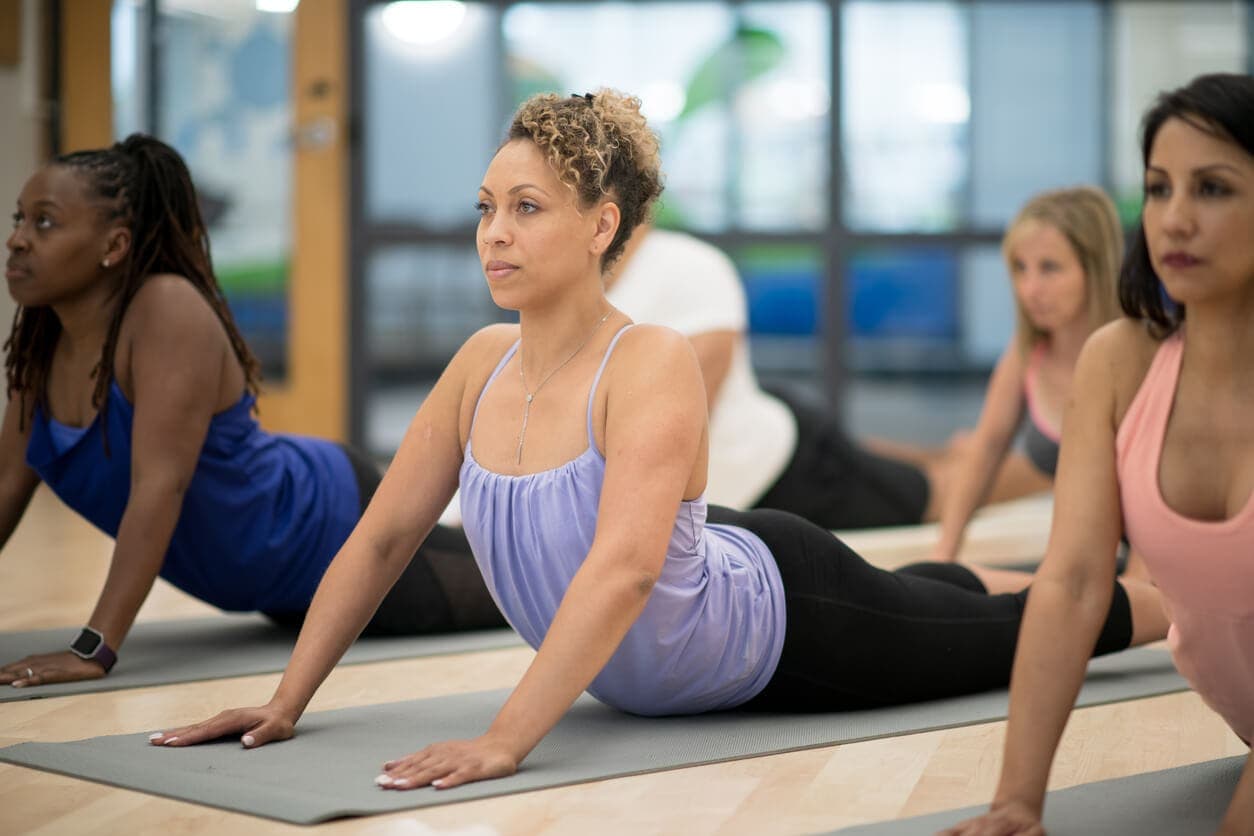
Moreover, core flexibility plays a role in breathing efficiency. Deep, controlled breathing is crucial for maintaining relaxation and focus while riding, particularly during high-pressure situations such as competitions.
Stretching exercises that open the diaphragm and intercostal muscles (the muscles between the ribs) can improve respiratory function, supporting better oxygen flow and endurance. [5][6]
A flexible core also supports proper spinal alignment, reducing the likelihood of discomfort or injury during prolonged rides. Riders who incorporate regular core stretches into their pre-ride routines often report increased ease of movement, improved posture, and a more stable, responsive seat. [5][6]
Balance
Balance is at the foundation of good riding. Effective balance allows the rider to remain centered and stable in the saddle while moving fluidly with the horse’s motion.
Good balance supports a soft, independent seat and enables the rider to apply precise aids without gripping, bracing, or relying on the reins for support.
A balanced rider distributes their weight evenly, helping the horse stay straight and symmetrical. Imbalances in the rider’s body—such as collapsing through one hip or leaning forward at the canter—can negatively affect the horse’s rhythm, bend, and overall performance.
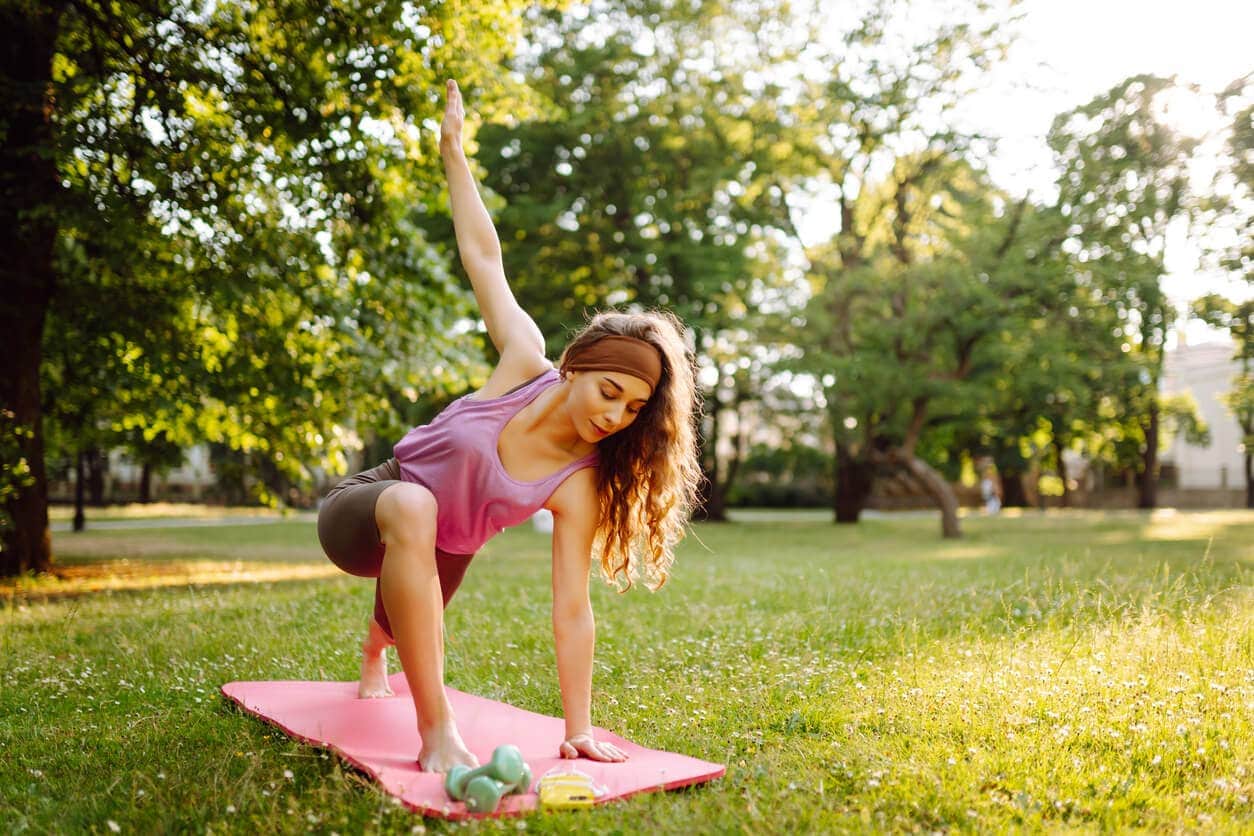
Pre-ride balance stretches often incorporate dynamic movements that challenge stability while engaging core and lower-body muscles. Exercises like single-leg stands, controlled lunges, or balance board activities activate the stabilizing muscles in the ankles, knees, and hips.
Balance also plays a critical role in rider safety. A secure, centered position allows riders to stay with the horse during sudden spooks, refusals, or unbalanced terrain.
Types of Stretching
Stretching techniques can be broadly categorized into dynamic and static stretching, each serving distinct purposes in pre-ride preparation.
Dynamic Stretching
Dynamic stretching involves active, controlled movements that take muscles and joints through their full range of motion. These exercises prepare the body for the demands of riding by warming up the muscles and enhancing flexibility. Examples include:
- Leg swings
- Torso rotations
- Walking lunges
Dynamic stretches are particularly beneficial as part of a warm-up routine because they engage muscles in patterns similar to those used during riding. For instance, hip circles activate the muscles responsible for maintaining leg position, while arm circles prepare the shoulders and chest for rein aids.
Incorporating dynamic stretching into pre-ride routines increases blood flow to muscles, raises core body temperature, and stimulates the nervous system. This activation supports better coordination and reaction time, both of which are essential for responding to the horse’s movements.
Riders who skip dynamic stretches may find themselves feeling stiff or unbalanced during the initial phases of their ride. [7][8]
Static Stretching
Static stretching involves holding a position for a set period, typically 20 to 30 seconds, to elongate muscles and improve flexibility.
While static stretching is traditionally associated with post-ride routines, incorporating a few gentle static stretches before riding can help alleviate persistent muscle tightness.
Static stretching is most effective when performed after dynamic movements to avoid reducing muscle activation. For riders, static stretches that target the hip flexors, hamstrings, and shoulders can improve posture and leg position.
However, excessive static stretching before riding can temporarily decrease muscle strength and power, so it should be used selectively and in moderation. [9]
Creating a Pre-Ride Routine
Combining dynamic and static stretching optimizes muscle performance, balance, and flexibility. The key lies in using dynamic stretches to activate and prepare muscles while applying static stretches selectively to address specific tight areas.
Riders who adopt a balanced approach to stretching can expect improved mobility, better posture, and enhanced overall performance in the saddle.
Additionally, proper form while stretching is essential. Movements should be controlled and purposeful, avoiding jerky or bouncing motions that could cause muscle strain.
By staying mindful of technique, equestrians can maximize the benefits of their stretching routine and ensure they step into the saddle feeling prepared, balanced, and ready to ride.
What's your top priority with your horse's health?

Enter your email to receive your store credit
Key Muscle Groups
Horseback riding demands strength and flexibility from head to toe. By emphasizing each major muscle group during your stretching routine, you prepare your body for better alignment, clearer communication with your horse, and reduced risk of strain or injury in the saddle.
The key muscle groups to focus on are:
- Core
- Hip Flexors
- Leg Adductors
- Hamstrings
- Glutes
- Lower Legs
- Upper Body
Core
The core includes the abdominal muscles, obliques, and lower back muscles. These muscles stabilize the rider’s torso, allowing independent leg and hand movements. Flexible core muscles enhance balance and improve the rider’s ability to follow the horse’s movement. [2][10]
Stretching the core muscles not only supports posture but also reduces the risk of lower back discomfort, which is common among riders who spend extended periods in the saddle. Exercises such as pelvic tilts and gentle twists can help improve the core’s flexibility and responsiveness. [2][10]
Hip Flexors & Leg Adductors
Pelvic strength and flexibility are fundamental to horseback riding. The hips are essential in delivering effective leg aids, posting the trot, and maintaining proper seat alignment.
Tight hip flexors and leg adductors can restrict leg mobility, making it difficult to maintain light, responsive contact with the horse’s sides. Stretching these muscles helps riders maintain a deep, secure seat and execute precise leg aids. Lunges and hip-opening stretches can alleviate tension caused by prolonged sitting or riding. [2][10]
Hamstrings & Glutes
The back sides of your upper legs and pelvis are supported by very large muscle groups that are essential to leg strength and flexibility. The hamstrings support correct pelvis alignment, while glutes provide power and stability for effective seat equitation.
Stretching these muscles prevents lower back strain and enhances leg position. Tight hamstrings can tilt the pelvis backward, affecting rider posture and balance. Glute stretches improve seat depth and stability, making it easier to absorb the horse’s movement and maintain a consistent position. [2][10]
Lower Legs
Your calf muscles help maintain lower leg stability and aid application, while ankle flexibility supports your ability to absorb motion and maintain proper stirrup position.
Stiff calves or ankles can cause riders to grip with their knees or lose their heels-down position. Calf stretches against a wall and ankle circles can enhance mobility and help riders maintain correct lower leg positioning throughout the ride. [2][10]
Upper Body
Flexible shoulders and an open chest are essential for soft, effective rein aids. Tension in these areas can cause riders to round their shoulders, affecting posture and rein communication.
Stretching the chest, shoulders, and upper back promotes better breathing, more effective rein aids, and a more upright, balanced position. Shoulder rolls and chest-opening stretches can address tightness caused by repetitive rein use or daily activities like desk work. [2][10]

Top 13 Pre-Ride Stretches for Equestrians
A number of stretching exercises can improve mobility in different areas of the rider’s body, promoting flexibility, balance, and overall riding performance. Here is our list of key stretches for you to add to your pre-ride warm-up routine.
Core Activation
Engaging the core before riding prepares the muscles responsible for stability and balance. [1][11][12]
1) Pelvic Tilt
You can perform pelvic tilts while standing or lying down to activate the deep core muscles and promote spinal flexibility. [1][11][12]
Here are the steps to perform this stretch while lying down:
- Lie on your back on the floor or a mat with your hands at your sides
- Bend your knees and plant your feet on the floor approximately hip width apart
- Turn your palms down and use your core muscles to lift your pelvis off the floor, pushing through your arms and feet until your back is straight
- Hold for 20 – 30 seconds or pulse dynamically for a minute
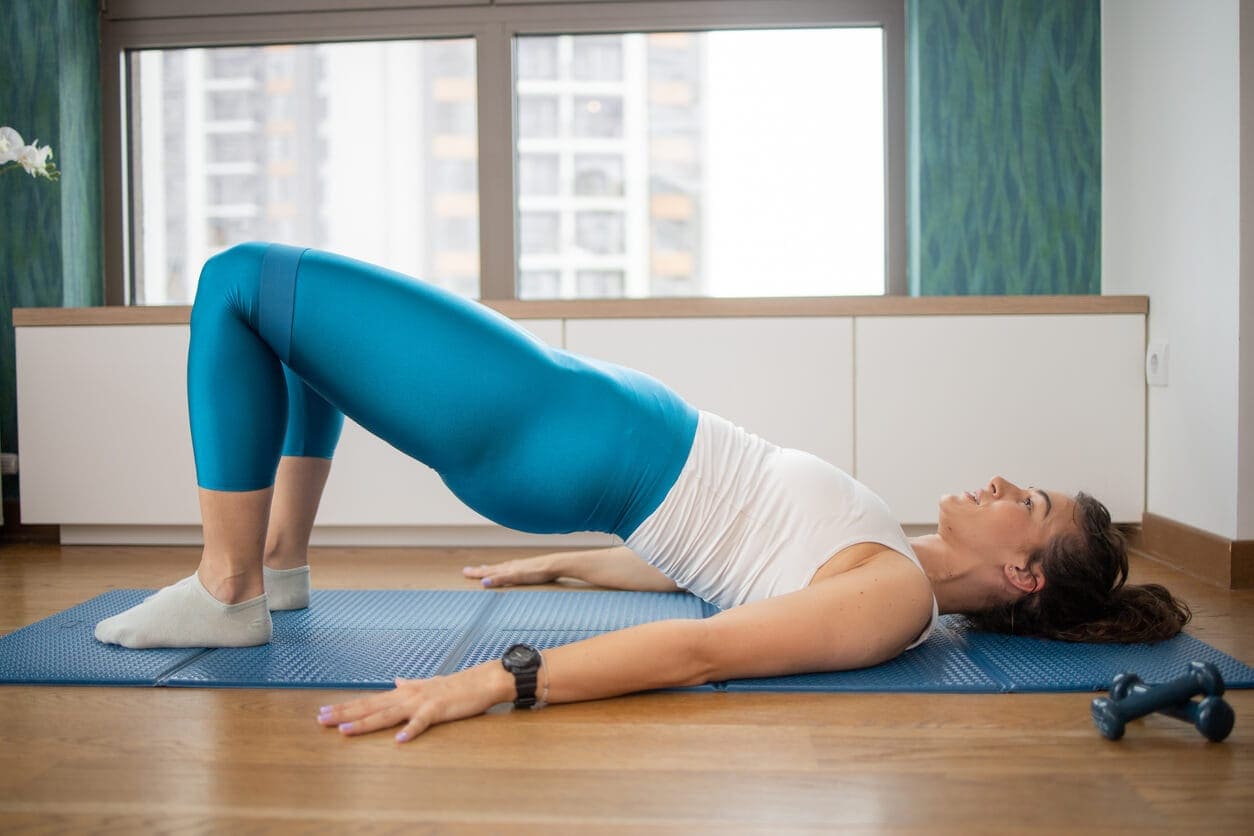
To perform this stretch while standing, stand up straight and arch your lower back, pushing your pelvis backward. Flex in the opposite direction to tilt the pelvis forward and hold for 20 – 30 seconds.
2) Torso Rotation
Torso rotations, where the rider gently twists their torso side to side while maintaining a stable pelvis, enhance rotational mobility and engage the obliques. [1][11][12]

When performing this stretch, make sure to twist slowly and with mindful awareness so you don’t exceed your range of motion in any of your joints.
3) Cat-Cow Pose
Cat-cow stretches, transitioning between an arched and rounded back, increase spinal mobility and prepare the core muscles for the dynamic demands of riding. [1][11][12]
To perform this stretching pattern:
- Kneel on all fours with your hands shoulder width apart and your knees hip width apart
- Slowly arch your back, bringing your face upwards. Your chest and neck should be open and extended fully
- Hold for 5 – 10 seconds
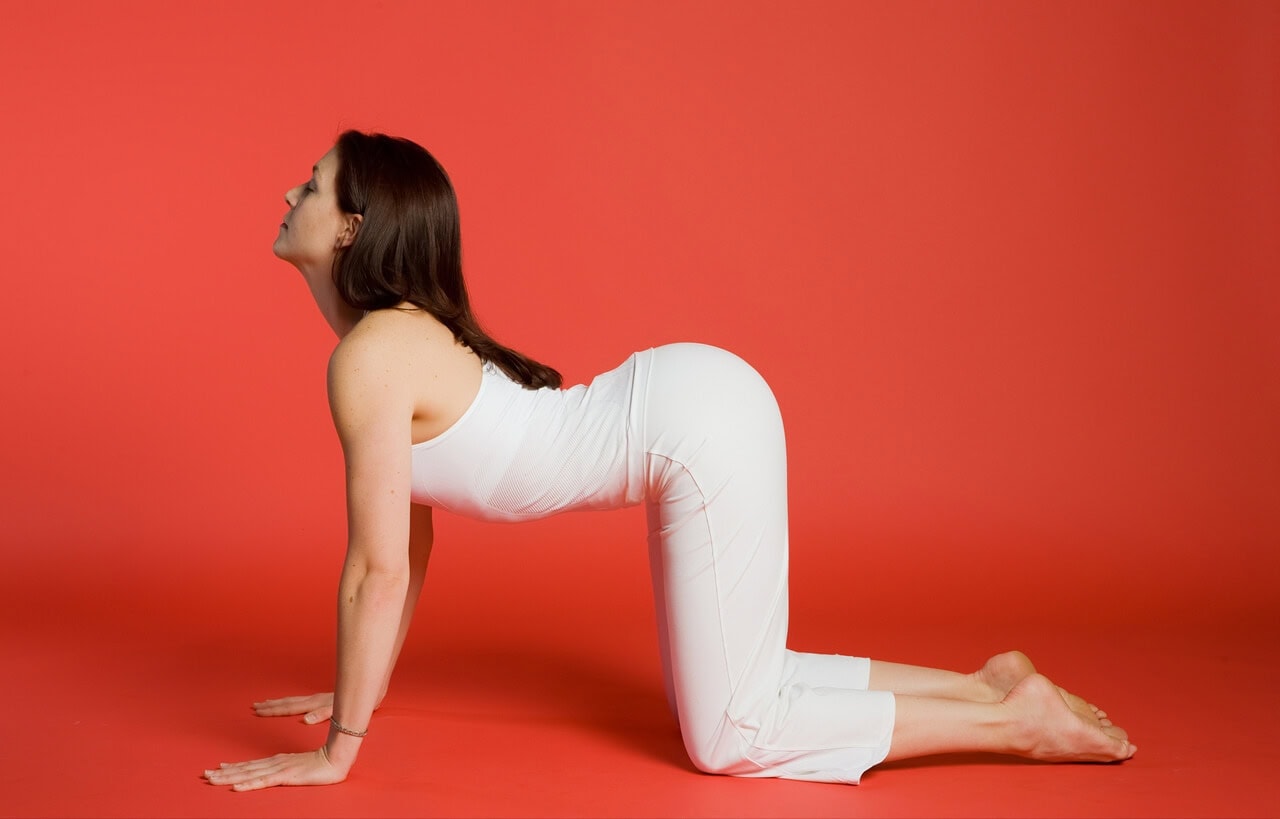
- Slowly relax your back until it is back in a neutral position, using your neck and face to guide your movement downward by looking forward, then down towards the floor
- Continue extending your neck movement downward, past a neutral position, and tuck your chin, arching your back and tilting your pelvis down. Hold for 5 – 10 seconds
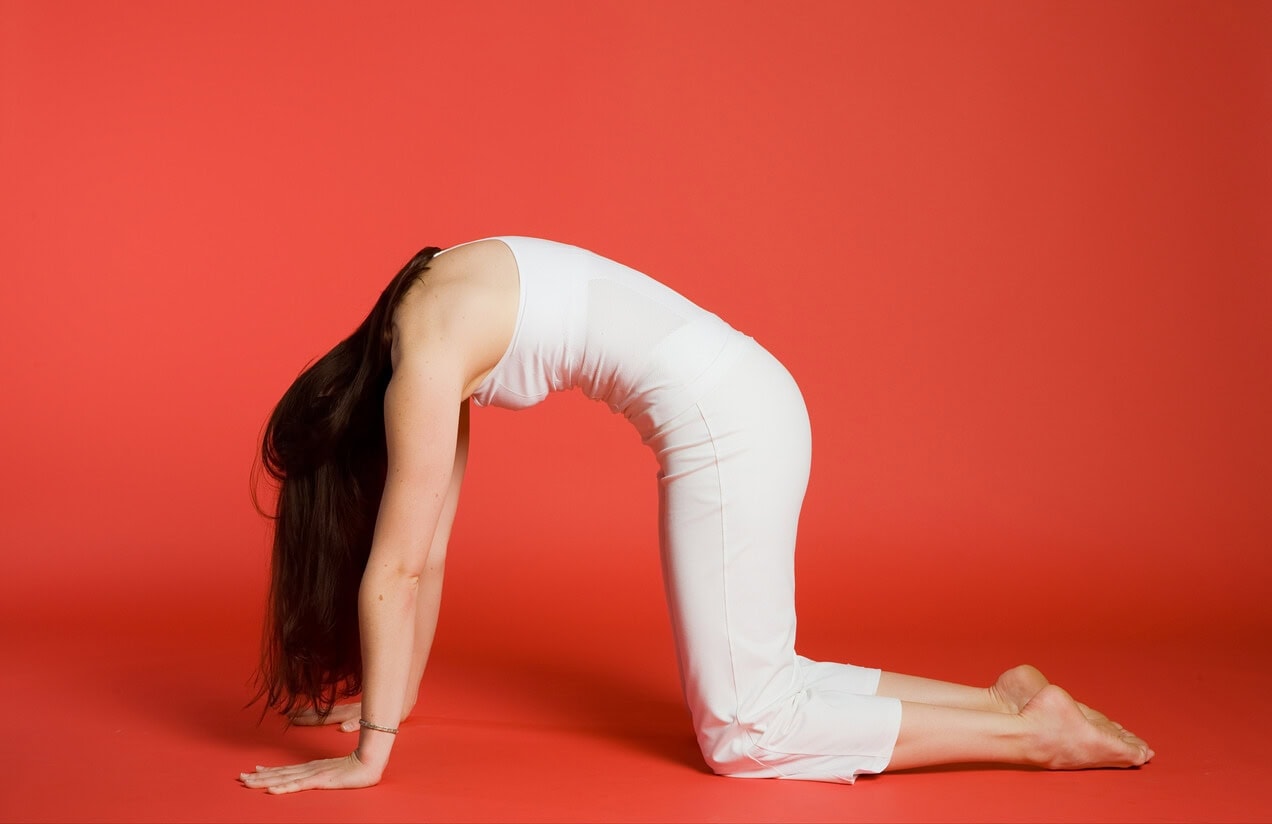
Repeat this sequence 3 – 5 times to fully activate your full range of motion.
Upper Body
Stretching the upper body addresses tension often caused by rein contact and maintaining posture in the saddle. [1][11][12]
4) Standing Backbend
Lower back stretches, such as standing backbends, promote spinal flexibility and reduce stiffness. [1][11][12] They also help build balance.
To perform a standing back bend:
- Stand up straight with your legs together
- Raise your arms over your head and clasp your hands together
- Gently bend backwards until you feel a comfortable stretch through your torso and arms. Try to relax your neck and head into the stretch. Hold for 15 – 20 seconds
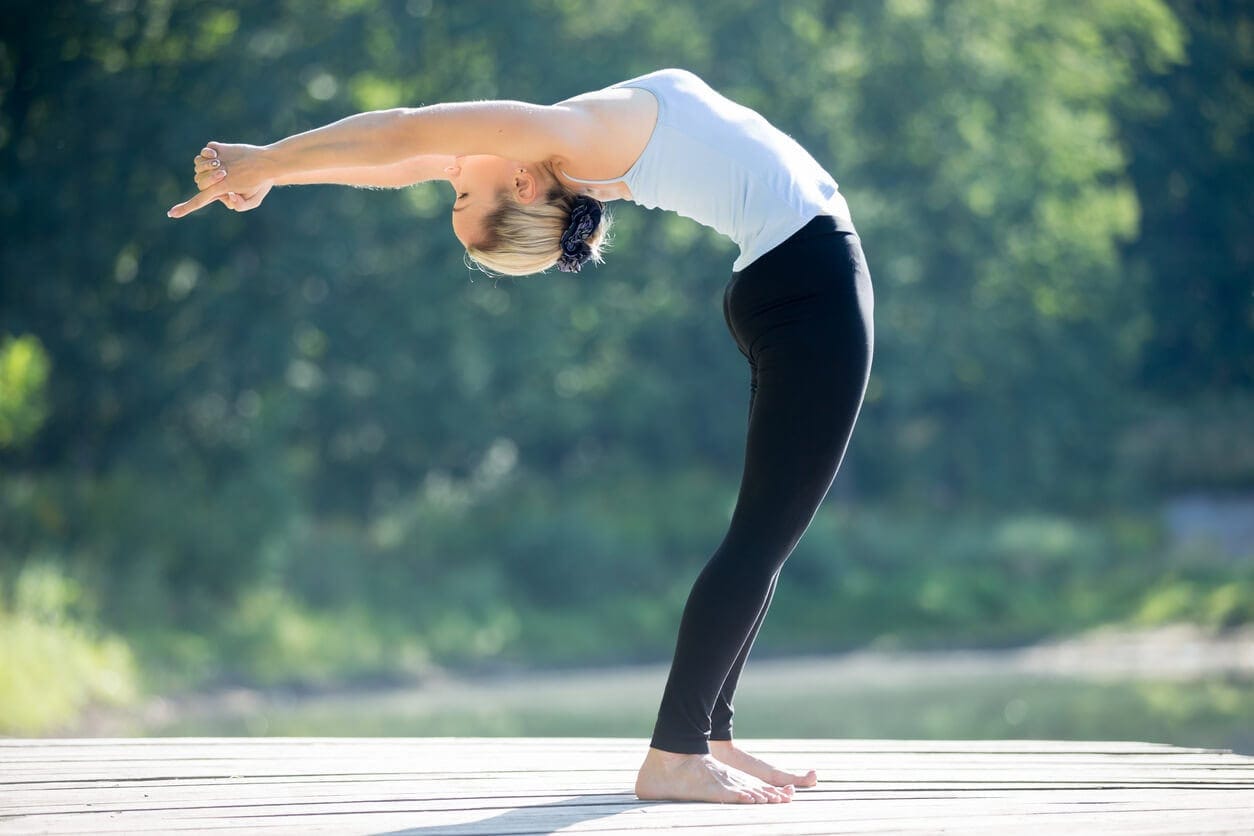
Avoid twisting while performing this stretch.
5) Chest & Shoulder Expansion
Shoulder-opening exercises release tension and improve rein aids, while chest-opening stretches counteract the forward-leaning posture many riders develop. [1][11][12]
These stretches are performed similarly and often together in a continuous sequence, such as:
- Stand up straight with arms extended forward
- Interlock your fingers with your palms facing out
- Reach your clasped hands up over your head, pushing outward with your palms until you feel a stretch
- Slowly stretch to the left and right, tilting your torso slightly in the direction of the stretch
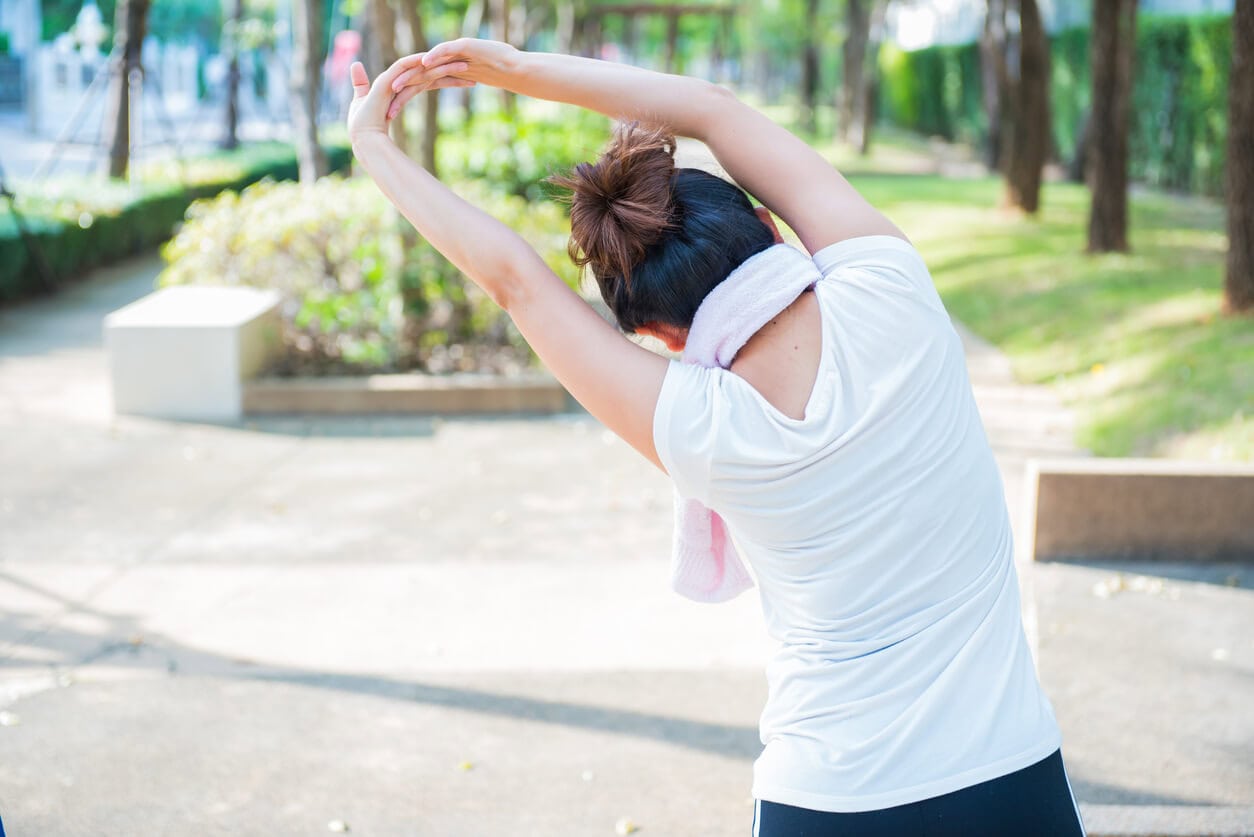
- Release your hands and re-clasp them behind your back. Interlock your fingers with your palms facing in, towards your body
- Slowly lift your arms until you feel a gentle stretch in your shoulders and chest. Hold for 15 – 20 seconds

Repeat this sequence 2 – 3 times, shaking out your arms and shoulders between reps.
Lower Body
Lower body stretching builds flexibility and strength to support leg position, aid application, and shock absorption.
6) Hamstring Stretch
Hamstring stretches improve pelvic alignment and ensure the large leg muscles are supple and warmed up for riding. [1][11][12] These stretches can be performed standing up or from a seated position.
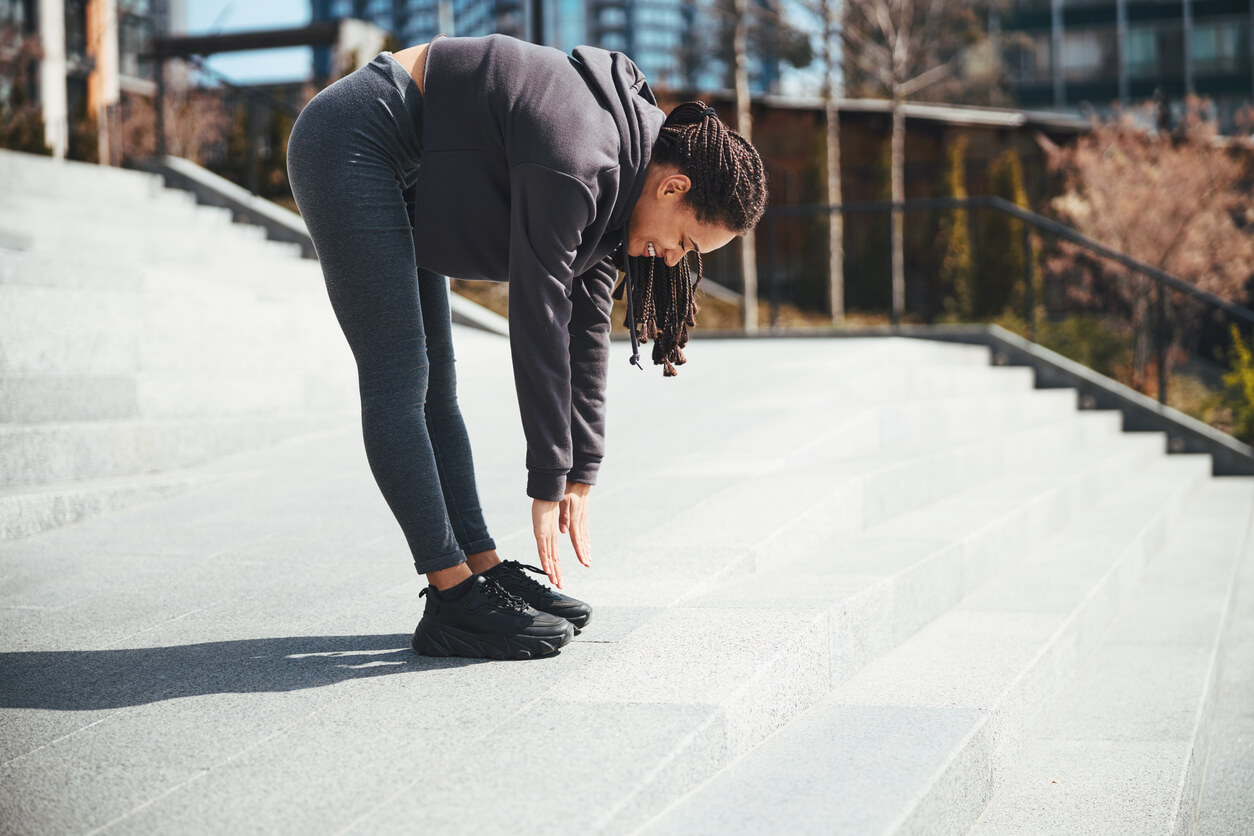
To perform a standing hamstring stretch:
- Stand with your legs together. Adjust your leg position according to how flexible you are. The wider apart your feet are, the more challenging the stretch. Start by placing them hip width apart and narrow your stance as required for your range of motion
- Keep your legs straight, but do not lock your knees. Reach forward and down with straight arms. Try to touch your toes, but do not stretch further than is comfortable. Hold for 20 – 30 seconds
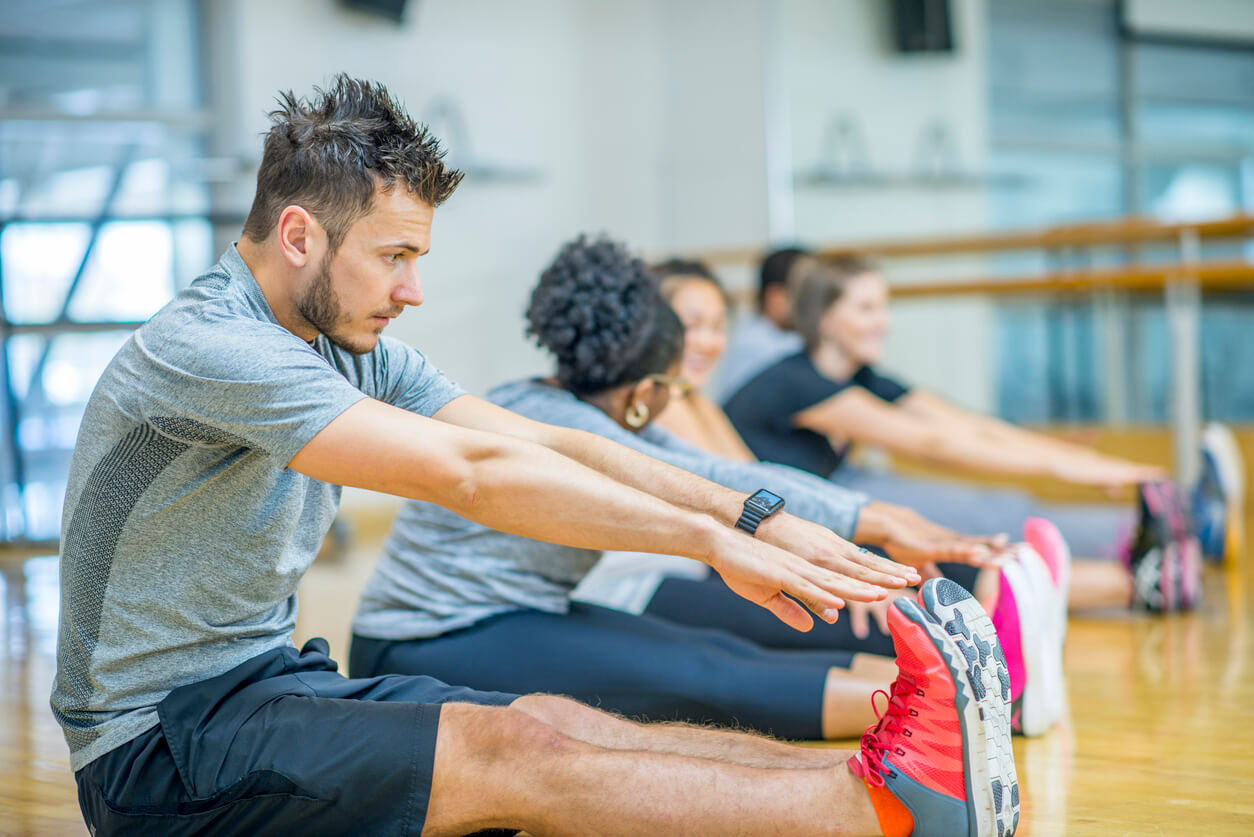
Some riders may find this stretch easier to perform in a seated position:
- Sit on the floor with your legs straight out in front of you
- Reach forward with straight arms. Try to touch your toes but do not stretch further than is comfortable. Hold for 20 – 30 seconds
- You can also stretch one leg at a time by keeping one leg bent during the stretch
7) Hip Flexor Stretches
The hip flexors are a group of complex muscles that work together to keep the pelvis and legs stable and harmonized.
It’s important to stretch these muscles through both lengthening and rotational movements to ensure full range of motion, reduce muscular imbalances, and maintain proper alignment of the pelvis during riding. [1][11][12]
Two key stretches to warm up the hip flexors thoroughly are a kneeling lunge and a held knee lift.
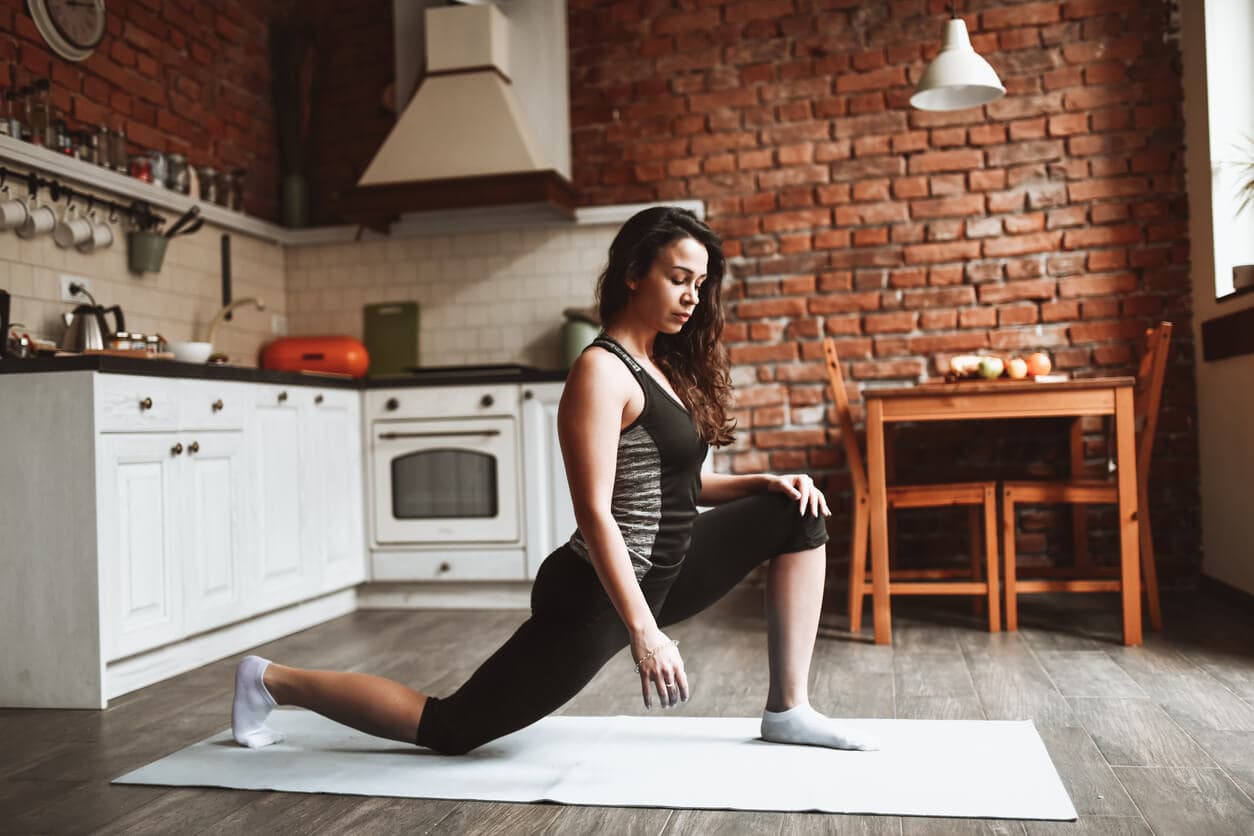
Kneeling Lunge
To perform this stretch:
- Kneel on the floor
- Place one foot forward, leaving the other knee on the floor
- Gently lean into the foot on the floor until you feel a stretch through the thigh of the leg on the ground
- Hold for 20 – 30 seconds, then repeat on the other side
Held Knee Lift
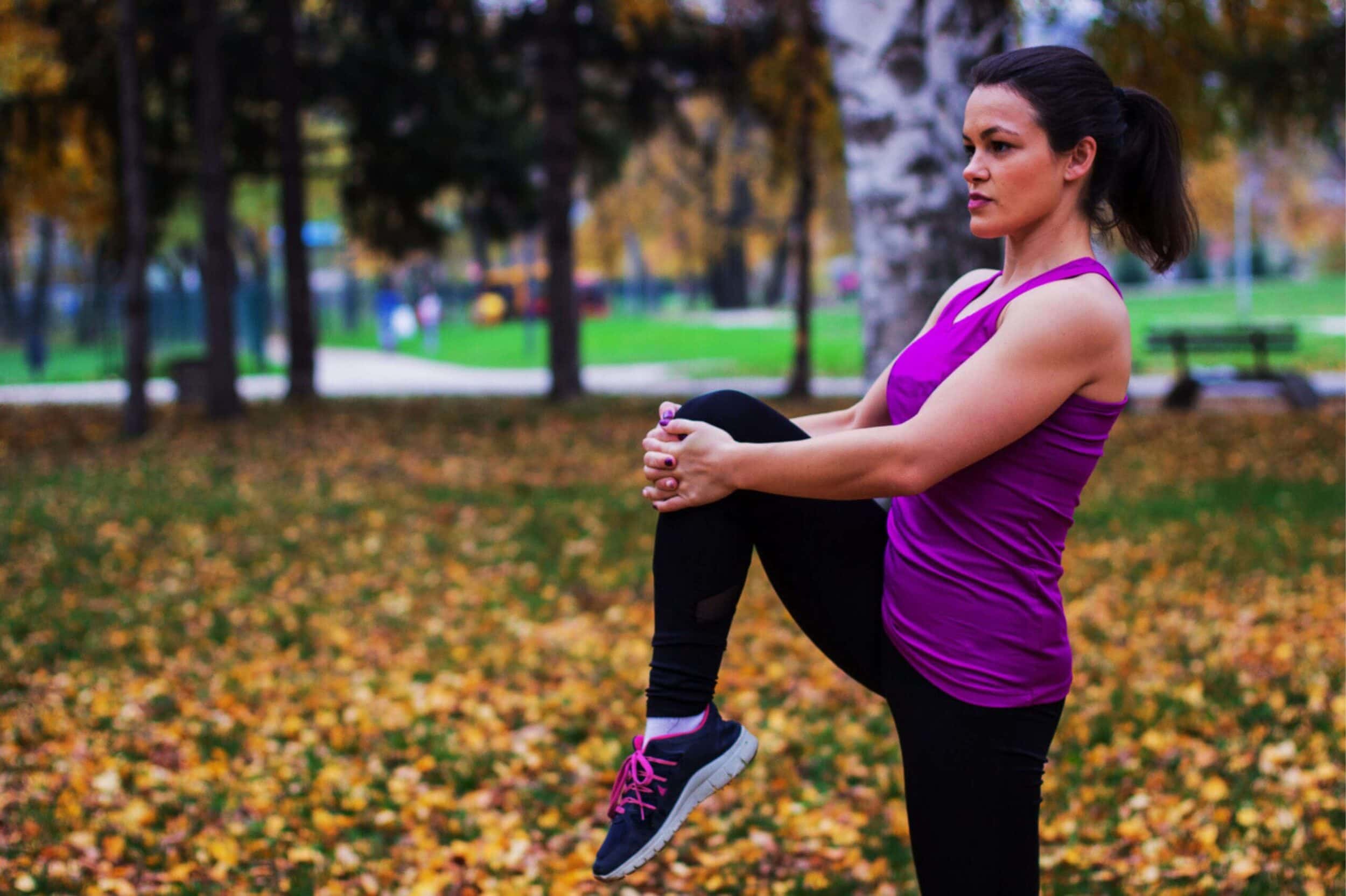
To perform this stretch:
- Stand up straight
- Lift one knee as high as you can
- Grasp the knee with your hands and pull it towards your chest
- Hold this position for 15 – 20 seconds (or as long as you can). Repeat with the other leg
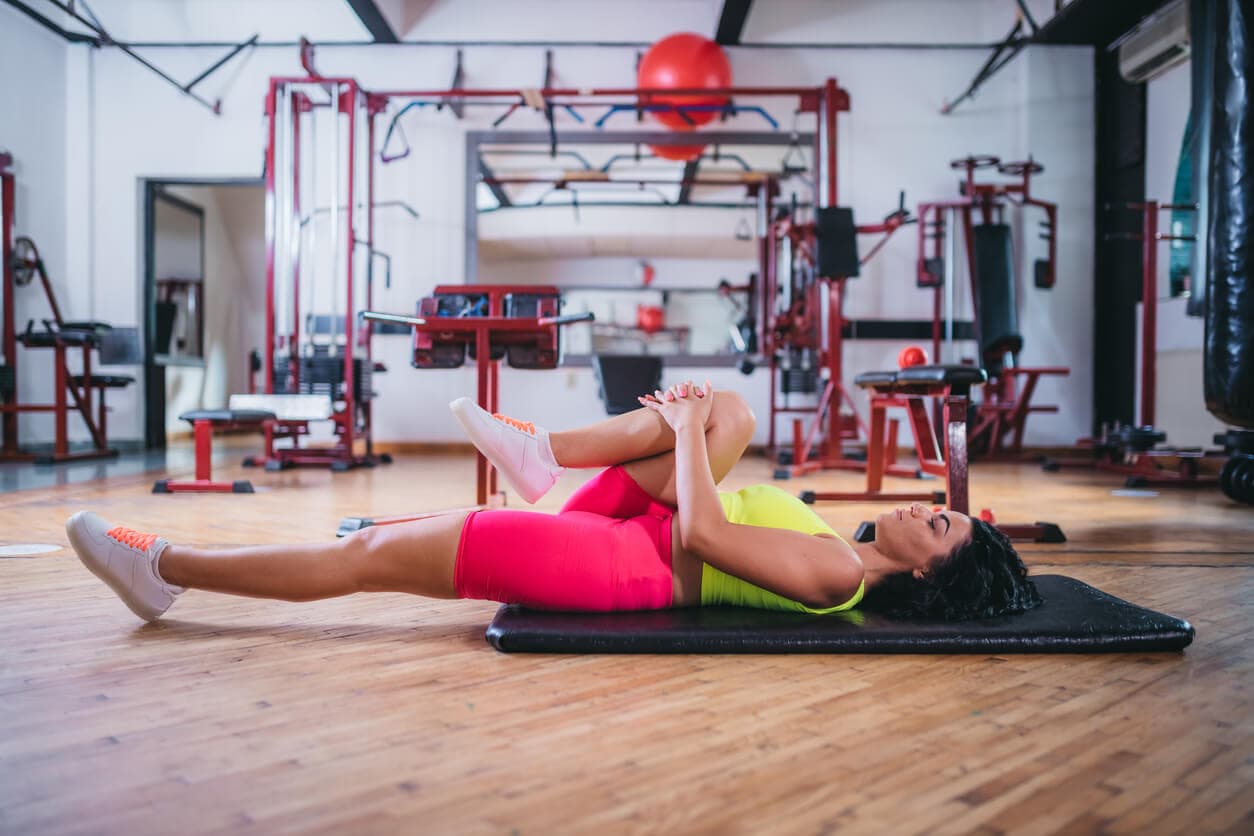
The held knee lift can also be performed lying down if balancing on one leg is a challenge.
8) Supine Spinal Twist
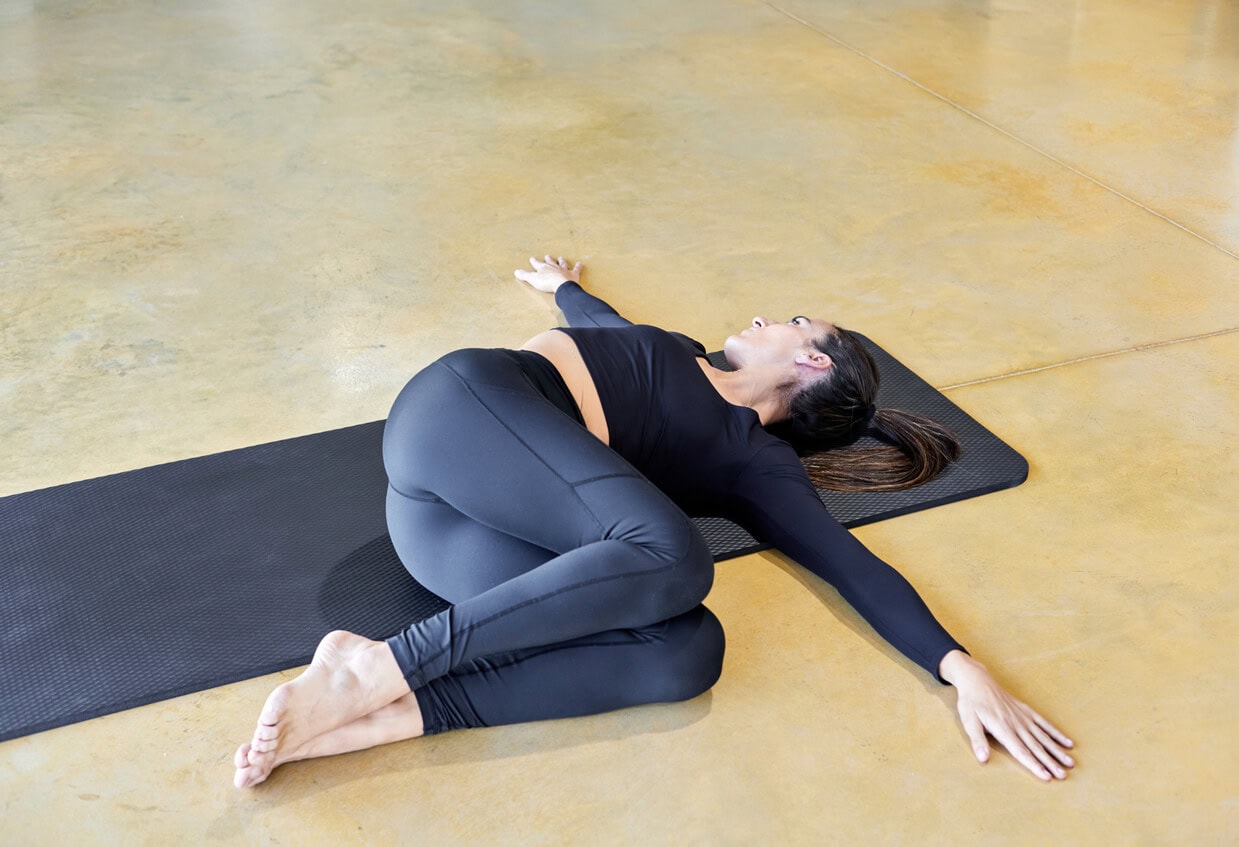
The supine spinal twist works the gluteus maximus muscles, the very large muscle group that makes up the buttocks. This stretch also opens up range of motion in hard-to-work muscle groups like the obliques and intercostals.
Glute stretches are beneficial for riders as they release tension and enhance seat stability. [1][11][12]
To perform this stretch:
- Lie face-up on the floor with your legs hip width apart
- Bend one knee and extend your arms out to either side
- Slowly twist your lower body so your bent knee falls over the opposite leg. If it is comfortable, turn your head in the opposite direction
- Optional enhancement: use your hand to push the bent knee closer to the floor
- Hold for 20 – 30 seconds. Repeat on the other side
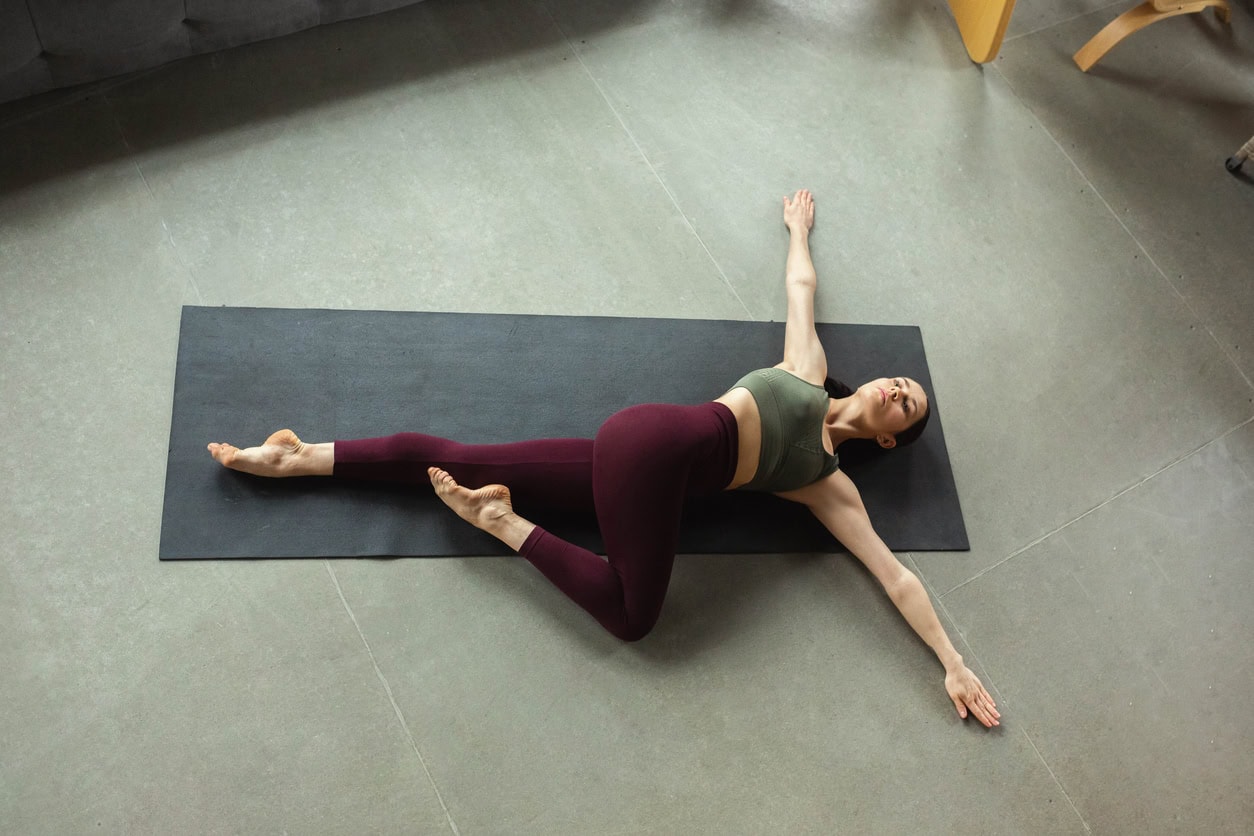
This stretch can also be performed with both knees together if keeping one leg straight is too difficult.
9) Calf Stretches
Calf stretches prepare the legs for stirrup contact and keep the Achilles tendon supple and flexible. [1][11][12]
The two main stretches for calves are isometric standing lunges and heel hangs off a step.
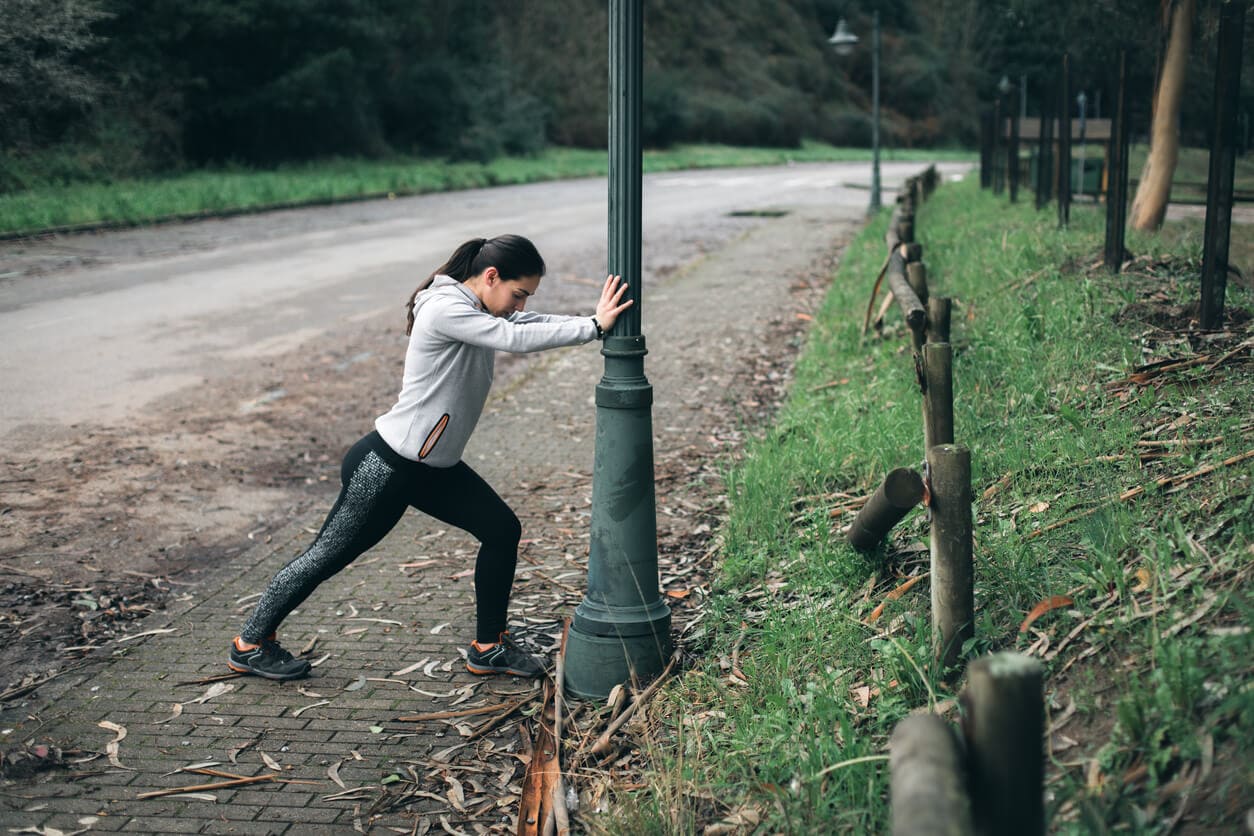
Isometric Standing Lunge
To perform this stretch
- Stand facing a solid object like a wall or fence
- Brace your arms on the object and take a large step backwards with one leg
- Keeping the back leg straight, bend the front leg until you feel a stretch through the back calf
- Keep your back straight and hold for 20 – 30 seconds or pulse dynamically for a minute
- If you are having difficulty feeling a stretch in this position, step back farther with the rear leg
- Repeat on the other side
Heel Hang
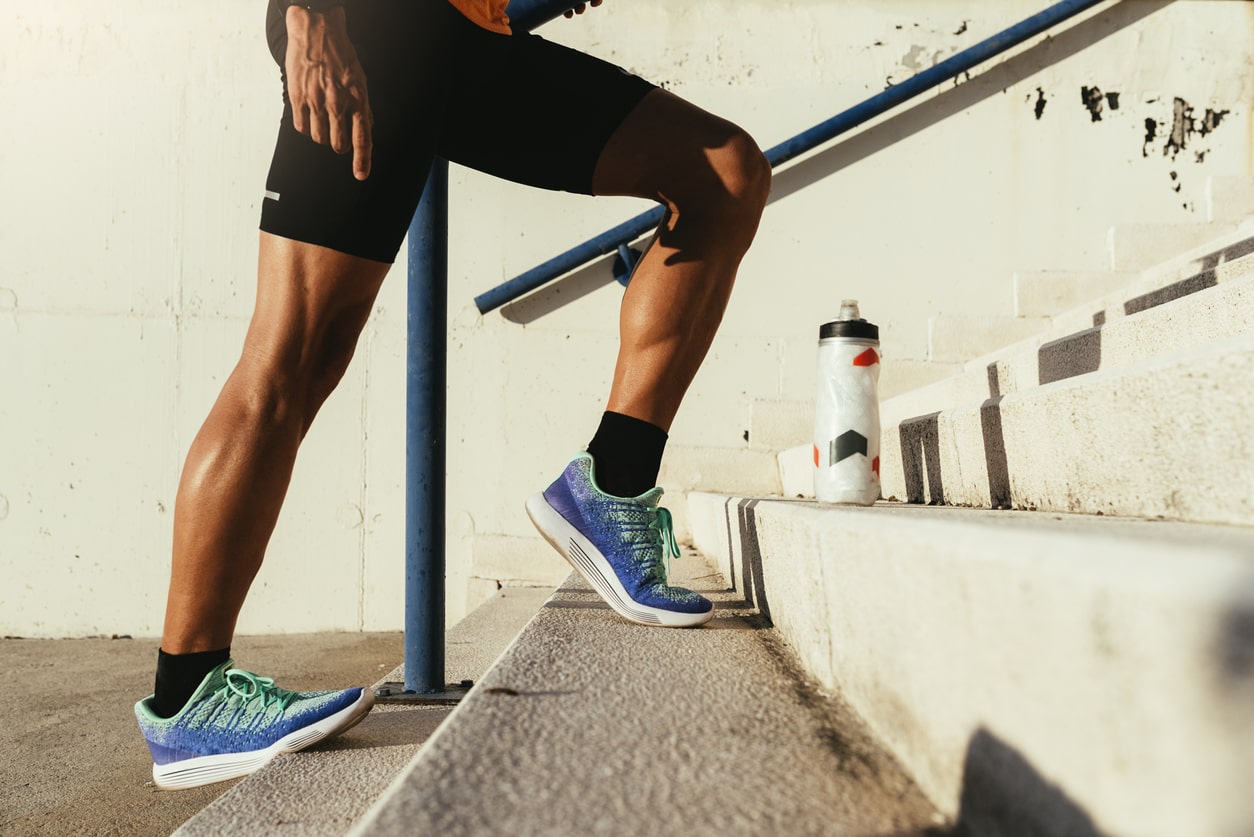
Heel hangs are performed using a stair step. If you do not have steps available, you can modify this stretch by placing the ball of your foot against a wall while keeping your heel on the floor.
To perform the heel hang with a step:
- Put the ball of your foot on a step with your heel hanging off the step
- Slowly transfer your body weight to the leg with the hanging heel, keeping your knee straight but not locked
- Only transfer enough body weight to feel a gentle stretch through your calf. Hold for 15 – 20 seconds and repeat on the other side
10) Butterfly Stretch
Stretching the leg adductors before riding improves hip mobility and allows the rider to maintain a longer, more relaxed leg position against the saddle.
This enhances stability, refines leg aids, and reduces tension that can interfere with the horse’s movement.
To complete a butterfly stretch:
- Sit on the floor with your back straight
- Bend both of your knees and bring your feet together, touching at the soles
- Gently pull your heels towards your groin
- Relax your thighs and lean forward slightly until you feel a gentle stretch in your groin
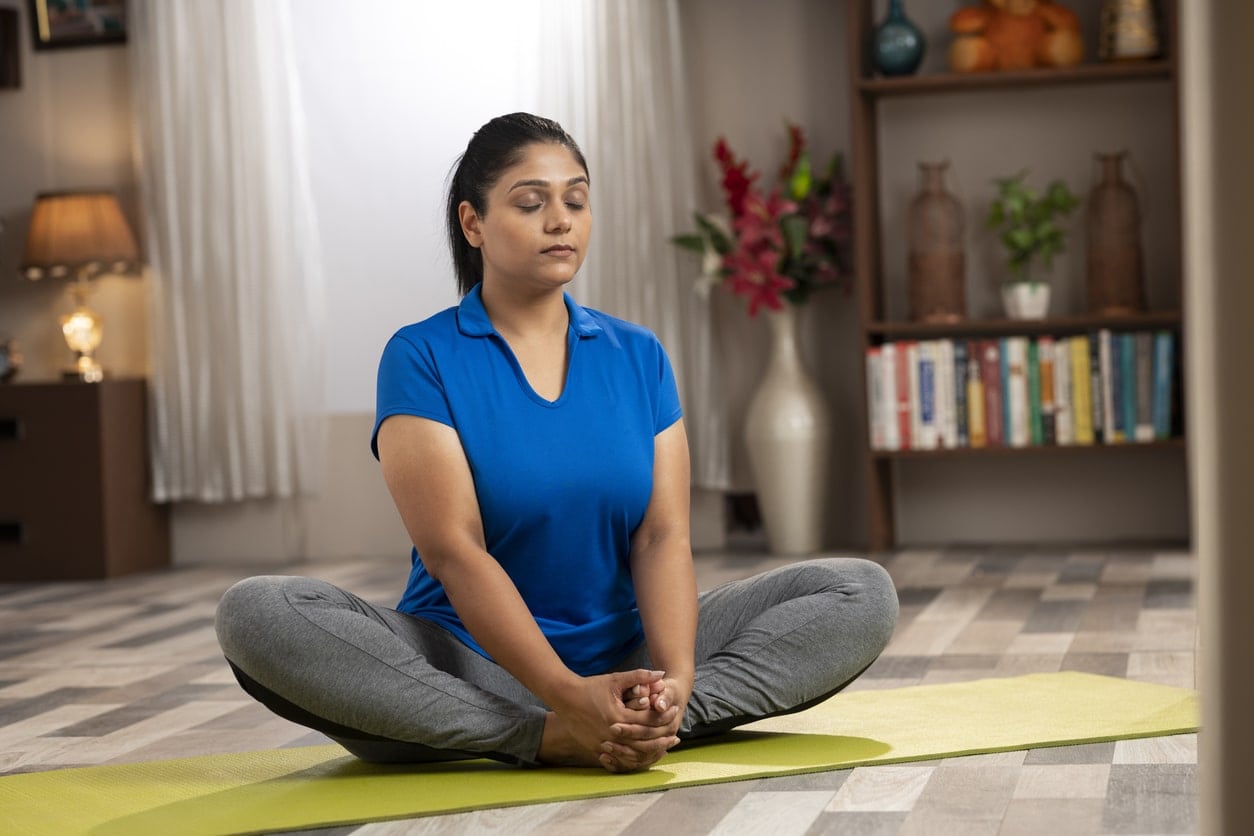
It’s important to perform the butterfly stretch slowly and mindfully as you can cause a groin injury if you push yourself too hard with this stretch. Stretching should never be painful.
Enhancements for riders who have a high degree of leg adductor flexibility include:
- Pull your heels inward, closer to the groin
- Push your knees downward
- Lean forward further
- Turn the soles of your feet upwards with your hands while leaning forward
Balance
Many of the stretches that target different muscle groups also challenge your balance by moving your center of gravity. You can also target balance specifically by doing asymmetrical stretches and putting your body weight on only one side at a time.
11) Tree Pose
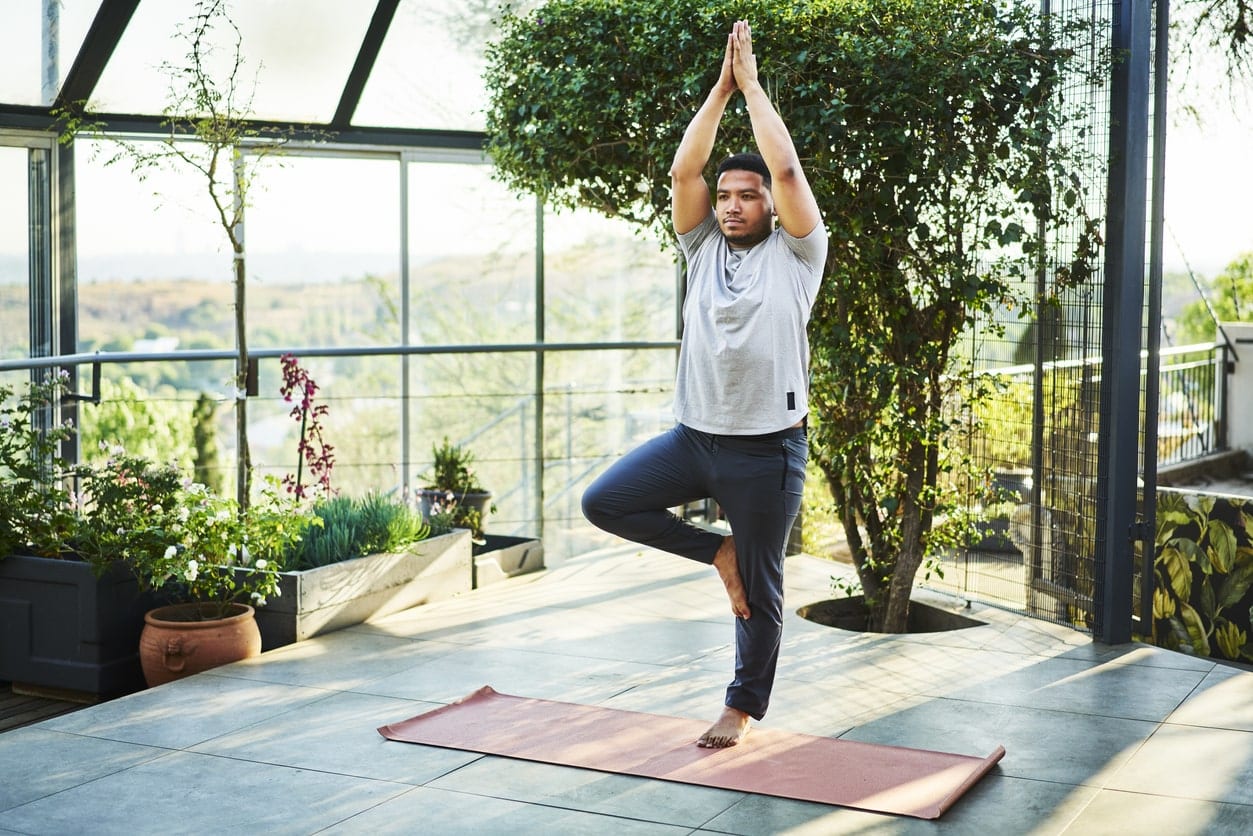
Here is how to perform this yoga pose:
- Stand with your legs hip width apart
- Hold your hands palms together in front of your chest
- Slowly raise one leg and rest your foot on the other leg. The goal is to have your foot resting on the opposite thigh, but you can place it lower while you are mastering this pose.
- Keep your knee on the balancing leg soft
- If you can, try raising your hands over your head
- Hold for 15 seconds (or as long as you can). Repeat on the other side
12) Side Plank
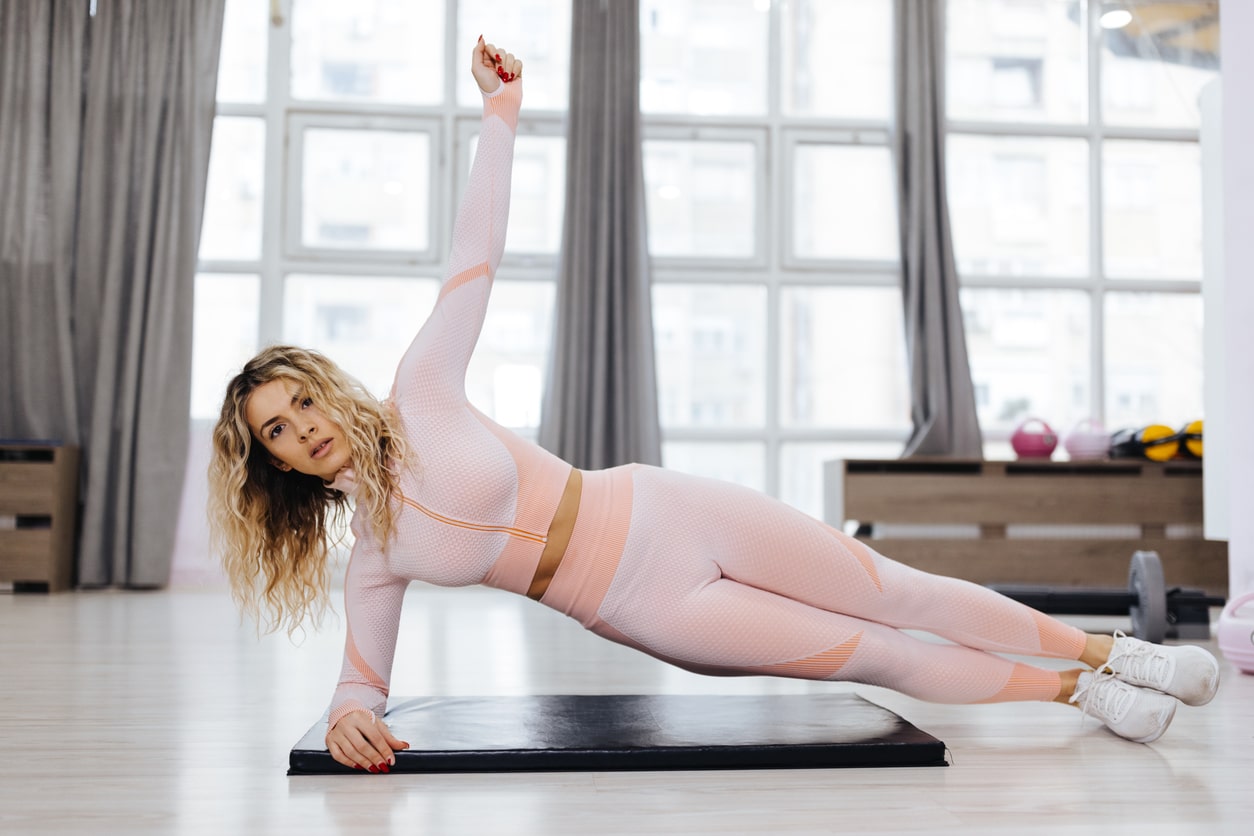
In addition to challenging your balance, side planks engage the core and upper body, building strength.
To perform the side plank:
- Kneel on all fours, placing your upper body weight on your elbows with your forearms flat on the floor
- Extend your legs out behind you so you are in a full plank position with your back flat
- Slowly transfer your body weight to one side and rotate, keeping your leg straight and body aligned, until you are facing sideways
- Lift your free arm and hold for 15 – 20 seconds. Repeat on the other side
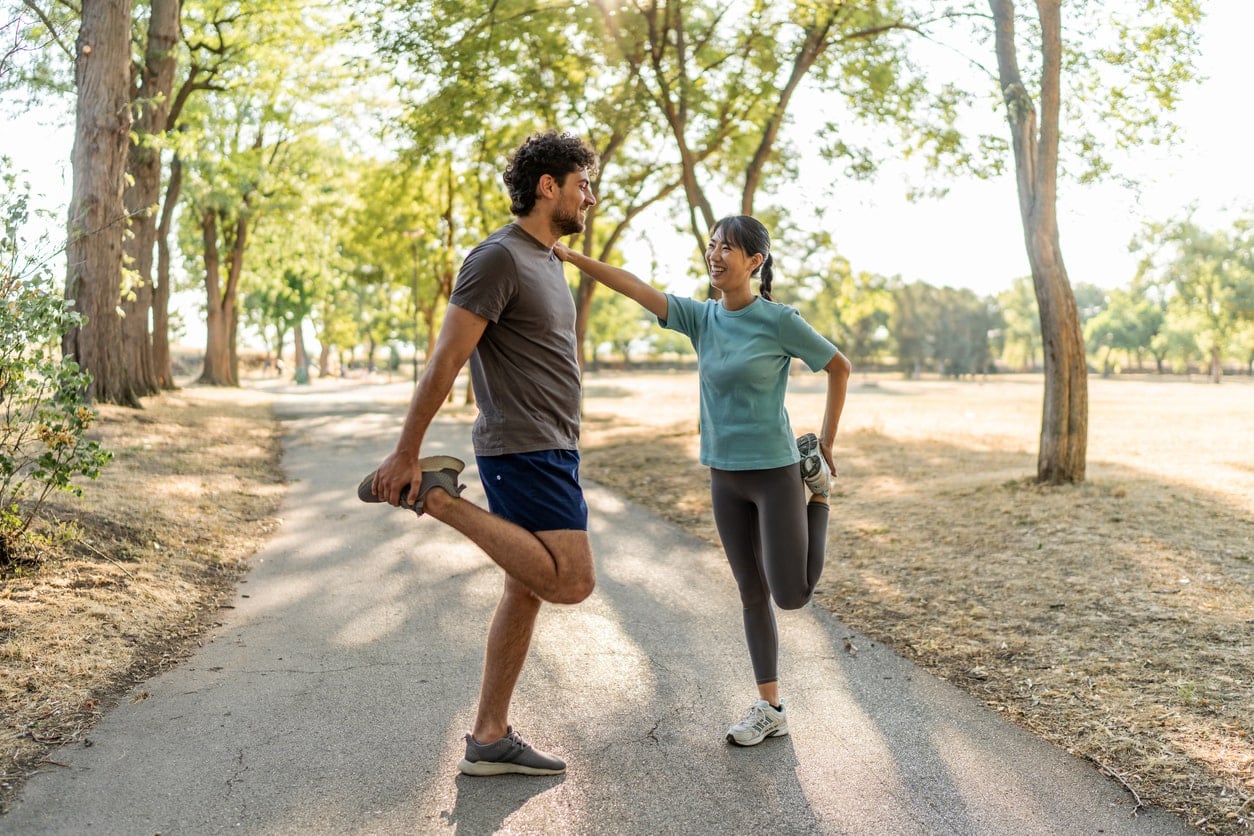
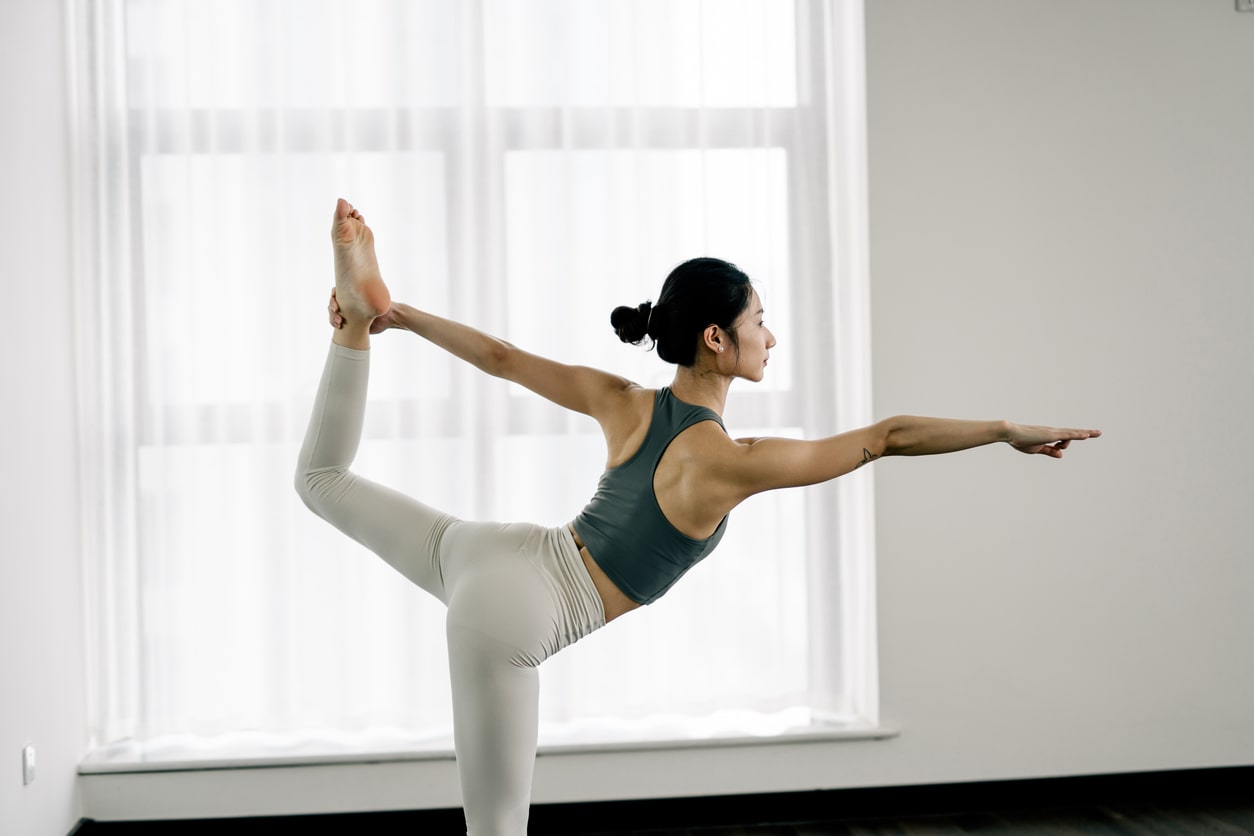
13) The Standing Bow
The standing bow is another yoga pose that targets balance. It also offers an excellent stretch for the quadriceps, the large muscle group on the front side of your thighs.
To perform the standing bow:
- Stand with your legs hip width apart
- Lift one foot up and behind, pushing your heel towards your buttocks
- Grasp the lifted foot by holding your instep. You can hold here for a beginner version of the standing bow
- To continue into the full stretch, lean forward while pushing your instep into the hand supporting it
- Extend the other arm for balance
- Hold for 15 seconds (or as long as you can). Repeat on the other side
Optimizing Your Routine
To get the most out of stretching before your ride, it’s important to design your routine for optimal results.
Make sure you leverage both static and dynamic techniques before you ride so you are activating your muscles without fatiguing them. Also make sure you don’t stretch for too long or try to push yourself beyond your anatomic range of motion. Stretching should create a sensation of mild tension rather than pain or discomfort in the targeted muscles.
Additionally, make sure you stretch symmetrically, spending equal time on both sides of your body. Equestrian activities are inherently asymmetrical, so balanced stretching on both sides is essential.
Finally, inconsistent stretching limits the benefits. Make stretching a habitual part of your warm-up routine, not an occasional activity reserved for days when muscles feel tight.
By following these steps, you can enhance your performance, build strength, and improve overall communication with your equine partner.
Frequently Asked Questions
Here are some frequently asked questions about pre-ride stretches for equestrians:
Pre-ride stretching prepares the rider's muscles and joints for the physical demands of riding. It enhances flexibility, improves muscle activation, and reduces the risk of injury. Stretching also promotes better posture and delivery of aids, enabling clearer communication with the horse.
Riders should prioritize dynamic stretching to activate muscles and improve circulation before riding. Static stretching can be included if certain muscles feel particularly tight, but it should be gentle and brief to avoid reducing muscle performance.
A pre-ride stretching routine typically takes 10 to 15 minutes. This allows sufficient time to activate key muscle groups through dynamic movements while addressing any specific areas of tightness with static stretches.
Summary
Pre-ride stretching is an important component of equestrian preparation that enhances flexibility, strength, and balance. Dynamic stretches activate muscles and improve circulation, while static stretches address specific tightness.
- Focusing on the core, upper body, and lower body ensures the rider is prepared for the physical demands of riding
- Regular, balanced stretching routines contribute to better posture, more effective aids, and reduced injury risk
- Avoiding common mistakes such as overstretching, neglecting dynamic movements, or inconsistent practice further supports optimal performance
- Stretching is not just about physical preparation; it also provides a moment of mental focus, helping riders connect with their bodies and prepare for effective, harmonious riding
References
- 8 Dynamic Warm-Up Exercises for Equestrians. FEI.org. 2021.
- Aegerter. A. M. et al. An Investigation into the Association of the Physical Fitness of Equestrians and Their Riding Performance: A Cross-Sectional Study. Comparative Exercise Physiology. 2020.
- Holdsworth. D. Horse Rider Flexibility: How to Improve It. Horse & Hound. 2022.
- Millman. S. S. Correcting Rider Asymmetry. Dressage Today. 2017.
- Csepregi. É. et al. Effects of Classical Breathing Exercises on Posture, Spinal and Chest Mobility among Female University Students Compared to Currently Popular Training Programs. International Journal of Environmental Research and Public Health. 2022.
- Zare. F. et al. Comparing Effects of Breathing Exercises Alone and Combined with Breathing-Stretching Exercises on Respiratory Indices, Disease Severity and Exercise Capacity in COPD. Scientific Reports. Nature Publishing Group. 2025.
- Dynamic Stretching vs. Static Stretching. Cleveland Clinic. 2024.
- Static vs. Dynamic Stretching: What Are They and Which Should You Do?. Hospital for Special Surgery. 2021.
- Page. P. Current concepts in muscle stretching for exercise and rehabilitation. International Journal of Sports Physical Therapy. 2012.
- Rider Fitness. The British Horse Society. 2022.
- Fitness 2021: 6 Mobility Exercises for Equestrians. FEI.org. 2021.
- von Dietze. S. How to Ride with a More Supple, Open Hip to Enhance Your Horse's Movement. Dressage Today. 2020.