English

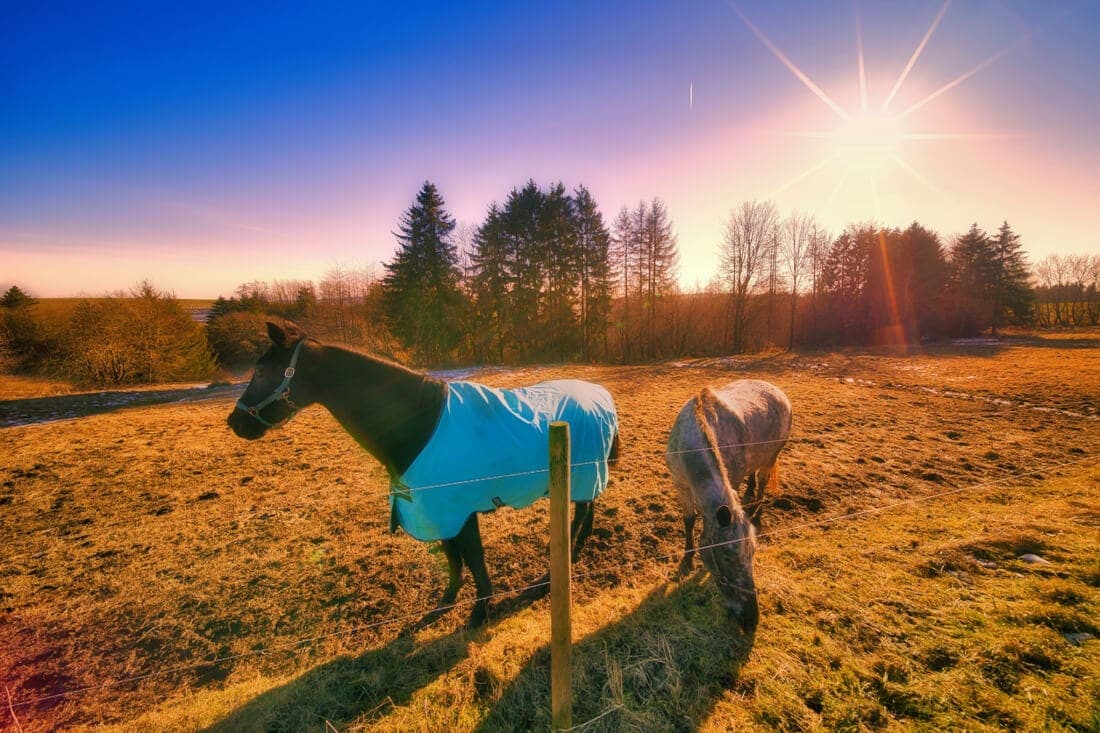
Wondering if your horse needs sunscreen or other forms of sun protection? Most horses get adequate ultraviolet (UV) protection from their coat and skin pigment, but those with pink skin or extensive white markings often require additional protection.
Prolonged UV exposure can lead to sunburn, skin blistering, inflammation, and long-term issues like photo-induced dermatitis or even skin cancer in severe cases. High-risk areas such as the muzzle, eyelids, and pasterns are more susceptible to sun damage.
Sunscreen works by absorbing, scattering, or reflecting UV radiation before it reaches the skin, preventing harmful damage caused by excessive sun exposure. Equine products usually combine chemical filters that absorb UV energy and dissipate it as heat with physical blockers that form a reflective barrier on the skin’s surface.
Read on to learn how UV rays affect equine skin, assess your horse’s specific risk level, and choose the best combination of products and practices — equine-formulated sunscreens, proper application, shade management, and UV-blocking gear — to keep your horse comfortable and protected year-round.
Ultraviolet Radiation and Horses
Horses are naturally outdoor animals, spending up to 18 hours a day grazing in open pastures. [1] Many domestic horses live outside 24/7, only seeking shelter in harsh weather.
While horses are generally well-adapted to living outdoors, prolonged sun exposure can elevate the risk of certain health issues, especially in horses with white coats or areas of unpigmented skin. [2]
Ultraviolet (UV) radiation is a form of energy emitted by the sun. It falls outside the visible spectrum, meaning it cannot be seen by the human eye, but it can have a significant impact on skin and cellular health.
UV radiation is classified into three types based on wavelength, each with distinct effects on the skin: [3][4]
- UVA (315-400 nm): This form of UV radiation penetrates deep into the skin, reaching the dermis, the layer below the epidermis. While it is less intense than UVB, UVA makes up about 95% of the UV radiation that reaches the Earth’s surface and can cause significant long-term skin damage.
- UVB (280-315 nm): UVB rays emit more energy and cause direct damage to DNA in skin cells, increasing the risk of mutations and cancer development. This type of radiation is responsible for sunburn, as it triggers an inflammatory response in the skin. UVB does not penetrate as deeply as UVA, but has a much stronger role in causing direct genetic damage.
- UVC (100-280 nm): This is the most dangerous type of UV radiation, but fortunately, it is entirely absorbed by the Earth’s ozone layer and does not reach the surface. However, concerns about ozone depletion raise the possibility that more UVC radiation may penetrate the atmosphere in the future, posing new risks to humans and animals.
Risks of Excessive UV Exposure
While moderate sun exposure supports vitamin D production in horses, too much exposure can have serious consequences. [5] When the skin is exposed to excessive UV radiation, it overwhelms the skin’s natural repair mechanisms, leading to: [4][6]
- Oxidative stress: UV exposure generates reactive oxygen species (ROS), which cause damage at the cellular level, leading to inflammation, tissue damage, and premature aging.
- DNA mutations: UVB, in particular, can cause genetic alterations, leading to abnormal cell growth in the skin.
- Skin cancer: In humans, UV exposure is the leading cause of melanoma and squamous cell carcinoma (SCC). Research shows that similar cancers develop in horses, particularly in areas with little pigmentation or hair coverage.
Equine Adaptations to Sunlight Exposure
Horses, like many other animals, have evolved natural defenses to protect themselves from harmful UV radiation. Their primary protection comes from a combination of three key factors: [7]
- Hair coats
- Skin pigmentation
- Behavioral adaptations
A thick, dark-colored coat acts as a physical barrier that helps block UV rays, while dark skin pigmentation provides protection by absorbing UV radiation. Additionally, horses instinctively seek shade, turn away from direct sunlight, and adjust their activity levels during the hottest parts of the day, which reduces sun exposure and minimizes the risk of UV damage. [7]
Hair Coat
The horse’s hair coat provides substantial UV protection — up to 50 times the protection of nude skin in some cases. [6] The thickness, length, and color of a horse’s coat all contribute to its effectiveness as a natural sunscreen. Darker coats provide better UV protection, while lighter-colored coats reflect more sunlight but may offer less shielding against UV rays.
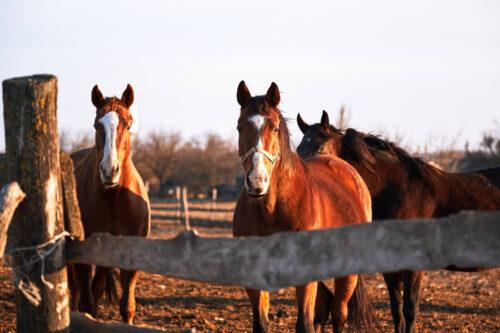
With that being said, not all horses have effective protection. Horses with light-colored coats, white markings, or areas with sparse hair coverage are at a much higher risk of UV damage.
In particular, certain parts of a horse’s body (such as the muzzle, eyelids, and ears) have thin or little hair coverage, making them especially prone to sunburn and long-term UV-related damage. [7]
Pigmentation
Skin pigmentation plays a key role in a horse’s natural UV protection, primarily through the production of melanin. Melanin is a pigment found in the skin that absorbs and disperses UV radiation, reducing the risk of cellular damage and sunburn. [8]
Dark-skinned horses, such as bays, blacks, and dark chestnuts, have higher melanin levels, providing them with greater natural protection against harmful UV rays. [7][8]
In contrast, horses with pink skin, typically found under white markings, have less melanin and are significantly more vulnerable to sunburn. [7][8] Since UV radiation can penetrate lightly pigmented skin more easily, these horses are at a higher risk of long-term skin damage and skin cancer.
Given this, certain horses are at higher risk of UV damage, including:
- Those with white facial markings, particularly around the eyes and muzzle, where hair is sparse
- Light-skinned horses such as Cremellos, Palominos, and Pintos, and other horses with patches of white hair
- Hairless or shaved areas resulting from wounds, branding, medical treatments, or previous skin conditions (e.g., alopecia)
- Horses experiencing photosensitization, a skin reaction to sunlight associated with liver disease
For horses with light skin or extensive white markings, extra precautions such as sunscreen, UV-blocking fly masks and fly sheets, and shade may be advised to prevent sunburn and reduce the risk of skin cancer. Work with your veterinarian to assess the risk of sun damage for your horses.
Behavior
Horses, like many other animals, have developed behavioral adaptations to minimize UV exposure and heat stress. In hot climates, horses instinctively seek shade under trees, barns, or natural land formations to avoid direct sunlight. [9][10]
When shade is unavailable, horses often turn their backs to the sun, reducing exposure to their most sensitive areas, such as the face and eyes. Additionally, many horses naturally limit their activity during peak sun hours, choosing to graze in the early morning or late evening when the sun’s intensity is lower. [9][10][11]
However, domesticated horses do not always have the same level of environmental control as their wild counterparts. Many are kept in open fields without adequate shelter, increasing their risk of prolonged sun exposure and potential UV damage.
Horses that are ridden or exercised in full sun during peak hours may experience higher UV exposure, especially if they have light-colored coats or pink skin.
To support a horse’s natural behavioral instincts, owners should ensure access to shade, whether through natural tree cover, run-in sheds, or purpose-built sun shelters. Additionally, scheduling riding and turnout times outside peak UV hours can help reduce the risk of sunburn and long-term skin damage.
What's your top priority with your horse's health?

Enter your email to receive your store credit
Equine Sun-Related Health Conditions
Prolonged exposure to UV radiation can damage equine skin and eyes, leading to various sun-related issues. Horses with light or unpigmented skin lack the natural melanin barrier that filters harmful rays, making them especially susceptible to painful sunburn, skin inflammation, the development of UV-induced tumors. [7][8]
Understanding these conditions and how UV exposure contributes to their development is essential for keeping horses comfortable and healthy in the sun.
Since horses cannot consciously protect themselves from the sun, it’s important for owners and caretakers to take proactive steps to minimize UV exposure and its harmful effects.
Strategies include:
- Providing shade
- Using UV-blocking apparel
- Applying sunscreen
- Managing turnout timing
Skin Cancer
Horses, particularly those with white markings, pink skin, or significant UV exposure, are prone to UV-induced skin cancers. [7][8] The two most common UV-related cancers in horses are Squamous Cell Carcinoma (SCC) and Hemangiosarcoma. [12][13]
Squamous Cell Carcinoma (SCC)
Squamous cell carcinoma (SCC) is the most common UV-related skin cancer in horses. [12] It is caused by chronic UV exposure and can be aggressive and invasive if left untreated. [14]
SCC frequently appears on the following areas of the horse’s body: [15][16][17]
- Eyes (including the third eyelid and conjunctiva)
- Lips and muzzle
- Sheath in male horses
Horse breeds at highest risk of SCC include: [12]
SCC typically begins as a small, ulcerated lesion that may look like a crusty sore or raised lump. Over time, these lesions grow, become inflamed, and may bleed or ooze, eventually invading deeper tissues. [12][14]
Treatment options include surgical removal, radiation, and chemotherapy. Cases where SCC has developed in deep tissues are often incurable. [12]
Early detection is crucial for managing SCC successfully. Routine skin inspections, particularly for at-risk horses, can help identify lesions early before they become aggressive.
Hemangiosarcoma
Hemangiosarcomas are aggressive malignant tumors that arise from the blood vessels. These tumors are associated with UV damage and are more common in thin-skinned areas, such as the face, lower limbs, and underbelly.
Unlike SCC, which originates in epithelial (skin) cells, hemangiosarcomas develop from blood vessel tissue, giving them a reddish or purplish appearance. Hemangiosarcomas can grow aggressively and metastasize, affecting other organs and tissues. [13]
Signs of hemangiosarcoma vary depending on the location where they are present. Symptoms may include: [13]
- Abdominal pain or colic
- Weight loss
- Anemia
- Purple ulcerated mass on the skin
Hemangiosarcomas are rare in horses, so there is limited data available about treatment efficacy and prognosis. Complete excision of individual tumors has the highest success rate, while clusters of metastatic tumor activity have a poor prognosis. [13]
Sunburn in Horses
Sunburn is a painful concern, particularly for light-skinned horses with pink skin under white markings. Horses with extensive white facial markings, pink muzzles, or lightly pigmented skin are at a higher risk of sunburn, as they lack melanin, the pigment that helps protect against harmful UV radiation.
The areas most commonly affected by sunburn in horses are those where hair coverage is thin or absent, exposing skin directly to the sun:
- Nose/muzzle
- Around the eyes and ears
- Near scars or wounds
Symptoms of sunburn in horses include: [11][12]
- Redness and inflammation in the affected areas
- Peeling, ulceration or blistering skin, often causing discomfort
- Pain and sensitivity to touch
- Head-shyness (if the face is affected)
- Scabbing or cracking, which can result in secondary infections
Preventing Severe Sun Exposure in Horses
While some natural protection comes from the horse’s hair coat and skin pigmentation, these defenses may be insufficient in extreme UV conditions, particularly for at-risk animals. Implementing preventive measures can help minimize the risk of sunburn, skin damage, and long-term UV-related health issues.

“Light-colored horses and those with pink skin are at a higher risk of sunburn and skin cancer. Applying equine-formulated sunscreens, providing access to shade, and using UV-protective gear are essential steps to safeguard their health. Regular skin checks and early veterinary intervention can make a significant difference in outcomes for UV-related conditions.”
— Dr. Jennifer Skaggs, DVMEquine Veterinarian
Equine Sunscreen
Applying horse-specific sunscreen to vulnerable areas is one of the simplest and most effective ways to protect horses from UV radiation. Sunscreen may be recommended for: [7][18]
- Horses with pink skin or white markings
- Horses that have a history of sunburn or skin damage
- Horses living in sunny regions or at high altitudes, where UV intensity is greater
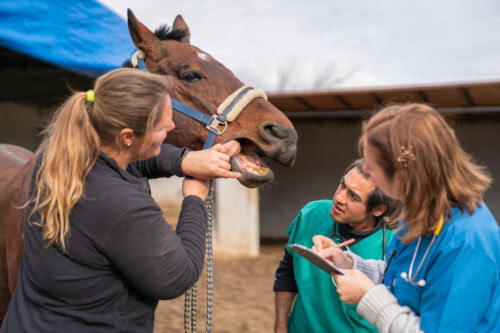
Check with your veterinarian if you are unsure whether your horse is a candidate for using sunscreen. Your veterinarian is also the best resource to recommend safe, appropriate equine sunscreen products before you buy.
To effectively protect your horse, sunscreen should be frequently applied to exposed or vulnerable areas, including:
- The muzzle and nostrils
- The ears, particularly the tips, which are prone to sunburn and cracking
- Any hairless or pink-skinned patches, such as around scars
Sunscreen should be applied generously before sun exposure, and reapplied every few hours, particularly if your horse is sweating. Consult with your veterinarian to ensure sunscreen is safe for equine use.

Stabling During Peak UV Hours
Given that the UV index is highest between 10 AM and 4 PM, minimizing a horse’s direct sun exposure during these hours can significantly reduce the risk of UV damage. [16]
Strategies include:
- Keeping horses stabled during peak hours
- Turning horses out early in the morning or late in the evening
- Using UV-blocking barn screens
For operations where horses are turned out 24/7, providing access to shelter or shaded areas can help them self-regulate their exposure to the sun.
Providing Adequate Shade in Pastures
Horses that spend extended periods in pastures or paddocks need access to shade to escape the sun and other elements. Man-made or natural shade should be available in all turnout areas.
Possible sources of shade include:
- Large trees
- Run-in shelters
- Shade cloths or UV-resistant panels
A well-designed pasture layout should include multiple shaded areas, which allows horses to choose where they are most comfortable. Horses that cannot access shade are at higher risk of sunburn, dehydration, and heat stress.
Protective Horse Gear
Specialized UV-blocking gear can provide additional sun protection, especially for sensitive horses that are prone to sunburn or skin damage. Several equine products are designed to minimize UV exposure while allowing for comfort and breathability.
Types of UV-protective horse gear include:
- UV-blocking fly masks: Masks are particularly useful for horses with white facial markings or light-colored skin around the eyes and muzzle. Some styles include extra coverage for the nose and ears.
- Nose guards: Cover and protect pink-skinned muzzles; ideal for horses prone to sunburn on their noses.
- UV-resistant fly sheets: Lightweight and breathable, these sheets help protect a horse’s body from UV rays while keeping them cool and comfortable.
Fly masks and sheets have the added benefit of reducing exposure to flying insects, which are vectors for several serious equine diseases.
When choosing protective gear, ensure it is:
- Made from breathable, lightweight materials to prevent overheating
- Properly fitted so it does not cause irritation or rubbing
- Designed with UV-resistant fabrics that effectively block harmful radiation
Frequently Asked Questions
Here are some frequently asked questions about sunscreen for horses:
Not all horses require sunscreen, but those with light-colored coats, pink skin, or white markings are at higher risk of sunburn and UV-related skin damage. [12] Horses with dark coats and pigmented skin have more natural protection due to higher melanin levels. However, any horse with prolonged sun exposure, particularly in regions with high UV intensity, may benefit from additional protective measures such as sunscreen, UV-blocking fly masks, and access to shade.
Yes, horses can get sunburned, most often on the muzzle, around the eyes, and other areas with little pigment or hair. Repeated sunburn can lead to painful inflammation and long-term skin damage.
Yes, excessive sun exposure increases the risk of skin cancer in horses. The most common UV-related cancer is squamous cell carcinoma (SCC). [12] Managing sun exposure with shelter, protective gear, and sunscreen can help reduce the risk of these conditions.
Use equine-formulated sunscreens or products labeled safe for animal use, ideally with physical blockers like zinc oxide. Avoid products with harsh chemicals or added fragrances. Consult your veterinarian for product recommendations.
Yes, zinc oxide is generally safe for horses when used appropriately. It is a common ingredient in equine sunscreens and skin care products because it forms a physical barrier that effectively reflects UV rays without being absorbed into the skin.
The most effective sun protection for horses combines physical barriers like UV-blocking fly masks, sheets, and access to shade with sunscreen formulated for horses on areas of exposed skin.
Summary
Your horse’s need for sunscreen and UV protection depends on coat color, skin pigmentation, and daily sun exposure. While many dark-coated horses have natural defenses, those with pink skin, white markings, or extensive time in direct sunlight may require additional protection.
- Sunscreen, turnout timing, shade access, and UV-protective gear can significantly reduce harmful UV exposure
- Regular skin checks help detect sunburn, irritation, or early signs of skin cancer before they progress
- Consult your veterinarian to evaluate your horse’s individual risk and to choose safe, effective sun protection products
- Squamous Cell Carcinoma is the most common UV-induced cancer in horses and is most prevalent in unpigmented areas
References
- Duncan, P., Horses and Grasses: The Nutritional Ecology of Equids and Their Impact on the Camargue. Springer Science & Business Media. 2012.
- Herman. J. R., Global Increase in UV Irradiance during the Past 30 Years (1979–2008) Estimated from Satellite Data. Journal of Geophysical Research: Atmospheres. 2010.
- Ultraviolet Radiation. World Health Organization. 2025.
- Olarte Saucedo. M. et al., Efecto de La Radiación Ultravioleta (UV) En Animales Domésticos. Revisión. Revista Mexicana de Ciencias Pecuarias. 2019.
- Radiation: The known health effects of ultraviolet radiation. World Health Organization. 2024.
- Weihs. P. and Schmalwieser. A. W., UV Effects on Living Organisms. Encyclopedia of Sustainability Science and Technology. 2012.
- Welsh, J., Sun Protection for Horses. Horseware Ireland. 2022.
- Pimenta. J. et al., Equine Melanocytic Tumors: A Narrative Review. Animals. 2023. View Summary
- Holcomb. K. E. et al., Preference of Domestic Horses for Shade in a Hot, Sunny Environment. Journal of Animal Science. 2014.
- Holcomb. K. E. and Stull. C. L., Effect of Time and Weather on Preference, Frequency, and Duration of Shade Use by Horses. Journal of Animal Science. 2016. View Summary
- Kaseda, Y., Seasonal Changes in Time Spent Grazing and Resting of Misaki Horses. Jpn. J. Zootech. Sci. 1983. View Summary
- Villalobos. A. E., Tumors of the Skin in Horses. Merck Veterinary Manual. 2019.
- DeLay. J. et al., Spotlight on Equine Hemangiosarcoma. Animal Health Laboratory, University of Guelph. 2021.
- Hollis. A. R., Squamous Cell Carcinomas in Horses: An Update of the Aetiopathogenesis and Treatment Options. The Veterinary Clinics of North America. Equine Practice. 2024. View Summary
- Knottenbelt. D. C. et al., Pascoe’s Principles and Practice of Equine Dermatology. 2nd ed. Elsevier Saunders, Edinburgh New York. 2009.
- Marsella. R., Manual of Equine Dermatology. CABI, Wallingford Boston, MA. 2019.
- Young. A., Ocular Squamous Cell Carcinoma. UC Davis Veterinary Medicine Center for Equine Health. 2019.
- Ultraviolet Radiation at High altitude. Hong Kong Observatory(HKO) Educational Resources. 2022.