English



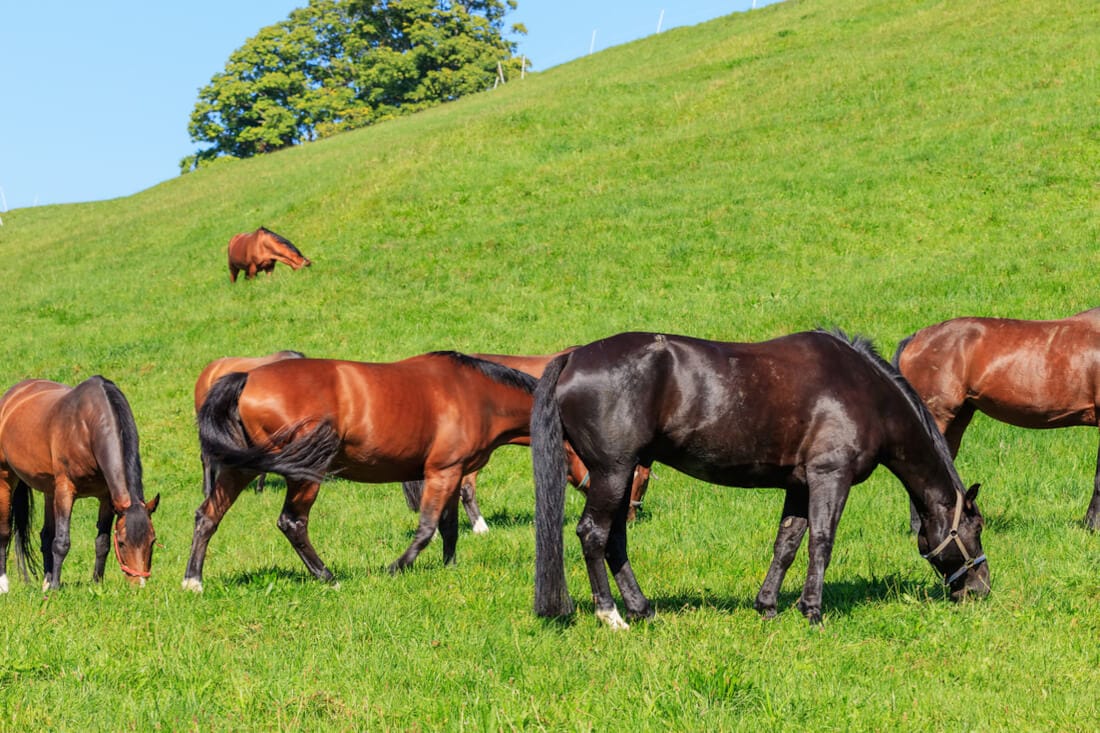
The Swiss Warmblood is a modern sport horse breed developed in Switzerland for high performance in Olympic disciplines. Renowned for their intelligence and adaptability, these horses excel not only in elite competition but also make rewarding partners for ambitious amateurs.
Their balanced temperament and trainability have earned them a strong reputation both at home and abroad. With athletic ability, good conformation, and a strong work ethic, these horses are ideally suited for show jumping and dressage.
In order to be registered, the breed is subject to rigorous selection and inspection protocols to ensure quality, soundness, and competitive success.
Read on to explore the history, breed characteristics, temperament, and health profile for the Swiss Warmblood. Whether you are a rider, breeder, or horse owner, this comprehensive overview can help you understand how to care for and manage a Swiss Warmblood to support long‑term well-being and peak performance.
Swiss Warmblood Horse History
The Swiss Warmblood’s lineage reflects centuries of careful breeding to produce a versatile, athletic sport horse. From its medieval roots to modern performance-focused programs, this breed has been shaped by strategic crossbreeding and rigorous selection.
Over time, breeders have combined native Swiss stock with top European warmblood lines to refine conformation, movement and temperament—laying the foundation for the modern Swiss Warmblood, admired in disciplines from dressage to show jumping.
Origin
The Swiss Warmblood, or CH-Sportpferd, traces its roots to one of Switzerland’s most respected equine breeds: the Einsiedler. Bred by Benedictine monks in the abbey of Einsiedeln as early as 1064, the Einsiedler is one of the oldest warmblood lineages in Europe. [1][2]
These early horses were prized for their use in both riding and carriage work. For centuries, the Einsiedler formed the backbone of Swiss equine culture. During the 19th and early 20th centuries, selective crossbreeding began to refine the type. Norman, Hackney, and Anglo-Norman horses were introduced to improve movement and stamina. [1][2]
The most significant transformation occurred in the mid-20th century, as the Swiss responded to a growing demand for elite sport horses. By incorporating Selle Français and Anglo-Arab blood, breeders enhanced the elegance and athleticism of the native type. [1][2]
In the 1960s, this effort intensified. Switzerland began importing top-quality sires from Europe’s leading studbooks, including: [1][2]
The ultimate goal was to create a modern sport horse that could excel in international competition.
This strategic and systematic breeding program transformed the Einsiedler into what we now know as the Swiss Warmblood: a horse bred for success in show jumping, dressage, eventing, and driving. [1][2]
The modern Swiss Warmblood is admired for its balanced conformation, expressive movement, and reliable temperament. It combines the robust constitution of its native heritage with the refinement and flair of continental warmbloods.
Though originally developed with imported stallions, today the breed has matured into a distinctive type with established bloodlines and breeding standards.
Historical Use
For much of its history, Switzerland maintained a strong tradition of breeding versatile warmblood and half-blood horses. In medieval times, monastic breeding programs like those at Einsiedeln produced horses known as Cavalli della Madonna, valued for both practical work and ceremonial purposes. [3]
Similar types were found throughout the country, including hardy black riding horses in the Emmental, Bernese Oberland, and French-speaking regions like Les Ormonts. [2]
Warmblood horses have long been a part of Switzerland’s equestrian heritage. As early as the 19th century, various regional types were bred for riding and carriage work, including the Einsiedler and the now lesser-known Erlenbacher. These horses laid the foundation for what would eventually become the Swiss Warmblood. [4]
By the 1960s, a renewed interest in equestrianism, spurred by economic growth and an expanding leisure culture, revitalized Swiss horse breeding. Riding and sport horses became increasingly popular among civilians, creating demand for quality performance horses bred within the country. [1][2]
Breeding authorities quickly adapted. Each year, top-class stallions were sourced from France, Germany, and Sweden to pair with native and imported mares. Through careful selection, the modern Swiss Warmblood emerged as a multi-purpose riding horse.
Today the breed is prized for its versatility as they excel in elite competition while remaining suitable for leisure and amateur riders. [1][2]
Breed Registry
Until 1997, the responsibility for coordinating the Swiss national breeding program rested with the federal government. In 1996, the Zuchtverband CH-Sportpferde (ZVCH) was established to take over this responsibility. [4]
Recognized by the federal government, ZVCH operates as an official breeding organization and is structured as an association under the Swiss Civil Code. Today, it includes over 1,700 members, who are active within a network of regional horse breeding cooperatives and clubs across the country. [4]
ZVCH’s mission is clearly defined: to take all necessary measures to support the breeding of a healthy, performance-driven, and economically viable Swiss sport horse. These goals are implemented through the official breeding program and herdbook regulations, which guide breeding decisions and the evaluation of young horses. [4]
To meet these objectives, ZVCH carries out a wide range of coordinated activities each year, including: [5]
- Foal evaluations
- Field tests
- Promotional tests
- Annual stallion licensing and the CH Premium Broodmare Show
- Sales events
| Breed Summary | |
|---|---|
| Breed Name | Swiss Warmblood |
| Also Known As | CH-Sportpferd |
| Breed Type | Warmblood |
| Origin | Switzerland |
| Breed Registry | Zuchtverband CH-Sportpferde (ZVCH) |
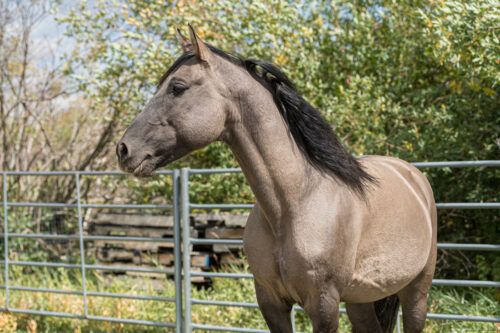
| Common Coat Colors | Bay, chestnut, black, grey |
| Conformation | Harmonious, well-proportioned head, medium muscular neck, prominent withers, straight strong back, slightly sloped croup, broad deep chest, long sloping shoulder, correct limbs, strong joints, durable hooves |
| Common Uses | Show jumping, dressage, eventing, driving |
| Temperament | Intelligent, friendly, willing, easy to train; can be sensitive |
| Best For | Ambitious amateurs and competitive riders |
| Common Health Concerns | Sarcoids, Warmblood Fragile Foal Syndrome (WFFS), lameness, tendon and ligament injuries, navicular syndrome, osteoarthritis, chronic back pain, gastric ulcers |
What's your top priority with your horse's health?

Enter your email to receive your store credit
Swiss Warmblood Characteristics
Swiss Warmbloods are considered middle-weight horses that combine the athleticism and responsiveness typically seen in lighter, hot-blooded breeds with the steadiness, strength, and temperament associated with heavier, cold-blooded types.
Conformation
Most Swiss Warmbloods exhibit a harmonious and functional conformation, reflecting their purpose as versatile sport horses. The head is well-proportioned, with a straight or slightly convex profile, expressive eyes, and an alert expression. [5]
The neck is of medium length, muscular, and set cleanly into prominent withers. The back is straight and strong, leading into a slightly sloped croup that supports balanced, powerful movement. The chest is broad and deep, while the shoulder is long and sloping. [6]
The limbs are correctly aligned and substantial, with well-defined tendons, strong joints, and durable, well-shaped hooves. [6] This structural soundness contributes to the breed’s reputation for reliability and performance.
Swiss Warmbloods are known for their elegant overall appearance and are equally capable under saddle and in harness. Whether in dressage, show jumping, eventing, or driving, these horses are bred to perform confidently and with style at every level of competition. [1][2]
Colors
Swiss Warmbloods are accepted in all solid coat colors, with bay, chestnut, black, and grey being the most common. [6] While color is not a primary breeding criterion, the overall presentation and visual appeal of the horse are valued, especially in competitive disciplines where appearance can influence perception.
Breeders focus primarily on performance, conformation, and temperament. [1][2]
Temperament
Warmblood breeds are widely appreciated for their steady disposition, cooperative mindset, and versatility across disciplines, and the Swiss Warmblood is no exception.
The ZVCH breeding program places a strong emphasis on producing horses with an excellent character, good work ethic, and a kind, approachable nature. [6] These qualities contribute to the breed’s reputation for being easy to handle, train, and manage in both everyday settings and high-pressure competition environments.
At the same time, to succeed in modern sport, Swiss Warmbloods are also bred for intelligence, responsiveness, and a willingness to perform. Some individual horses may be more sensitive and reactive than others, a trait that can enhance athletic potential but may require a confident, experienced rider. [1][2]
As with any breed, temperament is influenced by genetics, management, and training. Certain bloodlines are known for producing particularly bold or sensitive horses. When selecting a Swiss Warmblood, it’s advisable to consult with a trusted trainer or professional to find a horse that aligns with your goals, skill level, and temperament preferences.
Disciplines
The Swiss Warmblood is a multi-purpose sport horse, bred for excellence in riding and driving disciplines. Today, the majority of Swiss Warmbloods are developed as competition horses most commonly used for:
The ZVCH actively promotes Swiss-bred horses in top-level sport through performance testing and promotional competitions. [4][5] These initiatives support the breed’s continual improvement and visibility in international arenas.
Swiss Warmblood Health
The Swiss Warmblood benefits from a strong emphasis on veterinary and soundness inspection during breeding selection. While this helps ensure minimal risk of inheritable health conditions in individual horses, their use in high-performance disciplines predisposes them to certain issues.
Preventative care and thoughtful management are essential to keep your Swiss Warmblood at the top of their game.
Genetic Conditions
Like other warmbloods, Swiss Warmbloods are at risk for certain inherited disorders, but overall rates of occurrence in the breed appear to be low. [7]
Sarcoids are the most common type of skin tumor in horses, including Swiss Warmbloods. [8][9] These tumors are typically benign but can be locally invasive, leading to discomfort and complications if left untreated. [8]
The exact cause of sarcoids is not fully understood, but the condition is considered multifactorial with a genetic influence. [8][9] It also has a strong association with bovine papillomavirus (BPV) infection. [8] Monitor your Swiss Warmblood for skin abnormalities and work with your veterinarian to detect and manage sarcoids effectively.
Warmblood Fragile Foal Syndrome (WFFS, or Fragile Foal Syndrome Type 1), is a rare but fatal inherited disorder primarily affecting warmblood breeds. Caused by a mutation in the PLOD1 gene, FFS results in a severe defect in connective tissue formation. [10]
Affected foals are born with hyperextensible, abnormally thin skin which is prone to tearing and open lesions, a symptom which is sometimes present at birth. Other symptoms may include hyperflexible joints, fluid accumulation under the skin, floppy ears, and, in some cases, premature birth. [10]
FFS follows an autosomal recessive inheritance pattern, meaning that two carrier parents have a 25% chance of producing an affected foal. Healthy carriers show no symptoms but can pass the gene to their offspring. [10] While it is not a mandatory requirement for registration with the ZVCH, genetic testing is strongly recommended for all breeding stock to prevent carrier-to-carrier pairings and reduce the risk of producing affected foals.
Health Problems
Lameness is one of the most common health concerns in performance horses, and Swiss Warmbloods are no exception. [9] Their athleticism and demanding workloads put considerable strain on the musculoskeletal system, increasing the risk of injuries.
Common orthopedic issues in performance horses include: [11]
- Tendon and ligament injuries
- Navicular syndrome
- Osteoarthritis
- Chronic back pain
These conditions can arise from multiple factors, including: [11]
- Repetitive motion
- Excessive strain
- Conformation faults
- Improper conditioning
Implementing proactive joint care, maintaining quality footing and providing a well‑balanced diet are essential strategies to minimize long‑term joint degeneration.
Maintaining a healthy digestive system is critical for the performance and well-being of Swiss Warmbloods, particularly those in moderate to intense training. Like many high performance horses, Swiss Warmbloods are vulnerable to gastric ulcers related to stress from: [12]
- Physical exertion
- Stall confinement
- Travel
- Altered feeding schedules
- High-concentrate diets
Horses with ulcers may show subtle signs such as: [12]
Proactive management, consistent routines, and a forage-rich diet are essential tools for supporting digestive health in Swiss Warmbloods.
Care and Management
Providing lifelong, quality basic care for your Swiss Warmblood means attending to their physical, mental and behavioral needs at every stage of life.
- Veterinary Exams: Schedule annual wellness exams and targeted lameness evaluations to catch issues early
- Dental Care: Have a qualified veterinarian perform a dental exam and floatation at least once a year to ensure proper chewing and nutrient uptake
- Farriery: Consistent hoof care every 5–7 weeks supports correct alignment, joint loading and performance
- Turnout: Provide daily turnout in a safe, well‑fenced paddock for free movement, natural foraging and social interaction
Good care is the foundation of a long, successful career for the Swiss Warmblood. Tailor every aspect of your management program—from healthcare schedules to exercise routines—to your horse’s individual needs to keep them happy, healthy and ready to perform.

Nutrition
Swiss Warmbloods thrive on forage-based diets that support both digestive health and performance demands. Individual needs depend on age, weight, metabolism, and activity level.
Weight Management
Most Swiss Warmbloods are easy keepers with efficient metabolisms. A balanced, forage-based diet is usually enough to maintain their condition without added concentrates, and high-energy feeds can quickly lead to excess weight gain.
Horses affected by equine metabolic syndrome (EMS) are particularly prone to weight gain. EMS is a metabolic disorder marked by insulin resistance and an increased risk of laminitis, so early detection and management are key. [12]
If you notice unexplained weight loss, it could signal a digestive health issue or dental problem that warrants veterinary evaluation. [14][15]
To ensure your Swiss Warmblood stays at an ideal weight, regularly assess body condition using the 9‑point Henneke scale and adjust your feeding program and turnout routine as needed to maintain optimal health and performance.
Sample Diet
The following sample diet is intended for a mature 600 kg (1,300 lb) Swiss Warmblood horse with normal body condition at maintenance (not exercising).
| Feed | Amount per day |
|---|---|
| Mid-Quality Hay (8% crude protein) | Free-choice |
| Salt | 30 g (2 tbsp) |
| Omneity® Pellets | 250 g (2.5 scoops) |
| Diet Analysis | |
| Digestible Energy (% of Req) | 105% |
| Protein (% of Req) | 125% |
| HC (ESC + starch; % Diet) | 8.6% |
Most Swiss Warmbloods do best on a forage‑based diet. However, forage is commonly lacking in certain vitamins and minerals, which can result in nutrient deficiencies that impact your horse’s health.
Omneity® is a vitamin and mineral supplement that can be added to a Swiss Warmblood’s diet to balance both forage- and grain-based feeding programs. Omneity® provides essential nutrients to support hoof health, metabolic function, immune health, and overall well-being.
Omneity® is formulated with no added sugars, which makes it ideal for Swiss Warmbloods prone to weight gain.
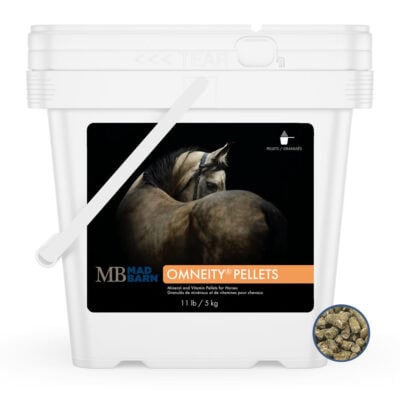
Always provide free access to fresh water and plain loose salt. We recommend adding 2 tablespoons of loose salt to your horse’s daily ration, with additional salt or electrolyte supplementation for horses in regular work to replace losses from sweating.
Forage
Forage should form the foundation of your horse’s diet. Swiss Warmbloods in light work can typically meet their energy and protein needs with high-quality grass hay.
Aim to feed 1.5–2% of body weight in dry matter per day. For an average 1,300 lb (600 kg) Swiss Warmblood, that equals approximately 26 lb (12 kg) of hay daily.
The best type of hay to provide your Swiss Warmblood depends on their workload and health status. Mid‑maturity or mature grass hay that is low in starch and sugar are good options for most easy‑keeping Swiss Warmbloods.
The most accurate way to assess the quality of your horse’s hay is by conducting a hay analysis. Work with one of our qualified equine nutritionists if you need help interpreting the results.
Swiss Warmbloods in heavy work can benefit from adding higher‑calorie forage, such as alfalfa, to help meet energy and protein requirements.
While free‑choice forage supports digestive health, Swiss Warmbloods may gain too much weight with unrestricted access to hay. Hay restriction by rationing may be necessary to support weight loss or help them maintain a healthy body condition. Slow feeders can help prolong access to hay and are especially useful when hay is rationed.
Full‑time turnout on lush grass pastures may not be appropriate for Swiss Warmbloods with metabolic health concerns. Consider turning these horses out on a dry lot instead or using grazing muzzles to reduce grass intake.
Feeding Recommendations
If your Swiss Warmblood needs additional calories, avoid high‑starch, grain‑based feeds that can trigger digestive upset and metabolic issues. [16][17] Instead, offer fiber‑rich alternatives such as soaked hay pellets or beet pulp, and consider adding fat (for example, rice bran or stabilized vegetable oil) as a concentrated energy source for performance horses.
Because Swiss Warmbloods are easy keepers, commercial concentrates often contribute unnecessary calories. Rather than complete feeds or ration balancers, meet vitamin and mineral requirements with a targeted supplement to minimize unwanted weight gain. If you do feed grain, divide the daily ration into several small meals to reduce the risk of digestive upset. [18]
A balanced diet is essential throughout life, but especially for growing horses, where proper nutrition supports healthy skeletal development. Work closely with an equine nutritionist to adjust your horse’s ration based on age, growth stage and workload.
Nutritional Supplements
While a forage‑first diet is the foundation of equine nutrition, hay alone cannot meet all your Swiss Warmblood’s nutrient requirements. Consider targeted supplements to fill nutrient gaps and support their health and performance goals:
- Omneity®: A comprehensive vitamin and mineral formula designed to address common deficiencies in sport horses, supporting immune function, hoof strength and tissue repair
- Natural Vitamin E: A powerful antioxidant that aids muscle recovery and nerve health, especially important for performance horses
- MSM: Supplies organic sulfur to support joint comfort and healthy connective tissue
- W-3 Oil: A fat supplement providing the omega-3 fatty acid DHA from marine sources to support a balanced inflammatory response, provide cool calories, and promote a healthy coat.
To get a personalized diet plan for your Swiss Warmblood, submit your feeding program details for a free diet evaluation. If you have questions about your horse’s nutrition, you can also book a free phone consultation with one of our qualified equine nutritionists.
Frequently Asked Questions
Here are some frequently asked questions about Swiss Warmblood horses:
The Swiss Warmblood is a modern sport horse breed developed in Switzerland for performance in disciplines such as show jumping, dressage, and eventing. Swiss Warmbloods are known for their athleticism, intelligence, adaptability, and balanced temperament. They were developed through selective breeding of native Swiss horses with established European warmblood lines. Today, the Swiss Warmblood is valued as both a competitive sport horse and a reliable partner for skilled amateur riders.
Swiss Warmbloods are primarily used for show jumping, dressage, eventing, and combined driving. Their athletic build, expressive movement, and trainable nature make them well suited for competitive sport. Many Swiss Warmbloods also succeed as leisure riding horses and amateur competition mounts. Their versatility is one of the breed’s defining strengths.
Swiss Warmbloods are known for being intelligent, willing, and easy to train. They typically have a balanced temperament with a cooperative mindset and good work ethic, which makes them appealing for both competitive and amateur riders. Some Swiss Warmbloods can be more sensitive or reactive, as their temperament varies with genetics, handling, and training, but the breed is generally valued for being reliable and rider-focused.
Yes, many Swiss Warmbloods are suitable for amateur riders, especially those with some prior riding experience. Swiss Warmbloods are bred for trainability, rideability, and a reliable temperament, which makes them rewarding partners for ambitious amateurs. However, some individuals may be more sensitive and reactive depending on their pedigree and training. It’s important for beginners to work with a trusted trainer or equine professional when choosing a horse, as they can ensure the horse suits the rider’s goals and experience level.
Swiss Warmbloods excel in show jumping, dressage, eventing, and combined driving. The breed was developed as a versatile sport horse with the conformation, movement, and temperament needed for high-level performance. Swiss Warmbloods are seen in both national and international competition. Their adaptability also allows them to perform well across multiple disciplines rather than being limited to one specialty.
Swiss Warmbloods are medium-frame sport horses with a balanced, elegant appearance and functional conformation. They typically have a well-proportioned head with expressive eyes, which gives them an alert, refined look. The breed also has a medium-length muscular neck, prominent withers, a strong straight back, and a slightly sloped croup that create a smooth, athletic outline. Swiss Warmbloods have a broad, deep chest, long sloping shoulders, correctly aligned limbs, strong joints, and durable hooves to support soundness and performance. Overall, their conformation reflects athleticism and suitability for sport.
Swiss Warmbloods are most commonly bay, chestnut, black, and grey. The breed is accepted in solid coat colors, but color is usually less important than performance, conformation, and temperament. While Swiss Warmbloods come in several colors, breeders focus primarily on athletic quality and soundness. Bay and chestnut are especially common in many sport horse populations.
Most Swiss Warmbloods stand between 15.3 and 17.0 hands high. Stallions are often at the upper end of the range, while mares and younger horses may be somewhat smaller. Their height supports the breed’s role as a modern sport horse with scope and athleticism. Despite their size, Swiss Warmbloods are typically bred to remain balanced and functional rather than overly heavy.
Most Swiss Warmbloods weigh about 1,200 to 1,400 pounds (545 to 635 kg). Their exact weight depends on height, frame, age, body condition, and training level. Swiss Warmbloods are generally medium-weight horses with enough substance for power and durability in sport. Maintaining an appropriate body condition is important for performance, soundness, and long-term health.
A Swiss Warmblood in heavy work should be fed a forage-based diet with enough energy, protein, vitamins, and minerals to support performance and recovery. Most horses do best when forage provides the foundation of the diet, with higher-calorie forage such as a grass-alfalfa mix added as needed. Extra calories are usually best supplied through fiber and fat sources, such as soaked beet pulp, hay pellets, or oil, rather than relying heavily on starch-rich grain. A Swiss Warmblood in heavy work should also receive plain loose salt, free access to water, and a balanced vitamin and mineral supplement. Concentrates, if used, should be divided into small meals and adjusted based on workload and body condition.
Health problems in Swiss Warmbloods range from inherited disorders to conditions shaped by their athletic demands. As sport horses, Swiss Warmbloods can be prone to musculoskeletal strain from training and competition, which can lead to lameness, tendon and ligament injuries, osteoarthritis, navicular syndrome, and chronic back pain. They may also be affected by sarcoids and, like other warmblood breeds, can carry Warmblood Fragile Foal Syndrome. Good breeding practices, thoughtful conditioning, regular veterinary care, and sound nutrition all help reduce health risks.
Swiss Warmbloods are registered through the Zuchtverband CH-Sportpferde, or ZVCH, the official Swiss breed registry. Registration generally requires verified parentage, proper identification such as microchipping, and completion of the required paperwork within registry timelines. Breeding animals are evaluated through mare inspections and stallion licensing, with emphasis on conformation, movement, health, and performance traits. Specific registration details may vary under current ZVCH herdbook rules.
Summary
The Swiss Warmblood is a purpose‑bred sport horse prized for its athleticism, balanced conformation and versatile temperament.
- Swiss Warmblood horses are known for harmonious conformation, expressive movement and suitability for dressage, jumping and driving
- The temperament of these horses combines steadiness and trainability with the sensitivity needed for top‑level competition
- Most health conditions in this breed are related to the demands of performance and can be managed with proactive care and training
- Nutrition should prioritize a forage‑first diet that meets vitamin and mineral needs while supporting weight management and performance
- Comprehensive care for Swiss Warmbloods involves annual veterinary exams, regular dental work, proper farriery, turnout and structured exercise
References
- Rousseau. É. Horses of the World. Princeton University Press. 2017.
- Hendricks. B. L. International Encyclopedia of Horse Breeds. University of Oklahoma Press. 2007.
- The Abbey and the Horses. Equi Book. 2022.
- ZVCH - Zuchtverband CH Sportpferde: Verband.
- Was ist der Zuchtverband CH-Sportpferde ZVCH?. ZVCH/FECH. 2010.
- ZUCHTVERBAND CH-SPORTPFERDE ZUCHTPROGRAMM & HERDEBUCHORDNUNG . ZVCH. 2022.
- Lauper. M. et al. Heritabilities of Health Traits in Swiss Warmblood Horses. Equine Veterinary Journal. 2017. View Summary
- Sarcoids - Fact Files - Information and Advice. Royal Veterinary College. 2025.
- Altermatt. N. et al. Prevalence of health problems in midlife Swiss warm-blooded horses. Schweiz Arch Tierheilkd. 2021.
- Young. A. Warmblood Fragile Foal Syndrome. UC Davis School of Veterinary Medicine. 2019.
- Adams. S. B. Overview of Lameness in Horses. Merck Veterinary Manual. 2024.
- Young. A. Equine Gastric Ulcer Syndrome. US Davis School of Veterinary Medicine. 2019.
- McCue. M. E. et al. Equine Metabolic Syndrome: A Complex Disease Influenced by Genetics and the Environment. Journal of Equine Veterinary Science. 2015.
- Sykes. B. W. et al. European College of Equine Internal Medicine Consensus Statement—Equine Gastric Ulcer Syndrome in Adult Horses. Journal of Veterinary Internal Medicine. 2015. View Summary
- Jarvis. N. and McKenzie. H. C. Nutritional Considerations When Dealing with an Underweight Adult or Senior Horse. Veterinary Clinics of North America: Equine Practice. 2021. View Summary
- Raspa. F. et al., A High-Starch vs. High-Fibre Diet: Effects on the Gut Environment of the Different Intestinal Compartments of the Horse Digestive Tract. BMC Veterinary Research. 2022. View Summary
- Patterson-Kane. J. C. et al. Paradigm Shifts in Understanding Equine Laminitis. The Veterinary Journal. 2018.
- Nutrition for the Equine Athlete: Nutrient Requirements and Key Principles in Ration Design. Equine Sports Medicine and Surgery. Elsevier. 2024.