English
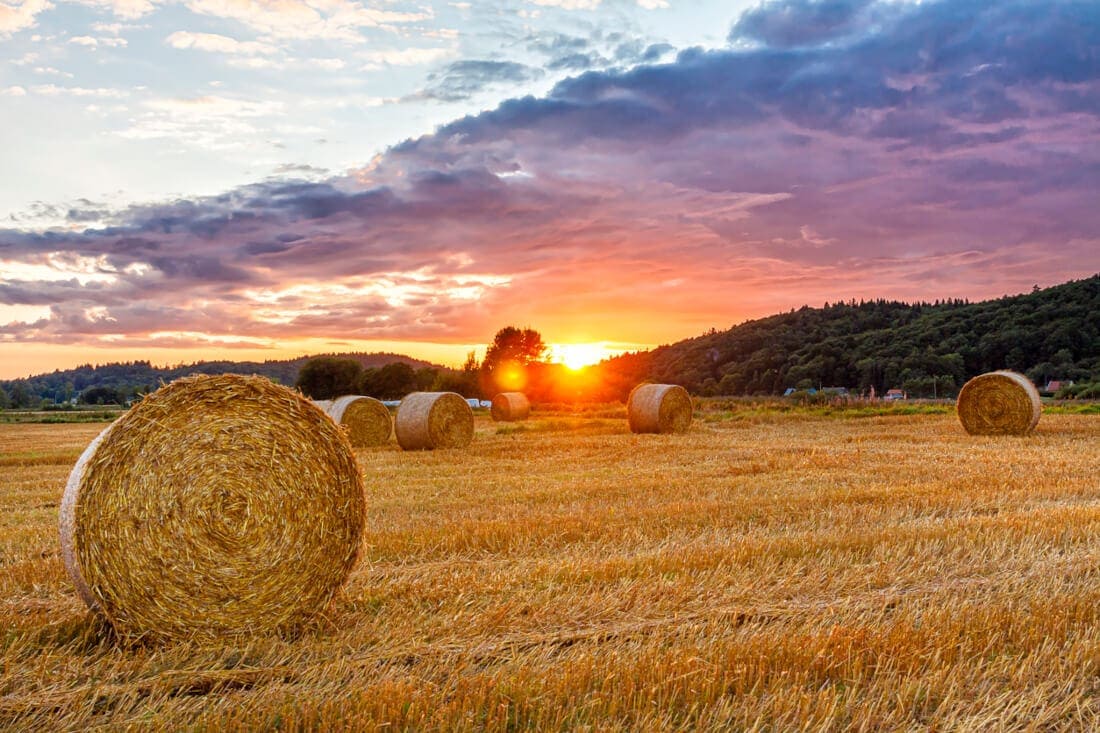
Timothy grass is a widely cultivated cool-season grass used for horse forage. Timothy thrives in cool, humid climates and is prized for its taste and compatibility with legumes like alfalfa and clover.
Timothy forage offers moderate energy and protein content, making it suitable for a wide range of horses. Depending on growing and harvesting conditions, Timothy hay can be produced at varying nutritional levels to suit different needs, from growing and breeding horses to easy keepers.
Horses can also consume Timothy grass in many forms, including fresh pasture, baled hay, haylage, and processed formats such as cubes and pellets.
The type and amount of Timothy hay you should feed your horse depends on factors like their age, workload, body condition, and overall nutritional requirements. Read on to learn more about Timothy grass and how best to incorporate it into your horse’s diet.
Timothy Hay for Horses
Timothy grass (Phleum pratense.) is a cool season perennial grass that is commonly fed to horses. Timothy is native to many regions including Europe, northern Africa and some regions of Asia, India, and Pakistan. [1]
Named after Timothy Hanson, the farmer credited with promoting its cultivation in the southern United States, Timothy grass is now found in all 50 states and most Canadian provinces. [1] Hanson’s efforts marked the first known cultivation of this grass at scale, and by 1807, Timothy grass was the most important grass hay in the United States. [1]
Timothy grass is suited for cool and humid climates with moist, fine soils such as clays and loams. It grows best at a soil pH between 5.5 and 7.0, and responds well to fertilization. [2]
In addition to being harvested as forage, Timothy can also be seeded in pastures. It is often grown alongside legumes like alfalfa and clover, as it competes minimally for growth with these species. [2]
Nutritional Composition of Timothy
Timothy is among the most popular forages for horses due to its favorable nutritive value, digestibility, and palatability. [3][4][5]
Table 1. Estimated average nutrient values of Timothy hay and pasture. [6][7]
| Nutrient | Timothy Hay | Timothy Pasture |
|---|---|---|
| Digestible Energy | 1.95 Mcal / kg | 2.08 Mcal / kg |
| Crude Protein | 10 % | 11 % |
| Acid Detergent Fiber (ADF) | 40 % | 36 % |
| Neutral Detergent Fiber (NDF) | 64 % | 59 % |
Although Timothy hay is often labeled as low in protein, its overall nutritional value is comparable to other cool-season grasses like orchard and brome when harvested at the same stage of maturity and managed under similar conditions.
Differences in grass species are often less significant than those caused by growing environments and harvest timing. While Timothy contains less protein than legumes like alfalfa, mid-maturity Timothy is usually sufficient for horses in light to moderate work, making it a widely suitable forage choice. [5]
What's your top priority with your horse's health?

What's your top priority with your horse's health?
Factors Influencing Hay Quality
Like other grass hays, the nutritive quality of Timothy hay is affected by factors such as:
- Fertilization
- Maturity of the grass at harvest
- Growth conditions
- Harvesting conditions
- Storage conditions
For producers, managing these factors is essential to growing high-quality hay. For horse owners, understanding these factors can help you select the right hay for your horse.
Fertilization
Plants need to obtain certain nutrients from the soil to grow and stay healthy. One of the most important for forage quality is nitrogen. Nitrogen is used by plants to make amino acids, the building blocks of protein.
When Timothy hay has access to more nitrogen during the growing season, supplied through fertilizer, it can produce and store more protein in its leaves and stems. This directly increases the crude protein content of the hay, which is an important measure of its nutritional value for horses. [8][9]
Other nutrients, such as phosphorus and potassium, are also important for plant growth and are often included in fertilizers. However, when applied as directed, these typically improve plant productivity without impacting nutritive value. [10]
Maturity
The stage of growth when Timothy hay is cut has a major impact on its nutrition. Early in the season, the plant is considered immature and produces soft leaves that are high in protein, energy, and easily digested fiber.
As it matures, the plant puts more energy into growing stems and developing seed heads. This increases the amount of coarse, fibrous material and lowers the proportion of nutrient-rich leaves, known as the leaf-to-stem ratio. [11]
A higher stem proportion means increased fiber and lignin content, decreased protein and energy levels, and reduced digestibility. [12][13] More mature hay is also generally less palatable. [12]
However, when compared to other grasses like alfalfa and orchardgrass, Timothy hay retains better nutritive value as it matures. [5] This means even later-harvested Timothy can remain a good option for many horses. [5]
Growing Conditions
Environmental factors, including temperature and moisture, significantly influence the nutritional value of grasses.
At higher temperatures, plants tend to deposit more lignin, a type of fiber that horses cannot digest. This results in lower digestibility compared to grasses grown in cooler conditions. [14][15]
Conversely, grasses grown in cool temperatures tend to accumulate more hydrolyzable carbohydrates (HCs), which include sugars and starches that can be readily broken down for energy. This results in forage with higher sugar levels, greater digestible energy, and improved palatability. [14][15]
Moisture levels also impact nutrient content. Mild drought conditions encourage grasses to grow with a higher leaf-to-stem ratio, increasing protein levels and reducing fiber content. [14]
Excess moisture can interfere with grasses’ ability to eliminate waste metabolites, though its effect on nutrient quality of harvested hay is not well understood. [14]
Harvesting
Harvesting conditions such as time of harvest, moisture content during baling, and weather during the drying process all affect the nutrient profile of hay.
Plants produce simple carbohydrates through photosynthesis during daylight hours. This means hydrolyzable carbohydrate (HC; sugar and starch) content increases in grass as the day progresses.
At night, plants metabolize these carbohydrate stores, which means that hay harvested in the morning contains lower HC content than hay cut late in the day. [14]
Reduced sugar and starch levels can benefit horses with metabolic concerns. However, hay with lower HC may not provide enough energy for growing horses, lactating mares, and performance horses.
Drying
Drying is essential for producing safe, stable hay, but it also results in nutrient losses — particularly of hydrolyzable carbohydrates (HCs). The longer the forage remains in the field before reaching the target moisture level, the greater the HC loss. [11]
If hay is exposed to rain after cutting, leaching can occur, washing away dry matter, protein, non-fiber carbohydrates, and key minerals. These losses can substantially reduce the hay’s nutritive value. [11]
Spoilage
Hay baled at a high moisture content can spoil, leading to reductions in nutritive value and increased risk of harmful microbial contamination. The decline in quality is primarily caused by heat generated from ongoing microbial respiration. [11]
In addition to nutrient loss, high-moisture hay is more likely to develop mold, which can produce mycotoxins and release airborne spores that may result in respiratory issues in horses. [11]
To protect both the safety and nutritional quality of forage and avoid waste, hay should always be baled at appropriate moisture levels and be free of visible mold.
Forms of Timothy Grass for Horses
Horses can consume Timothy grass in many forms. Pasture, hay, haylage, and processed timothy hay are the most common.
Pasture
Timothy pasture is fresh grass grazed directly by horses on managed plots, often planted alongside legumes like alfalfa and clover due to their agronomic compatibility. This grass is particularly well-suited to pastures in the northeast and midwestern United States.
Timothy is sensitive to heavy grazing and requires rotational grazing practices for long term sustenance and production. [16][17]
Research suggests horses may prefer Timothy grass over other forage grasses like Meadow Brome, Orchardgrass, and Reed Canarygrass due to its higher hydrolyzable carbohydrate (HC) content. [18]
Because of this palatability and its compatibility with other legumes, Timothy pasture can be a valuable component of a balanced, well-managed grazing system for horses.
Hay
Timothy hay is made by cultivating Timothy grass, then cutting, drying (typically to around 15% moisture), and baling it to produce conserved forage for feed. It is generally more digestible and palatable than other grass hays such as Reed Canarygrass or Teff. [3][4]
Timothy hay has an appreciable nutritive value, but its nutrient density and digestibility are lower than those of alfalfa. [19]
Timothy hay can be purchased as a standalone hay or blended with other grasses and legumes, including:
- Timothy/Alfalfa hay
- Timothy/Clover hay
- Timothy/Orchardgrass hay
- Timothy/Bromegrass hay
Haylage
Haylage is made by cutting grass, partially drying it (to around 40–60% moisture), then baling it while it’s still moist. The bales are then tightly wrapped in plastic to create anaerobic conditions, which preserves the forage through fermentation. This method is more common in regions where climate conditions prevent easy drying before baling.
Research suggests immature Timothy haylage has sufficient energy to support the needs of horses with higher energy demands, such as performance horses. [20] Conversely, more mature Timothy haylages are better suited to horses with lower energy requirements, such as those at maintenance. [20]
Chopped & Pelleted Hay
After drying, Timothy hay can be further processed to produce smaller-sized forage that is helpful for horses with dental challenges, respiratory conditions, or weight management needs.
Chopped hay is produced by cutting harvested hay into shorter lengths. It is commercially available in bagged form, but can also be made at home using equipment such as a leaf mulcher.
Timothy hay cubes and pellets are created by grinding harvested hay and compressing it into cubed or pelleted shapes. These processed products typically retain similar nutritional value to long-stem Timothy hay.
Some Timothy hay cubes and pellets are fortified with added vitamins and minerals and sold as Timothy balancer cubes. It’s important to assess each horse’s full diet and provide supplemental nutrients when needed to maintain nutritional balance.

Pros & Cons of Timothy
Timothy hay is a versatile forage option for horses, offering a balance of fiber, energy, and palatability that can suit a wide range of dietary needs. Its nutritional profile varies with maturity, making it important to select and feed the right type for your horse’s activity level and health condition.
Benefits of Timothy
Like other grass hays, mature Timothy hay is often a good selection for maintaining easy keepers. Its appropriate fiber content supports hindgut health, while its lower energy density is less likely to contribute to weight gain compared to younger hays or legume forages.
While Timothy forage generally fits this description in most cases, the only way to accurately assess your horse’s forage is by completing a hay analysis.
Horses in light to moderate activity may benefit from mid-maturity Timothy hay, which typically provides enough energy to support activity and minimize the need for additional caloric supplementation. For horses with higher energy demands, immature Timothy hay or blends with legumes like alfalfa and clover can offer more energy and protein.
Timothy hay may also be a good option for picky eaters, as research suggests that horses often prefer Timothy hay over species like Teff, Reed Canarygrass, and Red Clover hays. [3][4][21]
However, factors like maturity, fiber levels, and overall nutritive value all affect consumption by individual horses. In addition, palatability varies based on these characteristics, even within the same hay type.
Disadvantages of Timothy
Most drawbacks associated with Timothy hay are related to difficulties in production. The plant has a relatively short stand life and often shows limited regrowth after the first cutting. [22]
Additionally, its nutritive value may be insufficient when harvested at later maturities, which can also affect its palatability. [22]
There is a misconception that Timothy hay should be avoided for horses with metabolic issues due to its high sugar content. However, as with other grass hays, sugar and starch content is more closely related to harvest conditions than by the species of grass itself.
Timothy hay should not be excluded from a metabolic horse’s diet based on species alone. A hay analysis remains the most reliable way to determine whether a particular batch meets your animal’s dietary restrictions.
How to Feed Timothy Hay
Timothy hay is a reliable, palatable forage for horses when harvested at the right maturity and stored correctly. With careful selection and periodic quality checks, most horses can thrive on Timothy hay as the core of their diet.
A forage-first plan built around high-quality Timothy hay supports digestive health and overall well being. Prioritize ample hay intake and balance the ration with appropriate vitamins, minerals, and protein to meet requirements while maintaining a healthy body condition.
1) Select the Right Hay
Start by selecting Timothy hay at an appropriate quality so your horse can maximize forage intake. Choose the maturity and quality that meet but don’t overshoot your horse’s energy and protein needs, so you can rely less on grain or commercial concentrates.
Timothy hays with low fiber content and high protein, digestibility, and energy content are ideal for horses with elevated energy demands, including:
Hays with higher fiber content, lower digestibility, and lower energy content are more suitable for easy keepers and horses with lighter energy demands, such as those at maintenance or in light exercise loads. Daily hay consumption depends on their energy needs and the energy density of the hay provided.
2) Feed the Optimal Amount
If the Timothy hay you’ve chosen matches your horse’s nutritional needs, free-choice feeding is ideal. Providing unlimited hay supports both digestive health and mental well-being.
Horses at maintenance, in light exercise, and pregnant mares typically consume about 2% of body weight (dry matter) daily. Those in moderate exercise eat closer to 2.25%, and horses in heavy work, lactating mares, or growing horses may need up to 2.5%. [11]
For easy keepers, free-choice Timothy hay may lead to excess weight gain if the hay provides more energy than needed. In these cases, offer a controlled amount that maintains ideal body condition.
Similarly, it’s often necessary to limit intake of Timothy pasture for easy keepers. Because pasture is usually more energy-dense than hay, reducing or eliminating pasture before cutting back on hay helps preserve forage intake without causing weight gain.
Table 2. Average daily forage intake for different classes of horses (dry matter basis) [11]
| Type of horse | Percentage of bodyweight |
|---|---|
|
2 % (non-pregnant body weight) |
|
2.25 % |
|
2.5 % |
These estimates account for grain and other feed intake. To calculate your horse’s expected voluntary forage consumption, subtract their other feeds from the predicted total intake.
For hard keepers and horses in heavy work, even high-quality Timothy or Timothy/legume mixed hays may fall short of meeting energy requirements. In these cases, consider adding digestible fiber sources like beet pulp or energy-dense options like oils to meet nutritional needs.
3) Balance the Diet
While Timothy hay is a rich source of protein and fiber, hay alone may not supply all necessary vitamins and minerals.
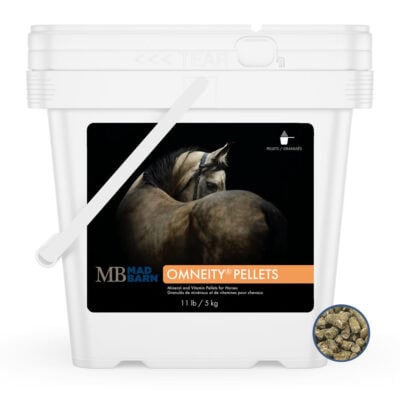
To meet your horse’s nutrient requirements on a forage-only diet, we recommend adding a balanced and complete vitamin and mineral supplement like Omneity®, which contains 100% organic trace minerals, a nutritionally effective level of biotin, and a full B-vitamin profile.
Example Diet
Below is an example of a diet for a 1,100 lb (500 kg) horse in light exercise consuming Timothy hay as their only forage source.
This diet uses an average Timothy hay with a crude protein content of 10% and an NDF content of 64%.
| Feed | Amount / Day |
|---|---|
| Mid-Maturity Timothy Hay | 25 lb (11.5 kg) |
| Salt | 30 g (2 tbsp) |
| Omneity® Pellets | 200 g (2 scoops) |
| Diet Analysis | |
| Digestible Energy (% of Requirement) | 100 % |
| Protein (% of Requirement) | 144 % |
| HC (% of Diet) | 8.8 % |
Remember that each horse has individual needs that affect their dietary needs.
For a personalized nutrition plan, you can submit your horse’s diet online for a free diet evaluation by a professional nutritionist.
Frequently Asked Questions
Here are some frequently asked questions about feeding Timothy grass to horses:
Timothy hay with higher fiber and lower energy content is more suitable for easy keepers, including horses with lower energy needs. These characteristics make it a better option for horses with metabolic concerns, as long as the specific hay aligns with their dietary requirements.
While Timothy hay can provide a strong foundation of fiber and nutrients, it will not meet all of a horse’s vitamin and mineral requirements on its own. A complete vitamin and mineral supplement like Omneity® is recommended to balance a forage-only diet.
Conducting a hay analysis is the best way to determine whether a Timothy hay meets your horse’s needs. Nutrient content varies based on fertilization, maturity at harvest, growth and harvest conditions, and spoilage.
Timothy is a cool-season grass that thrives in cool, humid climates. Its nutritional quality can be influenced by fertilization, growth conditions, and maturity. Proper pasture care includes managing these factors to ensure consistent, high-quality forage.
Summary
Timothy grass is a common, nutritious, and versatile forage for horses. Favored by horses and owners alike, this grass is a good choice to provide the basis of forage intake for a range of classes of horses.
- Timothy is a cool season grass that thrives in cool, humid climates
- Timothy hay offers moderate energy and protein content that can be influenced by changes in fertilization, maturity at harvest, growth conditions, and other management practices
- Timothy grass is commonly fed to horses as pasture, hay, haylage, and processed forms like cubes or pellets
- When choosing Timothy hay, make sure it matches your horse’s specific needs; a hay analysis is the most reliable way to assess its suitability
References
- Kasulyte. D. and Praciak. A. Phleum Pratense (Timothy Grass). CABI Compendium. 2015.
- Bush. T. Timothy Plant Fact Sheet. USDA. 2002.
- Ordakowski-Burk. A. L. et al. Voluntary Intake and Digestibility of Reed Canarygrass and Timothy Hay Fed to Horses1. Journal of Animal Science. 2006.
- McCown. S. et al. Acceptability of Teff Hay by Horses. Journal of Equine Veterinary Science. 2012.
- Darlington. J. M. and Hershberger. T. V. Effect of Forage Maturity on Digestibility, Intake and Nutritive Value of Alfalfa, Timothy and Orchardgrass by Equine. Journal of animal science. Oxford University Press. 1968.
- Nutritive Value of Feeds. Oklahoma State University. 2024.
- Pagan. J. D. Advances in equine nutrition. Nottingham University Press United Kingdom. 1998.
- Malhi. S. S. et al. Fertilizer Nitrogen, Phosphorus, Potassium, and Sulphur Effects on Forage Yield and Quality of Timothy Hay in the Parkland Region of Saskatchewan, Canada. Journal of Plant Nutrition. Taylor & Francis. 2005.
- Woelfel. C. G. and Poulton. B. R. The Nutritive Value of Timothy Hay as Affected by Nitrogen Fertilization. Journal of Animal Science. 1960.
- Lawrence. L. Hay: Does Fertilization Matter?. Ag Equine Programs, Martin-Gatton College of Agriculture, Food and Environment. 2014.
- Nutrient Requirements of Horses: Sixth Revised Edition. The National Academies Press, Washington, DC. 2007.
- Producing Quality Hay. Martin-Gatton College of Agriculture, Food and Environment. 2025.
- Mellin. T. N. et al. Nutritive Value of Timothy Hay as Affected by Date of Harvest. Journal of Animal Science. 1962.
- Kugler. J. Producing High Quality Orchardgrass and Timothy Hay. Proceedings National Alfalfa Symposium. 2004.
- Thorvaldsson. G. et al. The Effects of Growth Temperature on Digestibility and Fibre Concentration of Seven Temperate Grass Species, Acta Agriculturae Scandinavica. Taylor & Francis. 2007.
- Martinson. K. L. et al. Horse Preference, Forage Yield, and Species Persistence of 12 Perennial Cool-Season Grass Mixtures under Horse Grazing. Journal of Equine Veterinary Science. Elsevier. 2016.
- Hall. M. Timothy. PennState Extension. 2005.
- Allen. E. et al., Forage Nutritive Value and Preference of Cool‐Season Grasses under Horse Grazing. Agronomy Journal. 2013.
- Cuddeford. D. et al., A Comparison between the Nutritive Value of Short‐cutting Cycle, High Temperature‐dried Alfalfa and Timothy Hay for Horses. Equine Veterinary Journal. 1992.
- Ragnarsson. S. and Lindberg. J. E. Nutritional Value of Timothy Haylage in Icelandic Horses. Livestock Science. Elsevier. 2008.
- Krebs. K. et al. 83 Acceptability of Red Clover Hay and Associated Eating Behaviors of Horses When Compared to Timothy Hay. Journal of Equine Veterinary Science. 2021.
- Timothy. Kentucky Cooperative Extension Service. 2025.