English


Adequan® i.m. is a widely used injectable medication for the treatment of arthritis in horses. It is the only FDA-approved polysulfated glycosaminoglycan (PSGAG) for equines.
Arthritis is a degenerative joint disease that can reduce athletic performance, cause lameness and lead to early retirement. [1] An estimated 60% of lameness in horses is associated with arthritis. [2]
Adequan® injections are reported to improve pain and lameness scores in affected horses, leading to better mobility. It is purported to work by stimulating cartilage repair, restoring lubrication, and inhibiting processes that break down connective tissue. [3]
Whether your veterinarian recently recommended PSGAGs for your horse or you are investigating treatments to support your horse’s joint health, it is important to understand how Adequan® i.m. works and the directions for use.
Adequan® i.m. for Horses
Adequan® i.m. is primarily indicated for the treatment of non-infectious degenerative joint disease (DJD), such as osteoarthritis and traumatic arthritis in the knees and hocks of horses. [3]
Adequan® i.m. is used in various equestrian disciplines, including racing, performance, and pleasure horses. This medication can be used as a standalone therapy or with other interventions, including exercise management, physical therapy, and other joint supplements.
The medication is administered as a series of intramuscular injections, typically given every four days for four weeks. This injection series may need to be repeated based on recurrence of symptoms. Adequan® is also available for intra-articular injections into the affected joint. [4]
The active ingredient in Adequan® is a polysulfated glycosaminoglycan (PSGAG), which acts as a disease-modifying osteoarthritis drug (DMOAD). Research shows that PSGAG reduces inflammatory mediators and enhances collagen synthesis within joints. [3]
Although Adequan® has been a front-line treatment for joint disease for decades, there is a lack of research on the underlying mechanisms of action for this drug.
Consult with your veterinarian to determine if Adequan® is appropriate for your horse.
What's your top priority with your horse's health?

Enter your email to receive your store credit
Joint Diseases in Horses
Horses are susceptible to various degenerative and/or traumatic joint dysfunctions, including osteoarthritis and traumatic arthritis.
Arthritis is characterized by inflammation of joint structures, which gradually leads to the degradation of cartilage due to the ongoing inflammatory processes. [2][5]
Osteoarthritis
Osteoarthritis (OA) is the most common form of arthritis and a significant cause of lameness in horses. [4]
OA involves the progressive loss of articular cartilage, subchondral bone thickening (sclerosis), development of boney growths (osteophytes), and inflammation of the joint lining (synovitis). [6]
This progressive condition is linked to:
- Normal wear-and-tear on the joints
- Repetitive movements, particularly those involving excessive force
- Poor conformation
Traumatic Arthritis
Also known as post-traumatic osteoarthritis (PTOA), traumatic arthritis develops after an injury to the joint, such as a fracture, articular cartilage lesion, or ligament tear. [7]
These injuries lead to inflammation of the joint membranes or capsule, resulting in progressive cartilage degradation.
Arthritis and Equine Joints
Synovial joints are most affected by arthritis, including knees, stifles, fetlocks, and hocks. The synovial joints are characterized by the following:[3][5][6]
- Joint capsule: Surrounding the joint is a fibrous joint capsule that provides stability and contains the synovial cavity. This cavity is filled with synovial fluid, a viscous fluid that lubricates the joint and nourishes the articular cartilage.
- Articular surfaces: The ends of the bones forming the joint are covered with a layer of smooth articular cartilage, which helps reduce friction and absorb shock during movement. Cartilage is an avascular tissue (without direct blood supply) comprised of hyaluronan, glucosamine, sulphated proteoglycans and collagens.
- Subchondral bone: The bone underlying the articular cartilage, known as the subchondral bone, provides blood supply and carries waste away from the joint.
Cartilage Degradation
One of the key features of arthritis is the degradation of cartilage in synovial joints. When damaged, this connective tissue has a limited ability to repair itself due to a lack of blood supply. [6]
Chondrocytes are the cartilage cells responsible for regulating synthesis and turnover of this tissue. [5] In healthy joints, chondrocytes maintain joint cartilage by producing collagen and proteoglycans, which combine to form the extracellular matrix (ECM) of the cartilage. [22]
In horses with osteoarthritis, chondrocytes become less active and synthesize less of the structural components required to maintain cartilage. [22] Chondrocytes also start over-producing proteolytic enzymes called matrix metalloproteinases (MMPs), which break down the components of the extracellular matrix. [23]
Therapeutic Targets
Therapies for joint disease aim to support joint function and mobility by providing pain relief, reducing inflammation, limiting cartilage damage, and promoting cartilage healing. [5]
Timely medical intervention aimed at resolving joint inflammation is crucial for minimizing the extent of cartilage degradation. [2] Achieving successful treatment outcomes also involves addressing the underlying disease or cause of the injury, rather than solely focusing on symptom management.
Structurally modifying drugs (SMD), such as Adequan® i.m., are medications that aim to slow down or modify the progression of a disease, instead of simply alleviating symptoms. This PSGAG is purported to inhibit the enzymes that degrade cartilage, combatting the disease processes that contribute to joint dysfunction, although some scientists and veterinarians debate its effectiveness. [5]
Addressing conformational issues through corrective shoeing and farrier care, and treating bone chips or osteochondritis dissecans (OCD) via surgery are also important steps to help resolve predisposing factors for arthritis. [4]
How Does Adequan® i.m. Work?
Adequan® i.m. is considered to be a chondroprotective (cartilage-protective) medication, although its mechanism of action within the joint itself is poorly understood. [8][9] There is limited research on its efficacy in horses. [8]
In in vitro (cell culture) experiments, PSGAG has been shown to inhibit enzymes responsible for cartilage breakdown and promote cartilage synthesis. Anti-inflammatory effects have also been observed in cell culture models. [5][10]
However, the concentrations of PSGAG in these experiments are significantly higher than what would typically be present in the joint following intra-muscular injections in the horse. [8]
Research Results
Research into the effects of Adequan® i.m. in horses has yielded mixed results, with some studies demonstrating a therapeutic effect and other studies showing no effect.
Adequan® i.m. improved lameness scores and joint lubrication and reduced swelling and pain in horses with arthritis. [28]
In horses with induced arthritis, stride length after exercise improved by the third injection, and stride length at rest, lubrication capacity, and swelling improved by the fourth injection. [28][29]
In another study, horses with experimentally induced arthritis that were given PSGAG intramuscular injections had improved lameness scores within 28 days of treatment, compared to placebo controls. [9]
However, in some research trials there was no difference in osteoarthritis development between untreated controls and Adequan® i.m. treated horses. Despite no change in osteoarthritis, a modest increase in
proteoglycan levels was observed suggesting a potential chondroprotective effect. [1][8]
Does Adequan® i.m. Reach the Joint?
Research confirms the bioavailability of Adequan® for the treatment of joint disease. Following intramuscular injection, PSGAG diffuses into the circulation and is transported to the synovial fluid where it is absorbed by the articular cartilage. [11]
Levels of PSGAG in synovial fluid peak at two hours post-injection and remain detectable four days later in the synovial fluid, cartilage and subchondral bone. [11][12]
Following injection, PSGAG levels remain consistently above the therapeutic threshold required to inhibit cartilage-degrading enzymes and stimulate proteoglycan synthesis. [11][12] This suggests a potential mechanism by which PSGAG treatment could improve cartilage health.
How to Use Adequan® i.m.
Adequan® i.m. is a prescription-only product available through licensed veterinarians. [3] Consult with your veterinarian to learn if this drug is appropriate for your horse.
The prescribed treatment consists of intramuscular injections of 500 mg of PSGAG every 4 days for 28 days, for a total of 7 injections. [4][13] It is generally recommended for horses with mild chronic osteoarthritis. [4]
The duration of Adequan® i.m. therapeutic effects is uncertain, as research is limited. It is anticipated to vary based on the severity of articular damage and the level of improvement achieved.

Additional Uses of Adequan® i.m.
Research has also investigated the use of PSGAG intramuscular (IM) and intralesional injections in the recovery of tendinitis of the superficial digital flexor tendon (SDFT) in horses. [26][27]
Tendinitis in Horses
Tendons are important for shock absorption in the leg. By connecting muscle to bone, tendons transmit the force of muscle contraction to the bone which creates movement of the limb.
Tendons are dense, fibrous connective tissue. Like joint cartilage, they contain collagen and matrix proteins. Therefore, many of the processes involved in arthritis are also linked to tendinitis – inflammation of the tendons. [26]
In horses with tendinitis, PSGAGs may prevent further damage to the tendon by inhibiting enzymes that degrade collagen. PSGAG may also help maintain the structural integrity of the tendon during the healing process and stimulate hyaluronic acid production. [26][27]
Superficial Digital Flexor Tendon
The superficial digital flexor tendon (SDFT) runs along the back of the horse’s leg and helps stabilize the fetlock joint. Most tendon injuries in the horse occur to the SDFT.
Research Results
A study investigated the effects of 500 mg of PSGAG IM given every 5 days for 7 treatments on chemically induced tendinitis in the SDFT. The treatment was started 24 hours post tendinitis induction. [26]
The treated horses seemed to have less severe and prolonged lameness following the onset of tendinitis. [26]
These horses also had a more rapid reduction in lesion size, suggesting the tendon healed faster. The PSGAG appeared to stimulate tenocyte proliferation within the damaged tendon bundles. [26]
Following the 2-month recovery period, the treated group had less tissue damage which may be linked to less loss of small blood vessels as a result of the tendinitis-inducing injection. [26]
In a case report of Adequan® i.m. with injections every 4 days for 7 treatments for horses with SDFT injury, veterinary surgeons felt the treatment was valuable in 80% of cases. [27]
Nutritional Support of Healthy Joints
Many different factors play a role in supporting your horse’s joint health. Appropriate exercise, hoof health, weight management, and ground surfaces can all impact joint function in your horse.
It’s also important to ensure that your horse is fed a balanced diet that meets their nutritional needs to support connective tissue and exercise recovery. This includes feeding appropriate amounts of energy, protein, vitamins and minerals.
Dietary Energy & Protein
Horses need a diet that provides enough calories to meet their energy requirements without exceeding them. Maintaining a healthy body condition is important to minimize strain on joints and reduce the risk of injury.
Obesity puts additional stress on the joints, increasing everyday wear-and-tear. [14] Arthritis is the most common weight-related disorder in over-conditioned horses. [15]
However, not getting enough energy and protein in the diet can also lead to a loss of muscle mass and strength, making the joints vulnerable to instability and injuries.
Protein consists of building blocks known as amino acids. Horses have nutritional requirements for essential amino acids which cannot be made in the body. The amino acids lysine, methionine, and threonine are most commonly deficient in equine diets to the point of limiting protein synthesis.
Vitamins & Minerals
Vitamins and minerals are nutrients that are critical for numerous processes throughout the body, including the repair and maintenance of joint structures.
Copper, zinc and manganese are particularly important for maintaining the integrity of soft tissues in joints. These trace minerals are involved in the formation of the cartilage matrix through their roles in the synthesis of collagen and proteoglycans.
Many horses do not get enough of these key nutrients in their diet and could benefit from supplementation to correct nutritional deficiencies. One study found that feeding a joint supplement with organic trace minerals had reduced cartilage loss and improved cartilage synthesis. [16]
When supplementing vitamins and minerals in the diet, it is also important not to oversupply these nutrients, as this can lead to imbalances in the diet which may impact joint health.
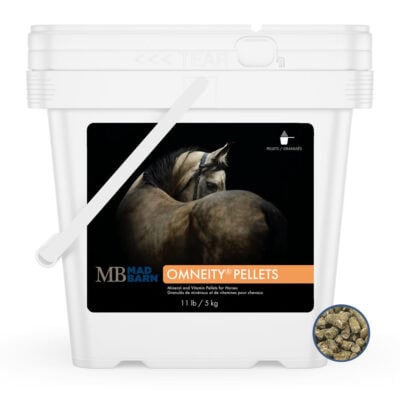
Mad Barn’s Omneity® is a balanced source of vitamins and minerals that fortifies the diet in key nutrients required to maintain healthy joints. Made with no fillers or added sugars, Omneity® is the ideal choice to ensure your horse’s nutritional needs are met.
Joint Health Supplements
The first step in supporting your horse’s joint health is a balanced diet. Once the diet is balanced, certain nutraceutical supplements may help to further support joint health.
While there are many joint supplements for horses on the market, not all have scientific evidence to back up their efficacy. You can learn more about which supplements are supported by research in our review of the Top 8 Joint Supplements for Horses.
1. Methylsulfonylmethane
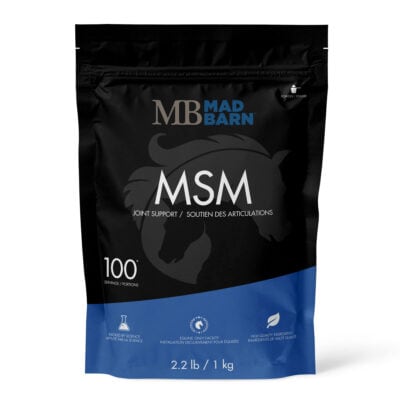
Methylsulfonylmethane (MSM) is a safe and bioavailable form of sulfur, which is required to support the synthesis of proteins in articular cartilage.
Collagen and glucosamine are abundant proteins found in cartilage, and they contain a significant amount of cysteine, which is an amino acid rich in sulfur. By feeding MSM as a source of sulfur, you can support the availability of cysteine and preserve its usage for protein synthesis.
Horses performing high-intensity exercise often have signs of increased inflammation and oxidative damage in the joints. [17] MSM may reduce oxidative stress and inflammation from intense exercise. [18]
2. Omega-3 Fatty Acids
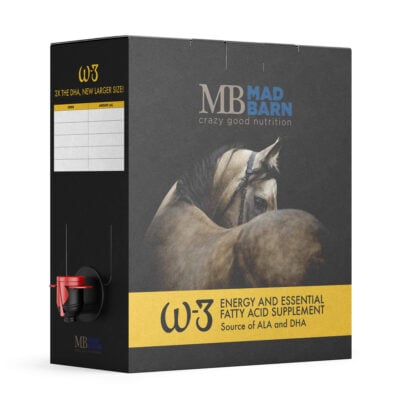
The omega-3 fatty acids eicosapentaenoic acid (EPA) and docosahexaenoic acid (DHA), which are only found in marine sources, can have anti-inflammatory benefits in the body. [21]
Research shows that horses supplemented with EPA and DHA have lower inflammatory markers in joint synovial fluid. [21][25] Arthritic horses fed EPA and DHA also had increased stride length, suggesting improved mobility. [24]
3. Hyaluronic Acid
Hyaluronic acid (hyaluronan) is a component of articular cartilage and synovial fluid, which helps in lubrication of the synovial joints. [19]
Oral supplementation of hyaluronic acid has been shown to reduce lameness scores in racing Thoroughbreds after 2 months of treatment. [20]
Frequently Asked Questions
Here are some frequently asked questions about Adequan® i.m. for horses:
Adequan® i.m. is used to treat degenerative joint disease such as arthritis in horses. This condition causes pain, stiffness, and reduced mobility from cartilage damage and inflammation inside the joint. The medication’s active ingredient, polysulfated glycosaminoglycan (PSGAG), is designed to help slow this process, protect cartilage, and support joint health.
Adequan® i.m. is administered as a series of intramuscular injections prescribed by a veterinarian. The standard treatment is 500 mg every four days for 28 days, totaling seven doses. Each injection delivers PSGAG into the bloodstream, where it travels to the joints. Veterinarians may recommend repeating the series if symptoms return.
The duration of Adequan® i.m.’s effects varies between horses and depends on the severity of joint damage. Some horses show improvement for several weeks or months after a treatment series, while others may need maintenance programs based on their workload or level of arthritis. Limited research makes the exact duration uncertain, so ongoing evaluation by a veterinarian is recommended.
Adequan® i.m. is generally well-tolerated, but mild injection-site reactions such as swelling or soreness can occur. Because it is injected directly into muscle, proper administration technique is important. Serious side effects are rare, though any unexpected reaction or worsening of symptoms should be reported to a veterinarian promptly.
Summary
Adequan® i.m. has emerged as a valuable treatment option for some horses with joint dysfunction, particularly those affected by degenerative joint disease, such as osteoarthritis.
- Research suggests potential benefits including improved lameness scores, reduced pain and swelling, and improved joint lubrication.
- However, some studies show no therapeutic benefit, and the precise mechanism of action of this drug is still not well understood.
- Beyond medication, there are many steps horse owners can take to support their horse’s joint health, soundness, and longevity.
- If your horse is showing signs of joint disease, speak with your veterinarian about a comprehensive treatment plan that may include Adequan® i.m.
- An equine nutritionist can also help implement dietary changes to support joint health. You can submit your horse’s diet for a free diet evaluation.
References
- Trotter, GW et al. Effects of intramuscular polysulfated glycosaminoglycan on chemical and physical defects in equine articular cartilage. Can J Vet Res. 1989. View Summary
- McIlwrath, CW. Chapter 84 - Principles and Practices of Joint Disease Treatment. Diagnosis and management of lameness in the horse. 2011.
- American Regent, Inc. Adequan i.m.
- Clegg, P. and Booth, T. Drugs used to treat osteoarthritis in the horse. In Practice. 2000.
- Frean, SP et al. Effects of anti-arthritic drugs on proteoglycan synthesis by equine cartilage. J Vet Pharmacol Therap. 2002.View Summary
- Jiang, Y and Rocky, ST. Origin and function of cartilage stem-progenitor cells in osteoarthritis. Nat Rev Rheumatol. 2015.
- Kajabi, AW et al. Evaluation of articular cartilage with quantitative MRI in an equine model of post-traumatic osteoarthritis. J Orthop Res. 2021. View Summary
- Richardson, DW and Loinaz, R. An Evidence-Based Approach to Selected Joint Therapies in Horses. Vet Clin Equine. 2007.View Summary
- Verde, C et al. Efficacy of intramuscular polysulfated glycosaminoglycan in a controlled study of equine carpitis. J Vet Pharmacol Therap. 2010. View Summary
- Frean, SF and Lees, P. Effects of polysulfated glycosaminoglycan and hyaluronan on prostaglandin E2 production by cultured equine synoviocytes. Am J Vet Res. 2000. View Summary
- Burba, DJ et al. In vivo kinetic study on uptake and distribution of intramuscular tritium-labeled polysulfated glycosaminoglycan in equine body fluid compartments and articular cartilage in an osteochondral defect model. J Equine Vet Sci. 1993.
- Haugland, LM et al. 3H-PSGAG concentration in the synovial fluid of the equine antebrachiocarpal, metacarpophalangeal, coronopedal and tibiotarsal joints following a 500 MG IM injection. J Equine Vet Sci. 1995.
- American Regent, Inc. ADEQUAN I.M.- polysulfated glycosaminoglycan injection, solution. 2019.
- Pratt-Phillips, S. and Munjizun, A. Impacts of Adiposity on Exercise Performance in Horses. Animals. 2023. View Summary
- Jaqueth, AL et al. Characterization of the Prevalence and Management of Over-Conditioned Ponies and Horses in Maryland. J Equine Vet Sci. 2018.View Summary
- Wedekind, KJ et al. Efficacy of an equine joint supplement, and the synergistic effect of its active ingredients (chelated trace minerals and natural eggshell membrane), as demonstrated in equine, swine, and an osteoarthritis rat model. Open Access Anim Physiol. 2015.
- MacNicol, JL et al. A time-course evaluation of inflammatory and oxidative markers following high-intensity exercise in horses. a pilot study. J Appl Physiol. 1985. View Summary
- Marañón, G et al. The effect of methyl sulphonyl methane supplementation on biomarkers of oxidative stress in sport horses following jumping exercise. Acta Veterinaria Scandinavica. 2008. View Summary
- Gupta, RC et al. Hyaluronic Acid: Molecular Mechanisms and Therapeutic Trajectory. Front Vet Sci. 2019. View Summary
- Pierce, SW. Efficacy of orally administered sodium hyaluronate gel in the racing thoroughbred. Hyaluronan 2003 Proceedings: Chapter 6 Musculoskeletal System. 2004.
- Ross-Jones, T et al. Effects of Omega-3 Long Chain Polyunsaturated Fatty Acid Supplementation on Equine Synovial Fluid Fatty Acid Composition and Prostaglandin E2. J Equine Vet Sci. 2014.
- Levings, R. et al. Gene Therapy for the Treatment of Equine Osteoarthritis. Equine Science. 2020.
- Moll, D. Whitton, C. Quiney, L. Equis - Musculoskeletal: osteoarthritis (joint disease). Vetlexicon. Accessed on June 22, 2023.
- Hess, T. and Ross-Jones, T. Omega-3 fatty acid supplementation in horses. R Bras Zootec. 2014.
- Brennan, KM. et al. The effect of dietary microalgae on American Association of Equine Practitioners lameness scores and whole blood cytokine gene expression following a lipopolysaccharide challenge in mature horses. J Anim Sci. 2017.
- Redding, W.R. et al. The Effects of Polysulphated Glycosaminoglycan on the Healing of Collagenase Induced Tendinitis. Vet Comp Ortho Traumatol. 1999.
- Dow, S.M. et al. Treatment of acute superficial digital flexor tendon injury in horses with polysulphated glycosaminoglycan. Vet Record. 1996. View Summary
- Hamm, D. and Jones, W. Intra-articular (IA) and intramuscular (IM) treatment of noninfectious equine arthritis (DJD) with polysulfated glycosaminoglycan (PSGAG). J Equine Vet Sci. 1988.
- Jones, W.E. and White, G. The current status of the clinical use of polysulphated glycosaminoglycan in the USA.Veterinary Review. 1996.