English

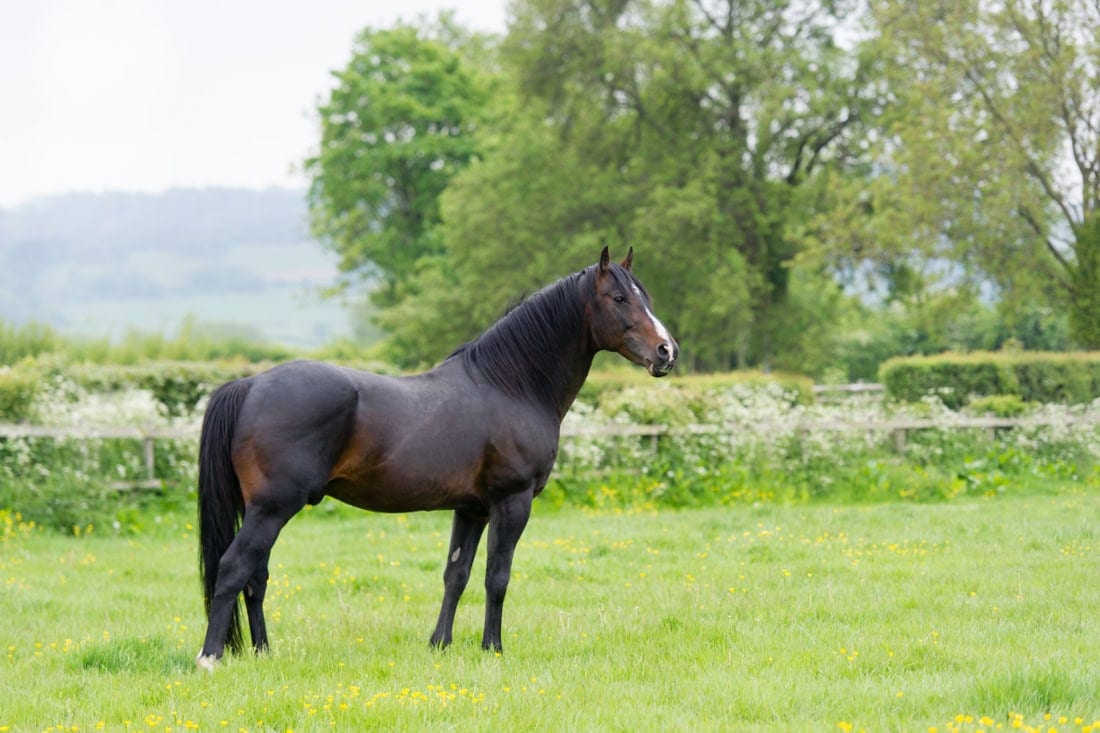
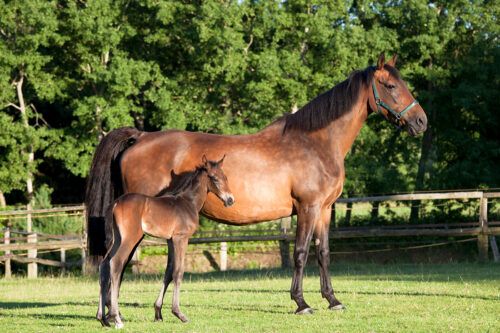
American Warmbloods are sport horses developed through selective breeding programs in the United States. The term applies to horses registered with one of the recognized American Warmblood breed registries. These horses may come from a variety of bloodlines, as long as they meet specific standards for performance and conformation.
The registry’s openness to diverse pedigrees supports the ongoing development of the breed in line with modern sport horse objectives. With such variation in type and lineage, American Warmbloods offer options to suit a wide range of riders and disciplines.
American Warmbloods excel in dressage, show jumping, eventing, and driving. Their athleticism, trainability, and balanced conformation make them ideal partners for both amateur and professional equestrians.
Keep reading to explore the history, traits, common health concerns, and nutritional considerations of the American Warmblood.
American Warmblood Horse History
While American Warmbloods didn’t exist as an official breed until the 1980s, sport horses have a long history in North America. [1] Early settlers brought a mix of European and Middle Eastern bloodlines in their horses, shaping the foundation of American sport horses.
Over time, selective breeding for athleticism and versatility led to the development of horses suited for competitive disciplines, setting the stage for the creation of the American Warmblood registry.
Origin
Warmblood horse breeds originated in Medieval Europe when farmers began crossing local cold-blooded breeds with imported hot-blooded Arabians and Spanish horses. Adding Thoroughbred blood to these crosses in later centuries made early warmbloods into a versatile and well-tempered riding horse.
Some European warmblood registries have studbooks dating back to the 18th and 19th centuries. Famous old warmblood breeds include Holsteiners, Trakehners, and Hanoverians. [2]
Breeders began importing European warmbloods to North America by the mid-20th century. [3] Before imported European horses became popular, American breeders produced their own warmbloods by crossing draft horses with Arabians or Thoroughbreds. [4]
Historic Use
Early breeders crossed heavier horses with lighter breeds to produce versatile horses suitable for working on the farm and riding into town. Some warmbloods descend from war horses once bred to carry armored knights into battle. [5]
As warfare changed, so did cavalry horses. Demand for more athletic cavalry horses eventually led to an elegant sport horse type. Some warmblood breeds emerged outside of the military where European nobility aimed to produce refined riding and driving horses with a similar athletic body type. [6]
In the early 20th century, the U.S. government partnered with horse breeders to advance the athleticism and mental ability of the nation’s cavalry horses through the U.S. Remount Service. [7]
The military selected stallions from the program while breeders retained the mares. Many of these mares became foundation broodmares for American farms after the program ended and focus shifted to producing horses for sport. [7]
Breed Registry
There are two recognized American Warmblood breed organizations, the American Warmblood Registry (AWR) and the American Warmblood Society and Sporthorse Registry (AWSSR). [1][8]
The AWR was founded in 1981, followed by the AWSSR in 1983. Both organizations are recognized by the World Breeding Federation for Sport Horses (WBFSH). [1][8][9]
Both registries grant registration through performance evaluations and require DNA profiling, but they do not discriminate against specific breeds. While both have the same goal to advance American sport horse breeding, they have independent studbooks, inspections, and standards.
All sporthorses born in North America are eligible for registration with AWR, and sporthorses imported to North America are eligible to enter the AWR studbook. Horses used for breeding purposes must pass inspection. [8]
For acceptance into the AWSSR, horses must satisfy a performance requirement in one of six disciplines by scoring above a minimum threshold at an approved show. [8]
These disciplines include:
- Sporthorse/In-Hand
- Dressage
- Eventing
- Combined Driving
- Hunter
- Show Jumping
| Breed Summary | |
|---|---|
| Breed Name | American Warmblood |
| Breed Type | Warmblood |
| Origin | United States (North America) |
| Breed Registry | American Warmblood Registry (AWR); American Warmblood Society and Sporthorse Registry (AWSSR) |
| Average Height | 15 – 17 hh |
| Average Weight | 1,200 lb (550 kg) |
| Common Coat Colors | Solid colours; no coat color requirements |
| Conformation | Well-balanced, athletic, correct, round strides, elastic movement |
| Common Uses | Dressage, show jumping, eventing, hunter, combined driving, in-hand |
| Temperament | Bold, even-tempered, willing, trainable |
| Best For | Amateur and professional equestrians |
| Common Health Concerns | WFFS, OCD, PSSM, lameness, gastric ulcers, equine metabolic syndrome, laminitis |
Breed Characteristics
Since American Warmbloods have no bloodline restrictions, the breed type can vary significantly between individual horses. However, all American Warmbloods have characteristics that allow them to excel as sport horses.
Conformation
While the AWSSR focuses on performance results for registration, American Warmbloods can also satisfy their performance requirements by earning a minimum score at an inspection. These inspections evaluate horses based on their potential to succeed in sport.
AWR inspections evaluate foals and youngstock in four stages for type, conformation, frame, movement, and general impression. Mares and stallions must undergo a six-stage inspection that includes a performance evaluation. [8]
The breeding goal of the AWR is to, “produce a well-balanced, athletic horse with round, generous strides and natural, elastic movements.” [8]
At mare and stallion inspections, American Warmbloods are given scores for: [8]
- Breed type
- Shoulders and withers
- Topline and quarters
- Front legs
- Hind legs
- Correctness of movement
- Carriage and elasticity
- Free jumping
- Jumping under saddle
- Flatwork
- General impression
Correct conformation is essential for soundness. Conformation faults are not desirable in American Warmbloods. Most American Warmbloods are 15 to 17 hands tall. The AWR is also associated with the North American Sportpony Registry, which registers American ponies bred for sport. [8]
Colors & Temperament
There are no coat color requirements for American Warmbloods. Solid coat colors are the most common.
The ideal American Warmblood is a bold horse with an even temperament and willing work ethic. In addition to their performance abilities, American Warmbloods also need the mental traits suited for excellence at all levels of modern equestrian sport.
Personalities can vary between American Warmbloods depending on their ancestry. However, a good temperament is one of the top priorities for this breed registry. [8]
Many American Warmbloods have calm temperaments suitable for amateur owners. However, these athletic horses may not be ideal for complete beginners. Always work with a trusted professional when evaluating if a horse is a good match for you.
What's your top priority with your horse's health?

Enter your email to receive your store credit
Disciplines
While AWR doesn’t require performance results for registration, both registries focus on producing horses for the same six disciplines: [8]
Inspections evaluate horses in-hand. After inspections, some owners enjoy showcasing their American Warmblood’s movement and conformation in other sport horse classes.
Most major warmblood studbooks only focus on the Olympic disciplines of dressage, show jumping, and eventing. While American Warmbloods can excel in these sports, they are also versatile mounts suitable for various riding and driving disciplines.
Horses within this breed may be better suited to a particular discipline depending on their breeding, conformation, and temperament. Consider exploring different disciplines with your American Warmblood to discover where they can shine.
Health Profile
Inspections and selection of traits that support long-term soundness help keep the warmblood population healthy. While these efforts are generally effective, American Warmbloods are still susceptible to health problems commonly seen in performance horses.
Genetic Diseases
American Warmblood registries require DNA sampling, but these tests don’t always screen for genetic diseases. Several inherited disorders can affect American Warmbloods.
Warmblood fragile foal syndrome (WFFS) is a genetic disease primarily found in warmblood horses. This disorder causes fatal connective tissue abnormalities in affected foals. [10]
WFFS is an autosomal recessive disorder, so American Warmbloods can carry the genetic mutation responsible for WFFS without showing clinical signs of the disease. Research suggests selective breeding for joint laxity contributed to its prevalence in warmbloods. [11]
Warmblood breeds also have a high prevalence of osteochondrosis dissecans (OCD). This developmental disease affects the cartilage and joints of growing horses and can negatively impact future soundness. [12]
Studies identified genetic risk factors for OCD, which suggests some American Warmbloods can inherit a high risk of OCD from their parents. Some warmblood studbooks use genomic testing to identify OCD risk in breeding horses. [13]
Health Problems
Polysaccharide storage myopathy (PSSM) is a muscle disorder that can affect warmbloods. There are two types of PSSM, both characterized by abnormal glycogen storage in muscles.
A known genetic mutation causes type 1 PSSM. Type 2 PSSM, which is more common in warmbloods, is less clearly understood. Warmbloods with PSSM typically present with muscle soreness and abnormal gait. [14]
Limb and hoof conformation are critical for American Warmbloods due to the risk of lameness caused by musculoskeletal injury in sport horses. While all horses with performance careers have a higher risk of injury, good conformation reduces these risks. [15]

“American Warmbloods are known for their athleticism, versatility, and good nature, making them excellent candidates for a wide range of disciplines. These horses benefit from management practices that support joint health, maintain optimal body condition, and prioritize progressive conditioning programs to maximize their performance potential.”
— Dr. Fran Rowe DVM, PASMad Barn Veterinary Nutritionist
Stress from intense training can also contribute to a higher risk of gastric ulcers and other digestive health problems in American Warmbloods with performance careers. Research shows gastric ulceration affects up to 58% of sport horses. [16]
Care & Management
Proper care and management are essential to minimizing health risks and keeping your American Warmblood in peak condition. Like all horses, sport horses require a species-appropriate lifestyle that supports their physical, mental, and social well-being.
Work with your veterinarian, farrier, and other equine professionals to create an individualized annual wellness plan that supports the health and performance of your American Warmblood. This plan should include:[17][18]
- Veterinary Exams: Schedule annual or biannual check-ups and lameness exams tailored to the needs of your American Warmblood to monitor overall health, maintain soundness, and catch issues early — especially for horses in active training or competition. Some sport horses also benefit from extra veterinary maintenance that supports their joint health.
- Vaccinations: Follow a vaccination protocol recommended by your veterinarian, particularly if your American Warmblood regularly travels or competes in environments with increased exposure risk.
- Dental Care: Schedule a dental exam every 6–12 months to maintain proper bite alignment and prevent discomfort that could affect performance.
- Parasite Management: Implement a targeted deworming strategy based on fecal testing and regional parasite risks, especially important for horses kept in boarding or training barns.
- Hoof Care: Maintain regular farrier care to support hoof balance, soundness, and performance. For sport horses like the American Warmblood, proper trimming and shoeing are key to preventing strain and maintaining movement efficiency. Long toes increase load on distal limb structures and increase the risk of injury, even if your horse has good natural conformation.
Prolonged stall confinement is a risk factor for gastric ulceration in performance horses. Ensure your American Warmblood gets daily turnout for free exercise, grazing, and social interaction. [19]
Athletic breeds thrive with consistent exercise and mental stimulation. Work with your trainer to create an exercise program suitable for your American Warmblood’s fitness level.
American Warmblood Nutrition
Balanced nutrition is a vital part of your horse’s care and management. The best feeding program for your American Warmblood depends on individual factors including body condition, work load, and health status.
Weight Maintenance
Like other warmblood breeds, most American Warmbloods are easy keepers. [20] These horses should easily maintain weight on a forage-based diet. If your American Warmblood experiences unexplained weight loss, it could indicate an underlying health issue.
Easy keeper breeds can quickly become overweight when fed high-energy feeds. American Warmbloods with equine metabolic syndrome are more prone to becoming overweight. This metabolic disorder is associated with insulin resistance and a high risk of laminitis. [21]
Monitor your American Warmblood’s body condition score to determine if you need to alter his diet to maintain a healthy weight. A body condition score of 5 out of 9 on the Henneke scale is ideal.

Sample Diet
The following sample diet is intended for a mature 550 kg (1,200 lb) American Warmblood Horse with normal body condition at maintenance (not exercising).
| Feed | Amount per day |
|---|---|
| Mid-Quality Hay (8% crude protein) | Free-choice |
| Salt | 30 g (2 tbsp) |
| Omneity® Pellets | 200 g (2 scoops) |
| W-3 Oil | 60 mL (2 oz) |
| Diet Analysis | |
| Digestible Energy (% of Req) | 121% |
| Protein (% of Req) | 126% |
| HC (ESC + starch; % Diet) | 8.8% |
All American Warmbloods benefit from a balanced, forage-based diet that meets their nutrient requirements.
A mature American Warmblood with a normal body condition at maintenance can typically get enough energy and protein from hay alone. However, a forage-only diet is usually deficient in several essential nutrients, which requires supplementation with a comprehensive vitamin and mineral supplement.
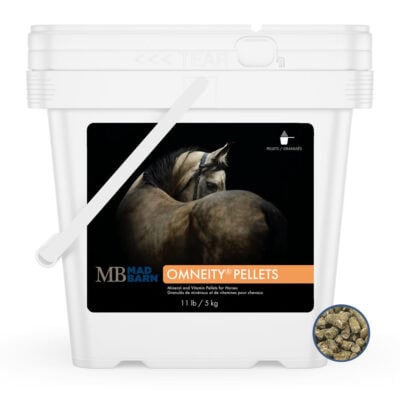
Mad Barn’s Omneity® is a vitamin and mineral supplement formulated to balance forage-based diets. This supplement provides amino acids, vitamins, and minerals that support overall health and performance in American Warmbloods.
Sport horses with heavy workloads may need additional calories in their diet. Highly digestible fibers like beet pulp and alfalfa, and energy-dense supplements like oil are great options to provide additional calories without oversupplying sugar and starch.
Ensure your American Warmblood has constant access to fresh, clean water and salt. Feeding loose salt in your horse’s daily ration encourages hydration and ensures that they meet their sodium requirement.
Forage
Forage is the foundation of the equine diet. Mature horses typically consume 2% of their body weight in forage per day. An average 1,200 lb (550 kg) American Warmblood needs approximately 25 lb (12 kg) of hay daily.
Free-choice forage supports optimal digestive function by allowing American Warmbloods to express natural grazing behaviors. If your horse consumes too much forage with unrestricted access, consider using a slow feeder to provide constant access to forage while minimizing calorie intake.
Most American Warmbloods do well on mid-maturity grass hay with low starch and sugar levels. American Warmbloods in heavy workloads may need higher quality forages to meet their energy requirements.
Some performance horses benefit from incorporating alfalfa hay, which contains high levels of protein and calcium. Research shows the calcium content in alfalfa may help buffer stomach acid in horses predisposed to gastric ulcers. [18]
Feeding Recommendations
Unrestricted pasture grazing may not be appropriate for American Warmbloods with weight concerns. If necessary, you can use a muzzle while they are on pasture or limit the amount of time they have access to pasture to limit grass intake.
If your horse needs restricted levels of dietary starch and sugar due to PSSM or other health issues, conduct a forage analysis to determine if your hay is safe to feed to a horse with metabolic concerns.
High-starch grain-based feeds can increase the risk of digestive upset in American Warmbloods due to their effect on gastric and hindgut health. Fiber-based alternatives such as soaked hay pellets and beet pulp alongside oil supplements are good options for providing calories and as carriers for additional supplements. [22]
Nutritional Supplements
Some American Warmbloods may benefit from nutritional supplements to support their performance, recovery, or overall well-being. However, it’s important to first establish a balanced, forage-based diet that meets your horse’s core nutritional needs.
Once a solid foundation is in place, consider the following types of supplements based on your American Warmblood’s workload, environment, and individual health status:
- W-3 Oil is an essential fatty acid supplement enriched with the omega-3 fatty acid DHA and vitamin E to support joint health, respiratory function, coat quality and overall well-being
- MSM is a natural supplement that helps maintain the health of connective tissue in exercising American Warmbloods
- Visceral+ is a veterinarian-recommended gut supplement with natural ingredients that support the entire digestive system, including the stomach and hindgut
- Natural Vitamin E is an antioxidant that supports neurological health and muscle function in horses. American Warmbloods in heavy work need higher levels of Vitamin E in their diet
Want personalized guidance for your American Warmblood’s diet? Submit your horse’s information for a free evaluation and get expert advice from our qualified equine nutritionists to formulate a balanced feeding plan.
Frequently Asked Questions
Here are some frequently asked questions about American Warmblood horses:
American Warmbloods are sport horses bred in the United States for athleticism, soundness, and trainability in modern equestrian sport. Unlike a closed breed with one fixed bloodline, the American Warmblood is defined by registry approval and sport horse type rather than pedigree alone. American Warmbloods may come from different breeding backgrounds, but they are expected to meet standards for conformation, movement, and performance potential.
An American Warmblood qualifies through registry inspection and approval, not through a closed pedigree alone. Horses accepted as American Warmbloods are typically evaluated on conformation, movement, athletic ability, and suitability for sport horse work. Registry approval may also include performance criteria and DNA profiling, depending on the organization.
American Warmbloods can be made from several different breeds and sport horse bloodlines. Many American Warmbloods have ancestry that includes European warmbloods, Thoroughbreds, Arabians, and other athletic riding horses. What matters most is whether the horse meets American Warmblood registry standards for movement, conformation, and sport horse potential.
American Warmbloods can be any coat color because color is not a defining requirement of the breed. Solid colors are most common, but pinto patterns and other markings are also allowed. Since American Warmbloods are bred for performance and type rather than color, coat pattern has little effect on whether a horse qualifies for registration.
American Warmbloods are used primarily for sport horse disciplines such as dressage, show jumping, eventing, and combined driving. They are also seen in hunter competition, in-hand sport horse classes, and other riding or driving disciplines that value athleticism, movement, and trainability. Their balanced conformation and versatile breeding make many American Warmbloods suitable for both amateur and professional riders.
American Warmbloods are generally bold, even-tempered, willing, and highly trainable horses. Because American Warmbloods can come from a range of bloodlines, temperament can vary between individual horses. Even so, good temperament is a major priority in American Warmblood breeding programs. Many American Warmbloods have calm, sensible temperaments that suit amateur riders, although these athletic horses may not be ideal for complete beginners.
American Warmbloods are typically well-balanced, athletic horses with correct structure and movement suited to sport. They are bred to have functional conformation, good bone, and three balanced gaits with elasticity and ground cover. Because American Warmblood registries accept a range of bloodlines, individual horses can vary in appearance, but the overall goal is a sound, capable sport horse.
Most American Warmbloods stand between 15 and 17 hands high. This moderate-to-tall height range is typical of modern sport horses and supports their use in dressage, jumping, eventing, and driving. Individual American Warmbloods may fall slightly outside this range depending on their breeding and overall type.
American Warmbloods are not always the best choice for complete beginners, although some individuals can suit amateur riders. The breed is selected for willingness and trainability, but many American Warmbloods are still athletic, sensitive, and forward-moving sport horses. Beginner suitability depends on the individual horse’s temperament, training, and the support of a knowledgeable instructor or trainer.
American Warmbloods can be affected by both inherited conditions and sport horse health problems. Important concerns for this bredd include warmblood fragile foal syndrome, osteochondrosis dissecans, and in some horses polysaccharide storage myopathy. Like many performance horses, American Warmbloods may also be prone to musculoskeletal injuries, gastric ulcers related to training stress, and metabolic issues such as equine metabolic syndrome or laminitis in horses that gain excess weight easily.
Summary
The American Warmblood is a modern sport horse developed in the United States through open registries rather than fixed bloodlines. These horses are prized for their performance, soundness, and rideability.
- The breed emerged from a mix of European warmbloods, Thoroughbreds, draft crosses, and U.S. cavalry breeding programs, with registries using inspections and performance standards to ensure breed quality.
- American Warmbloods typically stand between 15 and 17 hands and show balanced, athletic conformation with elastic movement suited to dressage, show jumping, eventing, and driving.
- These horses are known for their trainable, willing temperaments that combine athleticism with rideability, making them suitable for both amateur and professional riders.
- Common health considerations include genetic conditions such as Warmblood Fragile Foal Syndrome, developmental orthopedic disease, muscle disorders like PSSM, and an increased risk of gastric ulcers in performance horses.
- American Warmbloods thrive on a forage-first diet balanced with vitamins and minerals, with careful management of starch intake and conditioning to support long-term soundness and performance.
References
- About AWSSR. American Warmblood Society & Sporthorse Registry. 2017.
- Nolte, W. et al., Selection signatures in four German warmblood horse breeds: Tracing breeding history in the modern sport horse. PLoS One. 2019.
- Hendricks. B. L., International Encyclopedia of Horse Breeds. University of Oklahoma Press, Norman. 2007.
- Williams, S., The American Warmblood – Where Tradition and Evolution Find Common Ground. Slo Horse News. 2014.
- Edwards. E. H., The Encyclopedia of the Horse. Dorling Kindersley, London. 1994.
- Ensminger. M. E., Horses and Horsemanship. 7th ed. Interstate Publishers, Danville, Ill. 1999.
- Iversen, E., Improving America's Horses: The Army Remount Program. Army Hist. 1996.
- American Warmblood Registry. 2019.
- Our Members. World Breeding Federation for Sport Horses. 2025.
- Reiter, S. et al., Distribution of the Warmblood Fragile Foal Syndrome Type 1 Mutation (PLOD1 c.2032G>A) in Different Horse Breeds from Europe and the United States. Genes. 2020.
- Ablondi, M. et al., Performance of Swedish Warmblood fragile foal syndrome carriers and breeding prospects. Genet Select Evol. 2022. View Summary
- Van Grevenhof, E. et al., Prevalence of various radiographic manifestations of osteochondrosis and their correlations between and within joints in Dutch Warmblood horses. Equine Vet J. 2010. View Summary
- Naccache, F. et al., Genetic risk factors for osteochondrosis in various horse breeds. Equine Vet H. 2018. View Summary
- Lewis, S. et al., Clinical characteristics and muscle glycogen concentrations in warmblood horses with polysaccharide storage myopathy. Am J Vet Res. 2017. View Summary
- Stashak. T. S. and Baxter. G. M., Adams and Stashak’s Lameness in Horses. 7th edition. Wiley Blackwell, Hoboken. 2020.
- McClure. S. R. et al., Prevalence of Gastric Ulcers in Show Horses. Journal of the American Veterinary Medical Association. 1999.
- Kummer, M. et al., The effect of hoof trimming on radiographic measurements of the front feet of normal Warmblood horses. Vet J. 2006. View Summary
- Nadeau, J. et al., Evaluation of diet as a cause of gastric ulcers in horses. Am J Vet Res. 2000. View Summary
- Werhahn, H. et al., Competition Horses Housed in Single Stalls (II): Effects of Free Exercise on the Behavior in the Stable, the Behavior during Training, and the Degree of Stress. J Equine Vet Sci. 2012.
- Navarra, K., Feeding Metabolic and 'Easy Keeper' Horses. EquiManagement. 2020.
- Pratt-Phillips, S. et al., Impacts of Adiposity on Exercise Performance in Horses. Animals. 2023. View Summary
- Cipriano-Salazar, M. et al., The Dietary Components and Feeding Management as Options to Offset Digestive Disturbances in Horses. J Equine Vet Sci. 2019.