English






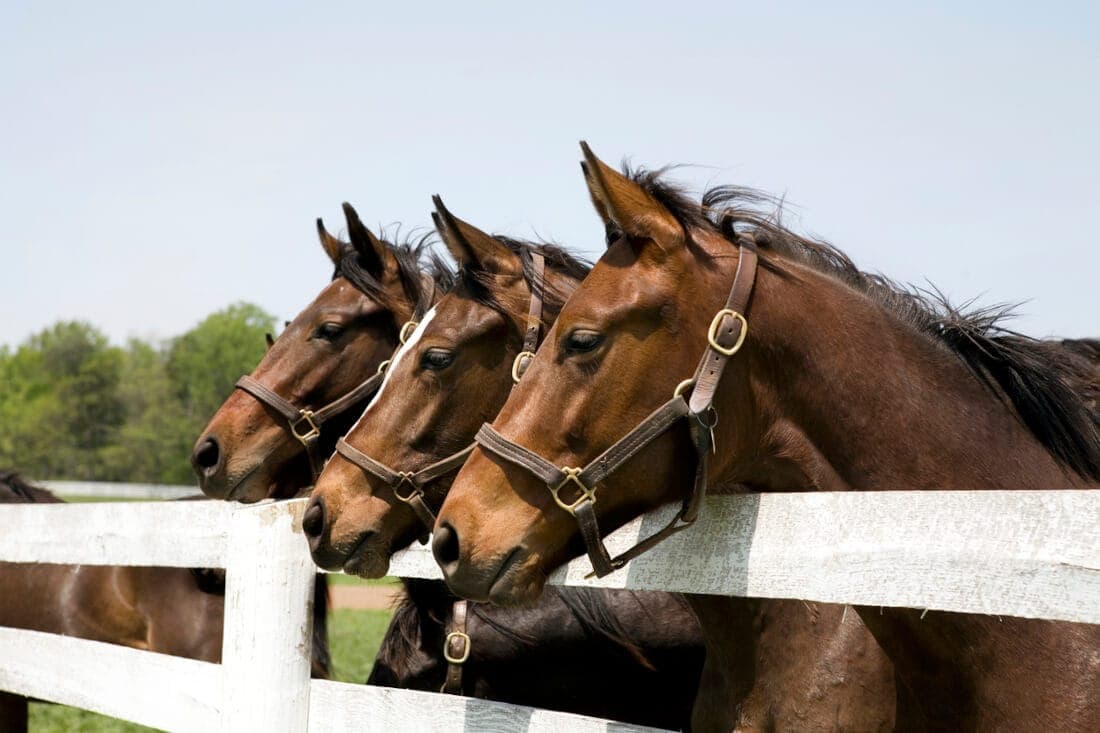
Aural plaques in horses are a skin condition characterized by thick, pale, crusty patches that develop on the inner surface of the ears. These plaques may begin as small, raised bumps and can gradually merge into larger areas of raised, rough tissue.
Although they are usually painless and do not affect a horse’s general health, aural plaques are often persistent and can sometimes lead to increased sensitivity around the ears and head. The condition is linked to a type of papillomavirus (warts) infection, and while not fully understood, transmission is believed to involve biting insects such as black flies.
In most cases, aural plaques are considered a cosmetic issue, but they can complicate handling and grooming if the horse becomes head shy. Treatment is not always necessary, though several topical and surgical options are available when intervention is warranted.
Read on to learn more about aural plaques in horses, including how to recognize symptoms, understand risk factors, and implement effective prevention strategies.
Aural Plaques in Horses
Aural plaques in horses are a skin condition where light-colored, thick, rough patches form on the inner surface of the horse’s ear. [1][2][3]
Aural plaques are also referred to as: [1]
- Ear papillomas
- Hyperplastic dermatitis of the ear
- “Ear fungus” – a misnomer, as aural plaques are not fungal
- Papillary acanthoma
When aural plaques first develop, they often present as one or more small, disconnected bumps. As the condition progresses, these bumps may grow and merge into larger patches. In severe cases, the entire inner surface of the horse’s ear is covered with aural plaques. [4]
Aural plaques are usually considered a cosmetic defect and cause no damage to the horse’s overall health. In some cases, they can cause ear and head sensitivity. There have been a few cases of aural plaques that have progressed into squamous cell carcinoma in horses, but this phenomenon is rare and not fully understood at this time. [1][2][5][6][7]
While aural plaques are generally a cosmetic concern, horses may be disqualified from joining specific exhibitions and sporting events if plaques are visible. [8]

“While aural plaques are rarely harmful in a medical sense, they can lead to increased ear sensitivity, handling challenges, and behavioral issues like head shyness. In many cases, prevention through insect control is more effective than attempting to remove the plaques once they’re established.”
— Dr. Jennifer Skaggs, DVMEquine Veterinarian
Symptoms
The characteristic symptom of aural plaques is one or more areas of raised tissue on the inside surface of the horse’s ears. [6]
Aural plaques begin as discrete bumps or nodules about 1 to 2 mm in diameter. These patches often join together to form thick, rough patches. They are usually greyish-white due to depigmentation of the tissue, with smooth pink tissue under the epidermal layer. They tend to have a shiny surface and are clearly distinct from the normal tissue surrounding them. [1][6]
Aural plaques may occur in one or both ears, and usually cause localized hair loss. [1][6] In most horses, plaques do not cause the horse pain, itching, or other discomfort. In some cases, affected horses develop increased sensitivity around the ears and head. This sensitivity can continue as prolonged head shyness even after the aural plaques are resolved. [5][6][8]
What's your top priority with your horse's health?

Enter your email to receive your store credit
Causes
Aural plaques are associated with equine papillomavirus. [2][4][5][6][7][9]
In healthy horses, the immune system typically functions well enough to control the spread of papillomavirus within the body. This immune response generally keeps the virus at a manageable level and effectively prevents the development of noticeable clinical signs. If symptoms do arise, the immune system usually eliminates the virus effectively, leading to a resolution of symptoms. [1]
On the other hand, horses that suffer from recurring or chronic episodes of this condition are thought to have some level of immunosuppression. [1]
Transmission
How this condition spreads between horses or from the environment to the horse is still not fully understood at this time. However, it is currently theorized that transmission may occur through the activity of black flies, specifically Simulium spp.. [6]
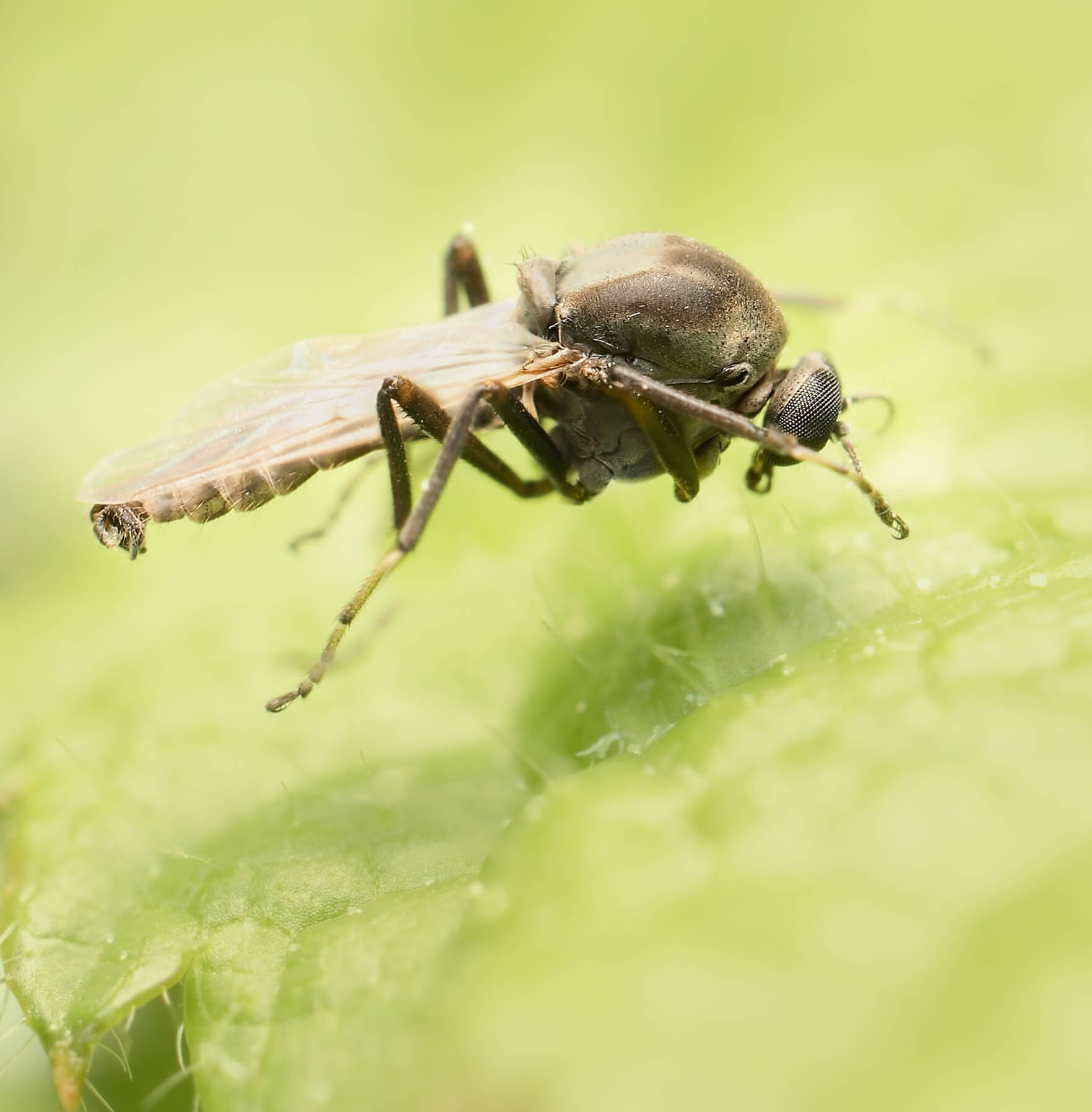 Simulium Fly
This theory is supported by observations from geographical regions where these fly species are not present. For instance, in countries like New Zealand, where black flies do not exist, there have been no reported cases of this condition, which lends credibility to the hypothesis regarding their role in transmission. [6]
Risk Factors
Aural plaques are a common condition in horses. [6][9] They typically affect adult horses over the age of 1 year. [6]
There does not appear to be any sex or breed predisposition to developing aural plaques. [4][6]
Diagnosis
Since the appearance and location of plaques are the hallmark of this condition, diagnosis of aural plaques is usually made based on physical examination. [1][6][8]
A biopsy may be warranted to investigate underlying pathology. The biopsy sample is examined for inflammation, infection, or abnormal cells. Additionally, any viruses, proteins, or different cell types may be identified. [6]
In cases where diagnosis is confirmed and plaques are causing complications or behavioral changes, treatment may be considered based on the severity and persistence of symptoms.
Treatment
Treatment of aural plaques is not usually necessary as this is usually a cosmetic issue. Some experts suggest that aural plaques tend to resolve on their own in 3 months from the onset of symptoms. [1][6] Others indicate that they do not resolve on their own. [3]
In cases where treatment is deemed necessary, the treating veterinarian may recommend a topical medication.
Imiquimod
Among the medications available on the market, the most effective is reported to be imiquimod (Aldara™). This drug is a topical immune response modifier, which means it stimulates the immune system, bolstering its response to abnormal cells and viruses. [1][5][6][8]
For imiquimod to reach the viable tissue in the plaques, the topmost crusty layer needs to be removed (debrided). In cases where this is not done thoroughly, the results of treatment are variable. In many cases, debridement of plaques in horses is performed under standing sedation. [5]
In most cases, it takes several months of imiquimod treatment for symptoms to improve. This medication may cause side effects, including: [5][6][8]
- Redness
- Open sores
- Oozing
- Swelling
- Irritation
- Inflammation
- Crusting
Careful consideration is recommended before choosing this treatment. [5][6][8]
Other Topical Medications
There are anecdotal reports of other medications being effective treatments for aural plaques in horses, but research supporting their efficacy is currently lacking. Compounds that may be considered as part of topical preparations for treating equine aural plaques include: [1][10][11][12][13][14][15][16][17]
- Podophyllin: A cytotoxic plant resin that inhibits cell division; may help remove hyperplastic plaque tissue by promoting localized necrosis
- Trifluoroacetic acid: A strong organic acid that may remove superficial skin layers and stimulate regrowth of normal tissue
- Tretinoin: A topical retinoid that promotes cell turnover and may reduce plaque thickness by normalizing keratinocyte behavior
- Tincture of benzoin: Used for its adhesive and antiseptic properties; may create a barrier and reduce irritation in plaque-prone areas
- Mycobacterials: Immunostimulant preparations derived from bacteria; may enhance local immune response to the papillomavirus
- Propionibacterium acnes products: These bacterial extracts may act as immunomodulators by activating macrophages and other immune pathways
- Cisplatin: A chemotherapy drug used topically in veterinary oncology; may destroy proliferating plaque cells by damaging DNA
- IL-2: Interleukin-2 is an immune cytokine that may be used topically to boost the local T-cell response to virus-infected cells
Certain medications can permanently discolor the treatment site, so it is important to carefully consider potential adverse effects before starting treatment of solely cosmetic cases. [1] In many instances, treating plaques may reduce the appearance of the lesions without fully resolving cosmetic concerns.
Surgery
In rare cases, aural plaques are surgically removed to improve the appearance of the horse. This can be performed with cryosurgery, where liquid nitrogen is used to freeze the plaques into necrosis. [1]

Prognosis
Aural plaques are persistent. Once they develop, some do not resolve. However, other than the cosmetic change to the horse’s ear, they do not usually cause any other harm or discomfort. [3][6]
In some cases, after resolution of the plaques, the area remains discolored or hairless. [5] In rare cases, aural plaques can develop into squamous cell carcinoma. [6][7]
Topical treatment of ear plaques requires handling and drug application around the head and ears of the horse. If not applied carefully and patiently, this process can traumatize the horse, which can result in long-term head shyness. [5]
Prevention
A vaccine against autogenous tumor cells (also known as warts) is available. Early research suggests this vaccine may be effective in preventing equine viral papillomatosis and therefore aural plaques, although it has yet to be fully studied. [1]
Papilloma virus is contagious. Therefore, unaffected horses – especially those with weaker immune systems – should be kept separate from horses that develop aural plaques. Stalls, grooming equipment, and tack should not be shared between affected and unaffected horses until they have been disinfected using povidone-iodine or lye compounds. [1]
Since transmission of aural plaques is suspected to be linked to flying insects, particularly by black flies (Simulium spp.), the use of insect sprays and sheets as well as farm-wide insect control protocols is recommended. [1][6]
Frequently Asked Questions
Here are some frequently asked questions about aural plaques in horses:
In the majority of cases, aural plaques do not cause any direct pain or physical discomfort to the horse. However, some horses may develop noticeable sensitivity around the ears and head, especially when the plaques are active or irritated by environmental factors such as flies or handling. In a few cases, the sensitivity may persist even after the plaques have resolved, potentially due to negative associations with ear handling. [1]
Aural plaques are presumed to be contagious, but transmission is not fully understood at this time. They are associated with the presence of papillomavirus, which can be transmitted between horses. Evidence suggests that biting insects such as black flies (Simulium spp.) play a role in transmission of papilloma virus. In addition, sharing contaminated grooming tools, tack, or stabling equipment between horses may increase the risk of spreading the virus. [6]
In some horses, aural plaques may resolve spontaneously without any medical treatment, particularly if the horse has a strong immune system. However, this is not always the case, and for many horses, the condition tends to persist. The plaques may remain unchanged, become more pronounced, or occasionally worsen. [3][5][6]
In general, treatment for aural plaques is not essential to the horse's health, since the condition is primarily cosmetic and does not usually cause systemic illness. However, if the plaques lead to behavioral issues such as head shyness, or if they cause persistent sensitivity that interferes with daily care or riding, treatment may be recommended. Various topical medications, including immune-modulating creams like imiquimod, are available, although these can be challenging to apply and may cause side effects. Treatment decisions should weigh the severity of symptoms against potential stress from intervention. [1][5][6][8]
Prevention of aural plaques focuses mainly on reducing the risk of transmission and exposure to biting insects. Effective fly control measures such as using fly sheets, masks, repellents, and environmental insect management are essential. Good hygiene practices, including the disinfection of grooming tools, tack, and stalls with agents like povidone-iodine or lye-based compounds, can further reduce the spread of the virus. In some cases, vaccination with an autogenous wart vaccine may offer limited protection, though its effectiveness is still under study. [1][6]
Summary
Aural plaques are a persistent skin condition in horses associated with equine papillomavirus. They are characterized by rough, depigmented patches on the inner surface of the ears. While they are typically cosmetic and non-painful, aural plaques can cause sensitivity and behavioral issues in some horses.
- The characteristic symptom is raised, grey-white patches that may coalesce and cause localized hair loss, sometimes leading to ear and head sensitivity.
- Aural plaques are common in adult horses, with no specific breed or sex predisposition.
- They are linked to papillomavirus and suspected transmission by black flies and contact with contaminated surfaces or equipment.
- Their severity can range from mild, isolated bumps to severe cases covering the entire ear surface; chronic cases may reflect immune suppression.
- Treatments include topical immune stimulants like imiquimod, other topical agents, or surgery in rare cases.
- While they are generally persistent, plaques are not harmful to overall health, though the cosmetic effects of this condition may be long-lasting.
- Aural plaques are best prevented through insect control, hygiene practices, and possibly vaccination.
References
- Scott. D. W. and Miller. W. H. Jr., Equine Dermatology. Saunders. 2010.
- Mira. J. et al., Frequency of Equus Caballus Papillomavirus in Equine Aural Plaques. Journal of Veterinary Diagnostic Investigation. 2018. View Summary
- Mira. J. et al., Factors Associated with Equine Aural Plaque in Brazil. Veterinary Dermatology. 2016. View Summary
- Torres. S. M. F. et al., The Efficacy of Imiquimod 5% Cream (Aldara® ) in the Treatment of Aural Plaque in Horses: A Pilot Open‐label Clinical Trial. Veterinary Dermatology. 2010. View Summary
- Torres. S. M. F. and Koch. S. N., Papillomavirus-Associated Diseases. Veterinary Clinics of North America: Equine Practice. 2013. View Summary
- Littlewood. J. D. et al., Practical Equine Dermatology. 1st ed. Wiley. 2022.
- Jones. S. E., Papillomaviruses in Equids: A Decade of Discovery and More to Come?. Equine Veterinary Education. 2022.
- Zakia. L. S. et al., Imiquimod Treatment for Equus Caballus Papillomavirus Infection in Equine Aural Plaques. Veterinary Dermatology. 2016. View Summary
- Postey. R. C. et al., Evaluation of Equine Papillomas, Aural Plaques, and Sarcoids for the Presence of Equine Papillomavirus DNA and Papillomavirus Antigen. Can J Vet Res. 2007.
- Ngan, V., Podophyllotoxin. DermNet. 2005.
- Connolly, M. D. et al., Methods in Enzymology. Academic Press. 2021.
- Tretinoin. Oasis Dermatology Group.
- Chemistry, Biological Activities, and Uses of Benzoin Resin. Reference Series in Phytochemistry. Springer International Publishing, Cham. 2021.
- Antimycobacterial drugs. IUPhar Pharmacology Education Project.
- Yu. Y. et al., Different Propionibacterium Acnes Phylotypes Induce Distinct Immune Responses and Express Unique Surface and Secreted Proteomes. Journal of Investigative Dermatology. Elsevier BV. 2016.
- CISplatin. Medicine.com. 2020.
- Abbas. A. K., The Surprising Story of IL-2. The American Journal of Pathology. Elsevier BV. 2020.