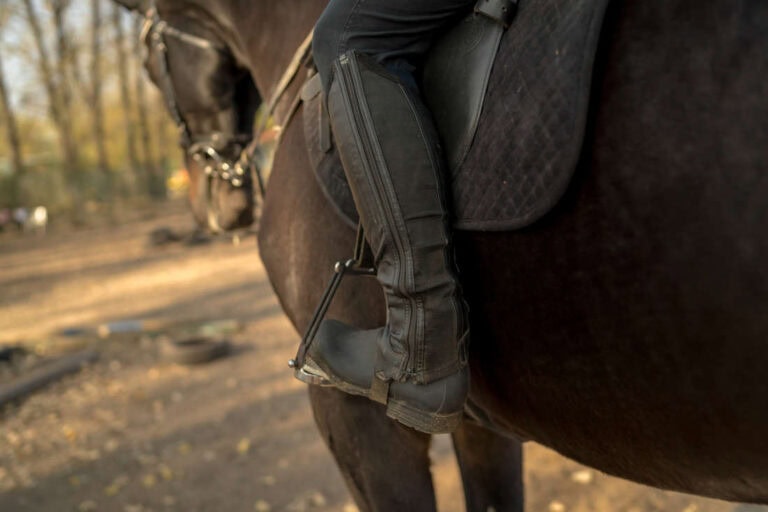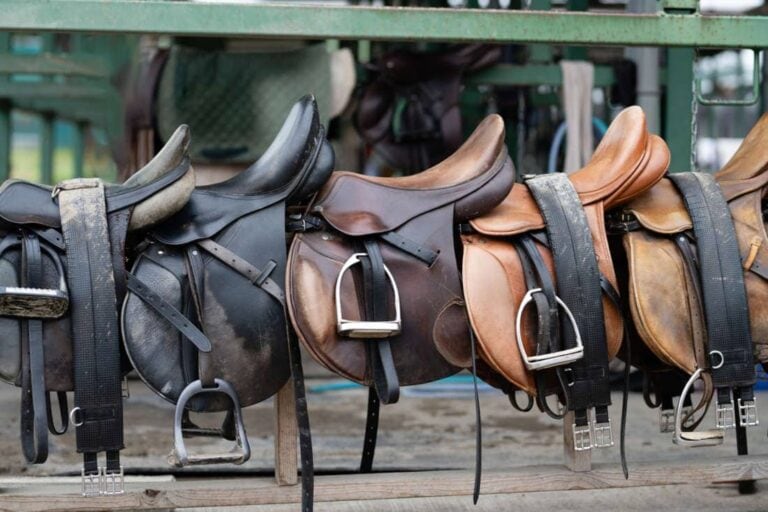
Horse saddles are structured pieces of tack designed to support the rider and distribute weight evenly across a horse’s back during riding. Used in disciplines ranging from dressage and show jumping to ranch work and trail riding, saddles improve stability,...
Rhinopneumonitis in horses, commonly called "rhino," is a contagious respiratory disease caused by equine herpesviruses (EHV-1 and EHV-4). These viruses are widespread in horse populations worldwide, and most horses are exposed at some point in their lives. While many cases...
Twitching is an equine restraint technique that is sometimes used during veterinary and husbandry procedures. Most often applied to the upper lip, a twitch is designed to limit movement and improve safety when a horse reacts to brief discomfort or...
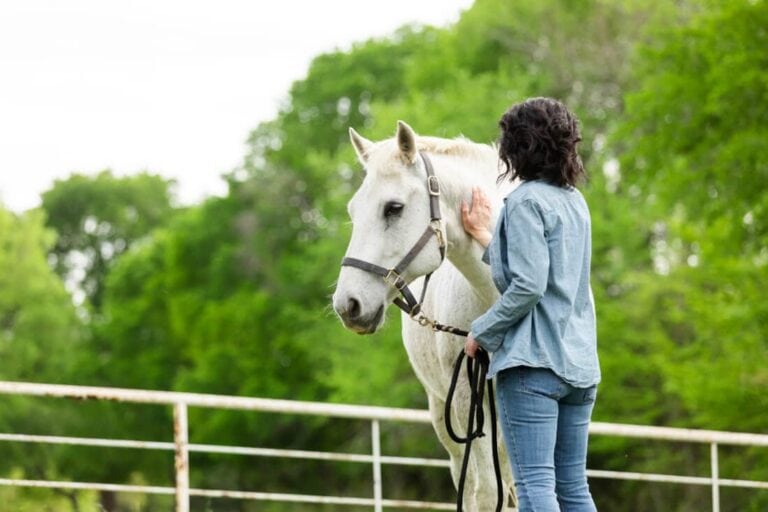
Halter training is one of the most important skills a horse learns, yet it is often rushed or oversimplified. A horse that understands the halter is safer to handle, easier to care for, and far less likely to panic during...
Catastrophic limb injuries are among the most serious emergencies a horse can face. They involve severe damage to bones, joints, or supporting soft tissues, leaving the horse unable to bear weight safely. Unlike minor strains, sprains, or small fractures, these...
Wild or feral horses spend most of their day grazing on a variety of grasses, shrubs, and other natural forage, carefully selecting plants to meet their nutritional needs. In contrast, domestic horses are often provided with concentrated feeds, hay, and...
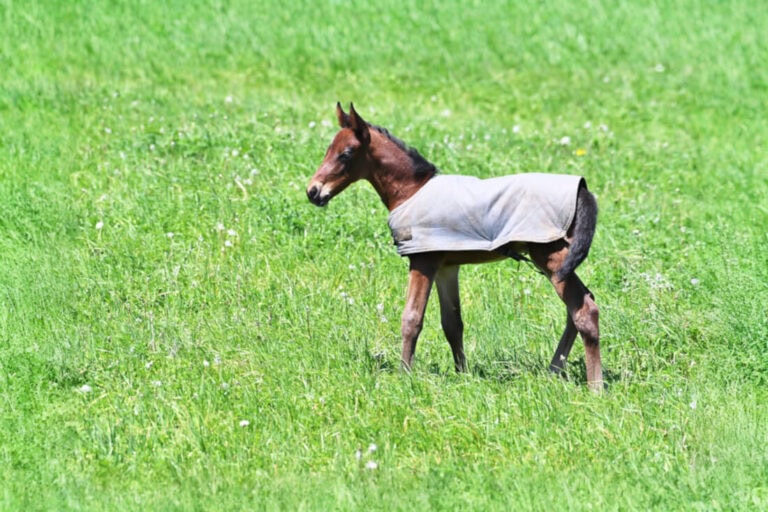
Foals are more vulnerable to cold than adult horses, especially in their first few weeks of life. Their limited fat reserves and higher surface-area-to-body-weight ratio mean they can lose heat quickly, particularly in wet, windy, or sudden cold weather. A...
Spurs are one of the oldest and most recognizable tools in horsemanship, designed to help riders communicate precise cues to their horses. While often associated with riding and competition, their proper use requires skill, sensitivity, and a thorough understanding of...
Threadworms (Strongyloides westeri) are an equine intestinal parasite that primarily affects newborn foals, making them one of the earliest parasitic concerns in young horses. Transmission often occurs through the mare's milk, allowing larvae to establish in the foal's intestines within...
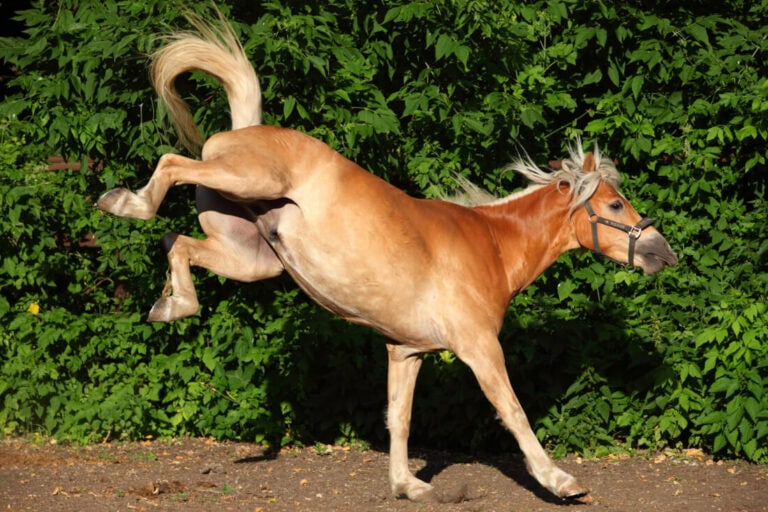
Bucking is an equine behavior that can be both thrilling and frightening for riders. It can be a playful leap in the pasture or a dangerous kick under saddle. Some horses buck to release energy or excitement, while others do...
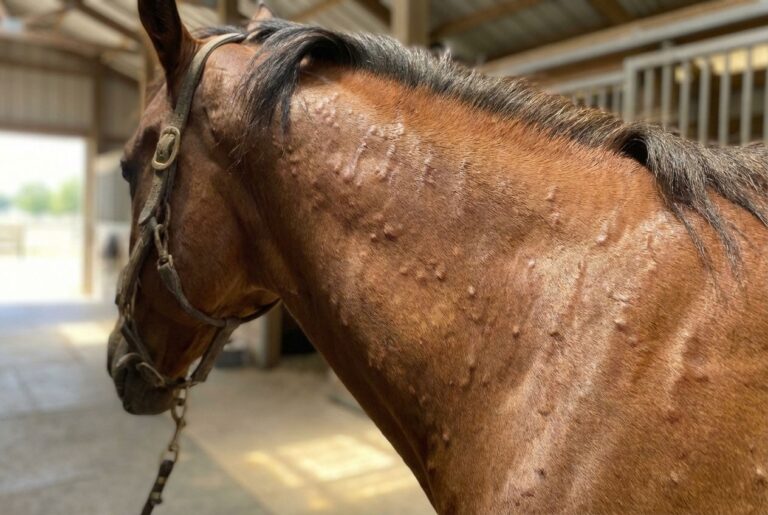
Raised, red, or itchy swellings on a horse's skin are commonly described as hives, wheals, or urticaria. While the terminology may differ between veterinarians, owners, or practitioners, they all refer to the same physiological reaction. "Hives" is the common term...
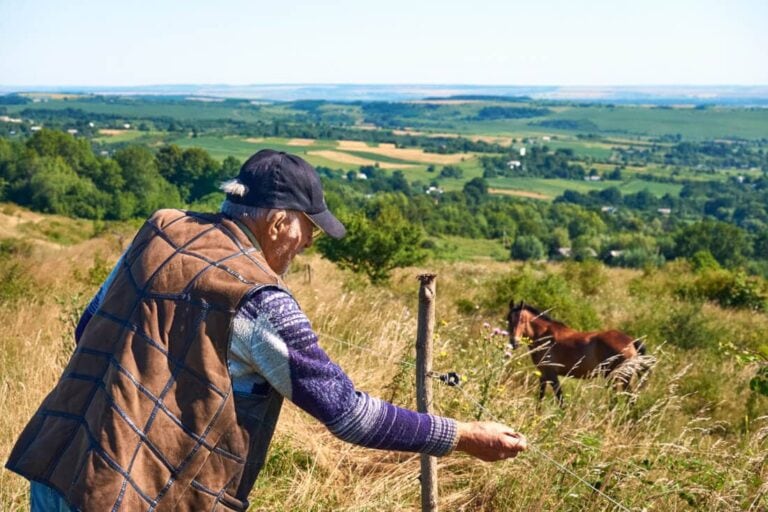
A safe, secure fence is one of the most important parts of keeping your horse safe. Fencing contains your horse, reduces the risk of injury, and helps keep wildlife or unwanted animals out of pastures. Because fences face constant pressure...
Hay is the cornerstone of most equine diets, providing the fiber necessary for gut motility and a healthy microbiome, along with essential nutrients to support body condition, energy levels, and overall well-being. However, when hay becomes moldy, its value as...
Lens luxation is an uncommon but serious eye condition in horses. It occurs when the lens — the clear, flexible structure inside the eye that helps focus light — slips out of its normal position. This displacement can cause pain,...
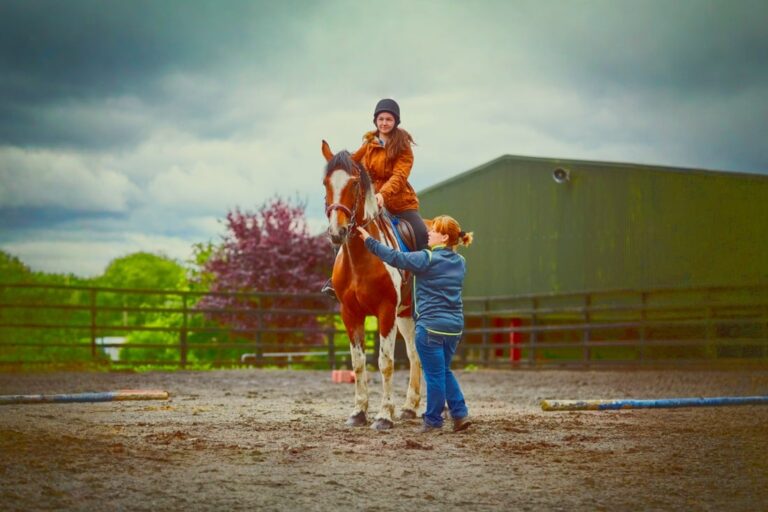
Starting horseback riding lessons is an exciting step for anyone eager to connect with horses and learn a new skill. Riding offers many benefits, including physical exercise, improved balance and coordination, and a deeper understanding of horse behavior. For beginners,...
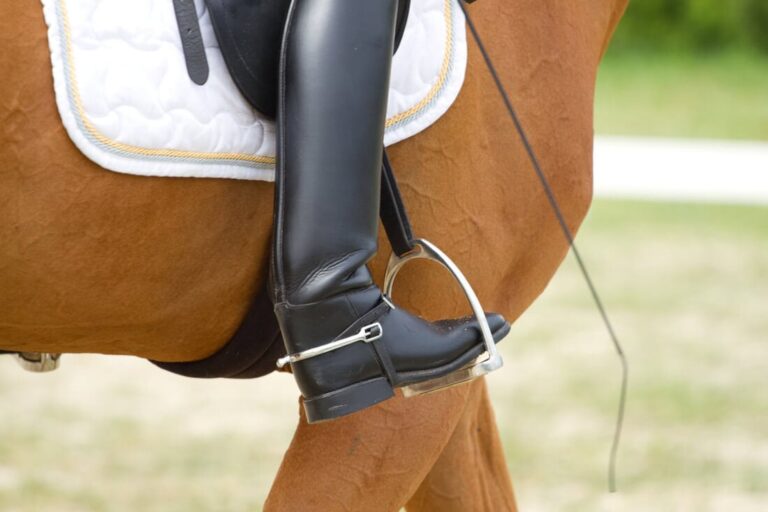
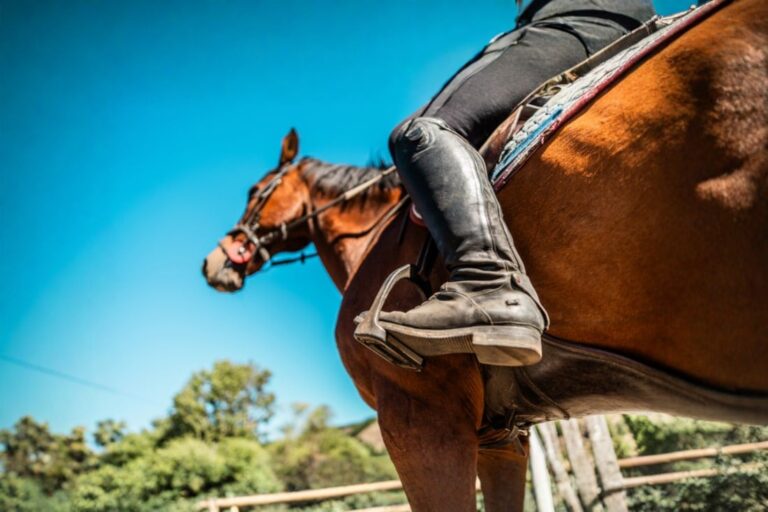
Stirrups are an important yet often underappreciated part of horse tack. These simple loops or frames attached to the saddle provide riders with stability, balance, and control while mounted. By anchoring the rider's legs, stirrups form a functional link between...
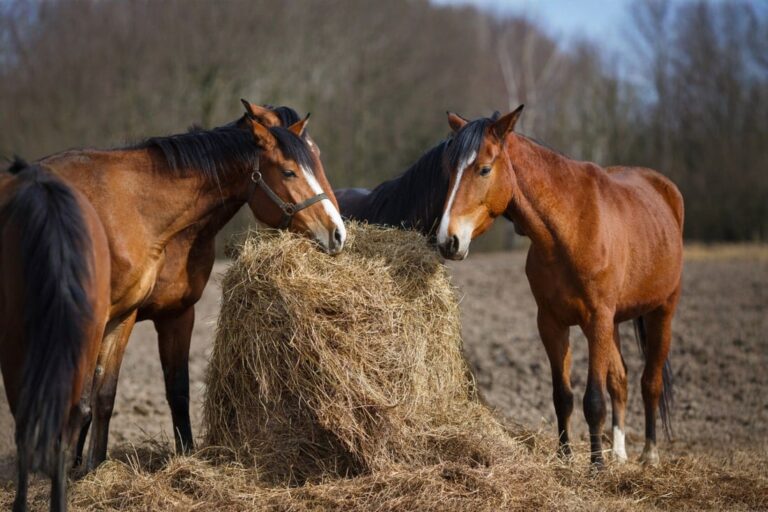
Food is one of the strongest motivators for horses, influencing their daily routines, interactions, and relationships with both humans and other horses. In some herds, mealtimes can lead to unwanted or even dangerous behavior that creates tension or conflict. Food...
Bell boots, also known as over-reach boots, are protective gear for horses, designed to shield the hooves and pasterns from injuries. They can also protect horseshoes, and may improve confidence during movement for certain horses and disciplines. These boots are...
The horse's eye is large, delicate, and vital for navigating its environment. Its prominent position and limited natural protection make it especially vulnerable to injury. Eye prolapse, also called proptosis, is uncommon but serious, occurring when the eyeball is displaced....
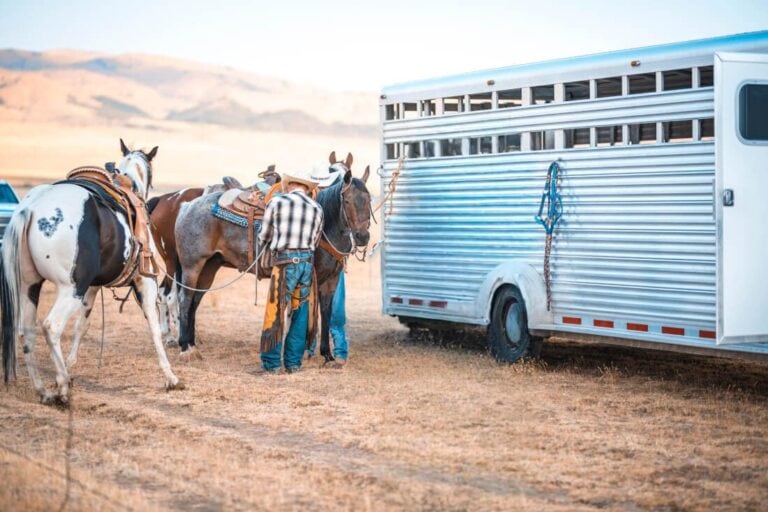
Selecting the best trailer for your needs involves evaluating how different designs impact safety, ventilation, ride comfort, loading ease, and long-term durability. Horses are sensitive travelers, and factors such as airflow, suspension, flooring, and interior space can make the difference...
Swollen sheath in horses is a common condition that owners may notice when the area around the penis appears enlarged or puffy. In many cases, sheath swelling is mild and temporary, often linked to inactivity, seasonal changes, or fluid retention...
Horse handling is one of the most routine and hazardous activities that takes place in any barn environment. Whether you're leading a quiet gelding to turnout or managing a fresh young horse on a cold morning, every interaction carries some...
Most horse owners know that poor air quality in dusty barns can cause coughing, nasal discharge, or laboured breathing in sensitive horses. But what happens when a horse seems worse outdoors—even on fresh green pasture? Just like people, horses can...
Keeping a horse barn safe goes beyond caring for the animals—it’s about protecting the people who work there. Every day, barn staff face hazards ranging from poor air quality and heavy lifting to unpredictable animal behavior, slippery surfaces, and machinery...
Running a horse farm—whether it's a small private stable or a large-scale boarding, training, or breeding facility—requires strong organization behind the scenes. One of the most valuable tools in managing horses and daily operations is effective record-keeping. Accurate records help...
Horse racing demands speed, precision, and safety—for both horses and riders. Inadequate racetrack surfaces are considered a risk factor for musculoskeletal and catastrophic injuries in horses at high speeds, making track design a crucial factor in preventing harm. To meet...
The New World screwworm (Cochliomyia hominivorax) is a highly destructive parasitic fly that poses a significant threat to equine health and welfare. Unlike typical fly larvae that feed on dead or decaying tissue, screwworm maggots consume living flesh, resulting in...
In equestrianism, the relationship between horse and rider relies on clear communication, trust, and mutual understanding. Natural aids—such as the seat, legs, hands, and voice—serve as the rider's primary tools for guiding the horse, while artificial aids like bits, whips,...
The quality of the air horses breathe plays a critical role in their overall health and performance. Unlike humans, horses have a highly sensitive and efficient respiratory system designed to meet the oxygen demands of intense physical exertion. However, this...
Keloids are an overgrowth of scar tissue that forms at the site of an injury in humans, extending beyond the original wound boundaries. They are dense, fibrous, and typically raised, smooth, and shiny in appearance. While horses do not develop...