English



The Belgian Warmblood is a sport horse breed with an impressive record of success in international competition. Renowned for combining power with elegance, these horses exhibit both scope over fences and expressive movement on the flat.
Bred primarily for show jumping, the Belgian Warmblood also excels in dressage and eventing, making these horses a popular choice among competitive riders. Their cooperative temperaments and trainability have made them popular across the equestrian community, from elite sport to recreational riders.
A carefully managed breeding program has enabled this small studbook to produce horses that possess the athleticism and temperament necessary to excel at the highest levels of sport. But like all sport horses, Belgian Warmbloods need careful management to perform at their best.
Keep reading to learn more about the history, characteristics, health problems, and nutritional needs of Belgian Warmbloods.
Belgian Warmblood Horse History
The Belgian Warmblood is a relatively young breed that evolved from an agricultural riding mount into a modern performance horse through decades of selective breeding.
Origin
The Belgian Warmblood’s origins trace back to the end of World War II in Belgium, when breeding goals shifted from producing horses for agricultural work to producing horses for sport. [1]
Before the 1950s, the Belgian government restricted the breeding of lighter horses to protect the native Brabant or Belgian Draft Horse breeds. Sport horse breeds from other European studbooks made up the majority of the foundation stock for the Belgian Warmblood. [2]
The foundation breeds of the Belgian Warmblood were the German Hanoverian and Holsteiners. [2] One study of genetic connectedness between European warmbloods found Belgium and France shared the highest number of connections. [3]
Belgian Warmbloods have an open studbook, which allows breeders to continue to introduce outside bloodlines from Thoroughbreds and other recognized warmblood breeds. [4]
Historic Use
Historically, horses in Belgium were bred primarily for farming and draft work. However, as the agricultural economy shifted and mechanization took over, breeders began repurposing their programs to develop horses for recreational riding. [4]
The Belgian Warmblood studbook placed a strong emphasis on conformation, movement, jumping ability, and temperament. This program enabled the Belgian Warmblood to quickly find a niche in show jumping.
By the 1970s and 1980s, Belgian Warmbloods were consistently producing top-level show jumpers, and the breed has remained a dominant force in the sport ever since. However, the breed has also gained recognition in other sports in recent years.
Breed Registry
The breed registry for Belgian Warmbloods is the Belgian Warmblood Studbook (BWP), established in 1955. [2] The BWP studbook maintains rigorous breeding standards, including inspections, performance testing, and veterinary evaluations.
In North America, Belgian Warmbloods are registered through Belgian Warmblood Paard North America (BWP/NAD), the official North American affiliate of the BWP studbook. [4]
These organizations follow similar guidelines to the BWP in Belgium, focusing on conformation, performance, and sound breeding practices to preserve the breed’s athletic qualities and international competitiveness.
| Breed Summary | |
|---|---|
| Breed Name | Belgian Warmblood |
| Breed Type | Warmblood |
| Origin | Belgium |
| Breed Registry | Belgian Warmblood Studbook (BWP); Belgian Warmblood Paard North America (BWP/NAD) |
| Population Status | Small studbook |
| Average Height | 16 – 17 hh |
| Common Coat Colors | Bay, chestnut, black, grey |
| Conformation | Well-set neck, sloping shoulders, strong broad back, muscular hindquarters, long straight legs, deep chest, ample heart girth, uphill tendency |
| Common Uses | Show jumping, dressage, eventing, hunter, equitation |
| Temperament | Sensible, cooperative, intelligent, focused, trainable, willing |
| Best For | Professional riders; skilled amateurs |
| Common Health Concerns | OCD, degenerative joint disease, tendon and ligament injuries, gastric ulcers |
| Price Range | $12,000–$60,000 |
| Weight | 1,200–1,500 lb (544–680 kg) |
| Lifespan | About 20+ years |
What's your top priority with your horse's health?

What's your top priority with your horse's health?
Belgian Warmblood Characteristics
The Belgian Warmblood is renowned for its athleticism, balanced temperament, and versatility. Bred with performance in mind, this modern sport horse exhibits the physical and mental traits necessary for elite competition while maintaining a cooperative and rideable disposition.
Conformation
Belgian Warmbloods exhibit correct and functional conformation, which supports long-term soundness and performance. They typically stand between 16 and 17 hands high and are well-proportioned with a harmonious frame. [4]
Desirable conformation traits in Belgian Warmbloods include:
- A well-set neck that allows for free movement and balance
- Sloping shoulders for fluid, expressive gaits and powerful jumping technique
- Strong, broad back and muscular hindquarters that provide impulsion
- Long, straight legs with correct alignment promote soundness
- Deep chest and ample heart girth to support aerobic capacity and stamina
These horses are bred with movement and function in mind. The Belgian Warmblood is expected to exhibit elastic gaits, scope over fences, and a natural uphill tendency, particularly in breeding inspections and young horse evaluations. [4]
Colors
Belgian Warmbloods are typically seen in solid coat colors, with the most common being:
- Bay
- Chestnut
- Black
- Grey
White markings on the face and legs are accepted. [4]
Color traits are not a selection criterion in BWP breeding decisions, as the focus remains on athleticism, rideability, and soundness. [4]
Temperament
The ideal Belgian Warmblood has a sensible and cooperative temperament. These horses are bred to be intelligent, focused, and trainable, making them well-suited to both professional riders and skilled amateurs.
Desirable temperament traits in Belgian Warmbloods include:
- Calm under pressure
- Willing and eager to work
- Responsive to aids without being overly sensitive
- Adaptable to different riders and training environments
Since the BWP studbook prioritizes character and willingness in its breeding goals, Belgian Warmbloods are renowned for their reliable disposition in competition settings and their ability to form strong partnerships with riders. [4]
However, every horse is an individual, and personalities can vary.
Disciplines
The Belgian Warmblood is especially dominant in show jumping, with many top-performing horses competing at the top level. The studbook is consistently ranked among the top in the World Breeding Federation for Sport Horses (WBFSH) show jumping rankings. [5]
While show jumping remains the breed’s specialty, Belgian Warmbloods also excel in dressage and eventing. In North America, Belgian Warmbloods are also popular hunter and equitation mounts due to their fluid movement, willing temperaments, and jumping ability.
The breed’s adaptability and performance reliability make Belgian Warmbloods suitable for a wide range of disciplines and riders. However, some Belgian Warmbloods bred for top sport may have hotter, more sensitive characters.
Belgian Warmblood Health
Belgian Warmbloods are generally regarded as healthy, athletic horses. However, like many high-performance sport horses, they are susceptible to certain health issues associated with intense training and competition.
Genetic Diseases
The BWP has implemented rigorous health and radiographic (X-ray) screening in its stallion selection process to minimize the transmission of heritable defects. [4]
Although the breed does not have a high incidence of any one specific genetic disorder, Belgian Warmbloods are susceptible to congenital orthopedic conditions often found in Warmbloods.
Osteochondrosis dissecans (OCD) is a developmental orthopedic disease affecting the cartilage and bone of growing horses. It is one of the most widely studied conditions in warmblood breeds, including Belgian Warmbloods. Heritability studies indicate a moderate genetic influence. [6]
Breeding stallions in the BWP system must undergo a comprehensive radiographic exam, and horses with serious hereditary defects are excluded from the studbook. [4]
Health Problems
While Belgian Warmbloods are bred for athletic durability, performance horses are still at risk for common performance horse health issues.
Chronic wear-and-tear on joints is common in show jumpers and can lead to degenerative joint disease without proper management. Preventive joint care, appropriate footing, and balanced nutrition play key roles in reducing long-term joint degeneration. [7]
Tendon and ligament injuries can also occur in warmbloods with sports careers. Regular conditioning, structured training routines, and adequate rest periods can help reduce the risk of injury. [7]
Belgian Warmbloods, particularly those involved in intense work and frequent travel, are prone to gastric ulcers. It is estimated that over 60% of sport horses experience some degree of gastric ulceration. [8] Nutritional management is key for maintaining gut health in horses.
Care and Management
Regular veterinary oversight and proactive management strategies are crucial for maintaining the long-term health and well-being of Belgian Warmbloods.
To support the health and longevity of Belgian Warmbloods, horse owners should implement a management plan that addresses the unique needs of performance horses:
- Veterinary Care: Schedule regular lameness exams and wellness check-ups to detect issues early.
- Dental Care: Provide routine dental evaluations and floatation to maintain proper chewing and digestive health.
- Farriery: Routine trimming and proper shoeing maintain hoof balance and support soundness.
- Turnout: Daily turnout supports musculoskeletal health, reduces stress, and encourages natural behaviors.
In addition, structured conditioning programs and cross-training help maintain musculoskeletal health and reduce injury risk. By supporting these horses with management that enhances their welfare, Belgian Warmbloods can enjoy long, successful sport careers while maintaining soundness and quality of life.

Nutrition
Belgian Warmbloods require a well-balanced diet to support performance, recovery, and overall health. Feeding programs should be individualized based on workload, age, and health status.
Weight Maintenance
Belgian Warmbloods are generally easy keepers, meaning they have efficient metabolisms and are prone to obesity when overfed.
However, Belgian Warmbloods with sport careers often have higher caloric and protein requirements, particularly during periods of growth or heavy training.
To support a healthy body condition in your Belgian Warmblood:
- Maintain a Body Condition Score (BCS) between 4 and 6 on the 9-point Henneke scale
- Monitor weight regularly using a weight tape or equine scale
- Adjust energy intake as workload changes to avoid unwanted weight gain or loss
Some performance horses may lose weight during travel or competition due to stress. Unexplained weight loss may also be a sign of ulcers, so always contact your veterinarian with any concerns about your horse’s weight. [8]
Sample Diet
The following sample diet is intended for a mature 600 kg (1,300 lb) Belgian Warmblood horse with normal body condition at maintenance (not exercising).
| Feed | Amount per day |
|---|---|
| Mid-Quality Hay (8% crude protein) | Free-choice |
| Salt | 30 g (2 tbsp) |
| Omneity® | 250 g (2.5 scoops) |
| Diet Analysis | |
| Digestible Energy (% of Req) | 105% |
| Protein (% of Req) | 125% |
| HC (ESC + starch; % Diet) | 8.6% |
Forage is the primary source of energy in the equine diet. However, Belgian Warmbloods in heavy work may need additional energy sources, such as a high-quality fat supplement.
Since hay is deficient in several nutrients that are essential for horses, feeding hay alone will not meet all of your Belgian Warmblood’s nutrient requirements. Providing a vitamin and mineral supplement can help fill these nutritional gaps and balance the diet. [9]
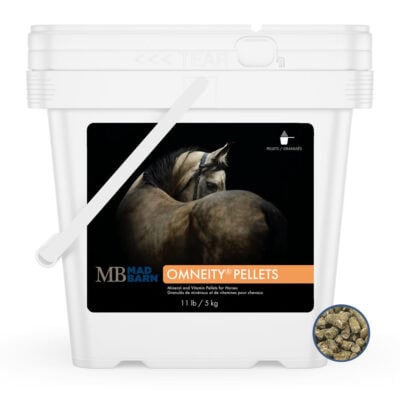
Mad Barn’s Omneity® is a complete vitamin and mineral supplement formulated to balance a forage-based diet. Feeding Omneity® supports hoof health, coat quality, athletic performance, immune function and overall well-being in Belgian Warmbloods.
Free-choice access to a salt source can support hydration, but most horses will not consume enough from a salt lick to meet their sodium needs.
Our nutritionists recommend adding 2 tablespoons of loose salt to the daily feed. Horses should also have unlimited access to fresh, clean water. [9]
Forage
Forage should form the foundation of your horse’s diet. Most Belgian Warmbloods do best on mid-maturity grass hay that is low in starch and sugar.
Feed a minimum of 1.5–2% of your horse’s body weight in forage per day to support optimal digestive health and behavioral needs. Horses in heavy work may need higher-quality hay to meet their protein and energy needs. [9]
For ulcer-prone horses, adding some alfalfa hay can help buffer stomach acid because its high calcium content neutralizes acidity.
However, alfalfa should be fed as part of the forage mix rather than the sole forage source, as its calcium-to-phosphorus ratio is not balanced for long-term bone and joint health. [10]
When access to pasture is limited due to space or health concerns, offer forage throughout the day using slow feeders to mimic natural grazing behavior and reduce boredom or stress. [10]
Equine nutritionists recommend conducting a forage analysis regularly. Sending a sample of your hay for analysis provides the most accurate information about your horse’s diet and any gaps that may need filling.
Feeding Recommendations
Feeding Belgian Warmbloods well means meeting their energy needs while supporting healthy digestion and providing all essential nutrients.
For horses with a history of gastric ulcers, avoid high-starch grains, which can cause digestive and metabolic issues. If you need a carrier for supplements or medication, consider using a fat supplement with a high-fiber feed to support natural digestion without overloading the gut. [10]
If grain or other concentrates can’t be avoided completely, divide them into small, frequent meals to minimize spikes in blood sugar and reduce digestive stress. [10]
Always ensure unlimited access to fresh, clean water and free‑choice salt to support hydration and electrolyte balance. Finally, monitor your horse’s body condition regularly and adjust daily energy intake as needed to keep weight in a healthy range.
Nutritional Supplements
Belgian Warmbloods in competition or heavy training may benefit from targeted nutritional support to promote recovery, joint health, and digestive function, such as:
- W-3 Oil: A fat supplement rich in algae-derived omega-3 fatty acids, providing anti-inflammatory support and a calorie-dense energy source without added starch
- Visceral+: A comprehensive gut-health supplement formulated to support horses at risk of gastric ulcers, especially useful for competition-stressed Belgian Warmbloods
- MSM: A proven oral joint supplement that helps protect cartilage; recommended for intensive training, growing, or aging horses
Submit your Belgian Warmblood’s diet online for a free evaluation from our qualified equine nutritionists.
Frequently Asked Questions
Here are some frequently asked questions about Belgian Warmbloods:
The Belgian Warmblood is a modern sport horse breed developed in Belgium for athletic performance. The breed evolved from postwar breeding programs that shifted away from agricultural horses toward competitive riding horses. Belgian Warmbloods are known for combining power, scope, and elegance, with strong success in show jumping as well as dressage and eventing.
Belgian Warmbloods are used primarily for show jumping, where they are especially well known for scope, power, and careful technique over fences. Belgian Warmbloods also perform well in dressage and eventing, and in North America they are popular as hunter and equitation mounts. Their athleticism, willing temperament, and expressive movement make them suitable for a wide range of competitive disciplines. While show jumping remains the breed’s specialty, their versatility adds to their appeal.
Belgian Warmbloods are large, well-proportioned sport horses with functional conformation designed for soundness and performance. They typically have a well-set neck, sloping shoulders, a strong broad back, muscular hindquarters, long straight legs, a deep chest, and ample heart girth. Belgian Warmbloods are also known for elastic movement, an uphill tendency, and the scope needed for jumping. Their overall build reflects the breed’s emphasis on athletic ability, balance, and durability.
Belgian Warmbloods most commonly come in bay, chestnut, black, and grey. White facial and leg markings are also common and accepted. Color is not the main focus of Belgian Warmblood breeding, since selection is centered more on athleticism, rideability, and soundness. As a result, most Belgian Warmbloods are seen in solid, traditional sport horse colors.
Belgian Warmbloods are generally known for being sensible, cooperative, intelligent, and trainable. They are bred to be willing workers that stay focused under pressure, which helps explain their popularity in competition. Belgian Warmbloods are often responsive to the aids without being overly sensitive, and many adapt well to structured training programs. Although individual personalities vary, the breed is widely valued for a reliable and rideable temperament.
Belgian Warmbloods typically stand between 16 and 17 hands high. That height range gives them the size and presence expected of a modern sport horse without sacrificing balance or athleticism. Their frame supports power for jumping, expressive movement, and overall versatility in performance disciplines.
Belgian Warmbloods can be suitable for amateur riders, especially skilled amateurs looking for a trainable and cooperative sport horse. Many Belgian Warmbloods have sensible temperaments that make them appealing to riders outside the professional ranks. However, some horses bred for top-level sport may be more sensitive, powerful, or demanding to ride. The best match depends on the individual horse’s training, temperament, and intended use.
Belgian Warmbloods differ from some other warmbloods in their strong emphasis on show jumping performance and their open studbook. The Belgian Warmblood breeding program allows approved outside bloodlines from other recognized sport horse registries, which helps breeders refine athletic traits over time. Belgian Warmbloods are also associated with a relatively small but carefully managed studbook focused on conformation, performance, and temperament. Compared to other warmblood populations, they are especially recognized for producing competitive jumpers.
Belgian Warmbloods can be prone to some of the same health issues seen in other sport horses, especially orthopedic and performance-related problems. Common concerns include osteochondrosis dissecans (OCD), degenerative joint disease, tendon and ligament injuries, and gastric ulcers. These risks are influenced by genetics, training intensity, footing, travel, and management. Good nutrition, thoughtful conditioning, and regular veterinary care help reduce the likelihood of long-term problems.
A forage-based diet is best for most Belgian Warmbloods, with hay or pasture forming the foundation of the feeding program. Belgian Warmbloods also benefit from a balanced vitamin and mineral supplement because forage alone may not meet all their nutrient requirements. Horses in training or competition may need additional calories, protein, or targeted support for joints and digestive health. Because Belgian Warmbloods can vary from easy keepers to high-output athletes, the best diet should be adjusted to workload, body condition, and health status.
Belgian Warmbloods in North America are registered through Belgian Warmblood Paard North America, or BWP/NAD. This organization is the official North American affiliate of the Belgian Warmblood Studbook and follows studbook standards focused on pedigree, quality, and breeding eligibility. Owners and breeders typically work through BWP/NAD for registration paperwork and related requirements. For current registration steps, the studbook’s official guidelines should be followed.
Summary
The Belgian Warmblood is a modern sport horse that excels in show jumping, dressage, and eventing. Bred for athleticism and versatility, their success depends on proactive health management, conscientious training, and tailored nutrition.
- Registered by the Belgian Warmblood Studbook (BWP) and BWP/NAD in North America, with rigorous inspections and performance testing
- Ideal conformation is 16–17 hands high, with elastic gaits, uphill tendency, and a balanced, trainable temperament
- Health risks include OCD, degenerative joint disease, tendon injuries, and gastric ulcers
- Management best practices include routine veterinary exams, farrier care, structured conditioning programs, and daily turnout for well‑being
References
- Theunissen. B. The Transformation of the Dutch Farm Horse into a Riding Horse: Livestock Breeding, Science, and "Modernization," 1960s–1980s. Agricultural History. Duke University Press. 2018.
- Johnson. B. Bewildered by Brands? The Chronicle of the Horse. 2007.
- Ruhlmann. C. et al. Genetic Connectedness between Seven European Countries for Performance in Jumping Competitions of Warmblood Riding Horses. Livestock Science. Elsevier BV. 2009.
- 2024 Stallion & Breeding Guide. Belgian Warmblood North American District. 2024.
- Studbook Rankings. WBFSH. 2025.
- Serteyn. D. et al. Gene Expression Profiling from Leukocytes of Horses Affected by Osteochondrosis. Journal of Orthopaedic Research. 2010.
- Dyson. S. Lameness and Poor Performance in the Sport Horse: Dressage, Show Jumping and Horse Trials. Journal of Equine Veterinary Science. Elsevier BV. 2002.
- Pedersen. S. K. et al. Risk Factors for Equine Glandular and Squamous Gastric Disease in Show Jumping Warmbloods. Equine Veterinary Journal. Wiley. 2018.
- Nutrient Requirements of Horses: Sixth Revised Edition. National Academies Press, Washington, D.C. 2007. View Summary
- Nutrition for the Equine Athlete: Nutrient Requirements and Key Principles in Ration Design. Equine Sports Medicine and Surgery. Elsevier. 2024.