English






Most horse owners have a regular training routine for their equine companions. From weekend trail hackers to high performance athletes, horses give us their best physical fitness time and again. But have you ever wondered how regular exercise and training benefits your horse in the long-term?
In addition to well-known cardiovascular and muscle building benefits, regular exercise supports digestive function and healthy weight maintenance in horses. Proper fitness training also helps reduce the risk of injury and improves bone mass in working horses.
But the benefits of exercise go beyond physical fitness and sports performance. Regular activity is also key to your horse’s mental well-being, reducing stereotypic behaviors, providing mental stimulation and building trust between horse and rider.
Read on to learn more about the benefits of exercise for horses, as well as some of the top training practices to keep your horse in great shape, regardless of age or ability.
Why Do Horses Need Exercise?
Horses evolved to graze continually, covering vast ranges of land in search of vegetation. Research shows that wild horses travel approximately 17.9 km (11 miles) per day when in their natural habitat. [1][2]
However, domestic horses walk much less than this, covering only 7.2 km (4.5 miles) per day when turned out in a large field (40+ acres). Horses that are housed in smaller 2-acre fields cover even less than this, averaging only 1.1 km (0.68 miles) per day. [1][2]
Many horses also have limited turnout, spending most of their day confined in stalls. Some elite equine athletes, such as Thoroughbred racehorses, spend nearly 23 hours a day in stall confinement, only getting exercise during athletic training sessions.
This stark contrast highlights the importance of appropriate exercise routines for domestic horses to ensure they remain active, prevent health issues, and address psychological needs for movement and environmental stimulation.
17 Benefits of Exercising your Horse
Exercise is key to maintaining the health and well-being of horses. Whether they’re galloping across open fields or participating in structured workouts, regular physical activity offers a multitude of benefits for equines of all ages and lifestyles.
Here are the top 17 health and wellness benefits of regular exercise for your horse:
1) Improves Cardiovascular Function
Regular exercise promotes heart health in horses. Fitness training leads to cardiovascular adaptations, strengthening the heart and circulatory system and contributing to improved athletic performance.
An equine heart rate monitor can be used to measure some of these beneficial changes in cardiovascular function.
One important fitness indicator is the horse’s velocity (speed) when its heart rate reaches 200 beats per minute (V200). Fit horses achieve a faster speed before reaching this heart rate, showcasing improvements in their cardiovascular health. [3]
Recovery heart rates are also valuable for assessing fitness after an exercise bout, with fit horses returning to their resting heart rate more rapidly than their less fit counterparts. [4]
Exercise training also reduces heart rate during moderate intensity exercise, as demonstrated in Thoroughbred horses engaging in treadmill workloads after a conventional training program. [5]
Regular exercise also enhances your horse’s endurance and overall fitness levels. One study showed after six months of yearling race training, key indicators of cardiovascular health improved and were maintained even after a period of detraining (when the horse is not regularly exercising). [6]
What's your top priority with your horse's health?

Enter your email to receive your store credit
2) Improves Respiratory Function
Regular exercise can also support respiratory health in horses, promoting more efficient oxygen exchange. When the horse engages in exercise, such as trotting, cantering, or galloping, there is a significant increase in oxygen consumption due to the increased energy demands of the muscles.
To meet this heightened demand, the horse responds by increasing its respiratory rate (the number of breaths per minute) and tidal volume (the volume of air inhaled and exhaled with each breath). Combined, this is referred to as minute ventilation, which calculates the total volume of air exhaled per minute.
Research shows that horses experience a 10-fold increase in minute ventilation from rest to exercise. [7] This rapid increase is essential for maintaining the horse’s stamina and performance during physical exertion.
Horses also experience an increase in oxygen uptake after a training session, meaning that the horse is better able to extract oxygen from the bloodstream and utilize it effectively in muscle cells. [8]
This improvement can be attributed to hemoglobin, a protein that is responsible for carrying oxygen throughout the body. Hemoglobin exhibits a stronger attraction to oxygen in well-conditioned horses, resulting in more efficient oxygen delivery to muscles. [8]
The increased oxygen uptake can boost maximal oxygen consumption (VO2 max), ultimately improving stamina and decreasing fatigue during subsequent exercise sessions.
3) Improves Energy Metabolism
Regular exercise improves energy efficiency in horses of all ages by increasing mitochondrial density and function. [9]
The mitochondria are organelles found in cells that play a crucial role in producing energy needed for exercise and everyday activities. They are responsible for generating adenosine triphosphate (ATP), the primary energy currency of cells.
Both endurance training and high-intensity exercise stimulates mitochondrial adaptation, enabling cells to process energy more efficiently. [10][11]
Endurance exercise, characterized by long bouts of activity mainly at a walk and trot, has been shown to improve mitochondrial function in equine muscle, enhancing the ability of muscle cells to generate ATP. [10]
High-intensity exercise, such as the rigorous training used for racehorses, has also been shown to promote mitochondrial biogenesis, leading to an increase in the number of mitochondria within muscle cells. [11]
4) Strengthens Muscles
To improve strength and conditioning, horses must regularly use their muscles. Consistent moderate exercise promotes skeletal muscle health and supports overall musculoskeletal function. [9]
Exercise plays a crucial role in building muscle strength through multiple biological processes, including:
- Hypertrophy: Muscle hypertrophy is initiated by microscopic damage sustained by muscle tissue during exercise. When the body repairs and rebuilds these fibers during rest and recovery, it compensates for the damage by building the new muscle up so it is thicker and stronger. [12]
- Neural Adaptations: Exercise enhances the nerve-muscle interaction. With consistent exercise, the nervous system becomes more efficient at recruiting muscle fibers, which improves coordination. Better coordination makes movement more efficient, allowing the muscles to exert more force, which builds strength. [13]
5) Improves Gait and Flexibility
Specific types of exercise can enhance flexibility and gait quality in horses. Exercises that involve transitioning between different gaits, such as trot-canter-trot and canter-walk-canter, help improve balance, coordination, and overall gait quality.
In addition, dynamic mobilization, core strengthening, balancing, circular, jumping, and pole exercises improve posture, stimulate core muscle activation, and enhance gait quality without excessive load on the lower limbs. [14]
Types of exercise associated with improved flexibility in horses include: [12][15][16][17][18][19]
- Stretching: Regular stretching exercises help maintain and improve muscle flexibility and overall stride quality.
- Motor control and proprioception: Discipline-specific exercises challenge and fine-tune motor control and proprioception (awareness of body position), which enhances overall stability and flexibility.
- Changing surfaces: Working on varied surface substrates and inclines encourages adaptability and engages different muscle regions.
- Aquatic exercises: Swimming or water-based exercises provide low-impact conditioning and flexibility benefits.
- Gymnastic exercises: Regular gymnastic exercises including backing up, turning in small circles, and riding over raised poles help horses develop muscle tone, improve flexibility, enhance balance, and increase overall confidence and trust.
6) Improves Bone Mass
Research shows exercise leads to increased bone density in horses of all ages, with young horses experiencing the most substantial benefits. [20][21][22][23] Exercise places strain on the horse’s bones, which respond by increasing bone strength.
In mature horses, exercise stimulates bone remodeling, a process in which damaged bone cells are resorbed by the body and replaced with new, healthy cells. Appropriate exercise helps maintain the strength and integrity of bones as horses age.
For horses in early life stages, movement also influences the formation and quality of the final structure of bone tissue. In one study, weanling horses that sprinted five days a week had improved bone mass compared to non-exercised weanlings. [24]
7) Improves Joint Health
Exercise also promotes benefits for joint health in horses by increasing blood flow to the joints and stimulating the synthesis of proteoglycans, a component of connective tissue. [25]
Connective tissue provides the structural framework within and around joints, providing support, stability, and flexibility. Cartilage is a type of connective tissue located in joints at the ends of bones, serving as a crucial shock absorber and preventing bones from rubbing against each other.
Research shows that cartilage development is influenced by exercise, as evidenced by increased cartilage thickness in horses after completing an exercise study. [20][26]
8) Reduces Risk of Injury
Well-designed exercise programs not only help your horse achieve their full athletic potential, but can also help prevent injury. [29]
Regular training at lower intensity reduces the risk of competition-related injuries. [27] For horses with an increased risk of injury, performing more slow, regular exercise can help the body adapt to a higher workload and potentially avoid injuries. [28]
A survey conducted at race tracks in Kentucky, California, and Florida revealed that horses experiencing a disruption in their exercise routine were more prone to race-related injuries than those regularly engaged in exercise. [30]
By gradually building conditioning, exercise supports the horse’s muscles, tendons, ligaments, and bones, reducing the probability of lameness.
9) Promotes Weight Management
Exercise helps to keep your horse at a healthy weight and promotes weight loss in over-conditioned horses.
A survey conducted in Great Britain revealed that horses used for pleasure riding were less prone to being overweight compared to those that did not exercise daily. [31]
Adjusting the intensity of exercise also helps horses maintain an ideal body condition score. Increasing a horse’s exercise level from light (i.e. walk and trot) to moderate (i.e. canter and skilled movement, such as jumping or cow work) results in a substantial reduction in the number of overweight horses within a population. [32]
10) Improves Insulin Sensitivity
Exercise is also recommended for horses dealing with equine metabolic syndrome, along with dietary modifications to reduce hydrolyzable carbohydrate intake. [33]
Consistent exercise can significantly reduce your horse’s risk of developing insulin resistance by up to 8 times compared to horses that do not exercise. [34]
Insulin is the main hormone in the horse’s body that is involved in regulating blood sugar. Horses with certain metabolic conditions are less sensitive to insulin, disrupting normal sugar metabolism and leading to issues such as weight gain, diminished performance, loss of topline and, potentially laminitis.
Research shows that exercise alters signaling pathways within muscles, making the cells more responsive to insulin’s effects. This can support metabolic health and reduce hyperinsulinemia (high blood insulin).
11) Improves Nutrient Digestion
Exercise also has benefits for digestive function in horses, improving the digestibility of nutrients in the diet. This means that the horse can extract and absorb more of the nutrients in their forage and feed.
Studies indicate that five weeks of regular exercise enhances the digestibility of fiber, protein, and energy in equine diets. [35]
Exercise also contributes to better gut health, including increased microbial activity in the hindgut and enhanced fibre fermentation. [35]
12) Reduces Risk of Colic
Exercise helps promote healthy gut function by stimulating the movement of feed through the intestines (gut motility). When horses get more voluntary exercise in turnout compared to being stabled, their gut motility is higher. [36]
Improved motility also contributes to a reduced risk of gut-related complications, such as colic, which is a leading cause of death in mature horses.
Regular low-impact movement, whether through exercise or voluntary activity, is linked to a reduced risk of colic, compared to horses confined in stables the majority of the time. [37][38]
13) Provides Stress Relief
Horses experience stress from a variety of factors related to their environment and management, including transportation, handling, stall confinement, changing social groups, or inability to express natural behaviors.
Stress can negatively affect your horse’s mental health, making them unwilling to work or difficult to handle. Researchers use several different indicators to measure stress in horses, including cortisol levels (the primary stress hormone), heart rate, and immune cell concentrations.
While intense exercise may induce stress in certain situations, moderate exercise has been shown to alleviate stress in horses. One study showed that cortisol levels were lower in horses engaged in exercise compared to horses not participating in any exercise. [39]
Another study found that six weeks of dressage training in Lusitano horses led to improvements in stress markers, including reduced cortisol levels, heart rate, and immune cell counts. [40]
14) Reduces Stereotypic Behaviors
Stereotypic behaviors are repetitive patterns of behavior that appear to have no obvious goal or function. These behaviors often develop as a result of frustration, confinement, social isolation or other environmental factors that detract from welfare.
A lack of physical exercise from spending too much time confined in a stall has been shown to contribute to locomotion stereotypies, such as weaving and stall walking. [41]
Increasing time spent in turnout can reduce the incidences of these behaviors while also contributing to improved welfare. [41]
15) Promotes Health in Senior Horses
Low-intensity exercise has been shown to mitigate age-related declines in muscle strength and function in elderly humans, leading to decreased disability and mortality. [42]
While there are limited comparable studies in horses, a recent survey found that 79% of horses 15 years or older were either fully or semi-retired with little exercise. Of those, 17% reported loss of muscle mass. [43] This suggests that the benefits of exercise are just as important for senior horses as they are for humans.
Health concerns may limit the athletic ability of senior horses, including the following conditions:
- Osteoarthritis
- Pars pituitary intermedia dysfunction (PPID or Cushing’s Disease)
- Laminitis
- Lameness
- Degenerative suspensory ligament desmitis
However, research shows several beneficial effects of exercise in aged horses, including: [44][45]
- An increase in the number of type II muscle fibers, which produce a fast-twitch speed and grow to larger sizes than other muscle fiber types
- An increase in satellite cells (muscle stem cells) around type II fibers, indicating a better capacity for repairing and rebuilding muscle
- An increase in mitochondrial capacity, the powerhouse of the cell
- Reduced muscle damage following exercise training
It is important to consult with your veterinarian to determine the best plan for your senior horse. If riding or exercise is not possible, consider maximizing turnout to provide as much activity as your horse is capable of.
16) Promotes Bone Development in Young Horses
Bone modeling in young horses is an important developmental process that involves the shaping and strengthening of bones as the horse grows.
Exercise puts strain on bone tissue, stimulating resorption (breakdown) of damaged cells and proliferation of new, stronger cells to build the final structure of mature bone. This process ensures growing horses can adapt to future exercise demands.
If the load on the bone is insufficient, such as when young horses are frequently stalled, bone is resorbed without robust replacement or modelling to compensate. For this reason, young horses placed in stalls during early training often show bone loss and a higher incidence of injuries. [46]
Most exercise types, including trotting, sprinting, treadmill use, and pasture turnout, have been shown to enhance measures of bone health in young horses, including: [47]
- Bone mineral content
- Bone strength
- Bone circumference
- Bone volume
Interestingly, endurance exercises including long bouts of slow walking, trotting, and cantering failed to produce enough strain to elicit bone changes in young horses. [48]
The challenge for owners is to provide enough exercise to support effective bone modeling while avoiding over-exertion in young horses. Both insufficient and excessive exercise can hinder the development of tendons and cartilage in young horses. [47]
17) Improves Future Training Performance
Exercise in growing horses may also help to improve future training performance, both by developing neuromuscular connections and by supporting anaerobic capacity.
A study of young Warmbloods found that starting free jumping exercise at 6 months of age improved jumping techniques when the horses were 4 years old. These differences did not persist once the group of horses reached 5 years, suggesting that exercise may improve early learning activities but may not be permanent. [49]
Providing exercise or pasture access to foals housed in stalls has also been shown to improve capillary supply and indicators of oxidative capacity in young Warmbloods.
These improvements persisted even after the horses entered a regular exercise program, suggesting that the early effects of training may have a lasting impact in young horses. [50]

How Much Exercise Does my Horse Need?
Wondering how much exercise your horse needs to experience some of the benefits listed above? The optimal type, intensity, and duration of exercise for each horse varies greatly. Factors influencing exercise needs include:
- Age
- Breed
- Temperament
- Fitness level
- Health status
- Discipline
- Performance goals
Working with a qualified trainer can help you assess your horse’s current exercise needs and develop an appropriate conditioning program to match your goals.
You may also need to make adjustments over time. If you notice an increase in stereotypies or other signs of stress, you might need to re-evaluate your horse’s exercise routine, as well as their overall management.
If your horse exhibits sudden changes in physical fitness or ability, talk to your veterinarian. Sudden changes in performance may point to an injury or other health concern that needs to be addressed before training continues.
Types of Exercise Routines
In addition to determining how much exercise your horse needs, you will also need to consider different types of training protocols based on their discipline:
- Suppling exercises: Encourage the horse to stretch through their neck and back with a rider on. There are also passive stretches that an owner can help the horse perform while on the ground to help prepare for exercise.
- Hill work: Can help develop muscles, strength, and the topline of your horse while also improving cardiovascular health and balance. Horses must already be at an adequate level of fitness before advancing to demanding hill-based exercise as these programs place added stress on the joints.
- Aerobic exercises: Low to moderate intensity activities that are sustained for a long period of time, developing the muscle’s ability to efficiently use oxygen.
- Anaerobic exercises: Short bursts of high-intensity exercise that raise the horse’s heart rate and respiration rate. During anaerobic exercise, the body uses energy pathways that do not require oxygen, which provides energy more quickly. However, energy stores are depleted faster, resulting in faster fatigue.
Each type of exercise is associated with specific benefits for athletic performance in horses. Your trainer can help you determine the best exercise regimen based on your horse’s individual needs, discipline and competition goals.
Warm Ups and Cool Downs
Whenever exercising your horse, make sure you give them adequate time to warm up prior to working on discipline-specific skills. In addition to priming the body for physical exertion, a warm-up routine also enables the horse to mentally prepare for training.
There is limited research looking at the benefits of warming-up horses prior to exercise. However, some studies have found that a low to moderate intensity warm-up routine improved indicators of endurance in horses, including: [51][52][53]
- Increased VO2max, a measure of the maximum amount of oxygen that a horse can use during intense exercise
- Decreased blood lactate accumulation during high intensity exercise, indicating prolonged exercise capacity
- Greater reliance on aerobic energy pathways, indicating an increased ability to use oxygen to produce energy during exercise
- Increased time until fatigue during exercise
After training, it is just as important to cool your horse down. Allowing for trotting and walking after high-intensity exercise results in faster clearance of lactate, potentially enhancing recovery time. [54]
Stretching Before Exercise
Stretching prior to riding results in a faster heart rate recovery and lower blood lactate post exercise along with a greater range of motion in the joints during exercise. [55][56]
However, stretching every day is not recommended because it can decrease range of motion in the stifle, shoulder, and hock by making the horse sore. [56]
Neck stretches, often called carrot stretches, include flexion, extension, and lateral neck movements. They are usually achieved using a treat as direction.
Flexion stretches include bringing the horse’s nose to their chest, between their knees, and to the pasterns.

Extension of the neck encourages the horse to bring its neck up and stretch forward. Most handlers have to step on a block to achieve this stretch.
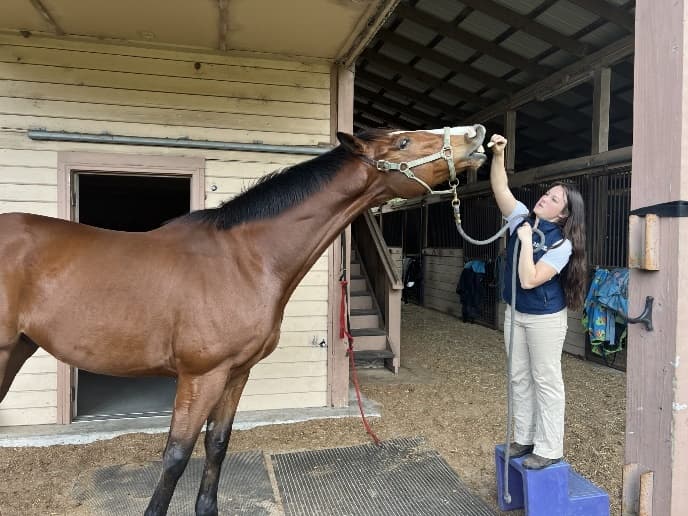
Lateral neck stretches use a treat to get the horse to bring their nose to their shoulder, to their flank, and eventually towards their hind fetlock. Perform lateral stretches on both sides.
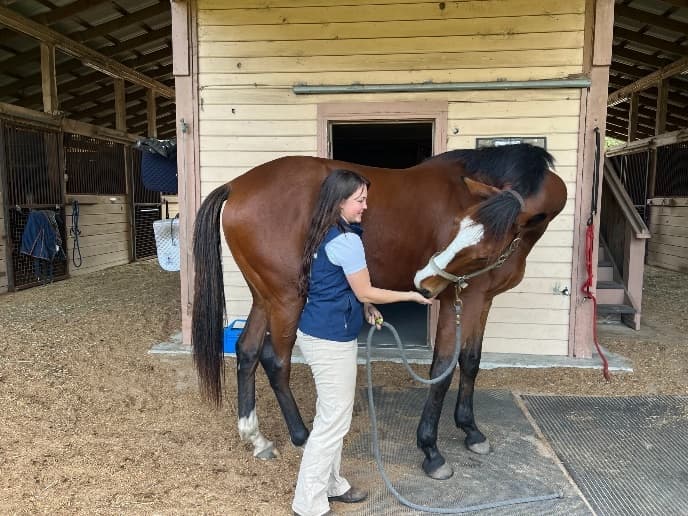
Pelvic Stretches sometimes known as bum tucks, involve tilting the pelvis. This is performed by applying pressure between the biceps femoris and the semitendinosus muscle on the horse’s hind end.

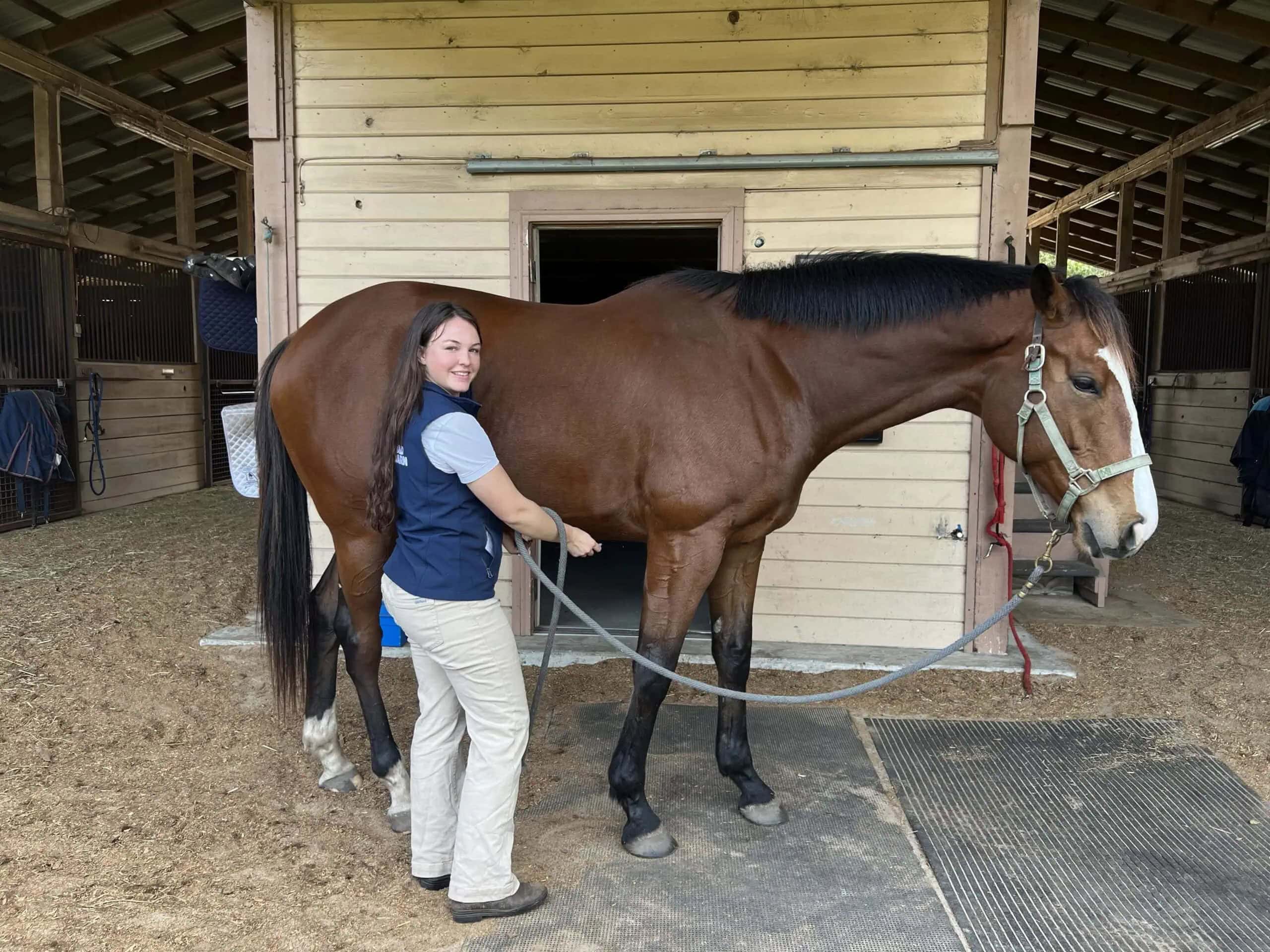
Belly lifts are another stretch that engage your horse’s core and topline while simultaneously opening the spinous processes of the vertebrae. Gently scratch the abdominal muscles near where the girth sits until the horse engages those muscles and lifts their back.
Turnout as a Training Alternative
Structured exercise programs are not possible for all horses, such as those with medical conditions, injuries, or behavioral issues that limit their ability to engage in training.
When formal exercise training isn’t feasible for a horse, offering ample turnout time can still yield numerous benefits. Turnout allows horses to move freely and engage in natural behaviors, such as grazing and socializing.
The health benefits of increasing turnout are well documented and include:
- Fitness: Horses on pasture turnout without structure exercise achieved similar fitness levels as stalled horses engaging in exercise programs [57]
- Gastric Ulcers: Increasing turnout is associated with a reduced risk of gastric ulcers and improved buffering of gastric acid [58]
- Joint Development: Stall-kept foals exhibited a delay in normal joint development compared to their pasture-kept and exercised counterparts [25]
- Cartilage Synthesis: Horses kept in stalls exhibited less synthesis of cartilage components compared to their exercised counterparts [59]
- Bone Development: Turning out growing horses full-time reduces the incidence of developmental orthopedic diseases [60]
- Hoof Health: Increasing turnout time can improve hoof circulation and growth, resulting in healthier hooves compared to horses that were confined to stalls [61]
The Importance of Exercise Recovery
While exercise has lots of potential benefits for horses, it is also important to avoid excessive exercise and give horses sufficient time to recover between training sessions.
Overtraining, which occurs when there is not enough recovery time between training sessions, can result in poor performance, weight loss, decreased appetite, and other adverse physiological changes. [62]
Research also shows that detraining, or the reversal of exercise benefits when training is reduced, occurs at a significantly slower pace in horses compared to humans. It may take several weeks of stall rest to reverse the benefits gained from training in horses. [63]
Given this, it is important to prioritize adequate recovery in performance horses. The length of recovery time needed depends on the current fitness of the horse and intensity of the exercise.
Physiology of Recovery
During recovery, the body compensates for the demands of exercise, rebuilding muscle, bone, and connective tissue so it is more prepared to meet fitness demands next time. Exercise recovery times and techniques have been sparsely researched in horses, but have received more attention in human sports science.
There are several physiological systems that need to recover between exercise bouts, each requiring differing recovery times. Some of these systems and their recovery times in humans include: [64]
- Metabolic Recovery: Energy sources such as phosphocreatine and glycogen stores recover relatively quickly. Phosphocreatine stores may replenish within hours to days, whereas depleted glycogen stores may take a few days to recover.
- Neuromuscular Recovery: The amount of fatigue related to neuromuscular function depends on the amount of muscle mass that was engaged during exercise and the intensity of the exercise. However, neuromuscular recovery is typically achieved within 1 to 4 days.
- Cardiocirculatory Recovery: Returning to a proper hydration status, normal heart rate, and normal stroke volume are important aspects of recovery. With the correct hydration procedures, this recovery typically takes between 6 to 48 hours.
A step-wise conditioning program alternates periods of recovery with increasing exercise demands. This approach gradually increases the intensity or duration of training sessions, giving the horse sufficient time to recover, build fitness, and enhance performance.
If a trainer pushes a horse to train again before the horse has recovered, then the horse may still be fatigued, and overtraining is likely to occur.
Recovery Schedule
Very little research has been conducted on optimal recovery schedules for equine athletes. Optimal recovery periods will depend on the fitness level of your horse, their exercise demands, and environmental conditions like temperature and humidity.
One study of horses conditioning on a treadmill showed that 2 weeks of tailored conditioning followed by one week of reduced workload produced increasing measures of fitness indicative of beneficial training adaptations. [65]
For horses at lower exercise levels, typical exercise schedules often alternate between low-intensity exercise, high-intensity exercise, and rest days. This pattern helps prevent fatigue, allows for a gradual increase in exercise intensity, and reduces the risk of exercise-related injuries. [66]
Nutrition for Exercising Horses
Nutrition plays a key role in optimizing the health and performance of exercising horses. A properly balanced diet is important for maintaining overall well-being and providing adequate fuel to support all forms of exercise.
Here are some factors to consider as you plan your horse’s feeding program to support exercise and training needs.
Maintain Adequate Hydration
Horses engaged in exercise lose a substantial amount of water through sweat. In hot conditions, horses can lose up to 10 to 15 liters of sweat per hour of exercise.
Providing constant access to clean, fresh water is critical to counteract these fluid losses and protect against dehydration and heat stress. [67]
Feed a Forage-Based Diet
Forage (hay and pasture) should be the foundation of any horse’s diet. Providing adequate forage helps maintain your horse’s gut health and supports their mental well-being by encouraging natural feeding behavior.
For horses in light or moderate work, free-choice intake of an average-quality grass hay will likely meet their energy and protein needs. Horses in moderate work are estimated to eat 2.25% of their body weight in dry matter per day. For a 500 kg (1100 lb) horse, this is equivalent to 11.25 kg (24.75 lb) of hay dry matter per day. [70]
Horses that are in heavier work will naturally have an increased appetite and eat roughly 2.5% of their body weight, or 12.5 kg (27.5 lb) for a 500 kg (1100 lb) horse. [70]
Providing exercising horses with free-choice access to hay, which allows them to eat as much as they want, can effectively meet their increased energy needs. Even horses in very heavy exercise like Standardbred race horses can maintain a healthy body condition score on a high-quality forage-based diet. [69]
This is a better way to provide calories to exercising horses than high-grain diets. When horses are fed grain in place of forages they are at higher risk of gastric ulcers, hindgut dysfunction, and reactive (‘hot’) behavior. [71][72][73]
Avoid Intermittent Feeding
Since horses are adapted to graze continuously, the horse’s stomach continuously produces acid even in the absence of feed. Prolonged periods without access to forage increases the risk of gastric ulcers. [68]
Exercising on an empty stomach can also expose the non-glandular region of the stomach to corrosive stomach acid. Unlike the glandular region, which is protected by a thick mucosal lining, the non-glandular region lacks this protective barrier, leaving it vulnerable to the damaging effects of gastric acid.
For these reasons, a diet that mimics the horse’s natural feeding pattern with continuous access to forage is ideal. Diets with free-choice access to forage will allow horses to consume forage throughout the day, limiting or preventing periods that horses spend with an empty stomach.
In addition, feeding a forage meal before exercising can limit gastric acid splashing in the non-glandular region of the stomach, further reducing the risk of ulcers.
Meet Vitamin & Mineral Requirements
Nutritional deficiencies in vitamins and minerals can lead to subpar performance, impaired immune responses, and prolonged recovery from exercise.
Exercise increases dietary requirements for certain vitamins and minerals, particularly those serving as antioxidants or enzyme cofactors in metabolic processes. Working with an equine nutritionist can help you balance your horse’s diet to ensure it provides adequate vitamins and minerals.
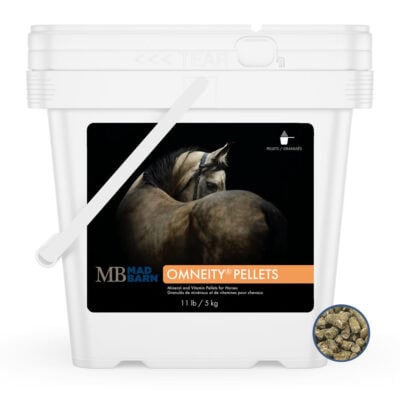
Mad Barn’s Omneity® Pellets is a balanced vitamin and mineral supplement that provides optimal level of key nutrients required to support energy metabolism, hoof health, digestive function, and muscle function.
Provide an Electrolyte Supplement
Electrolytes are essential minerals such as sodium, chloride, potassium, magnesium, and calcium that carry an electric charge and support fluid balance, nerve function, and muscle contraction.
When horses sweat during exercise, they lose substantial amounts of electrolytes. Because equine sweat contains a higher concentration of electrolytes compared to human sweat, horses are at even higher risk of developing electrolyte imbalances compared to humans. [67]
This underscores the importance of supplementing horses with salt and electrolytes following intense exercise or in hot climates.
Mad Barn’s Performance XL is a powdered electrolyte supplement designed to meet the needs of high performance horses. Performance XL is scientifically formulated to replace the electrolytes lost in sweat and contains added Vitamin E and Vitamin C to support post-workout care.

Supply Enough Energy and Protein
Many horses in heavy exercise require additional calories and protein in their diet to meet increased energy requirements and maintain muscle mass.
Consider incorporating legume hay, such as alfalfa, into your horse’s diet to provide higher digestible energy content and an excellent source of protein.
Another popular feed for exercising horses is beet pulp, which is a highly fermentable fiber source. Beet pulp is fermented in the horse’s hindgut, providing a sustained release of energy while supporting a healthy microbiome.
Fat supplements can also be included in the diet to meet energy requirements. Fat provides twice the calories per gram compared to carbohydrates or protein.
Grains are high in hydrolyzable carbohydrates (HC), which includes starch and simple sugars. Hydrolyzable carbohydrates are easily digested in the small intestine, providing a rapid source of energy for exercising horses.
However, feeding too much grain can be detrimental because of the oversupply of HC. If the supply of HC in a single meal is too high, the small intestine will not be able to digest all the starch. Instead, starch will reach the hindgut where it may disrupt hindgut fibre fermentation.
It is generally recommended to feed no more than 2 grams of starch per kg of body weight per meal. For a 500 kg (1100 lb) horse, this is equivalent to 1 kg (2.2 lb) of starch per meal. [74][75]
Support Gut Health
Competition horses often have a higher risk of gut issues due to several factors related to their lifestyle, exercise routine and diet. Higher stress levels, frequent travel, reduced grazing time and intense training can disrupt the normal function of the digestive system and increase the risk of ulcers.
Because of these issues, horses that undergo regular exercise may require special dietary adjustments to support gut health. This can include feeding more fiber-rich feeds, yeast and probiotics to support gut flora, and other nutrients to maintain a healthy intestinal lining.
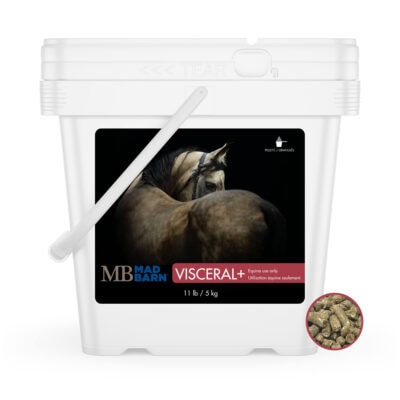
Mad Barn’s Visceral+® is a comprehensive gut formula used by elite athletes to maintain stomach and hindgut health in competition horses. Visceral+® supports the function of the immune system, is competition safe, and is recommended by veterinarians.
Frequently Asked Questions
Here are some frequently asked questions about exercising horses:
Simple signs your horse’s fitness is improving week to week include steadier breathing during rides, a lower working heart rate, and faster post-ride recovery. You may also notice smoother transitions, improved balance over poles or hills, and a more forward attitude. Tracking minutes at each gait and recovery heart rate after light exercise gives you clear benchmarks of equine fitness progress.
Early red flags of overtraining in a pleasure horse include a dull or sour attitude, slower recovery of heart rate and breathing, and workouts that feel harder at the same pace. Watch for appetite loss, weight changes, stiffness the next day, or resistance to being tacked up.
Post-ride behaviors that show your horse needs more recovery time include heavy breathing or an elevated heart rate that stays high longer than usual, persistent sweating after cool-down, and muscle stiffness the next morning. Other red flags are reduced appetite, darker urine, or irritability at the next ride.
To keep a senior horse moving comfortably with mild arthritis, emphasize gentle, consistent exercise such as turnout, walking hills, and ground pole work. Start with long warm-ups, finish with cool-downs, and add carrot stretches for flexibility. Good footing, proper hoof care, and steady body condition reduce joint strain.
Summary
Whether your horse is in their athletic prime or moving towards happy retirement, exercise provides many benefits from improved bone strength to reduced risk of gut disorders and stereotypic behaviors. A holistic approach to exercising your horse includes:
- Tailoring training plans to your horse's ability and level of fitness
- Providing sufficient recovery time between training sessions
- Making warm-up and cool-down part of your training regimen
- Adjusting your horse's diet and nutrition according to their activity demands
If you're unsure if your horse's current diet is enough to support their training program, submit their information online for a free analysis by one of our qualified equine nutritionists to get personalized recommendations.
References
- Hampson, BA. et al. Monitoring distances travelled by horses using GPS tracking collars. Animals. 2021. View Summary
- Hampson, BA et al. Distances travelled by feral horses in ‘outback’ Australia. Equine Veterinary Journal. 2010. View Summary
- Hodgson, DR. Chapter 11 - The cardiovascular system: Anatomy, physiology, and adaptations to exercise and training. The Athletic Horse (Second Edition). 2014.
- Cardinet, GH. et al. Heart rates and respiratory rates for evaluating performance in horses during endurance trail ride competition. Ant Vet Med Assoc. 1963. View Summary
- Foreman, JH. et al. Standardized exercise test and daily heart rate responses of thoroughbreds undergoing conventional race training and detraining. Am J Vet Res. 1990. View Summary
- Mukai, K. et al. Effect of detraining on cardiorespiratory variables in young thoroughbred horses. Equine Vet J Suppl. 2006. View Summary
- Mazan, M. Equine exercise physiology-challenges to the respiratory system. Anim Front. 2022. View Summary
- Franklin, SH. et al. Respiratory responses to exercise in the horse. Equine Vet J. 2012. View Summary
- Latham, CM. et al. Skeletal Muscle Adaptations to Exercise Training in Young and Aged Horses. Front. Aging. 2021. View Summary
- Votion, DM. et al. Alterations in mitochondrial respiratory function in response to endurance training and endurance racing. Equine Vet J Suppl. 2010. View Summary
- Wesolowski, LT. et al. Race training improves skeletal muscle mitochondrial volume density, function, and capacity in Thoroughbreds. J Equine Vet Sci 2021.
- Church-Huxley, H. A. Muscle hypertrophy and its relevance to horses.. UK-Vet Equine. 2023.
- McGowan, C.M. and H.K. HyytiäinenMuscular and neuromotor control and learning in the athletic horse.. Comparative Exercise Physiology. 2017.
- Clayton, H.M.Core Training and Rehabilitation in Horses.. Veterinary Clinics: Equine Practice. 2016.
- De Oliveira, K. et al. Gymnastic Training and Dynamic Mobilization Exercises Improve Stride Quality and Increase Epaxial Muscle Size in Therapy Horses. J Equine Vet Sci. 2015.
- de Oliveira, K., et. al.Gymnastic Training and Dynamic Mobilization Exercises Improve Stride Quality and Increase Epaxial Muscle Size in Therapy Horses.. Journal of Equine Veterinary Science. 2015.
- Ursini, T., et. al.Electromyography of the multifidus muscle in horses trotting over firm and soft surfaces.. Journal of Equine Rehabilitation. 2023.
- Takahashi, T., et. al.The Effects of Inclination (Up and Down) of the Treadmill on the Electromyogram Activities of the Forelimb and Hind limb Muscles at a Walk and a Trot in Thoroughbred Horses.. Journal of Equine Science. 2014.
- Mendez-Angulo and L, Leandro.Effect of of water level on kinematics of healthy horses walked on an aquatic treadmill compared to conventional rehabilitation techniques.. University of Minnesota. 2012.
- Firth, EC. et al. Galloping Exercise Induces Regional Changes in Bone Density within the Third and Radial Carpal Bones of Thoroughbred Horses. Equine Vet J. 1999.
- Firth, EC. et al. Musculoskeletal Responses of 2-Year-Old Thoroughbred Horses to Early Training. 7. Bone and Articular Cartilage Response in the Carpus. N Z Vet J. 2005.
- Firth, EC. et al. Musculoskeletal Responses of 2-Year-Old Thoroughbred Horses to Early Training. 6. Bone Parameters in the Third Metacarpal and Third Metatarsal Bones. N Z Vet J. 2005.
- Firth, EC. et al. The Response of Bone, Articular Cartilage and Tendon to Exercise in the Horse. J Anat. 2006.
- Hiney, KM. et al. Short-duration exercise and confinement alters bone mineral content and shape in Weanling Horses. J Anim Sci. 2004. View Summary
- Te Moller, NCR. et al. How Exercise Influences Equine Joint Homeostasis. Vet J. 2017. View Summary
- Firth, EC. et al. Musculoskeletal Responses of 2-Year-Old Thoroughbred Horses to Early Training. 1. Study Design, and Clinical, Nutritional, Radiological and Histological Observations. N Z Vet J. 2004.
- Reed, S.R., et. al.Exercise affects joint injury risk in young Thoroughbreds in training.. The Veterinary Journal. 2013.
- Crawford, K.L., et. al.The Risk Factors for Musculoskeletal Injuries in Thoroughbred Racehorses in Queensland, Australia: How These Vary for Two-Year-Old and Older Horses and with Type of Injury.. Animals. 2021.
- Hodgson, DR. Chapter 19 - Training regimens: Physiologic adaptations to training. The Athletic Horse (Second Edition). 2014.
- Stover, SM. The Epidemiology of Thoroughbred Racehorse Injuries. Clin Tech Equin Prac. 2003.
- Robin, CA. et al. Prevalence and Risk Factors for Owner-Reported Obesity in Horses and Ponies in Great Britain. Equine Vet J. 2013.
- Uldahl, M. et al. Body Condition Score in Danish Horses Related to Type, Use, and Training Level: Patterns, Risk, and Protective Factors. Animals. 2023. View Summary
- Morgan, R. et al. Equine Metabolic Syndrome. Vet Rec. 2015. View Summary
- Karikoski, NP. et al. Variation in Insulin Response to Oral Sugar Test in a Cohort of Horses throughout the Year and Evaluation of Risk Factors for Insulin Dysregulation. Equine Vet J. 2021. View Summary
- Goachet, AG. et al. Effect of Physical Training on Nutrient Digestibility and Faecal Fermentative Parameters in Standardbred Horses. J Anim Physio Anim Nutr. 2014. View Summary
- Williams, S. et al. Water intake, faecal output and intestinal motility in horses moved from pasture to a stabled management regime with controlled exercise. Equine Vet J. 2015. View Summary
- Hudson, JM. et al. Feeding practices associated with colic in horses. J Am Vet Med Assoc. 2001.
- van den Boom, R. Equine gastric ulcer syndrome in adult horses. Vet J. 2022.
- Kang, OD. et al. Changes in Salivary Cortisol Concentration in Horses during Different Types of Exercise. Asian-Australas J Anim Sci. 2016. View Summary
- Coelho, CS. et al. Training Effects on the Stress Predictors for Young Lusitano Horses Used in Dressage. Animals. 2022. View Summary
- Sarrafchi, A. et al. Equine stereotypic behaviors: Causation, occurrence, and prevention. Vet Behav. 2013.
- Langhammer, B. et al. The Importance of Physical Activity Exercise among Older People. Biomed Res Int. 2018.
- Herbst, AC. et al. Retirement risk factors, exercise management and muscle mass in US senior horses. Equine Vet J. 2023. View Summary
- Latham, C.M., et. al.Skeletal Muscle Adaptations to Exercise Training in Young and Aged Horses.. Frontiers in Aging. 2021.
- Kim, J., et. al.Exercise training increases oxidative capacity and attenuates exercise-induced ultrastructural damage in skeletal muscle of aged horses.. Journal of Applied Physiology. 2005.
- Nielsen, BD. et al. Changes in the Third Metacarpal Bone and Frequency of Bone Injuries in Young Quarter Horses during Race Training—Observations and Theoretical Considerations. J Equine Vet Sci. 1997.
- Logan, AA. et al. Training young horses: The science behind the benefits. Animals. 2021.
- Spooner, HS. et al. Endurance Training Has Little Impact on Mineral Content of the Third Metacarpus in Two-Year-Old Arabian Horses. J Equine Vet Sci. 2008.
- Santamaría, S., et. al.Effect of early training on the jumping technique of horses.. American Journal of Veterinary Research. 2005.
- Rietbroek, N.J., et. al.Effect of exercise on development of capillary supply and oxidative capacity in skeletal muscle of horses.. American Journal of Veterinary Research. 2007.
- Mukai, K. et al. Effects of warm-up intensity on oxygen transport during supramaximal exercise in horses. Am J Vet Res. 2008. View Summary
- Tyler, CM. et al. Effect of a warm-up on energy supply during high intensity exercise in horses. Equine Veterinary Journal. 1996. View Summary
- McCutcheon, LJ. et al. Effects of prior exercise on muscle metabolism during sprint exercise in horses. Journal of Applied Physiology. 1999.
- Hiney, K. Physical Conditioning of Horses. Oklahoma State University Extension. 2017.
- Farinelli, F. et al. Influence of Stretching Exercises, Warm-Up, or Cool-Down on the Physical Performance of Mangalarga Marchador Horses. J Equine Vet Sci. 2021.
- Rose, NS. et al. Effects of a stretching regime on stride length and range of motion in equine trot. The Veterinary Journal. 2009.
- Palmer, JL. et al. Site-specific proteoglycan characteristics of third carpal articular cartilage in exercised and nonexercised horses. Am J Vet Res. 1995. View Summary
- Hepburn, R. Gastric ulceration in horses. In Practice. 2011.
- van de Lest, CH. et al. The influence of exercise on the composition of developing equine joints. Biorheology. 2002. View Summary
- Graham-Thiers, P. et al. Improved Ability to Maintain Fitness in Horses During Large Pasture Turnout. J Equine Vet Sci. 2013.
- Coffman, J. et al. Hoof circulation in equine laminitis. J Am Vet Med Assoc. 1970.
- McGowan, CM. et al. Overtraining syndrome in horses. Comp Exer Physiol. 2008.
- Kenneth, HM. et al. Age and disuse in athletes: Effects of detraining, spelling, injury, and age. The Athletic Horse (2nd Edition). 2014.
- Skorski, S., et. al.The Temporal Relationship Between Exercise, Recovery Processes, and Changes in Performance.. International Journal of Sports Physiology and Performance. 2018.
- Boffi, F.M., et. al.Effect of Recovery Periods during Conditioning of Horses on Fitness Parameters.. Journal of Equine Veterinary Science. 2011.
- Nadeau, J.Conditioning to Prevent Fatigue, Injury and/or Lameness in the Horse: Second of A Two Part Series on Conditioning.. University of Connecticut.
- Hodgson, DR. Chapter 8 - Thermoregulation. The Athletic Horse (2nd Edition). 2014.
- Luthersson, N. et al. Risk factors associated with equine gastric ulceration syndrome (EGUS) in 201 horses in Denmark. Equine Vet J. 2009.
- Ringmark, S. et al. Effects of training distance on feed intake, growth, body condition and muscle glycogen content in young Standardbred horses fed a forage-only diet. Animal. 2017.
- National Research Council. Nutrient Requirements of Horses. 2007.
- Andrews, F.M. et al. Nutritional management of gastric ulceration. Equine Vet Educ. 2017.
- Bulmer, L.S. et al. High-starch diets alter equine faecal microbiota and increase behavioural reactivity. Scientific Reports. 2019.
- Cipriano-Salaza, M. et al. The Dietary Components and Feeding Management as Options to Offset Digestive Disturbances in Horses. J Equine Vet Sci. 2019.
- Durham, A.E. The role of nutrition in colic. Vet Clin NA Equine Pract. 2009
- Julliand, V. Starch digestion in horses: the impact of feed processing. Livest Sci. 2006.