English




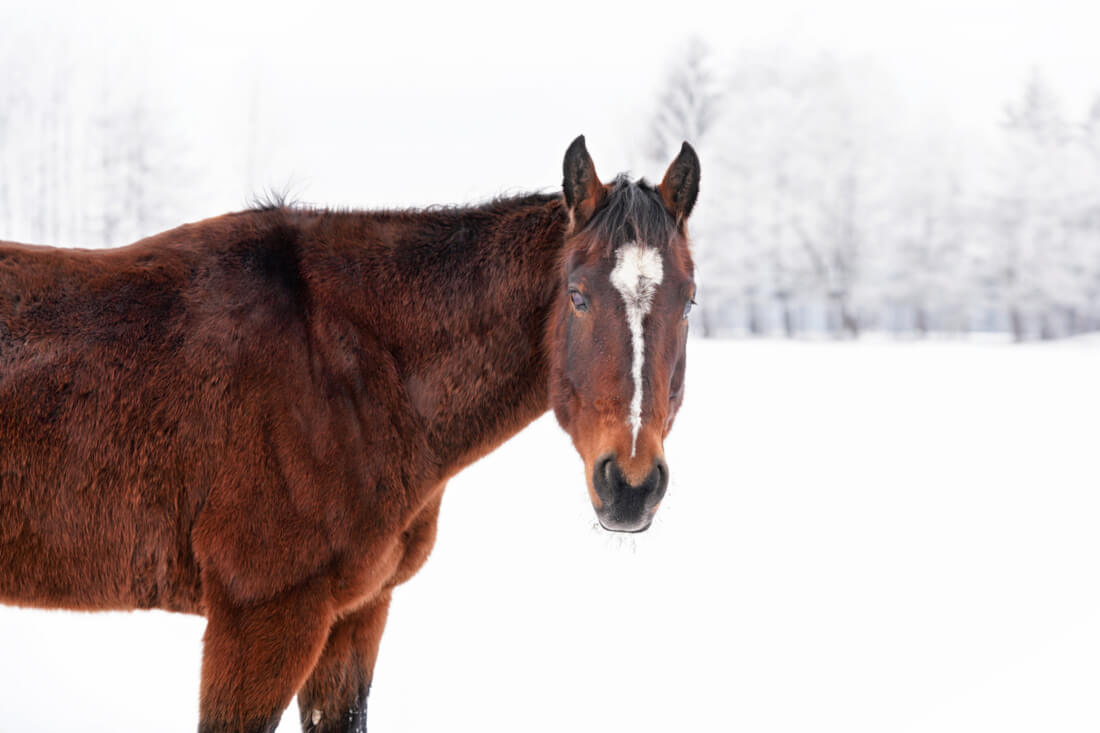
While horses are naturally well-adapted to colder climates, not all individuals cope equally well. In extreme cold conditions, some horses require additional support to stay warm and healthy.
Domestic management can also reduce a horse’s ability to regulate body temperature. Clipping, limited forage, inadequate shelter, chronic health issues, and other factors all affect how well a horse tolerates the cold.
Recognizing when a horse is cold is not always straightforward. Some signs, like shivering, are obvious. Others, such as weight loss, stiffness, or irritability, may be subtle and easily misinterpreted. In some cases, cold exposure is chronic and low-grade, gradually lowering body condition over weeks or months.
Keep reading to learn everything you need to know about detecting cold stress in horses, including how horses thermoregulate and practical solutions for winter management. Learn about individual risk factors and how to adapt your care program to protect your herd through the coldest months of the year.
Thermoregulation in Horses During Cold Weather
Thermoregulation is the process by which horses maintain a stable internal body temperature despite changes in their environment. This involves a combination of behavioral strategies and internal physiological mechanisms that work together to prevent the body from becoming too hot or too cold.
These systems allow the horse to adapt to falling temperatures in the winter, especially when supported by appropriate management.
Key aspects of thermoregulation that support horses in cold weather include: [1][2][3]
- Growing a winter coat: Winter coat development begins as daylight hours decrease in the fall. The growing coat consists of longer, denser hairs that trap a layer of air close to the skin. This insulating air layer forms a barrier against heat loss, which is why a dry, fluffy coat can keep a horse warm even in sub-zero temperature.
- Piloerection (goose bumps): Tiny muscles at the base of each hair contract, causing the hair to stand upright and trap a layer of insulating air close to the skin. This natural “fluffing” of the coat improves insulation and reduces heat loss in cold, dry conditions. However, when the coat becomes wet from rain or snow, or is flattened by strong wind or blankets, the trapped air layer is lost and heat escapes much more rapidly.
- Peripheral vasoconstriction: During cold weather, small blood vessels constrict in a process known as vasoconstriction. This reduces blood flow to the skin and limbs, which ensures heat remains concentrated around the vital organs. As a consequence, the horse’s extremities may feel cold even when its core is within a healthy temperature range.
- Sheltering and herd behavior: Horses turn their hindquarters into the wind, seek shelter behind trees or structures, and stand close to herd mates to reduce convective heat loss. This natural tendency to huddle together provides mutual warmth and protection, especially in open environments without constructed shelter.
- Hindgut fermentation: A major source of warmth for horses is their continuous hindgut fermentation. As fiber ferments in the hindgut, it releases metabolic heat, which warms the body. This demonstrates the importance of providing a forage-first diet during the winter months.
Together, these mechanisms allow healthy adult horses to tolerate even harsh winter conditions. However, these natural defenses can be compromised by clipping, illness, wetness, or restricted feeding, making observation and proactive care essential.
Cold Stress in Horses
To understand how and when horses experience cold stress, it helps to consider the thermoneutral zone (TNZ). The TNZ is the range of environmental temperatures that allow the horse to maintain its internal body temperature without increasing metabolic heat production or initiating heat loss mechanisms such as sweating. [4]
When temperatures remain within this zone, the horse’s energy needs are stable, and thermoregulation occurs passively through coat insulation and minor behavioral adjustments. At either end of this zone lie two critical thresholds. [4]
The upper critical temperature (UCT) marks the point where the horse must cool itself, through sweating, increased respiratory rate, and reduced activity. Horses adapted to warm climates may tolerate temperatures up to 86 °F (30°C) before reaching this threshold, while cold-adapted horses may experience heat stress at 68 °F (20°C) or lower. [4]
The lower critical temperature (LCT) defines the point where a horse must expend additional energy to stay warm. Once this boundary is crossed, the horse must generate more internal heat through muscle activity and increased calorie consumption to maintain a safe core temperature.
For acclimated, unclipped horses in good condition with their winter coat fully developed, the LCT is typically around 18 to 14 °F (-7 to –10 °C). In clipped, lean, or poorly sheltered horses, the LCT may rise dramatically, sometimes exceeding 41 to 50 °F (5 to 10 °C). [2][4]
Several individual factors influence where a horse falls within this range, including: [2][4]
- Hair length and density directly affect insulation. Clipped or sleek-coated horses lose heat faster.
- Body size and surface-area-to-volume ratio impact heat retention. Smaller animals, such as weanlings, lose heat more readily than adults.
- Fat coverage provides internal insulation and serves as an energy reserve.
- Shelter and blanketing can extend a horse’s effective TNZ by buffering against wind, rain, and cold ground contact.
Once the ambient temperature drops below the horse’s individual LCT, energy demands rise. As a general guideline, horses may require 1 to 2% more dietary energy for every degree below their lower critical temperature. [2][4]
If left unaddressed, prolonged cold exposure below the LCT can lead to weight loss, muscle atrophy, behavioral changes, and increased risk of illness. [2][4]
What's your top priority with your horse's health?

Enter your email to receive your store credit
Recognizing Signs of Cold Stress
Not all horses respond to cold in the same way. While some show immediate and obvious signs of discomfort, others, particularly hardy breeds or individuals acclimated to outdoor living, may be more stoic, masking early indicators.
This makes daily observation essential, especially during sharp temperature drops or prolonged exposure to wind and moisture. [5][6]
The most common signs of cold stress in horses include: [5][6]
- Shivering: This involuntary muscular response generates heat through rapid contractions. Occasional shivering, particularly during cold snaps, is not necessarily cause for concern. Persistent or recurrent shivering indicates the horse is struggling to maintain core temperature. When prolonged, it can quickly deplete energy reserves, especially in horses with limited access to forage or low body condition.
- Behavior changes: A cold horse may seem listless or unusually irritable. Horses may cluster together in field shelters or behind windbreaks and become reluctant to graze or leave sheltered areas. Even normally independent individuals may seek the company of herd mates for warmth.
Tactile assessment can reveal more. When placing a hand under your horse’s blanket or against the bare skin behind the elbow, the area should feel warm and dry.
If the skin is cool or damp, the insulation provided by the coat or rug may be insufficient. Dampness may result from a wet rug, sweat accumulation, or rain exposure, all of which can dramatically increase heat loss.
If cold stress progresses into hypothermia, more serious symptoms may emerge, including: [6]
- Reduced gut sounds
- Dry manure
- A tucked-up abdomen
- Appetite loss
- Reduced water intake
Risk Factors
While most healthy, unclipped horses in good condition can tolerate winter weather with little intervention, several factors increase the likelihood of cold stress. Understanding which horses are most vulnerable helps owners adjust management before problems arise.
Risk factors for cold stress in horses include: [7][8]
- Clipping: The horse’s winter coat is its first line of defense against cold. Even partial clips remove the natural insulating layer and disrupt piloerection, the horse’s ability to raise hair fibers to trap warm air. Fully clipped horses lose all coat-based insulation and are particularly vulnerable to wind and wetness.
- Low body condition: Body condition plays a central role in equine thermoregulation. Fat acts as an insulating layer and a vital energy reserve. Horses with a body condition score (BCS) below 5 have less capacity to conserve heat and are at higher risk of losing weight during prolonged cold spells.
- Precipitation and wind: Wet and windy weather dramatically increases the risk of cold stress, even when air temperatures are above freezing. Wind strips away the warm air layer trapped by the coat, while moisture flattens the hair, reducing insulation.
- Age: Foals and young horses have higher surface area-to-volume ratios compared with older horses, making them more prone to heat loss. Senior horses often have reduced fat coverage and muscle tone, slower metabolism, and age-related conditions.
- Underlying health conditions: Many horses struggling with chronic illness have limited energy reserves to defend against extreme weather.
- Lack of forage: When hay is limited in quantity or quality, fiber fermentation in the hindgut decreases, reducing release of metabolic heat. Without sufficient fuel, the horse’s internal furnace slows, increasing the likelihood of cold-related complications.

Preventing Cold Stress in Horses
Recognizing the signs of cold stress in horses is an important skill for any owner or caretaker managing horses in winter climates. Equally important is understanding how to proactively prevent cold stress with thoughtful management.
1) Provide Ample Forage
Fiber is not only a nutritional cornerstone of the equine diet, but also an internal heat source during cold weather. As forage is fermented by microbes in the horse’s hindgut, it generates metabolic heat, a slow, steady process that helps maintain core temperature in winter conditions. [3]
Most adult horses require at least 2% of their body weight in forage per day on a dry matter basis. In colder weather this may increase, especially if the temperature falls below the horse’s lower critical temperature (LCT). [3][9]
2) Ensure Sufficient Water Intake
Hydration is critical all year long, but many horses drink less when water is very cold or partially frozen. Decreased water intake increases the risk of impaction colic, particularly in horses consuming large amounts of dry hay. [10]
Strategies to ensure your horses are drinking enough in the winter include: [2][5][7]
- Use a water heating system: Horses tend to prefer water between 45°F and 65°F (7°C and 18°C). There are various heater options available depending on the size of your operation and water source.
- Feed salt: It’s recommended to add at least 2 tablespoons of loose salt to your horse’s feed alongside free-choice salt to encourage drinking.
- Maintain water hygiene: Monitor water sources for contamination and cleanliness so they remain appealing for horses to drink from.
In addition, make sure to check manure daily for signs of dryness or reduced gut motility, both of which may indicate inadequate hydration. [6]
3) Provide Adequate Shelter
For most horses, having access to shelter during cold weather provides more protection and comfort than adding extra blankets. A simple three-sided field shelter positioned away from prevailing winds can significantly reduce exposure to wind chill and wet weather.
Where permanent structures are unavailable, trees, hedgerows, or nearby buildings can serve as natural windbreaks, offering similar protective benefits. [10]
Strategic placement of hay feeders and water troughs is also important. Positioning them in sheltered areas encourages horses to eat and drink without prolonged exposure to wind and cold.
For stabled horses, deep, dry bedding helps reduce conductive heat loss. [10]
4) Blanket When Necessary
Blanketing can help certain horses conserve body heat in extreme cold or wet conditions, but not every horse needs a blanket. Keep in mind that over-blanketing can interfere with natural temperature regulation.
Horses are well adapted to cold climates. They grow a dense winter coat, increase forage intake, and self-regulate temperature through movement, shivering, and adjustments in blood flow. Blanketing hinders some of these natural responses.
If a rug is too heavy or put on when the weather isn’t cold enough, it can cause sweating beneath the fabric, leaving the horse damp and chilled once temperatures drop.
In certain cases, blanketing can also contribute to skin conditions, rashes, and discomfort. Blanketing decisions should be based on the individual horse and prevailing conditions. [1]
Important factors to consider when blanketing a horse include: [1][7][10]
- Clipping status; whether the horse is fully or partially clipped
- Body condition, including available fat reserves
- Age and overall health, especially in senior or arthritic horses
- Breed type; fine-coated horses such as Thoroughbreds and Arabians are often less cold-tolerant
- Weather conditions, including wind, precipitation, and ambient temperature
- Access to shelter and time spent outdoors
- Quality and availability of forage
In many cases, a lightweight rain sheet may be sufficient to keep the coat dry without impeding natural thermoregulation. [1]
Avoid overgrooming unblanketed horses, as excessive brushing can remove the natural oils that make the coat water-resistant. However, it’s important to remove mud from areas that come into contact with tack to prevent rubbing or pressure sores. [1][7][10]
Overheating under a blanket is a welfare concern. Daily checks are necessary, especially during periods of temperature fluctuation.
Signs a horse may be too warm include: [1][7][10]
- Damp or sweaty skin beneath the rug
- Increased respiratory rate
- Restlessness or behavioral changes, such as biting at the rug, rubbing against objects, or repeatedly rolling
- Reduced appetite
Blankets should be removed and adjusted daily to ensure they fit well and stay clean and dry. For many horses, particularly those with adequate forage, access to shelter, and a healthy winter coat, blanketing is unnecessary.
When in doubt, it is often better to err on the side of lighter rugging and allow the horse’s natural adaptations to do their job. [1][7][10]
Frequently Asked Questions
Here are some frequently asked questions about keeping horses warm in winter:
No, not all horses need a blanket in winter. Many unclipped, healthy horses with access to forage and shelter cope well without a rug, even in freezing temperatures. However, clipped horses, seniors, those with low body condition scores, or fine-coated breeds such as Thoroughbreds may require blanketing to maintain comfort and health.
High-quality forage is the most effective feed to help horses stay warm in extreme weather. Hay, haylage, and other fiber-rich feeds support hindgut fermentation and metabolic heat production. Some horses may also benefit from additional calories.
You can tell if your horse is too cold by watching for signs such as shivering, huddling, a tense posture, or seeking shelter. Feeling cold to the touch behind the ears or along the chest can also indicate discomfort.
Summary
Caring for horses in cold weather involves monitoring environmental conditions, assessing individual needs, and adjusting management practices as necessary. Although horses can tolerate low temperatures, certain domestic conditions may increase the risk of cold stress and require intervention.
- Recognizing the early signs of cold stress, such as shivering, posture changes, cold skin, and reduced grazing, can help prevent more serious consequences
- Adequate forage, shelter, hydration, and appropriate blanketing are the best ways to ensure your horse stays warm all winter
- Monitoring your horse during the winter is important to avoid cold stress and to make sure they are not sweating under their blanket
- Senior horses, growing foals and horses with pre-existing medical conditions are at higher risk of cold stress
References
- Horse Rugging Guide UK: When To Rug Horses. The British Horse Society. 2024.
- Watson. O. Equine Winter Wellness Tips. PennState Extension. 2024.
- Increase Hay Intake for Winter. Iowa State University Extension and Outreach Equine Science.
- Cymbaluk. N. F. Thermoregulation of Horses in Cold, Winter Weather: A Review. Livestock Production Science. 1994.
- Clanton. C. and Hathaway. M. Caring for Your Horse in the Winter. University of Minnesota Extension. 2022.
- van der Kolk. H. and Kritchevsky. J. Hypothermia in Horses (Equis). Vetlexicon.
- Winter Horse Care & Routine. The British Horse Society. 2024.
- Hines. M. T. Clinical Approach to Commonly Encountered Problems. Equine Internal Medicine. 2018.
- Nutrient Requirements of Horses: Sixth Revised Edition. National Academies Press, Washington, D.C. 2007.
- Keeping Your Horse Warm in Winter. Blue Cross. 2023.