English


In May 2024, a diet evaluation was requested for two Quarter Horse geldings named Clark and Andy. Each horse weighed approximately 1,000 lb (~450 kg) and was located in Texas, USA. Reported concerns included weight loss and poor topline development following a long move from California to Texas.
The owner’s primary goals were to improve body condition, support healthy weight maintenance, and enhance topline development in preparation for beginning work under saddle.
Presentation Prior to Diet Intervention
Clark and Andy were reported as being slightly underweight in their diet evaluation submission. They were not currently in an exercise program due to concerns about their overall body condition and loss of muscle mass.
Their owner expressed concern about their declining topline condition, which had deteriorated significantly after the move from California to Texas.
The following photos were provided of Clark and Andy in May 2024:
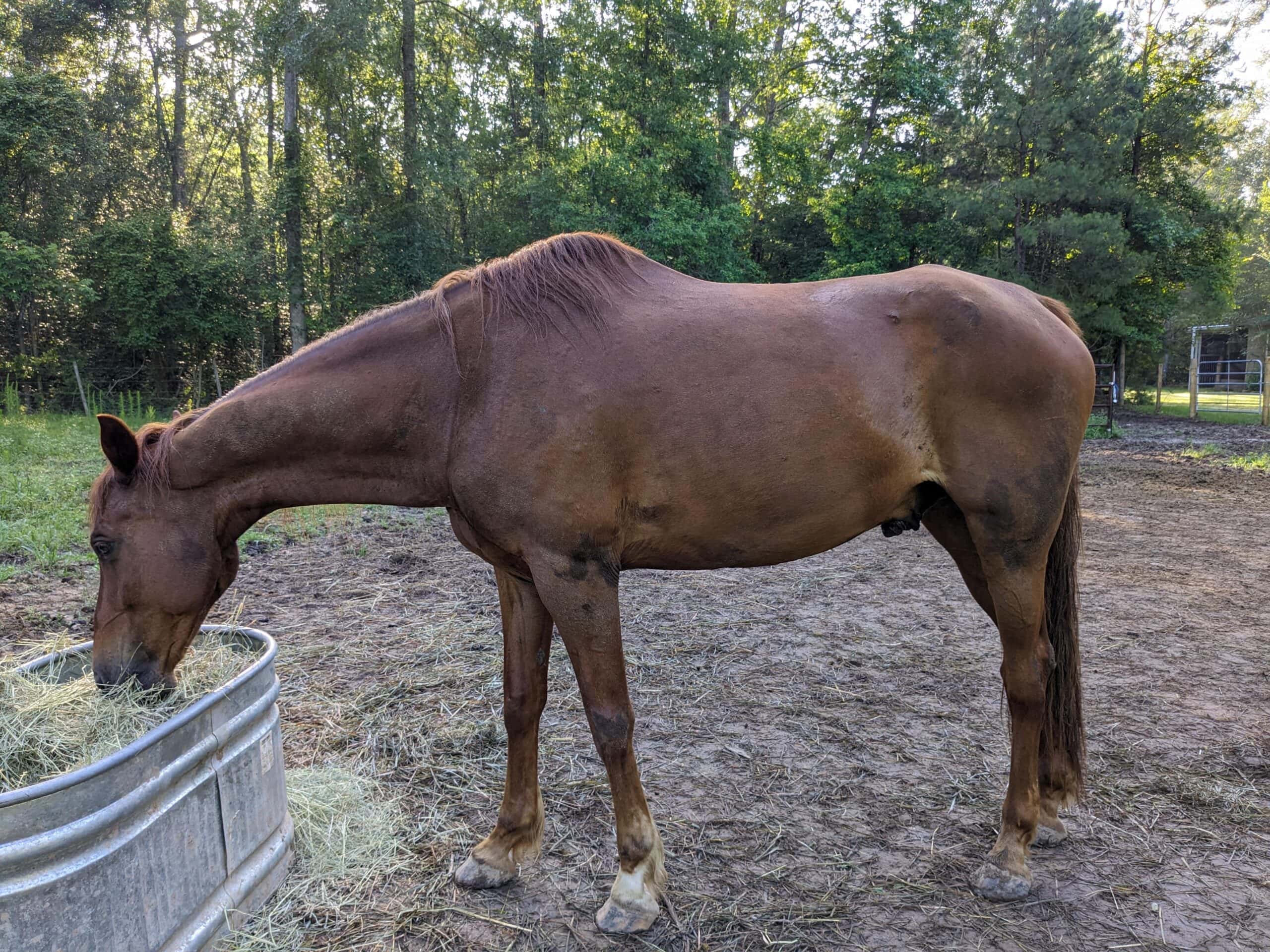 Andy, May 2024
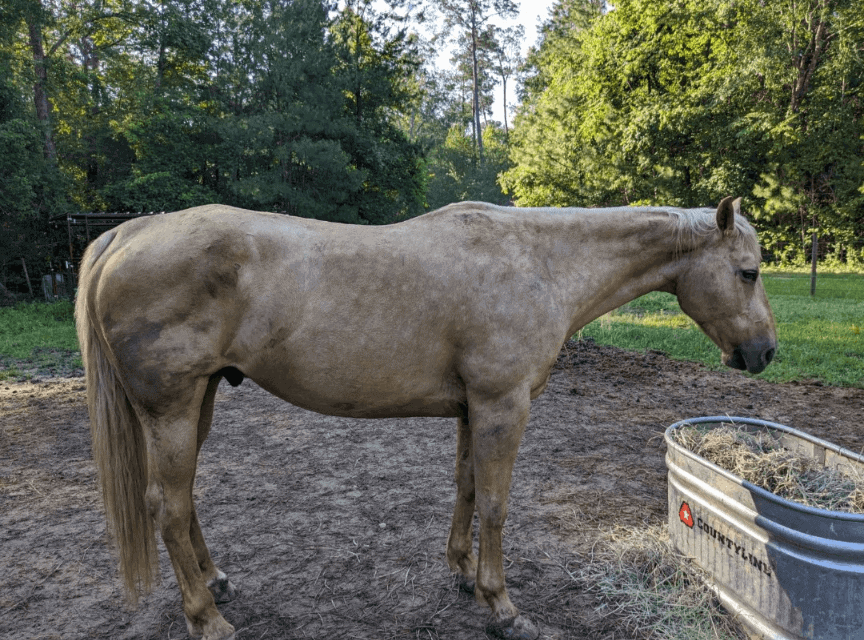 Clark, May 2024
Horse History
In March 2024, Clark and Andy were transported from their former home in the deserts of California to their new home in Southeast Texas – approximately 1,700 miles (2735 km) away.
Their owner noted that while the geldings were not excessively thin at the time of the diet evaluation, their toplines had diminished considerably and had not recovered in the two months following their relocation. To address this, a weight builder and a topline supplement had recently been added to their diet.
In addition to concerns about their physical condition, the owner observed that both geldings were struggling with the environmental transition from California to southeast Texas. They appeared to have difficulty adjusting to the heat and were sweating more than expected. In response, the owner began providing an electrolyte supplement to promote proper hydration.
The horses also appeared highly sensitive to insects, with increased pacing during periods of high insect activity. Andy, in particular, showed signs of insect hypersensitivity, and his owner reported episodes of hives triggered by bug bites.
The owner tried multiple fly control strategies, including sprays and fly sheets. However, the horses’ difficulty coping with heat made fly sheets impractical when the owner was not home to remove them during the hottest part of the day. Additionally, fly sprays were expensive and ineffective during rainy weather.
Topline Health
The effect of long-distance travel on muscle health in horses has not been extensively studied, but even short trips—as brief as three hours—have been shown to cause measurable disturbances in the muscle enzyme creatine kinase, an indicator of muscle strain. [1]
In addition to the physical demands of maintaining balance during transport, trailering imposes significant physical and mental stress at multiple stages of the journey, including: [2]
- Handling
- Loading
- Transportation
- Unloading
- Adjusting to a new environment
When horses experience difficulty maintaining or rebuilding topline muscle, it’s essential to ensure their diet fully supports muscle repair and growth. This requires adequate intake of:
Following their relocation from California to Texas, both Andy and Clark were observed to have topline muscle loss, likely due in part to the physiological and environmental stress of long-distance transport. Although their diet appeared sufficient in protein, other contributing factors, such as changes in climate, increased insect stress, and a change in hay type and quality, may have affected their ability to regain topline condition.
What's your top priority with your horse's health?

Enter your email to receive your store credit
Feeding Underweight Horses
Weight loss in horses can occur due to a number of health and dietary factors. Stress, poor forage quality, changes in appetite, digestive disorders, and other underlying medical conditions can all lead to weight loss.
Horses are continuous grazers, so maximizing their forage quantity or quality is often the easiest and most cost-effective way to encourage weight gain. In cases where forage intake is already maximized, increasing the nutrient density of the forage provided, such as adding alfalfa to a grass hay diet, can help increase calorie intake for underweight horses.
Diets that are excessively high in starch can lead to digestive issues that further hinder weight gain. [3][4][5] For this reason, adding large amounts of grain — which is high in hydrolyzable carbohydrates (sugars and starches) — is not recommended.
As an alternative to grain, calories from fat and fiber can be used to increase calorie intake safely.
Fiber-rich feeds such as beet pulp and alfalfa, as well as fat-rich options like canola oil or flax, can boost calorie intake without the digestive risks associated with high-starch grain.
In this case, Clark and Andy’s diets appeared to meet their energy and protein requirements, assuming they were consuming an average amount of good-quality grass hay.
Initial Diet
At the time of the submission, both horses were receiving free-choice, analyzed Timothy hay.
Table 1. Timothy Hay analysis (Dry matter basis)
| Nutrient | Analysis (dry matter basis) |
|---|---|
| Digestible Energy | 2.04 Mcal/kg |
| Crude Protein | 9% |
| Acid Detergent Fiber | 34.9% |
In addition to forage, Clark and Andy were fed the following daily concentrate and supplement amounts:
- 4 lb (1.8 kg) – Alfa Niblets (Bluebonnet Feeds)
- 1 lb (0.45 kg) – Empower® Topline Balance (Nutrena)
- 1 lb (0.45 kg) – 12% Sweet Feed (Producer’s Pride)
- 8 oz (227 g) – Dumor Weight Booster
- 2 oz (56.7 g) – Formula 707 Daily Essentials Pellet
- 1 oz (28 g) – Apple-A-Day™ Electrolyte (Finish Line®)
Overall, the diet was sufficient in most vitamins and minerals, with the exception of sodium and vitamin E. Based on the hay analysis provided, their protein requirement was likely met, and the estimated HC (sugar and starch) content of the diet was 9.7%.
Intervention
As part of the nutrition consultation, an updated diet plan was proposed to address the specific concerns of the horses, and to minimize the cost of their diets.
Table 2. Summary of Diet Intervention
| Horse Issue | Intervention |
|---|---|
| Topline Muscle Loss |
|
| Loss of body condition |
|
It can be hard to ensure a horse’s vitamin and mineral requirements are met when using multiple, incomplete feeds and supplements.
Adding a complete vitamin and mineral supplement simplifies the diet by filling in the gaps and ensuring requirements are met. To balance Clark and Andy’s diet, we’ve included Mad Barn’s Omneity® Premix as a concentrated source of essential vitamins and minerals.
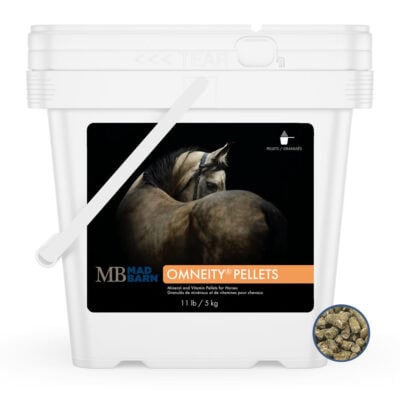
In addition to balancing the diet’s overall vitamin and mineral profile, Omneity® provides 100% organic trace minerals, limiting amino acids, and a full serving of biotin to support hoof health.
While electrolyte supplements replace many of the minerals lost in sweat, they often don’t provide enough sodium. Furthermore, most hay already supplies enough potassium and magnesium for horses. Adding plain salt is an economical way to meet your horse’s sodium needs and encourage proper hydration.

Balancing the Diet
The dietary adjustments aimed to support Clark and Andy’s topline health and increase caloric intake to improve their body condition. Although energy and protein requirements were met, topline development and overall body condition were still concerns.
Consequently, the diet was modified to meet vitamin and mineral requirements while slightly increasing energy density.
Feeding Omneity® Premix and salt ensured vitamin and mineral requirements were met. Replacement of Topline Balance and Weight Builder with additional alfalfa and canola oil provided the necessary extra calories.
These changes also separated energy and protein sources in the diet from their vitamin and mineral supplement, allowing protein and calorie levels to be adjusted independently while maintaining adequate micronutrient intake.
Updated Diet
After the nutrition consultation, Clark and Andy’s owner made the recommended adjustments. The horses’ updated daily diet consisted of free choice timothy hay, in addition to the following:
- 5 lb (2.26 kg) — Alfa Niblets (Bluebonnet Feeds)
- 1 lb (0.45 kg) — 12% Sweet Feed (Producer’s Pride)
- 8 oz (227 g) — Canola Oil
- 4 scoops (120 grams) — Omneity® Premix
- 1 oz (28 g) — plain table salt
Outcome
Approximately two weeks after the initial diet transition, Clark began to gain condition while Andy’s progress lagged.
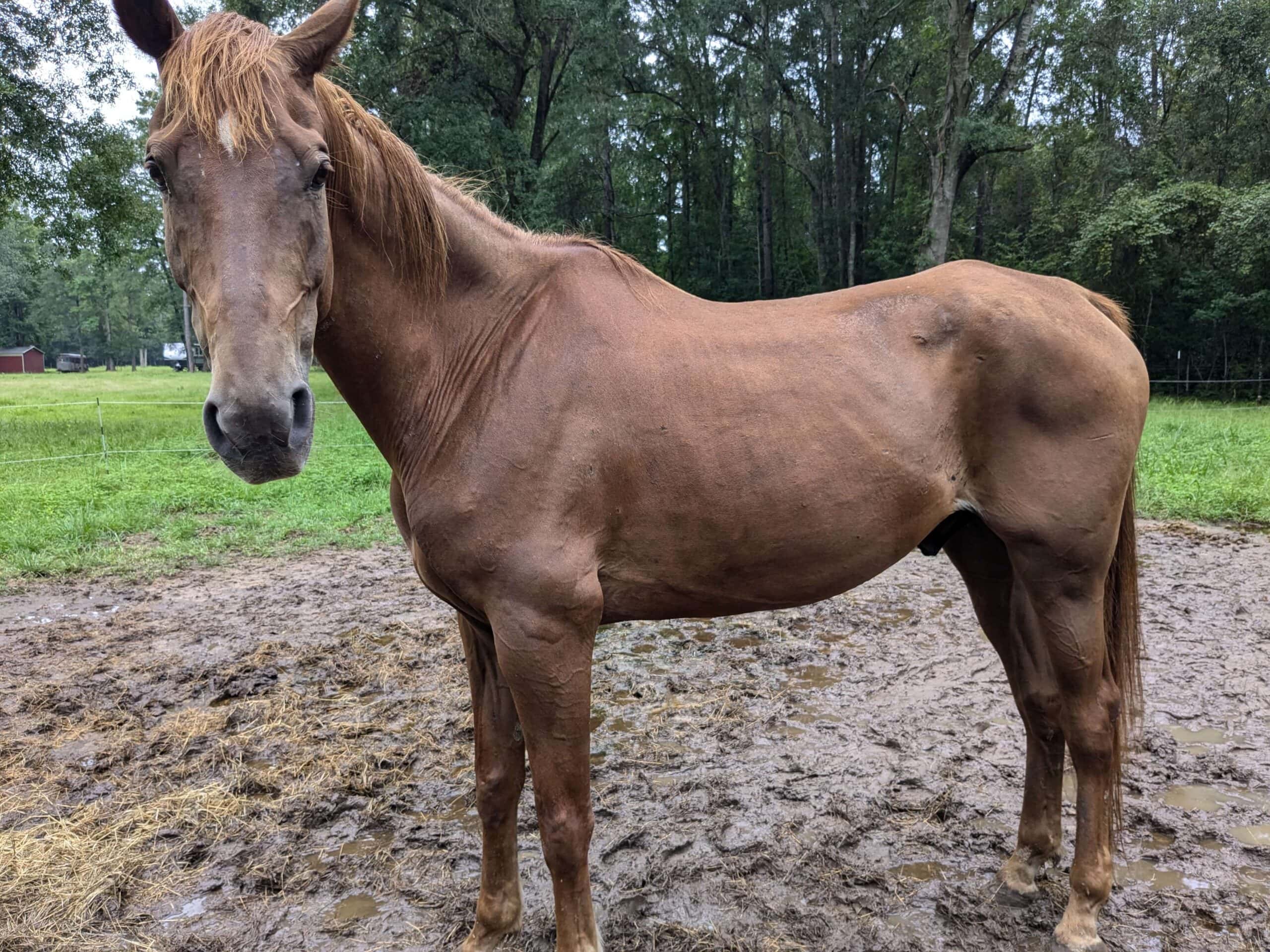 Andy, After 2 Weeks
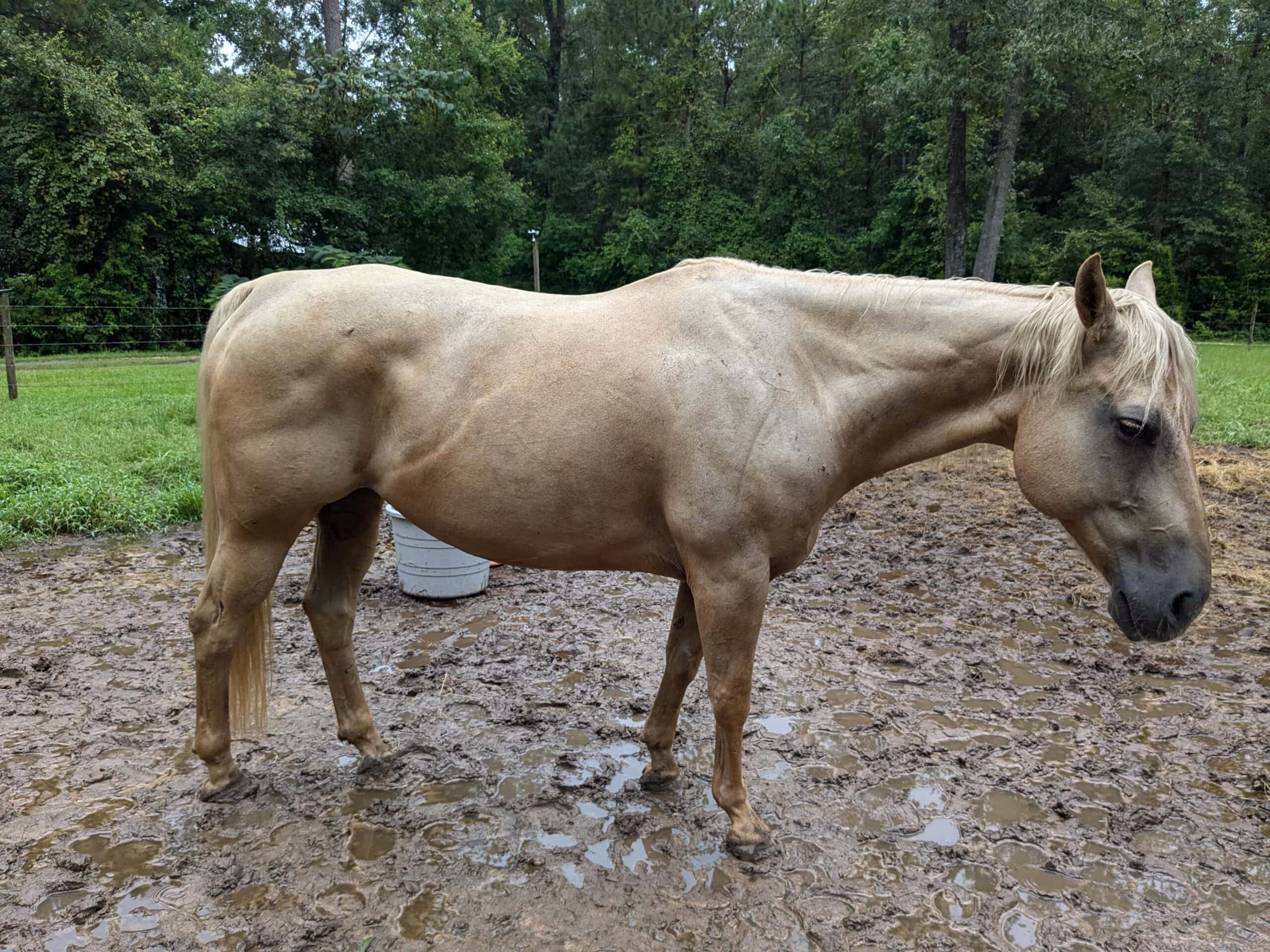 Clark, After 2 Weeks
In mid-July, approximately one month after the initial diet adjustments, the horses were switched from timothy hay to local Bermuda hay.
The new forage proved lower in quality and less palatable, and over the next three months both horses lost significant condition: Clark lost about 50 lb (23 kg) and Andy about 100 lb (45 kg), based on weight-tape estimates.
Both horses had been evaluated by a veterinarian in March 2024 with no major health concerns identified; however, Andy exhibited greater vigilance and appeared more affected by the environmental change in Texas.
Over the three-month period, the following dietary adjustments were made to compensate for the hay change:
- Increasing oil intake
- Increasing alfalfa intake
- Adding timothy pellets
- Adding rice bran
In early September, after trialing two different hays, the owner identified a forage that both horses readily consumed and that supported weight gain. Over the subsequent five weeks, Andy gained approximately 70 lb (32 kg).
By October, both horses had regained sufficient condition for riding, and the owner introduced a light exercise program. She noted that she was “finally able to enjoy her horses again.”
By the end of November, Andy weighed 1,150 lb (521 kg), and both horses showed markedly improved body fat distribution and muscling.
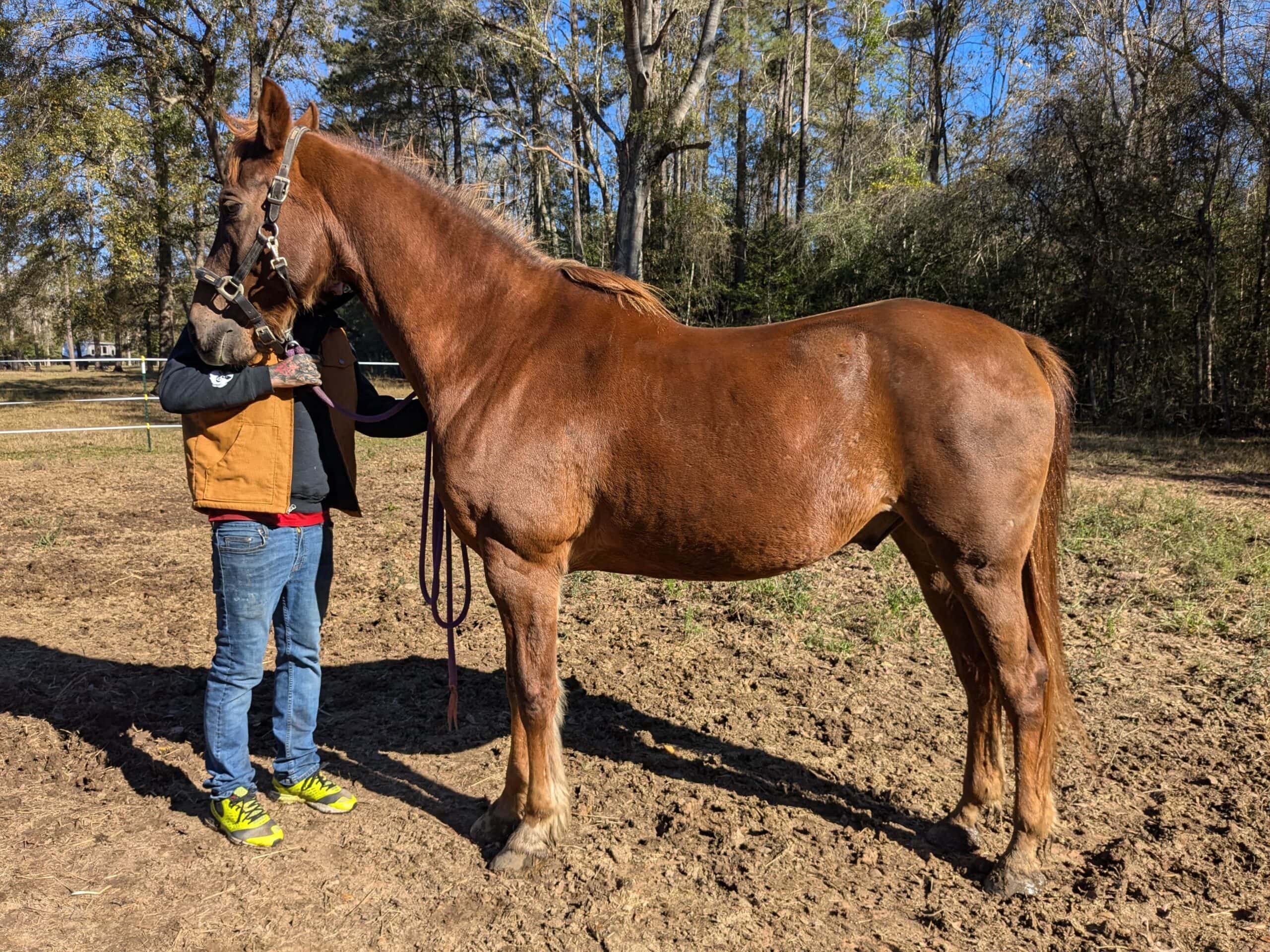 Andy, After 14 Weeks
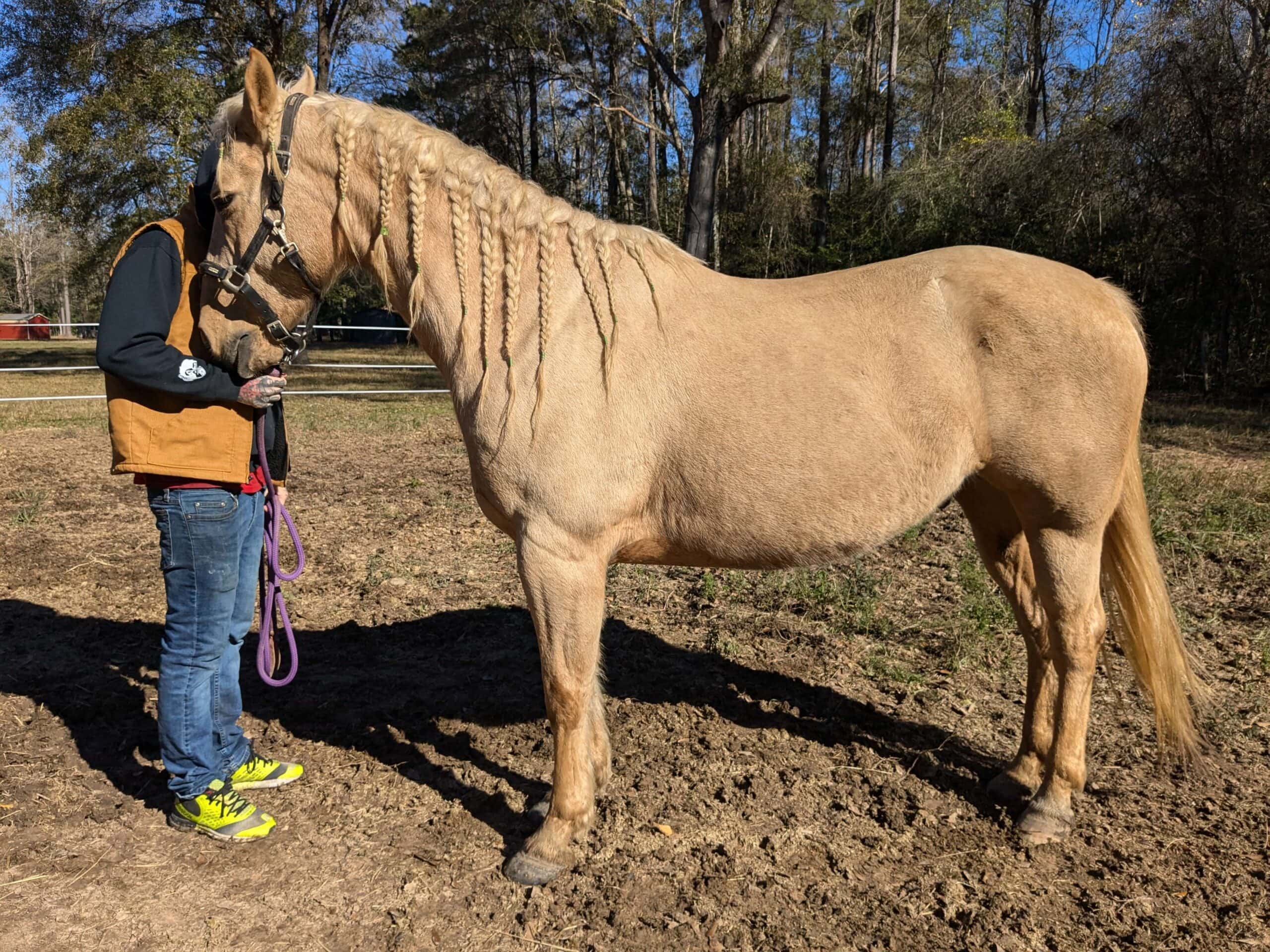 Clark, After 14 Weeks
Discussion
Supporting horses during long-distance travel and major environmental changes can be challenging. Clark and Andy experienced extended transport and initially struggled to adapt to their new surroundings, so issues with weight and topline maintenance were expected.
The updated feeding program provided a flexible source of calories and protein to support weight maintenance while ensuring vitamin and mineral requirements were met.
Incorporating Omneity® Premix and adding salt to boost sodium intake met their micronutrient requirements and supported muscle development. Finding a nutritious and palatable hay and allowing time for them to adapt to their new environment also contributed to muscle development.
“These pictures don't do their progress justice... Thanks again for all your help.”
— Feedback From OwnerIn January 2025, approximately seven months after the dietary changes, Andy had gained 121 lb (55 kg) and Clark had gained 80 lb (36 kg). The owner also noted marked improvements in hoof and coat health.
A properly balanced diet, adaptation to environmental challenges, and the gradual introduction of light exercise enabled Clark and Andy to successfully adjust to their new location and routine.
References
- Tateo. A. et al., Transport Stress in Horses: Effects of Two Different Distances. Journal of veterinary behavior. Elsevier. 2012.
- Padalino. B., Effects of the Different Transport Phases on Equine Health Status, Behavior, and Welfare: A Review. Journal of Veterinary Behavior. Elsevier. 2015.
- Raspa. F. et al., A High-Starch vs. High-Fibre Diet: Effects on the Gut Environment of the Different Intestinal Compartments of the Horse Digestive Tract. BMC Veterinary Research. 2022. View Summary
- Colombino. E. et al., Gut Health of Horses: Effects of High Fibre vs High Starch Diet on Histological and Morphometrical Parameters. BMC Veterinary Research. 2022. View Summary
- Raspa. F. et al., Microbiota Characterization throughout the Digestive Tract of Horses Fed a High-Fiber vs. a High-Starch Diet. Frontiers in Veterinary Science. Frontiers Media SA. 2024.