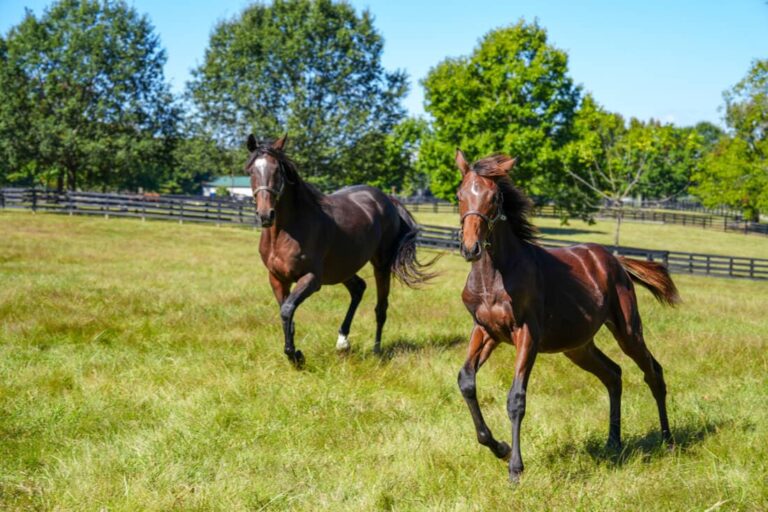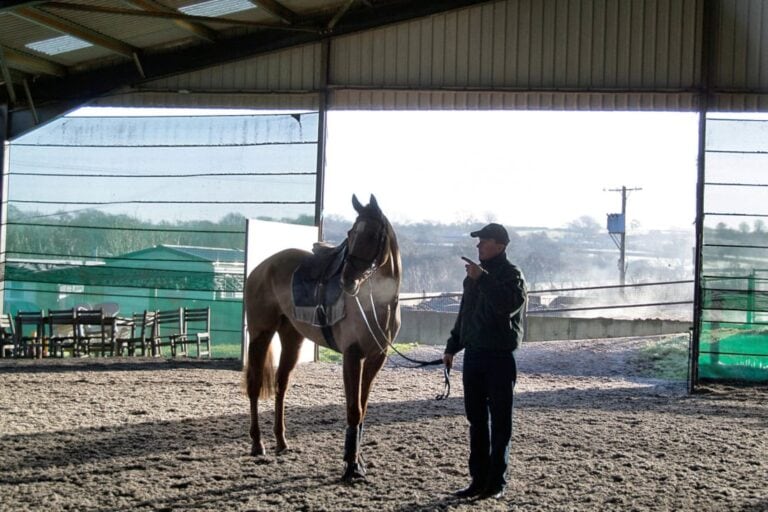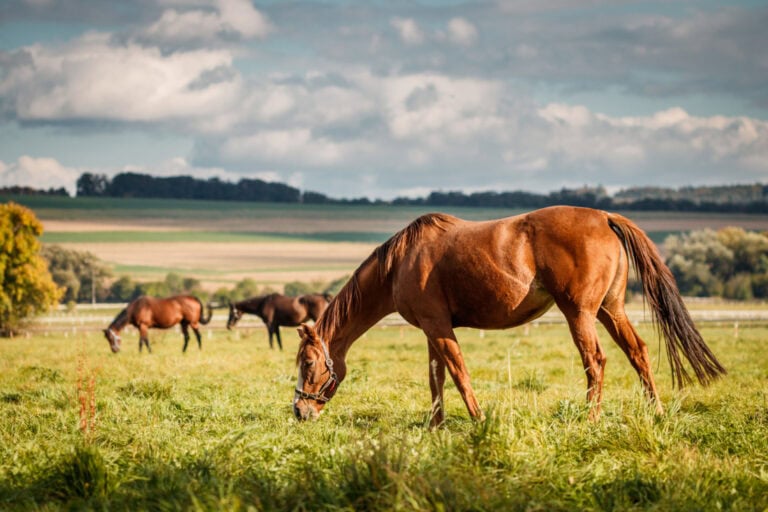
The Off-Track Thoroughbred (OTTB) may start life on the track, but the versatility of this breed means they can go on to have successful second careers. Through patience and consistency, these smart and athletic horses can learn new skills and...

Care & Management
Equine liniments are a popular DIY remedy that have been used in horse care for centuries. Many owners and caretakers find liniments a versatile option to address muscle soreness, stiffness, and minor injuries. While their overall efficacy lacks robust scientific...
Ice boots are a useful tool for managing recovery in horses after exercise or injury. These specially-designed equine devices help cool the horse’s legs, providing therapeutic benefits that reduce pain, inflammation, and swelling. Ice boots work on principles of cryotherapy:...
When searching for a new competition partner, riders have countless horse breeds to consider. While some focus on purebreds for breed-specific incentives, others prioritize finding a horse capable of excelling in the show ring and advancing through the levels in...
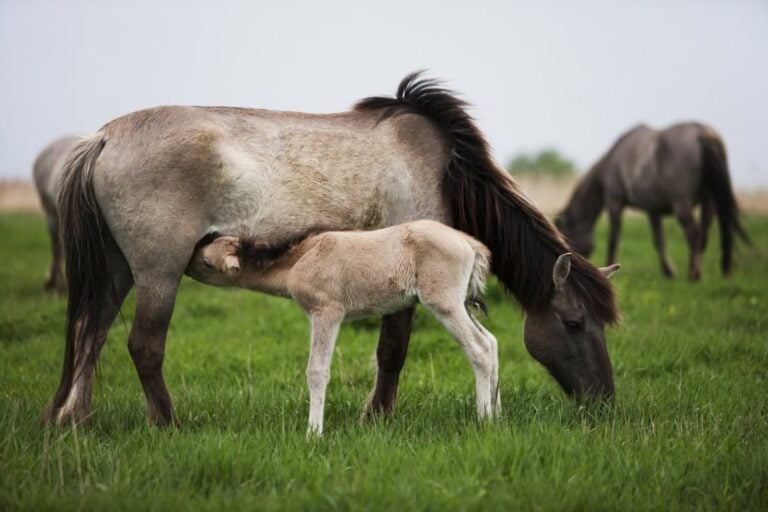
Lactation is a vital process for broodmares, ensuring the survival and growth of foals by providing essential nutrients and immune protection. However, some mares experience abnormal or inappropriate lactation, producing milk outside the expected timeline—either too early, too late, or...
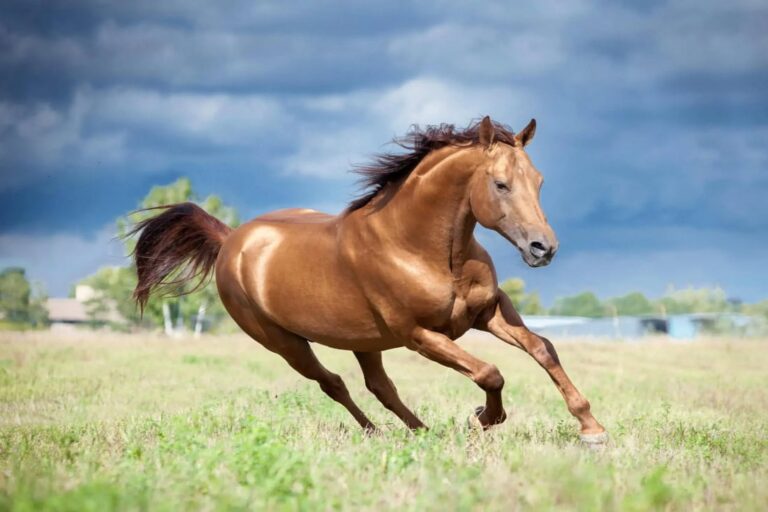
Horses are muscular animals, with a high proportion of muscle mass relative to their body weight. This impressive musculature has been shaped through centuries of selective breeding for athletic traits, including speed and strength, that enable horses to excel in...
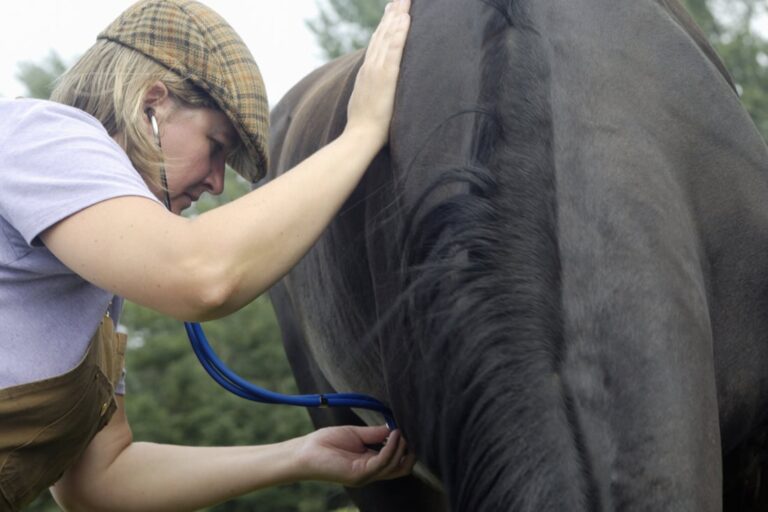
Regular health checks are an essential component of maintaining your horse's well being, performance, and longevity. Comprehensive health checks allow for early detection of illness, injury, or discomfort, allowing for prompt veterinary treatment and better health outcomes in the long-term....
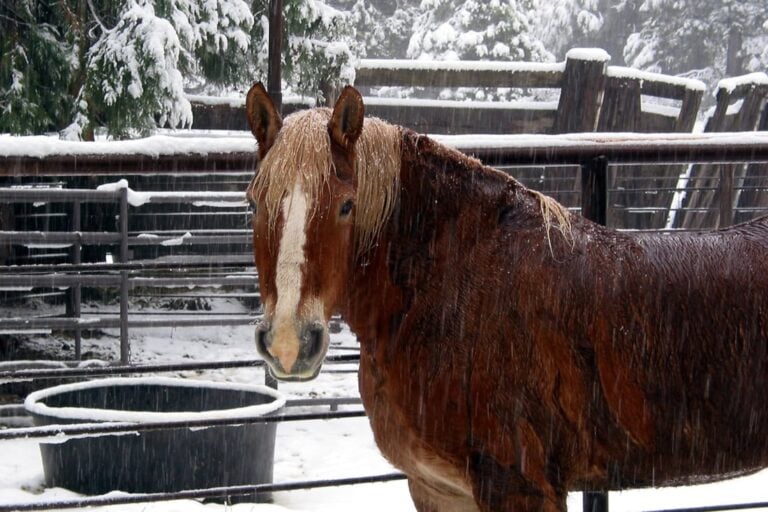
Hydration is essential for equine health year-round, but winter brings unique challenges that can make water supply management more difficult. Frozen troughs, reduced water intake, and the increased risk of colic or dehydration are all concerns that horse owners must...
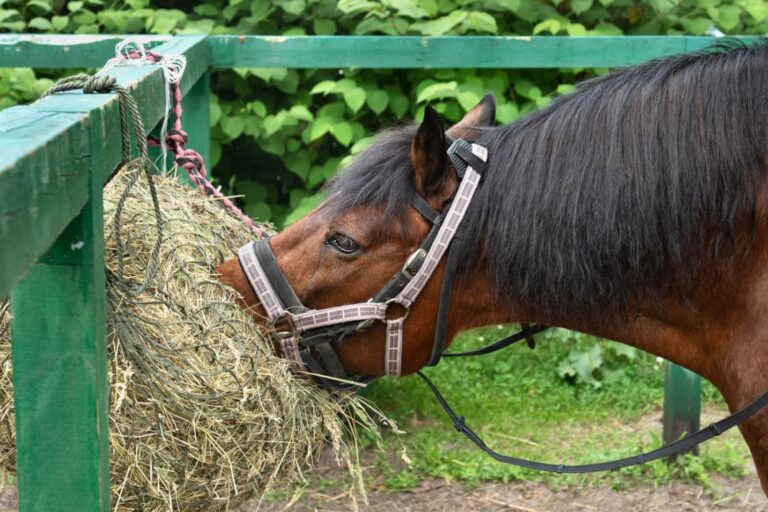
Building your own hay feeders for horses is a practical and cost-effective solution to minimize hay waste, maintain cleanliness, and ensure your herd has consistent access to forage. Whether you’re looking for simple designs or more advanced builds, DIY hay...
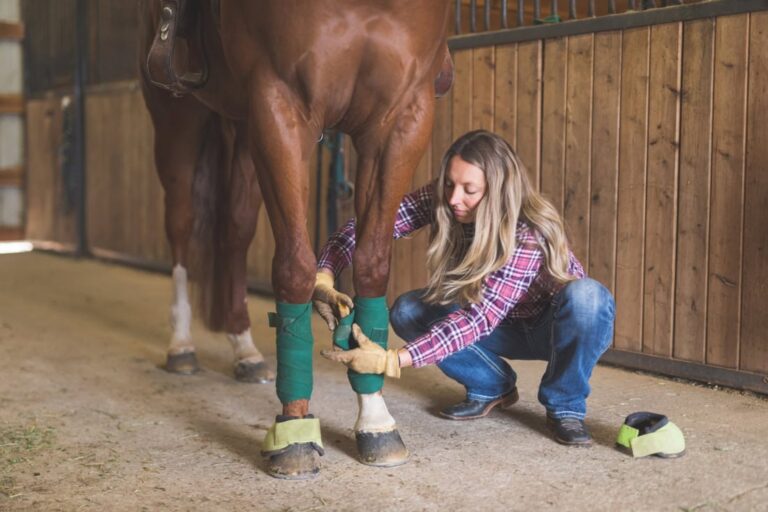
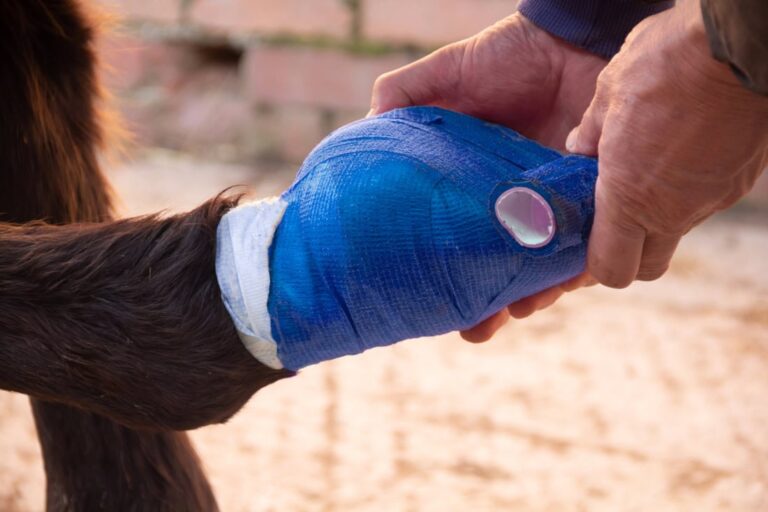
Proper hoof care is essential to maintaining a horse's overall health and performance. Whether your horse has a minor hoof injury, an abscess, or a crack that requires protection, knowing how to apply a hoof bandage is a valuable skill...
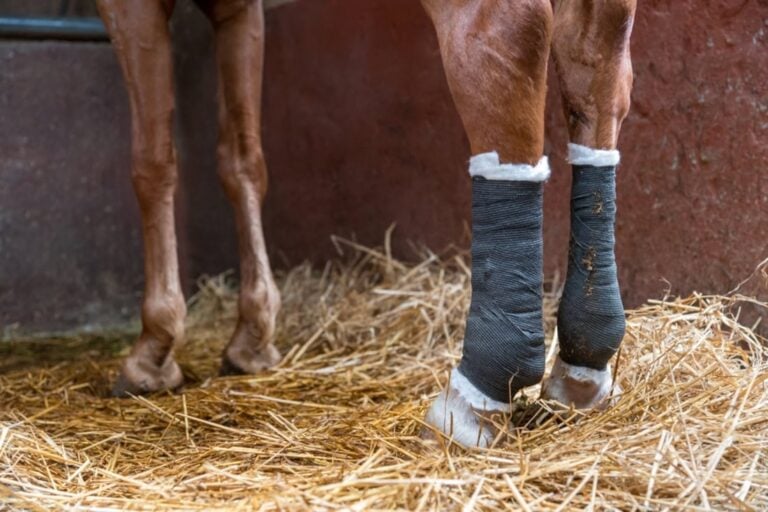
Helping a horse recover from injury requires patience, careful planning, and a basic understanding of equine rehabilitation principles. From controlled exercise and proper nutrition to therapeutic techniques and mental well-being, every step in the recovery process plays a crucial role...
Hypothermia and frostbite are serious cold-weather conditions that can affect horses exposed to extreme low temperatures, especially when combined with wind and moisture. Although horses are naturally equipped to withstand cold weather, prolonged exposure to temperatures below their thermoneutral zone...
Oral health is crucial to a horse's overall well-being. This article covers the various types of oral lesions that horses can develop, potential causes, and how to prevent them. By understanding the signs and causes of oral lesions, owners can...
Transporting horses internationally is a complex but essential process for competitive riders, breeders, and equestrian enthusiasts around the world. Whether you're relocating a beloved companion, participating in international competitions, or exporting horses for breeding purposes, ensuring their safety and comfort...
Understanding your horse's energy requirement is important for formulating a balanced diet that supports athletic performance, weight maintenance and overall function. Horses, like all animals, rely on energy from their diet to fuel their everyday activities. Energy is required for...
Caring for horses is as rewarding as it is demanding, but not all aspects of horse farm management are glamorous. From managing piles of manure to scrubbing slimy water troughs and untangling troublesome fence repairs, there’s no shortage of messy...
Sheath cleaning, thrush treatment, and coat clipping may not be the most glamorous tasks in an equestrian's day, but they are essential for maintaining a horse’s health and well being. Regular sheath cleaning helps prevent discomfort, infections, and blockages in...
While some equine owners might consider insurance an unnecessary expense, others find it an essential safeguard against unexpected costs that can add up quickly. Horse insurance policies are as unique as horses themselves, allowing owners to choose coverage tailored to...
Kinesiology taping has become a popular technique in equine rehabilitation therapy, offering potential benefits for horses dealing with muscle strain, joint issues, and recovery from injuries. Originally developed for human athletes, kinesiology tape is now used by veterinarians and equine...
Owning a horse is a dream for many, but it is essential to understand that buying the horse is just the beginning. Horses come with a range of ongoing costs, from feeding and healthcare to boarding and equipment. So, how...
Horse owners strive to ensure the safety and security of our equine companions. One of the most effective tools for identifying and protecting your horse is microchipping. Whether you are new to the concept or considering it as a safeguard...
Antimicrobial resistance (AMR), also known as antibiotic resistance, is a growing global concern that extends beyond equine medicine into all aspects of human and animal health. The overuse and misuse of these critically important drugs can lead to the development...
When designing or upgrading horse pastures, choosing the right type of fencing is critical for the safety, well-being, and containment of horses. With a wide variety of fencing options available, each with distinct advantages and disadvantages, it’s important to select...
Electric fencing for horses has become an essential tool in modern horse management, offering a balance between safety, practicality, and cost-effectiveness. This type of fencing system, which uses a mild electric shock to deter horses from pushing against or crossing...
Fat pads, also known as regional adiposity, have become an increasingly common problem in horses today. They can be described as areas of fatty tissue that develops in certain anatomical locations on the horse’s body. Two common places for fat...
Ionophores are compounds commonly used as additives in feeds for cattle, poultry, and other commercially raised animals. While these compounds are beneficial for certain animals, horses metabolize ionophores differently, making them susceptible to negative effects if exposed to toxic doses....
Selecting the right boarding facility for your horse is essential for both your horse’s well-being and your peace of mind. Boarding involves housing your horse at a facility not on […]
Around the world, there's a growing demand for a shift in the equine industry towards prioritising the health and well-being of domestic horses, a movement that has reached a pivotal moment. Stakeholders within the industry, including horse owners, professionals, regulators...
Forage-based diets can be implemented for many horses to support optimal weight maintenance, and digestive and metabolic function. These diets work with your horse’s gastrointestinal physiology to support their health. Pasture, hay, and processed forage can be used alone or...
Horses are valued human companions, fulfilling roles from work, to sport, to companionship. Ensuring the wellbeing and quality of life of our horses is a priority for many horse owners, even during challenging times such as end-of-life. Quality of life...