Analyze Diet
Canker in Horses
Canker in Horse Hooves: Signs, Causes & Treatment Dr. Madison Ricard, DVM, PhD, DACVP | January 29, 2026 | Conditions, Hoof Health

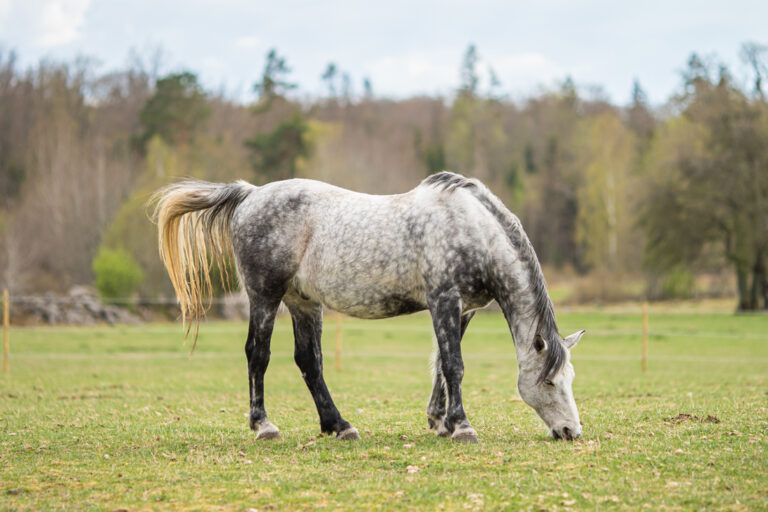
Canker in horses, also called equine proliferative pododermatitis is a condition that causes rapid proliferation of keratin, the main component of the hoof wall and sole. The proliferation forms long fronds of keratin, usually around the frog of the hoof.
Buttercup Toxicity in Horses
Buttercup Poisoning in Horses: Symptoms, Treatment and Prevention Dr. Jenna Thebeau, DVM, MSc | February 6, 2026

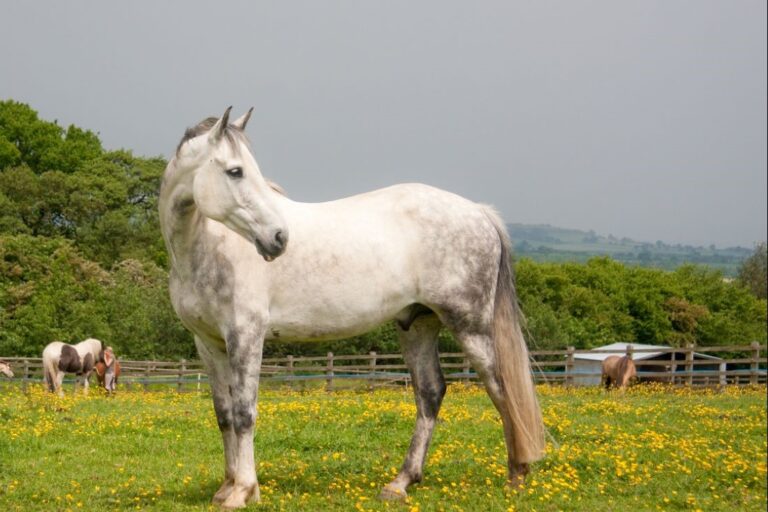
Buttercup poisoning in horses occurs when they ingest protoanemonin, a toxin produced by the buttercup plant. Although relatively rare, the ingestion of this flowering weed results in irritation to the horse’s mouth and digestive tract.

Keratomas in Horses
Keratomas in Horses: Lameness Causing Foot Tumours Dr. Madison Ricard, DVM, PhD, DACVP | February 11, 2026 | Conditions, Hoof Health, Horse Health

Keratomas in horses are abnormal growths or benign tumors that develop within the hoof capsule, potentially resulting in lameness and discomfort. These non-cancerous masses comprise overgrowths of keratin, typically forming near the coronary band.

Synovial Joint Infections in Horses
Synovial Joint Infections in Horses: Causes, Symptoms and Treatment Dr. Madison Ricard, DVM, PhD, DACVP | February 11, 2026 | Conditions, Horse Health, Joint Health

Synovial infections in horses refer to infections in the synovial structures, which include joints, bursae, and tendon sheaths. These infections can be severe and potentially career-ending for equine athletes. Most horses develop synovial infections from wounds over top of a...

Ionophore Toxicosis in Horses
Ionophore Toxicosis in Horses: Causes, Symptoms and Treatment Dr. Madison Ricard, DVM, PhD, DACVP | March 4, 2026

Ionophore toxicosis, a severe and often fatal condition in horses, arises from the ingestion of ionophores, antibiotic compounds that are common in livestock feeds. Common ionophores in livestock feeds include monensin, lasalocid and salinomycin. These antibiotics increase growth rates in...

Atrial Fibrillation in Horses
Atrial Fibrillation in Horses: Causes, Symptoms and Treatment Dr. Madison Ricard, DVM, PhD, DACVP | February 11, 2026

Atrial Fibrillation (AF) in horses is a cardiac rhythm disorder, characterized by rapid and irregular beating of the atria, the upper chambers of the heart. This condition can affect horses of any breed, age, or discipline, but it is more...

Mastitis in Mares
Mastitis in Mares: Causes, Symptoms and Treatment Dr. Madison Ricard, DVM, PhD, DACVP | February 6, 2026

Mastitis in mares is a condition characterized by the inflammation of the mammary gland, usually due to a bacterial infection. Mastitis typically affects lactating mares, often in the period immediately after giving birth or after weaning.

Scratches in Horses
Scratches in Horses: Causes, Symptoms & Treatments Casie Bazay, BS, NBCAAM | February 11, 2026

Scratches in horses, also known as pastern dermatitis, is an inflammatory skin conditions that affects the lower limbs of horses. It is characterized by irritation and sometimes infection of the skin, usually around the hind pastern or fetlock. The condition...

Heart Murmurs in Horses
Heart Murmurs in Horses: Causes, Symptoms and Diagnosis Dr. Madison Ricard, DVM, PhD, DACVP | February 11, 2026

Heart murmurs in horses are distinct sounds between the normal beats of the heart that can be heard with a stethoscope. They arise from the abnormal flow of blood through the heart, often due to conditions affecting the heart’s structure...

Anaplasmosis in Horses
Anaplasmosis in Horses (Equine Granulocytic Ehrlichiosis): Symptoms, Diagnosis & Treatment Dr. Jenna Thebeau, DVM, MSc | February 6, 2026

Anaplasmosis in horses, also known as Equine Granulocytic Anaplasmosis (EGA), is a tick-borne disease caused by the bacterium Anaplasma phagocytophilum. This condition typically affects horses in areas where the tick vectors are present, including various parts of the United States,...

Umbilical Disorders in Foals
Umbilical Disorders in Foals: Infections, Patent Urachus and Hernias Dr. Jennifer Skaggs, DVM | January 29, 2026 | Conditions, Foals

Umbilical disorders in newborn foals can arise due to bacterial infection or improper closure of the umbilicus after birth. The three most common umbilical disorders in horses are omphalitis, patent urachus, and umbilical hernia. If not addressed promptly, these conditions...

Heart Murmurs in Foals
Heart Murmurs in Foals: Diagnosing Congenital Cardiac Defects Dr. Madison Ricard, DVM, PhD, DACVP | January 29, 2026 | Conditions, Foals

A heart murmur is an abnormal sound heard during the heartbeat, caused by blood flowing in an unusual pattern or location within the heart. It’s not uncommon for newborn foals to have heart murmurs for several days after birth, as...

Abnormal Gestational Length in Foals
Prematurity, Dysmaturity, and Postmaturity: Abnormal Gestational Length in Foals Dr. Jennifer Skaggs, DVM | February 4, 2026 | Breeding, Conditions, Foals

The typical gestation period for horses ranges from 340 to 342 days. During this time, foals undergo extensive development of their organ and skeletal systems, ensuring their survival outside of the mare after birth. In some cases, foals are born...

Dysmastication in Horses
Dysmastication in Horses: Treatment of Chewing Problems and Dental Disorders Jaime Thomas, B.Sc. | February 21, 2026 | Conditions, Horse Health, Nutrition

The ability to properly chew and grind food is essential for nutrient digestion and absorption. Dysmastication is a condition involving impaired chewing- also known as mastication. Horses that are unable to chew properly may experience a cascade of problems affecting...

pigeon-fever-in-horses
Pigeon Fever in Horses: Signs, Treatment, and Prognosis Dr. Jenna Thebeau, DVM, MSc | February 21, 2026

Pigeon fever is a bacterial infection in horses caused by the bacterium Corynebacterium pseudotuberculosis. Symptoms vary from lumps on the skin with redness and oozing to systemic signs, such as lethargy, fever, weight loss, and colic. Horses contract the infection...

Warmblood Fragile Foal Syndrome
Warmblood Fragile Foal Syndrome (WFFS): Genetic Testing & Effects on Horses Dr. Jennifer Skaggs, DVM | February 11, 2026 | Conditions, Foals

Warmblood Fragile Foal Syndrome (WFFS) is an inherited disease primarily affecting Warmblood horses and their related breeds. This condition is also referred to as Fragile Foal Syndrome Type 1 (FFS). WFFS is characterized by the production of defective collagen, which...

Gait Abnormalities in Horses
Gait Abnormalities & Disorders in Horses: Causes, Diagnosis & Treatment Caroline Cochran, BSc. | February 14, 2026

Gait abnormalities in horses can lead to compromised performance, increased risk of injury, and in some cases, may necessitate early retirement from work. These disorders often present similarly to lameness, but do not necessarily involve pain. While minor conformational faults...

Contagious Equine Metritis
Contagious Equine Metritis: Causes, Symptoms & Treatment Dr. Jennifer Skaggs, DVM | February 21, 2026 | Breeding, Conditions, Fertility

Contagious equine metritis (CEM) is a bacterial infection in horses caused by Taylorella equigenitalis. CEM is highly contagious and primarily spreads through venereal transmission and contact with contaminated breeding equipment. CEM is characterized by severe inflammation of the reproductive tract...

Equine Proliferative Enteropathy - Lawsonia Infection in Horses
Equine Proliferative Enteropathy: Lawsonia Intracellularis Infection in Horses Dr. Jenna Thebeau, DVM, MSc | February 21, 2026

Equine proliferative enteropathy (EPE) is an infectious disease caused by the bacterium Lawsonia intracellularis. EPE mainly affects young horses during the fall and winter months. EPE is characterized by thickening of the lining of the small intestine due to excessive...

Rattles in Foals
Rattles in Foals: Rhodococcus equi Pneumonia Signs & Treatment Dr. Jennifer Skaggs, DVM | February 21, 2026 | Conditions, Foals, Horse Health

Rattles, clinically known as Rhodococcus equi pneumonia, is a serious respiratory condition that affects growing foals. This disease is a leading cause of severe illness in young foals, and is characterized by coughing, nasal discharge, and rapid breathing. The rattle...

Reproductive Emergencies in Mares
Reproductive Emergencies in Mares: Prepartum & Postpartum Complications Dr. Jennifer Skaggs, DVM | February 14, 2026 | Breeding, Conditions

The time around foaling (periparturient period) is a high-risk period for mares, as their bodies undergo many changes associated with delivery of the foal. Breeders must closely monitor their mares for signs of medical emergencies before, during, and after foaling....

Colic in Foals
Colic in Foals: Causes, Symptoms, Diagnosis & Treatment Dr. Madison Ricard, DVM, PhD, DACVP | February 14, 2026 | Conditions, Foals, Gut Health, Horse Health

Colic, defined as abdominal pain in horses, is a condition that ranges from mild discomfort to severe, life-threatening situations. In foals, colic presents unique challenges and concerns, due to their physiology and development. Colic in foals can be challenging to...

Enlarged Ovaries in Mares
Enlarged Ovaries in Mares: Granulosa Theca Cell Tumours & Other Causes Dr. Jennifer Skaggs, DVM | January 29, 2026 | Breeding, Conditions, Fertility, Horse Health

Enlarged ovaries are frequently observed in mares, especially those used for breeding. This enlargement often stems from an ovarian cyst. In most instances, these cysts are benign and resolve spontaneously, typically not affecting the mare’s fertility. However, it’s crucial for...

Bladder Stones in Horses
Urolithiasis (Bladder Stones) in Horses: Causes, Signs & Treatment Dr. Jenna Thebeau, DVM, MSc | February 27, 2026

Urolithiasis is a rare condition in horses that involves the formation of bladder stones within the horse’s urinary tract. These urinary stones or uroliths are hard collections of crystals or mineral deposits, which can lead to various health complications. The...

Infectious Diarrhea in Foals
Infectious Diarrhea in Foals: Symptoms, Management & Prevention Dr. Madison Ricard, DVM, PhD, DACVP | February 21, 2026 | Conditions, Foals, Horse Health

Infectious diarrhea in foals is a significant health concern that can lead to dehydration, weight loss, and systemic illness. Without timely intervention, it can lead to severe complications and even be life-threatening. Diarrhea in foals can be caused by a...

Lymphoma in Horses
Lymphoma in Horses: Symptoms, Diagnosis, and Treatment Dr. Priska Darani, Ph.D., PAS | January 29, 2026

Lymphoma, also known as lymphosarcoma, is the most common malignant cancer in horses. Lymphoma is a cancer that forms when lymphocytes, a type of white blood cell, become malignant and grow uncontrollably. Clinical signs of lymphoma in horses vary widely,...

Rabies Vaccine for Horses
Rabies in Horses: Causes, Symptoms, Diagnosis & Vaccination Dr. Priska Darani, Ph.D., PAS | February 21, 2026

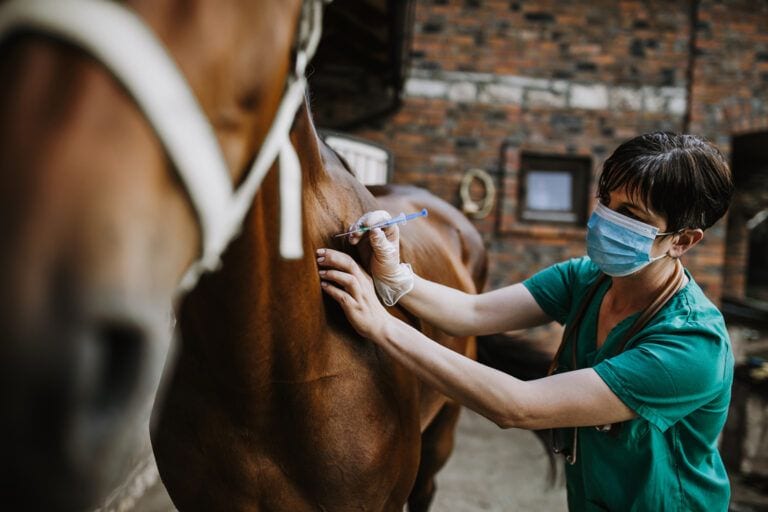
Rabies is a fatal viral disease that can affect horses and is present in wildlife mammals all over the world. Rabies is a zoonotic disease, which means it can be transmitted from animal to humans, and can be fatal if...

Equine Viral Arteritis in Horses
Equine Viral Arteritis in Horses: Symptoms, Diagnosis & Prevention Dr. Priska Darani, Ph.D., PAS | February 14, 2026

Equine viral arteritis (EVA) is a serious infectious disease that affects all equine species. EVA is particularly significant within breeding herds, as the disease causes abortion in up to 60% of affected pregnant mares. Many horses with equine viral arteritis...

Neonatal Isoerythrolysis in Foals
Neonatal Isoerythrolysis in Foals: Causes, Treatment & Prevention Dr. Madison Ricard, DVM, PhD, DACVP | February 21, 2026 | Conditions, Foals

Neonatal isoerythrolysis (NI) is a potentially fatal, but preventable, condition affecting newborn foals. Foals develop NI when they consume colostrum containing antibodies against their blood type, resulting in destruction of their red blood cells. This condition will only occur if...

Melanomas in Horses
Melanomas in Horses: Types, Treatment & Prognosis Camryn McNeill, B.B.R.M. | February 11, 2026 | Conditions

Melanomas are a type of skin tumor most commonly observed in aging grey horses. Up to 80% of gray horses aged 15 or older develop melanomas during their lifetime. Melanomas in gray horses often appear as benign blemishes and remain...