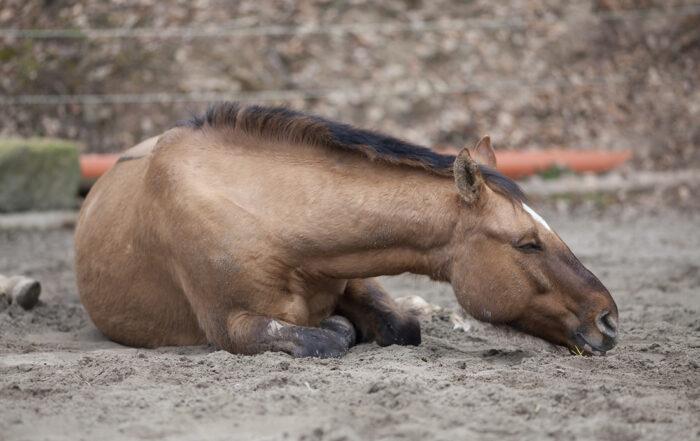




The equine digestive system is a remarkably complex and sensitive network of organs, adapted to process a steady supply of forage around the clock. When its delicate balance is disrupted, the horse's ability to process and absorb nutrients is affected....

Gut Health
The equine gastrointestinal system is one of the most complex parts of a horse’s body. Designed for nearly constant grazing, a horse’s digestive tract depends on a steady flow of forage, water, and beneficial microbes to function properly. When this...
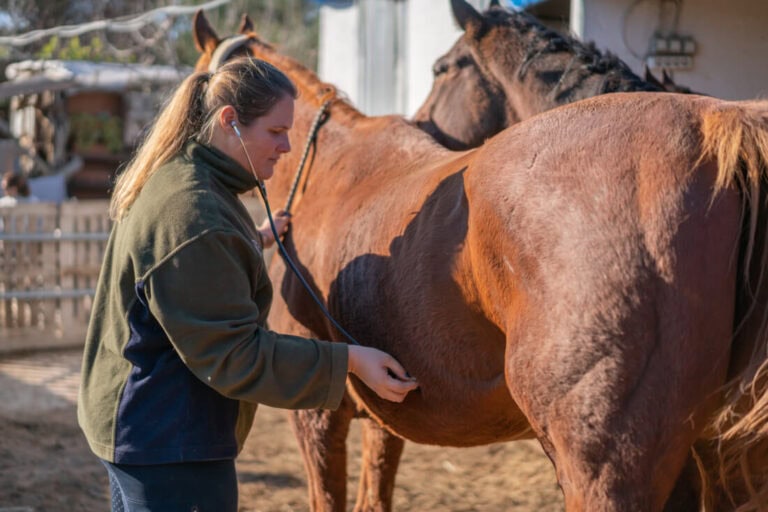
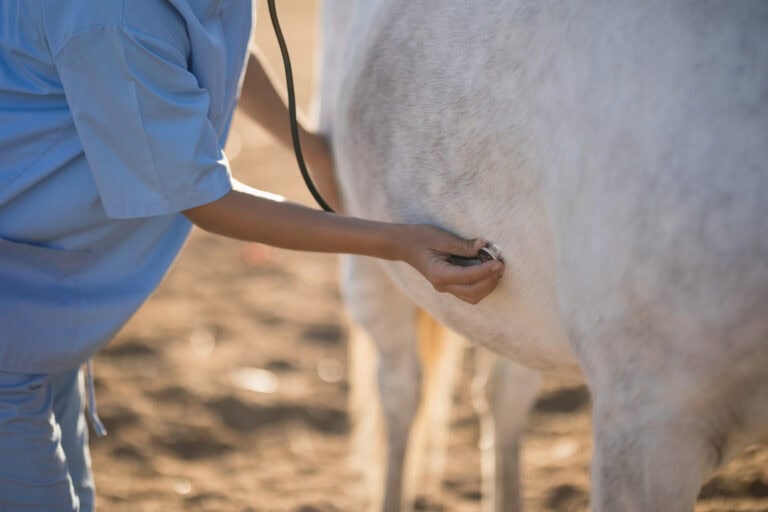
Gut sounds in horses are more than just background noise — they provide valuable clues about digestive function. These gastrointestinal sounds, known as borborygmi, reflect the activity of the digestive tract and can help caretakers detect early signs of gastrointestinal...
Emerging equine research is the cornerstone of expanding our understanding of equine health, nutrition, management, and performance. This growing body of research provides valuable insights for veterinarians, equine professionals, and researchers seeking to apply evidence-based approaches in both clinical and...
Colitis in horses is a serious inflammatory condition affecting the colon, leading to symptoms such as diarrhea, dehydration, and abdominal discomfort. Colitis is a general term that describes inflammation in the colon. In horses, there are a number of conditions...
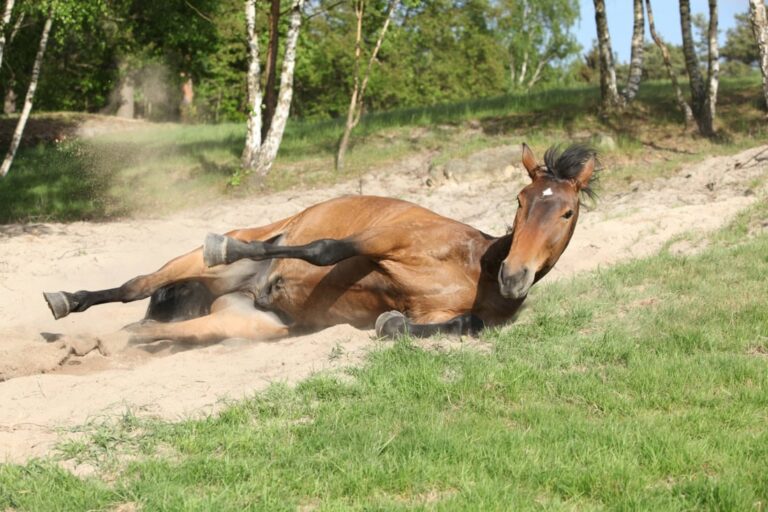
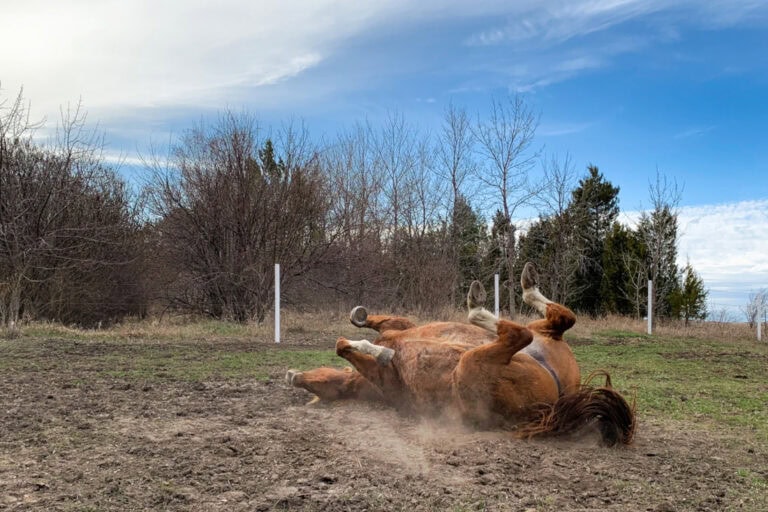
Colic in horses is one of the most common and serious health conditions affecting equines, and it can strike suddenly, regardless of age, breed, or discipline. Colic refers to abdominal pain, which can arise from a variety of causes, ranging...
Understanding gastrointestinal catastrophes in horses is essential for every horse owner. From intussusception to strangulating lipomas, these life-threatening conditions can lead to sudden, severe colic symptoms that require immediate veterinary intervention. This guide provides an in-depth look at six critical...
The equine digestive system is a series of long, flexible structures that can become twisted, leading to serious belly problems and colic. Since these structures are loosely suspended within the horse's large abdomen the digestive tract can twist or knot,...
Gas colic, also known as tympany or flatulent colic, is a prevalent gastrointestinal disorder in horses characterized by the excessive accumulation of gas in the intestines. This condition can lead to significant abdominal discomfort and distress, posing a serious health...
Fecal Microbiota Transplantation (FMT) is a procedure gaining recognition in equine medicine for its potential to restore gut health in horses suffering from gastrointestinal disorders like diarrhea and colitis. The process involves transferring fecal material from a healthy donor horse...
Displacement colics are a serious concern for horses, involving the abnormal positioning of the intestines within the hindgut. These conditions, including right dorsal displacement, left dorsal displacement, and large colon volvulus, can lead to blockages that disrupt the normal flow...
Anthelmintic (parasitic dewormer) resistance is one of the most pressing concerns in the world of equine health. In this phenomenon, internal parasites affecting horses are becoming resistant to the medications veterinarians use to treat parasitic infection. Without effective deworming medications,...
The horse's gastrointestinal system is evolved for processing forage and fiber. Domestic feeding and management strategies often challenge the horse's natural digestive process. Significant disruptions can lead to bloating - a condition where gas accumulates in the gut, causing abdominal...
Proximal Enteritis (also known as Anterior Enteritis) describes inflammation of the first two parts of the horse's small intestine. Proximal Enteritis (PE) is a serious concern for horse owners, as it can block passage of food and water through the...
Psyllium is a rich source of soluble fiber that can be incorporated into equine diets. Soluble fiber remains undigested by enzymes in the stomach (gastric juices), but passes into the hindgut where it may be partially digested by microbes. Psyllium...
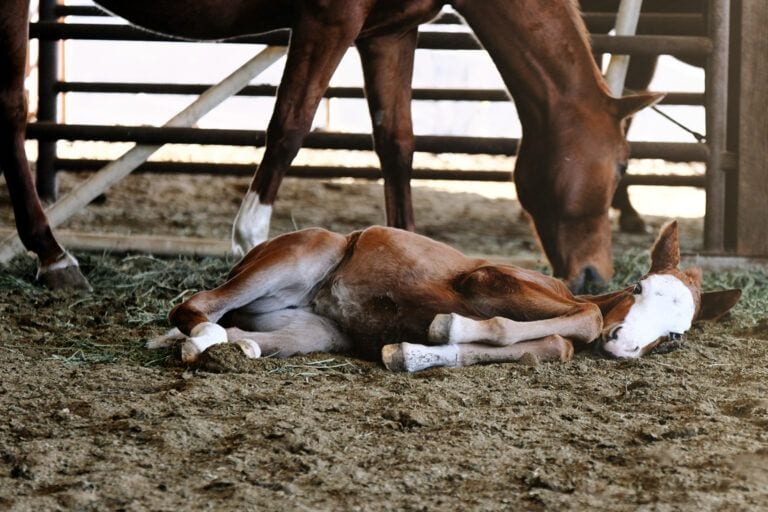
Colic, defined as abdominal pain in horses, is a condition that ranges from mild discomfort to severe, life-threatening situations. In foals, colic presents unique challenges and concerns, due to their physiology and development. Colic in foals can be challenging to...
Equine pinworms, or Oxyuris equi, are common parasites that inhabit the horse's colon. Female pinworms lay their eggs on the perianal skin (around the anus), which can cause intense itching and irritation for the horse. Pinworm infections are most common...
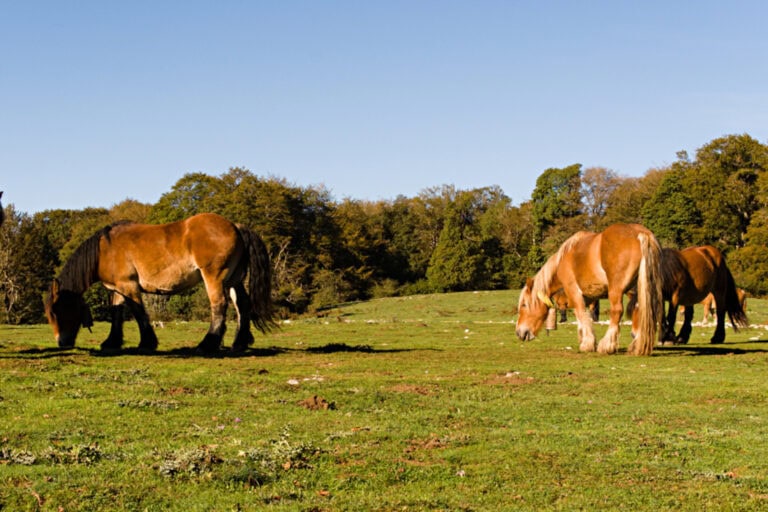
Horses are single stomach (monogastric) herbivores that evolved to graze on fiber-rich roughage. Their unique digestive system consists of a foregut and hindgut, each with different functions for breaking down feed and absorbing nutrients. The stomach and small intestines, which...
Enteroliths are calcifications or mineral masses that can form in the horse's intestines, sometimes resulting in impaction colic. These intestinal stones form when the horse consumes an indigestible object, which is not passed by the digestive system. Mineral deposits then...
Impaction colic in horses is a painful condition caused by an obstruction in the gastrointestinal (GI) tract. It is a serious and sometimes fatal condition. The term colic describes abdominal pain or discomfort in horses. Cases of colic are generally...
Sand colic is a term for abdominal pain in horses caused by the ingestion of sand. Depending on the geographic region, five to thirty percent of all colic cases are caused by sand or sediment accumulation in the gut. Sand...
A large, round belly doesn't always mean your horse is overweight. Some horses have a hay belly that makes them appear pregnant, yet they may struggle to maintain enough body condition to cover their ribs. While multiple factors contribute to...
Ranitidine (Zantac) is a medication used to reduce stomach acidity temporarily. It is commonly used in humans and animals to treat peptic ulcers and heartburn. In horses, this drug is used to alleviate gastric ulcers. Ranitidine is an H2 blocker...
Gastric ulcers are lesions in the horse's stomach that can cause pain, recurrent colic, poor exercise tolerance, weight loss and behavioural changes in your horse. Ulcers in the squamous (upper) region of the stomach form when gastric acids come into...
A healthy equine gastrointestinal microbiome contains a diverse range of beneficial microbes that support digestion, immune function and nutrient synthesis. Because horses are hindgut fermenters, a healthy microbiome is essential for overall wellness. Dysbiosis is defined as a microbial population...
Leaky gut is a digestive issue is horses that occurs as a component of a broader gut health issue such as dysbiosis, inflammatory bowel disease, or gastric ulcers. It is said that 70% of the horse’s immune system resides in...
Diarrhea is a common problem in horses as it can be a result of many different causes. It is typically a sign of of disrupted function or motility of the hindgut, including dysbiosis or infection. Diarrhea is defined as the...
Dealing with a horse that has diarrhea requires careful attention to their feeding plan and to their daily management. In some cases, diarrhea is a temporary annoyance that resolves itself with minimal intervention. Chronic cases in which diarrhea persists for...
Diarrhea can affect horses of all ages, breeds and sizes, resulting in dehydration, weight loss, poor nutrient absorption or electrolyte imbalance. Diarrhea is described as the increased excretion of liquid or semi-solid feces. Cases of equine diarrhea can range in...
Mycotoxins are naturally occurring toxic substances which are produced by mould and fungus in your horse’s hay. Mycotoxins can cause negative effects in horses including colic, gastrointestinal upset, weight loss, feed withdrawal, immune suppression, impaired performance or poor growth.