Analyze Diet
what-causes-diarrhea-in-horses
Diarrhea Causes in Horses: Risk Factors & Complications Dr. Alex Rankovic, B.Sc., M.Sc., Ph.D. | August 1, 2026

Diarrhea can affect horses of all ages, breeds and sizes, resulting in dehydration, weight loss, poor nutrient absorption or electrolyte imbalance. Diarrhea is described as the increased excretion of liquid or semi-solid feces. Cases of equine diarrhea can range in...
Mycotoxins in your Horses Hay
Mycotoxins in your Horse’s Hay – [Symptoms, Treatment & Prevention] Brooklynn Liversidge, B.Sc., M.Sc. | August 1, 2026

Mycotoxins are naturally occurring toxic substances which are produced by mould and fungus in your horse’s hay. Mycotoxins can cause negative effects in horses including colic, gastrointestinal upset, weight loss, feed withdrawal, immune suppression, impaired performance or poor growth.

Internal Parasites in Horses
Internal Parasites in Horses – Types, Symptoms, Treatment & Prevention Casie Bazay, BS, NBCAAM | August 20, 2026

Internal parasites, also known colloquially as worms, are a common concern for many horse owners. Parasites are organisms that live on the horse’s skin or infiltrate the intestinal tract to gain nutrients. They can cause inflammation, immune problems, ulcers, and,...

Navicular Syndrome in Horses
Navicular Syndrome in Horses: Symptoms, Treatment & Prevention Jane Meggitt, BA | August 11, 2026

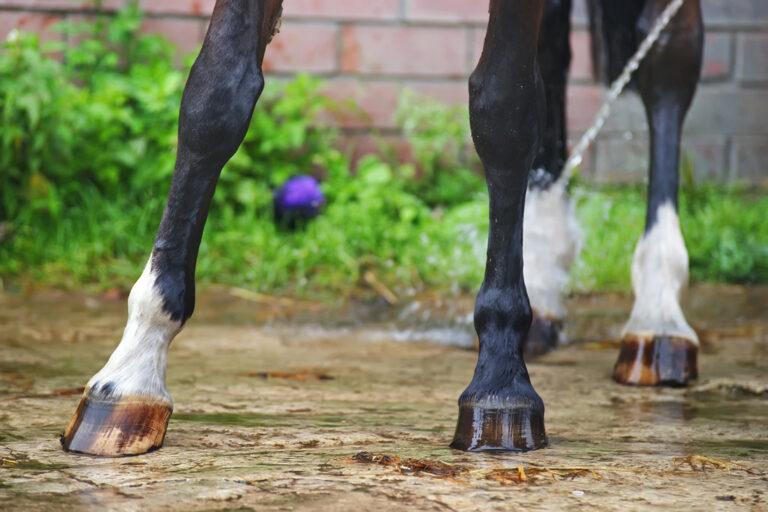
Horses exhibiting heel pain are often diagnosed with navicular syndrome. It is a common – and frustrating – issue to deal with, but it no longer spells immediate retirement for the horse. With early diagnosis and proper treatment, a horse...

Right Dorsal Colitis in Horses
Right Dorsal Colitis in Horses – Signs, Causes & Treatment Sydney Banton, B.Sc., M.Sc. | July 31, 2026

Right dorsal colitis (RDC) is a specific type of ulcerative disease in horses localized to the right, upper region of the large intestine. RDC is sometimes referred to as hindgut ulcers. Horses with RDC can show signs of weight loss,...

How to Prevent Ulcers in Horses
12 Best Ways to Prevent Gastric Ulcers in Horses Hannah Godfrey, B.Sc., M.Sc. | July 31, 2026

What can you do to prevent ulcers from developing in your horse? Equine ulcers are all too common, with studies showing that up to 90% of horses will be affected by ulcers in their lifetime. Stomach ulcers, also known as...

Hindgut Acidosis in Horses
Hindgut Acidosis in Horses – Signs, Causes & How to Prevent Brooklynn Liversidge, B.Sc., M.Sc. | July 31, 2026

Hindgut acidosis is a condition in which the hindgut of the horse becomes excessively acidic. It is usually caused by too much starch in the horse’s diet, resulting in increased production of lactic acid in the lower intestinal tract. When...

Laminitis in Horses
Laminitis in Horses: Symptoms, Causes, Risk Factors and Treatment Jane Meggitt, BA | October 6, 2026

Equine laminitis is a painful condition affecting the horse's hooves. Cases of laminitis range in severity from mild foot tenderness to chronic founder, potentially impeding the horse's ability to walk. Laminitis is the bane of any horse owner's existence. Horses...

Free Fecal Water Syndrome in Horses
Free Fecal Water Syndrome in Horses [Potential Causes and Treatments] Brooklynn Liversidge, B.Sc., M.Sc. | July 31, 2026

Free fecal water syndrome is a condition in which horses experience both solid and liquid phases during defecation. The liquid phase can occur before, during, or after defecation of the solid phase or sometimes occur completely separate from the solid...

Hindgut Ulcers in Horses
4 Common Causes of Hindgut Ulcers in Horses [How to Treat & Prevent] Casie Bazay, BS, NBCAAM | July 31, 2026

Equine gastric ulcers are extremely common, especially in performance horses. But ulcers can also occur in the horse's hindgut and have negative consequences for digestive health. Hindgut ulcers are also known as colonic ulcers. Veterinarians often refer to the condition...

Gastric Ulcers in Horses
7 Common Causes of Gastric Ulcers in Horses Dr. Priska Darani, Ph.D., PAS | July 31, 2026

Have you noticed changes in your horse such as weight loss, a dull coat, disinterest in feeding or crib chewing that have resulted in poor performance? Your horse might be experiencing stomach pain, most likely due to gastric ulcers. Equine...

High Iron Dangers for Horses
5 Dangers of High Iron Levels for Horses Dr. Priska Darani, Ph.D., PAS | July 31, 2026

Do you know the dangers of high iron levels in your horse's hay or water? Iron overload is a growing concern among horse owners as more is learned about the harmful effects of having too much of this mineral in...

Equine Gastric Ulcer Syndrome
EGUS – Equine Gastric Ulcer Syndrome Scott Cieslar, M.Sc. | July 31, 2026

Let's save the boring stats that every article discussing equine gastric ulcers quotes. If you keep your horse in a stall and/or do any level of training and you are still reading this article, there is an extremely [...]

ppid-equine-cushings-disease
Equine Cushing’s Disease Scott Cieslar, M.Sc. | July 15, 2026

Cushing’s Disease occurs when there is a tumor on the pituitary gland, an organ at the base of the brain. This tumor causes the pituitary gland to over-produce ACTH, a hormone that affects cortisol levels in the body. [...]

insulin-resistance-in-horses
Equine Insulin Resistance Scott Cieslar, M.Sc. | September 23, 2026

Insulin is a hormone produced by special cells within the pancreas in order to do many important jobs, one of which is the transportation of glucose from the bloodstream into each individual cell. When foods high in [...]