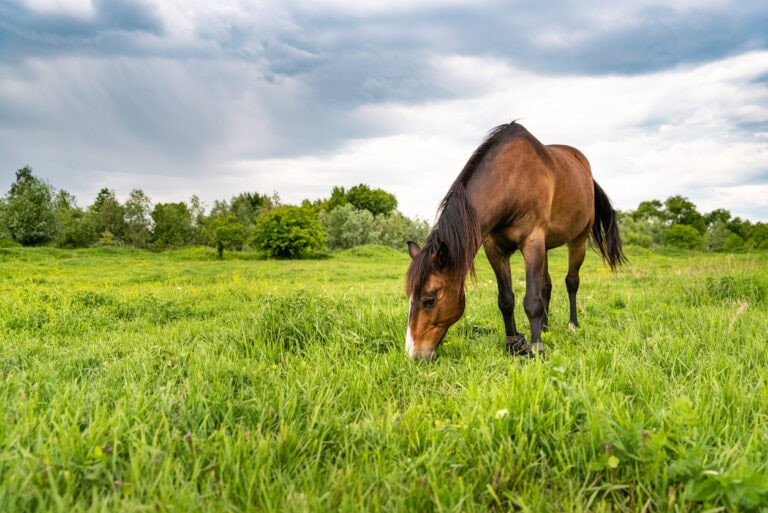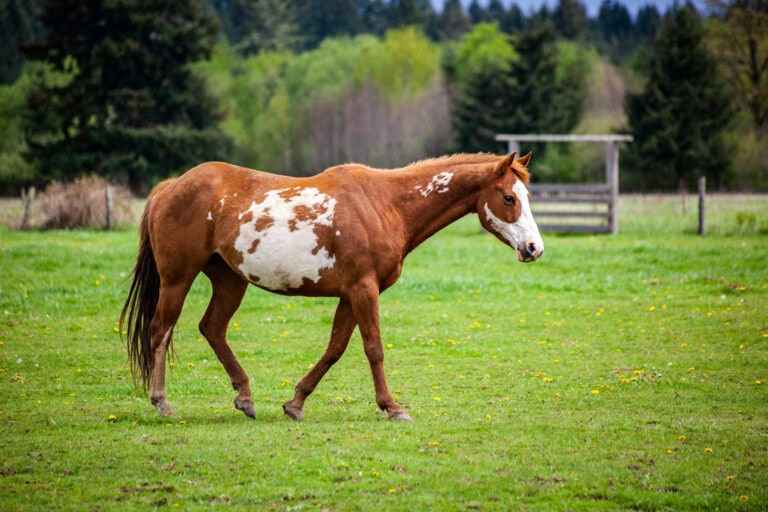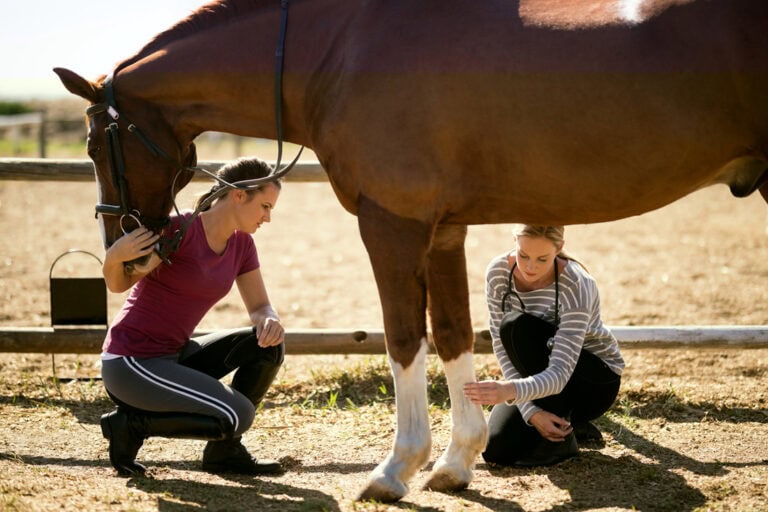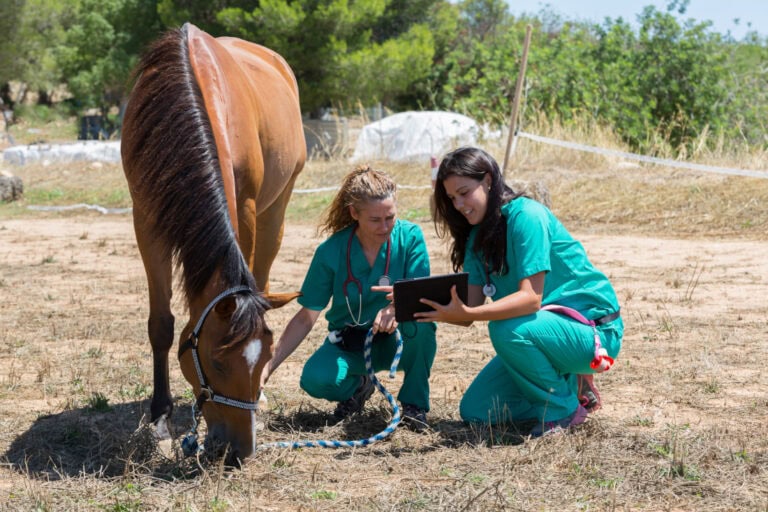
Lice are an external parasite found on the hair or fur of mammalian hosts, including horses. A lice infestation is also referred to as pediculosis. There are different species of these small, wingless insects, and horses are usually infested with...
Conditions
Explore Mad Barn’s comprehensive list of common equine health conditions, detailing each condition’s causes, symptoms, treatment options, prevention methods, and prognosis.
A
- Abnormal Gestation
- Abortion (Stillbirth)
- Acquired Heart Murmurs
- African Horse Sickness
- Anaplasmosis in Horses (Equine Granulocytic Ehrlichiosis)
- Anemia
- Anhidrosis (Absent Sweating)
- Anthrax Poisoning
- Arrhythmias (Irregular Heart Beats)
- Arthritis
- Ascarids Parasites
- Atrial Fibrillation
- Aural (Ear) Plaques
- Autoimmune disease - Primary Immunodeficiency Disorders
B
- Back Pain
- Bartonella Infection
- Big Head Disease (Nutritional Secondary Hyperparathyroidism)
- Black Walnut Tree Poisoning
- Bleeding Disorders
- Blister Beetle Poisoning (Cantharidin Toxicity)
- Bog Spavin (Tarsocrural Joint Effusion)
- Bone Bruises
- Bone Spavin
- Botflies Parasites
- Botulism
- Bowed Tendons
- Box Elder & Sycamore Poisoning
- Brain Anatomy & Disease
- Bucked Shins (Dorsal Metacarpal Disease)
- Buttercup Poisoning
C
- Canker
- Capped Hock (Calcaneal Bursitis)
- Cataracts
- Caudal Heel Pain
- Cellulitis
- Cerebellar Abiotrophy
- Choke
- Chronic Progressive Lymphedema
- Coffin Bone Lameness
- Colic in Foals
- Colic Treatment, Management & Prevention Guide
- Colitis
- Congenital Heart Murmurs
- Congenital Hypothyroidism & Dysmaturity Syndrome
- Conjunctivitis (Pink Eye)
- Contagious Colitis
- Contagious Equine Metritis
- Corneal Ulcers
- Cranial Nerve Conditions
D
- Degenerative Joint Disease (DJD)
- Degenerative Suspensory Ligament Desmitis (DSLD)
- Dehydration
- Dental Disease
- Developmental Orthopedic Diseases
- Dew Poisoning (Alsike Clover Poisoning)
- Dislocated Eye Lens
- Displacement Colics
- Dorsal Displacement of the Soft Palate in Horses (DDSP)
- Dummy Foal Syndrome (Neonatal Maladjustment)
- Dysmastication (Abnormal Chewing)
- Dystocia (Difficulty Foaling)
E
- Ear Mites & Psoroptic Mange
- Eastern Equine Encephalitis (EEE)
- Endometritis
- Enlarged Ovaries
- Enteritis & Inflammatory Bowel Disease
- Enteroliths
- Epilepsy
- Equine Chronic Obstructive Pulmonary Disease (COPD)
- Equine Coronavirus (ECoV)
- Equine Degenerative Myeloencephalopathy (EDM)
- Equine Gastric Ulcer Syndrome (EGUS)
- Equine Grass Sickness
- Equine Herpesvirus
- Equine Herpesvirus-1 Myeloencephalopathy (EHM)
- Equine Infectious Anemia (EIA)
- Equine Metabolic Syndrome (EMS)
- Equine Motor Neuron Disease
- Equine Odontoclastic Tooth Resorption & Hypercementosis (EOTRH)
- Equine Proliferative Enteropathy (Lawsonia)
- Equine Protozoal Myeloencephalitis (EPM)
- Equine Viral Arteritis (EVA)
- Equine Wobbler Syndrome (Cervical Vertebral Stenotic Myelopathy)
- Exercise-Induced Pulmonary Hemorrhage (EIPH)
- Eye Conditions
F
G
H
- Hay Belly
- Hay Belly & Other Causes of Bloating
- Heart Disease
- Heat Stress
- Heaves
- Hendra Virus (Equine Morbillivirus)
- Hepatitis
- Hereditary Equine Regional Dermal Asthenia (HERDA)
- Hindgut Acidosis
- Hindgut Ulcers
- Hives (Urticaria)
- Hoof & Sole Bruises
- Hoof Abscess
- Hoof Anatomy & Conditions
- Hoof Cracks
- Hoof Degloving
- Hunter’s Bump
- Hyperkalemic Periodic Paralysis (HYPP)
- Hyperlipidemia & Hyperlipemia
- Hypothyroidism
I
- Immune Mediated Myositis (IMM)
- Impaction Colic
- Inappropriate Lactation
- Infectious Diarrhea in Foals
- Inflammatory Airway Disease
- Influenza Virus (Flu)
- Inguinal (Scrotal) Hernias
- Injuries: Endurance
- Injuries: English Performance
- Injuries: Racehorses
- Injuries: Western Performance
- Insect Stings & Spider Bites
- Internal Entrapments (Reasons for Colic Surgery)
- Internal Parasites
- Intussusception
- Ionophore Toxicosis
- Iron Overload
J
K
L
M
- Mange
- Mare Reproductive Loss Syndrome
- Mastitis
- Melanomas
- Meningitis
- Mesenteric & Omental Rents
- Migrating Grass Awns (Foxtails)
- Moldy Hay (Mycotoxin) Poisoning
- Monensin Poisoning
- Moon Blindness (Equine Recurrent Uveitis)
- Mosquito-Borne Equine Diseases
- Most Common Equine Allergies
- Mud Fever (Equine Pastern Dermatitis)
- Myofibrillar Myopathy (MFM)
- Myosin Heavy Chain Myopathy (MYHM)
N
O
P
- Parrot Mouth (Rostral Malocclusion)
- Pasture-Associated Laminitis
- Pedal Osteitis
- Physitis
- Pigeon Fever
- Pinworms Parasites (Oxyuris Equi)
- Piroplasmosis (Babesiosis)
- Pituitary Pars Intermedia Dysfunction (PPID, formerly Equine Cushing's)
- Placentitis
- Pneumonia
- Podotrochlear Syndrome
- Polysaccharide Storage Myopathy Type 1 (PSSM1)
- Potomac Horse Fever
- Progressive Ethmoidal Hematomas
- Protein Bumps (Eosinophilic Granulomas)
- Proud Flesh (Granulation Tissue)
- Proximal or Anterior Enteritis
- Purpura Hemorrhagica
Q
R
- Rabies
- Ragwort Poisoning (Pyrrolizidine Alkaloid Toxicity)
- Rain Scald
- Rattles in Foals
- Reproductive Emergencies in Mares
- Respiratory Diseases
- Retained Fetal Membranes (Placenta)
- Rhino in Horses
- Right Dorsal Colitis
- Ringbone
- Ringworm (Girth Itch)
- Roach Back (Kyphosis)
- Roaring (Laryngeal Hemiplegia)
- Rotavirus
- Ryegrass Staggers
S
- Sacroiliac Dysfunction
- Salmonella Infection
- Sand Colic
- Sarcoids
- Scours (Foal Heat Diarrhea)
- Scratches (Pastern Dermatitis)
- Seasonal Respiratory Allergies
- Selenium Poisoning (Alkali Disease)
- Sepsis & Toxic Shock
- Septic Laminitis
- Sesamoid Injuries
- Sesamoiditis
- Shelly Feet
- Shipping Fever
- Shivers
- Shoe Boils (Olecranon Bursitis or Capped Elbow)
- Sidebone
- Sidewinder Syndrome (Crab Walking)
- Sinusitis
- Skin Allergies
- Skin Diseases Guide
- Skin Irritations
- Slobbers (Slaframine Poisoning)
- Small Intestine Volvulus
- Smoke Inhalation Injury
- Sorghum & Sudan Grass (Cyanide) Poisoning
- Splints in Horses
- Squamous Cell Carcinoma (SCC)
- Staphylococcus & MRSA
- Stocking Up (Stagnation Edema)
- Stovepipe Leg (Lymphangitis)
- Strangles
- Strangulating Lipomas
- Stringhalt
- Strongyles Parasites
- Summer Sores (Habronema)
- Supporting Limb Laminitis
- Swayback (Equine Lordosis)
- Sweet Itch (Insect Bite Hypersensitivity)
- Swollen Sheath
- Synovial Joint Infections
T
- Tapeworms Parasites
- Tendon Injuries
- Tetanus
- Theiler's Disease (Equine Serum Hepatitis)
- Threadworms <em>(Strongyloides Westeri)</em>
- Thrush
- Thumps (Synchronous Diaphragmatic Flutter)
- Tick-Borne Disease [Guide]
- Top 30 Most Common Equine Diseases
- Top 6 Gastrointestinal Conditions in Horses
- Trigeminal Mediated Headshaking Syndrome
- Twisted Gut (Intestinal Torsion)
- Tying-up (Exertional Rhabdomyolysis)
- Tyzzer's Disease
U
V
W
Z
Cataracts are cloudy areas within the horse's lens, the structure within the eye that directs light to the retina. [ref n="1"] The lens must be clear to allow light to pass through correctly, meaning that cataracts can cause blindness in...
Glaucoma refers to increased intraocular pressure, the fluid pressure within the eyeball that gives the eye its shape. [ref n="1"] Glaucoma in horses develops when there is an imbalance in fluid drainage at the front of the eye, leading to...
Equine herpesvirus-1 myeloencephalopathy (EHM) is a potentially fatal consequence of equine herpesvirus-1 (EHV-1) infection in horses. EHV-1 spreads through contact with an infected horse or surfaces contaminated with the virus. Affected horses develop incoordination, weakness, and paralysis 6-10 days after...
Degenerative joint disease (also called arthritis) refers to degeneration and loss of the articular cartilage, cartilage within a joint space that protects the bones on either side of a joint. As the articular cartilage degenerates, the bones contact each other,...
Equine degenerative myeloencephalopathy (EDM) is a degenerative neurologic disease affecting the brain and spinal cord in horses. [ref n="1"] The precise cause of EDM is unknown, but it may be related to a combination of vitamin E deficiency in the...
Neurectomy refers to the surgical cutting and removal of a nerve to prevent pain sensation. In horses, neurectomy is considered a salvage procedure, meaning it is a last resort only performed if no other treatments were effective. Veterinarians may recommend...
Blister beetles, also known as oil beetles, secrete a blistering agent called cantharidin as a natural defense against predators. Beetles in this family feed on flower blossoms, particularly in alfalfa plants, which makes them a common contaminant in alfalfa hay....
Alsike clover toxicosis is a potentially life-threatening condition in horses caused by ingesting large quantities of the Trifolium hybridum plant, commonly referred to as Alsike clover. To date, neither the precise mechanism of action nor the specific toxin from Alsike...
Poisonous snake bites (snake envenomation) in horses, while not common, are a medical emergency. Without prompt veterinary attention, snake envenomation can result in severe injury and, in some cases, death. In North America, venomous snakes belong to either the Elapid...
The guttural pouches are large, air-filled structures within the horse's skull, in the throatlatch region. These pouches can develop bacterial infections, fungal infections, or tympany, the excessive accumulation of air. Most diseases of the guttural pouches are not life-threatening. However,...
Progressive ethmoidal hematomas (PEHs) in horses are non-cancerous masses that develop from the ethmoidal labyrinth. This is a structure with a high concentration of blood vessels within the horse’s nasal […]
Immune-mediated myositis (IMM) is a muscle disorder in horses where the immune system mistakenly attacks its own muscle fibers, resulting in severe muscle atrophy. IMM is one of the two disorders classified under Myosin Heavy Chain Myopathy (MYHM) in horses....
Oxalates are naturally occurring compounds that bind calcium in the equine diet, preventing absorption of this mineral from the horse’s gut. When horses consume plants with high levels of these […]
The overo pattern is one of three coat patterns in American Paint Horses (APHs) recognized by the American Paint Horse Association (APHA), along with Tobiano and Tovero. Among Overo variations, the frame overo subtype stands out for its distinctive markings....
Platelet-Rich Plasma (PRP) is a regenerative therapy used to treat horses with tendon and ligament injuries. PRP is a blood preparation where plasma, the water and protein component of blood containing no cells, is mixed with highly concentrated platelets and...
Pulsed electromagnetic field (PEMF) therapy is a treatment modality for horses where a machine produces pulses of electromagnetic fields directed at a specific part of the body. Research suggests that PEMF can improve bone healing rates, regenerate and protect cartilage...
Habronematidosis or habronemosis, more commonly known as summer sores, is a parasitic skin infection that can occur in horses. As the name implies, summer sores usually occur during the summer months.
Chiropractic care for horses is a form of manual therapy commonly used in veterinary treatment protocols for lameness. Chiropractic treatment focuses on joint mobilization and manipulation to reduce pain, improve symmetry, and increase range of motion.
Exertional Rhabdomyolysis (ER), commonly known as tying-up or azoturia, is an exercise-induced condition in horses characterized by the excessive breakdown of muscle tissue. This results in muscle spasms, pain and impaired performance following bouts of exercise. [1] In severe cases,...
Leptospirosis is a bacterial infection that is commonly spread to horses through direct contact with contaminated food and water sources. While there are many different species of the Leptospira bacteria, symptoms in horses are most commonly caused by Leptospira interrogans.
Sesamoiditis in horses refers to pain and injury around the sesamoid bones, pairs of small triangular bones found at the back of the fetlock. Inflammation in this area can cause pain and changes to the bony structure of the sesamoid...
Sacroiliac pain is a common cause of poor performance and low-grade lameness in performance horses. The sacroiliac joint is the point on the horse’s body where the pelvis and the spine connect, playing an important role in their stride.
Pedal osteitis in horses is a condition characterized by inflammation and damage to the pedal (coffin) bone within the hoof. Affected horses can experience pain and lameness, which may be worse after exercise or hoof trimming. Pedal osteitis typically develops...
Sidebone in horses is a common condition that affects the collateral cartilages of the hoof. It occurs when the normally flexible cartilage plates in the horse's hoof gradually become hardened and calcified into bone. According to research, an estimated 80%...
Canker in horses, also called equine proliferative pododermatitis is a condition that causes rapid proliferation of keratin, the main component of the hoof wall and sole. The proliferation forms long fronds of keratin, usually around the frog of the hoof.
Buttercup poisoning in horses occurs when they ingest protoanemonin, a toxin produced by the buttercup plant. Although relatively rare, the ingestion of this flowering weed results in irritation to the horse’s mouth and digestive tract.
Keratomas in horses are abnormal growths or benign tumors that develop within the hoof capsule, potentially resulting in lameness and discomfort. These non-cancerous masses comprise overgrowths of keratin, typically forming near the coronary band.
Synovial infections in horses refer to infections in the synovial structures, which include joints, bursae, and tendon sheaths. These infections can be severe and potentially career-ending for equine athletes. Most horses develop synovial infections from wounds over top of a...
Ionophore toxicosis, a severe and often fatal condition in horses, arises from the ingestion of ionophores, antibiotic compounds that are common in livestock feeds. Common ionophores in livestock feeds include monensin, lasalocid and salinomycin. These antibiotics increase growth rates in...