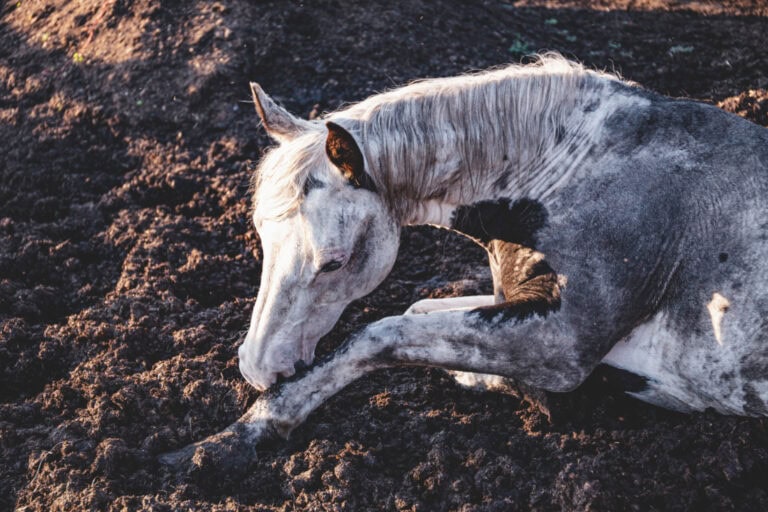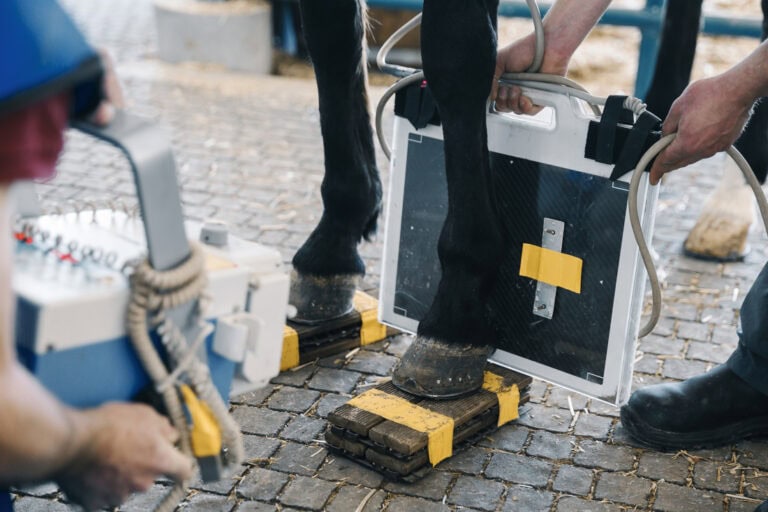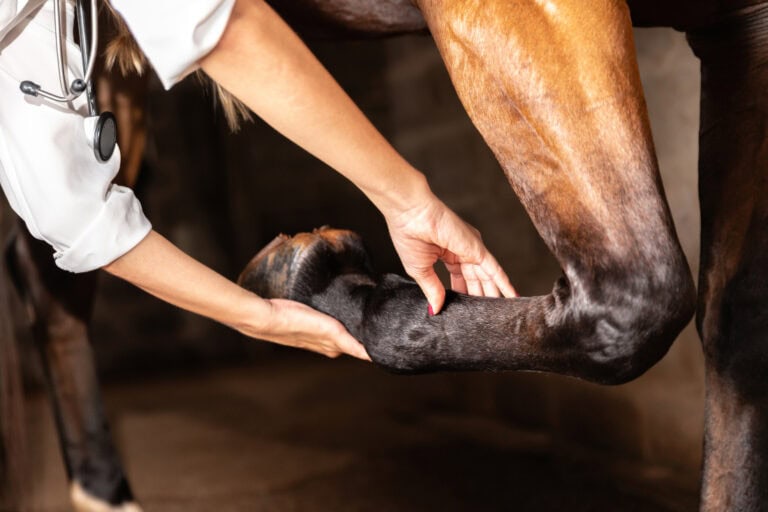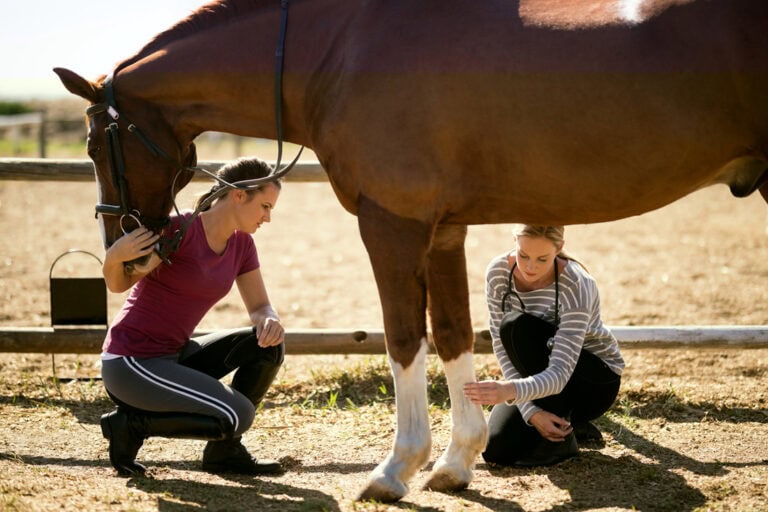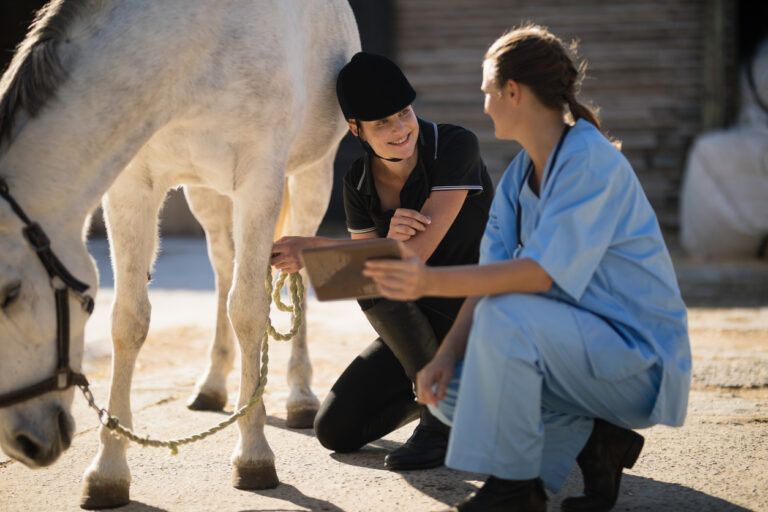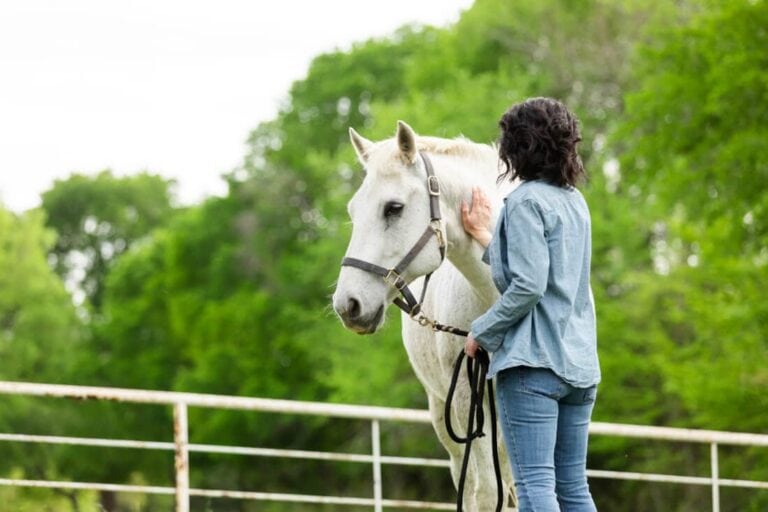
Catastrophic limb injuries are among the most serious emergencies a horse can face. They involve severe damage to bones, joints, or supporting soft tissues, leaving the horse unable to bear weight safely. Unlike minor strains, sprains, or small fractures, these...
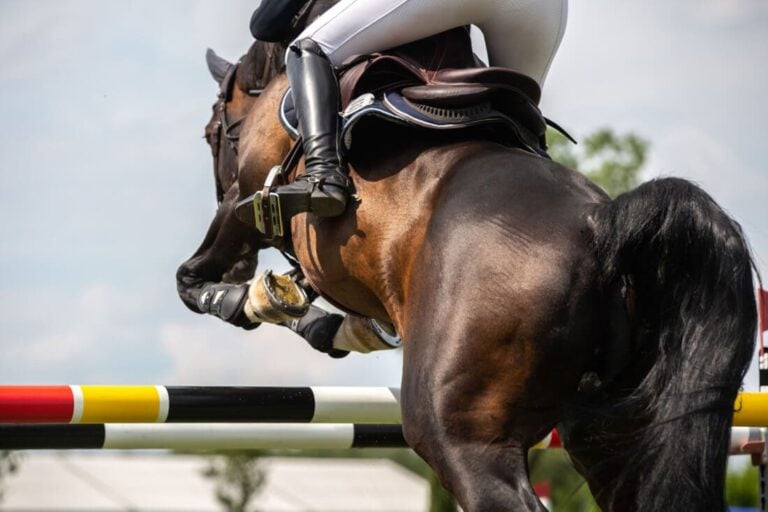
Joint Health
The sacroiliac joint (SIJ) is one of the largest and most important joints in the horse’s body, yet it is also one of the least understood. Situated deep within the pelvis, the SIJ forms the critical connection between the sacrum...
Emerging equine research is the cornerstone of expanding our understanding of equine health, nutrition, management, and performance. This growing body of research provides valuable insights for veterinarians, equine professionals, and researchers seeking to apply evidence-based approaches in both clinical and...
Stem cell therapy is gaining attention in equine veterinary care as a potential option for treating injuries and managing degenerative conditions. This treatment approach is being explored for its ability to support tissue repair and aid recovery in horses with...
The horse’s skeletal system is made up of more than 200 bones that all connect with the help of connective tissue—tendons, ligaments, and cartilage. In each location where two or more bones meet, this is known as a joint. Joints...
The stifle is a complex joint in the horse's leg, comparable to the human knee. It comprises bones, ligaments, cartilage, and muscles that work together to enable movement and provide stability. This joint plays a crucial role in the overall...
Capped hock refers to inflammation and swelling over the bony point of a horse's hock. The "cap" may be squishy or firm and is usually the result of trauma or repeated rubbing. Alongside the characteristic swelling, the horse may have...
Sesamoid injuries are a common and often serious equine injury. The small sesamoid bones play a large role in reducing tension on the muscles and tendons of the body. The proximal sesamoid bones (PSBs), located in the fetlock joint, play...
Bog spavin is a common term for effusion in the horse's tarsocrural joint. This painful condition describes inflammation and fluid accumulation in the joint capsule between the tibia and the tarsal bones in the hock. Bog spavin is characterized by...
When a horse lies down for extended periods, especially with long-heeled horseshoes or on shallow bedding, prolonged pressure and "squishing" from the hoof on the elbow can occur, leading to a condition known as shoe boil. Shoe boils, otherwise known...
Degenerative joint disease (also called arthritis) refers to degeneration and loss of the articular cartilage, cartilage within a joint space that protects the bones on either side of a joint. As the articular cartilage degenerates, the bones contact each other,...
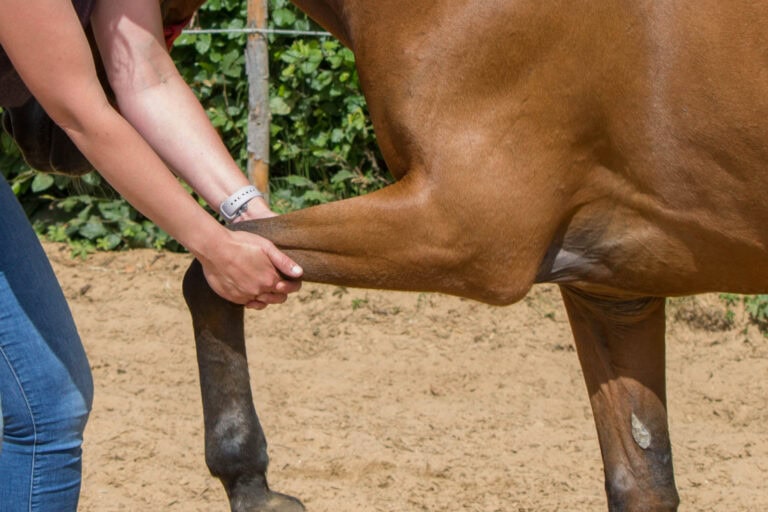
Flexion tests are a component of the diagnostic work-up for lameness in horses. These tests exacerbate pre-existing soreness or irritation in the limbs to make subtle lameness more obvious. Veterinarians most commonly use flexion tests during lameness examinations or pre-purchase...
Platelet-Rich Plasma (PRP) is a regenerative therapy used to treat horses with tendon and ligament injuries. PRP is a blood preparation where plasma, the water and protein component of blood containing no cells, is mixed with highly concentrated platelets and...
Corticosteroids are a class of medication used to treat inflammation and pain. Corticosteroid joint injections are a common treatment for arthritis in horses. When injected directly into a joint, corticosteroids produce an anti-inflammatory effect that reduces pain associated with arthritis...
Synovial infections in horses refer to infections in the synovial structures, which include joints, bursae, and tendon sheaths. These infections can be severe and potentially career-ending for equine athletes. Most horses develop synovial infections from wounds over top of a...
Joint wear and tear is a part of every equine athlete's life. As your horse ages, joints naturally become stiff and sore - a process that is accelerated with heavy exercise. Joint injections deliver medication directly to the affected joints.
Osteoarthritis (also known as Degenerative Joint Disease) involves joint inflammation and progressive degeneration of the cartilage lining. It also involves changes in the bone and soft tissues of the joint. Arthritis is thought to affect more than half of all...
Lameness in the horse's stifle joint can result in shortened stride length, reluctance to work or a rough canter. While lameness is more commonly attributed to problems with the hock joint, stifle lameness is seen frequently in performance horses. The...

Supplements targeting joint health are some of the most sought-after dietary supplements for horses, especially due to the high prevalence of joint injuries and deterioration later in life. But which equine joint supplements actually work and which are all hype?...