Analyze Diet

Evaluating Horse Conformation
Evaluating Horse Conformation: Factors that Judges Look For Kelly Hebner, BSc (Kin), MSc | February 15, 2026 | Horse Health

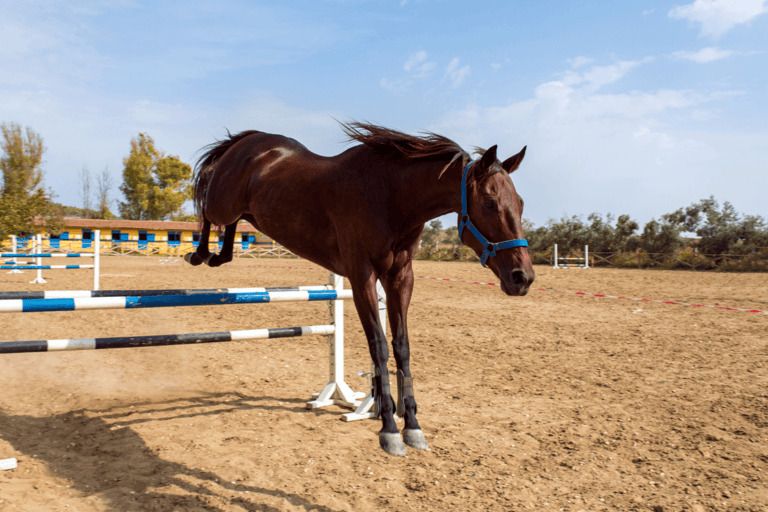
The shape and structure of a horse, referred to as its conformation, significantly influence both its athletic performance and long-term soundness. How a horse is built not only determines how they generate power and speed, but also how their body...

Fistulous Withers in Horses
Fistulous Withers in Horses – Causes, Treatment & Prevention Casie Bazay, BS, NBCAAM | February 21, 2026 | Conditions

Supraspinous bursitis, more often known as fistulous withers, is not a common problem in horses — at least in North America. However, it is a serious condition that more often affects horses and donkeys in developing nations. Fistulous withers involves...

Pregnancy Loss and Miscarriage in Horses
Abortion in Horses: Causes of Pregnancy Loss in Mares Dr. Madison Ricard, DVM, PhD, DACVP | February 21, 2026 | Breeding, Care & Management, Conditions

Equine abortion and stillbirth refer to delivery of a non-viable fetus or foal. Most causes of abortion and stillbirth do not affect the mare’s future fertility; however, the loss of the foal can cause significant economic losses for the breeder....

Adequan in Horses
Adequan® i.m. for Horses: Efficacy of PSGAG Injections Elise Lafleur Larivière, B.Sc., M.Sc. | February 21, 2026 | Conditions

Adequan® i.m. is a widely used injectable medication for the treatment of arthritis and other joint disorders in horses. It is the only FDA-approved polysulfated glycosaminoglycan (PSGAG) for equines. Arthritis is a degenerative joint disease that can reduce athletic performance,...

Prascend Pergolide for Horses with PPID
Prascend® (Pergolide) for Horses with PPID: Mechanism, Dosage & Side Effects Camryn McNeill, B.B.R.M. | March 5, 2026 | Conditions

Pergolide mesylate (Prascend®) is a medication used to treat horses with pituitary pars intermedia dysfunction (PPID), previously referred to as Equine Cushing’s disease. This common endocrine disorder, typically observed in older horses, can cause tendon and ligament breakdown, abdominal wall...

Forelimb Conformation Faults in Horses
Common Forelimb Conformation Faults in Horses – [Guide] Kelly Hebner, BSc (Kin), MSc | February 15, 2026 | Conditions, Horse Health

Your horse's conformation impacts their overall performance, soundness, and ability to excel in various disciplines. When it comes to evaluating forelimb conformation, judges will look at the withers, shoulders, elbows, leg, knee and pastern. The horse's forelimbs should exhibit symmetry...

Branched Chain Amino Acid (BCAA) Supplements for Horses: Do they Work? Linaya Pot, MSc, PAS | March 13, 2026 | Horse Health, Nutrition, Sport & Showing, Supplements

BCAAs (branched-chain amino acids) are muscle-building supplements that have become popular among equine athletes for performance, recovery and fatigue. BCAA include leucine, isoleucine, and valine, and play a crucial role in protein synthesis, muscle growth, and energy production.

IgG Testing in Foals and Passive Transfer of Immunity
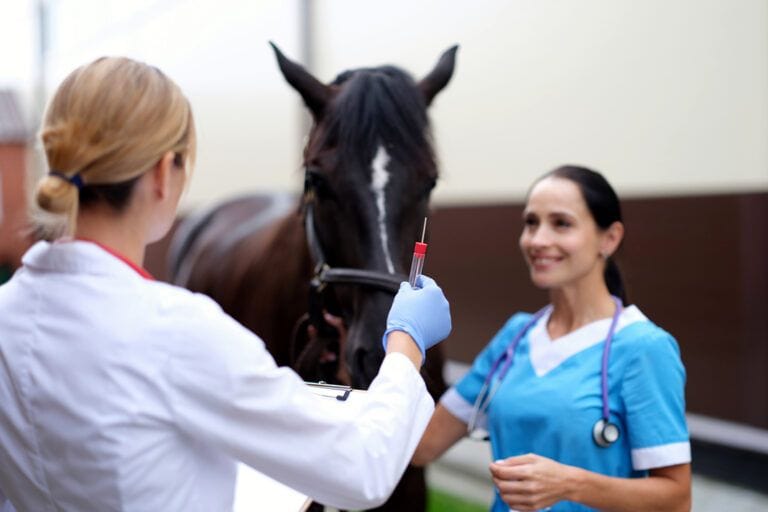
IgG Testing in Foals: Assessing Passive Transfer of Immunity after Birth Dr. Madison Ricard, DVM, PhD, DACVP | March 5, 2026 | Breeding, Horse Health

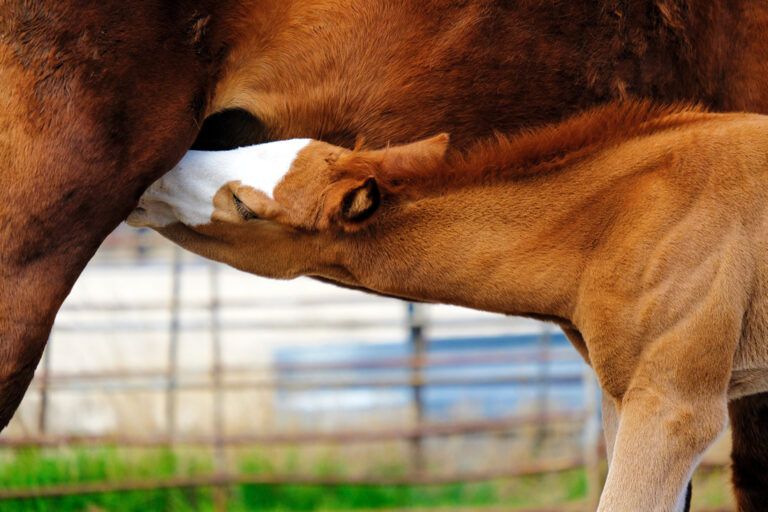
Newborn foals are born with an immature immune system, with limited ability to fight off infections and diseases. To build immunity, neonatal foals must absorb immunoglobulins, also known as antibodies, from their dam’s colostrum within 24 hours after birth. This...

Wood Chewing in Horses
Wood Chewing in Horses: Causes & How to Stop this Behaviour Casie Bazay, BS, NBCAAM | February 15, 2026 | Behavior, Conditions

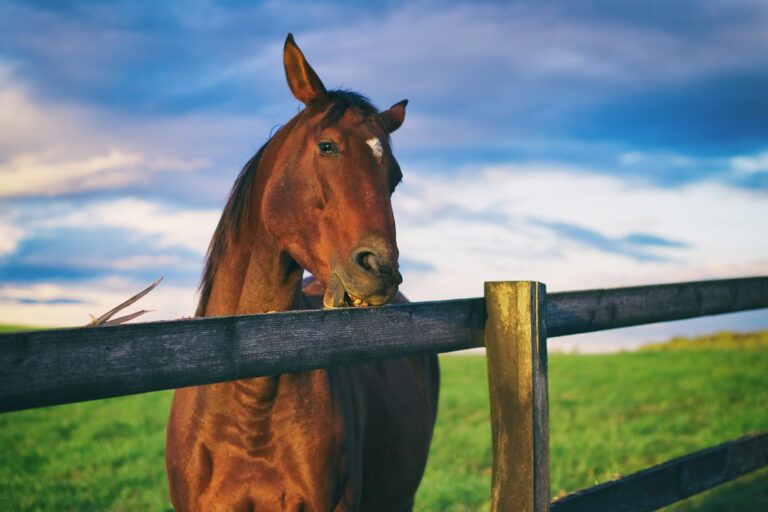
Wood chewing is one of several types of stereotypic behaviors or habits that horses can develop. Stereotypic behaviors, often referred to as stereotypies, are repetitive behavior patterns with no apparent function. They may develop out of boredom or they may...

Bleeding Disorders in Horses
Bleeding Disorders in Horses: Types, Signs & Treatment Camryn McNeill, B.B.R.M. | February 15, 2026 | Conditions

Bleeding disorders can significantly affect your horse’s performance and overall health. These conditions can be present from birth or develop later in life and are characterized by abnormal bleeding or hemorrhage. Some bleeding disorders, such as exercise-induced pulmonary hemorrhage (EIPH),...

Cellulitis in Horses
Cellulitis in Horses: Signs, Causes, Treatment & Prevention Camryn McNeill, B.B.R.M. | February 27, 2026 | Conditions

Cellulitis refers to bacterial infection and inflammation that affects tissues under the skin anywhere in the body. In horses, this severe condition typically occurs in the hindlimbs. It is characterized by a sudden onset with significant swelling and intense pain.

Arrhythmias in Competitive Sport Horses
Arrhythmias in Performance Horses: Causes, Symptoms & Treatments Camryn McNeill, B.B.R.M. | February 21, 2026 | Conditions

A heart arrhythmia, or irregular heartbeat, is a performance-limiting condition commonly seen in athletic horses. While some arrhythmias are benign, others may indicate cardiac disease or another underlying health condition. The horse is a supreme athlete with a powerful heart...

Pinworms in Horses
Pinworms (Oxyuris Equi) in Horses: Symptoms, Treatment & Prevention Camryn McNeill, B.B.R.M. | February 21, 2026 | Conditions, Gut Health

Equine pinworms, or Oxyuris equi, are common parasites that inhabit the horse's colon. Female pinworms lay their eggs on the perianal skin (around the anus), which can cause intense itching and irritation for the horse. Pinworm infections are most common...

Tendon Injury in Horses
Tendon Injuries in Horses: Diagnosis, Treatment and Recovery Camryn McNeill, B.B.R.M. | February 21, 2026 | Conditions

The horse’s tendons are prone to strain injuries, especially when participating in disciplines, such as racing, jumping and eventing. Tendons are fibrous connective tissues that attach muscle to bone and allow the limbs to move. Tendons serve as a mechanical...

Eastern Equine Encephalitis
Eastern Equine Encephalitis (EEE) Virus: Symptoms & Treatment Camryn McNeill, B.B.R.M. | February 21, 2026 | Conditions

Eastern equine encephalitis (EEE), otherwise known as Triple E or sleeping sickness, is a rare and lethal virus in horses that causes inflammation of the brain. EEE is transmitted through mosquito bites and attacks the central nervous system (CNS). It...

How to Feed a Horse with PPID
How to Feed a Horse with PPID (Cushing’s Disease) [10-Step Guide] Jaime Thomas, B.Sc. | February 15, 2026 | Conditions, Feeding Guides, Nutrition

Feeding horses with pituitary pars intermedia dysfunction (PPID), previously referred to as Equine Cushing’s disease, can be a challenge. Horses affected by PPID are typically older and may have other health issues including equine metabolic syndrome (EMS). This condition can...

Muscle Loss in Horses
11 Causes of Muscle Loss in Horses Casie Bazay, BS, NBCAAM | February 15, 2026 | Horse Health, Sport & Showing

Muscle loss in horses is a worrisome problem and one that needs to be investigated promptly. This condition is also known as muscle atrophy or muscle wasting, and is defined as a decrease in muscle mass below normal levels. Loss...

Narcolepsy in Horses
Narcolepsy in Horses: Sleep Disorder Causes, Symptoms & Treatments Jaime Thomas, B.Sc. | February 22, 2026 | Conditions

Narcolepsy is a neurological and rapid eye movement (REM) sleep disorder. It involves the sudden onset of sleep during the daytime. The condition occurs chronically and throughout life in affected horses unless treatment is provided. Two types of narcolepsies are...

Hunter’s Bump in Horses
Hunter’s Bump in Horses: Causes, Symptoms & Treatments Camryn McNeill, B.B.R.M. | February 28, 2026 | Conditions

A hunter’s bump, or sacroiliac subluxation, is a hump on the horse’s lower back that develops above the croup. It is most apparent when viewing a horse in motion from behind.

Heat Stress in Horses
Heat Stress in Horses: Signs, Treatment & Prevention Camryn McNeill, B.B.R.M. | February 15, 2026 | Conditions

Heat stress occurs when the horse’s internal cooling mechanisms stop working efficiently and the ability to maintain a normal body temperature is affected. This is common and in hot and humid conditions, or following vigorous exercise. Without intervention, heat stress...

Enteroliths in Horses
Enteroliths in Horses: Causes, Symptoms & Prevention Casie Bazay, BS, NBCAAM | February 22, 2026 | Conditions, Gut Health

Enteroliths are calcifications or mineral masses that can form in the horse's intestines, sometimes resulting in impaction colic. These intestinal stones form when the horse consumes an indigestible object, which is not passed by the digestive system. Mineral deposits then...

Hypothyroidism in Horses
Hypothyroidism in Horses: Causes, Diagnosis & Treatment Jaime Thomas, B.Sc. | February 16, 2026 | Conditions

Hypothyroidism refers to inadequate production of thyroid hormones, primarily thyroxine and (T4) and triiodothyronine (T3). These hormones are produced by the thyroid gland and play a role in regulating your horse's metabolism. Hypothyroidism most commonly occurs in neonatal foals and...

Shivers in Horses – Signs, Causes, Treatment & Prognosis Camryn McNeill, B.B.R.M. | February 11, 2026 | Conditions

Shivers, or shivering, in horses is a progressive neuromuscular condition characterized by an abnormal, jerky gait while backing up. Horses affected by Shivers exhibit muscle tremors in the pelvic limbs when forced to back up. Clinical signs typically appear in...

Early Warning Signs of PPID in Horses
13 Signs of PPID in Horses: Long Hair Coat, Muscle Loss & More Jaime Thomas, B.Sc. | February 16, 2026 | Conditions

Pituitary Pars Intermedia Dysfunction (PPID), previously referred to as Cushing’s Disease, is an endocrine-related disease that affects approximately 20-25% of senior horses, ponies, and donkeys. Signs of PPID in horses include abnormal hair coats, muscle atrophy, loss of topline, poor performance, regional...

Bowed Tendons in Horses
Bowed Tendons in Horses: Tendinitis Clinical Signs & Treatment Camryn McNeill, B.B.R.M. | February 28, 2026 | Conditions

Bowed tendon in horses is defined as acute or chronic inflammation of a tendon. This condition is also known as tendinitis, tendonitis or tendinopathy. This injury usually occurs when the tendon is strained beyond its limit, resulting in torn collagen...

Impaction Colic in Horses
Impaction Colic in Horses: Signs, Diagnosis, Treatment & Prevention Camryn McNeill, B.B.R.M. | February 22, 2026 | Conditions, Gut Health

Impaction colic in horses is a painful condition caused by an obstruction in the gastrointestinal (GI) tract. It is a serious and sometimes fatal condition. The term colic describes abdominal pain or discomfort in horses. Cases of colic are generally...

Skin Problems in Horses
Skin Irritations in Horses: Hives, Infections, Allergies & Hair Loss Caroline Cochran, BSc. | February 16, 2026 | Care & Management, Conditions, Horse Health

Strange lumps, itching, bald spots, redness, skin flaking, and scruffy patches are common signs of skin problems in horses. While most equine skin irritations don’t present serious health risks, persistent skin problems can lead to infections and could indicate allergies,...

How To Estimate Your Horses Body Weight
How To Estimate Your Horse’s Body Weight – [Average Weight by Breed] Dr. Priska Darani, Ph.D., PAS | March 5, 2026 | Horse Health

Knowing your horse's body weight is important to determine their nutritional requirements, administer certain medications and monitor their health status. However, not all horse owners have an easy way to measure their horse’s body weight. Mature adult horses can weigh...

Angular Limb Deformities in Horses
Flexural & Angular Limb Deformities in Foals: Types, Causes & Treatment Dr. Madison Ricard, DVM, PhD, DACVP | February 16, 2026 | Conditions

Angular limb deformities (ALDs) and flexural deformities (FDs) frequently affect foals’ legs. When severe, they are deemed clinically significant and require conservative management or veterinary intervention to achieve correction.

Tetanus in Horses
Tetanus in Horses: Signs, Prevention & Treatment Camryn McNeill, B.B.R.M. | February 28, 2026 | Conditions

Tetanus, or lockjaw, is a non-contagious neurological disease that results from a bacterial infection. Horses are particularly vulnerable to tetanus, with individuals of all ages and breeds affected worldwide. Tetanus spores are particularly dangerous for horses as they survive for...