Analyze Diet
Reading a Horse Feed Tag
How to Read your Horse’s Feed Tag [Guaranteed Analysis] Linaya Pot, MSc, PAS | July 25, 2026

The label on your horse's feed bag provides valuable information to help you make feeding decisions for your horse. Known as the feed tag, this label describes the nutritional composition of your horse's feed and how it is intended to...
equine-hyperlipidemia
Hyperlipidemia and Hyperlipemia in Horses – Causes, Symptoms & Treatment Dr. Priska Darani, Ph.D., PAS | July 25, 2026

Veterinarians report that they are treating more horses for hyperlipidemia, potentially as a result of modern sedentary lifestyles and the feeding of high-carbohydrate diets. This life-threatening condition commonly occurs in ponies, miniature horses, and donkeys with insulin resistance.

Organic vs. Inorganic Minerals
Organic vs. Inorganic Trace Minerals in your Horse’s Diet – [Comparison] Linaya Pot, MSc, PAS | August 18, 2026

Trace minerals are a small component of your horse's overall dietary intake, but they play essential roles in equine well-being and health. These minerals can be provided in your horse's diet in either an organic or inorganic form. Not to...

Kelp for Horses
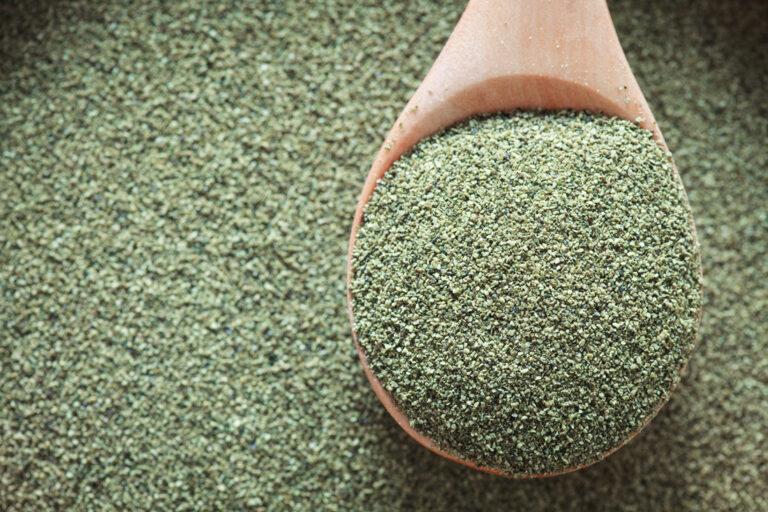
Kelp for Horses: Benefits, Uses and How to Feed Eleanor Stronach, B.Sc., M.Sc. | July 25, 2026

Kelp is a species of seaweed that is a nutritionally-dense source of protein and trace minerals. It contains the essential mineral iodine, which is important for thyroid function, growth and metabolism.

Physitis in Young Horses
Physitis in Young Horses: Causes, Signs, Diagnosis & Treatment Dr. Priska Darani, Ph.D., PAS | July 25, 2026

Physitis is the most common developmental disease that affects the bones of growing horses. This condition involves swelling around the growth plates (physes) of long bones in a young horse’s legs. It can lead to pain, stiffness in the joints,...

Ostechondritis Dissecans in Horses
Osteochondritis Dissecans (OCD) in Horses: Causes, Treatment & Prevention Dr. Priska Darani, Ph.D., PAS | July 25, 2026

Osteochondritis Dissecans (OCD) is a common developmental disease involving the joints and cartilage of horses. OCD typically develops during the first year of life and can lead to ongoing joint health issues. It is the leading cause of lameness and...

Equine Diet Analysis
We Analyzed 6,515 Equine Diets – Here’s What We Learned Scott Cieslar, M.Sc. | July 25, 2026

In the last year, over six thousand horse owners from all over North America used Mad Barn to analyze their horses' diets. We looked at diets for weanlings, broodmares, pasture pets, prize-winning racehorses, the odd mule, and everything in between....

How to Manage Arthritis in Horses
How to Manage Arthritis in Horses [Diagnosis, Treatment & Prevention] Jane Meggitt, BA | September 27, 2026

Osteoarthritis (also known as Degenerative Joint Disease) involves joint inflammation and progressive degeneration of the cartilage lining. It also involves changes in the bone and soft tissues of the joint. Arthritis is thought to affect more than half of all...

Equine Metabolic Syndrome
Equine Metabolic Syndrome: Symptoms, Treatment, Tests & Diet Dr. Eleanor Kellon, VMD | August 1, 2026

Equine metabolic syndrome (EMS) is a condition that affects how horses metabolize sugars from the diet and use them for energy. It involves an inability to properly respond to the hormone insulin, similar to Type 2 diabetes in humans.

guide-to-signs-of-laminitis-in-horses
14 Early Warning Signs of Laminitis in Horses [Countdown] Dr. Eleanor Kellon, VMD | August 1, 2026

Hot hooves, a sawhorse stance, severe lameness; these are all signs of laminitis - one of the most dreaded equine conditions for good reason. In severe instances, laminitis can lead to euthanasia of the horse. Laminitis occurs when there is...

Camelina Oil for Horses
Camelina Oil for Horses: Should you Feed this Omega-3 Supplement? Dr. Priska Darani, Ph.D., PAS | September 24, 2026

Camelina oil is commonly fed to horses as an omega-3 fatty acid supplement. It is used to support weight gain, joint health, coat quality and general well-being. Camelina oil is extracted from the seeds of the camelina sativa plant, also...

Horse Cribbing
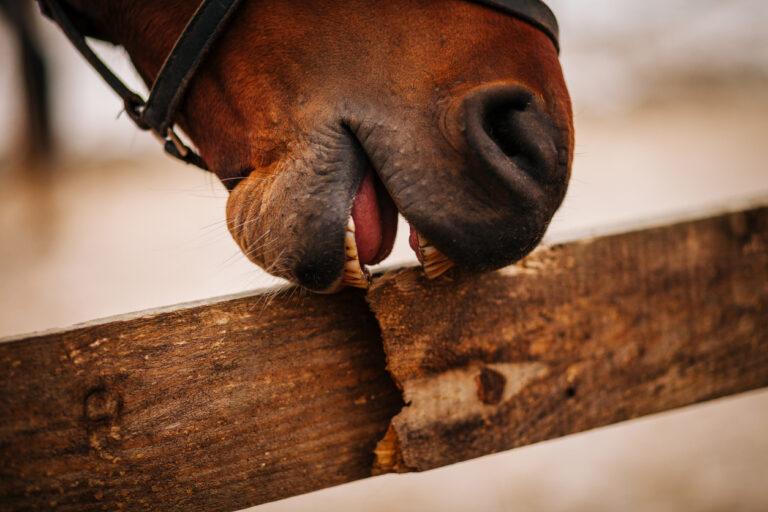
Why Is My Horse Cribbing and How to Stop It? [Causes, Risks & Prevention] Eleanor Stronach, B.Sc., M.Sc. | August 1, 2026

Cribbing, also known as crib-biting, is the most common oral stereotypic behaviour seen in horses. Cribbing involves the horse repeatedly and compulsively grasping an object between its teeth and sucking in air. Horses may crib bite for many hours per...

Pituitary Pars Intermedia Dysfunction in Horses
Pituitary Pars Intermedia Dysfunction (PPID) in Horses [Symptoms, Treatment & Management] Dr. Eleanor Kellon, VMD | August 1, 2026

Pituitary Pars Intermedia Dysfunction (PPID) is an endocrine-related disease that commonly affects older horses of all breeds. Twenty percent of senior horses, ponies, and donkeys are believed to have PPID. The condition results in an overproduction of pituitary hormones, causing...

Cresty Neck in Horses
How to Get Rid of Cresty Neck in Horses [Feeding & Exercise] Dr. Eleanor Kellon, VMD | August 1, 2026

An overabundance of fat along the top of the neckline, otherwise known as cresty neck, is an indicator of metabolic problems in your horse. In fact, researchers believe this type of regional fat deposit (nuchal crest adiposity) is a strong...

Gut Dysbiosis in Horses
Gut Dysbiosis in Horses: Problems of the Equine Microbiome Dr. Eleanor Kellon, VMD | August 1, 2026

A healthy equine gastrointestinal microbiome contains a diverse range of beneficial microbes that support digestion, immune function and nutrient synthesis. Because horses are hindgut fermenters, a healthy microbiome is essential for overall wellness. Dysbiosis is defined as a microbial population...

Feeding your Horse in Winter
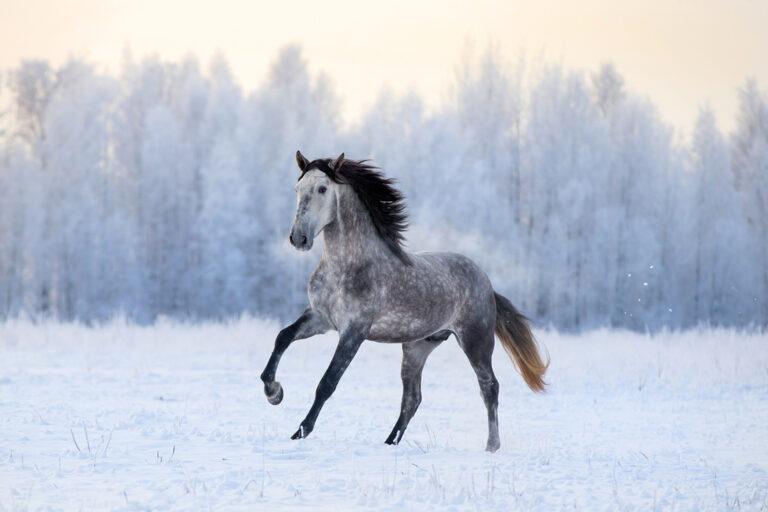
7 Tips for Feeding your Horse in Winter [Cold Weather Care Guide] Eleanor Stronach, B.Sc., M.Sc. | August 1, 2026

What do you need to know to properly care for and feed your horse in the cold winter months? Horses are very adaptable to a wide range of temperatures and are well-suited to living in cold climates. However, you may...

Turmeric Benefits for Horses
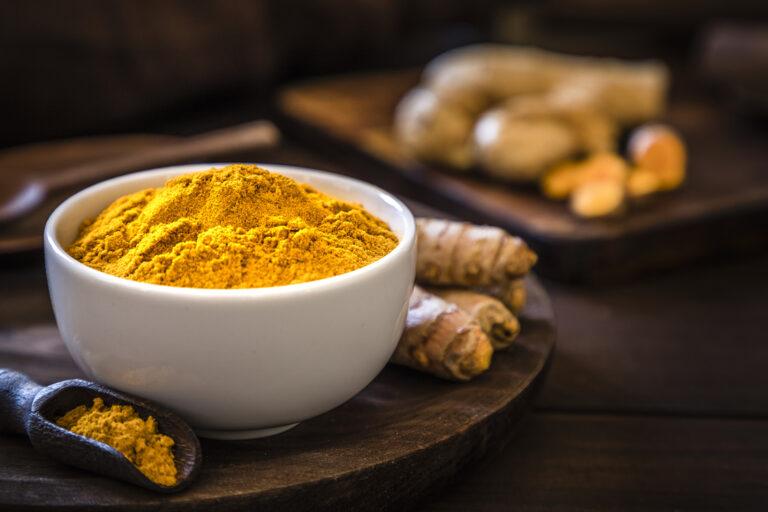
6 Research-Backed Benefits of Turmeric for Horses [Review] Eleanor Stronach, B.Sc., M.Sc. | August 1, 2026

Curcumin, derived from the turmeric plant, is a spice that recently become popular to feed to horses as a dietary supplement. It has purported anti-inflammatory benefits and is used in horses with laminitis, arthritis, metabolic syndrome and other health conditions....

horse-hoof-problems-2
7 Common Hoof Problems in Horses – Signs & Treatment Jaime Thomas, B.Sc. | August 1, 2026

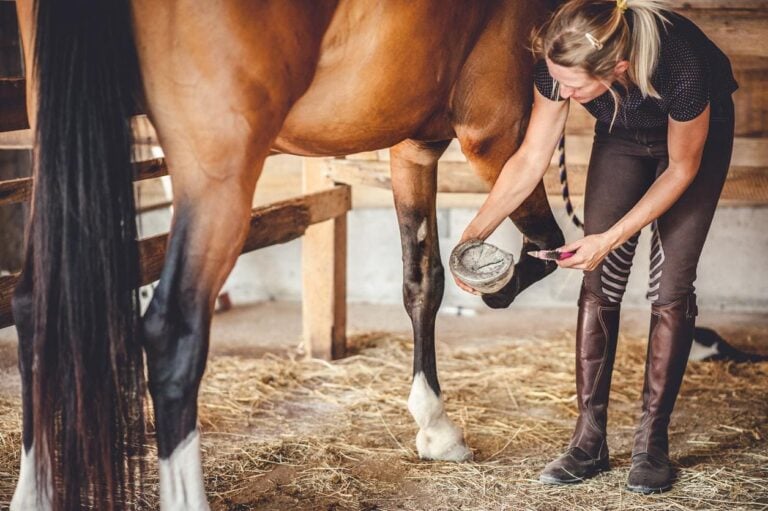
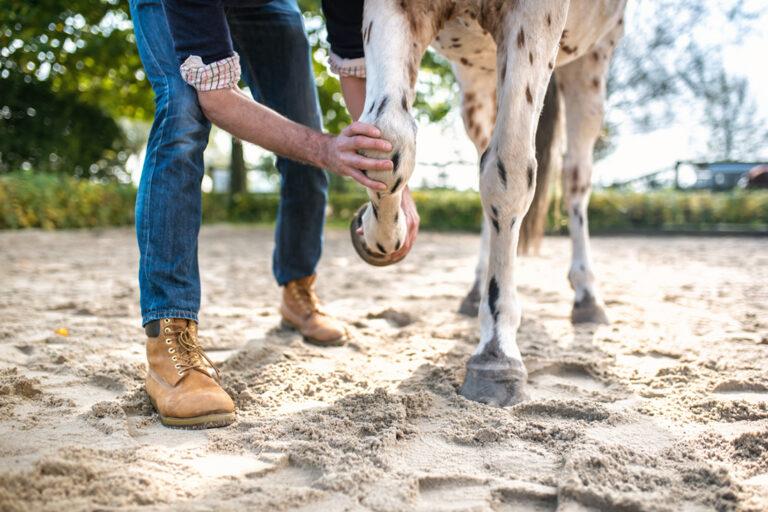
Equine hoof problems are a major source of concern for horse owners. Hoof issues can lead to lameness and unsoundness, causing discomfort for the horse and potentially leading to early retirement. In one study, 85% of horses were observed to...

Arthritis Symptoms in Horses
Arthritis in Horses: Symptoms, Diagnosis, Treatment & Management Dr. Priska Darani, Ph.D., PAS | September 24, 2026

Arthritis is defined as inflammation in one or more joints, which leads to pain and stiffness. The condition is degenerative, meaning it cannot be reversed in most cases and tends to worsen over time. However, there are steps that horse...

Horse Calming Supplements
Top 6 Calming Supplements for Horses [Research Review] Kristina Pazdzior, B.Sc., M.Sc. | August 1, 2026

Riding and working with horses poses some inherent risk of danger, but the risk is greater when working with an aggressive or moody horse. For this reason, horse owners often look to calming supplements to help make their horse more...

Helping Horses Recover from Ligament Injuries
Ligament Injuries in Horses: Diagnosis, Treatment and Recovery Dr. Priska Darani, Ph.D., PAS | August 1, 2026

What is the best way to support a horse affected by a ligament injury? Unfortunately, due to the nature of many equine disciplines, a horse’s ligaments are prone to injury. In fact, ligament sprains (along with tendon injuries) are the...

Degenerative Suspensory Ligament Desmitis in Horses
DSLD in Horses [Causes, Management & Prevention] Jane Meggitt, BA | September 16, 2026

Degenerative Suspensory Ligament Desmitis (DSLD) is a chronic condition in horses that affects connective tissue, including the suspensory ligament and other ligaments and tendons. This painful condition commonly leads to debilitating lameness. In horses with DSLD, the suspensory ligament progressively...

Horse Hoof Abscess
Hoof Abscesses in Horses: Causes, Symptoms, Treatment & Recovery Time Dr. Eleanor Kellon, VMD | August 1, 2026

Painful hoof abscesses in horses develop when bacterial and fungal organisms enter the hoof structure through a wound or opening and cause infection in the inner tissues. The invading microorganisms and the ensuing immune response generate purulent exudate (pus) which...

Founder in Horses
Founder in Horses: Causes, Symptoms, Treatment and Prevention Jaime Thomas, B.Sc. | August 1, 2026

Founder is a common cause of lameness in horses. It involves damage to the laminar connection between the hoof wall and the coffin bone. This often leads to rotation and/or sinking of the coffin bone which causes severe pain and...

How to Feed a Senior Horse
How to Best Feed a Senior Horse [9-Step Guide] Noelle Ursel, B.Sc. | August 1, 2026

When it comes to feeding senior horses, there are many factors to consider to support longevity and healthy ageing. Making sure your horse’s core nutritional needs are met and keeping up with routine healthcare are critical to promoting optimal well-being...

Horse Losing Weight
How to Feed an Underweight Horse [10-Step Guide] Leah Wellard, MSc BSc(h) | August 1, 2026

Putting weight on a skinny horse can be a difficult and frustrating task. There are many different causes of weight loss in horses and feeding strategies will depend on why your horse is underweight in the first place. Weight loss...

Leaky Gut in Horses
Leaky Gut in Horses – Symptoms, Causes, Treatment & Prevention Dr. Eleanor Kellon, VMD | August 1, 2026

Leaky gut is a digestive issue is horses that occurs as a component of a broader gut health issue such as dysbiosis, inflammatory bowel disease, or gastric ulcers. It is said that 70% of the horse’s immune system resides in...

Podotrochlear Syndrome in Horses
Podotrochlear Syndrome in Horses – Causes, Diagnosis & Treatment Jaime Thomas, B.Sc. | August 1, 2026

Podotrochlear Syndrome (also referred to as navicular syndrome or navicular disease) affects the podo­trochlear apparatus (PTA) of the equine foot and typically occurs in the forelimbs. The condition can cause a variable degree of lameness. There is no single cause...

White Line Disease in Horses [Causes and Recovery]
White Line Disease in Horses [Causes, Symptoms, Treatment & Recovery] Dr. Emily Gilbert, PhD | August 1, 2026

While line disease is a hoof condition that can lead to pain and lameness. This condition affects the equine hoof wall in one or more hooves at a time. White line disease originates as a separation between adjacent layers in...

How Much Water Should a Horse Drink Per Day
How Much Water Should Your Horse Drink? [Encouraging Hydration] Dr. Alex Rankovic, B.Sc., M.Sc., Ph.D. | August 1, 2026

How much water does your horse need to drink every day to stay healthy and how much do water requirements increase in hot conditions or when working? Ensuring adequate water intake is important for the optimal health and well-being of...