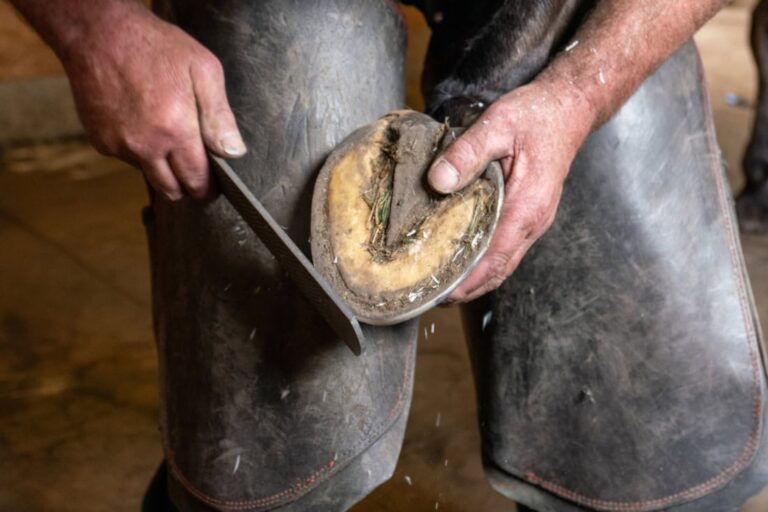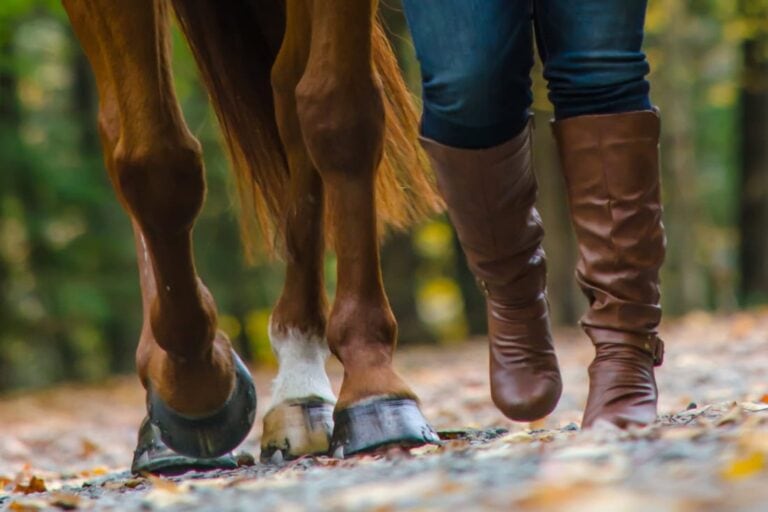
Horse's hooves are fundamental to their health, mobility, and overall performance. Whether you're a seasoned equestrian, veterinarian, or just a simple horse lover, understanding the intricate anatomy of the hoof is crucial for maintaining the wellbeing of your equine companion....
Horse Health
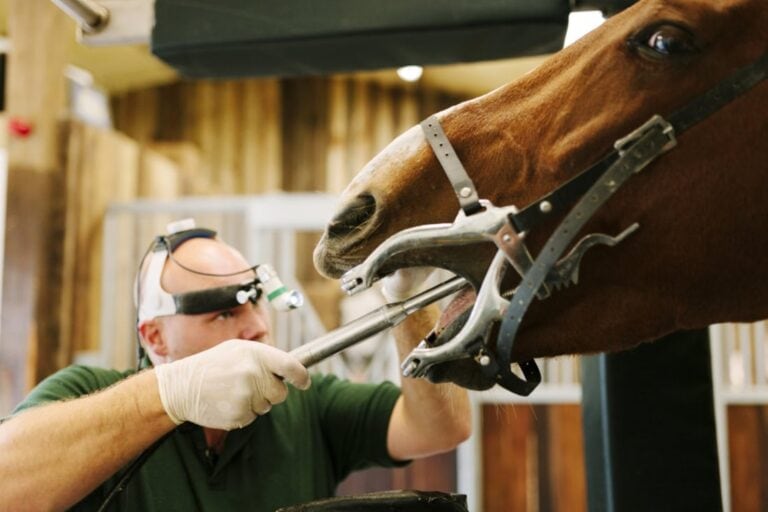
Tooth extraction is a relatively common dental procedure in horses that becomes necessary when a tooth is damaged, diseased, or otherwise problematic. Although a standard treatment, tooth extraction in horses can involve significant complications and challenges, sometimes even leading to...
The lungworm, Dictyocaulus arnfieldi, is a parasite that affects equines all over the world. It has been found in the lungs of horses, donkeys, and zebras. However, donkeys, as well as burros and mules, are the primary host for this...
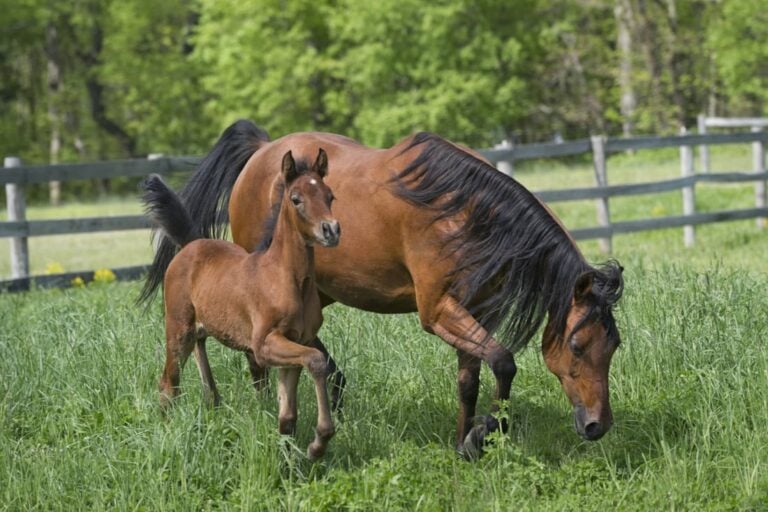
Gestation in horses is a journey that requires care, knowledge, and preparation to ensure both the mare and foal remain healthy throughout the pregnancy. The average gestation period for a horse lasts around 340 days, though some mares may carry...
Riders and trainers often encounter challenges that affect the performance and well being of their equine partners. Among these are exercise intolerance and poor performance, sometimes referred to as "ring sour." While ring sour can be frustrating for owners and...
Heart disease in horses, as in humans, encompasses a broad range of conditions that affect the heart's structure, function, or electrical activity, potentially compromising the horse’s health and performance. The heart is responsible for pumping oxygen-rich blood throughout the body,...
Antimicrobial resistance (AMR), also known as antibiotic resistance, is a growing global concern that extends beyond equine medicine into all aspects of human and animal health. The overuse and misuse of these critically important drugs can lead to the development...
Equine lung health may not be something many people think about until their horse is affected by a respiratory condition. However, awareness of common respiratory problems that can affect horses, as well how to prevent these types of illness, is...
Hoof health is a key consideration for any horse. As the saying goes, "no, hoof, no horse". In the rich and stylized idiom of the horseman, a horse may have good hooves, or it may have shelly feet. In this...
Ascarids (Parascaris equorum) are significant parasitic threats to equine health, particularly in young horses. These large, robust roundworms can grow up to 15 inches long and are most commonly found in foals and yearlings, whose developing immune systems make them...
From the cow sense needed for roping and cutting, to the sheer thrill of barrel racing, to the controlled athleticism of reining, the Western performance horse is skillful and sure-footed on the ranch and in the ring. In addition, these...
Injury recovery in horses is a complex journey that often requires careful management, patience, and a tailored rehabilitation plan. Whether your horse has suffered a traumatic injury, undergone surgery, or is dealing with a chronic condition, the road to recovery...
Lethargy in horses is a significant concern for equine owners and veterinarians alike, as it can often indicate a severe underlying health issue requiring medical attention. Lethargy is characterized as a decrease in typical energy levels, activity, and enthusiasm. It...
Assessing a horse's nutritional status is critical for maintaining health and performance. Identifying and correcting vitamin and mineral deficiencies can help prevent a range of health issues, from poor coat condition and hoof quality to more serious problems like immune...
Non-steroidal anti-inflammatory drugs (NSAIDs) are a type of medication used to reduce inflammation and treat pain in horses. In equine medicine, NSAIDs are commonly used in supportive care for a wide range of symptoms and conditions such as colic, pain,...
Laser therapy, also known as photobiomodulation, low-level laser therapy (LLLT), and cold laser therapy, is a rehabilitative therapy commonly used in physiotherapy for treating injuries. Given its purported effects and non-invasive nature, there is growing interest in this treatment modality...
Mesenteric and omental rents are rare but potentially serious conditions that can affect horses. These rents are tears or openings in the mesentery or omentum, two structures within the abdomen. While these tears often go unnoticed, they can lead to...
Understanding the complexities and nuances of horse passports is essential for every equine owner. While requirements and regulations vary greatly between different jurisdictions, all forms of identification aim to address several important issues for horses and owners alike. A central...
Fat pads, also known as regional adiposity, have become an increasingly common problem in horses today. They can be described as areas of fatty tissue that develops in certain anatomical locations on the horse’s body. Two common places for fat...
Ionophores are compounds commonly used as additives in feeds for cattle, poultry, and other commercially raised animals. While these compounds are beneficial for certain animals, horses metabolize ionophores differently, making them susceptible to negative effects if exposed to toxic doses....
All horses enjoy occasional tasty treats and offering them can strengthen your bond with your equine companion. Giving treats to horses is an important component of training, enrichment, showing affection, and even administering medications for many owners. However, not all...
Swollen jaws are a common concern in equine medicine; they can be a symptom of several underlying health issues and conditions that range from mild to potentially life-threatening. Jaw swelling in horses can be caused by a number of underlying...
Sepsis is a severe and rapidly life-threatening condition that develops in response to an infection of the horse’s bloodstream, triggering a widespread inflammatory response that affects multiple organs. Any infection has the potential to cause sepsis if left untreated. Signs...
Internal entrapments in horses involve the trapping of a segment of the small intestine within other structures in the abdomen. This can lead to serious complications, including blockage of food, gas, and fluids, and in severe cases, disruption of blood...
The horse’s skeletal system is made up of more than 200 bones that all connect with the help of connective tissue—tendons, ligaments, and cartilage. In each location where two or more bones meet, this is known as a joint. Joints...
English performance riding has roots in European equestrian traditions linked to military horsemanship and hunting on horseback. These traditions relied on the horse’s agility, disposition and responsiveness – the traits at the heart of modern English equestrian sport disciplines. From...
Equine physiotherapy is a specialized profession within the field of veterinary medicine that focuses on the rehabilitation, recovery, restoration of correct movement and function, and overall physical well-being of horses. Physiotherapy combines elements of body work, stretching, specific exercise protocols,...
Displacement colics are a serious concern for horses, involving the abnormal positioning of the intestines within the hindgut. These conditions, including right dorsal displacement, left dorsal displacement, and large colon volvulus, can lead to blockages that disrupt the normal flow...
Enteritis is a serious condition in horses, characterized by inflammation of the intestinal tract, which can disrupt the digestive system and lead to symptoms such as diarrhea, colic, and weight loss. This condition can affect horses of all ages, though...
Migrating grass awns, commonly referred to as foxtails, pose a significant health risk to horses. These sharp, barbed seeds can become embedded in a horse's ear, mouth, nose, or skin. Once they have entered the animal's tissue, they can migrate...