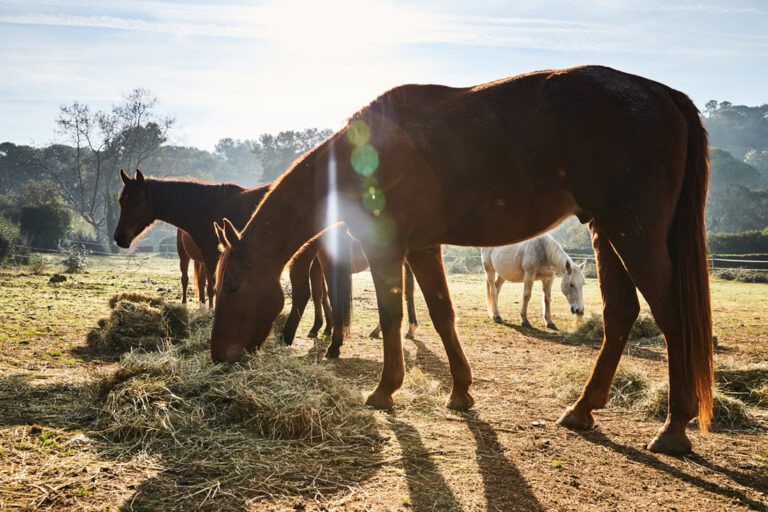
Fructans are a storage form of carbohydrate and a component of the non-structural carbohydrates (NSC) found in cool-season grasses, such as tall fescue, timothy, orchardgrass, and perennial ryegrass. Fructans are indigestible by horses, passing through the foregut to the hindgut...
Nutrition
Is hair analysis a reliable way to evaluate your horse's mineral status? Mineral testing is an important aspect of monitoring your horse's health, especially if forages in your area are known to be deficient or excessive in a given nutrient....
Straw or chaff is a high-fibre low-sugar forage that is ideal for horses that are overweight or insulin-resistant. Straw adds bulk to your horse's diet without contributing significant calories or protein. Research shows that adding straw to a forage ration...
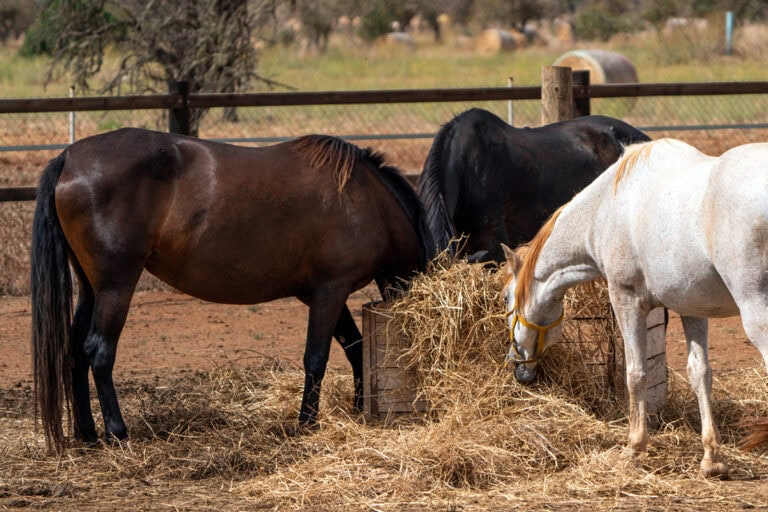
A forage-based diet is the best way to support your horse’s health and happiness, but it is not always easy to know how much hay to feed. Horses that are allowed free-choice (ad libitum) access to hay-only diets will typically...
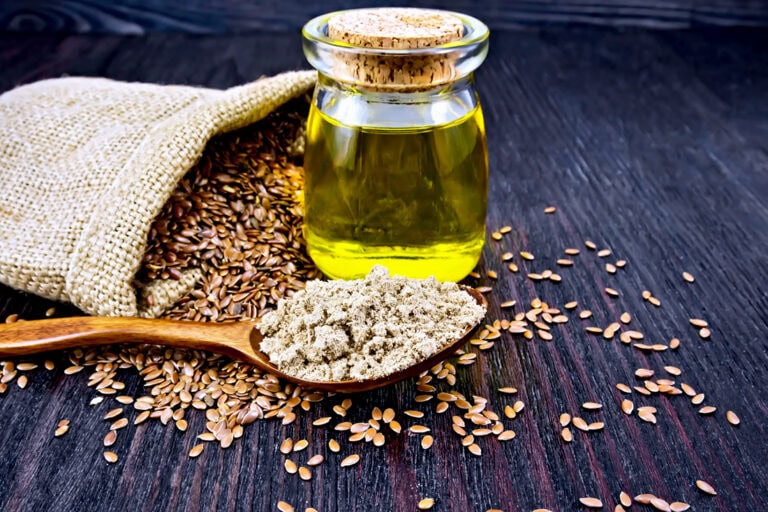
Also known as linseed, flaxseed is produced from the flax plant and can be used to provide fat, protein, and fibre in the equine diet. Flax products are cost-effective, calorie-dense and commonly fed to horses for weight gain or to...
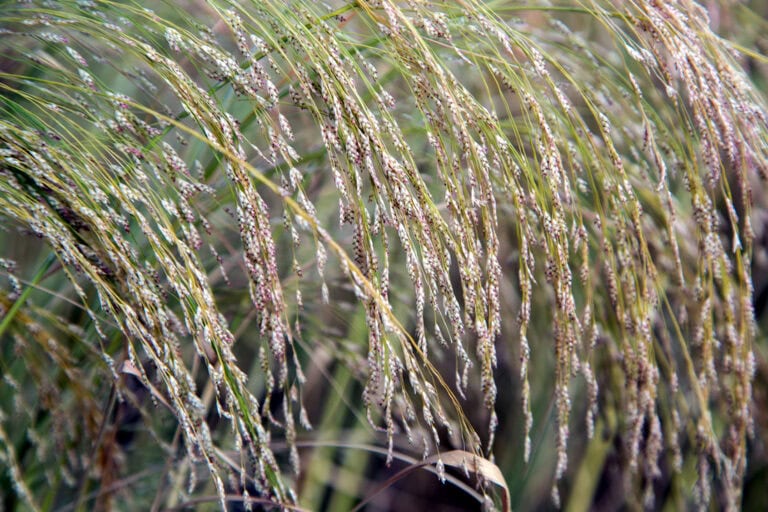
An increasingly popular equine forage, teff grass is grown in warm geographic regions and is commonly cultivated in the Southern USA. Native to Africa, teff is a warm-season grass that is high in fibre and low in sugars and starch....
Proper vitamin and mineral nutrition is critical to maintaining your horse's health and well-being. But how do you ensure that your horse gets everything they need to balance their diet? Horses on a forage-only diet universally have deficiencies in key...
Glucosamine and chondroitin sulfate are two of the most common ingredients found in equine joint products. These natural supplements are purported to promote mobility and joint comfort in hard-working performance horses and aging seniors. But despite their commercial success, there...
Hay dunking describes an abnormal equine feeding behaviour in which horses dunk their hay in water before chewing and swallowing it. This can be a messy habit and many horse owners want to know why it happens and how to...
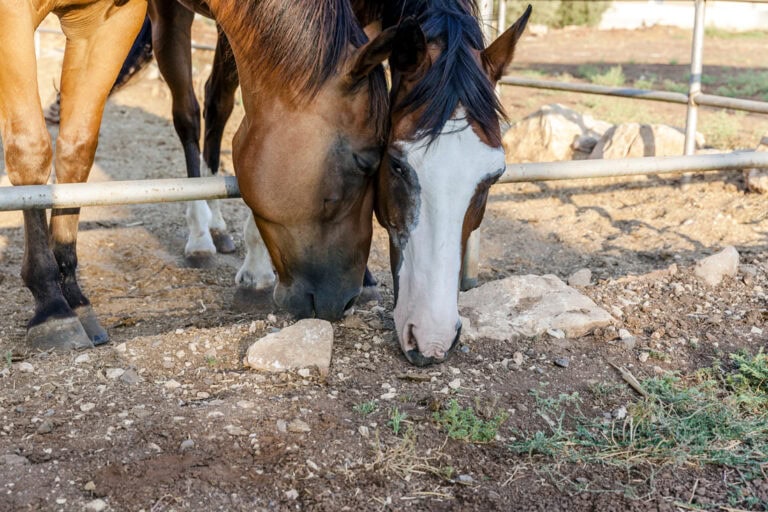
Has your horse started eating or licking the soil? The ingestion of soil in animals is referred to as geophagia. The reason some horses eat dirt is not fully understood. But the behavior is thought to serve a nutritional purpose...
Have you noticed changes in your horse's appetite and eating behavior? Perhaps your horse has gone off their feed or is no longer interested in eating as much forage as usual. Or maybe your horse's appetite has increased, and they...
Your vet has just confirmed that your mare is pregnant, and you can’t wait for that healthy foal to arrive! When should you be changing her feed? How much weight does she need to gain? What additional nutrients does she...
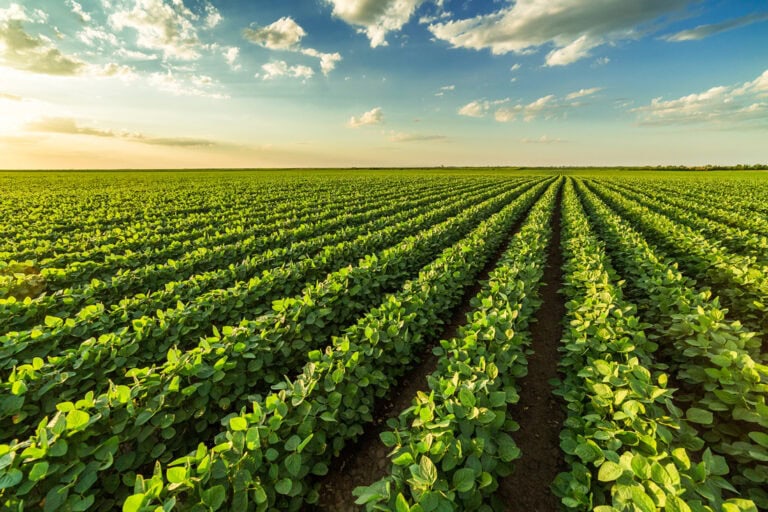
Soy is a common ingredient in many equine feeds. Different parts of the soybean can be used to provide protein, energy, and fiber in your horse's diet. Soybeans are popular because of their versatility and affordability. Soy oil is a...
Adding fats and oils to your horse’s diet is a great way to increase calorie supply without relying on grains and high-NSC feeds. Fats can be added to the diets of underweight horses as weight gain supplements. Oils also provide...
Is your horse getting what she needs in her current diet? Does she have health concerns that could be improved through feeding practices? If you own or care for horses, chances are you have asked yourself these questions at some...
Electrolytes are minerals that play a key role in cellular function and regulate fluid balance in the body. Electrolytes carry an electric charge when dissolved in fluids such as blood or fluid in and around cells. These are critical for...
Magnesium supplements for horses come in many forms and are used to support muscle function and calming. This important macromineral is required in the equine diet to facilitate muscle contraction, maintain ion balance in the blood, and activate enzymes throughout...
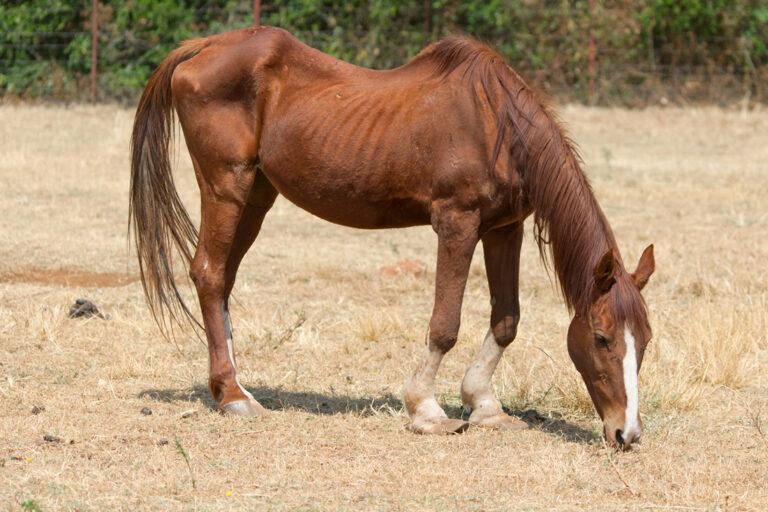
Emaciated horses have a very low body condition score with extensive loss of muscle and fat. These severely underweight horses need to be carefully managed with veterinary care and precise nutrition strategies during their recovery. Reintroducing feed must be done...
Horses involved in endurance riding require appropriate fitness training, careful management, and balanced nutrition to support stamina and recovery. Endurance racing may involve horses covering up to 100 miles or 160 kilometres in a single day. This poses challenges with...
The macrominerals calcium and phosphorus are the most abundant minerals in the horse’s body. They are important for bone strength, cellular function, muscle health and more. Ensuring adequate calcium and phosphorus intake is particularly critical for pregnant and lactating mares,...
The label on your horse's feed bag provides valuable information to help you make feeding decisions for your horse. Known as the feed tag, this label describes the nutritional composition of your horse's feed and how it is intended to...
Trace minerals are a small component of your horse's overall dietary intake, but they play essential roles in equine well-being and health. These minerals can be provided in your horse's diet in either an organic or inorganic form. Not to...
Kelp is a species of seaweed that is a nutritionally-dense source of protein and trace minerals. It contains the essential mineral iodine, which is important for thyroid function, growth and metabolism.
In the last year, over six thousand horse owners from all over North America used Mad Barn to analyze their horses' diets. We looked at diets for weanlings, broodmares, pasture pets, prize-winning racehorses, the odd mule, and everything in between....
Camelina oil is commonly fed to horses as an omega-3 fatty acid supplement. It is used to support weight gain, joint health, coat quality and general well-being. Camelina oil is extracted from the seeds of the camelina sativa plant, also...
What do you need to know to properly care for and feed your horse in the cold winter months? Horses are very adaptable to a wide range of temperatures and are well-suited to living in cold climates. However, you may...
Curcumin, derived from the turmeric plant, is a spice that recently become popular to feed to horses as a dietary supplement. It has purported anti-inflammatory benefits and is used in horses with laminitis, arthritis, metabolic syndrome and other health conditions....
Riding and working with horses poses some inherent risk of danger, but the risk is greater when working with an aggressive or moody horse. For this reason, horse owners often look to calming supplements to help make their horse more...
When it comes to feeding senior horses, there are many factors to consider to support longevity and healthy ageing. Making sure your horse’s core nutritional needs are met and keeping up with routine healthcare are critical to promoting optimal well-being...
Equine polysaccharide storage myopathy (PSSM or EPSM) is a genetic condition in horses that affects how muscle cells partition, generate, and store energy. This can lead to exercise intolerance, stiffness, and an abnormal gait in your horse. After diagnosis, owners...