Analyze Diet
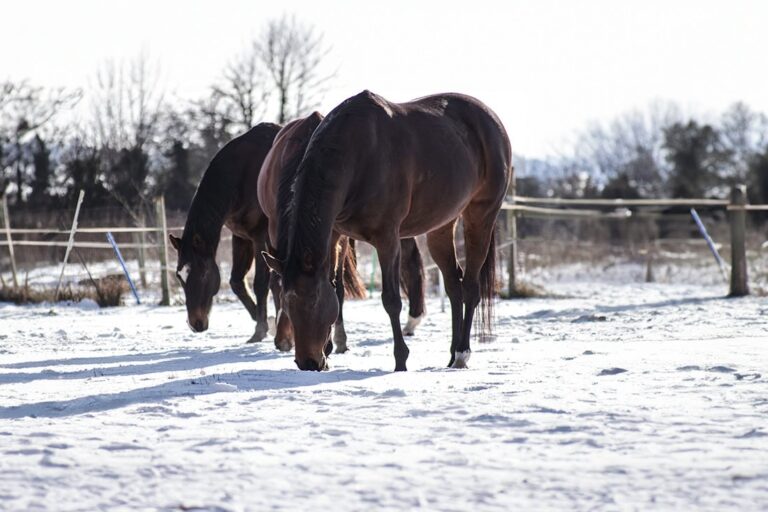
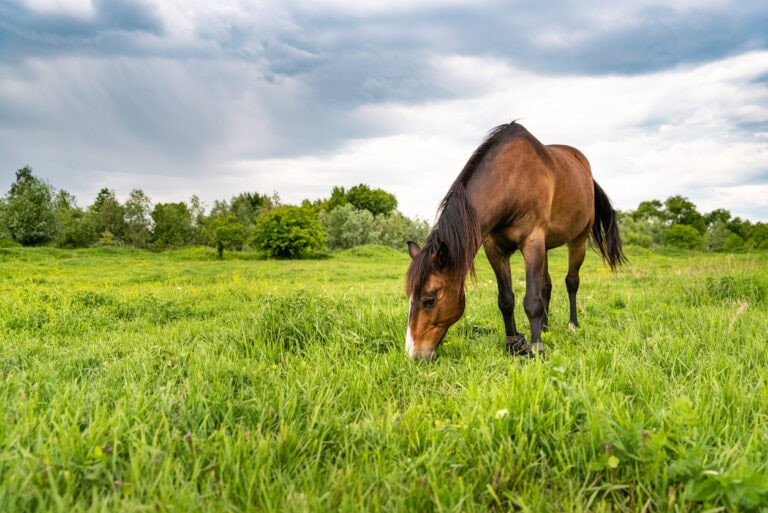
Winter Pasture Grazing for Horses
Is Winter Pasture Grazing Safe for Metabolic Horses? Dr. Priska Darani, Ph.D., PAS | August 18, 2026

If you own a horse with metabolic health issues, you are likely familiar with the risks associated with lush pasture grasses. Excess sugar intake from grazing green pasture can trigger abnormal insulin responses in metabolic horses, increasing their risk of...

feeding-high-performance-horse
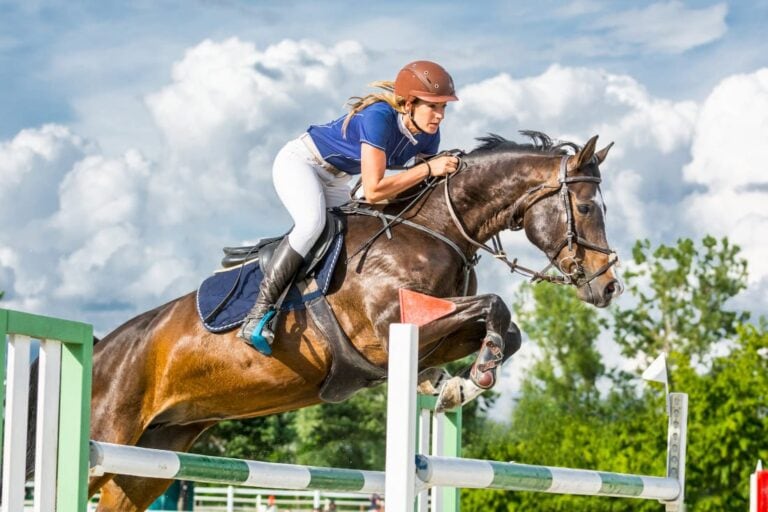
How to Feed a High Performance Horse for Training & Competition Dr. Christine Latham, Ph.D. | August 25, 2026

High performance horses are no different than the world's top human athletes. Like professional soccer players or Olympic swimmers, elite equine athletes need to be extremely fit to consistently perform strenuous physical activity and compete at the top of their...

fat for horses
Feeding Fat in the Horse’s Diet: Nutrition Review Dr. Christine Latham, Ph.D. | August 25, 2026

The horse's natural diet consists of fiber-rich forages, which are relatively low in fat. However, fat supplementation has become increasingly popular for various types of horses, from athletes needing extra energy to metabolic horses who benefit from low-starch diets. Adding...

2023 Equine Research Study Review
30 Most Interesting Equine Research Findings of 2023: [Study Roundup] Dr. Christine Latham, Ph.D. | August 24, 2026

Every 2 years, equine professionals gather at the Equine Science Society (ESS), an international meeting, to share new research and exchange ideas. The first ESS meeting was held in 1960 and included a group of 27 equine nutritionists and physiologists...

Blood Testing for Nutrient Deficiencies in Horses
Blood Testing for Vitamin & Mineral Levels in Horses – Can it Detect Nutritional Deficiencies? Sara Rice, MSc. | July 24, 2026

Assessing a horse's nutritional status is critical for maintaining health and performance. Identifying and correcting vitamin and mineral deficiencies can help prevent a range of health issues, from poor coat condition and hoof quality to more serious problems like immune...

feeding-corn-and-corn-oil-to-horses
Corn and Corn Oil for Horses: Benefits, Types & Feeding Guide Dr. Christine Latham, Ph.D. | July 18, 2026

Corn is an economical energy source found in many complete feeds for horses. Corn is also sometimes fed as a standalone concentrate for horses that need additional calories in their [...]

feeding-sunflower-oil-to-horses
Sunflower Oil for Horses: Benefits, Drawbacks & Feeding Guide Dr. Eleanor Kellon, VMD | July 18, 2026

Sunflower oil is a vegetable oil extracted from seeds of the sunflower plant (Helianthus annuus). It is high in unsaturated fats, primarily omega-6 and omega-9 fatty acids. In horse diets, sunflower oil is often used to provide additional calories to...

forage based diet for horses
How to Feed a Forage-Based Diet for Horses – [Management Guide] Dr. Eleanor Kellon, VMD | July 24, 2026

Forage-based diets can be implemented for many horses to support optimal weight maintenance, and digestive and metabolic function. These diets work with your horse’s gastrointestinal physiology to support their health. Pasture, hay, and processed forage can be used alone or...

weight-gain-feeds-and-supplements
Top 7 Weight Gain Feeds for Horses to Improve Body Condition Dr. Eleanor Kellon, VMD | July 24, 2026

Promoting healthy weight gain can be a challenge for some underweight horses. Whether they are recovering from illness, not eating enough, or simply a hard keeper, some horses need extra nutritional support to counteract unwanted weight loss. The main goal...

Iron in the Equine Diet
Iron in the Equine Diet – Sources, Requirements, Deficiency & Overload Dr. Eleanor Kellon, VMD | July 24, 2026

Iron is a trace mineral that is required in the horse’s diet. Iron is involved in many bodily processes, including transporting oxygen in the blood and producing energy in cells. Supplementation with this mineral is usually not recommended because it...

the-horses-digestive-system
The Horse’s Digestive System: Anatomy, Physiology & Feeding Strategies Dr. Christine Latham, Ph.D. | July 24, 2026

The horse's digestive system is both large and sensitive. It has evolved over millennia to absorb nutrients from grazing pastures and meet the unique energy needs of a free-roaming, incredibly athletic animal. As the horse evolved on the Steppes of...

fibre-in-the-equine-diet
Feeding Fiber in the Equine Diet: Sources & Nutrition Review Dr. Christine Latham, Ph.D. | July 24, 2026

Fiber is one of the most important components in the equine diet, providing up to 70% of a horse’s energy needs. Fiber in equines diets predominantly originates from forages such as hay and pasture grass. Fiber can also be obtained...

Forage Cubes and Pellets for Horses
Forage Cubes and Pellets for Horses – [How and When to Feed] Dr. Eleanor Kellon, VMD | July 24, 2026

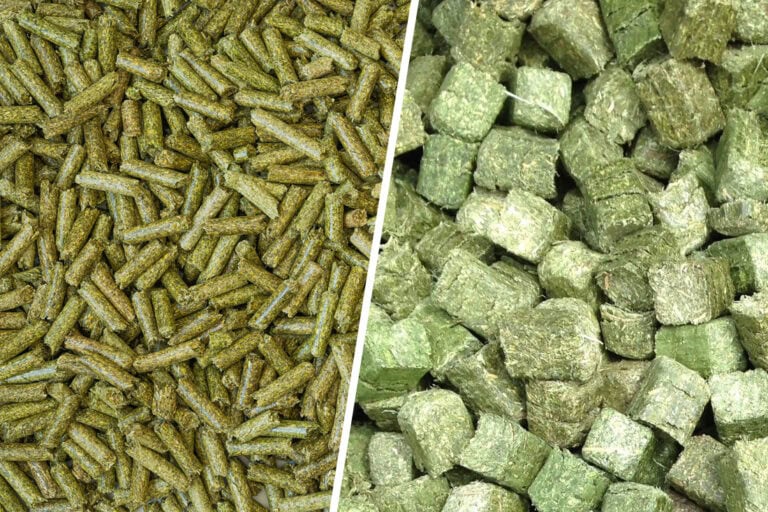
Forage should constitute the bulk of your horse's diet, but not all of it needs to be provided as long-stemmed forages like baled hay. Forage cubes and pellets are other options that may be beneficial for horses in different management...

Feeding Psyllium to Horses
Psyllium for Horses: Benefits, Risks & Feeding Guide Dr. Christine Latham, Ph.D. | July 24, 2026

Psyllium is a rich source of soluble fiber that can be incorporated into equine diets. Soluble fiber remains undigested by enzymes in the stomach (gastric juices), but passes into the hindgut where it may be partially digested by microbes. Psyllium...

Oxalate Toxicity in Horses
Oxalate Toxicity in Horses: Causes, Signs, Prevention & Treatment Linaya Pot, MSc, PAS | July 23, 2026

Oxalates are naturally occurring compounds that bind calcium in the equine diet, preventing absorption of this mineral from the horse’s gut. When horses consume plants with high levels of these [...]

Yearling Horse
How to Feed a Yearling Horse: 7-Step Nutrition Guide Dr. Christine Latham, Ph.D. | July 25, 2026

A balanced feeding program is key for yearling horses, as it sets the foundation for their growth and development into adulthood. Yearlings are transitioning from foals to young horses, and their nutritional needs are unique during this stage of life.

Dysmastication in Horses
Dysmastication in Horses: Treatment of Chewing Problems and Dental Disorders Jaime Thomas, B.Sc. | July 23, 2026

The ability to properly chew and grind food is essential for nutrient digestion and absorption. Dysmastication is a condition involving impaired chewing- also known as mastication. Horses that are unable to chew properly may experience a cascade of problems affecting...

Vitamin D for Horses
Vitamin D for Horses: Benefits, Dietary Sources & Signs of Deficiency Dr. Priska Darani, Ph.D., PAS | July 23, 2026

Vitamin D is a fat-soluble vitamin that is essential for horses, influencing bone health, muscle function, and the immune system. Adequate vitamin D intake is considered important for growing horses to support normal bone development. In horses, vitamin D is...

how-to-feed-a-hard-keeper-horse
Feeding your Hard Keeper Horse [8-Step Guide] Haley Scofield, M.Sc., PAS | July 23, 2026

Have you ever struggled with a horse that has a difficult time maintaining their body condition? For horse owners, the term "hard keeper" is more than just a casual phrase, it's a familiar and often perplexing challenge. Hard keepers, despite...

Phytoestrogens and Mare Fertility
The Effect of Phytoestrogens on Mare Fertility & Reproductive Health Dr. Chris Mortensen, Ph.D. | July 23, 2026

The reproductive performance of broodmares holds significant importance within the equine industry. Achieving optimal pregnancy rates is critical for both the profitability of breeding operations and the holistic well-being of mares and foals. Many different factors can affect mare fertility,...

How to Feed Orphan Foal
How to Feed and Manage Orphan Foals: Guide to Milk Replacers & More Dr. Christine Latham, Ph.D. | July 15, 2026

An orphan foal is a young horse that cannot nurse their birth mother. Foals may be orphaned for a number of reasons, including the mare’s death or severe illness, rejection of the foal, or the mare’s failure to produce adequate...

Feeding Beet Pulp to Horses
Beet Pulp for Horses: Benefits, Nutrition & Feeding Guide Dr. Christine Latham, Ph.D. | July 23, 2026

Beet pulp is a mainstay of many feeding programs for horses. This highly digestible feed is a good source of soluble fiber that supports hindgut function and helps meet energy requirements. Beet pulp is a by-product of sugar extraction from...

How to Feed an Off the Track Thoroughbred (OTTB): [7-Step Guide] Dr. Christine Latham, Ph.D. | July 15, 2026

Off-the-track Thoroughbreds (OTTB) can be wonderful companions and athletes, but they do come with their share of breed-specific challenges. After retiring from the racing industry, these horses often require specific care and training to adapt to new disciplines or leisure...

Feeding and Management of Stallions
How to Feed and Manage Stallions: Nutrition Guide Dr. Christine Latham, Ph.D. | August 2, 2026

Stallions have unique nutrition and behavioral needs because of their high activity level and potential to become aggressive towards herd mates and humans. Often housed alone, stallions can develop stereotypic behaviours that further complicate their management. Young colts require consistent...

Hay Versus Pasture for Horses
Hay Versus Pasture Grass for Horses: Comparing Forage Sources Dr. Eleanor Kellon, VMD | August 2, 2026

Forage is the most natural and least expensive feed for horses. Feeding a forage-based diet supports natural grazing behavior and optimal gut health in horses. As such, forage should form the basis of your horse’s diet, with supplemental feeds added...

equine-nutrient-deficiencies
Top 7 Nutrient Deficiencies in Horses – [Signs & Symptoms] Casie Bazay, BS, NBCAAM | July 30, 2026

Horses need a balanced diet to maintain optimal health. Ensuring adequate intake of vitamins and minerals is important for many physiological and metabolic functions. However, a diet consisting solely of forage will not provide your horses with all of their...

Selenium and Vitamin E for Horses
Selenium and Vitamin E for Horses: Antioxidant Nutrients Casie Bazay, BS, NBCAAM | July 30, 2026

Selenium and vitamin E are essential antioxidant nutrients for all mammals, including horses. Together with vitamin C, they help prevent the damaging effects of oxidative stress in all cells and tissues of the body. Although these nutrients are required in...

Antioxidant Supplements for Horses
Top 9 Antioxidant Supplements for Horses [Research Review] Jaime Thomas, B.Sc. | July 30, 2026

Antioxidants are important nutrients for horses that help to combat oxidative stress, maintain overall health, and support performance. They work by neutralizing harmful molecules known as free radicals within the body. Free radicals are highly reactive molecules with an electrical...

How to Feed a Donkey
How to Feed Your Donkey – [Nutrition Guide & Sample Diet] Dr. Priska Darani, Ph.D., PAS | July 24, 2026

Although donkeys and horses are kept similarly, they are two distinct species that have evolved separately from one another. As such, donkeys and horses have different nutrient requirements. In developed countries, donkeys are more commonly kept as leisure mounts and...

Whey Protein for Horses
Whey Protein for Horses: Benefits & Feeding Guide Jaime Thomas, B.Sc. | July 29, 2026

Whey protein is a cost-effective, high-quality protein source that is safe to feed to horses. Whey is a common ingredient in commercial horse feeds and is also available as a standalone supplement. Whey protein is considered a complete protein source...