Analyze Diet
Vitamin C for Horses: Benefits, Sources & Supplementation of Ascorbic Acid Jaime Thomas, B.Sc. | July 29, 2026

Also referred to as ascorbic acid, vitamin C is an important water-soluble vitamin for horses. It works together with vitamin E and selenium to provide antioxidant protection against cell damage. Vitamin C has additional roles in the equine body including...

Branched Chain Amino Acid (BCAA) Supplements for Horses: Do they Work? Linaya Pot, MSc, PAS | August 18, 2026

BCAAs (branched-chain amino acids) are muscle-building supplements that have become popular among equine athletes for performance, recovery and fatigue. BCAA include leucine, isoleucine, and valine, and play a crucial role in protein synthesis, muscle growth, and energy production.

How to Feed a Horse with PPID
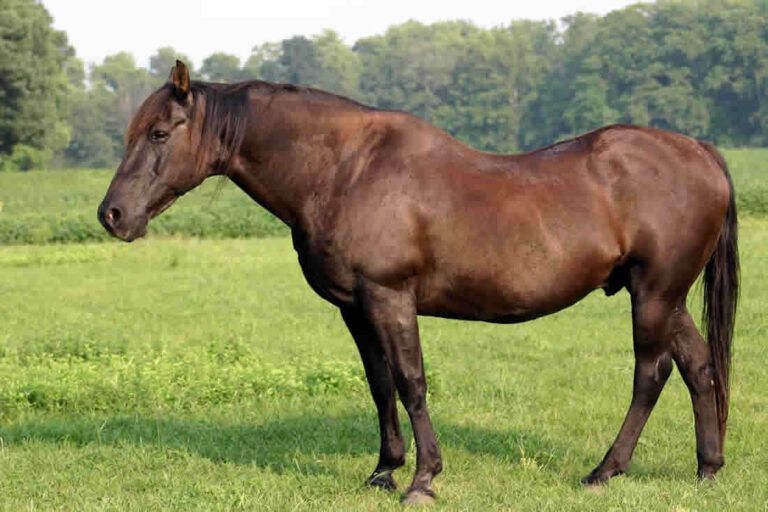
How to Feed a Horse with PPID (Cushing’s Disease) [10-Step Guide] Jaime Thomas, B.Sc. | July 15, 2026

Feeding horses with pituitary pars intermedia dysfunction (PPID), previously referred to as Equine Cushing’s disease, can be a challenge. Horses affected by PPID are typically older and may have other health issues including equine metabolic syndrome (EMS). This condition can...

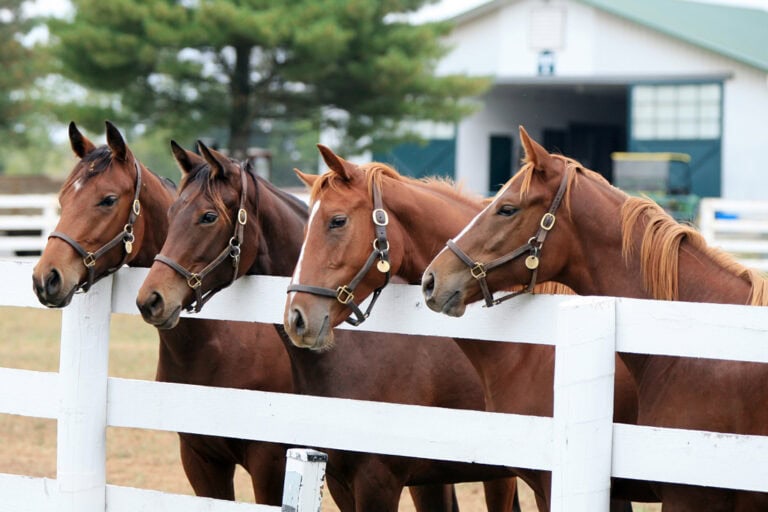
How to Feed the Growing Foal
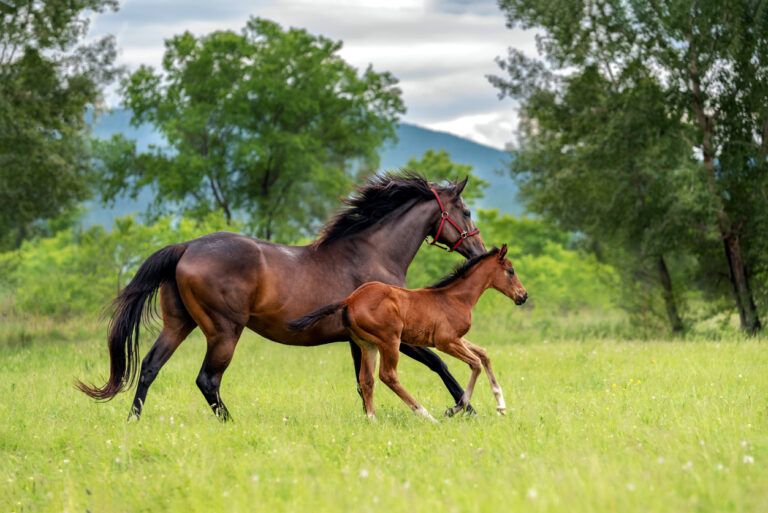
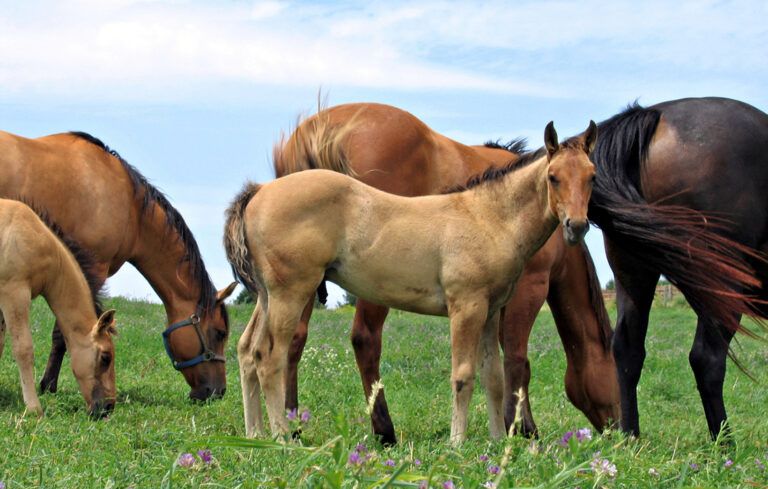
How to Feed a Growing Foal: Nutrition from Birth to Yearling Dr. Priska Darani, Ph.D., PAS | July 22, 2026

Raising a healthy foal involves working closely with your veterinarian and equine nutritionist to make sure they are maintaining proper growth and development. Foals grow quickly in the first few months after birth, reaching ~80% of their mature height and...

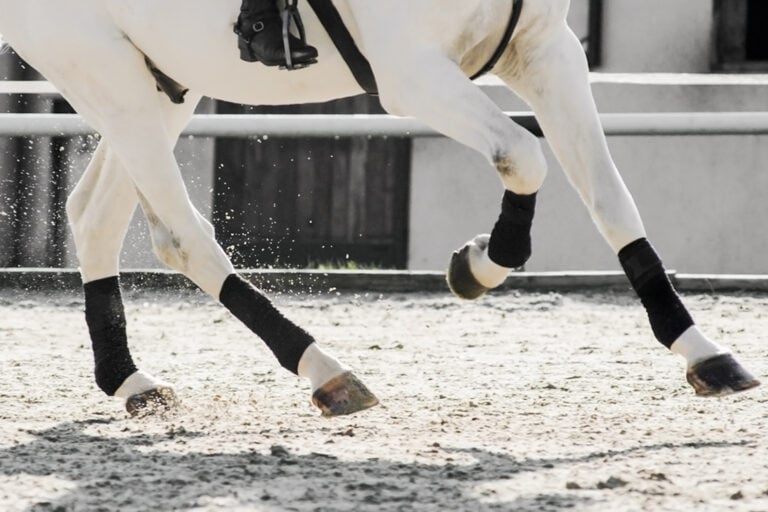
How to Feed Exercising Horse
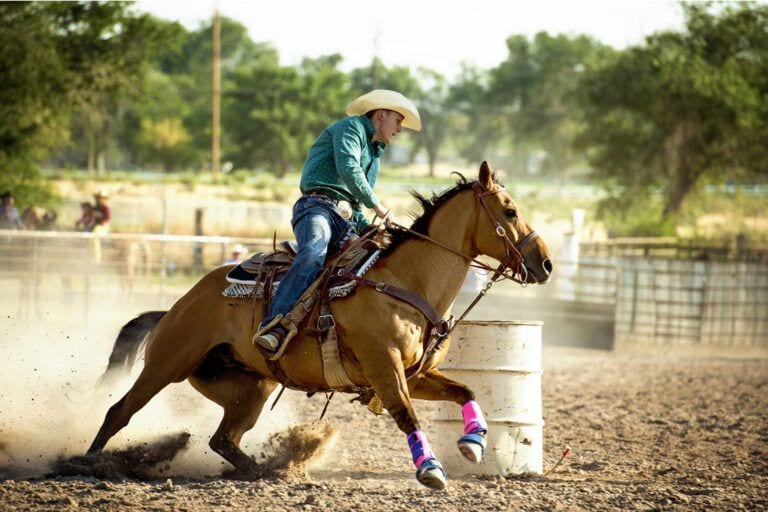
Feeding Horses in Work – Nutritional Requirements & Example Diets Dr. Priska Darani, Ph.D., PAS | July 22, 2026

Performance horses have higher energy and protein requirements than horses at maintenance (not exercising). Formulating diets to meet the requirements of horses in work should take into account their level of work and performance goals, as well as help mitigate...

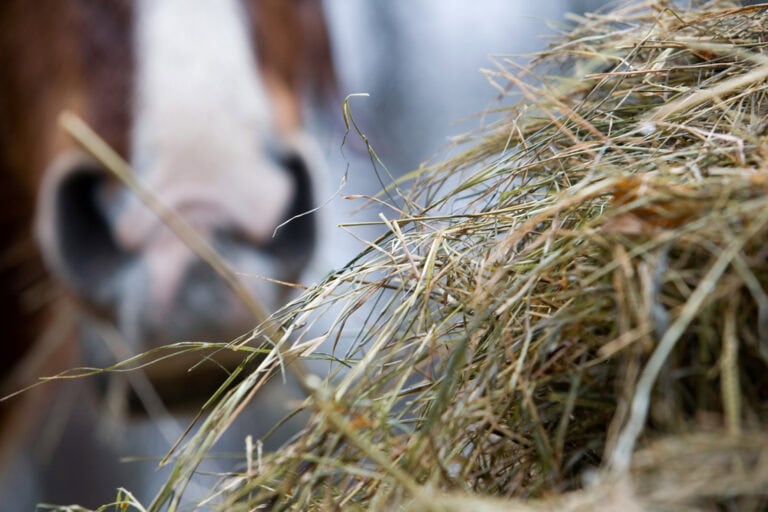
Forage Identification for Horses
How to Identify Forages and Estimate Their Maturity Caroline Cochran, BSc. | July 22, 2026

Forage is the single highest volume component in the equine diet. The type, quality, and maturity of the forage you feed have the greatest impact on the nutritional composition of your horse's ration. The only way to precisely assess the...

CBD Oil for Horses
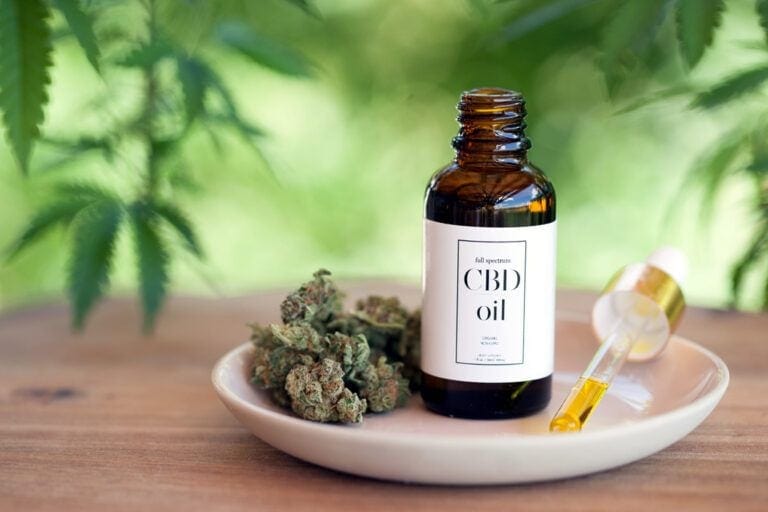
CBD Oil Benefits for Horses: Supplement Research Review Jaime Thomas, B.Sc. | July 31, 2026

In recent years, cannabidiol (CBD) has gained popularity as a natural remedy for some equine medical conditions. Currently, research into the effects of CBD on horses is very limited, and many reports of its purported benefits are anecdotal. Cannabidiol is...

are-chia-seeds-safe-for-horses
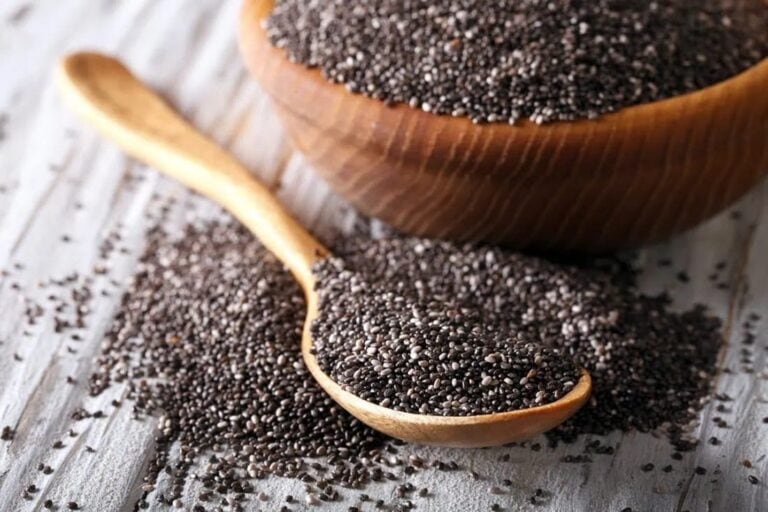
Chia Seeds for Horses – Nutrition, Benefits & Feeding Guide Jaime Thomas, B.Sc. | July 22, 2026

Chia seeds are derived from the Salvia hispanica plant and are fed to horses to support gut health and provide nutrients. A member of the mint family, chia has been cultivated for over 5,000 years in Central America. The seeds...

Transition Horse to Spring Pasture
Transitioning your Horses to Grazing Pasture in the Spring [Guide] Caroline Cochran, BSc. | July 22, 2026

Turning horses out on pasture is one of the best ways to encourage natural grazing behaviour. Fresh forage can be a valuable part of a balanced equine diet, but grass does not have the same nutritional value throughout the year....

Alfalfa Hay and Pasture for Horses
Feeding Alfalfa to Horses: Pros & Cons of this Forage in the Diet Dr. Christine Latham, Ph.D. | July 22, 2026

Alfalfa is a popular forage choice for horses and an ingredient in many equine feeds. This legume forage can be processed and preserved in many different ways to make it easier to incorporate into the diet. Alfalfa is nutrient-dense and...

How to Feed a Metabolic Horse
How to Feed a Horse with Equine Metabolic Syndrome Dr. Alex Rankovic, B.Sc., M.Sc., Ph.D. | September 15, 2026

For horse owners and barn managers, Equine Metabolic Syndrome (EMS) is a challenging condition to manage. How do you know which hays and feeds are safe and how should pasture turnout be regulated? Horses and ponies diagnosed with EMS cannot...

Equine Nutrition Feed & Supplement Database
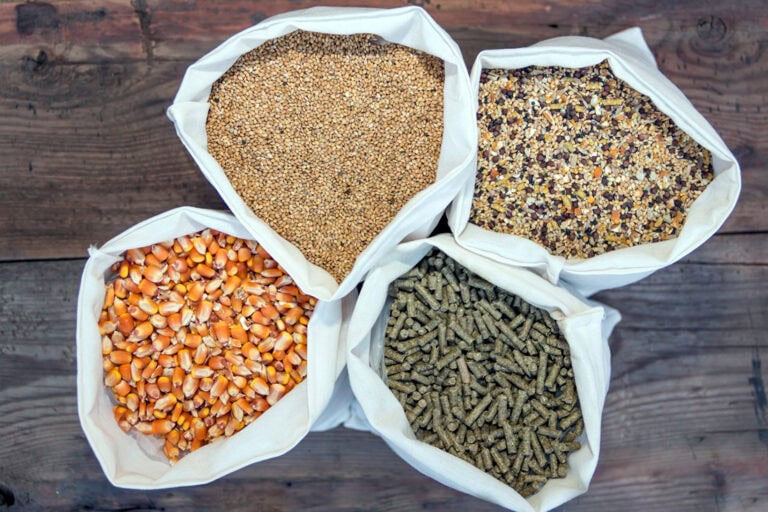
By-product Feeds for Horses: [Ingredients Guide] Caroline Cochran, BSc. | July 22, 2026

By-product ingredients are a fixture in equine diets, either as components of a complete feed or as concentrates added into the diet on their own. Although the term “by-product” may carry a negative connotation, these feeds are often high-quality, cost-effective...

Carbohydrates in the Horse's Diet
Carbohydrates in the Equine Diet: Nutrition Review Dr. Priska Darani, Ph.D., PAS | July 22, 2026

Carbohydrates are the main energy source in an equine diet. These macronutrients are naturally abundant in forages, grains and grain by-products. Carbohydrates can be categorized based on their function in the plant and how they are digested by the horse.

Canola Oil for Horses
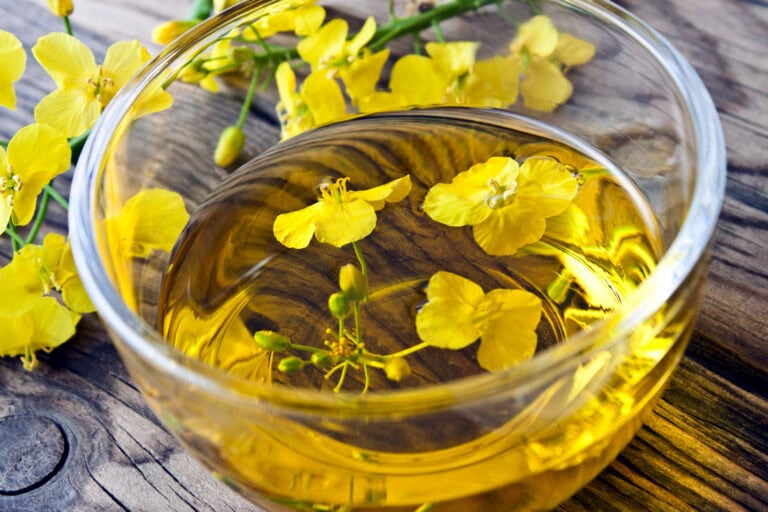
Feeding Canola Oil to Horses: Benefits for Weight Gain Jaime Thomas, B.Sc. | July 22, 2026

A variety of supplemental oils including camelina, flax, soy, corn, fish, and canola are commonly used in equine diets. Although every oil provides the same amount of energy, each one has a different fatty acid profile which can influence the...

Rice Bran Oil for Horses
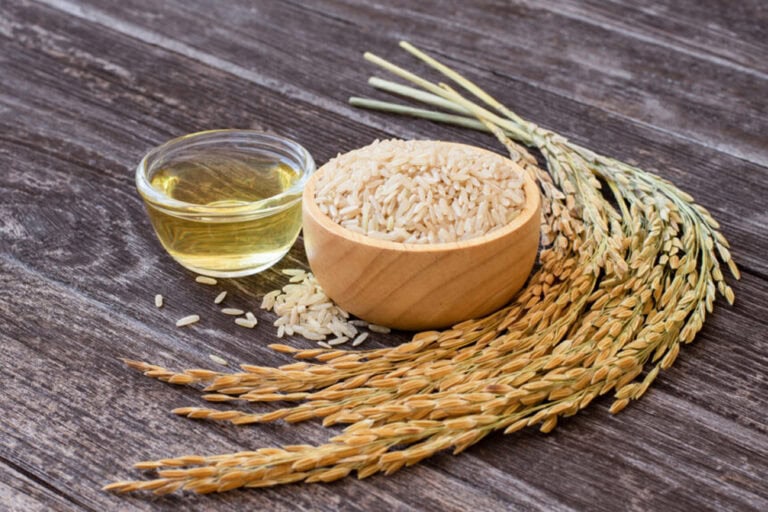
Rice Bran Oil for Horses: Benefits of Feeding for Weight Gain Jaime Thomas, B.Sc. | July 22, 2026

Rice bran oil (RBO) is an increasingly popular fat supplement fed to horses for weight management, cool energy, and coat quality. The oil is derived from the germ and bran of brown rice grains and contains essential fatty acids and...

Fructans in Horse Forages: Do High-Fructan Grasses Cause Laminitis? Keisha Heeringa, BSc, MSc | July 21, 2026

Fructans are a storage form of carbohydrate and a component of the non-structural carbohydrates (NSC) found in cool-season grasses, such as tall fescue, timothy, orchardgrass, and perennial ryegrass. Fructans are indigestible by horses, passing through the foregut to the hindgut...

Mineral Testing in Horse Hair
Can Hair Analysis Determine your Horse’s Mineral Status? Dr. Priska Darani, Ph.D., PAS | August 20, 2026

Is hair analysis a reliable way to evaluate your horse's mineral status? Mineral testing is an important aspect of monitoring your horse's health, especially if forages in your area are known to be deficient or excessive in a given nutrient....

Feeding Straw to Horses
Feeding Straw to Horses: A Low-Energy Forage Alternative Camryn McNeill, B.B.R.M. (Honours) | July 20, 2026

Straw or chaff is a high-fibre low-sugar forage that is ideal for horses that are overweight or insulin-resistant. Straw adds bulk to your horse's diet without contributing significant calories or protein. Research shows that adding straw to a forage ration...

How Much Hay to Feed Your Horse
How Much Hay to Feed Your Horse [Feeding Guide] Isabelle D'Costa, B.Sc., M.Sc. | July 20, 2026

A forage-based diet is the best way to support your horse’s health and happiness, but it is not always easy to know how much hay to feed. Horses that are allowed free-choice (ad libitum) access to hay-only diets will typically...

Flaxseed Meal and Linseed Oil for Horses
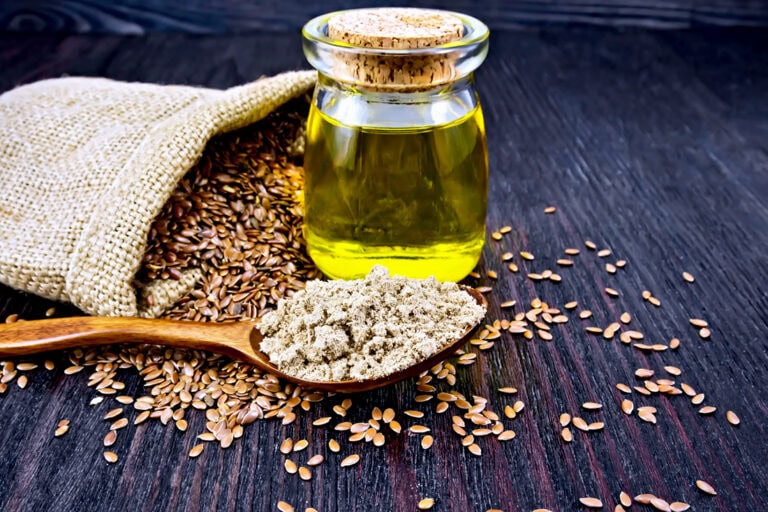
Feeding Flaxseed & Flax Oil to Horses Jaime Thomas, B.Sc. | August 20, 2026

Also known as linseed, flaxseed is produced from the flax plant and can be used to provide fat, protein, and fibre in the equine diet. Flax products are cost-effective, calorie-dense and commonly fed to horses for weight gain or to...

Teff Hay for Horses
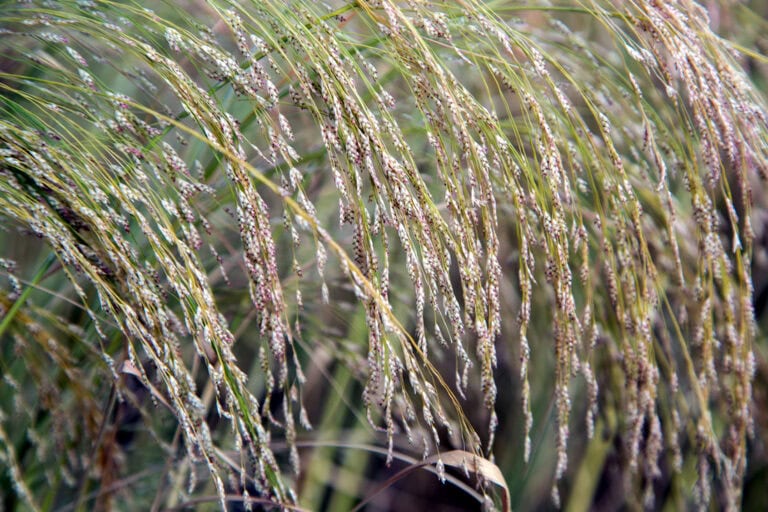
Teff Hay for Horses: Nutrition Overview & Feeding Guide Jaime Thomas, B.Sc. | July 20, 2026

An increasingly popular equine forage, teff grass is grown in warm geographic regions and is commonly cultivated in the Southern USA. Native to Africa, teff is a warm-season grass that is high in fibre and low in sugars and starch....

Best Mineral Supplement for Your Horse
How to Choose the Best Mineral Supplement for Your Horse – [Buyer’s Guide] Jaime Thomas, B.Sc. | August 18, 2026

Proper vitamin and mineral nutrition is critical to maintaining your horse's health and well-being. But how do you ensure that your horse gets everything they need to balance their diet? Horses on a forage-only diet universally have deficiencies in key...

Glucosamine & Chondroitin Supplements for Horse
Glucosamine & Chondroitin Supplements for Horses – [Joint Health Research Review] Caroline Cochran, BSc. | September 15, 2026

Glucosamine and chondroitin sulfate are two of the most common ingredients found in equine joint products. These natural supplements are purported to promote mobility and joint comfort in hard-working performance horses and aging seniors. But despite their commercial success, there...

Hay Dunking in Horses
Hay Dunking in Horses: Causes of this Abnormal Eating Behavior Dr. Priska Darani, Ph.D., PAS | August 18, 2026

Hay dunking describes an abnormal equine feeding behaviour in which horses dunk their hay in water before chewing and swallowing it. This can be a messy habit and many horse owners want to know why it happens and how to...

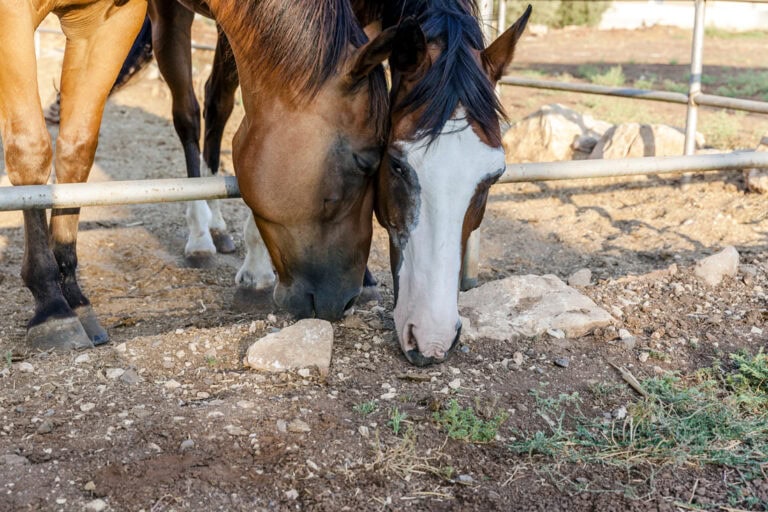
How to Stop Horse Eating Soil
Why is My Horse Eating Soil? – [Geophagia Causes & Prevention] Dr. Priska Darani, Ph.D., PAS | August 18, 2026

Has your horse started eating or licking the soil? The ingestion of soil in animals is referred to as geophagia. The reason some horses eat dirt is not fully understood. But the behavior is thought to serve a nutritional purpose...

symptom-appetite-changes-in-horses
Why is My Horse’s Appetite Decreasing or Increasing? [Top Reasons] Jaime Thomas, B.Sc. | August 18, 2026

Have you noticed changes in your horse's appetite and eating behavior? Perhaps your horse has gone off their feed or is no longer interested in eating as much forage as usual. Or maybe your horse's appetite has increased, and they...

How to Feed Pregnant Mare
How to Feed a Pregnant Mare – [Nutrient Requirements] Dr. Ashley Fowler, Ph.D. | August 18, 2026

Your vet has just confirmed that your mare is pregnant, and you can’t wait for that healthy foal to arrive! When should you be changing her feed? How much weight does she need to gain? What additional nutrients does she...

Soybeans in Horse Feed
Is Soy Good or Bad for Horses? [Review of Soybean Meal in Feeds] Dr. Fran Rowe, DVM, PAS | August 18, 2026

Soy is a common ingredient in many equine feeds. Different parts of the soybean can be used to provide protein, energy, and fiber in your horse's diet. Soybeans are popular because of their versatility and affordability. Soy oil is a...

Fat Supplements for Horses
Best Fat Supplements & Oils for Horses – [How & Why to Feed] Dr. Priska Darani, Ph.D., PAS | August 18, 2026

Adding fats and oils to your horse’s diet is a great way to increase calorie supply without relying on grains and high-NSC feeds. Fats can be added to the diets of underweight horses as weight gain supplements. Oils also provide...

Equine Nutritionist Consultation
Why Do you Need an Equine Nutritionist? – [Free Consultation Inside] Dr. Fran Rowe, DVM, PAS | August 18, 2026

Is your horse getting what she needs in her current diet? Does she have health concerns that could be improved through feeding practices? If you own or care for horses, chances are you have asked yourself these questions at some...