Analyze Diet
Electrolyte Supplementation for Horses
Best Electrolyte Supplements for Horses: A How-To Guide Kristina Pazdzior, B.Sc., M.Sc. | August 18, 2026

Electrolytes are minerals that play a key role in cellular function and regulate fluid balance in the body. Electrolytes carry an electric charge when dissolved in fluids such as blood or fluid in and around cells. These are critical for...
Best Magnesium Supplement for Horses
Best Magnesium Supplements for Your Horse [Bioavailability Comparison] Dr. Priska Darani, Ph.D., PAS | August 18, 2026

Magnesium supplements for horses come in many forms and are used to support muscle function and calming. This important macromineral is required in the equine diet to facilitate muscle contraction, maintain ion balance in the blood, and activate enzymes throughout...

How to Feed a Skinny Horse
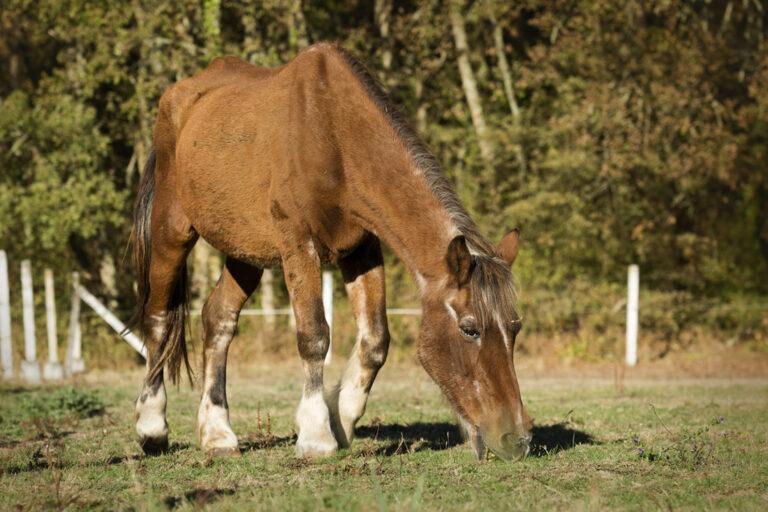
How to Feed an Emaciated Horse to Avoid Refeeding Syndrome Dr. Eleanor Kellon, VMD | August 18, 2026

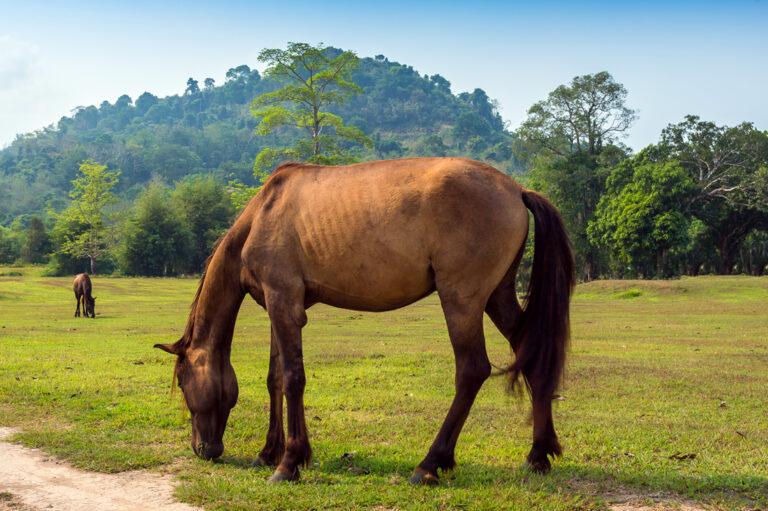
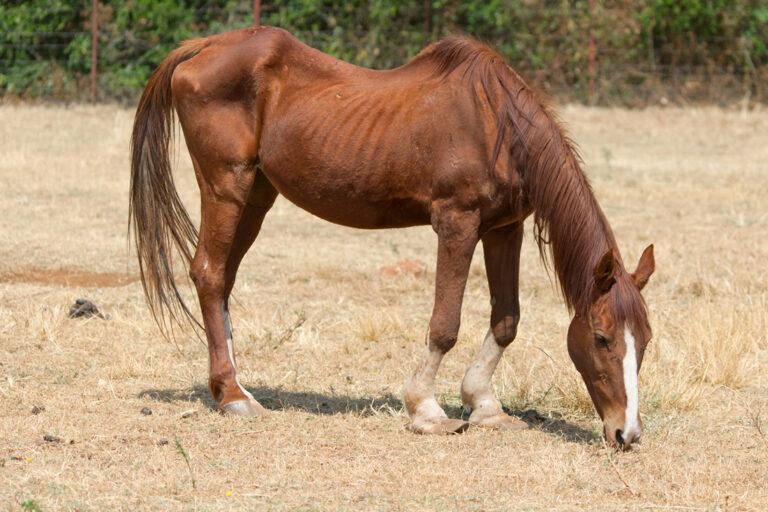
Emaciated horses have a very low body condition score with extensive loss of muscle and fat. These severely underweight horses need to be carefully managed with veterinary care and precise nutrition strategies during their recovery. Reintroducing feed must be done...

Feeding the Endurance Horse
How to Feed the Endurance Horse for Energy & Stamina [7 Point Guide] Eleanor Stronach, B.Sc., M.Sc. | July 27, 2026

Horses involved in endurance riding require appropriate fitness training, careful management, and balanced nutrition to support stamina and recovery. Endurance racing may involve horses covering up to 100 miles or 160 kilometres in a single day. This poses challenges with...

Calcium and Phosphorus in the Equine Diet
Calcium & Phosphorus in the Equine Diet [Ratio, Functions & Sources] Noelle Ursel, B.Sc. | September 11, 2026

The macrominerals calcium and phosphorus are the most abundant minerals in the horse’s body. They are important for bone strength, cellular function, muscle health and more. Ensuring adequate calcium and phosphorus intake is particularly critical for pregnant and lactating mares,...

Reading a Horse Feed Tag
How to Read your Horse’s Feed Tag [Guaranteed Analysis] Linaya Pot, MSc, PAS | July 25, 2026

The label on your horse's feed bag provides valuable information to help you make feeding decisions for your horse. Known as the feed tag, this label describes the nutritional composition of your horse's feed and how it is intended to...

Organic vs. Inorganic Minerals
Organic vs. Inorganic Trace Minerals in your Horse’s Diet – [Comparison] Linaya Pot, MSc, PAS | August 18, 2026

Trace minerals are a small component of your horse's overall dietary intake, but they play essential roles in equine well-being and health. These minerals can be provided in your horse's diet in either an organic or inorganic form. Not to...

Kelp for Horses
Kelp for Horses: Benefits, Uses and How to Feed Eleanor Stronach, B.Sc., M.Sc. | July 25, 2026

Kelp is a species of seaweed that is a nutritionally-dense source of protein and trace minerals. It contains the essential mineral iodine, which is important for thyroid function, growth and metabolism.

Equine Diet Analysis
We Analyzed 6,515 Equine Diets – Here’s What We Learned Scott Cieslar, M.Sc. | July 25, 2026

In the last year, over six thousand horse owners from all over North America used Mad Barn to analyze their horses' diets. We looked at diets for weanlings, broodmares, pasture pets, prize-winning racehorses, the odd mule, and everything in between....

Camelina Oil for Horses
Camelina Oil for Horses: Should you Feed this Omega-3 Supplement? Dr. Priska Darani, Ph.D., PAS | September 16, 2026

Camelina oil is commonly fed to horses as an omega-3 fatty acid supplement. It is used to support weight gain, joint health, coat quality and general well-being. Camelina oil is extracted from the seeds of the camelina sativa plant, also...

Feeding your Horse in Winter
7 Tips for Feeding your Horse in Winter [Cold Weather Care Guide] Eleanor Stronach, B.Sc., M.Sc. | August 1, 2026

What do you need to know to properly care for and feed your horse in the cold winter months? Horses are very adaptable to a wide range of temperatures and are well-suited to living in cold climates. However, you may...

Turmeric Benefits for Horses
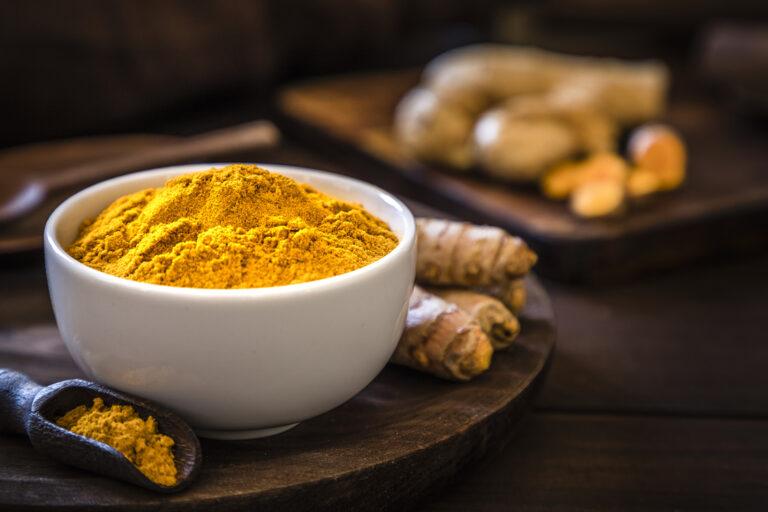
6 Research-Backed Benefits of Turmeric for Horses [Review] Eleanor Stronach, B.Sc., M.Sc. | August 1, 2026

Curcumin, derived from the turmeric plant, is a spice that recently become popular to feed to horses as a dietary supplement. It has purported anti-inflammatory benefits and is used in horses with laminitis, arthritis, metabolic syndrome and other health conditions....

Horse Calming Supplements
Top 6 Calming Supplements for Horses [Research Review] Kristina Pazdzior, B.Sc., M.Sc. | August 1, 2026

Riding and working with horses poses some inherent risk of danger, but the risk is greater when working with an aggressive or moody horse. For this reason, horse owners often look to calming supplements to help make their horse more...

How to Feed a Senior Horse
How to Best Feed a Senior Horse [9-Step Guide] Noelle Ursel, B.Sc. | August 1, 2026

When it comes to feeding senior horses, there are many factors to consider to support longevity and healthy ageing. Making sure your horse’s core nutritional needs are met and keeping up with routine healthcare are critical to promoting optimal well-being...

How to Feed a Horse with Polysaccharide Storage Myopathy
How to Feed a Horse with Polysaccharide Storage Myopathy (PSSM) Dr. Priska Darani, Ph.D., PAS | August 1, 2026

Equine polysaccharide storage myopathy (PSSM or EPSM) is a genetic condition in horses that affects how muscle cells partition, generate, and store energy. This can lead to exercise intolerance, stiffness, and an abnormal gait in your horse. After diagnosis, owners...

Minerals for Horses: Requirements, Roles, Deficiency & Supplements Hannah Godfrey, B.Sc., M.Sc. | August 1, 2026

Adequate mineral intake in your horse’s diet is essential for overall well-being and function. Minerals play important roles in supporting tissue structure, enzyme reactions, energy metabolism, and maintaining electrolyte balance. Mineral deficiencies can contribute to poor hoof and coat quality,...

Mycotoxins in your Horses Hay
Mycotoxins in your Horse’s Hay – [Symptoms, Treatment & Prevention] Dr. Madison Ricard, DVM, PhD, DACVP | August 1, 2026

Mycotoxins are naturally occurring toxic substances which are produced by mould and fungus in your horse’s hay. Mycotoxins can cause negative effects in horses including colic, gastrointestinal upset, weight loss, feed withdrawal, immune suppression, impaired performance or poor growth.

Supplements for Digestive Health in Horses
Top 15 Equine Supplements for Digestive Health [Research Review] Hannah Godfrey, B.Sc., M.Sc. | July 31, 2026

Maintaining your horse's digestive health is integral to maintaining their overall health. Digestive issues such as colic, ulcers, and hindgut acidosis are some of the most commonly diagnosed health conditions in horses. Learn about research-backed digestive health supplements that can...

Antacid Supplements for Horses with Ulcers
Antacid Supplements for Horses: Why they DON’T Work for Ulcers Hannah Godfrey, B.Sc., M.Sc. | July 31, 2026

Antacid supplements are some of the most popular options for equine gastric ulcer treatment and prevention – but could they be causing more harm than good? Antacids, such as magnesium hydroxide, are chemical compounds that neutralize stomach acid to temporarily...

Vitamin Requirements for Horses
Vitamins for Horses: Requirements, Roles, Deficiency & Excess Dr. Fran Rowe, DVM, PAS | July 31, 2026

Vitamins are organic compounds that are essential for all living things. Vitamins have diverse roles within the horse's body, affecting energy metabolism, growth and repair, muscle function, neurological health, immune function and much more. Vitamins function as cofactors for metabolic...

Ulcer Supplements for Horses
16 Best Ulcer Supplements for Horses – Safe & Natural [Research Review] Hannah Godfrey, B.Sc., M.Sc. | July 31, 2026

Equine supplements targeted towards ulcer prevention are on the rise, but not all products are created equal. Dietary management for horses with ulcers can include increasing forage and decreasing grain, as well as providing supplements that support a healthy digestive...

Yeast Benefits for Horses
7 Research-Backed Benefits of Yeast for Horses Dr. Priska Darani, Ph.D., PAS | August 25, 2026

Yeast are single-cell organisms that include over 1,500 unique species found naturally in soil, plants, fruit, and on the skin and in the intestinal tract of mammals. Live yeast are used as probiotic supplements for horses, primarily to improve fibre...

Benefits of Prebiotics for Horses
6 Science-Backed Benefits of Prebiotics in Horses Scott Cieslar, M.Sc. | July 31, 2026

Prebiotics are types of fibre that are given to horses as a food source for the beneficial microbes in the hindgut. Prebiotics support fibre digestibility, gut health, and nutrient assimilation in the hindgut. Horses with disrupted digestive function, observed as...

Fish Oil for Horses
Fish Oil for Horses – Does this Supplement Work? [Research Review] Sydney Banton, B.Sc., M.Sc. | September 23, 2026

You've probably heard about the health benefits of omega-3 fatty acids from fish oil, but does this supplement work for horses? Fish oil is often added to diets, both human and animal, as a source of the essential omega-3 fatty...

Amino Acids for Horses
Amino Acid Requirements for Horses: When to Feed More Protein? Dr. Fran Rowe, DVM, PAS | July 31, 2026

Is your horse getting a balanced range of essential and non-essential amino acids from their feeding program? Your horse needs adequate amino acids in their diet to make proteins. Proteins are complex molecules that are required for almost every physiological...

Top Joint Supplements for Horses
Top 8 Joint Supplements for Horses [Validated By Research] Hannah Godfrey, B.Sc., M.Sc. | September 23, 2026

Supplements targeting joint health are some of the most sought-after dietary supplements for horses, especially due to the high prevalence of joint injuries and deterioration later in life. But which equine joint supplements actually work and which are all hype?...

Lysine, Methionine & Threonine for Horses
Lysine, Methionine & Threonine for Horses: 7 Reasons to Supplement these Amino Acids Dr. Priska Darani, Ph.D., PAS | July 31, 2026

Lysine, methionine and threonine are known as rate-limiting amino acids that are required in the horse's diet because they cannot be made in the body. Of the 21 amino acids that exist, these three are most commonly deficient in the...

Zinc Benefits for Horses
10 Research-Backed Benefits of Zinc for Horses Dr. Priska Darani, Ph.D., PAS | July 31, 2026

Zinc (Zn) is an essential trace mineral that is required in the horse's diet to support the proper function of many enzymes and proteins. It is involved in antioxidant protection, immune function, protein synthesis, and cellular communication. Zinc is also...

Vitamin E Supplements for Horses
Top 5 Reasons to Use a Vitamin E Supplement for your Horse Leah Wellard, MSc BSc(h) | July 31, 2026

Does your horse need a Vitamin E supplement added to his or her feeding program? Hay is the most important component of a horse's diet, and contributes almost all the necessary macronutrients (protein, fat and carbohydrates) and micronutrients (vitamins and...

Biotin Benefits for Horses
7 Science-Backed Benefits of Biotin for Horses Dr. Priska Darani, Ph.D., PAS | July 31, 2026

Biotin, also known as vitamin B7, is required in the horse's diet for the production of keratin – the main protein that forms a strong, durable hoof structure. Biotin is most commonly known for supporting hoof growth and quality. It...