English









Cisapride is a prokinetic medication used in horses to stimulate movement in the gastrointestinal tract, helping restore normal gut motility when digestion slows or stops.
It is most commonly used in cases of postoperative ileus following colic surgery, severe gastrointestinal hypomotility, or other conditions where the intestines fail to move feed material effectively.
Unlike pain medications or laxatives that target specific symptoms, cisapride works by stimulating serotonin receptors that regulate smooth muscle contractions in the digestive tract. By improving coordinated intestinal movement, the drug helps horses pass ingesta through the stomach and intestines more efficiently.
Because gastrointestinal motility disorders can quickly become serious in horses, cisapride is typically used under veterinary supervision as part of a broader treatment plan that may include fluid therapy, pain management, and correction of underlying causes of digestive dysfunction.
Cisapride for Horses
Cisapride is a prokinetic agent, meaning it stimulates movement of digesta through the horse’s gastrointestinal tract. Prokinetic drugs stimulate gastrointestinal motility by improving the coordination and strength of intestinal smooth muscle contractions. [1] These medications are used when normal digestive movement slows or becomes disrupted.
Although cisapride was originally developed for treating gastrointestinal motility disorders in humans, it is commonly used in veterinary species, including horses. [2] In equine medicine, cisapride is most often used to help manage disorders associated with impaired gastrointestinal motility.
Normal digestive function in horses depends on coordinated movement of muscles across the entire digestive system. Movement of food through the horse’s gastrointestinal structures occurs through rhythmic contractions of smooth muscle within the walls of the digestive tract. [3]
Two major forms of muscular contraction occur in the equine gastrointestinal tract: [3]
- Peristaltic contractions, which propel digesta forward
- Mixing contractions, which churn digesta and mix it with digestive secretions and microbes
These movements are controlled by the enteric nervous system, a complex network of neurons embedded within the gastrointestinal tract. [3]
Horses are particularly dependent on effective gastrointestinal motility because they are hindgut fermenters. Much of the energy from the equine diet is accessed through microbial fermentation of fiber within the cecum and colon. [3][4]
If motility slows or becomes uncoordinated, ingesta may accumulate within sections of the digestive tract. This disruption can interfere with fermentation, digestion, and nutrient absorption, increasing the risk of serious gastrointestinal complications such as obstructions. If motility completely stops, it is called ileus.
Cisapride acts on neural signaling pathways within the gastrointestinal tract. By enhancing coordinated contractions of intestinal smooth muscle, the drug helps restore forward movement of digesta. [1]
Unlike some other prokinetic drugs, cisapride has minimal activity at dopamine receptors in the central nervous system. Instead, its activity primarily involves serotonin receptors within the gastrointestinal tract, which may reduce the likelihood of neurological side effects sometimes associated with dopamine-blocking prokinetic medications such as metoclopramide. [1]
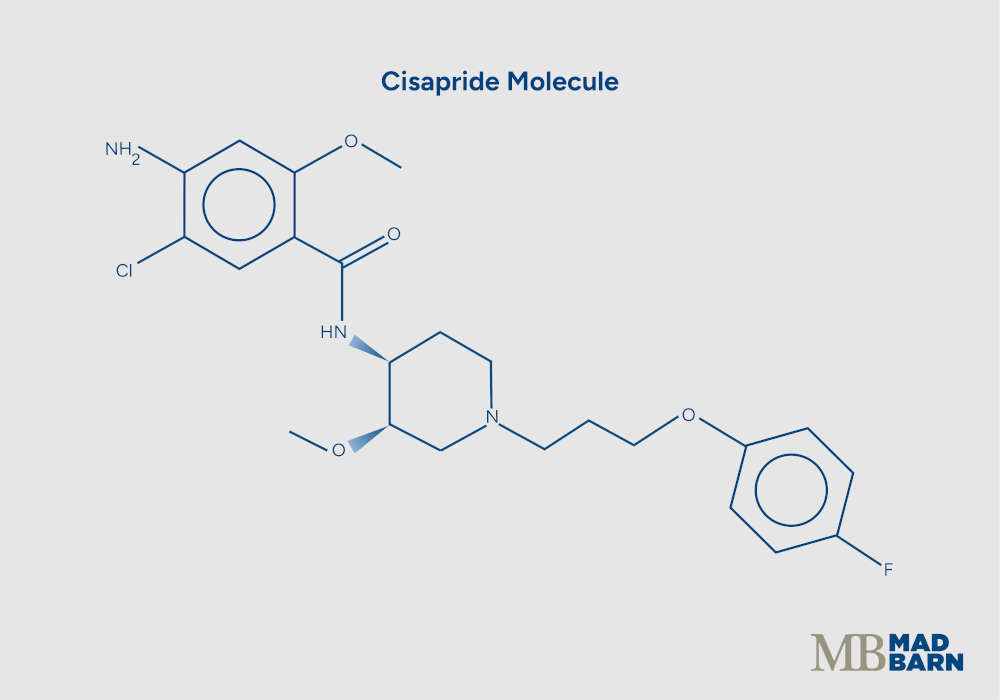
Available Forms
Cisapride is not commercially manufactured as a veterinary medication in horses or other species. When veterinarians prescribe cisapride for equine patients, it is typically obtained through compounding pharmacies. [5]
Compounding allows pharmacists to prepare customized formulations of medications that are not available in standardized commercial products.
Common compounded forms of cisapride used in equine medicine include:
- Oral suspensions or liquid formulations
- Capsules or tablets compounded in specific strengths
- Powdered preparations designed to be mixed with feed
Liquid suspensions are often preferred for horses because they allow more precise dose adjustments based on body weight. Because compounded medications are prepared individually for each prescription, the exact formulation and concentration of cisapride may vary between pharmacies.
What's your top priority with your horse's health?

Enter your email to receive your store credit
Drug Class: Prokinetic Agents
Cisapride belongs to a group of medications known as prokinetic agents, which stimulate gastrointestinal motility by enhancing the coordination of intestinal contractions. [1]
Prokinetic drugs are commonly used in horses when digestive movement becomes impaired. Motility disturbances may occur as a result of:
- Abdominal surgery
- Systemic illness
- Neurological conditions affecting the enteric nervous system
Other medications sometimes used to influence gastrointestinal motility in horses include: [5]
- Metoclopramide, a dopamine antagonist that also affects serotonin receptors
- Bethanechol, a cholinergic agonist that stimulates smooth muscle contraction
- Lidocaine, an analgesic that may reduce inhibitory gastrointestinal reflexes
- Low-dose erythromycin, which stimulates motilin receptors and can accelerate gastric emptying
Although these drugs are used for similar applications, they act through different pharmacologic pathways. Cisapride works primarily through serotonin-mediated stimulation of acetylcholine release in enteric neurons, promoting coordinated contractions of intestinal smooth muscle.
Mechanism of Action
Cisapride stimulates gastrointestinal motility by acting on neural pathways in the enteric nervous system. The enteric nervous system is a complex network of nerves embedded in the walls of the gastrointestinal tract. It regulates digestion by coordinating intestinal movement, secretion, and blood flow independently of the central nervous system. [3]
The drug primarily stimulates serotonin 5-HT4 receptors located on nerve terminals in the intestinal wall. Activation of these receptors increases the release of the neurotransmitter acetylcholine from enteric neurons. [1]
Acetylcholine is an important neurotransmitter involved in regulating intestinal motility. When released from cholinergic neurons, it stimulates contraction of gastrointestinal smooth muscle.
By increasing acetylcholine release, cisapride strengthens coordinated contractions of the digestive tract and promotes forward movement of ingesta through the gastrointestinal system. [6]
Experimental studies in horses have demonstrated increased electrical and mechanical activity in portions of the gastrointestinal tract following administration of cisapride, supporting its classification as a prokinetic medication. [6]
Additional experimental work evaluating gastrointestinal motility in horses found that cisapride can increase coordinated contractile activity in segments of the small and large intestines, confirming it stimulates propulsive intestinal motility rather than simply increasing random muscle contractions. [7]
Through its influence on these neural pathways, cisapride helps restore coordinated gastrointestinal motility when normal digestive function is impaired.
Uses in Horses
Cisapride is only approved for use in human medicine. Given this, cisapride is prescribed off-label (also known as extra-label) to horses. This means veterinarians use the medication based on available research and clinical judgment rather than formal regulatory approval for horses.
Off-label use of medication is a valid practice permitted under veterinary regulations. Off-label drugs are prescribed at the discretion of a licensed veterinarian, but drug manufacturers do not guarantee the safety or efficacy of extra-label use.
The importance of gastrointestinal motility in horses is closely related to the structure and function of the equine digestive system. Horses evolved to consume small amounts of forage continuously throughout the day. As such, the horse’s digestive tract is adapted to a steady flow of ingesta moving through the gastrointestinal system. [8]
After leaving the stomach and small intestine, ingesta moves into the hindgut, where microorganisms ferment structural carbohydrates such as fiber. This fermentation produces volatile fatty acids that provide a major source of energy for the horse. [3][9]
Efficient fermentation depends on consistent movement of ingesta through the digestive tract. If motility slows significantly, microbial fermentation may be disrupted.
Several gastrointestinal conditions involving impaired motility have been investigated in research studies evaluating the effects of cisapride in horses.
Post-Operative Ileus
Post-operative ileus is a common complication following abdominal surgery in horses, particularly after surgical treatment of colic.
During ileus, intestinal motility slows or stops, preventing normal movement of digesta through the gastrointestinal tract. This can lead to accumulation of fluid and ingesta within sections of the intestine, potentially causing discomfort and delaying recovery.
Studies evaluating equine gastrointestinal motility indicate that cisapride can stimulate intestinal contractions and may help restore coordinated digestive function following colic surgery. [2][10]
For this reason, prokinetic medications may be used as part of supportive care for horses recovering from abdominal surgery.
Endotoxin-Associated Motility Disorders
Inflammatory conditions such as endotoxemia can significantly impair gastrointestinal motility in horses.
Experimental studies evaluating gastric emptying in horses have shown that endotoxin exposure slows movement of stomach contents into the small intestine. Horses treated with cisapride before endotoxin administration experienced less severe delays in gastric emptying. [11]
These findings suggest that cisapride may help counteract motility disturbances associated with systemic inflammation.
Chronic Motility Disorders
Cisapride has also been investigated in horses affected by equine dysautonomia (grass sickness), a neurological disease that disrupts normal gastrointestinal motility.
Clinical studies reported improvements in intestinal sounds and movement of ingesta through the digestive tract following treatment with cisapride. [12] Although responses varied between individuals, these findings indicate that prokinetic therapy may provide supportive benefits in certain chronic motility disorders.
Administration Routes
Cisapride is most commonly administered orally in horses.
Since no commercial veterinary formulation exists, veterinarians usually prescribe compounded suspensions or tablets prepared by specialized pharmacies. [5]
Pharmacokinetic research indicates cisapride is absorbed following oral administration, although absorption may vary between horses. The reported elimination half-life in equine studies is approximately two hours, though individual variability occurs. [13]
This relatively short elimination profile contributes to the need for repeated dosing when the medication is used to maintain gastrointestinal motility. [13]
Administration Tips
If cisapride is prescribed for your horse, the treating veterinarian may recommend: [5]
- Administering the drug before feeding
- Giving the medication on an empty stomach when possible
- Carefully measuring compounded liquid formulations to ensure accurate dosing
Always follow the label instructions and give the entire course of medication as prescribed. If you are unsure about dosing directions, contact the prescribing veterinarian.
Storage
Compounding pharmacies typically provide instructions regarding storage, administration, and handling of medications. These instructions may vary depending on the formulation. Always follow the label and guidance from your veterinarian.
Safety Warnings & Precautions
In human medicine, cisapride has been associated with disturbances in heart rhythm. [2] Although this complication is rarely reported in horses, veterinarians may exercise caution when prescribing the drug to animals with pre-existing cardiac disease.
Electrolyte abnormalities such as low potassium levels may increase the risk of cardiac complications when medications that influence cardiac conduction are administered. [5] Veterinarians may therefore evaluate electrolyte status in horses receiving prokinetic therapy.
Monitoring
Horses receiving cisapride are typically monitored for improvements in gastrointestinal motility as well as any potential side effects. Veterinarians may assess appetite, manure production, abdominal comfort, and overall attitude to determine whether digestive function is improving.
In some cases, additional monitoring may include evaluation of heart rate and rhythm, particularly in horses with underlying health conditions or electrolyte imbalances. Bloodwork may also be performed to assess electrolyte levels and ensure metabolic parameters remain within normal ranges during treatment.
Contraindications
Contraindications refer to situations where a drug should be avoided or used with caution. Cisapride may not be appropriate for all horses and should only be administered under veterinary supervision.
Situations where cisapride may be contraindicated or require caution include: [5]
- Gastrointestinal obstruction
- Significant cardiac disease
- Electrolyte imbalances such as hypokalemia
- Severe liver dysfunction
Because the drug can influence cardiac electrical activity in some species, veterinarians evaluate underlying health conditions and concurrent medications before prescribing cisapride. [2][5]
Side Effects
Cisapride is generally well-tolerated in horses, although side effects can occur.
Reported reactions associated with increased gastrointestinal activity include: [7]
- Increased intestinal sounds
- More frequent defecation
- Mild abdominal discomfort at higher doses
In other species receiving cisapride, gastrointestinal disturbances such as vomiting, diarrhea, and abdominal cramping have been reported. [5] These effects are generally associated with excessive stimulation of intestinal motility.
Acute Toxicity (Overdose)
In rare cases, excessive doses or accidental ingestion of large amounts of cisapride may lead to signs of toxicity.
Signs of excessive exposure to cisapride in horses may include: [5]
Immediate veterinary attention is recommended if overdose is suspected.
Drug Interactions
Cisapride may interact with several medications.
Certain drugs inhibit liver enzymes responsible for metabolizing cisapride. When this occurs, circulating drug concentrations may increase, raising the risk of adverse effects.
Examples of medications that may interact with cisapride include: [5]
- Certain antifungal medications
- Macrolide antibiotics
- Medications that affect cardiac rhythm
- Drugs that alter electrolyte balance

Regulatory Status & Legal Considerations
Cisapride does not have an approved veterinary formulation for horses. When prescribed for equine patients, the medication is typically obtained through compounded preparations produced by licensed pharmacies. [5]
Prescribing a medication outside its approved labeling is known as extra-label (off-label) use. In equine practice, veterinarians may prescribe medications this way when they determine that treatment is medically necessary and no approved alternative is available.
Extra-label drug use in animals is regulated in many jurisdictions, and veterinarians must follow specific guidelines when prescribing these medications. This generally includes establishing a valid veterinarian–client–patient relationship and ensuring the drug is used appropriately for the animal’s condition.
Status in Competition
Cisapride is not currently listed as a prohibited substance by the Fédération Équestre Internationale (FEI), meaning horses competing under FEI rules are permitted to receive this medication. [14] However, medication rules vary between disciplines, organizations, and jurisdictions.
Because regulatory guidelines can change, horse owners and trainers should always review the medication policies of their governing body before administering any drug to a competition horse. Consulting a veterinarian can also help ensure that treatment decisions comply with current competition regulations.
Frequently Asked Questions
Here are some frequently asked questions about cisapride use in horses:
Cisapride is a prokinetic medication used to stimulate gastrointestinal motility in horses. Veterinarians most commonly prescribe it to treat conditions such as postoperative ileus, delayed intestinal transit, and other disorders in which the digestive tract slows or stops moving feed normally.
Cisapride works by stimulating serotonin (5-HT4) receptors in the enteric nervous system, the system responsible for regulating intestinal movement independently of the central nervous system. This increases the release of acetylcholine, a neurotransmitter that strengthens coordinated smooth muscle contractions in the gastrointestinal tract, helping move ingesta through the stomach and intestines.
Cisapride may begin influencing gastrointestinal motility within one to two hours after administration. However, the onset and degree of response can vary depending on the underlying digestive condition and the individual horse.
The effects of cisapride generally decline within about 24 hours after the final dose. The exact duration depends on the dosage, dosing frequency, and how quickly the horse metabolizes the medication.
In some cases, veterinarians may prescribe cisapride for longer periods to manage chronic gastrointestinal motility disorders. Treatment duration varies depending on the underlying condition and the horse's response to therapy.
Cisapride is most commonly administered orally as a compounded paste, suspension, or tablet prepared by a veterinary compounding pharmacy. Because no equine-specific formulation exists, dosing and administration are determined by a licensed veterinarian.
Cisapride is not specifically approved for use in horses. Veterinarians prescribe it extra-label based on their discretion and expertise. It is typically obtained for horses through a licensed compounding pharmacy.
In human medicine, cisapride has been associated with abnormal heart rhythms. Although this complication appears uncommon in horses, veterinarians may exercise caution when prescribing the drug, particularly in animals with underlying cardiac concerns.
Prokinetic medications such as cisapride may be used when gastrointestinal motility slows or stops. This can occur after abdominal surgery, during severe gastrointestinal disease, or when neurological or metabolic conditions interfere with normal intestinal movement.
Other medications used to support gastrointestinal motility in horses include metoclopramide, lidocaine infusions, and erythromycin in certain situations. The most appropriate treatment depends on the underlying cause of the motility disorder and the horse's overall health.
Yes. Cisapride is often used as part of a broader treatment plan that may include fluid therapy, pain management, gastric protectants, and correction of electrolyte imbalances to help restore normal digestive function.
If a dose of cisapride is missed, contact your veterinarian for guidance. In many cases, the next scheduled dose may simply be given as planned. Do not double the next dose unless specifically instructed by your veterinarian, as excessive dosing may increase the risk of side effects.
Cisapride is generally well tolerated in horses, but increased gastrointestinal activity may cause side effects such as louder intestinal sounds, more frequent defecation, or mild abdominal discomfort. In rare cases or at higher doses, diarrhea or other signs of excessive gut stimulation may occur.
Whether a horse can be ridden while receiving cisapride depends on the underlying condition being treated. Because the drug is typically prescribed for gastrointestinal motility disorders, affected horses are often recovering from illness or surgery and may require rest. Always follow your veterinarian's recommendations regarding exercise and return to work.
Cisapride is not currently listed as a prohibited substance by the Fédération Équestre Internationale (FEI). However, medication rules can vary between governing bodies and disciplines. Riders should always review the regulations for their specific sport and consult their veterinarian before administering any medication to a competition horse.
Summary
Cisapride is a prokinetic medication that increases gastrointestinal motility by stimulating coordinated contractions of intestinal smooth muscle.
- The drug acts on serotonin receptors in the enteric nervous system, stimulating forward movement of digesta through the gastrointestinal tract
- There is no form of cisapride approved for veterinary use; its use in horses is off-label
- Cisapride is most commonly used to treat post-operative ileus, endotoxin-associated motility disorders, and certain chronic neurologic diseases in horses
- Cisapride should only be used under veterinary supervision to ensure appropriate dosing, monitoring, and consideration of potential drug interactions or contraindications
References
- Cole. C. et al. Eds. Equine Pharmacology. Wiley Blackwell. 2015.
- Washabau. R. J. Topics in Drug Therapy - Cisapride. JAVMA. 1995.
- Reece. W. O. Ed. Dukes' Physiology of Domestic Animals 13. ed.. Wiley Blackwell. 2015.
- Janssens G.P.J. Horse Digestion and Bottlenecks in Formulating Horse Feeds. Proceedings of the First European Equine Health & Nutrition Congress. 2002.
- Plumb's Veterinary Drug Handbook: Desk. John Wiley & Sons. 2018.
- King. J. N. and Gerring. E. L. Actions of the Novel Gastrointestinal pro Kinetic Agent Cisapride on Equine Bowel Motility. Journal of Veterinary Pharmacology and Therapeutics. 1988. View Summary
- Okamura. K. et al. Effects of Mosapride Citrate, Metoclopramide Hydrochloride, Lidocaine Hydrochloride, and Cisapride Citrate on Equine Gastric Emptying, Small Intestinal and Caecal Motility. Research in Veterinary Science. 2009. View Summary
- Geor R.J. and Harris P.A. How to Minimize Gastrointestinal Disease Associated With Carbohydrate Nutrition in Horses. American Association of Equine Practitioners Annual Convention, Orlando. 2007.
- Hoffman, R.M. Carbohydrate Metabolism in Horses. Reviews in Veterinary Medicine. 2003.
- Gerring. E. L. and King. J. N. Cisapride in the Prophylaxis of Equine Post Operative Ileus. Equine Veterinary Journal. 1989. View Summary
- Valk. N. et al. Effect of Cisapride on Gastric Emptying in Horses Following Endotoxin Treatment. Equine Veterinary Journal. 1998. View Summary
- Milne. E. M. et al. An Evaluation of the Use of Cisapride in Horses with Chronic Grass Sickness (Equine Dysautonomia). British Veterinary Journal. 1996. View Summary
- Steel et al. Pharmacokinetics of Cisapride in the Horse. Journal of Veterinary Pharmacology and Therapeutics. 1998. View Summary
- 2026 Prohibited Substances List. FEI. 2026.