English



![Colic in Horses: Treatment, Management & Prevention [Guide]](/wp-content/uploads/2024/11/colic-in-horses.jpg)
Colic in horses is one of the most common and serious health conditions affecting equines. It can strike suddenly, regardless of age, breed, or discipline.
Colic refers to abdominal pain, which can arise from a variety of causes, ranging from mild digestive upset to life-threatening conditions. For horse owners and caretakers, understanding the signs of colic, potential causes, and steps for diagnosis and treatment is crucial for minimizing the risks and ensuring the well-being of their horses.
Symptoms of colic can vary widely but often include signs such as pawing at the ground, rolling, looking at the abdomen, and loss of appetite. Since colic can develop quickly and worsen rapidly, prompt attention is critical. While some cases may resolve with basic care, others may require more intensive veterinary intervention or even surgery.
In this article, we review common causes of colic in horses, factors that contribute to its development, and preventive measures that can help reduce the risk of colic episodes. With this knowledge, horse owners can improve the chances of early detection and successful treatment, helping to protect their horses from this potentially fatal condition.
Colic in Horses
Colic is a broad term referring to varying causes of abdominal pain in the horse. [1] Studies from around the world show that colic is one of the most common causes of death in horses between 1 and 20 years of age. [2]
Around 4% of horses each year experience an episode of colic. [3] For this reason, horse owners and veterinarians alike cite colic as one of their top concerns in equine management. [2]
Gastrointestinal Causes
Most causes of colic occur due to changes in the gastrointestinal tract. The equine gastrointestinal tract is highly sensitive to changes in diet, environment, and activity levels, which can trigger colic episodes. Some colic conditions arise spontaneously, with no known risk factors or precipitating events.
Common risk factors associated with colic include: [2]
- Increased time spent in a stall
- Sudden changes in diet, including forage and concentrate type and quantity
- Inadequate or inappropriate use of dewormers for parasite control
- Dental disease
- Stereotypic behaviors, such as cribbing
- Previous episodes of colic
- No access to mineral or salt supplementation
- Stressful events, such as recent transport
- Environmental conditions, such as dry climates or winter weather
Colic can affect any part of the gastrointestinal system, from the stomach to the large intestine.
Gastric Colic
Common causes of gastric (stomach-related) colic include: [4]
- Gastric dilatation and rupture
- Gastric impaction
Small Intestinal Colic
Causes of colic related to the small intestine include: [4]
- Tapeworm infestation
- Ileal impaction
- Roundworm infestation
- Proximal enteritis-jejunitis
- Intussusception
- Volvulus of the small intestine
- Strangulating lipomas
- Incarceration or herniation through a hole in the abdomen, such as the inguinal canal
Large Intestinal Colic
Most cases of colic result from disturbances in the large intestine or cecum. This part of the digestive system maintains a robust bacterial ecosystem for fermentation of long-stem forages. Disruption in this bacterial ecosystem can cause significant digestive distress in affected horses.
Common causes of large intestinal colic include: [4]
- Cecal impaction
- Pelvic flexure impaction
- Enterolithiasis
- Displacement of the large colon
- Right dorsal colitis
- Volvulus of the large colon
- Spasmodic (or gas) colic
- Sand colic
What's your top priority with your horse's health?
Other Causes
Colic can also occur due to disruptions in other body systems, including liver disease, kidney disease, and disorders affecting the reproductive tract. [5]
Non-intestinal disorders that can cause colic-like signs include: [5]
- Pain associated with ovulation in mares
- Granulosa cell tumors of the ovaries
- Uterine torsion
- Dystocia
- Urinary stones
- Kidney infections
- Liver failure and other liver diseases
- Pancreatic disease
- Pleuropneumonia
- Laminitis
- Exertional rhabdomyolysis
- Tetanus
- Botulism
- Equine motor neuron disease
Symptoms
Horses display numerous pain behaviors when experiencing colic. [1] Depending on the severity of the colic, clinical signs can range from mild discomfort to extreme behaviors that can injure horses or their handlers. [1]
Signs of mild to moderate colic include: [1]
- Pawing
- Looking back at the flanks
- Flehmen response (curling the upper lip)
- Kicking at the abdomen
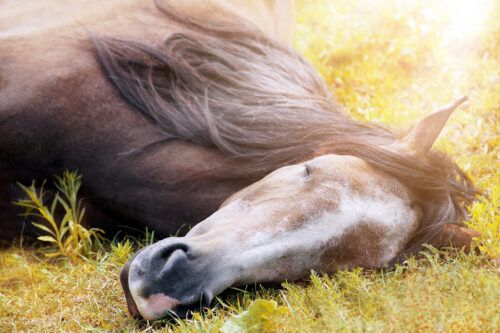
- Lying down or lying flat
- Stretching out as if to urinate
- Loss of appetite
- Lethargy
- Grinding teeth
Signs of severe colic can include: [5]
- Dropping or collapsing to the ground
- Sweating excessively
- Thrashing or rolling excessively
- Distention or swelling of the abdomen
Diagnosis
The main goal in the initial diagnosis of colic is determining whether the horse requires surgery. [5] Gastrointestinal conditions requiring surgery demand immediate intervention to preserve the integrity of intestinal tissues.
If the attending veterinarian determines a horse requires surgery, they typically refer the horse to a surgical center as soon as possible, rather than spending time diagnosing the exact cause of colic. [5]
To determine whether a colic requires surgical or medical management, the veterinarian performs a thorough physical examination to assess the horse’s overall condition. [5] Key components of the physical examination include: [5]
- Pain assessment
- Rectal temperature
- Heart and respiratory rate
- Color of the gums
- Temperature of the extremities, such as the ears and limbs
- Presence or absence of intestinal sounds
- Inspection of manure
The veterinarian then performs a nasogastric intubation and rectal palpation.
Nasogastric intubation involves passing a tube through the horse’s nose into their stomach. Since horses cannot vomit, this process allows the veterinarian to determine if there is excessive fluid accumulation within the stomach. [5] It also temporarily relieves any pressure within the stomach causing discomfort. [5]
Rectal palpation allows the veterinarian to identify distended (swollen) or displaced (out of normal position) structures within the abdomen. [5] They can also feel for any masses or foreign objects within the intestinal tract. [5] In some cases, rectal palpation provides enough information to diagnose the cause of colic.
If rectal palpation and nasogastric intubation do not provide enough information about the horse’s colic condition, veterinarians may perform an abdominal ultrasound or abdominocentesis (sampling the abdominal fluid).
Abdominal ultrasound allows for careful inspection of the abdominal structures, including their location, degree of movement, and the presence of masses or foreign objects. [5]
Abdominocentesis provides the veterinarian with information about the horse’s overall abdominal state, including the presence of inflammation or excessive protein, which can indicate intestinal rupture or leakage. [5]
Indicators a Horse May Need Surgery
Signs that indicate surgical management of colic is required include: [5]
- Uncontrollable pain that does not respond to pain medications
- Excessive amounts of gastric reflux
- Distended or displaced small or large intestine on rectal examination
- Palpable mass or foreign object on rectal examination
- Elevated protein, white or red blood cell counts, or gross contamination in the abdominal fluid
If the veterinarian identifies these signs during their colic work-up, they immediately refer the horse for surgical intervention. [5]
Horses who do not show these signs may be medically managed. However, if medical management is unsuccessful, these horses may still require surgery to correct the underlying problem. [5] Ongoing monitoring by the veterinary team during medical management ensures that the horse is recovering as expected. [5]

Treatment
The treatment for colic depends on whether the case is surgically or medically managed. Some horses may start with medical management, but progress to requiring surgical management if medical management is unsuccessful. [5]
Medical Management
Medical management primarily focuses on providing pain relief and addressing the underlying cause of colic. [5]
Pain relief options may include: [5]
- Pain medications, such as non-steroidal anti-inflammatory drugs (NSAIDs) or opioid analgesics
- Sedation to reduce anxiety and stress
- Repeated nasogastric intubation to remove accumulating fluid in the stomach
The most common types of medically managed colic are spasmodic colic and impactions. Both have specific treatments to help restore normal gastrointestinal function.
Spasmodic Colic
Spasmodic colic results from an increased frequency of intestinal contractions. To treat this condition, veterinarians use spasmolytic drugs which reduce contraction frequency. [5] The most common drug for this purpose is scopolamine (Buscopan®).
Impaction Colic
Impaction colic occurs when excessively dry feed accumulates in the intestine, forming a large mass called a bolus. [5] Dehydration often plays a large role in the development of impactions, as it reduces the overall fluid content within the intestine and impacts gut motility. [5]
To treat impaction colic, veterinarians provide oral fluids through a nasogastric tube to restore normal intestinal hydration. [5] Some horses may also require intravenous fluids to maximize hydration. [5]
Many veterinarians provide laxative products through the nasogastric tube to ease passage of the impacted bolus. [5] Laxatives can also increase the water content and softness of the fecal material, helping break up the impacted feed. [5] Common laxatives include mineral oil and magnesium sulfate (Epsom salt).
Surgical Management
Horses experiencing severe pain often require surgical intervention to correct the underlying problem. In some cases, the surgeon does not have a specific diagnosis when they begin surgery. Therefore, the first step in surgery is to determine the cause of pain. [5] This procedure is called surgical exploration. [5]
During surgical exploration, the surgeon systematically reviews the entire gastrointestinal tract to identify any problem areas. In some cases, this may require the surgeon to exteriorize (lift out of the abdomen) parts of the intestinal tract to ensure thorough inspection. [5]
Once the problem is identified, the surgeon proceeds with correcting the issue. The extent of surgical intervention during this step depends on the specific problem.
For displacement colic, where the intestinal tract has shifted within the abdomen, the surgeon manually replaces the intestinal tract into the correct position.
Many surgical colic cases involve impaction of feed or foreign objects within the intestinal tract. To remove these blockages, the surgeon performs an enterotomy where they make a surgical incision into the intestine. They then remove the blockage and close the incision.
Some types of colic result in strangulation of the intestine, where the intestine’s blood flow is cut off. These cases require more intense surgical intervention, as the surgeon must remove the affected piece of dead or dying intestine. This procedure is called resection and anastomosis and is associated with a poorer prognosis and longer recovery times. [6]
Prognosis
Since there are so many potential causes of colic, the prognosis for colic varies significantly. The overall case fatality rate for colic is around 11%. [3]
“Simple” colics that respond readily to medical treatment have an excellent prognosis for survival and return to use. [5] These colics make up the majority of colic cases veterinarians treat. Cases requiring more extensive medical management have a fair prognosis, depending on the horse’s response to treatment and the severity of disease.
Historically, the prognosis for colic surgery was relatively poor. [6] However, recent advances in surgical techniques and pre- and post-operative management have significantly improved survival rates. [6] Studies on surgical cases of equine colic show short-term survival rates ranging from 68% – 100%, depending on the type of surgery and veterinary hospital. [7]
Most surgery-related deaths occur either during the surgery or within the first 10 days after surgery. [6] Common post-operative complications include: [8]
- Postoperative colic
- Failure or infection of the anastomosis repair
- Failure or infection of the abdominal closure
- Adhesions developing between abdominal organs
- Peritonitis (inflammation of the abdominal lining)
Horses undergoing colic surgery have a good prognosis for return to performance if they survive the initial recovery period. One study showed that 97% of colic surgery patients who survived more than 12 months returned to their previous level of performance. [5]
Potential causes for reduced performance after surgical intervention include intestinal adhesions, laminitis, and incisional hernias causing long-term complications. [5]
Prevention
Preventing colic is at the forefront of every horse owner’s mind. The ideal prevention strategy is optimizing the horse’s digestive function by focusing on species-appropriate management. Management changes that reduce the risk of colic include: [2][9]
- Increasing turnout and providing a forage-based diet
- Avoiding sudden changes in turnout and stalling
- Gradual changes in feed
- Deworming using products and a schedule recommended by your veterinarian for your specific horse or herd
- Dental care every 6 months to 1 year, based on veterinary recommendation
- Providing consistent access to clean water
- Avoiding feeding on sandy soil or overgrazing sandy pastures
- Providing at least 60% of the diet as good quality forage
- Feeding concentrates, such as grain, in 2-3 small meals per day
Frequently Asked Questions
Here are some frequently asked questions about colic in horses:
Colic in horses is a broad term for abdominal pain, often related to digestive issues. It can range from mild discomfort to life-threatening conditions, requiring immediate veterinary attention to determine the cause and initiate treatment. [1]
Signs of colic in horses include pawing, laying down and rolling, kicking or biting at their abdomen, not eating, and general lethargy or disinterest in their environment. If you see these signs in your horse, call a veterinarian immediately. [5]
Although colic is a serious condition, most horses survive colic episodes. [3] However, certain causes of colic have a poor prognosis, with some having a nearly 100% fatality rate. [7] Having your horse examined by a veterinarian if they are showing signs of colic is critical so that prompt treatment targeting the specific cause of colic can begin.
Many horse owners believe that walking a colicky horse is beneficial. For cases of mild colic, walking the horse can help stimulate gut movement, which may relieve symptoms. In more severe colic cases, walking the horse can help prevent them from injuring themselves during rolling or thrashing. However, it is important to note that walking the horse is not a substitute for seeking veterinary care. Follow your veterinarian’s advice regarding walking. In some cases, allowing a horse to lay down quietly is more beneficial than exhausting them by walking. [5]
Horses may or may not pass manure during colic episodes, depending on the type of colic they are experiencing. Passing manure is not a sign that colic has resolved in all cases. Always seek veterinary care for colicking horses. [5]
Colicky horses should not eat or drink water until they receive veterinary care. Allowing the horse to consume feed or water could exacerbate the underlying problem, resulting in more severe symptoms. Follow your veterinarian’s advice on reintroducing food and water to your horse after their colic episode resolves. [5]
Summary
Colic is a common and potentially severe condition in horses characterized by abdominal pain, often linked to disruptions in the gastrointestinal system.
- Most causes of colic are related to digestive issues, including dietary changes, dehydration or intestinal obstructions.
- Signs of colic include pawing, kicking or biting at the abdomen, teeth grinding, laying down and rolling, and not eating.
- Some cases of colic can be managed through medical treatments alone, while others require surgical intervention.
- Rapid identification of colic signs can improve prognosis by ensuring prompt treatment.
- To prevent colic in your horse, feed a balanced, forage-based diet, provide consistent access to clean water, make gradual changes to their diet, and schedule regular deworming and dental care.
References
- Moore. J. N., Overview of Colic in Horses. Merck Veterinary Manual. 2021.
- Gillen. A. and Catherine Archer. D., Epidemiology of Colic. Veterinary Clinics of North America: Equine Practice. 2023. View Summary
- Blikslager. A. T., Colic Prevention to Avoid Colic Surgery: A Surgeon’s Perspective. Journal of Equine Veterinary Science. 2019. View Summary
- Moore. J., Diseases Associated with Colic in Horses by Anatomic Location. Merck Veterinary Manual. 2021.
- Blikslager. A. T. et al., Eds., The Equine Acute Abdomen. Third edition. Wiley, Blackwell, Hoboken, NJ. 2017.
- Freeman. D. E., Fifty Years of Colic Surgery. Equine Veterinary Journal. 2018. View Summary
- Van Loon. J. P. A. M. et al., Colic Surgery in Horses: A Retrospective Study Into Short- and Long-Term Survival Rate, Complications and Rehabilitation toward Sporting Activity. Journal of Equine Veterinary Science. 2020. View Summary
- Gandini. M. et al., Scoping Review: Occurrence and Definitions of Postoperative Complications in Equine Colic Surgery. Equine Veterinary Journal. 2023. View Summary
- Waldridge. B. M., Ed., Nutritional Management of Equine Diseases and Special Cases. 1st ed. Wiley. 2017.