English
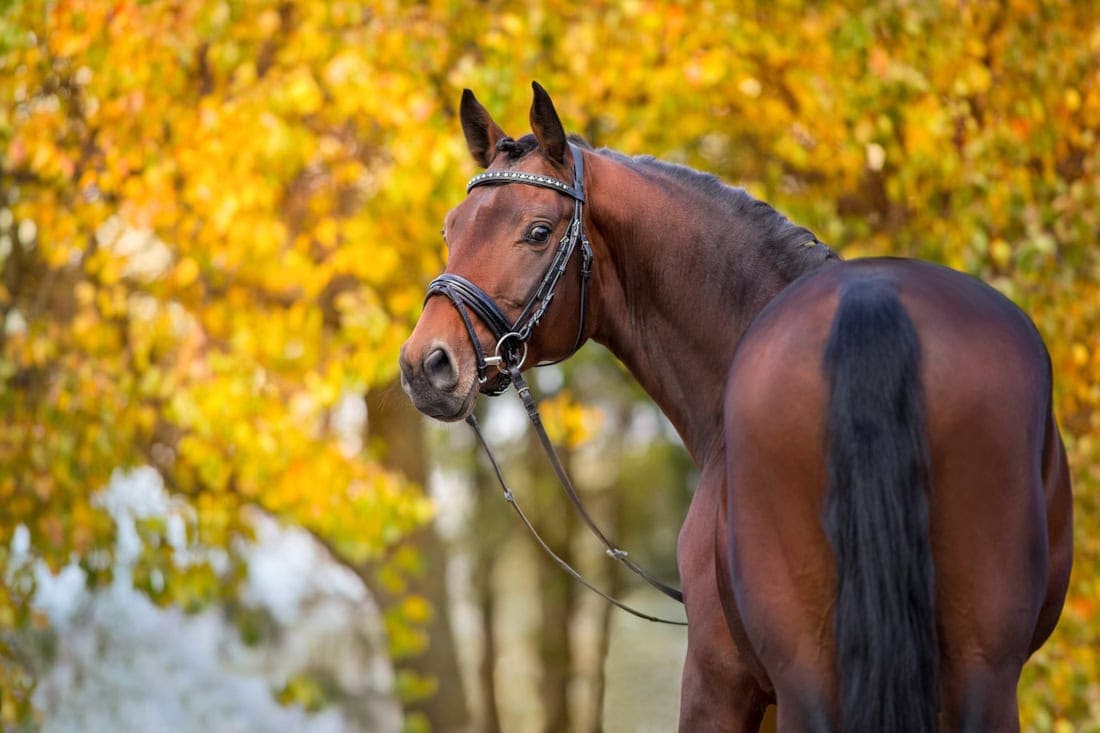
The Danish Warmblood is one of the newest sport horse breeds in Europe, consistently ranking among the most successful sport horse registries worldwide.
Developed in Denmark, this versatile and athletic breed excels in dressage, show jumping, and eventing. Rigorous performance tests and the integration of top bloodlines from other studbooks have contributed to the breed’s rapid rise to prominence.
Danish Warmbloods are known for their elegant conformation, expressive gaits, and excellent temperament, making them suitable for both amateur and professional riders. Closely related to Swedish Warmbloods, they share many of the same desirable traits, including trainability, intelligence, and longevity.
Understanding the history, characteristics, health risks, and nutritional needs of Danish Warmbloods can help you provide the best possible care for this exceptional breed.
History of the Danish Warmblood
Denmark originally had no native riding horse breeds. Historic breeding programs in the country focused on producing driving horses.
The two most well-known Danish horse breeds, the Knappstrupper and the Fredriksborg, were primarily used as driving horses. Riding horses were imported into Denmark from neighboring countries.
The first Danish sport horse breed society was founded in 1962. Only 22 of the 150 mares that entered the studbook that year were born in Denmark. Most mares had German bloodlines, and those born in Denmark mainly consisted of Oldenburg pedigrees. [1]
Many of the stallions at stud in Denmark during the first 25 years of modern warmblood breeding were Swedish warmbloods. Studies reveal modern Danish Warmbloods still share strong genetic links to Swedish Warmbloods. [2]
Breeders also imported Trakehner, Hanoverian, Polish, and Holstein stallions to cross with the Danish mares and create the new breed. [3]
Danish warmbloods have an open studbook, which allows horses from outside breeds to gain breeding approval if they pass inspections and testing. Many stallions approved in recent years come from German bloodlines.
Historic Use
For centuries, Danish horse breeders produced driving horses with the strength to pull agricultural equipment and transport goods. Breeding goals shifted to producing riding horses when technology made working farm horses obsolete.
Early Danish sport horse societies modelled standards and policies on their neighbors, the Swedes. Sweden’s National Stud at Flyinge dates back to the 15th century. By the mid-twentieth century, Swedish warmbloods were famous sport horses throughout Europe. [4]
Denmark held their stallion performance testing at the Swedish facilities at Flyinge for several years before moving the testing to Herning. Performance testing evaluates the temperament, rideability, and sport aptitude of potential breeding stallions.
Modern Danish Warmblood breeding aims to produce top riding horses for contemporary equestrian sports. Selecting stallions with a demonstrated ability in the riding arena helped Danish Warmblood breeders quickly succeed at this goal.
Breed Registry
The Danish Warmblood Society, also known as Dansk Varmblod, is the official breed registry for Danish Warmbloods. The organization arose from the merger of the Danish Sport Horse Society and the Danish Light Horse Association in the late 1970s. [1]
The North American Danish Warmblood Association represents the Danish breed registry in the United States and Canada.
Breed Characteristics
Danish Warmbloods have similar breed characteristics to other European sport horses. Danish breeders have carefully developed the breed to produce refined types without compromising durability.
Conformation
The ideal Danish Warmblood is a large, elegant horse with a more substantial build than a Thoroughbred. Most Danish Warmbloods stand between 15.3 and 17 hands tall. According to the Danish Warmblood Society, their breeding goal is to produce a “refined, tall, and supple riding horse with good rideability and health.” [5]
Modern sport horses need elasticity to excel at top sports, but extreme selection for expression and refinement can sometimes come at the expense of durability. Danish Warmblood selectors balance these traits by approving stallions with functional conformations for soundness.
A well-set neck and sufficiently long back promote topline flexibility. While a small, noble, expressive head is desirable, the mouth must have enough room for a double bridle. Correct legs, good muscling, and sloping shoulders enable athletic movement. [6]
Research suggests longevity is heritable. One study of Danish Warmbloods found desirable young horse jumping traits had a moderate to high genetic correlation with longevity in the horse’s jumping career. [7]
What's your top priority with your horse's health?

Enter your email to receive your store credit
Colors & Temperament
Danish Warmbloods can be any solid color but are mostly bay, black, chestnut, grey, or dark brown. Limited white markings are permitted.
Temperament is just as important as conformation in sport horses. Evaluating behavior during performance testing allows Danish selectors to approve stallions with the desired temperament and willingness necessary for success in equestrian sport.
Danish Warmbloods are generally intelligent horses with a solid work ethic. They are known for their eagerness to work and ability to bond with their riders and owners, so they do best in programs that provide consistent exercise and social interaction.
Some Danish Warmbloods are more reactive than others. More research is needed to determine the heritability of reactivity, as personalities can vary significantly between horses of the same breed. [8]
Disciplines
Danish Warmblood breeding initially focused on producing versatile riding horses and did not have distinct breeding directions for different disciplines. Today, there is a strong emphasis on producing Danish Warmblood lines specializing in dressage or show jumping. [9]
These disciplines require different traits and skills to reach the top level. However, many successful dressage Danish Warmbloods also have some jumping blood.
Famous Danish Warmbloods include Mistral Hojris, who won team dressage gold with Great Britain at the London 2012 Olympic Games, and Danish Olympic dressage rider Cathrine Laudrup-Dufour’s Atterupgaards Cassidy. [1]
These horses can also make excellent recreational mounts for amateur dressage and jumping riders.
Health Profile
Health and longevity are top priorities in Danish Warmblood breeding. But like many sport horse breeds, Danish Warmbloods are susceptible to specific health issues and genetic conditions.
Genetic Diseases
Warmblood Fragile Foal Syndrome type 1 (WFFS1) is the primary genetic disease in warmblood breeds. WFFS is an autosomal recessive disorder that causes fragile skin and fatal connective tissue defects in affected foals. [10]
Carriers with only one copy of the WFFS allele do not display clinical signs. Research has linked the WFFS carrier genotype with movement traits being selected for in breeding dressage horses. Selection for these traits likely contributed to the gene’s prevalence in warmbloods. [11]
A 2020 study of 4,081 horses from 38 different breeds found Danish Warmbloods and Hanoverians had the highest prevalence of the WFFS allele with carrier frequencies of 17%. [12]
Genetic testing can help Danish Warmblood breeders avoid crossing WFFS carriers and minimize the risk of producing an affected foal.
Health Problems
Osteochondritis dissecans (OCD) is a common developmental orthopedic disorder in large warmblood breeds. While research suggests genetic predisposition can contribute to OCD, study of Danish Warmbloods found low heritability of OCD. [13]
One study identified OCD lesions in the hind fetlocks of 10% of 3,013 Danish Warmbloods. These lesions can cause ongoing lameness issues, but even Danish Warmbloods without radiographic findings are susceptible to lameness from musculoskeletal injuries. [13]
Research suggests stress from training and competition can increase the risk of gastric ulcers in all sport horses. Lack of forage, high-grain diets, intermittent feeding, and trailer transportation can also contribute to gastric ulcers. [14]
One study of non-racing performance horses identified gastric ulcers in 56.5% of horses following competition. [14]
Polysaccharide Storage Myopathy Type-2 (PSSM2) has been identified in Danish Warmbloods. This muscle disorder is characterized by abnormal glycogen metabolism. Clinical signs include painful topline muscles, reluctance to work, and gait abnormalities. [15]
Care and Management
Proper care is essential to keeping your Danish Warmblood healthy and performing their best. Competition horses and those with specific health concerns may need specialized management to support their well-being and optimize performance.
Work with your veterinarian and other equine professionals to develop a preventive wellness program for your Danish Warmblood, including the following:
- Veterinary Exams: Schedule regular veterinary check-ups to monitor your Danish Warmblood’s health and address potential issues early, with a focus on joint health and sport-related stress injuries common in performance horses.
- Vaccinations: Follow a vaccination schedule tailored to your Danish Warmblood’s needs, particularly for horses participating in competitions, where exposure to infectious diseases may be higher.
- Dental Care: Regular dental exams and teeth floating are essential to ensure proper chewing and bit comfort, which are critical for Danish Warmbloods engaged in sport disciplines like dressage and jumping.
- Parasite Management: Implement a targeted deworming plan to protect your Danish Warmblood from internal parasites, especially if they are housed in environments with high exposure risks, such as competition stables.
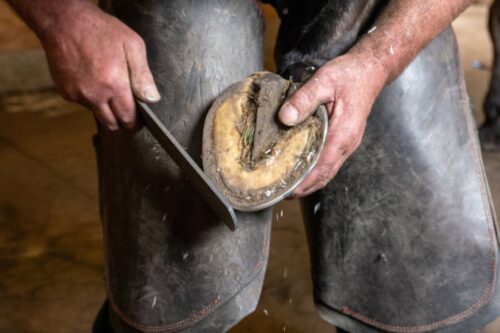
- Hoof Care: Regular trimming and appropriate shoeing by a skilled farrier are critical for keeping Danish Warmbloods sound. Poor hoof balance increases the risk of injury from wear and tear.
Annual lameness exams can also help identify early signs of injury that Danish Warmbloods owners may not recognize. Talk to your veterinarian about joint injections and other maintenance options if your Danish Warmblood needs extra support to stay comfortable.
If your Danish Warmblood lives in a stall, provide daily turnout to support their physical and mental health. These athletic and intelligent horses do best with regular exercise in a consistent training program. Work with your trainer to develop the best schedule for your horse.

Nutrition Program
Balanced nutrition is one of the most important components of your Danish Warmblood’s management program. A balanced, forage-based diet is the best way to meet your horse’s nutritional needs while supporting optimal health and performance.
Weight Maintenance
Danish Warmbloods are often easy keepers. They have an efficient metabolism and are prone to gaining excess weight when overfed.
Some warmblood breeds can develop metabolic disorders associated with obesity, insulin dysregulation, and an elevated risk of laminitis. [16]
A body condition scoring study of Danish horses found regular exercise had a protective effect against above-ideal BCS. If your Danish Warmblood does not exercise regularly, dietary changes may be necessary to maintain a healthy weight. [16]
Forage
The equine digestive system evolved to thrive on low-calorie roughage consumed continuously throughout the day. Providing Danish Warmbloods with unrestricted access to forage supports digestive health by encouraging natural grazing behaviors.
Feeding the right type and amount of forage is the first step in creating the ideal diet for your Danish Warmblood. A 1,300 lb (590 kg) Danish Warmblood should eat approximately 26 lb (12 kg) of hay daily.
Horses with metabolic issues like PSSM need forages with low levels of starch and sugars. Low-calorie hays also benefit Danish Warmbloods in light work who gain weight quickly.
Horses with heavier workloads may need higher-quality forages that provide more energy and protein such as alfalfa or high-quality immature grass hay.
If your Danish Warmblood requires more calories than forage alone can provide, energy-dense feeds like beet pulp, soybean meal, or oils can increase their calorie intake without oversupplying starch.
Grass hay should be the primary forage in your Danish Warmblood’s diet. However, supplementing with alfalfa hay can support stomach health in Danish Warmbloods thanks to its high calcium content which acts as a buffer against stomach acid. [17]
Vitamins and Minerals
Forage alone does not provide all of the essential nutrients horses need to maintain horse health. Feeding a vitamin and mineral supplement can help fill any nutritional gaps in a hay-based diet.
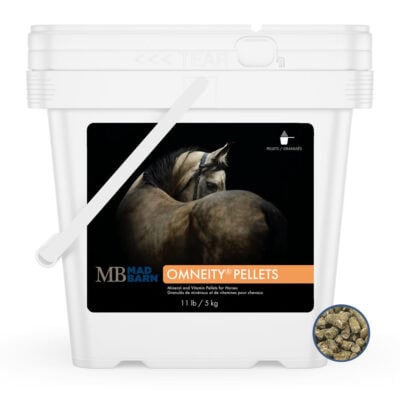
Mad Barn’s Omneity® is a comprehensive vitamin and mineral supplement ideal for balancing forage-based diets fed to sport horses, including Danish Warmbloods. This formula includes 100% organic trace minerals and other vital nutrients that support joint, hoof, coat, and immune health.
Feeding Recommendations
Large volumes of high-starch feeds can increase the risk of digestive problems in Danish Warmbloods. Consider replacing grains with fiber-based alternatives such as soaked beet pulp or hay pellets.
Fat supplements are a good source of concentrated calories for exercising horses. Research suggests low-starch, fat-supplemented diets are beneficial for managing PSSM1, but do not significantly improve clinical signs in warmbloods with PSSM2. [18]
Nutrition also plays a significant role in skeletal development in young horses. Deficiencies in certain nutrients can increase the risk of developmental orthopedic diseases. Work with an equine nutritionist to ensure your horse’s diet is appropriate for their growth stage.
All horses need free access to loose salt and fresh water in their living environment. Our nutritionists also recommend feeding 2 – 3 tablespoons of plain loose salt daily to meet the sodium requirement.
Sample Diet
The following sample diet is intended for a mature 600 kg (1,300 lb) Danish Warmblood Horse with normal body condition at maintenance (not exercising).
| Feed | Amount per day |
|---|---|
| Mid-Quality Hay (8% crude protein) | Free choice |
| Salt | 30 g (2 tbsps) |
| Omneity® Pellets | 250 g (2.5 scoops) |
| Diet Analysis | |
| Digestible Energy (% of Req) | 118% |
| Protein (% of Req) | 126% |
| HC (ESC + starch; % Diet) | 8.8% |
Nutritional Supplements
After balancing your Danish Warmblood’s diet to ensure there are no nutrient deficiencies, you can consider other nutritional supplements to support individual concerns or goals.
- MSM is a natural joint supplement that helps maintain connective tissue health in senior and exercising horses. This supplement can also support collagen synthesis in young, growing horses.
- Visceral+ is veterinarian-recommended for maintaining stomach and hindgut health in sport horses. This comprehensive gut supplement uses natural ingredients that support the entire gastrointestinal tract.
- W-3 Oil is a fat supplement with high levels of vitamin E and DHA, an omega-3 fatty acid that supports joint health. This supplement can also be fed to Danish Warmbloods that need extra calories.
- Vitamin E is an antioxidant that supports muscle function, neurological health, and the immune system. Danish Warmbloods with heavy workloads have higher vitamin E requirements.
Want personalized suggestions on what to feed your Danish Warmblood? Submit your Danish Warmblood’s diet online for a free evaluation to consult with our qualified equine nutritionists.
Frequently Asked Questions
Here are some frequently asked questions about Danish Warmbloods:
The Danish Warmblood brand is a crown over a wave. [1]
Danish Warmbloods share close genetic links with Swedish Warmbloods. [1]
Studies report that 17% of Danish Warmbloods are WFFS carriers. [12]
The first Danish Warmblood breed society was formed in 1962. [1]
Summary
The Danish Warmblood is a modern European sport horse developed through an open studbook and rigorous performance testing, producing athletic, rideable horses that compete successfully in the Olympic disciplines of dressage, show jumping, and eventing.
- The breed was established in the 1960s using imported riding mares and approved stallions from Swedish Warmblood, German, and other European sport horse lines, with ongoing outside blood used to refine type and improve performance.
- Most Danish Warmbloods stand 15.3 to 17 hands and are bred for a tall, elegant, supple build with functional conformation, elastic movement, and the rideability needed for modern sport.
- Temperament is a key selection trait, with inspections and stallion testing emphasizing willingness, trainability, and work ethic, though individual horses can vary in reactivity.
- Health considerations include Warmblood Fragile Foal Syndrome carrier status, developmental orthopedic issues such as OCD, sport-related lameness, gastric ulcers associated with training and travel, and muscle disorders like PSSM2.
- Danish Warmbloods do best on a forage-first diet balanced with vitamins and minerals, with careful control of starch and sugar for easy keepers and horses with metabolic concerns, plus salt, hydration, and conditioning support for performance demands.
References
- History of Danish Warmblood. Dansk Varmblod.
- Thoren Hellsten, E. et al. Genetic correlations between similar traits in the Danish and Swedish Warmblood sport horse populations. Livest Sci. 2009.
- Johnson, B., Bewildered By Brands? The Chronicle of the Horse. 2007.
- Bonow, S. et al. Consequences of specialized breeding in the Swedish Warmblood horse population. J Anim Breed Genet. 2022. View Summary
- The Breeding Policy of Dansk Varmblod. North American Danish Warmblood Association.
- Rothmann, J. et al. Behavior Observation During Conformation Evaluation at a Field Test for Danish Warmblood Horses and Associations with Rideability and Performance Traits. J Equine Vet Sci. 2014.
- Selero, T. et al. Genetic parameters for longevity and informative value of early indicator traits in Danish show jumping horses. Livest Sci. 2016.
- Rothmann, J. et al. A Note on the Heritability of Reactivity Assessed at Field Tests for Danish Warmblood Horses. J Equine Vet Sci. 2014.
- Koenen, E. et al. An overview of breeding objectives for warmblood sport horses. Livest Prod Sci. 2004.
- Monthoux, C. et al. Skin malformations in a neonatal foal tested homozygous positive for Warmblood Fragile Foal Syndrome. BMC Vet Res. 2015. View Summary
- Ablondi, M. et al. Performance of Swedish Warmblood fragile foal syndrome carriers and breeding prospects. Genet Sel Evol. 2022. View Summary
- Reiter. S. et al., Distribution of the Warmblood Fragile Foal Syndrome Type 1 Mutation (PLOD1 c.2032G>A) in Different Horse Breeds from Europe and the United States. Genes. 2020. View Summary
- Rovere, G. et al. Prevalence and genetic variability of osteochondrosis in Danish Warmblood horses. Proceed World Cong Genetic Appl Livest Prod. 2018.
- Hartmann, Am. et al. A preliminary investigation into the association between competition and gastric ulcer formation in non-racing performance horses. J Equine Vet Sci. 2003.
- Valberg, S. et al. Clinical and histopathological features of myofibrillar myopathy in Warmblood horses. Equine Vet J. 2017. View Summary
- Uldahl, M. et al. Body Condition Score in Danish Horses Related to Type, Use, and Training Level: Patterns, Risk, and Protective Factors. Animals. 2023.
- Andrews. F. M. et al., Nutritional Management of Gastric Ulceration. Equine Veterinary Education. 2017.
- Williams, Z. et al. Muscle glycogen concentrations and response to diet and exercise regimes in Warmblood horses with type 2 Polysaccharide Storage Myopathy. PLoS One. 2018. View Summary