Analyze Diet
FeedBank
Feed Type

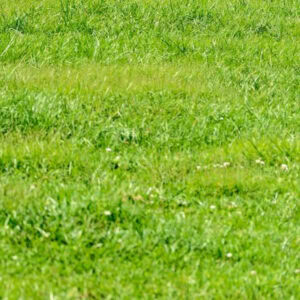
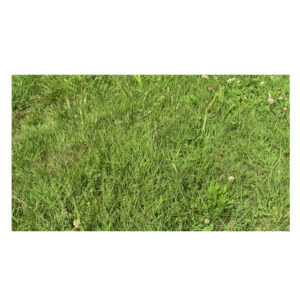
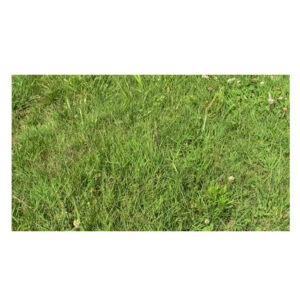
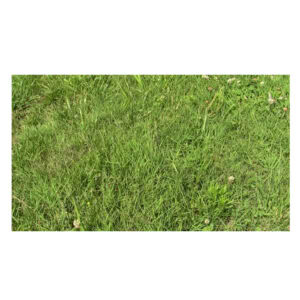
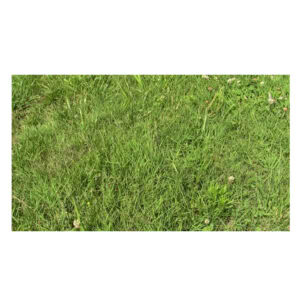
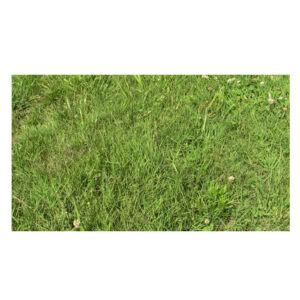
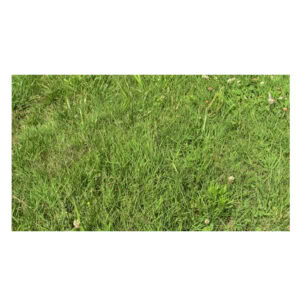
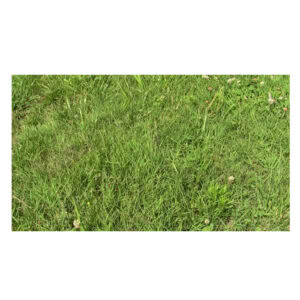
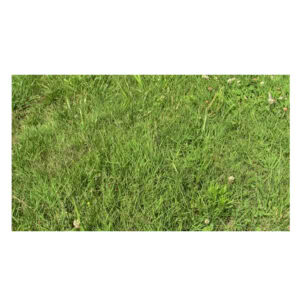
Pasture Grass for Horses

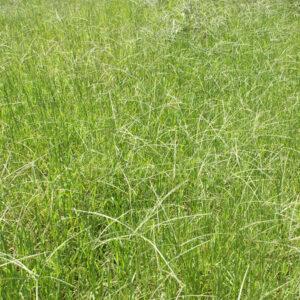
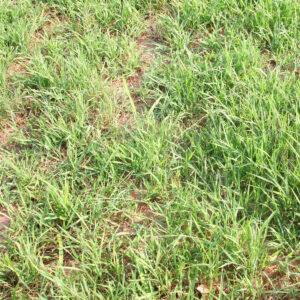
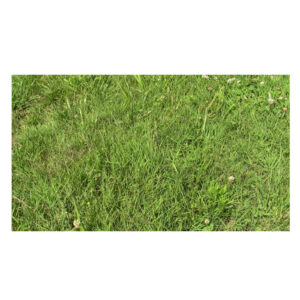
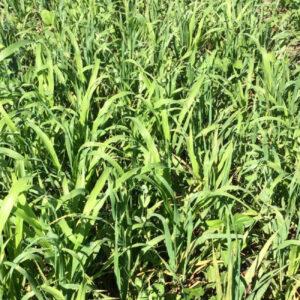
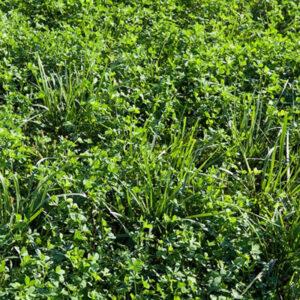
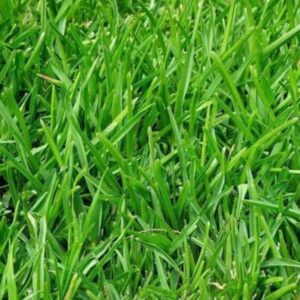
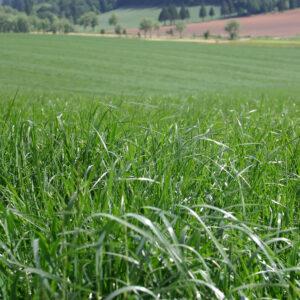
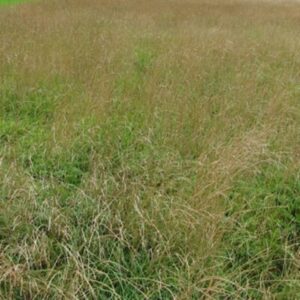
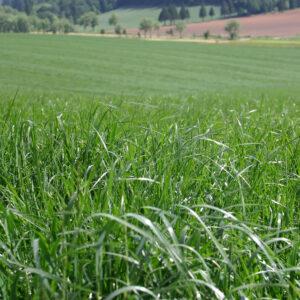
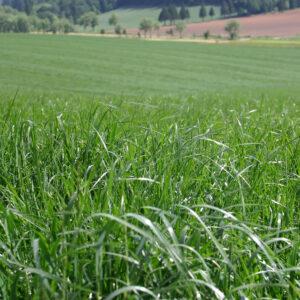
View nutrition analyses for different pasture sources used in horse diets in the Mad Barn Equine Feed Database. This category includes fresh grass and mixed pasture species such as timothy, orchardgrass, bermudagrass, ryegrass, fescue, clover, and other grazing forages.

Compare nutrient profiles for pasture sources to understand their calorie contribution, protein values, fiber levels, starch and sugar content, mineral profile, moisture content, and digestibility. Pasture is often more digestible and energy-dense than mature hay, with nutrient levels that vary by plant species, growth stage, season, and grazing conditions.
Filters
Pasture 47 entries
Aleman Grass (E. polistachya) Fresh Fert. Mexico Fine
FiberFiber
ForageForage
Gut HealthGut Health
NutritionNutrition
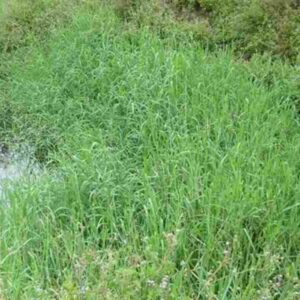
Aleman grass is an aquatic grass used as a palatable forage in wetlands and pastures with ponds. It has low protein and high fibre content. It may accumulate high levels of nitrites and nitrates, potentially causing adverse effects in cattle.
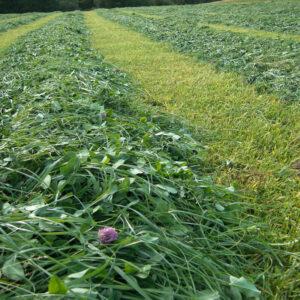
Clover Pasture
FiberFiber
ForageForage
ProteinProtein
ToplineTopline
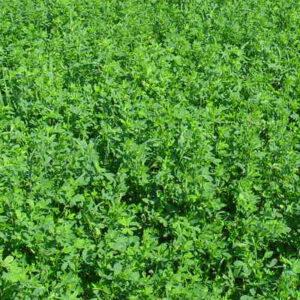
Clover pasture is common in North America. This legume plant is high in protein and is a suitable forage source for growing, lactating, or performance horses to meet protein and energy requirements.
Guineagrass Pasture Honduras Over Grazed
DigestionDigestion
EnergyEnergy
FiberFiber
ForageForage
Guinea grass pasture should not be grazed below 35 cm, as overgrazed pasture will have limited nutritious leaves and consist mainly of fibrous stems.
Guineagrass Pasture Honduras Well Managed
DigestionDigestion
EnergyEnergy
FiberFiber
ForageForage
Guineagrass pasture that is well-managed with adequate rest periods for regrowth has superior nutritional quality with more abundant leaves compared to unmanaged guineagrass pasture.
Kikuyu Pasture
FiberFiber
ForageForage
Gut HealthGut Health
NutritionNutrition
Kikuyu is a grass native to Eastern Africa that also grows in other tropical regions. It is a palatable forage for cattle and resistant to heavy grazing.
Pangola Grass Pasture Hay Honduras Long
FiberFiber
ForageForage
NutritionNutrition
ProteinProtein
Pangola hay is a tropical and subtropical perennial grass that requires adequate rainfall. It is a high quality forage source for ruminants and can be used to provide supplemental protein.
Pangola Grass Pasture Honduras Over Grazed
FiberFiber
ForageForage
HindgutHindgut
NutritionNutrition
Pangola grass is a tropical and subtropical perennial pasture grass that requires adequate rain fall. It is a high-quality pasture source for grazing animals.
Pangola Grass Pasture Honduras Well Managed
FiberFiber
ForageForage
HindgutHindgut
NutritionNutrition
Pangola grass is a tropical and subtropical perennial pasture grass that requires humid growing conditions. As pasture, it provides high quality forage for grazing animals.
Pasture – Avg (Central US)
FiberFiber
ForageForage
HealthHealth
NutrientsNutrients
Average mixed legume/grass pastures in Central, US provide 20% crude protein and 37% NDF. Horses grazing on pasture with this mineral composition will require supplementation of selenium, zinc, copper, and other nutrients to avoid deficiency.
Pasture – Avg (NE US)
FiberFiber
ForageForage
HealthHealth
NutrientsNutrients
Average mixed legume/grass pastures in Northeastern, US provide 20% crude protein and 37% NDF. Horses grazing on pasture with this mineral composition will require supplementation of selenium, zinc, copper and other nutrients to avoid deficiency.
Pasture – Avg (SE US)
FiberFiber
ForageForage
HealthHealth
NutrientsNutrients
Average mixed legume/grass pastures in Southeastern, US provide 20% crude protein and 37% NDF. Horses grazing on pasture with this mineral composition will require supplementation of selenium, zinc, copper and other nutrients to avoid deficiency.
Pasture – Avg (Western US)
FiberFiber
ForageForage
HealthHealth
NutrientsNutrients
Average mixed legume/grass pastures in Western, US provide 20% crude protein and 37% NDF. Horses grazing on pasture with this mineral composition will require supplementation of selenium, zinc, copper and other nutrients to avoid deficiency.
Pasture (Ontario Average)
FiberFiber
ForageForage
Gut HealthGut Health
NutritionNutrition
Average mixed legume/grass pastures in Ontario, Canada provide 20% crude protein and 37% NDF. Horses grazing on pasture with this mineral composition will require supplementation of selenium, zinc, copper and other nutrients to avoid deficiency.
Pasture Alfalfa – 17% CP 43% NDF
FiberFiber
ForageForage
Gut HealthGut Health
ProteinProtein
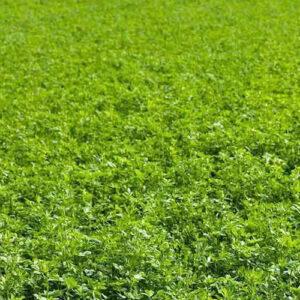
Alfalfa is a legume pasture that is generally higher in protein and energy than grass pasture. Alfalfa pasture may be a suitable option for performance and growing horses with higher protein and calorie requirements.
Pasture Alfalfa – 17% CP 46% NDF
FiberFiber
ForageForage
Gut HealthGut Health
ProteinProtein
Alfalfa, also known as lucerne, is generally higher in protein than grass pasture. Full bloom alfalfa pasture has relatively lower protein and higher fibre content than at other growth stages of this legume pasture.
Pasture Alfalfa – 20% CP 37% NDF
FiberFiber
ForageForage
Gut HealthGut Health
ProteinProtein
Single-species alfalfa pasture of alfalfa is generally higher in protein than grass pasture. Alfalfa, also known as lucerne, is a suitable forage source for gestating, lactating and growing horses to meet their calcium, protein and energy requirements.
Pasture Alfalfa – 20% CP 40% NDF
FiberFiber
ForageForage
Gut HealthGut Health
ProteinProtein
Mid-quality alfalfa pasture that is partly in bloom contains approximately 20% crude protein and 40% NDF. Horses with high protein and calcium requirements benefit from grazing on alfalfa pasture.
Pasture Alfalfa – 25% CP 32% NDF
FiberFiber
Gut HealthGut Health
NutrientsNutrients
ProteinProtein
High-quality, pre-bud alfalfa pasture is relatively high in protein and low in fibre. Grazing on single-species alfalfa pasture with 25% crude protein is appropriate for gestating, lactating or growing horses.
Pasture Alfalfa – 25% CP 35% NDF
FiberFiber
Gut HealthGut Health
NutrientsNutrients
ProteinProtein
Nutrient-dense alfalfa pasture is a rich source of calcium and protein. Gestating or lactating mares and growing horses benefit from the higher nutrient content of this legume pasture.
Pasture Grass – 16% CP 55% NDF
FiberFiber
ForageForage
NutritionNutrition
ProteinProtein
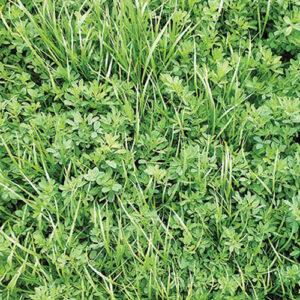
Mature pasture grass made up of species such as timothy or bromegrass will provide approximately 16% crude protein and 55% NDF. Sugar content varies depending on environmental factors.
Pasture Grass – 21% CP 48% NDF
FiberFiber
ForageForage
NutritionNutrition
ProteinProtein
Moderate-quality pasture grass will contain approximately 21% crude protein and 48% NDF. Grass at this stage of growth should be consumed in moderation.
Pasture Grass – 24% CP 40% NDF
FiberFiber
ForageForage
Gut HealthGut Health
ProteinProtein
Young lush pasture grass is typically high in protein and low in fibre (24% crude protein; 40% NDF). This may be appropriate for horses with high calorie and protein demands, such as growing horses or horses in heavy exercise.
Pasture Grass (AB Avg)
FiberFiber
ForageForage
NutritionNutrition
ProteinProtein
Average grass pastures in Alberta, Canada provide 16% crude protein and 55% NDF. Horses grazing on pasture with this mineral composition will require supplementation of selenium, zinc, copper and other nutrients to avoid deficiency.
Pasture Grass (BC Avg)
FiberFiber
ForageForage
NutritionNutrition
ProteinProtein
Average grass pastures in British Columbia, Canada provide 16% crude protein and 55% NDF. Horses grazing on pasture with this mineral composition will require supplementation of selenium, zinc, copper and other nutrients to avoid deficiency.
Pasture Grass (Central US)
FiberFiber
ForageForage
NutritionNutrition
ProteinProtein
Average grass pastures in the central United States provide 16% crude protein and 55% NDF. Horses grazing on pasture with this mineral composition will require supplementation of selenium, zinc, copper and other nutrients to avoid deficiency.
Pasture Grass (Eastern US)
FiberFiber
ForageForage
NutritionNutrition
ProteinProtein
Average grass pastures in the eastern United States provide 16% crude protein and 55% NDF. Horses grazing on pasture with this mineral composition will require supplementation of selenium, zinc, copper and other nutrients to avoid deficiency.
Pasture Grass (MB Avg)
FiberFiber
ForageForage
NutritionNutrition
ProteinProtein
Average grass pastures in Manitoba, Canada provide 16% crude protein and 55% NDF. Horses grazing on pasture with this mineral composition will require supplementation of selenium, zinc, copper and other nutrients to avoid deficiency.
Pasture Grass (NB Avg)
FiberFiber
ForageForage
NutritionNutrition
ProteinProtein
Average grass pastures in New Brunswick, Canada provide 16% crude protein and 55% NDF. Horses grazing on pasture with this mineral composition will require supplementation of selenium, zinc, copper and other nutrients to avoid deficiency.
Pasture Grass (NL Avg)
FiberFiber
ForageForage
NutritionNutrition
ProteinProtein
Average grass pastures in Newfoundland and Labrador, Canada provide 16% crude protein and 55% NDF. Horses grazing on pasture with this mineral composition will require supplementation of selenium, zinc, copper and other nutrients to avoid deficiency.
Pasture Grass (NS Avg)
FiberFiber
ForageForage
NutritionNutrition
ProteinProtein
Average grass pastures in Nova Scotia, Canada provide 16% crude protein and 55% NDF. Horses grazing on pasture with this mineral composition will require supplementation of selenium, zinc, copper and other nutrients to avoid deficiency.
Pasture Grass (ON Avg)
FiberFiber
ForageForage
NutritionNutrition
ProteinProtein
Average grass pastures in Ontario, Canada provide 16% crude protein and 55% NDF. Horses grazing on pasture with this mineral composition will require supplementation of selenium, zinc, copper and other nutrients to avoid deficiency.
Pasture Grass (PEI Avg)
FiberFiber
ForageForage
NutritionNutrition
ProteinProtein
Average grass pastures in Prince Edward Island, Canada provide 16% crude protein and 55% NDF. Horses grazing on pasture with this mineral composition will require supplementation of selenium, zinc, copper and other nutrients to avoid deficiency.
Pasture Grass (QC Avg)
FiberFiber
ForageForage
NutritionNutrition
ProteinProtein
Average grass pastures in Quebec, Canada provide 16% crude protein and 55% NDF. Horses grazing on pasture with this mineral composition will require supplementation of selenium, zinc, copper and other nutrients to avoid deficiency.
Pasture Grass (SK Avg)
FiberFiber
ForageForage
NutritionNutrition
ProteinProtein
Average grass pastures in Saskatchewan, Canada provide 16% crude protein and 55% NDF. Horses grazing on pasture with this mineral composition will require supplementation of selenium, zinc, copper and other nutrients to avoid deficiency.
Pasture Grass (Western US)
FiberFiber
ForageForage
NutritionNutrition
ProteinProtein
Average grass pastures in the western United States provide 16% crude protein and 55% NDF. Horses grazing on pasture with this mineral composition will require supplementation of selenium, zinc, copper and other nutrients to avoid deficiency.
Pasture Legume – 24% CP 38% NDF
FiberFiber
ForageForage
HealthHealth
ProteinProtein
Pasture consisting mainly of legumes such as alfalfa and clover is high in protein and low in fibre. This type of pasture may be suitable for lactating, gestating and growing horses.
Pasture Legume – 28% CP 33% NDF
FiberFiber
ForageForage
HealthHealth
ProteinProtein
Pasture comprised of legume plants such as alfalfa and clover is high in protein, energy, and calcium. Access to pure legume pasture should be limited to horses with increased protein requirements.
Pasture Mixed – 20% CP 41% NDF
FiberFiber
ForageForage
HealthHealth
ProteinProtein
Mixed pasture containing both legume and grass species is typical in the Northern US and Canada. This type of pasture is high in protein and energy.
Pasture Mixed – 26% CP 35% NDF
FiberFiber
ForageForage
HealthHealth
ProteinProtein
Mixed pasture contains both legume species such as alfalfa and clover as well as grass species such as timothy. This type of pasture is common in North America.
Pasture Rye Grass – Italian
EnergyEnergy
ForageForage
ProteinProtein
Weight IssuesWeight Issues
Annual (Italian) ryegrass is a common pasture forage in warm climate regions such as the southeastern US. Ryegrass is a high-NSC forage that may not be suitable for horses with metabolic concerns.
Pasture Rye Grass – Perennial
EnergyEnergy
ForageForage
NutritionNutrition
ProteinProtein
Perennial ryegrass is a common pasture forage adapted to mild temperate climates such as the Pacific Northwest. This pasture is more commonly used for grazing cattle and sheep. Ryegrass forage tends to have high NSC content and may not be suitable for horses with metabolic concerns.
Pasture Sorghum Sudan – 17% CP 55% NDF
EnergyEnergy
FiberFiber
ForageForage
NutritionNutrition
Sorghum sudan grass is a drought-tolerant forage common to the Southwestern US. Horses should not graze on this forage for extended periods as they are susceptible to sudan grass toxicity, which can be life-threatening.
Ryegrass Pasture Autumn NZ
FiberFiber
ForageForage
NutritionNutrition
ProteinProtein
Ryegrass pasture has higher protein content in the autumn compared to summer. It is commonly grazed by cattle and horses.
Ryegrass Pasture Drought NZ
FiberFiber
ForageForage
NutritionNutrition
ProteinProtein
Under drought conditions ryegrass pasture will have lower protein and higher sugar content. High sugar content forages should be limited for horses with metabolic concerns.
Ryegrass Pasture Spring NZ
FiberFiber
ForageForage
NutritionNutrition
ProteinProtein
Ryegrass pasture is a common feed for cattle and horses. In the springtime, it is relatively high in protein, sugar and energy and may be unsuitable for easy keepers or horses with metabolic concerns.
Ryegrass Pasture Summer NZ
FiberFiber
ForageForage
NutritionNutrition
ProteinProtein
Ryegrass pasture is commonly grazed by cattle and horses. In the summer months it has lower protein, sugar and energy content than in the spring.
Tall Fescue Pasture
FiberFiber
ForageForage
Gut HealthGut Health
NutritionNutrition
Tall Fescue is a common pasture grass in North America. Breeding horses should not be grazed on tall fescue pasture as endophyte-infected plants can cause reproductive issues.
Is Your Horse's Diet Missing Anything?

Identify gaps in your horse's nutrition program to optimize their well-being.