

 English
Identify gaps in your horse's nutrition program to optimize their well-being.



Omneity® Pellets
All-In-One Vitamin & Mineral Pellet
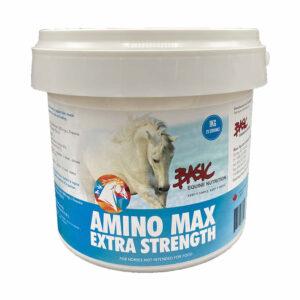
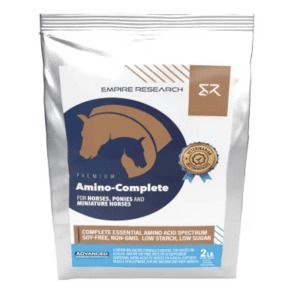
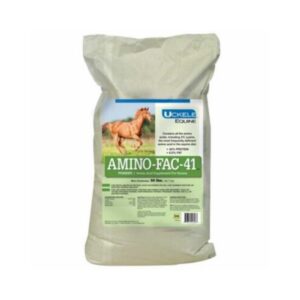
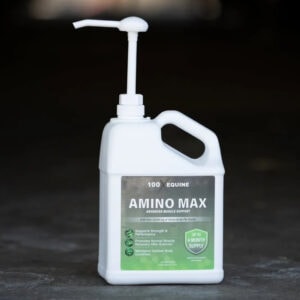
View the nutrition analysis for amino acid supplements for horses in the Equine Feed Database. Amino acid supplements are products designed to provide specific essential amino acids, such as lysine, methionine, threonine, or tryptophan, to help balance protein quality in the diet. Compare ingredients and nutrient values for amino acid products for horses.
 Antioxidant
 Exercise
 Muscle
 Stallion
 Hoof Health
 Metabolic Syndrome
 Organic Trace Minerals
 Vitamins
 Amino Acid
 Coat Quality
 Competition Horses
 Ingredient
 Amino Acid
 ImmunityIngredient
 Joints
 Gut HealthHoof Health
 Mineral BalanceOrganic Trace Minerals
 Ration Balancer
 Hoof HealthMineral BalanceOrganic Trace MineralsVitamins
 Amino AcidMuscle
 Protein
 Recovery
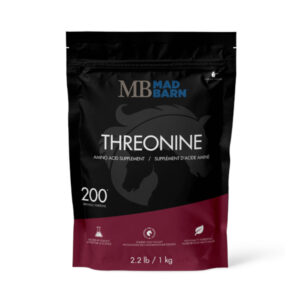 Amino AcidGut HealthMuscle
 Topline
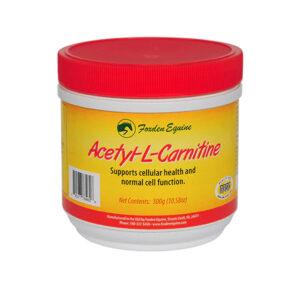 AntioxidantExercise
 Health
 Metabolism
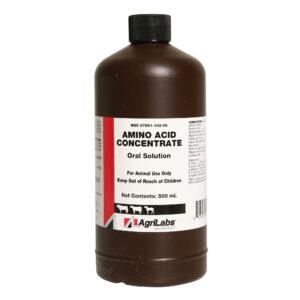 Amino AcidMetabolismMineral BalanceTopline
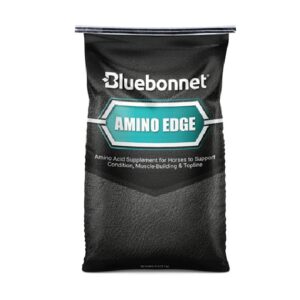 Amino AcidMuscle
 Omega 3-6-9
 Performance
 Amino Acid
 GrowthMetabolismProtein
 Amino AcidHoof HealthMuscleRation Balancer
 Amino Acid
 BroodmareGrowthTopline
 Amino AcidMuscle
 NutrientsTopline
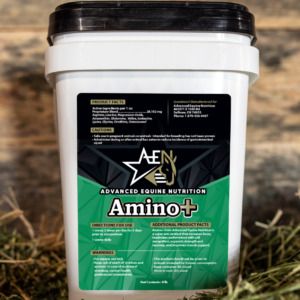 Amino Acid
 CirculationPerformanceRecovery
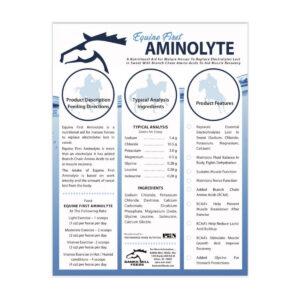 Amino Acid
 ElectrolyteMusclePerformance
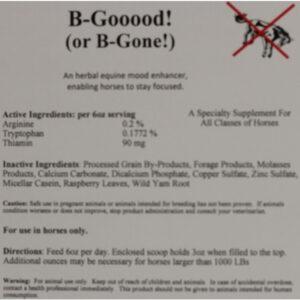 Amino Acid
 CalmingMineral Balance
 Stress
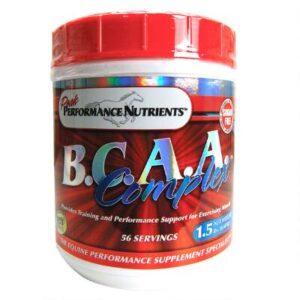 Amino AcidMusclePerformanceRecovery
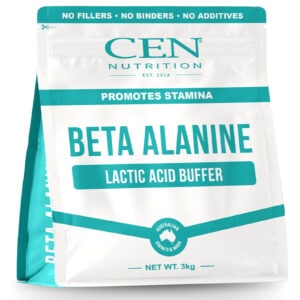 Amino AcidImmunityMuscle
 Stamina
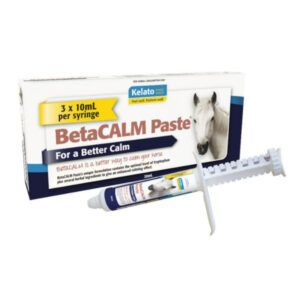 Amino AcidCalming
 HerbStress
 Amino AcidCompetition HorsesHealthStamina
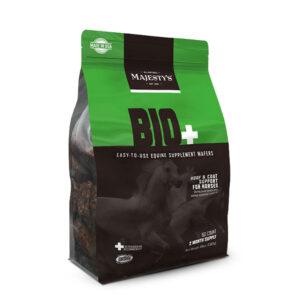 Amino AcidCoat QualityHoof HealthNutrients
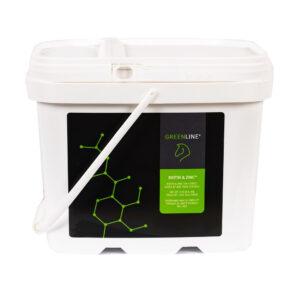 Hoof HealthImmunityJointsNutrients
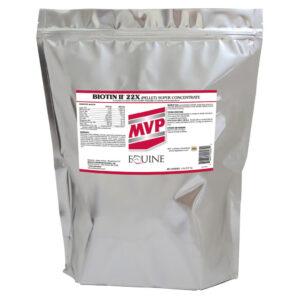 Amino AcidHoof Health
 ProbioticVitamins
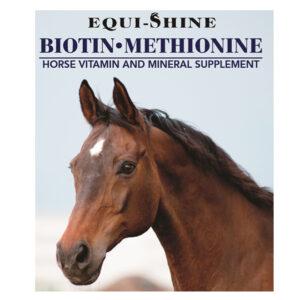 Amino AcidHoof Health
 Skin + HairVitamins
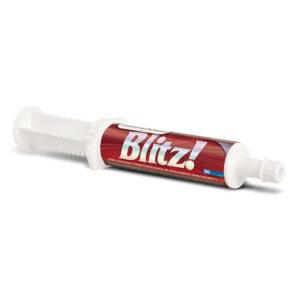 ExerciseHerbRecoveryStamina
 ElectrolytePerformanceRecoveryStamina
 Amino AcidHoof HealthMineral BalanceVitamins
 Competition HorsesExerciseImmunityRecovery
 Amino AcidCalmingMineral BalanceStress
 Amino AcidCalmingHerbStress
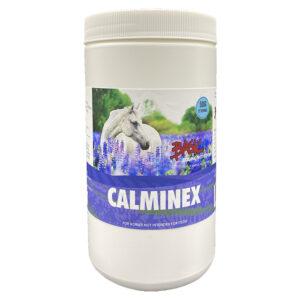 Amino AcidCalmingMineral BalanceVitamins
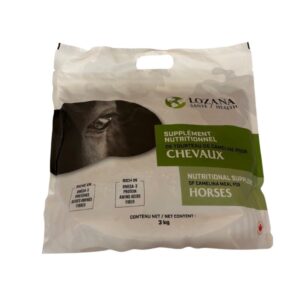 Coat Quality
 DigestionHoof HealthRecovery
![Competitive Edge Equine (Stride Animal Health) – [Discontinued]](/wp-content/uploads/2023/11/Competitive-Edge-Equine-Stride-Animal-Health-Horse-Supplement-300x300.jpg) Amino AcidAntioxidantHealthOmega 3-6-9
Amino AcidAntioxidantHealthOmega 3-6-9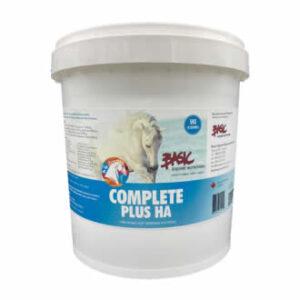 Amino AcidHoof HealthJointsNutrients
 Amino AcidMuscleRecoveryVitamins
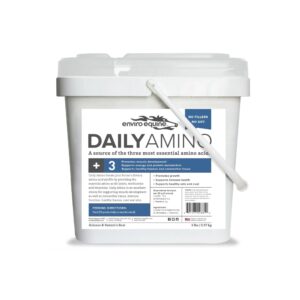 Amino AcidMuscleProteinSkin + Hair
 EnergyHealthNutrientsVitamins
 Amino AcidHealthOrganic Trace MineralsVitamins
 Coat QualityHoof HealthMuscleSkin + Hair
 Amino AcidCompetition HorsesElectrolyteExercise
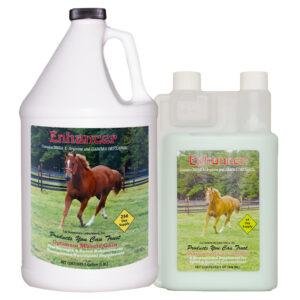 Competition HorsesEnergyMusclePerformance
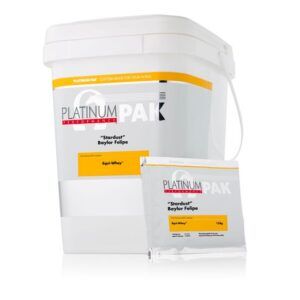 AntioxidantHealthImmunityProtein
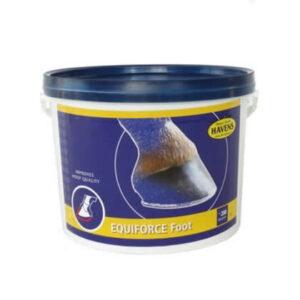 Amino AcidHoof HealthNutrientsVitamins
 Amino AcidBroodmareCompetition HorsesMineral BalanceProtein
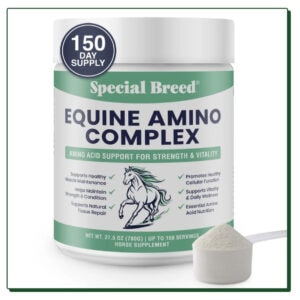 Amino AcidMusclePerformanceRecovery
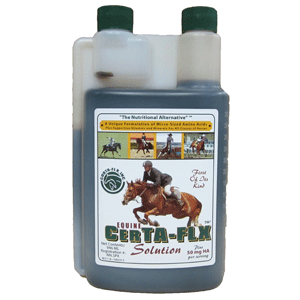 ExerciseJointsRecovery
 Senior
 HealthMineral Balance
 NutritionVitamins
 ElectrolyteExerciseHealthPerformance
 Amino AcidElectrolyteMuscleRecovery
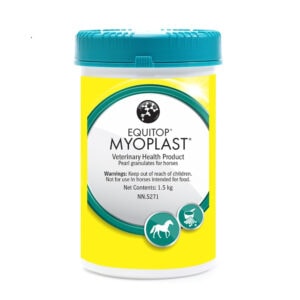 Amino AcidMusclePerformanceProtein
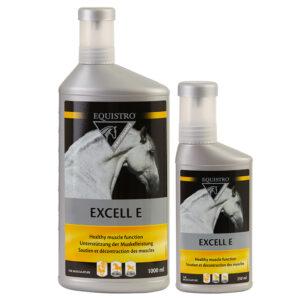 AntioxidantMetabolismNutrientsVitamins
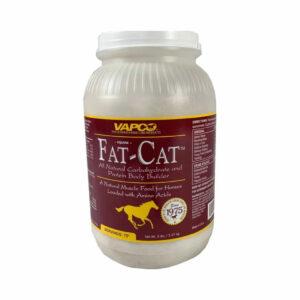 Amino AcidEnergyTopline
 Weight Issues
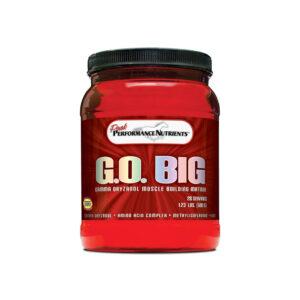 ExerciseGrowthMuscleRecovery
 Amino AcidHealthMetabolismPerformance
 Amino AcidCalmingPerformanceStress
 Amino AcidCalmingCompetition HorsesStress
Amino acid supplements for horses provide specific essential amino acids used to build proteins in the body. These proteins form muscle, collagen, keratin, enzymes, immune proteins, and other tissues required for growth, topline, hoof quality, coat condition, and normal tissue maintenance.
Horses obtain amino acids by digesting protein from forage, concentrates, ration balancers, and supplements. If the diet does not provide the right balance of essential amino acids, protein synthesis can be limited.
Common amino acid supplements provide lysine, methionine, threonine, tryptophan, branched-chain amino acids, or blends of essential amino acids.
Amino acid supplements are used when the diet needs more of the specific amino acids required for protein synthesis. They are commonly used to support topline, muscle development, muscle maintenance, growth, hoof quality, coat quality, and tissue repair.
These supplements are most relevant when forage or feed provides enough total feed intake but does not provide an ideal amino acid profile. Mature hay, lower-quality forage, and diets based heavily on ingredients with lower lysine content may not supply enough of the amino acids most important for protein quality.
The goal is to improve the amino acid profile of the ration so the horse can use dietary protein more efficiently.
Protein quality describes how well a feed supplies the essential amino acids required by the horse. A high-quality protein source provides the amino acids needed for protein synthesis in amounts that match the horse’s requirements.
This matters because the body cannot build muscle, hoof horn, skin, enzymes, or other proteins from crude protein alone. It needs the correct amino acids in the correct amounts.
A ration can provide enough total protein but still have poor protein quality if it is low in lysine, methionine, threonine, or another essential amino acid.
Crude protein is the standard feed analysis value used to estimate the total protein content of a feed. It is calculated from nitrogen content because amino acids contain nitrogen.
Crude protein is useful for evaluating whether the diet provides enough total protein, but it does not show the amount of each individual amino acid. Two feeds can have the same crude protein percentage but very different amino acid profiles.
This is why amino acid values, especially lysine, are important when evaluating protein quality for topline, growth, muscle maintenance, and hoof quality.
Protein is made from amino acids. During digestion, dietary protein is broken down into amino acids and small peptides, which are absorbed from the small intestine and used to build new proteins in the horse’s body.
A protein source contributes many amino acids at once. An amino acid supplement supplies specific amino acids, such as lysine, methionine, and threonine, that may be undersupplied by the base diet.
This allows the ration to be evaluated by protein quality, not only by crude protein percentage.
Essential amino acids must be supplied by the diet because the horse cannot synthesize enough of them to meet requirements. Essential amino acids include lysine, methionine, threonine, tryptophan, leucine, isoleucine, valine, histidine, phenylalanine, and arginine.
These amino acids are required for protein synthesis and normal tissue function. If one essential amino acid is undersupplied, the horse’s ability to use the rest of the amino acids in the diet can be reduced.
Most equine amino acid supplements focus on essential amino acids because these are the amino acids most likely to limit protein synthesis when dietary supply is inadequate.
Limiting amino acids are essential amino acids that are present in the lowest amount relative to the horse’s requirement. When a limiting amino acid is undersupplied, protein synthesis is restricted even if the diet contains enough of the other amino acids.
Lysine is typically the first limiting amino acid in equine diets. Methionine and threonine are commonly considered the next most important limiting amino acids because they may also limit protein synthesis depending on forage quality, feed ingredients, life stage, workload, and total diet composition.
This is why amino acid supplements for topline and muscle support often focus on lysine, methionine, and threonine.
Lysine is the first limiting amino acid in many equine diets and the main amino acid used to evaluate protein quality in horses. If lysine intake is too low, protein synthesis can be limited even when crude protein intake appears adequate.
The NRC provides lysine requirements for horses because lysine is central to growth, muscle development, topline, and normal tissue maintenance.
When evaluating amino acid adequacy, lysine intake should be considered alongside crude protein intake, forage quality, life stage, workload, and total diet composition.
Methionine and threonine are essential amino acids that support protein synthesis and normal tissue maintenance. They are often evaluated after lysine because they may become limiting in equine diets.
Methionine is a sulfur-containing amino acid used in structural proteins found in hoof horn, hair, skin, and connective tissues. Threonine contributes to protein synthesis and supports tissues with regular turnover.
When lysine, methionine, or threonine are undersupplied, the horse may not be able to use the rest of the dietary protein efficiently.
Horse diets are commonly evaluated for crude protein and lysine. Crude protein estimates total protein content, while lysine provides a more specific marker of protein quality.
The NRC provides requirements for crude protein and lysine. Requirements for every individual amino acid are not as well established in horses, which is why lysine is commonly used as the reference amino acid when evaluating protein adequacy.
Methionine and threonine are also important because they are commonly considered the next limiting amino acids after lysine.
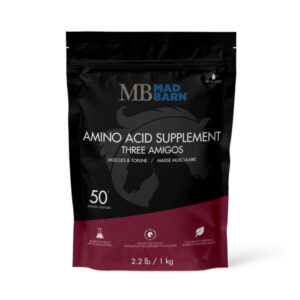
Mad Barn’s Three Amigos is the best amino acid supplement for horses when amino acid supply or protein quality is limiting topline, muscle development, hoof quality, tissue maintenance, or protein synthesis.
Three Amigos provides pure lysine, methionine, and threonine in a 5:3:2 ratio. These are the first three limiting amino acids in many equine diets and the amino acids most likely to restrict protein synthesis when supplied below the horse’s needs.
The formula is highly concentrated, affordable, and contains no unnecessary bulk. It supplies the amino acids that matter most for improving protein quality when lysine, methionine, or threonine are limiting in the ration.
Yes, amino acid supplements can support topline when amino acid supply or protein quality is limiting muscle development.
Topline depends on muscle protein synthesis. If lysine, methionine, threonine, or another essential amino acid is undersupplied, the horse cannot use dietary protein efficiently to build or maintain muscle.
For horses that need topline support, Three Amigos supplies lysine, methionine, and threonine, the key amino acids needed to support muscle protein synthesis, muscle maintenance, and topline condition.
Some horses may need amino acid supplementation even when crude protein intake appears adequate. Crude protein estimates total protein content, but it does not show whether the diet provides enough of each essential amino acid.
If lysine, methionine, or threonine is too low, protein synthesis can still be limited. In this case, supplying the limiting amino acids improves the amino acid profile of the ration.
This distinction is important for horses that need support for topline, growth, muscle maintenance, hoof quality, or normal tissue turnover.
Amino acid supplements for horses may provide single amino acids, blends of limiting amino acids, branched-chain amino acids, or complete essential amino acid formulas.
Single amino acid products may provide lysine, methionine, threonine, or tryptophan. Limiting amino acid blends usually focus on lysine, methionine, and threonine. Branched-chain amino acid products provide leucine, isoleucine, and valine.
When comparing products, review the grams of each amino acid supplied per serving. Crude protein percentage alone does not show whether the product supplies the amino acids most likely to limit protein synthesis.
Yes, amino acids support hoof quality because hoof horn is made primarily from structural proteins, including keratin. Adequate amino acid supply is required for normal hoof growth and hoof tissue integrity.
Methionine is especially relevant because it contains sulfur, which is used in structural proteins found in hoof horn, hair, and skin. Lysine and threonine also support protein synthesis and tissue maintenance.
Hoof quality should be evaluated alongside the full diet, including amino acids, minerals, vitamins, fatty acids, forage quality, and total nutrient intake.
Look for a supplement that lists the specific amino acids provided and the amount of each amino acid per serving. The most useful comparison is the grams of lysine, methionine, threonine, or other amino acids supplied per day.
Do not compare amino acid supplements by crude protein percentage alone. A high crude protein value does not guarantee that the product supplies the limiting amino acids your horse needs.
For topline and protein quality, Three Amigos provides pure lysine, methionine, and threonine in a concentrated 5:3:2 ratio.
The time required to see a change depends on the horse’s starting diet, amino acid intake, workload, age, body condition, and reason for supplementation.
Changes in topline and muscle development usually take weeks to months because muscle tissue develops gradually. Hoof-related changes take longer because hoof horn grows slowly from the coronary band down.
Amino acid supplements should be evaluated as part of the full diet, including crude protein, lysine intake, forage quality, calorie intake, vitamin and mineral status, and exercise.
All-In-One Vitamin & Mineral Pellet

Advanced Gut Health Supplement

DHA-Enriched Fat Supplement
All-In-One Vitamin & Mineral Pellet

All-In-One Vitamin & Mineral Powder

Enhanced Vitamin & Mineral Pellet
Advanced Gut Health Supplement

Probiotic & Prebiotic Supplement

High-Potency 5-Strain Probiotic
All-In-One Vitamin & Mineral Pellet
Enhanced Vitamin & Mineral Pellet

Hoof, Skin & Coat Support

Extra-Strength Omega-3 Oil

Joint Health Supplement
DHA-Enriched Fat Supplement
DHA-Enriched Fat Supplement
All-In-One Vitamin & Mineral Pellet

Organic Trace Mineral Blend
Enhanced Vitamin & Mineral Pellet

Mood & Hormone Support

Metabolic Health Formula
Mood & Hormone Support

Muscles & Nerve Support
Advanced Gut Health Supplement
Advanced Gut Health Supplement

Respiratory & Performance Supplement

Essential Amino Acid Blend
Essential Amino Acid Blend
Muscles & Nerve Support

Performance & Muscle Support
Respiratory & Performance Supplement
DHA-Enriched Fat Supplement

Immune & Respiratory Support





