English








Fleas in horses are uncommon, but they can still cause skin irritation, itching, and discomfort when infestations occur.
While horses are not a preferred host for fleas, they may become temporary hosts after exposure to infested animals such as dogs, cats, or wildlife, or from contaminated environments like barns and bedding.
Because fleas are relatively rare in horses, cases of itching and skin irritation are more often caused by other external parasites, including lice, mites, and ticks. This can make fleas easy to overlook or misidentify, especially when clinical signs such as hair loss, scabbing, or rubbing overlap with other common skin conditions.
Understanding how fleas affect horses, how to recognize the signs of infestation, and what environmental factors contribute to their presence can help guide appropriate management. Early identification and targeted control measures are important to reduce discomfort, prevent secondary skin issues, and limit reinfestation.
Equine Flea Infestation
Fleas, most commonly the species Ctenocephalides felis, are primarily associated with cats and dogs. While these insects are not adapted to living on horses, incidental exposure can still cause discomfort, skin irritation, and secondary complications.
Horses’ unique biology and behavior, however, make them less favorable hosts than typical flea species.
Preferred Hosts
Fleas are highly host-adapted parasites, with different species showing strong preferences for specific animals.
The most common flea affecting domestic environments is Ctenocephalides felis (the cat flea), which readily infests both cats and dogs and is responsible for the majority of flea infestations in North America. Despite its name, this species is not host-specific and can feed on a variety of mammals. [1]
Other flea species include Ctenocephalides canis (the dog flea), Pulex irritans (the human flea), and Spilopsyllus cuniculi (the rabbit flea). Each species tends to prefer a particular host due to differences in skin structure, hair density, body temperature, and behavior, all of which influence feeding and reproduction. [1]
Horses are not considered natural hosts for any flea species. While fleas may occasionally bite horses, they are unlikely to establish a sustained infestation because the equine environment does not support their full life cycle as effectively as that of small mammals.
Horse Features that Limit Risk of Flea Infestation
It is not fully understood why horses are not primary hosts for fleas, but these parasites do not readily complete their life cycle when horses are the only available host.
Factors that may contribute to why horses are not preferred hosts for fleas include: [2][3]
- Different coat: Fleas are thought to prefer the fur of cats and dogs. Horse hair is more dense and coarse, and combined with their sweat and skin oils, fleas may have difficulty moving and feeding on horses.
- Limited shelter: Fleas thrive in warm, dark, and humid areas near their hosts, such as pet bedding, carpets, furniture cracks, or outdoor brush piles. Horses’ bodies and behavior do not provide these kinds of protected microenvironments, making it harder for fleas to hide, reproduce, and complete their life cycle.
Because of these factors, infestations in horses are uncommon and usually mild. Horses typically serve as incidental hosts, which means fleas may feed on horses for a short period but do not establish long-term colonies.
What's your top priority with your horse's health?

Enter your email to receive your store credit
Flea Life Cycle
Fleas undergo a complete metamorphosis consisting of four stages: egg, larva, pupa, and adult.
Understanding this life cycle is important for preventing infestations, even in horses, where infestations are uncommon but possible. [4][5][6]
Egg Stage
Adult fleas lay eggs on the host animal, but most eggs fall into the environment, such as stall bedding or pasture soil. Flea eggs are tiny, white, and often difficult to see with the naked eye. In the right conditions—warmth, humidity, and organic debris—eggs hatch within 2–14 days. [4][5][6]
Larval Stages
After hatching, flea larvae are small, worm-like, and avoid light, burrowing into bedding, soil, or carpeted areas. They feed on organic material, including adult flea feces (commonly called flea dirt), which provides nutrients. [4][5][6]
Larvae are highly sensitive to drying out, so maintaining dry stall conditions can help reduce their survival. [4][5][6]
Pupal Stage
Larvae spin cocoons and enter the pupal stage. Pupa can remain dormant for weeks to months, waiting for the right environmental cues—such as vibrations, warmth, or carbon dioxide from a nearby host—to emerge as adults. [4][5][6]
This dormancy allows flea populations to persist even if animals are temporarily absent, which is why periodic barn cleaning and rotation of bedding are so important. [4][5][6]
Adult Stage
Adult fleas represent the blood-feeding stage of the life cycle. Once they find a host, they feed frequently and may cause itching, small red bites, or allergic reactions.
On horses, adult fleas rarely establish large populations because horses groom themselves and provide a less favorable environment. However, even a few adults can trigger discomfort in sensitive horses. [4][5][6]
Horses may be bitten by the cat flea (Ctenocephalides felis) or dog flea (Ctenocephalides canis). These species are opportunistic feeders, meaning they will bite horses when other hosts are unavailable or when flea populations are high in the environment.
Other flea species, such as bird fleas or wildlife fleas, may also occasionally bite horses, but these cases are extremely rare. [7][8][9][10]
How Horses Are Exposed to Fleas
Flea exposure in horses most often originates from the environment rather than direct horse-to-horse transmission. Immature fleas can remain hidden in: [10][11]
- Stall bedding and mats
- Paddocks and dry lots
- Pasture soil, especially in shaded or high-traffic areas
Horses may also encounter fleas through contact with other animals (sheep, goats, etc.) or shared spaces and equipment, including: [10][12][13]
- Cats and dogs living on or near the property
- Wildlife accessing barns or feed areas
- Shared blankets, tack, grooming tools, or stall spaces
Risk Factors for Equine Flea Exposure
Certain management practices and environmental conditions increase the likelihood of flea exposure in horses.
Key risk factors for horses include: [10]
- Mixed-species farms, especially those with untreated cats or dogs
- Infrequent stall cleaning or poor bedding management
- Warm, humid climates that support flea survival
- Horses with compromised skin barriers or immune function
Signs of Fleas in Horses
Behavioral changes are often the first indication of flea-related irritation. Affected horses may show increased scratching or rubbing against fences, posts, or stall walls. Some horses roll more frequently in the stall or pasture, while others appear restless, with increased tail swishing, pawing, or frequent shifting of weight.
Fleas typically cause localized skin changes rather than generalized coat abnormalities. Common findings include: [11]
- Small red bite marks, often along the mane, tail head, underbelly, or inner legs
- Patchy hair loss or broken hairs from persistent scratching
- Scabs, crusting, or inflamed skin
- Flea dirt (small black specks) that turn reddish-brown when moistened
When to Call the Veterinarian
Contact a veterinarian if your horse has severe itching, widespread hair loss, open sores, crusting, or signs of a secondary skin infection such as swelling, heat, or discharge. Veterinary guidance is also important if skin irritation persists despite environmental management, if multiple horses are affected, or if you are unsure whether fleas, lice, mites, or another skin condition is causing the problem.
Secondary Complications
Although flea infestations are uncommon in horses, repeated or prolonged exposure may occasionally contribute to secondary complications. Most cases involve transient irritation rather than true infestation.
In rare instances, sensitive horses may develop hypersensitivity reactions similar to flea allergy dermatitis (FAD), resulting in localized itching, hair loss, or mild skin inflammation. However, this response is far less common than allergic reactions to other ectoparasites, such as flying insects or mites.
Excessive rubbing or scratching, if it occurs, may disrupt the skin barrier and increase susceptibility to secondary bacterial or fungal infections. These outcomes are considered uncommon and are typically associated with ongoing exposure rather than a single incidental contact.
Severe effects such as anemia or weight loss are highly unlikely in horses and would generally require sustained, heavy flea burdens, which are not typical given that horses are poor hosts for flea reproduction. [7]
While fleas can carry certain pathogens, including rickettsia, transmission to horses has not been well-documented, and the risk of systemic disease is considered extremely low. In most cases, management focuses on identifying and controlling the source of exposure, such as infested companion animals or environments. [7][14]
Distinguishing Fleas from Other External Parasites
Flea-related irritation can resemble other parasitic or environmental skin conditions. Key differences include: [15][16][17]
- Lice: attached to hair shafts and often associated with dull coats and widespread hair loss
- Ticks: larger, visible parasites that remain attached while feeding
- Mites: commonly cause localized hair loss with scaling or thickened skin
- Biting flies: cause irritation without flea dirt or persistent infestation
Careful examination of the horse and its environment is essential for accurate identification.

Treatment
Although flea infestations in horses are uncommon, persistent itching and obvious skin irritation warrant veterinary attention to relieve discomfort, prevent secondary skin problems, and reduce the risk of reinfestation. [11][18]
A veterinarian can recommend suitable products for horses and provide guidance on proper dosages and application. Treatments should target areas most commonly affected, including the mane, tail, underbelly, and inner legs.
In cases of severe itching or flea allergy dermatitis, additional therapies such as anti-inflammatory or anti-itch medications may be prescribed to reduce discomfort and support healing. [11][18]
Prevention Strategies
Preventing flea infestations is easier than treating them, particularly because horses are incidental hosts. Effective prevention combines environmental management, regular grooming, control of other animals, and the use of equine-safe products.
Barn & Pasture Management
Keeping the environment clean and unfavorable to fleas is the first line of defense.
Key strategies for preventing infestations include: [7][11]
- Regular cleaning of stalls: remove soiled bedding, manure, and debris frequently.
- Bedding rotation and replacement: fresh bedding reduces the number of eggs, larvae, and pupae in the stall.
- Pasture management: remove excessive debris and maintain even grass coverage; rotate turnout areas if possible.
- Control humidity: fleas thrive in warm, humid conditions, so ensure good ventilation in barns and shelters.
A clean, well-maintained environment reduces the chances of fleas and other parasites completing their life cycle while minimizing exposure.
Grooming & Routine Inspection
Routine grooming not only promotes coat health but also helps detect fleas or signs of irritation early.
Perform the following inspections during grooming to detect fleas and other external parasites:
- Check high-risk areas of the body: pay special attention to common flea-prone areas like the mane, tail, underbelly, and inner legs.
- Check for flea dirt or bite marks: black specks or small red marks can indicate infestation.
- Monitor behavior: scratching, rolling, or restlessness may signal irritation before physical signs appear.
Managing Other Animals on the Property
Horses are often exposed to fleas indirectly through other animals. Preventive measures include: [19][20][21]
- Flea control for cats and dogs: ensure on-property pets are regularly treated with veterinarian-approved flea products.
- Limit wildlife access: secure feed storage, barns, and paddocks to reduce exposure to wild mammals that may carry fleas.
- Separate shared equipment: avoid letting multiple species use the same blankets, grooming tools, or tack without cleaning between uses. Minimizing cross-species exposure reduces the likelihood of horses encountering fleas.
Here are some frequently asked questions about fleas in horses:
Flea infestations are rare in horses. If your horse shows signs of flea infestation, it's best to consult a veterinarian to confirm the underlying cause, as other skin conditions are more likely than fleas. If a flea infestation is confirmed, treatment focuses on topical relief and environmental control. A veterinarian may recommend topical insecticides that are safe for horses. Managing bedding, grooming tools, and nearby animals helps prevent reinfestation. In severe cases, additional medications may be needed to reduce itching and skin inflammation.
Signs of fleas in horses include itching, tail swishing, rubbing, and restlessness. You may also see small red bite marks, scabs, hair loss, or black specks known as flea dirt. Because fleas are uncommon in horses, similar signs are often caused by lice, mites, or other skin conditions.
Fleas are uncommon in horses. Horses are more likely to host other external parasites like lice, mites, and ticks. Horses are not ideal hosts for fleas, so infestations are usually associated with exposure to other animals or heavily contaminated environments.
Yes, fleas can transfer to horses from other animals such as dogs, cats, or wildlife. However, horses are not a preferred host of fleas, and these parasites tend to only infest horses if no other host animal is available and the environmental conditions are not favorable to their survival.
Fleas can carry pathogens such as rickettsia, but horses are poor hosts, so the risk of disease transmission is very low. In most cases, fleas cause skin irritation, allergic reactions, and discomfort rather than serious illness.
Yes, fleas can live and reproduce in bedding, stalls, and surrounding environments. Eggs and larvae develop off the host, making environmental control an important part of managing infestations.
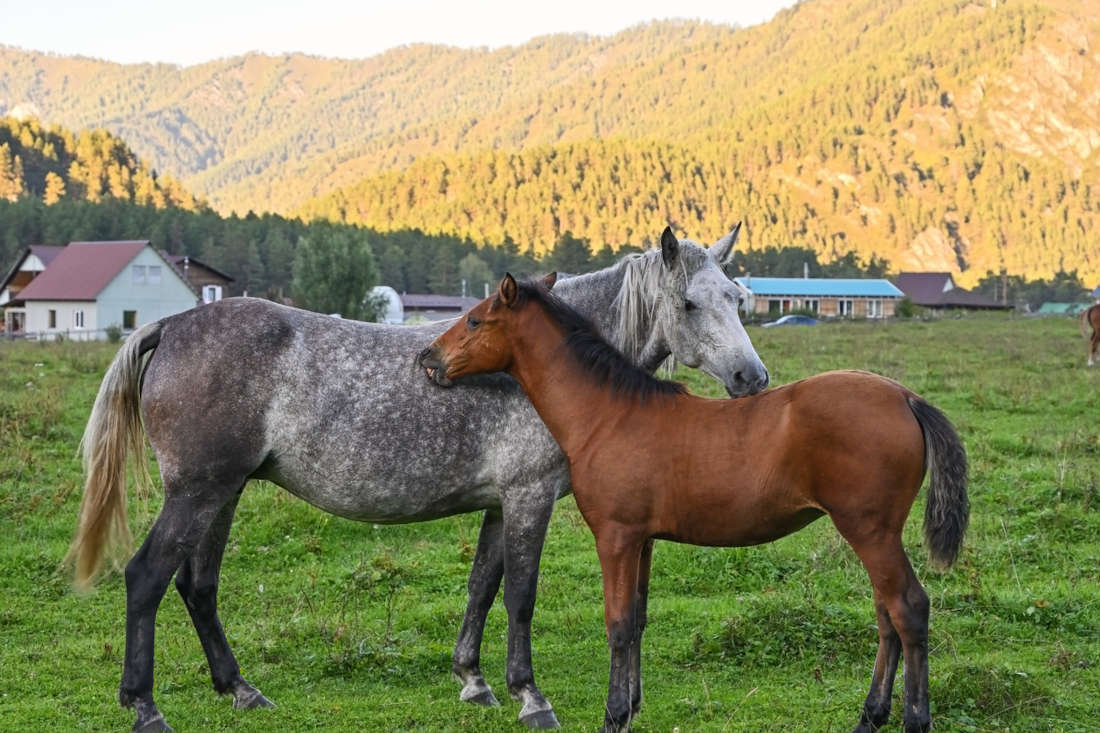
A flea-bitten horse is a grey horse with small reddish-brown speckles across its coat. This pattern develops with age due to pigment changes and is not related to flea bites or parasites.
Horses are not likely to contract serious flea infestations, but general hygienic practices to prevent fleas also reduce exposure to other equine parasites like ticks and biting flies. Prevention strategies include maintaining clean stalls, regularly removing manure and bedding, and controlling fleas on other animals in the environment. Routine grooming and monitoring for skin irritation can help detect issues early.
Summary
Fleas are not typical parasites of horses, but incidental exposure can still cause irritation and mild skin issues. Most cases are linked to environmental contamination or contact with infested animals rather than true infestation.
- Fleas rarely establish on horses because their coat, skin, and environment do not support the full life cycle
- Most exposure occurs through contaminated bedding, pasture areas, or contact with infested pets or wildlife
- Clinical signs include itching, rubbing, small bite marks, and the presence of flea dirt in localized areas
- Flea-related irritation can resemble lice, mites, or fly bites, making accurate identification important
- Environmental management and control of other animals are key to preventing exposure and reinfestation
- Veterinary guidance is recommended for persistent irritation or when selecting safe treatment options
References
- Dryden. M. W. Fleas in Dogs and Cats. Merck Veterinary Manual. 2025.
- Chauvet. C. et al. Feeding on Horse: A Contraceptive for the Cat Flea?. IRSEA International Congress and Workshops on Behavioural Medicine and Semiochemistry: from welfare to therapeutics. 2012.
- Bitam. I. et al. Fleas and Flea-Borne Diseases. International Journal of Infectious Diseases. 2010.
- Iannino. F. et al. Fleas of Dog and Cat: Species, Biology and Flea-Borne Diseases. Veterinaria Italiana. 2017.
- Halos. L. et al. Flea Control Failure? Myths and Realities. Trends in Parasitology. 2014.
- Mullens. B. A. Veterinary Entomology. Encyclopedia of Insects. Academic Press. 2009.
- Yeruham. I. and Koren. O. Severe Infestation of a She-Ass with the Cat Flea Ctenocephalides Felis Felis (Bouche, 1835). Veterinary Parasitology. 2003.
- Ctenocephalides (Felis) Felis (Cat Flea) Ctenocephalides (Felis) Canis (Dog Flea). Western College of Veterinary Medicine. 2021.
- Parsani. H. et al. Dog Flea (Ctenocephalides Canis) Infestation in Horse. The Pharma Innovation Journal. 2022.
- Yeruham. I. et al. Ctenocephalides Felis Flea Infestation in Horses. Veterinary Parasitology. 1996.
- Gardiner. J. Dermatology Fact Sheets. UC Davis School of Veterinary Medicine 2018.
- Sharma. D. K. Cat Flea (Ctenocephalides Felis Felis) Infestation in Goats. Vet Scan. 2011.
- Kaal. J. F. et al. Epidemiology of Flea Infestation of Ruminants in Libya. Veterinary Parasitology. 2006.
- About Flea-Borne Typhus. Typhus Fevers. 2025.
- Wright. R. Lice on Horses. The Canadian Veterinary Journal. 1999.
- Kamran. K. et al. A Cross-Sectional Study of Hard Ticks (Acari: Ixodidae) on Horse Farms to Assess the Risk Factors Associated with Tick-Borne Diseases. Zoonoses and Public Health. 2021. View Summary
- Osman. S. A. et al. Clinical and Therapeutic Studies on Mange in Horses. Veterinary Parasitology. 2006. View Summary
- Cohen. A. Fleas. Cornell University College of Veterinary Medicine
- Rust. M. K. Recent Advancements in the Control of Cat Fleas. Insects. 2020.
- Ranjan. S. et al. A Single Topical Fluralaner Application to Cats and to Dogs Controls Fleas for 12 Weeks in a Simulated Home Environment. Parasites & Vectors. 2018.
- Lavan. R. et al. Flea and Tick Treatment Satisfaction, Preference, and Adherence of US Cat Owners Prescribed Topical Fluralaner (Bravecto® Topical Solution for Cats). Open Veterinary Journal. 2021.