English











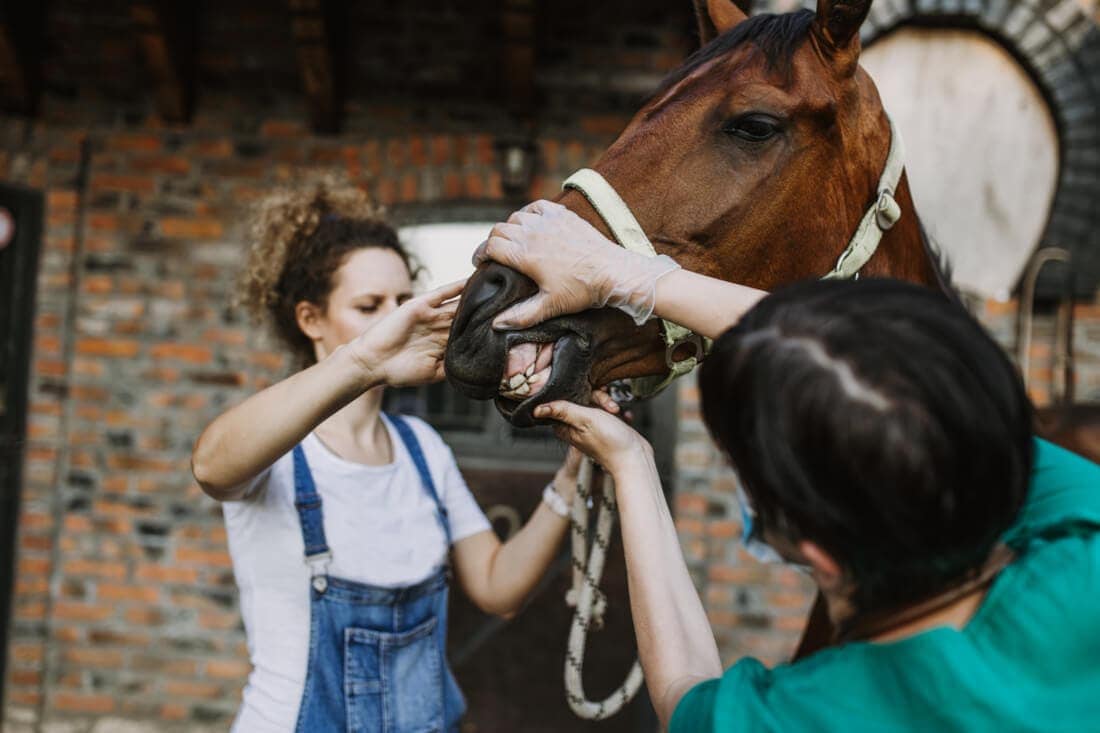
If you’ve ever noticed your horse’s gums looking unusually pale, yellow, or even bluish, it could be a sign of a serious health problem.
Your horse’s gums are one of the most visible mucous membranes, the thin, moist tissues that line various body cavities including the mouth, eyes, and genitals. Changes in their color or in capillary refill time (CRT) can give you important clues about circulation, oxygenation, hydration, and overall health.
In clinical settings and daily management, evaluating mucous membrane color provides a speedy, non-invasive method for identifying potential health concerns. While subtle changes may go unnoticed, pronounced discolorations, ranging from pale white to deep red, yellow, blue, or muddy brown, can indicate serious and even life-threatening conditions.
Horse owners, trainers, and stable managers can learn to monitor gum color changes as part of a routine wellness check. In this guide, you’ll learn how to examine the gums, what different color changes may indicate, and how to respond appropriately.
Understanding Gum Color in Horses
Checking your horse’s gum color is one of the quickest ways to gain insight into their overall health. Because gums are a type of mucous membrane, changes in their appearance can reflect what’s happening inside the body.
Mucous membranes are soft, moist tissues that line the surfaces of body cavities. They secrete mucus, a lubricating substance that traps bacteria and dirt while protecting the orifices from exposure to air.
In horses, they serve both physiological and clinical purposes, helping maintain hydration and immunity, while also offering clues about cardiovascular, respiratory, and metabolic function. [1]
The most commonly assessed mucous membrane in horses is the gingiva, the soft tissue of the upper gums. This area is generally hairless, easily accessible, and responds quickly to changes in blood flow and oxygenation. [1][2]
Other mucous membranes include: [2]
- The conjunctiva (inner eyelids)
- Nasal membranes (inside the nostrils)
- Vulvar mucosa
While these areas may occasionally be checked for diagnostic reasons, the gums are typically the most informative and routinely evaluated. [2]
Healthy mucous membranes appear moist and smooth, with a consistent color and normal capillary refill response. Abnormalities in color, texture, or moisture levels may signal systemic distress.
Healthy Membranes
In a healthy horse, the gums should be moist, smooth, and range from pink to salmon-pink in color, typically a shade lighter than in humans. This hue reflects normal oxygenation and adequate blood flow (perfusion), which indicates the circulatory system is functioning effectively and delivering sufficient oxygen to the tissues.
Capillary refill time (CRT) in the gums is another indicator of circulatory status. To assess CRT, gently press a finger on the horse’s upper gum until the area turns white, then release.
The blanched spot should return to its original color within one to two seconds. This response occurs as capillaries refill with blood and is a direct measure of perfusion. [3]
A CRT longer than two seconds can suggest poor circulation, low blood pressure, or dehydration. Conversely, an abnormally fast CRT (under one second) combined with brick-red gums may reflect inflammation, fever, or septic shock.
Since gum color can be influenced by lighting or pigmentation, CRT is often used alongside color evaluation for a more complete picture of a horse’s systemic status. [2][3]
Monitoring healthy gum color and CRT regularly, especially during illness, post-transport, or in hot weather, can help identify early warning signs of distress and guide timely medical intervention.
What's your top priority with your horse's health?

Enter your email to receive your store credit
How to Check Your Horse’s Gums
Evaluating a horse’s mucous membranes is a simple but essential part of any basic health check. Follow these steps to check your horse’s gums and capillary refill time: [4]
- Choose the right site: The upper gums (above the incisors) are the preferred location for assessment. They are easy to access, minimally pigmented in most horses, and provide reliable visual cues. If the gums are darkly pigmented, the inner eyelids or nostrils may be the preferred location for assessment.
- Observe the color: Gently lift the upper lip and look at the exposed gum line. Under natural light, assess whether the gums are pink, pale, red, yellow, blue-tinged, or otherwise abnormal. Note any uneven color, spotting, or dryness.
- Perform a CRT test: Using your thumb or forefinger, press firmly on the gum for about two seconds until it turns white. Quickly release the pressure and count how many seconds it takes for the pink color to return. A CRT of one to two seconds is normal.
- Assess moisture and texture: Healthy gums should feel moist, not sticky or dry. Sticky, tacky gums can indicate dehydration. Slippery or overly wet gums may reflect other systemic imbalances.
- Repeat as needed
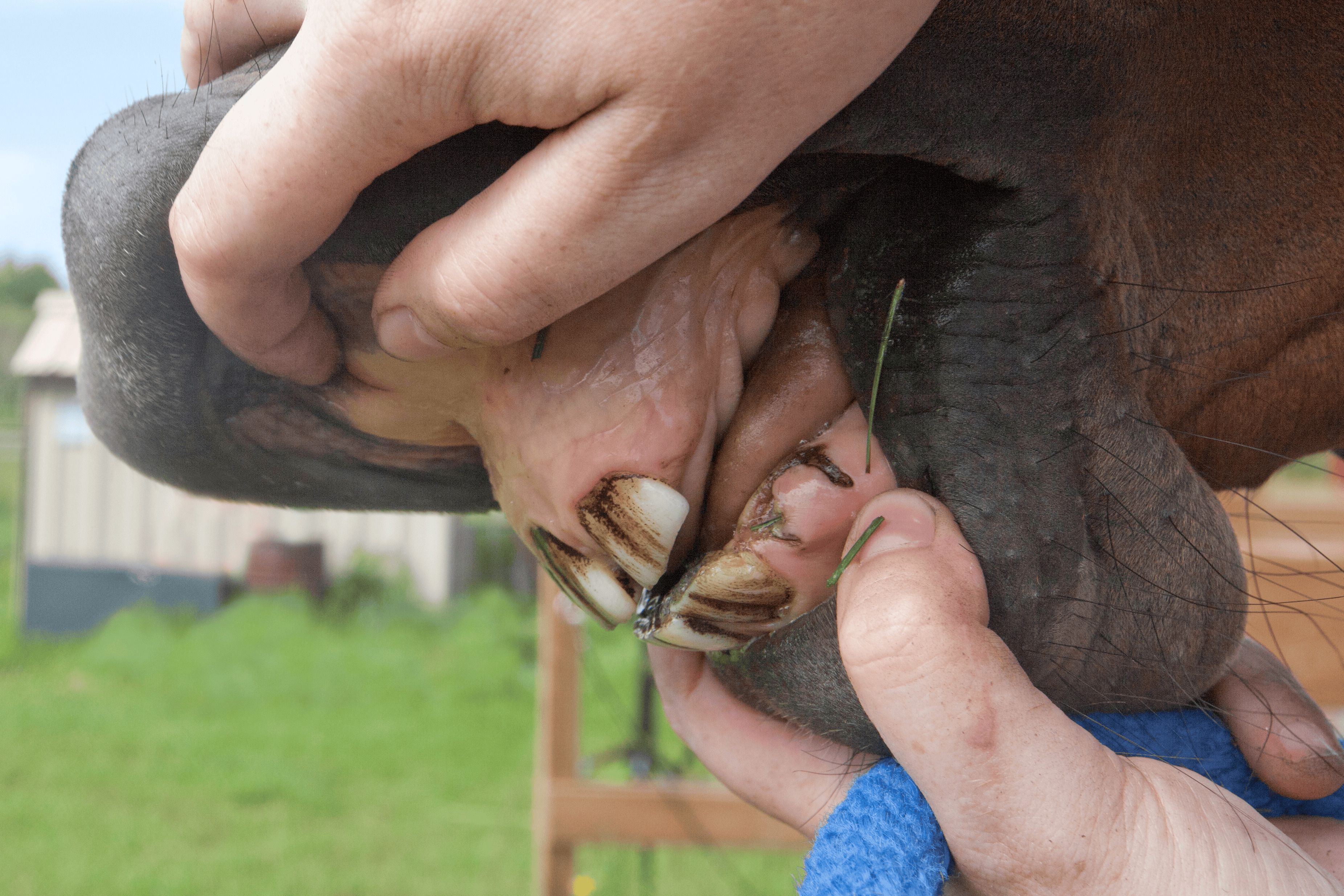 Note: the above horse is a juvenile and had a missing baby incisor at the time this photo was taken
If abnormalities are observed, check again a few minutes later or examine another mucous membrane site for confirmation. Gum color can change rapidly in response to stress, exercise, or illness. [1]
This simple process takes less than a minute and can provide crucial information during emergencies, illness, or routine monitoring. Consistency is key, as comparing each horse to their baseline helps detect deviations, which can improve health management.
Table 1. Equine gum assessment guide
| Urgency | Observation |
|---|---|
| Safe Healthy Horse |
|
| Caution Seek Veterinary Care ASAP |
|
| Urgent Seek Emergency Veterinary Care |
|
Gum Color Changes & Equine Health
Changes in mucous membrane color are often early signs of systemic disturbance. Altered pigmentation reflects underlying issues such as: [1][2]
- Poor circulation
- Oxygen deprivation
- Liver dysfunction
- Infection
- Toxicity (poisoning)
- Blood loss
These changes often occur alongside delayed CRT or other clinical signs such as: [1][2]
- Lethargy
- Elevated heart rate
- Labored breathing
Table 2. Quick guide to equine gum color changes [2][4][5]
| Gum Colour | Urgency | Possible Causes |
|---|---|---|
| Yellow | Medium |
|
| Deep or Brick Red | High |
|
| Petechiae (Spots) | High |
|
| Very Pale or White | High |
|
| Blue / Purple / Gray | High |
|
| Brown / Muddy | High |
|
Very Pale or White Gums
This color change indicates that the horse’s tissues are not receiving enough oxygenated blood, and is most commonly associated with: [6][7][8]
- Anemia: may arise from blood loss (e.g., internal bleeding, trauma, ulcers) or from diseases that destroy red blood cells. Horses with anemia may also show signs of weakness, rapid breathing, or fatigue.
- Hypovolemic shock: impairs circulation and diverts blood away from peripheral tissues. As a result, the gums become pale, and CRT is often prolonged. Shock may be caused by blood loss, colic, trauma, or systemic infection.
- Poor peripheral perfusion: any condition that restricts flow of blood to the extremities can lead to loss of color in the mucous membranes.
Less commonly, severe dehydration and low blood pressure can also cause gums to lose their color. These horses may be lethargic and present with sunken eyes and loss of skin elasticity (skin tenting). [9]
Deep or Brick Red Gums
Deep red or brick-colored gums in horses are typically associated with: [1][4]
- Systemic inflammation
- Toxicity
- Fever
- Septic shock
This color results from vasodilation, an expansion of blood vessels, causing the membranes to appear flushed or congested. Infections that lead to sepsis or endotoxemia, such as infectious colitis, pneumonia, or severe wound contamination, can trigger this color change.
The gums may feel hot and dry, and CRT may be rapid (less than 1 second) due to abnormally fast circulation. [1]
Heatstroke or exertional overheating can also cause red gums, especially in poorly conditioned or overheated horses. In these cases, other signs include: [10]
- Excessive sweating
- High body temperature
- Labored breathing
Toxic substances, such as certain plants (e.g., red maple, buttercups) or medications, may lead to toxic shock with flushed mucous membranes. Dehydration, particularly when combined with systemic infection, can compound the effect. [11]
Brick-red gums indicate that the horse’s body is in a major inflammatory process and is at risk of circulatory failure. Prompt veterinary intervention is necessary to stabilize the horse and address the underlying cause. [1]
Blue, Purple, or Blue-Gray Gums (Cyanotic)
Gums with a bluish, purple, or slate-gray hue signal cyanosis, a dangerous condition that occurs when tissues are not receiving enough oxygen. [1]
Cyanotic gums are a medical emergency requiring urgent veterinary attention.
Cyanotic mucous membranes are typically caused by severe hypoxia related to pulmonary dysfunction or circulatory collapse. Horses in cyanosis may struggle to breathe, flare their nostrils, or extend their neck in an attempt to increase oxygen intake. [1]
Heart disease, especially involving poor cardiac output, may also lead to cyanotic gums. Exposure to toxins that affect hemoglobin, such as wilted red maple leaves, can disrupt oxygen transport in the blood and cause cyanosis. Methemoglobinemia and other red blood cell disorders may have similar effects. [1][12]
Horses displaying cyanosis are at immediate risk of tissue death, organ failure, and even death if there is no appropriate intervention. Supplemental oxygen, IV fluids, and aggressive diagnostics are often required. [1][13]
Yellow (Icteric) Gums
Yellow gums, also referred to as icterus or jaundice, indicate the accumulation of bilirubin, a yellow pigment produced during the breakdown of red blood cells. In horses, icterus is often associated with liver dysfunction, hemolytic disease, or prolonged lack of food intake (anorexia). [1]
Liver conditions such as hepatitis, hepatic lipidosis, or cholangiohepatitis impair the organ’s ability to process and excrete bilirubin. This leads to accumulation of bilirubin in the blood, which results in a yellow tint seen in the mucous membranes, including the gums and sclera (the whites of the eyes). [1]
Concurrent signs of liver disease may include: [1][12][13]
- Weight loss
- Lethargy
- Neurological changes
- Colic-like symptoms
In cases of suspected liver disease, blood work is required to evaluate liver enzymes, red blood cell counts, and the potential of toxic exposure. Left untreated, the disease process causing icterus can progress to a life-limiting state. [14][15]
Brown or Muddy-Colored Gums
Dark red or muddy-colored gums indicate advanced circulatory failure. This color results from poor perfusion and blood stagnation in the capillaries, where oxygen is depleted and waste products accumulate. Brown gums are associated with nitrate toxicosis, where the accumulation of methemoglobin in the bloodstream prevents the blood from carrying oxygen appropriately. [1]
Brown gums in horses are a medical emergency requiring urgent veterinary attention.
Horses with brown gums typically require aggressive fluid therapy, anti-endotoxic treatments, and supportive care. [1]
Petechiae or Spotted Gums
Small red or purple spots on the mucous membranes, called petechiae, result from microvascular bleeding under the tissue surface. Petechiae are not a color change in the membrane itself but rather evidence of capillary rupture due to infection, clotting disorders, or severe inflammation. [1]
Infectious diseases such as African horse sickness, equine viral arteritis, and equine infectious anemia may cause vascular damage and petechiae. Similarly, exposure to anticoagulant toxins, certain drugs, or inherited clotting disorders can impair the body’s ability to stop bleeding, leading to these pinpoint hemorrhages.
Petechiae often accompany other signs of systemic illness, including fever, edema, and lethargy. They are a warning that the horse’s blood vessels are fragile or the clotting system is failing, both of which require immediate medical attention.
Petechiae may be visible on the gums, sclera (white of the eyes), or inside the nostrils. Horses displaying this sign need a full diagnostic workup including blood counts, coagulation profiles, and infectious disease testing. [16]
When to Call a Veterinarian
Prompt veterinary attention is needed if:
- CRT exceeds 2 seconds or is unusually rapid (less than 1 second)
- The horse shows additional symptoms such as lethargy, colic, sweating, laboured breathing, or collapse
- Color changes are persistent or worsening over time
- Petechiae or hemorrhagic spots appear on the gums or skin
Early intervention is key. Even if the horse appears otherwise stable, mucous membrane abnormalities often precede clinical deterioration. [1]
When contacting your veterinarian, be prepared to report the gum color, CRT result, heart rate, respiratory rate, temperature, and any recent changes in behavior or appetite. Prompt diagnosis and treatment can help prevent the progression of underlying disease and may significantly improve outcomes.

Diagnostics
When a horse presents with abnormal mucous membrane color, the treating veterinarian begins by gathering a full clinical history and conducting a thorough physical examination. Mucous membrane assessment, CRT, heart rate, respiratory rate, temperature, and hydration status provide immediate insight into the horse’s systemic function. [1][2]
Additional diagnostics are used to identify the root cause of the color change. Blood work is typically the next step and can include: [1][2]
- A complete blood count (CBC) can detect anemia, infection, or platelet abnormalities
- A biochemistry panel evaluates liver enzymes, kidney function, and electrolyte balance
- Blood gas analysis may be used to assess oxygen levels and acid-base status in cyanotic horses
Urinalysis and fecal testing may provide further clues in cases of dehydration, toxicity, or gastrointestinal disease. For suspected clotting disorders, coagulation profiles help determine the integrity of the horse’s hemostatic system.
If petechiae or icterus are present, infectious disease testing may be warranted. [1][2]
Treatment
Treatment of horses with abnormal gum coloring depends on the underlying cause. Supportive care is often initiated immediately, especially in emergency cases. [1][2]
Supportive care may include: [7][17][18]
- Intravenous fluids for rehydration and circulatory support
- Oxygen therapy in cases of hypoxia or respiratory distress
- Anti-inflammatories, antimicrobials, or antitoxins as appropriate
- Gastrointestinal support for colitis or endotoxemia
- Blood transfusion in cases of severe anemia or hemolysis
Monitoring of the horse continues throughout treatment, with repeated evaluation of gum color and CRT to assess response. In critical care scenarios, changes in mucous membrane appearance may guide therapy and provide early signs of recovery or decline. [1][2]
Prevention
Mucous membrane color changes are secondary to other health issues, so preventing their occurrence relies on providing good basic health care and management to minimize the risk of severe illness.
Maintain these key areas of equine health care to protect your herd:
- Vaccination: Staying up-to-date on your horse’s core and recommended vaccines is a fundamental strategy to minimize the risk of infectious disease.
- Annual exams: Regular physical and lameness exams help detect health concerns before they progress into severe crises.
- Dental care: All horses require annual dental floatation to ensure comfort and overall nutrition. Senior horses and those with pre-existing dental issues may need more frequent dental care.
- Parasite control: Following a veterinarian-supervised deworming protocol helps manage your herd’s parasite load while minimizing the risk of anthelmintic resistance.
- Exercise: Providing daily turnout gives horses an opportunity to exercise, which allows for natural grazing behavior and helps maintain body condition and fitness.
- Socialization: Horses are social herd animals, and lack of social interaction can lead to prolonged stress.
Finally, providing a forage-first, balanced diet is a cornerstone of equine health and nutrition. Make sure all horses have constant access to clean, abundant water and free-choice access to salt. If you are unsure your horse is getting everything they need, book a consultation with one of our expert equine nutritionists today.
Frequently Asked Questions
Here are some frequently asked questions about gum color in horses:
Healthy horse gums should be moist and pink to salmon pink in color, with a capillary refill time of one to two seconds. This indicates good oxygenation and circulation.
Abnormal gum colors in your horse can indicate different health problems. Pale or white gums may suggest anemia or poor circulation. Bright red gums can occur with fever, heat stress, or early shock. Yellow gums may indicate jaundice from liver disease or red blood cell breakdown. Blue or purple gums can signal low oxygen levels, while dark or muddy gums may be seen in severe shock or systemic illness. Any abnormal gum color should be promptly evaluated by a veterinarian.
Ideally, your horse's mucous membranes should be checked daily as part of routine care. During illness, transport, or heat stress, more frequent monitoring is recommended to detect early signs of systemic distress.
Yellow gums in horses are not always a sign of liver failure. Jaundice can result from liver dysfunction, but also from red blood cell breakdown or even prolonged anorexia. Veterinary evaluation is needed to determine the underlying cause.
Summary
Your horse's gums and other mucous membranes are a valuable clinical indicator that can reveal underlying health problems. While healthy gums are typically pink, moist, and have a Capillary Refill Time (CRT) of one to two seconds, deviations in color may indicate serious issues, including anemia, sepsis, liver failure, or hypoxia.
- Routine gum checks allow horse owners and caregivers to detect subtle changes early
- Capillary refill time is also easy to check on the gums and should take 1 - 2 seconds in a healthy horse
- Gums that are white, pale, blue, gray, or muddy brown require urgent veterinary evaluation
- Preventive care and thoughtful management help reduce the risk of color changes linked to systemic disease
References
- Reed. S. M. et al. Equine Internal Medicine. 4th ed. Elsevier, St. Louis. 2018.
- Costa. L. R. R. and Paradis. M. R. Manual of Clinical Procedures in the Horse. Wiley Blackwell, Hoboken. 2018.
- 5 Horse Health Indicators You Must Know. FEI.org. 2018.
- Thal. D. Assess Color Of Mucous Membranes Gums. Horse Side Vet Guide. 2018.
- Blikslager. A. T. et al. The Equine Acute Abdomen. 1st ed. Wiley. 2017.
- Membranes Of Mouth Gums Appear Pale. Horse Side Vet Guide. 2018.
- Marks. S. L. Anemia in Horses - Horse Owners. Merck Veterinary Manual. 2024.
- Team. E. What Causes Hypovolemic Shock in Animals? The Environmental Literacy Council. 2025.
- Recognizing a Healthy Horse. PennState Extension. 2023.
- Protect Horses from Heat Exhaustion and Heat Stroke. DVM360. 2011.
- Hovda. L. 10 Plants Toxic to Horses. Oregon Veterinary Medical Association. 2017.
- Cope. R. B. Cyanide Poisoning in Animals - Toxicology. Merck Veterinary Manual. 2021.
- Thal. D. Membranes Of Mouth Gums Appear Blue Or Purple. Horse Side Vet Guide. 2018.
- Membranes Of Mouth Gums Appear Yellow Jaundice. Horse Side Vet Guide. 2018.
- Liver: Icterus in Horses (Equis). Vetlexicon.
- Blood: Petechiae/Ecchymoses/Bruising in Horses (Equis). Vetlexicon.
- Hovda. L. R. Blackwell's Five-Minute Veterinary Consult Clinical Companion Equine Toxicology. Wiley Blackwell. 2022.
- Disorders of the Liver in Horses - Horse Owners. Merck Veterinary Manual. 2024.