English









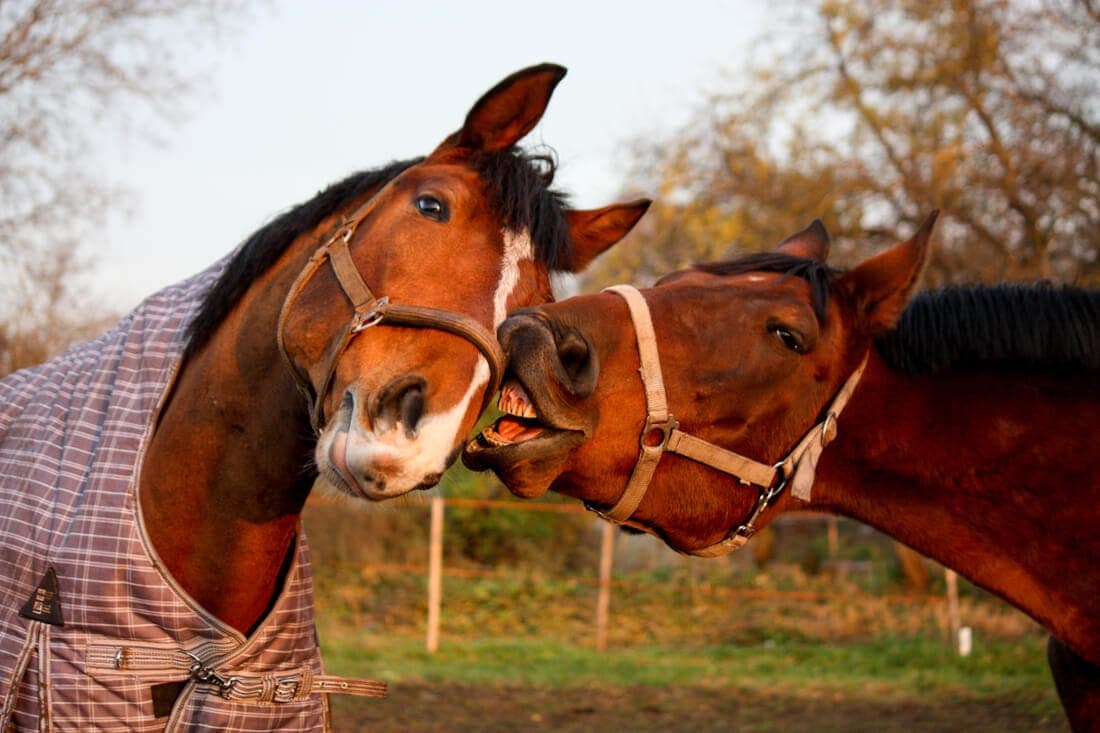
Understanding your horse’s personality is key to effective training, care, and building a strong partnership. Every horse has a unique temperament shaped by both genetics and environment, influencing how they interact with people and their surroundings. Recognizing these individual traits allows for more empathetic and tailored management, improving both welfare and performance.
By appreciating the roles of nature and nurture, handlers can better anticipate behavior and adjust their approach, leading to clearer communication, stronger bonds, and safer handling. In contrast, overlooking a horse’s personality can result in miscommunication, stress, and increased risk for both horse and rider.
Knowledge of personality traits also helps in selecting the right horse for certain tasks or riders. For example, a sensitive and high-strung horse might not be suitable for a novice rider, while a calm, patient horse might provide the perfect introduction to riding. Trainers who recognize and respect individual differences can design more effective, humane training programs.
Understanding equine personality goes beyond enhancing performance — it’s about fostering a respectful, positive relationship that benefits both horse and handler. This deeper connection plays a vital role in supporting the horse’s mental and emotional well-being.
Understanding Horse Personality
As with other animals, equine personality is a product of two primary factors: nature and nurture. Nature refers to the inherent traits a horse is born with, primarily determined by genetics. These traits include baseline temperament, sensitivity, and predisposition for certain behaviors.
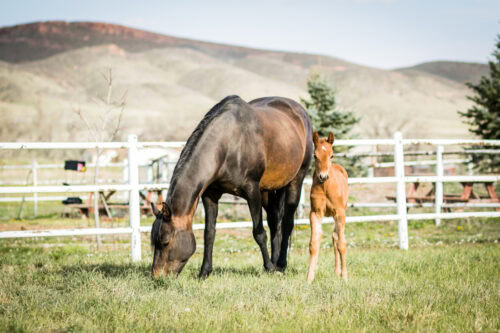
Breed-specific characteristics often play a significant role in defining these innate tendencies. For example, some breeds, such as Thoroughbreds, tend to be naturally more energetic. [1] Others, such as the drafts and quarter horses, are known for their calm demeanor. [2]
On the other hand, nurture refers to all of the environmental influences and experiences a horse has throughout their life. This includes early handling, socialization, training methods, and exposure to different environments and external stimuli.
Positive experiences can build confidence and trust, while negative experiences may lead to anxiety, fear, or behavioral issues. For example, nurturing a naturally anxious horse with patience, consistency, and a stable environment may build confidence, helping the horse learn to manage their stress more effectively.
Conversely, even a naturally calm horse can become reactive or fearful if subjected to poor handling or traumatic experiences. A horse’s behavior is a constant reflection of this dynamic interaction between nurture and nature.
Debate Around Equine Personality
Some researchers argue that assigning personality traits to horses risks anthropomorphism — projecting human emotions and motives onto animals in ways that may not reflect their true experiences.
They caution that labeling a horse as “stubborn” or “lazy,” for example, may oversimplify complex behaviors and lead to misinterpretation or unfair treatment.
However, when approached carefully, the concept of personality can be a valuable framework for understanding individual differences in temperament, behavior, and responsiveness.
Rather than assigning human-like labels, personality in horses should be seen as a set of consistent behavioral tendencies shaped by genetics, environment, and experience.
Recognizing these patterns helps handlers and trainers adapt their approach to better meet each horse’s needs, improve welfare, and support more effective communication, without making assumptions about the animal’s perspective.
Nature: Hot, Cold, & Warm-Blooded Breeds
Recognizing the typical temperament of different horse breeds helps guide effective management and training. Each breed has unique traits shaped by genetics, historical use, and instinct.
These traits can affect horse behavior, interaction with humans, and suitability for specific tasks. The three primary categories of horse breeds — hot-blooded, cold-blooded, and warm-blooded — each come with their own temperamental features, challenges, and ideal uses. [3]
Hot-Blooded Personality Traits
Hot-blooded horses include:
These and other hot-blooded breeds are known for their high energy, sensitivity, and alertness. These breeds were originally bred and trained for speed, endurance, and agility – traits that are still evident in their personalities today. [1][2][4][5]
Hot-blooded horses are typically quick to react and highly responsive to their surroundings, making them prone to spooking or overstimulation. This sensitivity is often both an asset and a challenge. [1] These horses thrive in environments where they are challenged and engaged, as boredom can lead to restlessness or undesirable behaviors. [6][7]
The responsiveness and intelligence of hot-blooded horses can make them excellent competitors in high-intensity disciplines, including: [6][7]
However, they require skilled handling and a calm, confident rider to channel their energy constructively. [6][7]
Training hot-blooded horses demands patience, consistency, and understanding their need for mental and physical stimulation. Harsh or inconsistent training methods can make anxiety worse, leading to behavioral issues. Instead, positive reinforcement and a structured routine can help build trust and confidence.
Cold-Blooded Personality Traits
Cold-blooded horses include draft breeds like:
Drafts are known for their calm, steady, and gentle dispositions. Bred for agricultural work and pulling loads, these heavy horses are characterized by their strength, patience, and reliability. [8]
Cold-blooded breeds are generally less reactive, making them ideal for novice riders, leisure riding, and therapeutic riding programs. Their calm nature often means they are less prone to spooking and more tolerant of new or challenging situations.
However, the calm demeanor of cold-bloods does not mean they lack personality or intelligence. These horses still require respectful handling and mental stimulation to prevent boredom and maintain a positive attitude.
Training methods for cold-blooded horses should focus on clear communication and consistency. While they may not have the quick responsiveness of hot-blooded breeds, they are often very willing and capable learners, when approached with patience and understanding. [7][9]
Warm-Blooded Breeds
Warm-bloods have pedigrees that include hot and cold-blooded breeding, and were bred primarily for sport and performance. [10] Examples of warm-bloods include:
Warm-bloods combine the athleticism and sensitivity of hot-blooded breeds with the calm, steady nature of cold-blooded breeds. This combination makes them highly versatile and well-suited for disciplines like dressage, show jumping, and eventing.
Warm-bloods often display a balanced temperament, but their personalities can vary widely depending on individual breeding and upbringing. They are typically intelligent, trainable, and willing, but they also require consistent handling and a structured training approach.
Given their moderate temperament, warm-bloods can be more adaptable than hot-blooded horses, but still require careful management to avoid stress or frustration. Understanding the unique blend of traits in warm-bloods allows handlers to tailor their training and care, maximizing the horse’s potential while ensuring their well-being. [6]
Nurture: Environment & Experience
While a horse’s genetic makeup provides the foundation for their personality, environmental and experiential factors play a significant role in shaping behavior. Nurture encompasses influences ranging from early handling and socialization to training methods, daily routines, and exposure to various stimuli.
Early Socialization & Handling
The experiences a horse has during their formative years can have a lasting impact on their personality. Foals that are handled gently and exposed to positive human interactions from an early age are more likely to develop trust and confidence. [3][11]
Socialization with other horses is also important, as it teaches young horses appropriate social behaviors and helps them develop emotional resilience. Horses that are isolated or experience negative interactions early in life may develop anxiety, aggression, or other behavioral issues. [3][11]
Training & Management Practices
How a horse is trained and managed throughout their life can also significantly influence their personality. Consistent, patient, and positive training methods foster trust and a willingness to learn, while harsh or inconsistent handling can lead to fear, mistrust, and resistance.
A horse that has been subjected to rough or harsh handling or punishment may become defensive or shut down emotionally, making training more challenging. [3]
Environmental enrichment is another important consideration in nurturing horses. Horses are naturally curious and social animals that benefit from mental stimulation and varied experiences. Providing exploration, play, and social interaction opportunities helps prevent boredom and associated behavioral problems. [3]
A well-rounded environment that includes regular exercise, socialization, and exposure to different stimuli supports a horse’s mental and emotional well-being, contributing to a balanced and confident personality. [3]
What's your top priority with your horse's health?

What's your top priority with your horse's health?
Current Models for Assessing Horse Personality
A variety of models have been developed to assess and categorize a horse’s personality, providing valuable insights into their behavior and traits.
These frameworks help researchers and caretakers better understand how horses interact with their environment and humans, paving the way for more tailored training and management strategies.
The Horse Personality Questionnaire
The Horse Personality Questionnaire (HPQ) is a 25-item assessment tool designed to measure personality in horses. It identifies six key personality components, namely: [11]
- Dominance: A measure of a horse’s assertiveness in social situations. Dominant horses may take on leadership roles within a herd and may be stubborn, but tend not to exhibit nervous behavior
- Anxiousness: An estimate of the horse’s propensity for nervousness or stress; they may appear apprehensive or fearful
- Excitability: A measure of the horse’s reactivity to stimuli. Highly excitable horses may be more prone to spooking or overreacting, while less excitable horses tend to remain calm
- Protection: Reflects the horse’s instinct to safeguard herd members. Protective horses may show strong loyalty and maternal instincts
- Sociability: A measure of the horse’s desire for interaction with other horses or humans
- Inquisitiveness: Indicates a horse’s curiosity. Inquisitive horses are more likely to explore and engage with their surroundings
Comparing Personality Traits Using the HPQ
The HPQ has been used to assess variation in personality traits across different breeds, with results reflecting differences in ancestry, selective breeding, and behavioral tendencies.
For example, a comprehensive analysis of horse personality was conducted across 1,223 horses from eight distinct breeds: [12]
- Arabians
- Irish Draught Horses
- Thoroughbreds
- Shetland Ponies
- Highland Ponies
- Welsh Ponies
- Cobs
- American Quarter Horses
- Appaloosas
Each horse in the study was evaluated using the HPQ system. [12]
Component scores were then calculated to create a detailed personality profile. The greatest variability within breeds was observed in excitability and anxiousness traits. In contrast, dominance and protection exhibited the least variability. Sociability and inquisitiveness fell in the middle range, showing moderate variability. [12]
These findings reinforce the concept of breed-specific personalities, suggesting that certain traits like dominance and protection may be inherited and linked to breed ancestry. [12]
Breeds such as Thoroughbreds scored higher in excitability on average, reflecting their breeding for speed and alertness. On the other hand, draft breeds scored lower, consistent with their reputation for calmness and reliability.
This evidence points to a genetic basis for personality traits, though environmental factors, maternal influence, and early experiences also play crucial roles. [12]
Equine Behavior Assessment and Research Questionnaire (E-BARQ)
E-BARQ is a free online tool that evaluates a wide range of equine behavioral traits and provides a comprehensive personality profile that is updated over time.
Key traits assessed by E-BARQ include: [13][14]
- Trainability
- Rideability
- Boldness
- Handling compliance
- Working compliance
- Easy to stop
- Forward-going
- Human and non-human Social Confidence
- Novel object confidence
- Touch sensitivity
- Easy to load
- Independence
E-BARQ provides valuable data for identifying personality trends across different breeds and disciplines, supporting evidence-based management practices. Data collected from the tool is also used by researchers to develop a more in-depth understanding of equine personality differences.
The Equine Personality Test (EPT)
The Equine Personality Test (EPT) focuses on five key dimensions of horse personality: [15]
- Agreeableness: Reflects the horse’s cooperative nature and willingness to work with handlers
- Neuroticism: Measures susceptibility to anxiety, stress, and emotional instability
- Extroversion: Indicates the horse’s sociability
- Gregariousness towards people: Assesses the horse’s social tendencies with humans
- Gregariousness towards horses: Assesses the horse’s social behavior within a herd
These five personality factors are evaluated on a sliding scale from one to five. These insights help handlers and trainers understand the horse’s social and emotional needs, allowing for more effective and empathetic management.

Horse Personality & Equine Welfare
Beyond the general interest held by the equestrian community, understanding a horse’s personality is crucial for promoting their welfare. This insight plays a key role in accurate pain assessment, effective training practices, and promoting quality of life in horses.
Pain Scale & Personality
Research has found that personality traits can influence how horses convey discomfort. Some horses may magnify their pain responses, while others may mask their discomfort. [16] Having a good understanding of your horse’s personality can help you recognize when they may be in pain.
Both overestimating and underestimating pain can have serious, and potentially life-threatening consequences: [16]
- Overestimating pain: May lead to unnecessary treatments, which increases the risk of adverse side effects. In extreme cases, a horse displaying magnified pain responses might be euthanized prematurely in a well-intentioned attempt to alleviate suffering
- Underestimating pain: Can result in unaddressed suffering, delayed treatment and long-term health issues, potentially leading to severe complications or death
Understanding how personality affects pain expression enables you and your veterinarian to make more accurate assessments. This allows for personalized pain management strategies, reducing the risk of misdiagnosis and improving overall care.
Frequently Asked Questions
Here are some frequently asked questions about understanding horse personality:
Yes, personality can evolve due to environmental factors, experiences, and training. Positive handling and consistent training can build confidence, while negative experiences can lead to behavioral issues.
A horse's personality is shaped by two primary factors: nature and nurture. Nature refers to the inherited traits determined by genetics, including temperament and breed-specific characteristics. Nurture encompasses the environmental influences and life experiences a horse encounters, such as early handling, training methods, and social interactions.
Breed significantly influences a horse's personality due to genetic traits developed through selective breeding for specific purposes. Hot-blooded breeds like Arabians and Thoroughbreds are known for their high energy, sensitivity, and quick reactions, making them well-suited for racing and endurance sports. In contrast, cold-blooded breeds such as Clydesdales and Shires possess calm, steady, and patient dispositions, ideal for heavy work and novice riders.
Summary
Understanding a horse's personality is fundamental for effective management, training, and welfare. By considering both nature and nurture and utilizing modern personality assessment tools, owners can better meet their horses' individual needs.
- A horse's pedigree shapes their personality based on how hot or cold-blooded their lineage is
- The way horses are handled and raised from a young age also influence how their personality develops
- There are several tools available to help owners assess horse personality in individual horses
- Caretakers and trainers can adjust their methods and expectations according to horse personality to build trust and improve training outcomes
- Personality can impact the way horse's express pain; understanding this can help veterinarians and owners make more accurate pain assessments
References
- Estes. B. W., A Study of the Relationship between Temperament of Thoroughbred Broodmares and Performance of Offspring. The Pedagogical Seminary and Journal of Genetic Psychology. 1952.
- Sackman. J. E. and Houpt. K. A. Equine Personality: Association With Breed, Use, and Husbandry Factors. Journal of Equine Veterinary Science. 2019.
- Rankins. E. M. and Wickens. C. L., A Systematic Review of Equine Personality. Applied Animal Behaviour Science. 2020.
- Schiettecatte, J. et al. The Horse in Arabia and the Arabian Horse: Origins, Myths and Realities. Arabian Humanities. 2017.
- Radovic, L. et al. Y Chromosome Haplotypes Enlighten Origin, Influence, and Breeding History of North African Barb Horses. Animals. 2022. View Summary
- Kaya. Y., 3rd BALKAN AGRICULTURE CONGRESS FULL PROCEEDINGS BOOK 2021. Edirne, Turkey. 2021.
- Sauer. F. J. et al., Effects of Breed, Management and Personality on Cortisol Reactivity in Sport Horses. Department of Clinical Veterinary Medicine, Swiss Institute for Equine Medicine. 2019.
- Mota-Rojas, D. et al. The Use of Draught Animals in Rural Labour. Animals. 2021.View Summary
- Braybrook. Z., The Use of a Startle Test to Determine the Differences Between Hot-Blooded and Cold-Blooded Equines – Is the Stereotype True?. IAABC FOUNDATION JOURNAL. 2018.
- Nolte. W. et al. Selection signatures in four German warmblood horse breeds: Tracing breeding history in the modern sport horse. PLoS One. 2019.View Summary
- Lloyd. A. S. et al., Evaluation of a Novel Method of Horse Personality Assessment: Rater-Agreement and Links to Behaviour. Applied Animal Behaviour Science. 2007.
- Lloyd. A. S. et al., Horse Personality: Variation between Breeds. Applied Animal Behaviour Science. 2008.
- Home. E-BARQ. 2025.
- Fenner. K. et al., Validation of the Equine Behaviour Assessment and Research Questionnaire (E-BARQ): A New Survey Instrument for Exploring and Monitoring the Domestic Equine Triad. Animals. Multidisciplinary Digital Publishing Institute. 2020.
- Do You See What I See? Investigating the Validity of an Equine Personality Questionnaire. Applied Animal Behaviour Science. Elsevier. 2022.
- Pain Expression Is Linked to Personality in Horses. Applied Animal Behaviour Science. Elsevier. 2014.