English








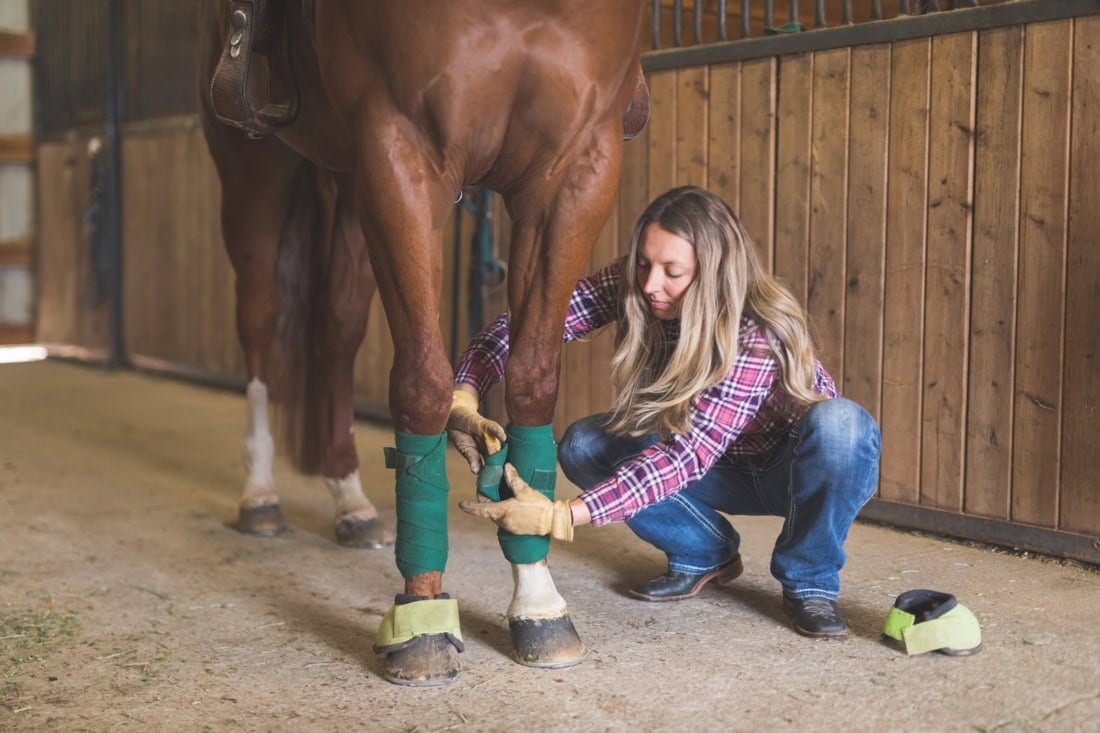
Ice boots are a useful tool for managing recovery in horses after exercise or injury. These specially-designed equine devices help cool the horse’s legs, providing therapeutic benefits that reduce pain, inflammation, and swelling.
Ice boots are a form of cryotherapy: by lowering tissue temperature, cellular activity is slowed and blood vessels are constricted in the treatment area, which reduces inflammation and allows for effective healing. Ice boots are particularly beneficial for horses with soft tissue injuries and those at risk of acute laminitis, a condition that causes severe hoof pain.
Ice boots come in two main types: wet boots that use ice and water, and dry boots that contain cold-retaining materials like gel or beads. Some designs offer more freedom of movement for horses during treatment, while others are tighter but provide stronger cooling for the legs.
Read on to learn more about how ice boots work, different types, and how to use them effectively to keep your horse comfortable and performing at their best.
Ice Boots for Horses
Ice boots are used in equine cryotherapy (cold therapy). They’re made from fabric or other durable textiles and are designed to wrap around a horse’s lower legs or hooves, holding ice or alternative coolants in place for effective cooling.
Cryotherapy is a treatment method commonly used in horses to address several concerns, including: [1][2]
- Injuries: Helping reduce inflammation and pain from sports-related injuries
- Strenuous exercise: Aiding in recovery and reducing the impact of intense physical activity
- Laminitis: Alleviating symptoms and preventing further damage associated with acute laminitis
Ice boots come in various designs, but their primary function is the same: to rapidly cool a horse’s legs. This cooling action helps reduce pain and swelling, slows down cellular metabolism, and promotes beneficial changes in blood flow. [1]
Cryotherapy is a popular first-line of defense against minor inflammation and injury because it is inexpensive and easy to apply, and there are very few harmful side effects. [3] When cryotherapy is applied to a horse’s legs, it is known as continuous digital hypothermia (CDH). [3]
Ice boots come in different sizes to suit every size of horse from ponies to drafts. Some ice boots are designed with suspenders that go over the horse’s body to prevent them from slipping down. There are also versions that are made to fit solely around the hoof and not the rest of the horse’s leg.
Effects of Ice Boots
Cryotherapy, or therapeutic hypothermia, involves applying ice or other cold-retaining materials to body tissues to lower the temperature below normal levels. [3][4]
Although its exact mechanisms are still being studied, it appears that cryotherapy reduces inflammation, affects enzyme activity, and significantly decreases blood flow in the treatment area [3]. The combined effect of the lower temperature and reduced circulation is thought to trigger beneficial changes in the tissue [1][3][4][5][6].
Reduced temperature and circulation are believed to result in the following changes in the treatment area: [1][3][4][5][6]
- Decreased cellular metabolism: Reduced enzymatic activity and cellular function may help minimize tissue damage and energy demand
- Decreased release of inflammatory signals: Decreased production and release of cytokines, prostaglandins, and other mediators that contribute to inflammation
- Narrowing of blood vessels: Vasoconstriction, which limits blood flow to the area, potentially reducing swelling, fluid accumulation, and further inflammatory responses
- Reduced nerve conduction velocity: Slower transmission of pain signals, leading to temporary analgesia and decreased perception of discomfort
- Decreased secondary tissue damage: Lower temperatures may help prevent further cell death by reducing oxidative stress and inflammatory byproducts
In equine medicine and physiotherapy, ice boots are an important tool, especially as treatment and prevention for acute laminitis. [3][7][8]
Potential Adverse Effects
Possible side effects of cryotherapy include: [4]
- Blood clotting
- Higher risk of infection
- Issues with the heart, metabolism, or hormone function
With that being said, cryotherapy application in small, targeted areas is unlikely to cause any serious side effects. Work with your veterinarian if your horse has pre-existing risk factors that may be contraindicated in cryotherapy.
What's your top priority with your horse's health?

Enter your email to receive your store credit
Types of Ice Boots
A wide range of ice boots is available, each designed to deliver effective cryotherapy. The boot design is primarily divided into two categories:
- Sleeve-style: Ice boots that are designed to slide over the horse’s leg like a sock. They provide a snug, continuous fit, ensuring consistent contact with the treatment area for effective cooling.
- Wrap-style: Ice boots that are secured around the leg using adjustable fasteners such as straps or Velcro. This design allows for a customizable fit and targeted application of cooling, with easy adjustment and removal as needed.
The cooling mechanism used by these boots is classified as either:
- Wet: Uses water and/or ice. These boots are inexpensive and easy to use, but require additional ice and water to work. They can also be messy, as the melting ice and water create runoff in the paddock or stall where the horse is receiving treatment.
- Dry: Uses cold-retaining materials such as gel-packs, beads, and capsules, or fluid circulation systems that prevent direct contact with the horse. These systems are more expensive, but have the benefit of easy clean up and do not require additional materials to work.
There are various sleeve and wrap-style boots available that provide both wet and dry cryotherapy solutions, including cooling gel boots, ice soaking boots and continuous flow boots.
 Illustration: Dr. Ana Mesa, PhD
 Sleeve-Style Ice Boots
The most basic ice boot is a sleeve-style made of sturdy, stiff material such as nylon or plastic. The boot is designed to slide over the horse’s hoof and lower leg and stay upright while it is worn. This sleeve is filled with ice and water, making this a wet ice boot.
Sleeve boots are affordable and easy to use. The handler simply needs to lift the horse’s leg and slide the boot on, then fill it with ice and water. To discontinue treatment, the handler lifts the horse’s leg and removes the boot, dumping the spent water in the process.
The drawback of this design is it is difficult or impossible for the horse to move around while wearing them. Many owners use cross-ties to immobilize the horse during treatment, which means the total treatment time is limited to how long the horse can tolerate standing still.
Wrap-Style Ice Boots
Wrap ice boots are made of resilient materials like nylon or neoprene and they wrap around the horse’s legs, similar to orthopedic braces used in human medicine.
The wrap boot is custom fit to the horse’s leg using adjustable straps held in place with hook and loop closures (Velcro®). Some are lined with mesh or reflective fabrics. These designs have the significant benefit of allowing the horse to move freely while they are in use.
There are both wet and dry cryotherapy wrap boots available for horses. Dry versions are furnished with cold-retaining materials, while wet ones use ice and water.
Dry Wrap-Style Ice Boots
There are many different varieties of dry ice boots on the market. Some have cold packs permanently sewn into the inner lining. To bring these ice boots down to temperature, the entire boot is placed in the freezer between uses.
Other types have small pockets in the lining and the cold packs can be removed. The advantage of this design is the caretaker can store extra cold packs in the freezer, allowing for prolonged treatment. When one set of cold packs has thawed during application, they can be swapped out with a fresh set.
Wet Wrap-Style Ice Boots
While less popular, there are also wet cryotherapy boots available for horses. These boots are similar to dry styles with pockets for ice packs, but are intended for use with ice cubes.
Ice tends to thaw more quickly than ice packs filled with synthetic material, so an abundant supply of ice and frequent changes are often required to use this style of boot.
Continuous Flow Hydrotherapy Systems
Some ice boots are designed to cycle water, ice, and other cooling solutions into the boot from an outside source with the use of a compressor. These systems are more expensive than traditional ice boots and require a power supply to run.
Some owners prefer this option as they can customize the treatment solution for added benefit. The drawback is that the horse must remain standing still while the boots are in use.
Uses of Ice Boots
Cold therapy is widely used to reduce inflammation, manage pain, and support recovery from various conditions and intense exercise. In equine care, ice boots are most commonly used for:
- Laminitis management and prevention
- Exercise recovery
- Injury rehabilitation
Remember to always work with your veterinarian if your horse is showing signs of lameness or injury. Ice boots are not a substitute for medical care or pharmaceutical pain management.
Laminitis
Laminitis is a serious and potentially life-threatening condition in horses and other equids.
In cases of laminitis, inflammation of the specialized tissues called digital lamellae (laminae) that attach the hoof to the internal foot structures cause pain and lameness. In severe cases the laminae may fully separate, leading to rotation and displacement of the coffin bone. [3][9]
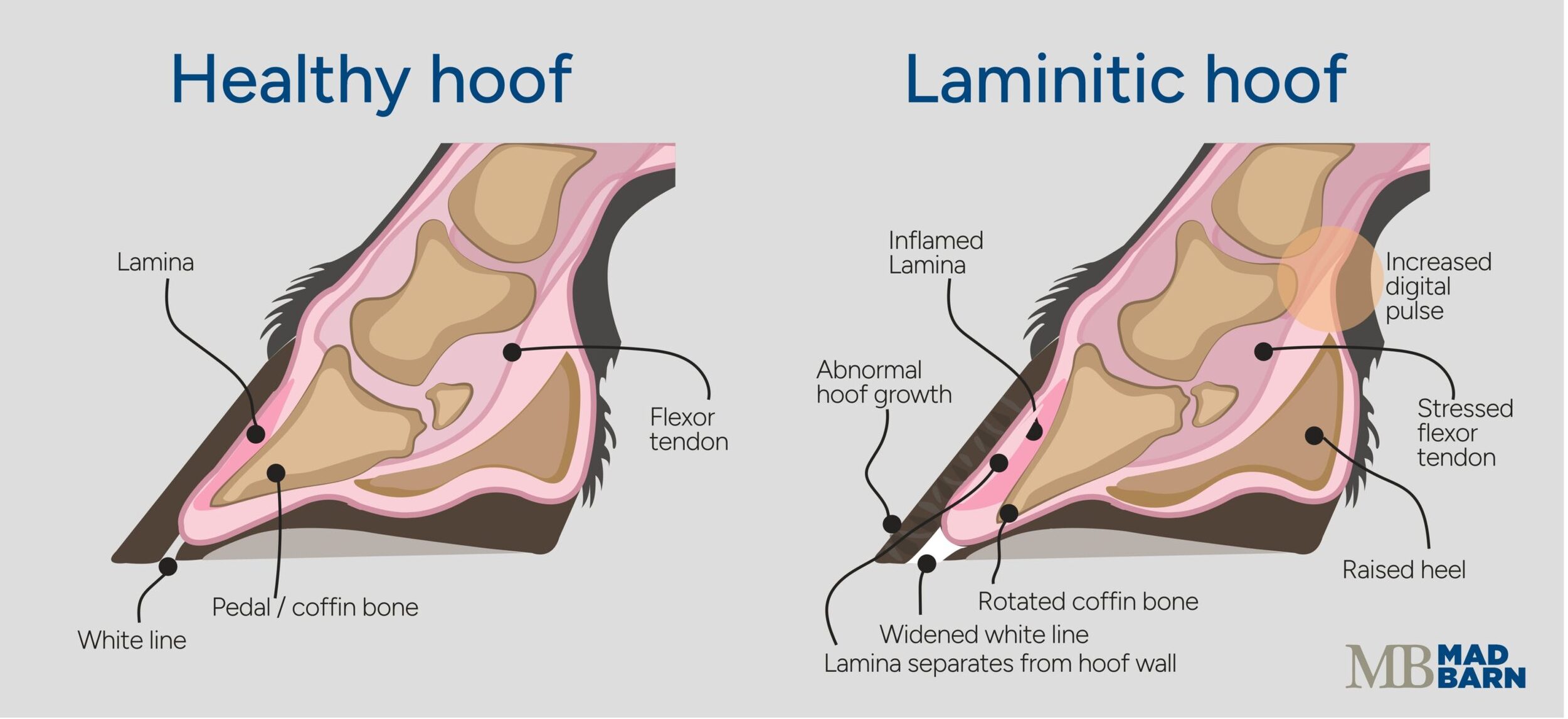 Illustration: Dr. Ana Mesa, PhD
Continuous digital hypothermia (CDH) has been shown to reduce the risk of acute laminitis in horses. [9][10] Horses at risk of acute laminitis should have their legs and hooves cooled to between 5 and 10° C (41 – 50° F). Cold therapy is also recommended for horses that have already developed lameness due to laminitis. [4][11]
Exercise Recovery
After intense exercise, there is increased blood flow and minor tissue damage in the horse’s leg tendons and ligaments. This can lead to mild inflammation and swelling in the legs.
Cooling the legs post-exercise may reduce: [12][13]
- Tendon and ligament soreness
- Swelling
- Oxidative stress in the tissues
Ice boots provide a controlled cooling effect, helping minimize inflammation and support faster recovery.
While short applications of cold therapy (10–20 minutes) can be effective immediately after exercise, longer sessions may be necessary to achieve therapeutic cooling effects below the skin’s surface. [12][14]
Although there is some benefit after only 30 minutes of treatment, most experts recommend continuing cold therapy 48 to 72 hours after exercise. [4][10][11] Given this, wrap-style ice boots are the best option for prolonged cryotherapy, as they allow the horse to move freely while treatment is ongoing.
Injury Recovery
Injury recovery is one of the most well-documented uses of ice boots in horses. Soft tissue injuries, tendon strains, ligament sprains, and joint inflammation can all benefit from the application of cold therapy.

“Ice boots are a useful tool in equine care, especially for managing inflammation and promoting recovery after exercise. Ice boots offer a convenient, effective way to deliver cold therapy to a horse’s legs, helping to minimize swelling and support tendon and joint health. When used properly, they can be an important part of both injury prevention and rehabilitation protocols.”
— Dr. Madison Ricard, DVMMad Barn Veterinary Educator, Equine Veterinarian
For acute injuries, icing should begin as soon as possible and may be repeated in intervals over the first 48 hours. [4][14] Wrap-style ice boots are particularly useful in these cases because they conform to the leg and provide even cooling.
In cases of post-surgical recovery, ice boots can also be used to reduce inflammation around incisions and improve overall healing. [4]
Always follow your veterinarian’s guidelines to ensure proper treatment duration and frequency.

How to Use Ice Boots for Horses
Applying ice boots is a straightforward process. Below is a step-by-step guide to ensure proper application and effective cryotherapy treatment for your horse.
- Prepare the cold materials: The ice packs for your horse’s boots need to be preconditioned in the freezer. It may be helpful to store your horse’s boots (or just the ice packs) in the freezer so they are always on hand, but this may not be feasible for everyone. Boots that use ice instead of cold-retaining materials require having a sufficient supply of ice on hand for the therapeutic application.
- Prepare the boots: Depending on the style of boot you are using, you may need to insert ice cubes or packs into the boot pockets before applying them to your horse. For sleeve-style boots, the ice and water are added after the horse is wearing the boots.
- Position the boots: Place the prepared ice boots on the horse’s legs following the manufacturer’s instructions. Ensure they cover the targeted areas. For front legs, position the boots around the cannon bone and below the knee. For hind legs, they are usually placed around the lower leg or hock area.
- Secure the boots: When using wrap-style boots, secure them snugly with the fasteners. Ensure the straps are secure, but not too tight. The boots should stay in place without restricting blood flow. When using a sleeve-style boot, lift the horse’s leg and pull the boot over the foot and all the way up until the hoof makes contact with the bottom of the boot. Fill the boot with ice and water to initiate treatment.
- Monitor: Check the horse’s skin periodically for excessive redness or irritation. Discontinue therapy if adverse reactions occur.
- Aftercare: Once the ice boots are removed, gently dry the area with a towel. Massaging the area after may promote circulation. Should the horse show signs of discomfort or sensitivity, reduce the frequency of use or consult with a veterinarian.
These are general instructions that apply to most cooling systems. Always follow the manufacturer instructions and guidance from your veterinarian for optimal effects.
Frequently Asked Questions
Here are some frequently asked questions about ice boots for horses:
Ice boots are devices that are either wrapped around or pulled over the horse’s legs. They are used to cool the legs of horses after strenuous exercise or injury. They help reduce pain, swelling, and inflammation by lowering the temperature of the tissues in the horse’s legs. This decreases cellular activity, reduces the release of inflammatory substances, and narrows blood vessels, which may aid in recovery. [1][2][4]
Ice boots come in two main types: wet and dry. Wet boots use ice and water to provide cooling, while dry boots use cold-retaining materials like gel, beads, or capsules. Some boots are wrap-style, which allows horses to move freely while receiving treatment, while others are sleeve-style boots that are more restrictive, but easy to apply. Some advanced models feature water cycling systems or removable pouches for the cold materials.
Ice boots work by applying cryotherapy (cold therapy) to the horse’s legs. The cold reduces inflammation, slows down cellular activity, and narrows blood vessels, which helps manage pain and swelling. They are especially useful for horses at risk of laminitis or those recovering from soft tissue injuries, as they promote healing by reducing blood flow and inflammation in the affected areas. [1][2][3][4]
Always follow the manufacturer instructions. Most ice boots require preconditioning the cold materials in the freezer, followed by direct placement and fitting on the horse's legs. Work with your veterinarian to create a safe, tailored treatment approach for your horse. If your horse shows signs of discomfort or irritation, discontinue use and contact your veterinarian.
Summary
Ice boots are designed to cool the horse's legs and promote recovery through cryotherapy. By reducing pain, swelling, and inflammation, they play an important role in the management of laminitis and lower limb injuries.
- Ice boots come in wet or dry varieties, using ice and water or cold-retaining materials like gel, beads, or capsules
- Wrap-style boots offer flexibility and can be used without restricting movement, while sleeve-style boots are more restrictive but effective in general cooling
- Ice boots are used in the treatment of acute laminitis, reducing the risk of hoof damage and aiding in recovery
- Proper usage includes positioning the boots around the targeted areas and checking for skin irritation during treatment
References
- Pollitt. C. C. and Van Eps. A. W., Prolonged, Continuous Distal Limb Cryotherapy in the Horse. Equine Veterinary Journal. 2004.
- Quintanar. M. N. et al., Thermodynamic Effects of Commercially Available Ice Boots. Open Veterinary Journal. 2018. View Summary
- Lavado. R. A. et al., Continuous Digital Hypothermia for Prevention and Treatment of Equine Acute Laminitis: A Practical Review. The Veterinary Journal. 2023. View Summary
- Luethy. D., Cryotherapy Techniques. Veterinary Clinics of North America: Equine Practice. 2021. View Summary
- Algafly. A. A. and George. K. P., The Effect of Cryotherapy on Nerve Conduction Velocity, Pain Threshold and Pain Tolerance. British Journal of Sports Medicine. 2007. doi: 10.1136/bjsm.2006.031237.
- Mortada. H. et al., Exploring the Role of Cryotherapy in Plastic Surgery: Mechanisms, Applications, and Future Directions. European Journal of Plastic Surgery. 2025. doi: 10.1007/s00238-024-02260-8.
- Reesink. H. L. et al., Measurement of Digital Laminar and Venous Temperatures as a Means of Comparing Three Methods of Topically Applied Cold Treatment for Digits of Horses. American Journal of Veterinary Research. 2012. View Summary
- The Efficacy of Different Digital Hypothermia Methods for Cooling the Equine Hoof Lamellae under Clinically Relevant Conditions. Equine Veterinary Education. 2024.
- Folk. K. M. et al., Ice Application without Water Drainage Supports Optimal Hoof Cooling in Adult Horses. Journal of Equine Veterinary Science. 2025. View Summary
- Burke. M. et al., Evaluation of Digital Cryotherapy Using A Commercially Available Sleeve Style Ice Boot In Healthy Horses, And Horses Receiving Intravenous Endotoxin. Equine Veterinary Education. 2017.
- Van Eps. A. W. and Orsini. J. A., A Comparison of Seven Methods for Continuous Therapeutic Cooling of the Equine Digit. Equine Veterinary Journal. 2016. View Summary
- Kaneps, A. J., Tissue Temperature Response to Hot and Cold Therapy in the Metacarpal Region of a Horse. AAEP Proceedings. 2000.
- Lehmann, J. F., Therapeutic heat and cold. 3rd ed. Baltimore: Williams and Wilkins, 1982.
- Michlovitz, S.L., Thermal agents in rehabilitation. 3rd ed. Philadelphia: FA Davis, 1996.