English








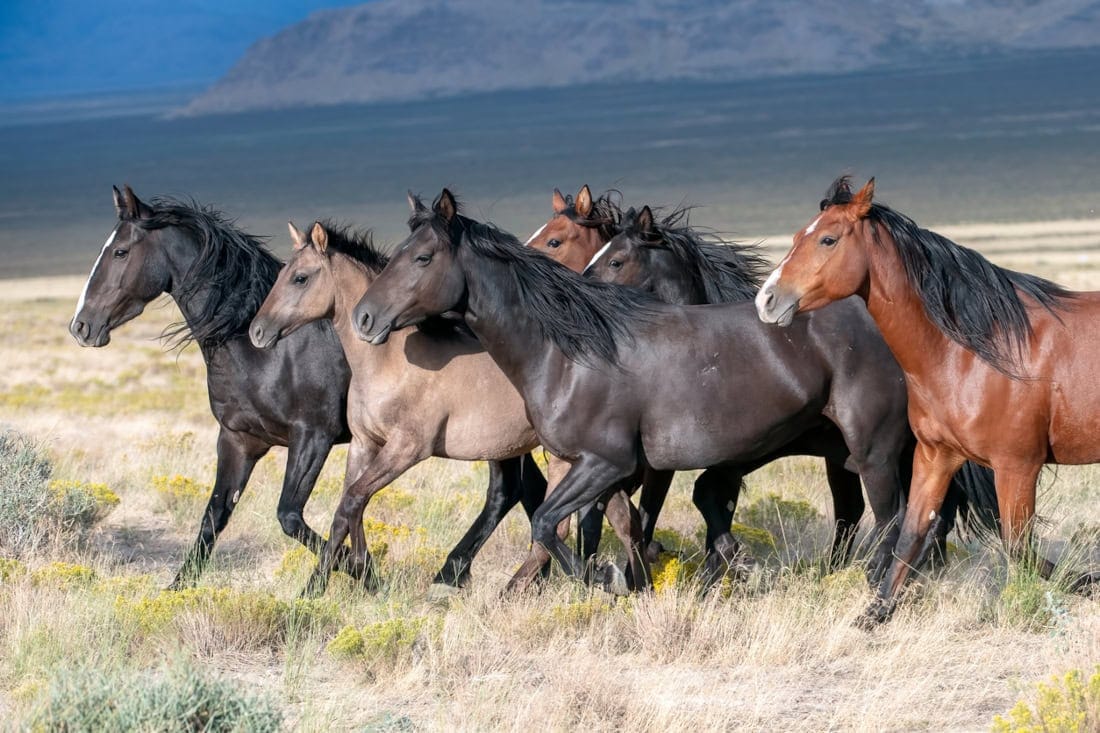
Contagious colitis, also referred to as infectious colitis, in horses is a serious gastrointestinal disease caused by bacteria, viruses, or parasites. It spreads rapidly in environments where horses are closely housed, often leading to severe diarrhea, dehydration, and other systemic complications.
In horses affected by colitis, the lining of the large intestine (colon) becomes inflamed and irritated. This condition disrupts critical functions related to digestion, nutrient absorption, and immune protection, weakening the intestinal barrier against toxins and other harmful substances.
Despite advances in diagnosis, treatment, and management, infectious colitis remains a leading cause of illness and death in horses. Because it can spread quickly among herds, strict biosecurity measures are essential to controlling outbreaks and improving outcomes.
This article explores the causes, signs, and prevention of contagious colitis, focusing on strategies to stop its spread and support affected horses through recovery.
Colitis in Horses
Colitis broadly refers to inflammation of the colon, a key component of the horse’s hindgut. In this section of the digestive system, carbohydrates are broken down, and water and electrolytes are absorbed.
The colon also serves as a protective barrier, preventing harmful toxins from entering the bloodstream. Structurally, it features two layers of muscle that contract in sequence to move food and water forward, ensuring proper digestion and waste removal. [1]
Horses can experience various types of colitis, each defined by its cause, severity, or location within the colon. These include: [2][3]
- Infectious (contagious) colitis
- Inflammatory bowel disease (IBD)
- Acute colitis
- Chronic colitis
- Non-infectious colitis
- Colonic inflammation
- Proliferative colitis
- Hemorrhagic colitis
- Right dorsal colitis (RDC)
Each form involves different underlying factors and may present unique clinical challenges, requiring careful diagnosis and targeted treatment.
Contagious or infectious colitis describes inflammation of the colon caused by infectious agents (pathogens) such as bacteria, viruses or parasites. The characteristic symptoms include diarrhea, fever, and abdominal pain. [1][3][4][5]
If left untreated, contagious colitis can seriously weaken a horse and may rapidly become life-threatening. [5] Because it spreads quickly among horses in close contact, any animal showing signs of colitis should receive immediate veterinary attention and be placed under strict quarantine to help prevent further transmission.
Pathophysiology
The horse’s colon houses a diverse microbiome of bacteria and other microorganisms that perform several key functions that influence the health of the horse. These microbes break down the fibrous plant material that makes up most of a horse’s diet. During this process, microbes produce volatile fatty acids (VFAs), which the horse absorbs and uses as a primary energy source. [4]
In horses with contagious colitis, the colon’s lining becomes inflamed and swollen in response to infection. This inflammation impairs its normal functions, reducing the absorption of water, electrolytes, and volatile fatty acids. As a result, these essential fluids and nutrients are lost through loose, watery stools. [1][4][5]
The inflammation disrupts the normal balance of gut microbes, allowing harmful bacteria to thrive — a condition known as dysbiosis. This microbial imbalance further exacerbates the inflammatory response. Without prompt intervention, the resulting fluid loss, electrolyte imbalances, and systemic inflammation can lead to organ failure and, ultimately, death. [3]
Symptoms
The characteristic symptom of contagious colitis in horses is diarrhea. [2]
Along with diarrhea, many horses experience colic (abdominal pain), characterized by the following signs: [6]
- Pawing the ground
- Looking or kicking at the flank or abdomen
- Circling
- Lying down and getting up over and over
- Rolling on the back
- Stretching
- Dog sitting
- Curling or lifting the upper lip
- Sweating
- Groaning
- Visibly distended abdomen
- Teeth grinding
- Salivating
Other symptoms of contagious colitis include: [2][7][8]
- Fever
- Reduced appetite
- Lethargy
- Changes to respiratory rate
- Changes to heart rate
What's your top priority with your horse's health?

Enter your email to receive your store credit
Endotoxemia
In a healthy horse, the colon serves as a robust barrier that prevents bacteria and their endotoxins from entering the bloodstream. Certain bacteria — such as E. coli and Salmonella spp. — release these toxins as they multiply or die, triggering a strong immune response. [3]
In cases of contagious colitis, the colon’s protective lining is compromised. This allows endotoxins and harmful bacteria to seep into the bloodstream, causing endotoxemia. Once present in the blood, endotoxins can lead to systemic inflammation, fever, rapid heart rate, and abnormal blood clotting. If not treated promptly, severe endotoxemia may progress to shock, organ failure, and death. [3]
Horses with contagious colitis are particularly prone to endotoxemia because the disease weakens the gut barrier, making it easier for toxins to escape into circulation. Infections with bacteria like C. difficile or Salmonella spp. are especially problematic, increasing the likelihood and severity of this life-threatening complication. [3]
Severity
The severity of contagious colitis varies based on the level of infection, the virulence of the pathogen(s), and the horse’s overall health. [3][9][14]
- Mild: Horses may show mild diarrhea, a slight fever, and lethargy. Supportive care, including fluid therapy and dietary adjustments, usually leads to recovery. [3]
- Moderate: Horses experience profuse diarrhea, significant dehydration, moderate fever, and reduced appetite. Treatment may involve intravenous fluids, electrolyte replacement, and possibly antimicrobial or anti-inflammatory medications. [3]
- Severe: Horses present with severe diarrhea, extreme dehydration, fever, signs of endotoxemia, colic, and widespread inflammation. They are at risk of sepsis, laminitis, or organ failure. Intensive care—including hospitalization, intravenous fluids, plasma transfusions, anti-endotoxin therapy, and pain management—is often required. [3]
In the most critical cases, contagious colitis may rapidly progress despite aggressive treatment, leading to multiple organ failure and death, especially if intervention is delayed or the pathogen is highly virulent. [3]
Causes
Contagious colitis arises from various bacterial, viral, and parasitic infections that affect both adult horses and foals. Many of these microorganisms occur naturally in the environment or as part of the horse’s normal gut microbiota. In healthy horses, they remain harmless; however, disruption to the gut’s balance can allow pathogenic species to proliferate, resulting in disease. [9]
Several infectious agents have been identified as causes of contagious colitis in horses, including: [3][7][9][12][13][14]
- Clostridial diseases
- Salmonella
- Rhodococcus
- Lawsonia intracellularis
- Neorickettsii risticii (Potomac horse fever), also called Ehrlichia risticii and equine monocytic ehrlichiosis
- Coronavirus
- Rotavirus
- Large strongyles
- Small strongyles
Risk Factors
All horses can develop contagious colitis if they are exposed to an associated pathogen. Foals and immunosuppressed horses are at higher risk of severe complications. Other risk factors for contagious colitis include: [8][9][10]
- Exposure to viruses like equine coronavirus, rotavirus or other pathogens
- Changes in diet
- Recent hospitalization
- Recent antibiotic treatment
- Stress
- Inadequate use or misuse of dewormers
- Surgery
- Drugs that inhibit secretion of stomach acid
Most forms of infectious colitis are highly contagious, and are transmitted through fecal matter contamination. This spread can occur through direct contamination, such as when a healthy horse ingests infected fecal matter, or through indirect contamination, such as contact with surfaces or objects that have been contaminated by an infected horse. [7]
Diagnosis
Contagious colitis can progress rapidly and pose a serious, potentially life-threatening risk to the horse. Seek immediate veterinary attention if a horse has diarrhea and fever. Any horse suspected of contagious colitis should be promptly isolated from others to prevent further spread of the disease.
Confirming the specific cause of contagious colitis before starting treatment is often difficult, since immediate action is usually required. Some pathogens, such as Salmonella, are hard to detect reliably because they are shed intermittently and at low levels in the feces. [14]
However, obtaining a confirmed diagnosis — even later in the course of the disease — is critical. It guides the selection of effective biosecurity measures, such as choosing the most appropriate disinfectant, and helps contain the spread of infection. [7]
Diagnostic tools that your veterinarian may use to confirm the infectious agent include: [7][12][14][15]
- Blood tests
- Ultrasounds
- Exploratory surgery
- Fecal culture
- PCR test
- Pathogen-specific serologic and fecal diagnostics
- Lateral flow immunoassays
Biosecurity
The risk posed by contagious colitis demonstrates the importance of having robust biosecurity protocols in place on any farm. Horses that are suspected of contagious colitis must be treated as infectious and quarantined from other animals.
Biosecurity procedures should be initiated immediately if any horse exhibits at least two of the following clinical signs: [7][11]:
- Fever
- Low white blood cell count
- Diarrhea
Strategies to prevent contagious outbreaks at your equine facility include: [7]
- Isolating or quarantining the affected horse from other horses, animals, and vulnerable people
- Reducing the interaction between the affected horse and non-essential personnel
- Increasing hygiene practices including handwashing
- Ensuring manure is not tracked away from affected horses
- Cleaning and disinfecting surfaces, equipment, and other items
- Monitoring affected horses
Some pathogens that cause contagious colitis in horses can also infect humans. [11] Effective biosecurity protocols should also be aimed at preventing transmission to handlers and other people that horses are in physical contact with.

Treatment
The treatment for infectious colitis in horses varies depending on the identified pathogen. When the causative agent is known, targeted anti-microbial drugs may be administered to control the infection. In other cases, the infection is self-limiting and must be allowed to resolve on its own. [8][10]
While anti-microbials take effect or the infection runs its course, supportive care is often required to help the horse recover. Such supportive treatments may include: [7][11]
- Fluid therapy via IV or enteral route
- Gastric decompression
- Electrolyte supplementation
- Anti-endotoxin therapies
- Anti-inflammatory drugs
- Pain medications
- Pentoxifylline
- Prokinetics
- Probiotics
- Prebiotics
- Gastrointestinal protectants and absorbents
- Nutritional support
Prognosis
Contagious colitis requires prompt treatment to improve the horse’s prognosis. Without appropriate and timely intervention, the outlook is poor. [11]
Horses that receive prompt and appropriate treatment typically have a fair to good prognosis. However, even with timely intervention, some can still deteriorate rapidly. [11]
Survival chances decrease if the horse also suffers from kidney issues, severe dehydration, or low protein levels. [11]
Common complications of severe contagious colitis include: [11]
- Laminitis
- Blood clots
- Significant weight loss
- Ongoing weakness
Prevention
Preventive measures for infectious colitis focus on minimizing exposure to pathogens, maintaining strong immune health, and ensuring proper hygiene and management practices.
Key strategies for preventing this condition in horses include:
- Dietary Management: Provide adequate forage to maintain gut health and transition feeds slowly to avoid gut disruptions that may predispose horses to infection.
- Biosecurity Measures: Quarantine new arrivals or sick horses to prevent the spread of disease. Use protective clothing, wash hands thoroughly, and disinfect footwear when handling animals, especially sick ones.
- Provide Clean Water and Feed: Avoid contamination of feed and water with fecal matter. Keep drinking water sources away from field runoff and store feed securely to prevent exposure to rodents, birds, and other animals.
- Monitor Herd Health: Keep horses up-to-date with vaccinations and veterinary guidance on deworming schedules. Regularly monitor for signs of illness, such as diarrhea or lethargy, and address issues promptly.
- Maintain Horse Hygiene: Keep appropriate stocking density and avoid overcrowding to reduce disease transmission. Clean and disinfect stalls, equipment, and surfaces regularly.
- Minimize Stress: Reduce stress during transport, competitions, or other activities by ensuring horses are well rested and healthy before events.
- Avoid Unnecessary Antibiotics: Use antimicrobials only when prescribed by a veterinarian, as misuse can disrupt gut flora and increase vulnerability to infections.
- Early Detection and Response: Isolate any horse showing symptoms of colitis (e.g., diarrhea, fever, abdominal pain). Seek immediate veterinary care to prevent the spread of disease within the herd.
By maintaining a clean and stress-free environment, along with good management practices, the risk of contagious colitis can be significantly reduced.
Frequently Asked Questions
Here are some frequently asked questions about infectious colitis in horses:
Right dorsal colitis is inflammation in the colon triggered by the administration of high doses of non-steroidal anti-inflammatory drugs (NSAIDs). The right dorsal colon is most sensitive to the toxic effects of these drugs. Infectious colitis is inflammation triggered by bacterial, viral or parasitic infections. These infections tend to affect the entire large colon. [3]
Treatment for infectious colitis in horses depends on the causative agent. For bacterial infections, veterinarians prescribe antibiotics known to target the specific bacteria causing the colitis. For parasitic infections, anti-parasitic medications are used. [3]
The prognosis of infectious colitis depends on the age of the horse, the severity of the infection, and whether complications develop. Most horses have a good to moderate prognosis with prompt identification of disease and appropriate treatment. [3]
Summary
Contagious colitis in horses is characterized by inflammation of the colon caused by infectious agents such as bacteria, viruses or parasites. The hallmark symptom is diarrhea, often accompanied by colic, fever, lethargy, and reduced appetite.
- Contagious colitis affects the colon’s ability to absorb nutrients and water, disrupts the hindgut microbiome, and impairs its barrier function which can lead to life-threatening endotoxemia
- Horses with signs of infectious colitis should be quarantined immediately and require prompt veterinary assessment
- Diagnosis is challenging, and is based on blood tests, ultrasounds, fecal cultures and other tools
- Treatment involves antimicrobial drugs when appropriate and supportive care
- Prevention requires making dietary changes slowly, minimizing stress, and quarantining new arrivals and sick horses
References
- Goff. J. P., Digestion Absorption and Metabolism. Dukes’ Physiology of Domestic Animals. 13th ed. Wiley-Blackwell. 2015.
- Mattei. D. N. et al., Equine Coronavirus-Associated Colitis in Horses: A Retrospective Study. Journal of Equine Veterinary Science. 2020. View Summary
- Reed. S. M. et al., Equine Internal Medicine. 3rd ed. Saunders Elsevier, St. Louis, Mo. 2010.
- Hoffman. R. M., Carbohydrate Metabolism in Horses | IVIS. Reviews in Veterinary Medicine. International Veterinary Information Service, United States. 2003.
- Krunkosky. T. M. et al., Gross and Microscopic Anatomy of the Equine Gastrointestinal Tract. The Equine Acute Abdomen. 1st ed. Wiley. 2017.
- Colic in Horses. American College of Veterinary Surgeons.
- Blikslager. A. T. et al., Eds., The Equine Acute Abdomen. Third edition. Wiley, Blackwell, Hoboken, NJ. 2017.
- Pusterla. N., Equine Coronaviruses. Veterinary Clinics of North America: Equine Practice. 2023. View Summary
- Kuttappan. D. A. et al., An Overview of Equine Enteric Clostridial Diseases. Veterinary Clinics of North America: Equine Practice. 2023. View Summary
- Kopper. J. J., Equine Rotaviral Diarrhea. Veterinary Clinics of North America: Equine Practice. 2023. View Summary
- McConnico. R. S., Acute Colitis in Horses. Robinson’s Current Therapy in Equine Medicine. 2015.
- Shaw. S. D. and Stämpfli. H., Diagnosis and Treatment of Undifferentiated and Infectious Acute Diarrhea in the Adult Horse. Veterinary Clinics of North America: Equine Practice. 2018. doi: 10.1016/j.cveq.2017.11.002. View Summary
- Taylor. S. D., Potomac Horse Fever. Veterinary Clinics of North America: Equine Practice. 2023. View Summary
- Burgess. B. A., Salmonella in Horses. Veterinary Clinics of North America: Equine Practice. 2023. View Summary
- Auer. J. A., Equine Surgery. 5th edition. Elsevier, St. Louis, MO. 2018.