English







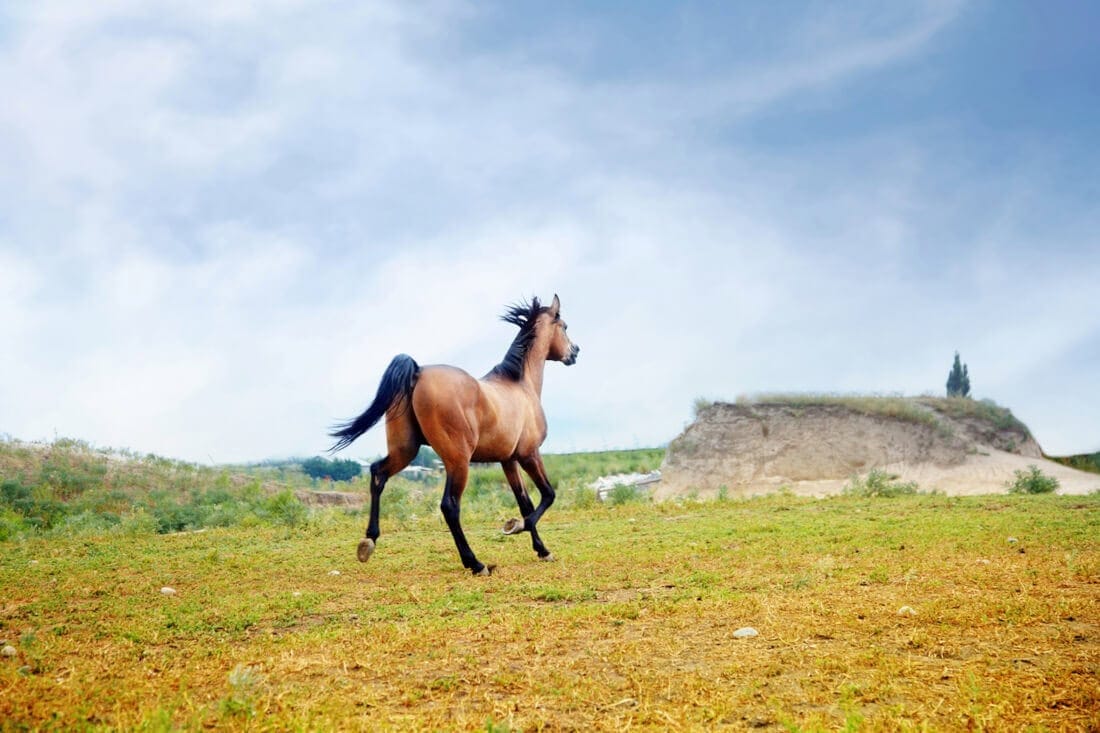
Spooking is one of the most common behavior challenges in horses, and can lead to safety concerns, rider frustration, and setbacks in training. While spooky behavior may seem unpredictable or defiant, it is a natural reaction rooted in the horse’s instincts as a prey animal.
Horses have highly developed senses and are wired to react quickly to sudden sights, sounds, or movements in their environment. This flight response to unfamiliar stimuli is influenced by factors such as temperament, past experiences, training methods, health, and even nutrition. Some horses are naturally more reactive, while others become spooky due to stress or inconsistent handling.
Learning how to manage a spooky horse starts with understanding why they react the way they do. Gradual desensitization, clear, consistent training routines, and positive reinforcement can help a horse gain confidence and respond more predictably to new situations.
By understanding why horses spook and how to reduce fear-based reactions, riders can improve safety and strengthen communication with their horse. This guide explains the main causes of spooking, training techniques to build confidence, and practical steps for managing spooky horses both on the ground and under saddle.
Spooking in Horses
Spooking is a common but often misunderstood equine behavior characterized by a sudden, involuntary fear response when a horse reacts to a perceived threat.
This startle response can appear as: [1]
- Bolting
- Spinning
- Jumping
- Freezing
- Backing up
- Bucking or rearing
This instinctive behavior stems from the horse’s highly tuned senses and their natural drive for self-preservation as prey animals. Subtle signs like tense posture, wide eyes, or flared nostrils can also indicate a horse is close to spooking.
While some horses only spook occasionally, others may develop frequent or intense reactions that interfere with training and safety. These horses are often labeled as “spooky,” but it’s important to remember that almost any horse can startle unexpectedly during handling or riding, even those considered “bombproof.”
It can be frustrating for owners and riders when spooking interrupts training, competition, or other handling scenarios. With thoughtful management that takes the horse’s natural adaptations into consideration, you can help your horse relax and minimize the chance of poorly timed reactivity.
By recognizing spooking as a survival response instead of a sign of disobedience or a personality trait, your horse’s care team can manage this behavior successfully.
What Causes Spooking in Horses?
Horses are prey animals that evolved to detect and escape danger for survival. As a result, the horse’s nervous system is primed for rapid startle responses. When a horse senses a threat, their nervous system triggers a “fight-or-flight” response. Adrenaline floods the body, increasing heart rate, blood pressure, and readiness to flee. [1]
Genetics can also influence equine spookiness, but every horse is an individual with their own temperament and behavior. Certain breeds such as Arabians, Thoroughbreds, and Saddlebreds tend to be more reactive, while other breeds, such as Quarter Horses, drafts and ponies, are often less reactive.
Common situations that may trigger spooking in horses include:
- Encountering wildlife or moving shadows on the trail
- Working in arenas with unfamiliar decorations or new equipment
- Attending shows or events with loud noises or busy crowds
- Reacting to sudden movements from nearby horses
- Exposure to unexpected touching or noise
Equine Sensory Perception
Horses perceive the world very differently from humans and may react to sights, sounds, or smells that we don’t notice, leading to the impression that they “spooked over nothing.”
Understanding how horses process sensory information helps explain why they sometimes startle at objects or situations that appear harmless to people. Recognizing these differences is key to predicting reactions and managing spooky behavior more effectively.
Vision
Differences in visual perception between horses and humans help explain many natural equine reactions. Horses have limited color vision and see blues, yellows, and greens more clearly than reds. They also struggle with sudden changes in brightness, which is why they may hesitate when moving from bright sunlight into a dim barn or trailer. [2]
As prey animals, horses rely on a wide field of vision, nearly 350 degrees, to detect potential threats. They have only two small blind spots, one directly in front of the forehead and another directly behind the tail, making them highly sensitive to movement in their environment. [2]
Objects, people, or animals that appear suddenly from these blind spots can easily startle a horse, especially if the movement is fast or unexpected. Open spaces with clear sight lines help horses feel more secure, while enclosed environments such as indoor arenas or forested trails can increase their vigilance and tendency to spook. [1][2]
Hearing
Horses have extremely sensitive hearing and can detect a wider range of frequencies than humans. They also localize noise by swiveling their ears toward the source, enabling them to stay alert to potential threats from any direction. [3][4]
Due to this, horses may react or spook in response to sounds that people handling them cannot hear. [3][4]
Smell
Horses have an excellent sense of smell, with about 300 million scent receptors and large olfactory bulbs that help them detect even faint odors. They also have a vomeronasal organ (VNO) that senses pheromones, chemicals that trigger physiological or behavioral responses in the same species. [5]
New or unfamiliar odors can draw a horse’s attention, but they may also cause hesitation or anxiety, particularly in new environments.
Touch
Horses are highly sensitive to touch, particularly on the face, flanks, inner limbs, and the coronary band. They can also sense ground vibrations through nerves in their hooves and teeth.
Sudden or unexpected contact can cause a horse to spook. [1][6][7]
Common Triggers
Spooking in horses can arise from a variety of environmental and social factors. Some common examples include: [1]
- Loud, sudden noises: Gunshots, fireworks, vehicles starting, or announcements from loudspeakers may all occur in equestrian settings
- Abrupt movements: Flapping fabric, small animals, and handlers appearing from a horse’s blind spot can all lead to startle reactions
- Unfamiliar visual input: Exposure to new objects can trigger reactive horses
As herd animals, horses also mirror the emotions and reactions of those around them. Anxiety or tension in nearby riders, handlers, or other horses can quickly spread, making the entire group more reactive and prone to spooks. [1]
Discomfort or health problems can lower a horse’s stress threshold, making them more reactive to normal situations. [8] Poor saddle fit, digestive upset, vision changes, neurological conditions, or other sources of pain can all increase sensitivity and contribute to spooking.
If a typically calm horse begins reacting sharply to routine stimuli, it may be a sign of discomfort rather than behavior issues. A thorough veterinary examination can help identify or rule out underlying medical causes. [9]
What's your top priority with your horse's health?

Enter your email to receive your store credit
Training Methods for Spooky Horses
Managing a spooky horse begins with consistent, well-rounded care and calm, predictable handling. Establishing clear routines and a stable environment helps horses feel secure and reduces anxiety that can lead to overreactive behavior.
Effective training focuses on building trust, improving confidence, and reshaping the horse’s response to fear. Gradual desensitization to new sights, sounds, and sensations helps horses learn that unfamiliar experiences are not threats.
Physical comfort also plays an essential role. Balanced nutrition, proper saddle fit, and regular veterinary care support focus and relaxation during training.
Together, these elements form the foundation for calmer, more reliable behavior and long-term success in managing spooky horses.
Training Techniques
Training a spooky horse isn’t about eliminating their natural reactions. Instead, the goal is to help the horse understand that common sights and sounds are not threats and do not require fear reactions.
With consistent work, training can raise a horse’s reaction threshold, encouraging greater calmness, curiosity, and trust in their handler. Effective techniques include gradual desensitization, confidence-building exercises, and the use of positive reinforcement.
Desensitization
Desensitization works by slowly and safely exposing a horse to something scary or unfamiliar until the horse recognizes it as harmless.
Key principles of desensitization include: [10]
- Start small: Begin with a low-intensity version of the stimulus
- Take your time: Allow the horse to observe, process, and approach the object or sound at their own pace
- Reward calm behavior: Offer praise, scratches, treats, or a rest break when the horse shows a calm or curious response
- Progress gradually: As the horse grows more comfortable, increase the intensity, proximity, and duration of exposure
Keep training sessions short and positive, and finish when the horse is relaxed. Leaving a session after a horse spooks can reinforce fear.
Building Confidence
Confident horses are less likely to spook when faced with unfamiliar sights or sounds. Strategies to build your horse’s confidence include:
- Leverage groundwork: Exercises such as leading, halting, backing, yielding the hindquarters, and lunging teach horses to respond to cues and trust their handler’s guidance.
- Use proactive exposure: Introduce your horses to new locations like trails, different arenas, and competition venues before you need them to perform. This reduces pressure for both of you while your horse gains confidence.
- Choose compatible companions: Pairing a reactive horse with a steady, consistent herd buddy can help reduce overall stress.
Positive Reinforcement
Positive reinforcement teaches horses that calm, exploratory, and cooperative behavior results in a reward. Rewards can take different forms depending on your horse’s motivation and preferences. Some horses respond to treats or feed, while others might prefer scratches or verbal praise. Any action that reassures your horse helps build trust and understanding.
Clicker training is growing in popularity within the equestrian community. This method is also used in dog training, and many horse owners report positive results. By using a distinct sound to mark when a horse has performed the correct behavior, then providing a reward, your horse can learn to follow instructions without stress. [11]
When applied properly, these techniques can improve a horse’s ability to handle unpredictable stimuli in the ring or on the trail. No matter what training methods you prefer, consistency is key to building your horse’s confidence and competence.
Rider Behavior & Spooking
When a horse spooks, the rider or handler’s response can either help the horse settle or increase their fear. Staying steady and consistent helps the horse relax and regain focus, while tense movements or loud reactions can make the situation worse.
A simple principle to help make handling decisions during a spook is to try and guide the horse back to a calm state. Instead of trying to force obedience during a time of heightened stress, it’s more effective to support and lead your horse so they can regulate their emotions.
Stay Calm & Confident
Horses are highly responsive to body language, tone, and even subtle changes in breathing and muscle tension. A fearful or panicked rider might unintentionally signal that danger is present.
Techniques to help riders project a calm, controlled demeanor include: [12]
- Mindful breathing: Slow, steady breaths help lower your heart rate while showing your horse you are calm and in control
- Relaxed posture: Avoid gripping tightly or freezing up; keep shoulders soft, jaw unclenched, and legs relaxed to prevent conflicting cues
- Gentle voice: A familiar voice can be reassuring; speak softly to help de-escalate the situation
- Soft hands: Sudden, sharp pulls on the reins or lead rope can escalate fear
- Steady seat and balance: Staying centered and balanced provides steady support and clear communication
Finally, if you are working with a spooky horse, consider consulting a professional equine behaviorist. These experts can help guide you through training methods that build your horse’s confidence without relying on punishment or fear for results.
Techniques for Regaining Control
After an initial spook, the priority is to regain the horse’s focus, encouraging thoughtful rather than reactive movement. Allowing controlled forward movement is often safer and more effective than forcing the horse to stand still, which can trigger panic or rearing.
Redirecting energy through small circles or gentle serpentines helps manage speed, release tension, and bring the horse’s attention back to the rider’s aids. When the environment is safe, introducing familiar tasks provides structure and predictability, guiding the horse from a reactive state into a calmer, more responsive mindset.
The goal is to rebuild trust and provide a sense of safety instead of forcing compliance through pressure.

General Management
Training and handling are essential for managing a spooky horse, but everyday care plays an equally important role in reducing stress and reactivity. Effective horse management focuses on creating an environment where the horse feels safe, secure, and understood.
Because horses are herd animals adapted to move, graze, and socialize, long periods of stall confinement and isolation can raise anxiety and lead to unpredictable behavior. [13] Regular turnout, companionship, and balanced nutrition support both physical and emotional needs, lowering the risk of chronic anxiety and hypervigilance.
Finally, staying up-to-date with routine veterinary and farrier care helps prevent and detect any medical conditions that may be contributing to behavior issues in horses.
Nutritional Support
A horse’s diet can directly influence their behavior, energy levels, and overall reactivity. Diets high in sugar and starch may contribute to excitability by increasing blood glucose and altering energy metabolism. In contrast, a forage-based feeding program built around quality hay or pasture supports steady energy levels, digestive health, and a calmer disposition. [15]
A nutritionally balanced diet that meets vitamin and mineral requirements is also important. Nutrients such as magnesium, thiamine (vitamin B1), and other B vitamins play a role in regulating the nervous system, and deficiencies can increase reactivity or sensitivity to stimuli. [16]
Gut health also influences behavior. Conditions such as gastric ulcers or hindgut imbalances can cause discomfort that leads to tension, distractibility, or spookiness. [17]
Calming supplements may provide support in some cases, but results vary, and some ingredients are restricted in competition. If your horse seems unusually reactive, consult your veterinarian to rule out underlying medical conditions before adjusting the diet or introducing new supplements.
Frequently Asked Questions
Here are some frequently asked questions about managing spooky horses:
Individual temperament, genetics, sensory sensitivity, past experiences, and current health all influence how reactive a horse is. Certain breeds or more sensitive individuals may naturally have a lower threshold for reacting to stimuli. Environmental factors and inconsistent handling can also increase reactivity.
When training a spooky horse, focus on gradual desensitization, confidence-building exercises, and positive reinforcement. Short, consistent sessions that reward calm behavior help the horse learn that new sights and sounds are not a threat. Always progress at a pace that keeps the horse below its fear threshold.
To support calm behavior in a spooky horse, provide a consistent daily routine, regular turnout, and low-stress social contact with other horses. Ensure proper saddle fit, balanced nutrition, and adequate forage. Reducing environmental stressors like sudden noise or frequent changes in schedule can also help the horse stay relaxed.
No. Spooking is an instinctive behavior seen even in “bombproof” horses. However, with consistent training, good management, and supportive care, most horses can learn to respond more calmly and recover quickly from startle responses.
Build confidence at home first through groundwork and exposure to varied stimuli. Practice loading and unloading calmly, then introduce short, low-pressure trips before tackling busier environments. On event day, arrive early, hand-walk your horse, allow the horse to observe their environment, and keep routines familiar. Bringing a calm companion can also help.
Pain-related spooking that warrants a veterinary exam includes sudden changes in behavior, head tossing, ear pinning, girthiness, back sensitivity, stumbling, uneven stride, or resistance in specific gaits. Poor performance or reactivity during tack-up or mounting can also signal discomfort.
Summary
Spooking is a natural behavioral response in horses, but when it becomes excessive, it can interfere with training, safety, and enjoyment for both horse and rider. With patient, consistent handling and thoughtful management, most horses can learn to stay calm and focused in new or unpredictable environments.
- Progressive desensitization helps raise the horse’s reaction threshold, build confidence, and reward calm, curious behavior in the face of new stimuli.
- Maintaining steady routines, providing ample turnout with companions, and feeding a balanced diet all contribute to a horse that is more relaxed, responsive, and mentally stable.
- When your horse spooks, calm and consistent handling that focuses on steady breathing, a relaxed posture, and gentle redirection helps the horse regain focus.
- Regular veterinary, dental, and hoof care, along with a safe and enriching living environment, support physical comfort and create the foundation for reliable, confident behavior.
References
- Hill. C. How to Think like a Horse: The Essential Handbook for Understanding Why Horses Do What They Do. Storey Pub, North Adams, MA. 2006.
- Vision in the Equine. Iowa State University Extension and Outreach. 2025.
- The Horse's Ears and Hearing. Iowa State University Extension and Outreach. 2025.
- Merkies. K. and Franzin. O. Enhanced Understanding of Horse–Human Interactions to Optimize Welfare. Animals. 2021.
- Horses Have A Highly Developed Sense of Smell. Iowa State University Extension and Outreach. 2025.
- Griffin. A. Horse Senses. USDA Cooperative Extension. 2019.
- Ramey. P. et al. Care and Rehabilitation of the Equine Foot. Hoof Rehabilitation Publishing. 2011.
- Equine Stress. The British Horse Society. 2025.
- Haahr. M. Is your horse in pain? Recognizing the behavioral signs of discomfort. Malgré Tout Media. 2024.
- McLean. A. N. and Christensen. J. W. The Application of Learning Theory in Horse Training. Applied Animal Behaviour Science. 2017.
- Pfaller-Sadovsky. N. et al. What's in a Click? The Efficacy of Conditioned Reinforcement in Applied Animal Training: A Systematic Review and Meta-Analysis. Animals. 2020.
- Hogg. R. C. Equestrian Partnerships: A Qualitative Investigation of the Relationship between Horse and Rider in Elite Equestrian Sports. Charles Sturt University. 2015.
- Lenz. T. Stall Confinement. AAEP.
- Keeling. L. J. and Gonyou. H. W. Eds. Social Behaviour in Farm Animals. CABI Publ, New York. 2001.
- Bulmer. L and McBride. S et al. The effects of a high-starch or high-fibre diet on equine reactivity and handling behaviour.. Applied Animal Behaviour Science. 2015.
- Nutrient Requirements of Horses: Sixth Revised Edition. National Academies Press, Washington, D.C. 2007.
- Destrez. A. et al. Dietary-Induced Modulation of the Hindgut Microbiota Is Related to Behavioral Responses during Stressful Events in Horses. Physiology & Behavior. 2019.