English
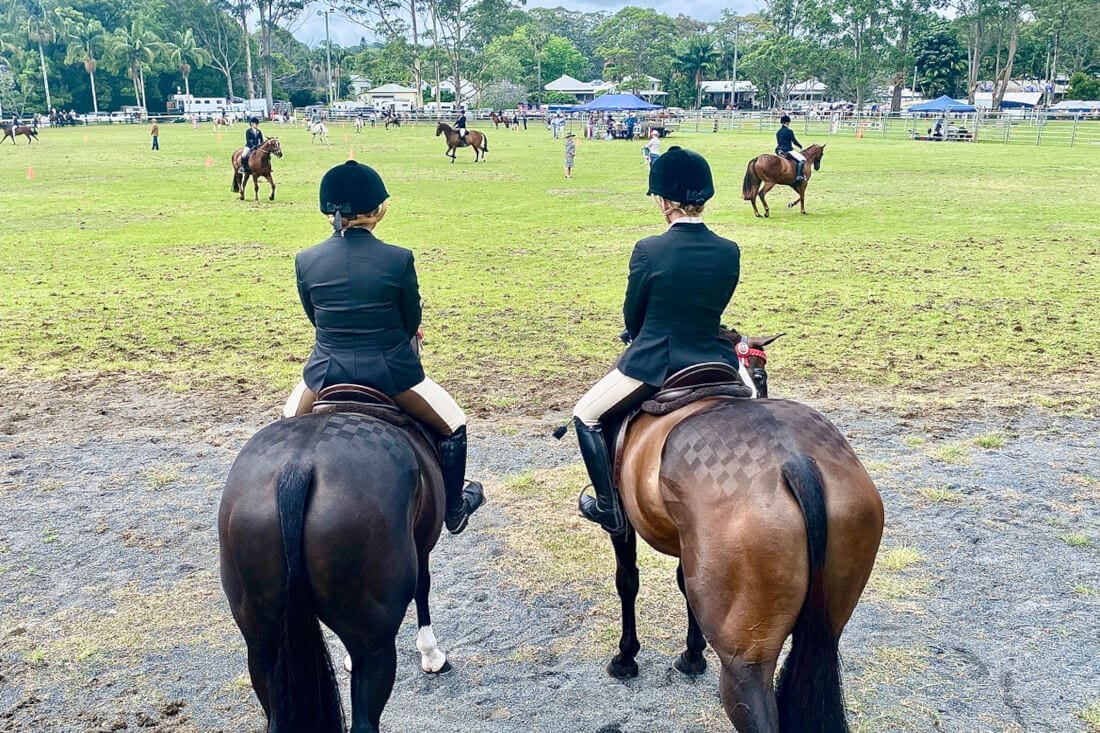
Managing horses at shows requires more than just athletic preparation — it requires careful attention to their physical and emotional well-being in a high-stress, unfamiliar environment.
Travel, stabling, and competition schedules can disrupt your horse’s routine, which increases stress and the risk of illness and injury. From subtle behavior changes to serious health concerns like infections or gastric ulcers, show-related challenges can impact your horse’s performance and welfare.
Understanding how horses respond to stress, maintaining strong biosecurity practices, and implementing thoughtful care routines before and after performing are all key elements of successful competition management.
Read on to learn practical, research-backed strategies for keeping your horse healthy, focused, and comfortable during shows—including tips for reducing stress, supporting gut health, minimizing disease risks, and managing recovery.
Whether you’re preparing for a local schooling show or an international event, these best practices can help ensure your horse performs at their best and returns home in peak condition.
Managing your Horse at a Show
Attending horse shows and competitions is an exciting and rewarding part of the equestrian lifestyle, offering opportunities to test skills, build partnerships with your horse, and connect with the larger equine community.
However, horses are highly sensitive to changes in their surroundings. Disruptions to their normal feeding, turnout, and exercise schedules can increase stress and anxiety.
Transport to and from the show may contribute to digestive issues, dehydration, and fatigue, while long hours in stalls with limited movement can lead to restlessness, boredom, and even stereotypic behaviors.
Additionally, horses are exposed to a higher risk of infectious diseases at shows due to close contact with other animals and shared facilities, making strong biosecurity measures essential.
Weather conditions, noise, crowd activity, and the physical demands of competition add further complexity to show management. Riders must also be attentive to recovery and post-performance care, ensuring that muscles, joints, and overall body condition are properly supported.
Managing these challenges requires a proactive approach:
- Reducing stress during transportation and competition
- Following strict biosecurity practices to protect your horse and others
- Providing stall enrichment or hand-walking when turnout isn’t available
- Supporting gut and immune health through proper nutrition
- Establishing pre- and post-ride routines to support your horse’s performance and recovery
The following sections will outline science-based strategies to help you keep your horse healthy, comfortable, and performing at their best throughout their showing career.
Stress
Understanding how horses respond to stress is key to managing their welfare during shows. Stress can manifest physiologically in horses through increased heart rate and elevated cortisol levels. Behavior changes like weaving or aggression may also indicate stress.
While acute stress may cause temporary physiological changes like elevated heart rate, chronic stress can lead to more serious health concerns including: [1]
- Weight loss
- Suppressed immunity
- Digestive issues, including gastric ulcers and colic
- Stereotypic behaviors
Each horse has a unique way of coping with new environments, and recognizing their individual patterns can help improve their performance and welfare at competitions.
Transportation Stress
Ensuring your horse’s well-being at horse shows begins with minimizing stress during transport to the competition.
Digestive issues such as gastric ulcers are among the most common post-transport concerns. Horses are more susceptible to gastric upset while trailering due to reduced forage intake and increased cortisol levels. [1][2]
Research shows that feeding horses before long distance travel can help maintain gut health and may reduce the risk of Equine Gastric Ulcer Syndrome (EGUS). [3]
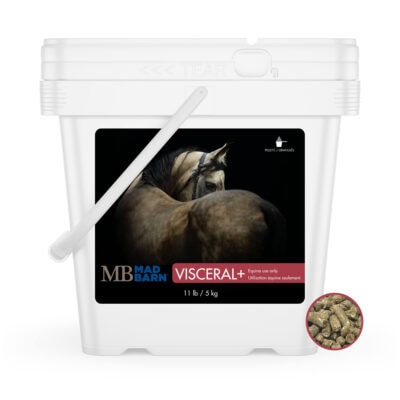
To further support digestion, consider supplements with probiotics, yeast cultures, immune nucleotides, and lecithin, which promote a healthy gastrointestinal barrier. [3] Mad Barn’s Visceral+ is a pelleted formula designed to support gastric health and immune function.
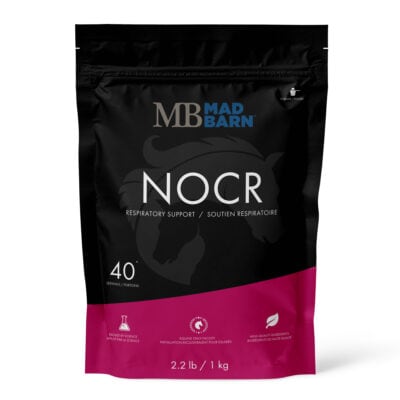
Shipping fever is a respiratory infection that can develop when horses are transported long distances, often due to stress, dehydration, and inhaling dust or bacteria in poorly ventilated trailers.
To support respiratory health, ensure good trailer ventilation, allow the horse to lower its head to clear airways, provide frequent rest stops, and keep the horse hydrated. Supplements with antioxidants, omega-3s, or herbal extracts like spirulina and jiaogulan may also help maintain lung function and immune defense.
To help horses adjust after transportation to the show, provide immediate access to forage and fresh water. When traveling for a competition, aim to arrive at least four hours before exercise begins to allow stress levels to normalize.
Studies show that horses become more comfortable and engage in exploratory behavior about four hours after arrival to a new environment. [1]
Monitoring
Once your horse has arrived at the competition and settled in, the next step is to watch for signs of stress that may affect behavior, performance, and health.
Common signs of stress in horses include: [4]
- Teeth grinding
- Aggression
- Excessive sweating
- Flared nostrils
- Hypervigilance or changes in sleeping patterns
- Trembling
- Increased heart or respiratory rate
- Resistance under saddle or while handling
- Poor social interaction with other horses
- Stereotypies such as weaving or cribbing
Horses thrive on routine, so keep their feeding times and daily care activities consistent while at the show to reduce disruptions and prevent unnecessary stressors or digestive upset.
What's your top priority with your horse's health?

What's your top priority with your horse's health?
Biosecurity
Horse shows present unique biosecurity challenges because horses are exposed to large numbers of unfamiliar animals, shared facilities, and high-traffic areas. Contagious diseases such as equine herpesvirus, strangles, and equine influenza can spread quickly through direct contact, shared water sources, grooming tools, or even handlers moving between horses.
Biosecurity measures include specific actions and protocols designed to minimize the spread of equine diseases. [5]
Effective biosecurity practices can greatly reduce the risk of illness in your horse, though not all infectious agents can be completely avoided. Ideally, horses travelling away from their home facility should be quarantined upon arrival. However, this may not always be possible if they travel frequently. [5]
Consider the following biosecurity measures to reduce the risk of cross-contamination and disease to your horse: [5][6]
- Isolate exposed horses: Avoid traveling with any horses that may have been exposed to an infectious disease until a veterinarian confirms they are non-infectious.
- Disinfect show stalls: Thoroughly clean any stalls your horse will use at the show with disinfectant. Clean all non-porous surfaces like varnished wood, metal, painted concrete, asphalt, poured textured floors, and stall mats.
- Replace used bedding: Remove any existing bedding materials from show stalls and replace with clean bedding, ideally the same type your horse is accustomed to at home.
- Limit direct horse contact: Prevent your horse from making nose-to-nose contact with other horses and do not allow drinking from shared water sources.
- Bring personal water and feed equipment: Use your own water buckets and feed pans to avoid contamination from communal items.
- Protect feed from contamination: Store feed in sealed, rodent-proof containers and promptly clean up spilled feed to deter pests.
You can also take steps to support your horse’s immune system and protect them against exposure to foreign pathogens.
Strategies to support your horse’s immune system include: [5][6]
- Vaccination: Consult your veterinarian to develop a vaccination plan tailored to your horse’s health history, travel frequency, discipline, and location. Stay up-to-date on all vaccinations and Coggins testing.
- Preventive veterinary care: Keeping up with routine veterinary check-ups, dental floatation, and lameness exams help prevent illness and injuries. Address even minor health concerns before traveling so you are confident your horse can handle the demands of a show environment.
- Proper nutrition: A well-balanced diet is essential for proper immune function. Ensure your horse receives adequate zinc, lysine, and other vitamins and minerals to support overall immune system health.
- Stress management: Minimize stress from trailering, competition, and intense exercise, leading up to show day as it can weaken a horse’s immune system and make them more susceptible to illness.
- Rest and Recovery: Avoid traveling to competitions if your horse shows any signs of illness. Competing while unwell puts them at greater risk of secondary infections and increases the chance of spreading disease to other horses.
Turnout, Exercise & Stall Enrichment
During shows, your horse may be kept in a single stall with limited room for movement, which can lead to frustration or restlessness. [7] If possible, include turnout sessions while at horse shows.
Allowing horses regular access to paddocks for free exercise not only improves their well-being, it provides an opportunity for active recovery, which is low-intensity exercise performed after intense exertion during show days. While active recovery has not been as widely studied in horses as humans, it likely has similar benefits including improved clearance of metabolites and reduced muscle soreness after intense exercise. [8]
If the event site does not have options for turnout, hand walking is a great alternative. Hand walking horses before and after competition provides opportunities for grazing, mental stimulation, and free movement outside of a stall environment. [7]
While your horse is stalled, a Multiple Forage (MF) diet made up of three long-chop and three short-chop forages, can enrich their environment at shows. Unlike a Single Forage (SF) diet, the MF diet creates a browsing opportunity in an enclosed space. Browsing keeps the horse engaged and foraging longer, supporting digestive health and overall well-being. This approach might help alleviate mental and physical strain and improve horse health and performance while stabled at shows. [9]
The use of a hay net may also help with mental enrichment and digestive health when being stalled at a show. Hay nets provide a slower method of feeding, which can decrease boredom when stalled and help maintain your horse’s body condition score. [10]

Nutrition & Calming Supplements
A balanced, forage-based diet is the foundation for keeping horses focused and relaxed at competitions. Meeting vitamin and mineral requirements, particularly B vitamins, magnesium, and trace minerals, supports nerve and muscle function, helping maintain a calm demeanor.
Horses in competition have higher nutrient demands, making it important to provide a well-formulated ration balancer or vitamin mineral supplement, especially if forage quality or show-day feeding routines are inconsistent.
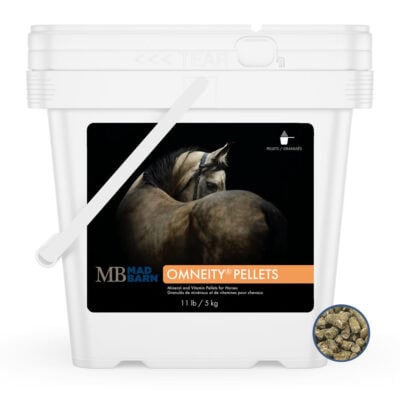
Mad Barn’s Omneity® is a complete vitamin and mineral balancer that supports overall health and performance by addressing common nutritional gaps in equine diets. It provides optimal levels of B vitamins, magnesium, zinc, copper, and selenium to aid hoof health, immune function, physical performance and the nervous system.
If your horse needs extra energy in their diet, avoid grain-based feeds with high levels of sugar and starch, which can contribute to excitability and hot behavior. Instead, choose high-quality forage and fat- and fiber-based feeds that provide cool calories for your show horse.
Offering free-choice hay, turnout, and hand walking often help reduce anxiety. Horses that are inexperienced or more reactive at shows may need additional support, and some owners use calming supplements alongside these management practices. [11][12][13]
When choosing a calming supplement for your horse, it’s important to research the product’s ingredients and their effectiveness. Also ensure the product is not on the Fédération Equestre Internationale’s (FEI) banned substance list for your competition.
Many calming ingredients lack sufficient scientific research to confirm their effectiveness in horses. While anecdotal evidence supports some ingredients, rigorous studies are still needed. [14] For example, Alpha-casozepine, a casein peptide, has research showing a calming effect in a small study with feral ponies. [14]
Tryptophan, a commonly used amino acid in calming supplements, is believed to work by increasing serotonin levels in the brain. However, research has not shown a consistent calming effect, and it may even have a mild stimulating impact in some horses. [15]
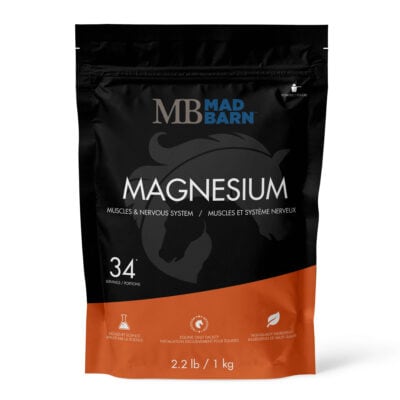
Magnesium, another popular ingredient in calming supplements, may help reduce reactivity in horses by supporting normal nerve function and mood regulation. Magnesium may have a calming effect when given intravenously, but evidence on oral supplementation is limited, particularly in horses without a deficiency. [16]
Pre-Ride Preparation
A consistent pre-ride routine can help you and your horse stay comfortable, focused, and relaxed on show day.
Start by thoroughly grooming your horse to remove dirt and debris that could cause chafing under tack. Taking time to groom also allows you to check for cuts, swelling, or sore spots before the ride.
Research suggests that grooming mimics natural social behaviors in horses, which can lower heart rate and encourage relaxation. [17]
Incorporating stretching exercises into your warm-up can further prepare your horse for competition. Stretching helps improve your horse’s range of motion, flexibility, and posture while supporting soft tissues, which can reduce the risk of injury. There are two main types of stretching:
- Dynamic stretching: Controlled leg movements or carrot stretches that encourage bending and reaching are best for warming up before activity, increasing circulation and range of motion.
- Static stretching: Gently holding the leg or neck in a stretch is better suited to cool-downs or as part of a regular conditioning program, helping maintain long-term flexibility and posture.
Stretching regularly is particularly valuable for performance and stalled horses, helping to maintain mobility and prevent muscle tightness from both overuse and underuse. [18]
Post-Ride Recovery & Support
Helping your horse recover after exercise is just as important as the workout itself. A well-rounded post-ride routine supports muscle repair, regulates body temperature, reduces inflammation, and helps restore electrolyte balance.
A comprehensive recovery plan might include a structured cooldown, methods to physically cool the body, supportive leg wraps, electrolyte replenishment, and the use of poultices. Each of these steps plays a role in restoring your horse’s comfort and performance-readiness.
Exercise Cooldown
After intensive work, a proper cooldown helps horses quickly recover and return to peak performance. The purpose of the cooldown period is to gradually lower exercise intensity, helping to redistribute blood flow, remove ionized lactate from muscles, and cool the body through heat loss.
Horses that walk or trot for 15 – 30 minutes after intense exercise recover faster than those that only rest, with trotting being the most effective for clearing metabolites and reducing muscle fatigue after high-intensity exercise. [19]
Physical Cooling
Exertional heat illness (EHI) in horses can result from strenuous exercise in hot and humid conditions. It’s important to manage your horse’s body temperature during performance and adjust appropriately for weather conditions.
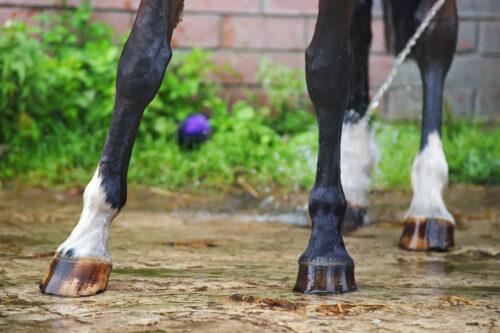
Using cold water and scrapers is a popular method for helping horses cool down after performance. While all forms of cooling are beneficial, one study evaluated three cooling methods post-exercise: [20]
- No water application
- Cold water only
- Cold water with scraping
The results showed that both cold water methods significantly reduced the horses’ central venous and rectal temperatures compared to no water application. Between the two water methods, cold water application without scraping was more effective at lowering body temperature.
Importantly, the research showed that continuous water application is more effective for cooling horses than relying on sweat evaporation when trying to prevent EHI. [20]
Cold Therapy
Cold therapy helps manage swelling and pain by lowering tissue temperature and restricting blood flow to the affected area. This is typically done by immersing the horse’s leg in ice water or applying ice boots or cold wraps.
The cooling effect causes blood vessels to constrict, which limits fluid buildup and reduces inflammation. Adding gentle compression can further enhance these effects by preventing excess fluid accumulation. [22]
Electrolytes
Horses lose significant amounts of electrolytes — primarily sodium, chloride, and potassium — through sweat during exercise, especially in hot or humid conditions. These minerals are essential for maintaining proper hydration, nerve transmission, and muscle function, so they must be replenished after work.
You can estimate your horse’s electrolyte and fluid needs with Mad Barn’s Equine Electrolyte & Sweat Loss Calculator. This tool factors in your horse’s weight, exercise duration, and temperature conditions to predict sweat losses and help determine how much electrolytes and water are needed for proper recovery.
Always provide your horse with free access to fresh water and loose salt to support normal drinking behavior and fluid balance. [21]
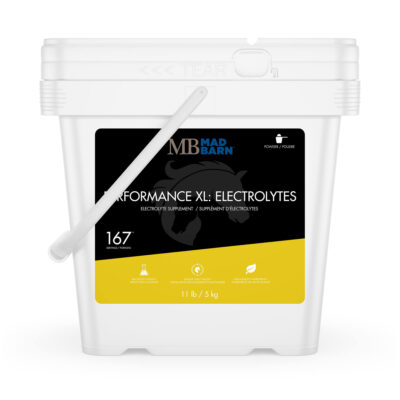
Mad Barn’s Performance XL Electrolytes is formulated to replace the key minerals lost in sweat. It also includes antioxidants such as vitamin E and vitamin C to support muscle function and aid post-exercise recovery.
Topical Support
Leg wraps are commonly used in the equestrian community to provide light compression, which may help manage mild swelling by supporting lymphatic drainage. However, improper wrapping can do more harm than good. Wraps should be applied evenly, not too tight, and removed regularly to avoid restricting blood flow. [23]
Sweat bandages involve applying a topical substance, such as epsom salts or a poultice, then covering the area with plastic and a wrap. These bandages are traditionally used to help reduce localized swelling, but scientific evidence is limited, and misuse can lead to skin irritation or circulation problems. They should never be left on for more than 12 hours. [24]
Liniments are topical products often used after exercise to provide a cooling or warming sensation. Ingredients like menthol may create a temporary soothing effect, but research on whether they significantly improve circulation or recovery is inconclusive.
Always remember that topical treatments are supportive care only and should not replace proper veterinary evaluation. If your horse shows persistent swelling, heat, or lameness after competition, consult your veterinarian for an evaluation.
Frequently Asked Questions
Here are some frequently asked questions about managing your horse at a show:
Horses at competitions face risks such as stress, dehydration, digestive upset, and exposure to infectious diseases. Standing in stalls for long periods can lead to stiffness or stocking up, while frequent travel increases the risk of gastric ulcers and shipping fever. Good biosecurity, proper nutrition, hydration, and post-exercise care help reduce these risks.
To reduce the risk of disease at horse shows, implement strong biosecurity protocols. These include disinfecting show stalls, avoiding shared water sources, bringing your own feed and water containers, and preventing nose-to-nose contact with unfamiliar horses. [5][6]
Digestive issues are common during transport due to stress and reduced forage, increasing the risk of gastric ulcers. Feeding before travel and using Mad Barn's Visceral+ supplement with probiotics, yeast, nucleotides, and lecithin can help maintain stomach and immune health. [1][3][4]
If turnout is limited during shows, use hand walking and stall enrichment to mimic natural behaviors. Offer varied forages and use hay nets to slow feeding, reduce boredom, and support digestive health. These strategies help maintain your horse’s physical and mental well-being while stalled at a horse show. [9][10]
Summary
Managing horses at shows means protecting their health and comfort by reducing stress, keeping them hydrated and properly fed, and preventing injury or illness. Consistent feeding and exercise routines, good biosecurity, proper transport care, and recovery practices like cooldowns, stretching, and stall enrichment are essential.
- Reduce stress with turnout, hand walking, and stall enrichment to keep horses relaxed and focused.
- Follow strict biosecurity to prevent disease when exposing horses to new environments and other horses.
- Support recovery with cooldowns, electrolytes, and therapy methods such as ice boots or wraps.
- Addressing these key areas helps horses stay healthy and perform at their best in competition.
References
- Budzyńska. M., Stress Reactivity and Coping in Horse Adaptation to Environment. Journal of Equine Veterinary Science. 2014.
- Nadeau. J. A. et al., Evaluation of Diet as a Cause of Gastric Ulcers in Horses. American Journal of Veterinary Research. 2000.
- Gharehaghajlou. Y. et al., Effects of Transport and Feeding Strategies Before Transportation on Redox Homeostasis and Gastric Ulceration in Horses. Journal of Equine Veterinary Science. 2023.
- Malinowski, K., Stress Management for Equine Athletes. Equine Science Center. 2004.
- Flynn. K. A. et al., Biosecurity at Equine Events. Journal of Equine Veterinary Science. 2012.
- General Biosecurity Guidelines. AAEP Resource Library. 2022.
- Werhahn. H. et al., Temporary Turnout for Free Exercise in Groups: Effects on the Behavior of Competition Horses Housed in Single Stalls. Journal of Equine Veterinary Science. 2011.
- Martínez-Gómez. R. et al., Comparison of Different Recovery Strategies After High-Intensity Functional Training: A Crossover Randomized Controlled Trial. Frontiers in Physiology. Frontiers Media SA. 2022.
- Thorne. J. B. et al., Foraging Enrichment for Individually Housed Horses: Practicality and Effects on Behaviour. Applied Animal Behaviour Science. 2005.
- DeBoer. M. et al., Effect of Hay Nets on Horse Bodyweight, Body Condition Score, Hay Usage, and Dental Health in Mature Adult Horses. Journal of Equine Veterinary Science. 2024.
- Bartolomé. E. and Cockram. M. S., Potential Effects of Stress on the Performance of Sport Horses. Journal of Equine Veterinary Science. 2016.
- Hothersall, B., Undesired Behaviour in Horses: A Review of Their Development, Prevention, Management and Association with Welfare. Equine Veterinary Education. 2012.
- Peters. M. N. and Richardson. C. T., Stressful Life Events, Acid Hypersecretion, and Ulcer Disease. Gastroenterology. 1983.
- McDonnell. S. M. et al., Calming Benefit of Short-Term Alpha-Casozepine Supplementation During Acclimation to Domestic Environment and Basic Ground Training of Adult Semi-Feral Ponies. Journal of Equine Veterinary Science. 2013.
- Bagshaw. C. S. et al., Behavioral and Physiological Effect of Orally Administered Tryptophan on Horses Subjected to Acute Isolation Stress. Applied Animal Behaviour Science. 1994.
- Sheldon. S. A. et al., Intravenous Infusion of Magnesium Sulfate and Its Effect on Horses with Trigeminal‐mediated Headshaking. Journal of Veterinary Internal Medicine. 2019.
- Feh, C. and de Mazières Grooming at a preferred site reduces heart rate in horses. Animal Behaviour. 1993.
- Frick. A., Stretching Exercises for Horses: Are They Effective?. Journal of Equine Veterinary Science. 2010.
- Kang. O.-D. et al., Effects of Cooldown Methods and Durations on Equine Physiological Traits Following High-Intensity Exercise. Livestock Science. 2012.
- Kang. H. et al., 22 Comparison of Post-Exercise Cooling Methods in Horses. Journal of Equine Veterinary Science. 2021.
- Lindinger. M. I., Oral Electrolyte and Water Supplementation in Horses. Veterinary Sciences. 2022. View Summary
- Jacobs. C. C. et al., Efficacy of a Commercial Dry Sleeve Cryotherapy System for Cooling the Equine Metacarpus. Veterinary surgery: VS. 2022. View Summary
- Schell, T., Stocking Up and Lymphedema in the Horse Is a Real Pain in the Leg. Nouvelle Research. 2015.
- Bastos. C. M. et al., Assessment of Clayey Peloid Formulations Prior to Clinical Use in Equine Rehabilitation. International Journal of Environmental Research and Public Health. 2020. View Summary