English


Moodiness in mares has long been a topic of discussion among horse owners, often leading to misconceptions about their behavior. Scientific research has shed light on the true causes behind moody mare behavior, debunking several myths and providing insights into managing temperamental variations.
Some signs of moodiness in female horses are related to the estrous cycle, including behavioral changes, increased sensitivity, and restlessness. However, other factors including pain and environmental stress can also result in behaviors that may be mistaken for moodiness.
Only an estimated 10% of moody behavior in mares results from hormonal changes, according to one research study which assessed the hormone profiles of 2,914 horses. Therefore, it’s important to determine if abnormal behavior in your mare correlates with her estrous cycle or is due to another factor.
Owners of moody mares often ask their veterinarians for options to manage hormone levels, hoping to minimize undesirable behaviors related to the estrous cycle. Strategies to suppress cycling in mares include progesterone, oxytocin injections, GnRH vaccination, and ovariectomy.
Although some mares may benefit from estrous suppression, providing regular veterinary care, feeding a balanced diet, and employing effective behavioral management strategies can help to promote positive behavior in all mares.
Common Myths About Moody Mares
The behavior of female horses is often labeled as moody or difficult, especially in comparison to geldings. This anthropomorphic stereotype, deeply ingrained in equestrian culture, can lead to misunderstandings and mismanagement of mare behavior.
In one survey study of 1,233 equestrians, mares were more likely to be attributed with traits such as “bad attitude” and “bossy,” while geldings were ascribed traits including “calm,” “reliable,” and “predictable.” [16]
However, these preconceptions are not backed by science and should be replaced with a more nuanced understanding of equine behavior. [16] Below, we address some of the most common myths about moody mares and discuss the reality behind these misconceptions.
Myth 1: Mares are Always Moody
Contrary to popular belief, not all mares exhibit moodiness. While some may display behavioral changes during their estrous cycles, the majority remain relatively unaffected.
Myth 2: Moody Behavior Results from a Bad Temperament
The perception that “hot” or moody behavior in mares is indicative of a bad temperament is misleading. Such behavior is often a natural, physiological response to a variety of internal and external stimuli, and should not be misinterpreted as a character defect or a personality trait.
Myth 3: Moody Mares Are Unmanageable
With proper understanding and management techniques, handling unwanted behavior in mares is entirely feasible. Training methods, consistent routines, nutrition, proper housing and environment, and appropriate veterinary care can help address underlying issues and reduce stress in your mare.
What's your top priority with your horse's health?

Enter your email to receive your store credit
Signs of Moodiness in Mares
Many different types of unwanted behaviors are characterized as moodiness in mares. While some of these behaviors may be related to the estrous cycle, others are not.
Regular monitoring and understanding the mare’s normal behavior patterns are crucial in identifying changes that might indicate moodiness related to the reproductive cycle.
Common signs of behavioral changes in mares include: [5]
- Irritability and Agitation: Mares can become more irritable and easily agitated. They may pin their ears, swish their tails frequently, or exhibit aggression towards other horses or humans.
- Unpredictable Behavior: Sudden changes in behavior that are not typical for the mare can indicate moodiness. She may be calm and cooperative one moment and then suddenly become resistant or difficult to handle.
- Increased Sensitivity: Mares might display heightened sensitivity during their estrous cycle. They may react strongly to grooming tools, saddle fitting, or being touched in certain areas.
- Restlessness: Some mares may exhibit restlessness, pacing, or increased movement.
- Poor Focus and Concentration: A moody mare might have difficulty focusing during training sessions and become easily distracted.
- Refusal or Reluctance to Work: Behavioral changes can include a reluctance to work or perform certain tasks, such as riding, jumping, or training exercises.
- Changes in Social Interaction: Mares may exhibit changes in their socialization with other horses, becoming more dominant or standoffish.
- Vocalization: Increased vocalization or changes in the frequency or tone of their sounds can also be a sign of moodiness, especially if out of character for the individual mare.
- Exaggerated Estrous Signs: Some mares may display exaggerated signs of estrus, including excessive urination, winking of the vulva, or flirtatious behavior towards other horses.
Owners and handlers should carefully document changes in a mare’s behavior or performance over time before seeking veterinary assistance with addressing moody behavior.
Signs of Estrus
A survey of equine veterinarians noted the most common clinical symptom of estrus was a change in attitude. [5]
During estrus, behaviors such as frequent approaches to the stallion, leaning hindquarters towards the stallion, relaxed facial muscles, a slightly lowered head, ears turned to the side, posturing, clitoral eversion, and passive urination are observed. [6]
Signs such as kicking, tail swishing, or a negative attitude may be linked to the diestrus phase of the estrous cycle. [6]
Causes of Moody Behavior
Behavior that is often labeled as moodiness in mares can stem from a variety of causes, encompassing environmental, social, physical, and physiological factors.
Environmental Factors
Environmental stressors can affect a mare’s mood and result in unwanted behavior. Moody behavior may be a sign that something in your horse’s lifestyle, environment or management needs to change to improve her well-being.
Environmental factors that can influence your horse’s behavior include:
- Housing and Space: Your mare’s living conditions, including turnout areas, stall size, cleanliness and activity in her surroundings play a significant role in her mental and physical health. Overcrowding or confined spaces can lead to discomfort and stress.
- Grazing Opportunities: Access to adequate grazing is key to a horse’s physical and mental health. Grazing allows natural foraging behavior, promoting digestive health and reducing stress. Limited or poor-quality grazing can lead to nutritional deficiencies and increase the likelihood of stereotypic behaviors.
- Climate and Weather Conditions: Exposure to precipitation and extreme temperatures can affect a horse’s behavior. Adequate shelter and weather-appropriate care are essential.
- Routine and Consistency: Horses thrive on routine. Sudden changes in daily schedules or inconsistent handling can lead to unwanted behaviors.
- Stimulation and Enrichment: Mental stimulation is important for a mare’s well-being. Environments lacking in sensory stimulation can lead to boredom and frustration, potentially resulting in stereotypic behaviors.
Providing your horse with a species-appropriate lifestyle, adequate housing and grazing opportunities can help to address moody behavior.
Other factors can also impact your mare’s behavior. Working with an equine behaviorist can help you identify environmental stressors contributing to behavioral issues.
Social Factors
Horses evolved as social animals and changes in herd dynamics can significantly impact behavior. Inadequate socialization can contribute to stress and anxiety, potentially resulting in behavior that is labeled as “moody”.
- Isolation: In the wild, horses form stable groups usually consisting of a dominant stallion and multiple mares with their offspring. Strong social bonds provide protection and security. Keeping mares isolated from other horses can lead to loneliness and stress, manifesting in moody behavior.
- Hierarchy Changes: The introduction or removal of a horse from the herd can disrupt social hierarchies. Regular changes in herd composition prevent the formation of social bonds, causing stress behaviors in mares.
- Overcrowding: Overcrowded conditions can increase competition for resources and space, leading to increased stress and potential aggression.
- Low Social Status: Mares may become moody or withdrawn if they are bullied or harassed by more dominant horses in the herd. Mares who are lower in the herd hierarchy may have less access to resources, such as feed and water.
- Mare and Foal Separation: Separating a mare from her foal prematurely or in a stressful manner can cause significant emotional distress and mood changes.
Social factors also impact the expression of reproductive behavior in mares related to the estrous cycle. [9] The presence of a stallion or a dominant mare can change how natural mating behaviors are displayed. [9]
Pain or Discomfort
Unwanted behavior in mares is sometimes mislabeled as moodiness, when it may actually be a manifestation of underlying pain or discomfort. This misperception can overlook the need for veterinary attention or changes in care.
- Change in Temperament: Physical discomfort or pain, such as reproductive issues, uterine infections, digestive problems, or musculoskeletal conditions, may contribute to mood swings and behavioral changes in mares. [5][7] This can manifest as irritable, aggressive, or uncooperative behavior.
- Avoidance Behavior: A mare in pain might start avoiding certain activities that exacerbate her discomfort, such as running, jumping, or even regular movement. This avoidance can appear as stubbornness or unresponsiveness.
- Sensitivity to Touch: A mare experiencing pain may react negatively to touch in certain areas. This could include flinching, moving away, or girthiness when a painful area is approached or touched.
- Reduced Performance: Symptoms of pain may result in a decline in performance or reluctance to perform. This behavior may be mistakenly labelled as moodiness when it should actually be attributed to another cause, such as colic, gastric ulcers, or a musculoskeletal injury.
Some mares experience irritability due to pneumovagina, a condition that causes vaginal irritation. For these mares, a Caslick’s procedure which surgically closes the upper part of the vulva, can alleviate discomfort. [8]

Hormonal Fluctuations
Like human females, mares experience hormonal fluctuations, particularly during their estrous cycles. Changes in estrogen and progesterone levels during a mare’s reproductive cycle can influence their behavior, potentially resulting in signs of moodiness.
The mare’s estrous or reproductive cycle typically lasts around 21 to 23 days and comprises two main phases, estrus and diestrus. [1][2]
- Estrus is the shorter phase of the estrous cycle, which lasts for five to seven days. During estrus, mares are receptive to breeding and are referred to as in heat. [2]
- Diestrus is the longer phase of the estrous cycle, which lasts 14 to 16 days. During diestrus, mares are not receptive to breeding and are considered out of heat.
The estrous cycle prepares the reproductive tract for the development and fertilization of an egg, as well as the maintenance of pregnancy should conception occur. Hormones produced in the pituitary gland, ovaries, and uterus, regulate each stage of this cycle.
Around 80% of maiden mares experience seasonal polyestrous cycles, which means they have heat cycles during specific seasons, usually starting when daylight hours increase, temperatures rise, and nutrition improves. [3]
Anestrus, the non-reproductive phase experienced by seasonal polyestrous mares, occurs in fall and winter when daylight decreases. In anestrus, the mare is unresponsive to a stallion’s advances, and her ovaries diminish in size and activity.
Mares may exhibit undesirable behaviors associated with changes in reproductive hormones during any portion of their estrous cycle. In such cases, the owner might observe difficulties in training or riding and other abnormal behaviors, which often correspond to various stages of the cycle.
Testosterone
Research shows that some behavioral changes in mares are attributed to increased testosterone levels during the reproductive cycle. One study found that the manifestation of stallion-like behavior in mares was linked to a temporary surge in circulating testosterone levels. [10]
However, another study challenged the belief that misbehavior among mares is predominantly due to increased hormone levels.
Researchers analyzed the hormonal profiles of 2,914 mares referred to the UC Davis Clinical Endocrinology Laboratory and the Equine Reproduction Service. These mares had case histories containing terms such as “behave,” “behavior,” or “behaving.”
Researchers examined the data to determine any connections between reported abnormal behaviors and concentrations of ovarian hormones, particularly testosterone. The study revealed that abnormal behaviors, categorized as misbehavior, were associated with increased hormone levels in fewer than 10% of the examined samples.
Notably, only behaviors resembling stallion-like conduct such as vocalizations, biting, and mounting other horses showed a correlation with elevated hormone concentrations. In contrast, instances of aggression and other abnormal behaviors were significantly less likely to be linked with heightened hormone levels.
This suggests that factors other than elevated hormone levels, such as pain, discomfort, or environmental stressors, could be the primary drivers behind the majority of abnormal behaviors observed in mares.
Diagnosis
Diagnosing the root cause of moody behavior in mares is often a process of elimination while considering factors that contribute to behavioral changes.
Behavioral Observation
Horse owners and caretakers should monitor the mare’s behavior over time, noting any alterations in temperament or patterns of behavior. Observations include changes in interaction with other horses, response to handling, irritability, agitation, or sensitivity.
Reproductive Cycle Evaluation
Tracking the mare’s estrous cycle and noting the signs of estrus (heat) can help correlate behavioral changes with hormonal fluctuations.
Veterinary Check-Up
A thorough veterinary examination is essential to rule out any underlying health issues contributing to moodiness. The veterinarian will assess the mare’s overall health, checking for signs of pain, discomfort, or any physical conditions that might influence behavior.
Reproductive Health Evaluation
For mares displaying extreme mood swings or persistent behavioral changes, a reproductive health evaluation may be recommended. This can involve assessing the reproductive system for abnormalities, hormonal imbalances, or issues affecting fertility.
Management Assessment
Gathering information about the mare’s history, management, activity, and current living conditions can provide context for the observed behavior. Changes in environment, diet, training routines, or herd dynamics may affect behavior in mares.
Professional Consultation
Consulting with an equine behaviorist can offer additional insights into a mare’s behavior. These professionals can provide expert guidance on managing moodiness and implementing behavior modification techniques.
Diagnostic Testing
In certain cases, additional diagnostic tests or procedures may be required to rule out specific medical conditions or hormonal imbalances. This may involve blood tests, hormone level assessments, ultrasound imaging of the reproductive organs, or other specialized tests.
Treatment
Treating moody behavior in mares requires a multifaceted approach. It’s crucial to thoroughly investigate the causes of a mare’s behavior, ruling out environmental factors and medical issues before attributing moodiness solely to the estrous cycle.

“Mares aren't moody on a whim—they're often responding to hormonal shifts just like humans do. Simple management steps including consistent turnout, a balanced diet low in excess sugars, and a calm handling routine can go a long way to support your mare. Building a predictable daily routine and monitoring your mare's cycle can help keep you and your mare happy and working well together.”
— Dr. Madison Ricard, DVMMad Barn Veterinary Educator
Upon identifying the underlying causes, addressing them with a combination of veterinary care, environmental management, and behavioral training can lead to significant improvements.
Should moody behavior be attributed to hormone fluctuations, hormonal therapy aimed at regulating the estrous cycle could be a viable treatment option.
Management Strategies
Understanding and addressing the causes behind mood swings is key to fostering a positive relationship with your mare. Here are some tips for effectively managing a moody mare:
Environmental Enrichment
Provide a comfortable living environment and mental stimulation to prevent boredom. Adequate shelter, access to pasture, interaction with other horses, and enrichment activities can positively impact her mood.
Regular Exercise and Turnout
Adequate exercise and turnout contribute significantly to a mare’s mental and physical well-being, reducing stress levels and promoting a more balanced temperament.
Consistent Routine
Horses thrive with consistency. Establish a predictable routine for your mare, including feeding, exercise, grooming, and rest.
Behavioral Training
Implementing consistent training methods can help with behavior modifications. Building a trusting relationship through groundwork, desensitization exercises, and positive reinforcement can enhance her overall temperament.
Handling and Bonding
Invest time in bonding activities with your mare, such as regular grooming sessions. Approach and handle your mare with patience and gentleness, especially when she is displaying abnormal behavior. Avoid escalating situations and give her space when needed.
Nutritional Management
Proper nutrition plays a key role in supporting overall health and mood balance. Ensure your mare receives a balanced, forage-based diet that meets her nutritional requirements. Consult with an equine nutritionist to formulate an appropriate feeding plan.
Dietary Supplements
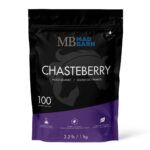
Some moody mares benefit from chasteberry, an herbal supplement that supports normal hormone regulation and pituitary gland function. [15] It is commonly given to mares to promote a balanced temperament.
Veterinary Care
Mood swings can sometimes indicate underlying health issues or discomfort. Regular veterinary check-ups and addressing any medical concerns promptly are essential for maintaining your mare’s well-being.
Professional Assistance
If your mare’s mood swings persist or become challenging to manage, seek guidance from an equine behaviorist, trainer, or veterinarian specializing in horse behavior. They can provide tailored advice based on your mare’s specific temperament and needs.
Estrus Suppression
In some cases, managing behavioral issues in mares may require treatment to control hormone fluctuations. Your veterinarian may prescribe hormonal therapies, to regulate or suppress the estrous cycle.
Treatments commonly used to suppress estrus include progesterone, oxytocin, GnRH vaccination or surgical removal of the ovaries.
Progesterone
Progesterone administration is a common method for keeping mares in diestrus, effectively inhibiting heat cycles. [8]
The most frequently used medication for this purpose is oral altrenogest (Regu-Mate). However, Regu-Mate administration might cause muscle soreness in some mares. [8][11]
While effective, it is very important if using Regu-Mate to read the precautions and warning label. Severe adverse reactions have been reported in humans who have absorbed Regu-Mate through their skin, particularly in women. [18]
Injectable forms of progesterone are also available and commonly used to suppress estrus. [8]
Oxytocin Injections
Intramuscular injections of oxytocin, administered post-ovulation, have been shown to successfully inhibit heat cycles in some mares for periods extending beyond 30 days. [8]
However, this approach to estrus suppression requires frequent injections to maintain its effectiveness.
GnRH vaccination
GnRH vaccination is another strategy to regulate estrus-associated behavior by reducing the secretion of steroid hormones.
This treatment involves injecting Gonadotropin-Releasing Hormone (GnRH) or its modified form, combined with an adjuvant to stimulate the production of GnRH antibodies. [12][11] These antibodies bind to the natural GnRH, preventing it from acting on pituitary receptors.
Consequently, the typical trigger for producing gonadotropins, such as luteinizing hormone (LH) and follicle-stimulating hormone (FSH), is reduced. This leads to a decrease in steroid hormone secretion, resulting in a reduction in estrus-related behaviors.
Currently, there is no approved GnRH vaccine in Canada or the USA. However, in Australia, Zoetis markets a GnRH vaccine under the brand name Equity, specifically for estrus suppression in mares. Some reported side effects include reactions at the injection site.
The response to this vaccination varies significantly among individual mares. Even with ovarian inactivity, some may continue to show signs of behavioral estrus. Older mares might need repeated vaccinations for the treatment to be effective.
There is also a risk of prolonged suppression of reproductive cycles or an inability to resume ovarian activity in some mares. Owners should be cautioned about potential outcomes and this vaccination should not be used in mares intended for future breeding purposes.
Ovariectomy
An alternative approach to preventing estrous behavior involves ovariectomy, the surgical removal of the ovaries. [11][13][14] This treatment is typically only used if other treatments have been unsuccessful.
Before electing ovariectomy for a mare, her behavior should be assessed during the entire estrous cycle. If a mare’s behavior is undesirable during out of heat periods, an ovariectomy might not alter her behavior post-surgery.
Ineffective Methods
Implanting a marble in the uterus during ovulation has been used as a method of estrus suppression to keep mares out of heat for up to 90 days. However, this method isn’t universally effective and poses a risk of side effects. [11]
Intrauterine infusion of plant oils including fractionated coconut oil and peanut oil are believed to induce a transient inflammation within the uterus that suppresses estrus. However, this method is unable to consistently inhibit estrus in mares. [11]
Frequently Asked Questions
Here are some frequently asked questions about moody mares:
Although mares are often labeled "bossy" or "unmanageable," only about 10% of behavioral changes are due to hormonal fluctuations. [17] Most mares do not exhibit moodiness outside of normal cycle-related behaviors, and temperament traits assigned to mares aren't supported by scientific evidence.
Moodiness stems from multiple sources including hormonal fluctuations, pain or discomfort, environmental stressors, or social dynamics.
Track her behavior over several cycles and note patterns relative to signs of heat (estrus). Work with your veterinarian to rule out pain or medical issues, and consider working with an equine behaviorist if you are having difficulty handling your mare.
Unproven or risky methods—such as uterine marbles or intrauterine oil infusions—lack consistent efficacy and may cause complications. Always discuss estrus-suppressing treatments with your veterinarian to choose safe, effective options.
Summary
- Mare behavior that is characterized as "moodiness" may result from hormonal fluctuations during the estrous cycle, but it may also be attributed to pain and discomfort, environmental influences or socialization.
- Understanding the underlying causes and dispelling myths surrounding their behavior is important for horse owners and equestrians.
- If your mare is displaying signs of moodiness, consult with a veterinarian to assess her health and determine any potential underlying causes.
- Changes in training and management can help to support your mare's well-being and minimize moody behavior. In some cases, veterinary intervention to suppress estrus behaviors may be beneficial.
References
- Giedt E., Hiney, K. Reproductive Management of the Mare. Oklahoma State University. Accessed: Dec. 06, 2023.
- Anatomy, physiology and reproduction in the mare. Ontario Ministry of Agriculture, Food and Rural Affairs. 2022.
- S. L. Crowell-Davis. Sexual behavior of mares. Hormones and Behavior. 2007 View Summary
- Hormonal Control of Estrus in Horses - Management and Nutrition. Merck Veterinary Manual.
- P. Pryor and A. Tibary. Management of Estrus in the Performance Mare. Clinical Techniques in Equine Practice. 2005.
- K. Hornberger, C. C. Lyman, E. Coffman, and G. R. Holyoak. Mares behaving badly: a review of methods for estrus suppression in the mare. Clinical Theriogenology. 2017.
- H. S. Thomas. Mares Behaving Badly: Is it Estrus or Something Else? The Horse. 2023.
- Bradecamp, E.A., Estrus Suppression. AAEP. 2010.
- C. S. Asa, Sexual Behavior of Mares. Veterinary Clinics of North America: Equine Practice. 1986.View Summary
- M. O. Gastal, E. L. Gastal, M. A. Beg, and O. J. Ginther, Stallion-like Behavior in Mares: Review of Incidence, Characteristics, Ovarian Activity, and Role of Testosterone. Journal of Equine Veterinary Science. 2007.
- Campbell, M. What are the options for oestrus suppression in mares? Veterinary Practice. 2018.
- I. Imboden, F. Janett, D. Burger, M. A. Crowe, M. Hässig, and R. Thun, Influence of immunization against GnRH on reproductive cyclicity and estrous behavior in the mare. Theriogenology. 2006. View Summary
- H. A. Roessner, K. A. Kurtz, and J. P. Caron, Laparoscopic Ovariectomy Diminishes Estrus-Associated Behavioral Problems in Mares. Journal of Equine Veterinary Science. 2015.
- D. T. Melgaard, T. S. Korsgaard, M. S. Thoefner, M. R. Petersen, and H. G. Pedersen, Moody Mares—Is Ovariectomy a Solution?. Animals (Basel). 2020. View Summary
- B. M. Dietz, A. Hajirahimkhan, T. L. Dunlap, and J. L. Bolton, Botanicals and Their Bioactive Phytochemicals for Women’s Health. Pharmacol Rev. 2016.
- Fenner, K. It's all about the sex, or is it? Humans, horses and temperament. Plos One. 2019.View Summary
- Huggins, L. Abnormal mare behaviour is rarely associated with changes in hormonal markers of granulosa cell tumours: A retrospective study. Equine Vet J. 2023. View Summary
- U.S. Food & Drug Administration Potential Health Risks to People Exposed to Altrenogest Products for Horses or Pigs. Product Safety Information.