Analyze Diet

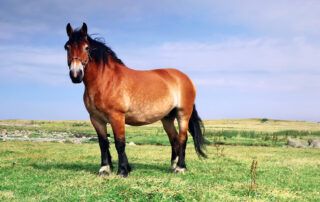
Ardennes Horse Breed Guide: Characteristics, Health & Nutrition

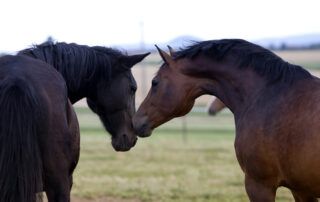
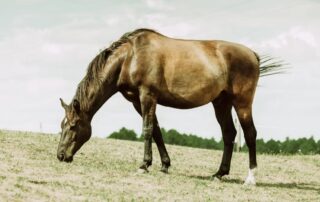
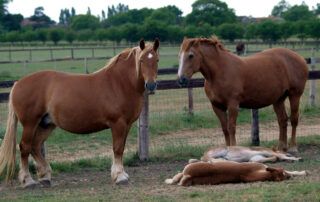
The Ardennes, or Ardennais, is one of the world's oldest and heaviest breeds of draft horses. These horses originate in the Ardennes region across France, Luxembourg, and Belgium. Modern Ardennes horses are recognizable by their massive stature. However, their heavy muscling and large size are associated with health problems common in many draft breeds.
Ardennes Horse Breed Guide: Characteristics, Health & Nutrition2026-07-31T11:51:02-04:00

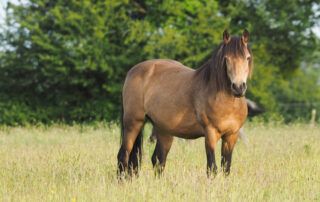
Connemara Pony Breed Guide: Characteristics, Health & Nutrition

The Connemara is a large pony breed native to Ireland. Their name is derived from the Connemara region in County Galway on Ireland’s west coast, which is where they originated. Legends abound regarding the origins of these Irish ponies. Although the precise history of the breed continues to be researched, the modern Connemara Pony unmistakably mirrors the rugged beauty of the landscape from which they hail.

Connemara Pony Breed Guide: Characteristics, Health & Nutrition2026-07-31T11:44:02-04:00

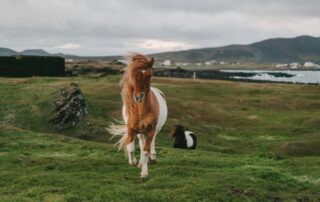
Icelandic Horse Breed Guide: Characteristics, Health & Nutrition

The Icelandic horse is a popular breed of small equine from Iceland that are famous for their unique tölt, a four-beat lateral gait. With over a thousand years of integration into Icelandic culture, these gaited horses are a beloved icon of their native country.

Icelandic Horse Breed Guide: Characteristics, Health & Nutrition2026-07-31T11:41:00-04:00

American Bashkir Curly Horse Breed Guide: Characteristics, Health & Nutrition

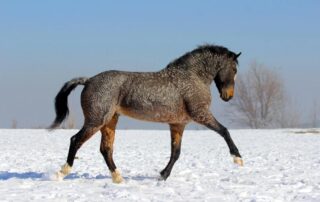
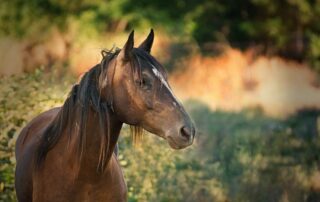
The Bashkir Curly Horse is a rare American breed with a unique coat texture and mysterious history. Also known as North American Curlies, the debate continues over the breed’s origins and its connection to curly horse populations globally. Indigenous tribes on the Great Plains rode Curly horses more than two centuries ago, and feral Curlies still roam alongside Mustangs in the American West. However, not all curly horse breeds share a common ancestry, and multiple genetic mutations can result in the curly hair phenotype.

American Bashkir Curly Horse Breed Guide: Characteristics, Health & Nutrition2026-08-18T20:35:20-04:00

Colorado Ranger Horse Breed Guide: Characteristics, Health & Nutrition

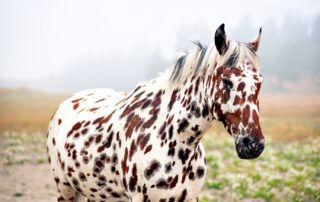
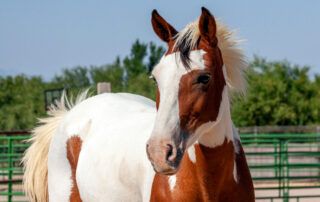
The Colorado Ranger is an American horse breed originating from the high plains of Colorado. Often described as the “using horse” of the high plains, Rangerbreds are versatile horses with a unique history. Colorado Ranger bloodlines trace back to horses that were gifted to Ulysses S. Grant, the Civil War General and 18th president of the United States.

Colorado Ranger Horse Breed Guide: Characteristics, Health & Nutrition2026-07-30T20:22:41-04:00

Case Study: Feeding Salt to a Horse with Anhidrosis

In early August 2023 in Ocala, Florida, a nine-year-old Appaloosa gelding began exhibiting symptoms of anhidrosis, the inability to sweat. This condition is particularly concerning in horses, as sweating is a primary means for them to regulate their body temperature and cool themselves down in hot weather.

Case Study: Feeding Salt to a Horse with Anhidrosis2026-07-30T20:20:32-04:00

Embryo Transfer in Horses for Breeding: Pros & Cons

Embryo transfer (ET) is an advanced reproductive technology that allows breeders to produce multiple offspring from a single mare in a given year. This procedure involves taking an embryo from a donor mare, and depositing it in the uterus of a recipient mare who carries the pregnancy to term. ET is becoming increasingly common in equine reproduction, and many equine veterinarians are able to perform the technique for horse breeders. However, embryo transfer requires extensive management of both the donor mare and the surrogate mare to have the greatest chance of pregnancy.

Embryo Transfer in Horses for Breeding: Pros & Cons2026-07-30T20:18:50-04:00

Equine Viral Arteritis in Horses: Symptoms, Diagnosis & Prevention

Equine viral arteritis (EVA) is a serious infectious disease that affects all equine species. EVA is particularly significant within breeding herds, as the disease causes abortion in up to 60% of affected pregnant mares. Many horses with equine viral arteritis do not show any signs of the disease. However, some horses display symptoms including a runny nose, cough, fever, and swelling of the lower limbs.

Equine Viral Arteritis in Horses: Symptoms, Diagnosis & Prevention2026-07-30T20:16:33-04:00

Top 7 Nutrient Deficiencies in Horses – [Signs & Symptoms]

Horses need a balanced diet to maintain optimal health. Ensuring adequate intake of vitamins and minerals is important for many physiological and metabolic functions. However, a diet consisting solely of forage will not provide your horses with all of their daily vitamin and mineral requirements.

Top 7 Nutrient Deficiencies in Horses – [Signs & Symptoms]2026-07-30T19:32:50-04:00

Konik Horse Breed Guide: Characteristics, Health & Nutrition

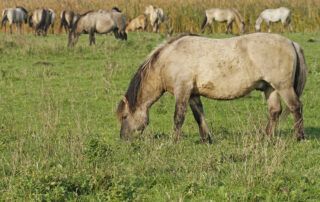
The Konik horse is a primitive pony breed from Poland. The name “Konik” translates to “small horse” in Polish, aptly describing the breed’s compact and sturdy stature. Koniks are easily recognizable by their mouse-gray coats and primitive markings. Conservation programs are dedicated to protecting the breed’s genetic diversity and preserving their ancient lineage.

Konik Horse Breed Guide: Characteristics, Health & Nutrition2026-07-29T18:13:10-04:00

Rocky Mountain Horse Breed Guide: Characteristics, Health & Nutrition

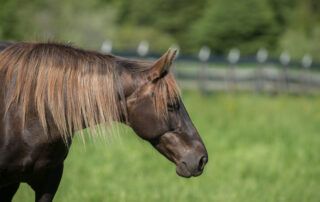
The Rocky Mountain Horse is a gaited American horse breed known for their rare silver dapple colouring. Contrary to their name, this breed originated in the Appalachian Mountains from a founding stallion imported from the Western United States. These horses can perform a distinct four-beat lateral gait called the single foot. Their smooth movement made them efficient for traversing the rough terrain of eastern Kentucky and contributes to their modern popularity as trail horses.

Rocky Mountain Horse Breed Guide: Characteristics, Health & Nutrition2026-07-30T19:21:41-04:00

Artificial Insemination in Horses: Pros and Cons for Breeding

Artificial insemination (AI) is an increasingly popular method of breeding mares, as it reduces many of the risks of natural service while providing several advantages. Benefits include accessing broader genetics, using stored or transported semen, and eliminating the need to transport mares to breeding sites.

Artificial Insemination in Horses: Pros and Cons for Breeding2026-07-30T19:20:33-04:00

Newfoundland Pony Breed Guide: Characteristics, Health & Nutrition

The Newfoundland pony is a critically endangered breed of small equine from Newfoundland and Labrador in Canada. These ponies descended from British pony breeds brought to the Western Hemisphere by English, Irish, and Scottish settlers. Already well adapted to the harsh climate of North Atlantic islands, these ponies were able to thrive in their new Canadian home. Settlers kept free-roaming herds of these ponies in Newfoundland, where the population once grew into the thousands.

Newfoundland Pony Breed Guide: Characteristics, Health & Nutrition2026-07-30T19:19:16-04:00

Chincoteague Pony Breed Guide: Characteristics, Health & Nutrition

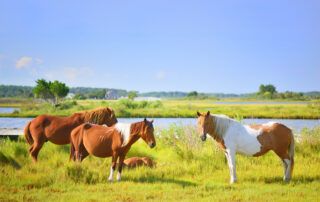
The Chincoteague pony is an American breed from Assateague Island. Two feral populations still inhabit the island today, separated by a fence marking the state line between Virginia and Maryland. National and local authorities use different methods to manage the feral population on the island, including an annual pony swim and auction on Chincoteague Island. Foals sold in the auction go to private homes to lead domesticated lives as beloved pleasure and show ponies.

Chincoteague Pony Breed Guide: Characteristics, Health & Nutrition2026-07-30T19:11:01-04:00

Semen Collection & Evaluation for Stallions: Breeding Guide

Semen collection and evaluation is an important component of standing a stallion at stud. Semen collection for a breeding soundness evaluation allows owners to estimate how many mares their stallion can service in a year, determine overall semen quality, and identify any issues affecting fertility. Collection also allows stallion owners to offer fresh-cooled or frozen semen for artificial insemination.

Semen Collection & Evaluation for Stallions: Breeding Guide2026-07-30T19:01:42-04:00

Barb Horse Breed Guide: Characteristics, Health & Nutrition

The Barb horse is a light breed from the Maghreb in North Africa. These horses descend from Berber horses of the region used by indigenous people thousands of years ago. Barb horses had a significant impact on the development of Iberian breeds in Spain. Many breeds in the Western Hemisphere can trace their ancestry to Spanish Barbs brought to the New World by European explorers and settlers.

Barb Horse Breed Guide: Characteristics, Health & Nutrition2026-07-30T18:56:25-04:00

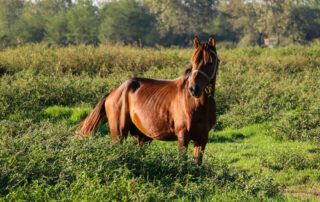
Criollo Horse Breed Guide: Characteristics, Health & Nutrition

The Criollo horse is a South American breed from the Pampas, a vast grassland extending between Argentina, Brazil and Uruguay. The name “Criollo” is derived from the Spanish term for “native” or “local,” and it reflects the horse’s origins in the region. This breed descends from Iberian horses brought to the continent by Spanish explorers. Once used by the gaucho horsemen and cowboys of the Pampas, Criollo horses are famous for their hardiness and endurance.

Criollo Horse Breed Guide: Characteristics, Health & Nutrition2026-07-30T18:38:01-04:00

Neonatal Isoerythrolysis in Foals: Causes, Treatment & Prevention

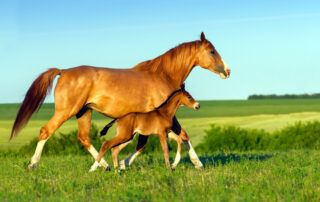
Neonatal isoerythrolysis (NI) is a potentially fatal, but preventable, condition affecting newborn foals. Foals develop NI when they consume colostrum containing antibodies against their blood type, resulting in destruction of their red blood cells. This condition will only occur if the mare and foal have different blood types, and the mare’s immune system produces antibodies that target the foal’s blood type. The main symptoms of NI include rapid breathing, increased heart rate, and jaundice of the gums and skin. Laboratory testing is the best method to confirm a diagnosis.

Neonatal Isoerythrolysis in Foals: Causes, Treatment & Prevention2026-07-30T18:32:51-04:00

Melanomas in Horses: Types, Treatment & Prognosis

Melanomas are a type of skin tumor most commonly observed in aging grey horses. Up to 80% of gray horses aged 15 or older develop melanomas during their lifetime. Melanomas in gray horses often appear as benign blemishes and remain dormant without causing problems. However, these tumors can metastasize without intervention.

Melanomas in Horses: Types, Treatment & Prognosis2026-07-30T18:31:09-04:00

West Nile Virus in Horses: Symptoms, Treatment, and Prevention

West Nile virus (WNV) is a mosquito-borne arbovirus known to cause severe illness in humans, birds, and horses. Affected horses can develop inflammation in the brain (encephalitis), as well as neurological symptoms such as head pressing, difficulty swallowing, and poor coordination

West Nile Virus in Horses: Symptoms, Treatment, and Prevention2026-07-30T18:30:27-04:00

Windpuffs in Horses: Diagnosis, Treatment & Prevention

Windpuffs develop due to the accumulation of fluid within the digital sheath, which envelops and protects both the Deep Digital Flexor Tendon (DDFT) and the Superficial Digital Flexor Tendon (SDFT). Although windpuffs are not typically associated with lameness or soreness, they may develop in conjunction with an injury.

Windpuffs in Horses: Diagnosis, Treatment & Prevention2026-09-15T19:38:28-04:00

Primary Immunodeficiency Disorders in Horses: Types, Causes & Treatments

Primary immunodeficiencies are disorders where some component of the immune system does not develop properly, leaving the horse at risk of infection. Examples of primary immunodeficiencies in horses include severe combined immunodeficiency, foal immunodeficiency syndrome, and selective IgM deficiency.

Primary Immunodeficiency Disorders in Horses: Types, Causes & Treatments2026-07-30T18:26:02-04:00

Selenium and Vitamin E for Horses: Antioxidant Nutrients

Selenium and vitamin E are essential antioxidant nutrients for all mammals, including horses. Together with vitamin C, they help prevent the damaging effects of oxidative stress in all cells and tissues of the body. Although these nutrients are required in only low levels in the diet, they have profound effects on the horse's immune system, muscle function, nervous system, and recovery from illness.

Selenium and Vitamin E for Horses: Antioxidant Nutrients2026-07-30T18:24:24-04:00

11 Signs of Foaling in Horses – [Preparation for Labor]

As your broodmare approaches the end of her gestation period, it’s important to be vigilant for changes that indicate foaling is near. Recognizing these signs of foaling in your mare ensures you can make necessary arrangements and provide appropriate care during the birthing process.

11 Signs of Foaling in Horses – [Preparation for Labor]2026-07-30T18:19:12-04:00

Irish Draught Horse Breed Guide: Characteristics, Health & Nutrition

The Irish Draught is a strong and versatile horse breed originating from Ireland. Descended from native Irish horses crossed with various imported horses breeds, Irish Draughts are recognized as the official national horse breed of the Republic of Ireland.

Irish Draught Horse Breed Guide: Characteristics, Health & Nutrition2026-07-30T18:16:27-04:00

Dystocia in Horses: Signs, Causes & Treatment of Foaling Difficulties

Dystocia, or difficulty giving birth, is a relatively rare complication in horses occurring in less than 10% of foalings. Dystocia carries significant risks for both the mare and foal, including damage to internal organs, nerves, and blood supply for the mare, and reduced oxygen availability for the foal. The main sign of dystocia is a delay of 20 - 30 minutes between the release of chorioallantoic fluid from the mare’s vulva and delivery of the foal. Other signs include failure to see any portion of the foal at the vulvar lips, or abnormal positioning of the foal. If your broodmare is showing signs of dystocia, contact your veterinarian immediately. Prompt intervention is critical for the well-being of both the mare and the foal.

Dystocia in Horses: Signs, Causes & Treatment of Foaling Difficulties2026-07-30T18:09:21-04:00

Top 9 Antioxidant Supplements for Horses [Research Review]

Antioxidants are important nutrients for horses that help to combat oxidative stress, maintain overall health, and support performance. They work by neutralizing harmful molecules known as free radicals within the body. Free radicals are highly reactive molecules with an electrical charge that are produced in the horse’s body during normal metabolic processes. These molecules can accumulate and cause damage to cellular structures in their search to become stable, leading to a range of health issues. This damage is often referred to as oxidative stress (oxidation).

Top 9 Antioxidant Supplements for Horses [Research Review]2026-07-30T18:08:07-04:00

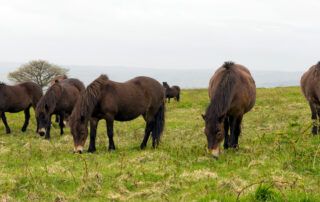
Exmoor Pony Breed Guide: Characteristics, Health & Nutrition

The Exmoor Pony is an ancient breed native to the moorlands of South West England. The ponies thrived in remote Exmoor for millennia, but modern wars drove them to the brink of extinction. Exmoor Ponies are still considered an endangered breed, and efforts continue to preserve the most primitive horse breed in Great Britain. Although no longer wild, some private owners manage these ponies in a near-feral state on their native lands.

Exmoor Pony Breed Guide: Characteristics, Health & Nutrition2026-08-18T20:32:40-04:00

Caspian Horse Breed Guide: Characteristics, Health & Nutrition

The Caspian horse is a rare Iranian breed of small equine that originated in ancient Persia. Although most Caspians are less than 12 hands tall, their conformation resembles full-size horses, not ponies. These horses are descendants of miniature Caspian-type horses that contributed to the early development of several Middle Eastern horse breeds. Formerly, historians believed these horses were extinct until the late 20th century.

Caspian Horse Breed Guide: Characteristics, Health & Nutrition2026-07-29T18:23:55-04:00