Analyze Diet

Fell Pony Breed Guide: Characteristics, Health & Nutrition

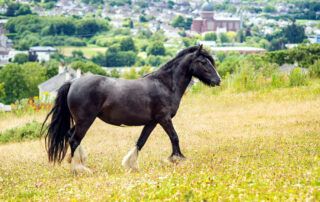
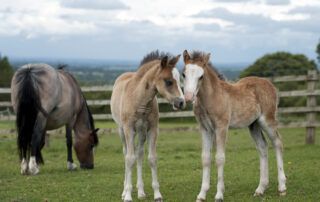
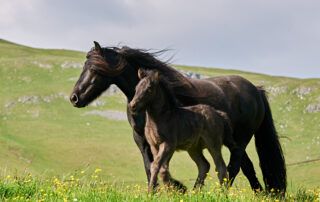
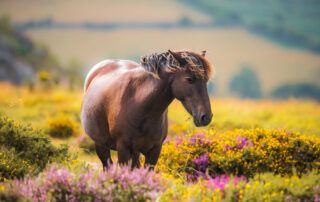
The Fell Pony is a rare native British breed known for beauty, strength, and versatility. Once used as pack horses in Northern England, Fell Ponies are now popular mounts for Pony Club kids and monarchs alike. While similar in appearance to other horses, Fell Ponies are a distinct breed with a long history that traces back to Roman times in England. The Fell name comes from the Norse word for hill, which describes the terrain their sure-footed ancestors evolved to roam.
Fell Pony Breed Guide: Characteristics, Health & Nutrition2026-07-29T18:18:48-04:00

Dartmoor Pony Breed Guide: Characteristics, Health & Nutrition

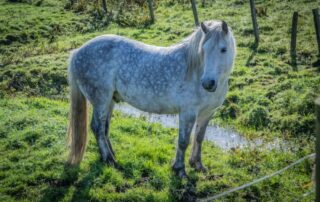
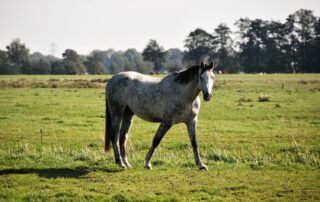
The Dartmoor Pony is a rare small pony breed native to Devon County in Southwest England. These ponies evolved on the moors of Dartmoor, where privately owned free-roaming herds still live today. Ponies inhabited the region’s moorlands by the Middle Ages, but ponies found on the moor today are often mixed breeds. The Rare Breed Survival Trust recognizes purebred Dartmoors with true-to-type characteristics as a rare breed.

Dartmoor Pony Breed Guide: Characteristics, Health & Nutrition2026-08-25T21:13:59-04:00

Lavender Foal Syndrome: Causes, Symptoms & Prognosis

Lavender Foal Syndrome (LFS), or coat colour dilution lethal (CCDL), is a rare and lethal disorder in Arabian horses and crossbreeds. Foals with LFS are born with neurological problems and a lightened coat colour. Lavender Foal Syndrome is a genetic condition that is caused by a mutation in the MYO5A gene, which affects nervous system function and skin pigmentation. Foals that inherit two copies of the gene from their parents develop LFS. There is no cure or treatment available, and the condition is always fatal. Affected foals experience debilitating neurological symptoms, often resulting in euthanasia.

Lavender Foal Syndrome: Causes, Symptoms & Prognosis2026-07-29T18:17:09-04:00

Vitiligo in Horses: Causes, Progression and Diagnosis

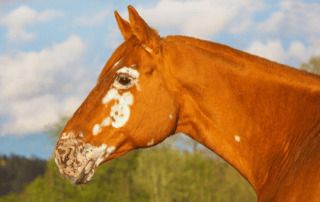
Vitiligo in horses is a disorder that causes patches of skin and hair to lose their normal colour or pigmentation. This condition is not contagious, painful, or life-threatening, but it can be disconcerting to see your horse's skin or hair lose it natural colour. The progression of vitiligo is different in every horse. Patches of colour loss can increase or decrease over time, and in rare cases the skin completely regains its normal pigmentation. However, in most cases, patches of vitiligo spread and never regain their initial colour.

Vitiligo in Horses: Causes, Progression and Diagnosis2026-07-29T18:16:36-04:00

Mare Reproductive Loss Syndrome: Signs, Causes & Treatment

Mare reproductive loss syndrome (MRLS) is an enigmatic condition first described in Kentucky in 2001, when an estimated 3,500 foals were either aborted, stillborn, or died shortly after birth. Research revealed that abortions and foal death was closely associated with exposure to the Eastern Tent caterpillar, which were particularly abundant that year due to environmental conditions triggering a massive hatching event.

Mare Reproductive Loss Syndrome: Signs, Causes & Treatment2026-07-29T18:14:35-04:00

Fescue Toxicosis in Horses: Signs, Causes, Treatment & Prevention

Fescue toxicosis in horses results from ingestion of fescue grass contaminated with the fungus Neotyphodium coenophialum. The fungus produces ergot alkaloid toxins which cause changes in hormone concentrations and blood flow in pregnant mares grazing contaminated pastures or hay. Nearly all fescue grass contains the fungus, making fescue a particularly high-risk feed for pregnant mares. Affected mares most commonly develop agalactia (lack of milk production), premature placental separation, and prolonged gestation.

Fescue Toxicosis in Horses: Signs, Causes, Treatment & Prevention2026-07-29T18:13:54-04:00

Endometritis in Horses: Causes, Signs & Treatments

Endometritis is a condition involving inflammation of the uterine lining, and is a very common cause of infertility in broodmares. Mares with endometritis develop fibrosis and inflammation that prevent embryonic development, resulting in failure to conceive or early embryonic loss. Endometritis comes in two major types: infectious endometritis, caused by bacterial or fungal infections, and persistent breeding-induced endometritis, in which the uterine lining reacts to seminal fluid within the uterus. The conditions have similar treatment approaches, and mares are sometimes affected by both forms of the condition.

Endometritis in Horses: Causes, Signs & Treatments2026-07-29T18:20:23-04:00

Placentitis in Mares: Causes, Signs, Treatment & Prevention

Placentitis is a common cause of foal loss and neonatal sepsis in horses. Mares with multiple previous foals, older mares, and mares with poor perineal conformation are most at risk of developing placentitis. Most cases of placentitis arise from bacteria contaminating the cervix and entering the uterus, causing infection within the placenta. The infection results in production of hormones that stimulate labour, leading to premature delivery or abortion of the developing fetus.

Placentitis in Mares: Causes, Signs, Treatment & Prevention2026-07-29T18:14:58-04:00

Nosebleeds (Epistaxis) in Horses: Causes, Treatment & Prevention

Epistaxis is a common condition in horses that refers to bleeding from the nostrils. Nosebleeds can range in severity and may result from trauma, underlying health conditions or exercise. The majority of nosebleeds in horses are caused by minor trauma or irritation and resolve within 10 to 15 minutes. However, recurrent nosebleeds or severe bleeding can indicate an underlying condition that requires veterinary attention.

Nosebleeds (Epistaxis) in Horses: Causes, Treatment & Prevention2026-07-29T18:03:19-04:00

Ivermectin Paste for Deworming Horses: Dosage & Side Effects

Ivermectin is an over-the-counter medication used to control internal parasites in horses and other animals. It is macrocyclic lactone medication and is one of the most widely used dewormers or anthelmintics in the equine industry. Ivermectin is effective against a wide range of parasites, including small and large strongyles, ascarids, pinworms, botflies as well as external parasites, such as mites or lice. This medication is available in both a paste and liquid format.

Ivermectin Paste for Deworming Horses: Dosage & Side Effects2026-07-29T18:04:09-04:00

How to Feed Your Donkey – [Nutrition Guide & Sample Diet]

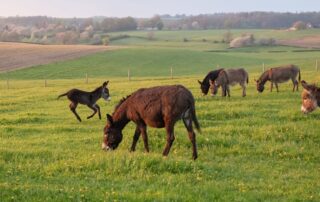
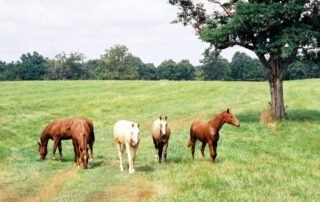
Although donkeys and horses are kept similarly, they are two distinct species that have evolved separately from one another. As such, donkeys and horses have different nutrient requirements. In developed countries, donkeys are more commonly kept as leisure mounts and companion animals. This leisurely lifestyle, combined with higher-quality forages and increased digestive efficiency, puts donkeys at risk for obesity, metabolic conditions, and hoof issues. Read on to learn everything you need to know about donkeys' unique nutrition requirements and how you can meet them.

How to Feed Your Donkey – [Nutrition Guide & Sample Diet]2026-07-24T16:40:13-04:00

Equine Piroplasmosis (Babesiosis): Symptoms, Treatment & Prevention

Equine piroplasmosis (EP), or babesiosis, is an infectious tick-borne disease that affects all equid species, including horses*, mules, donkeys and zebras. It is caused by protozoan parasites that are transferred to the horse via tick bite. The protozoan parasites, Theileria equi and Babesia caballi, infest the horse's system and break down its red blood cells. This results in clinical symptoms, which can vary from mild to intense effects on animal health.

Equine Piroplasmosis (Babesiosis): Symptoms, Treatment & Prevention2026-07-29T18:05:44-04:00

Moving your Horse to a New Barn – [Owners Guide]

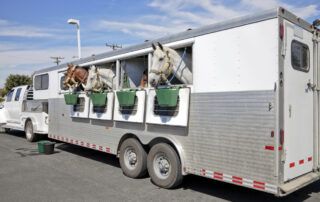
Moving a horse to a new barn or facility requires careful planning and consideration. Horses are sensitive animals and are prone to experiencing stress when relocating to a new environment or joining a new herd. This puts them at risk of developing various health and behavioral problems when it comes time to move to a new barn. Health conditions associated with changing barns include gastric ulcers, weight loss, stereotypic behaviors and other conditions linked to elevated stress levels.

Moving your Horse to a New Barn – [Owners Guide]2026-07-29T18:10:10-04:00

Proud Flesh in Horses: Causes, Treatment & Prevention

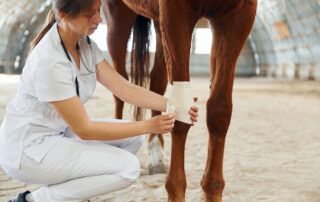
Proud flesh, also known as granulation tissue, is a type of healing tissue in horses that forms naturally as part of the wound repair process. This tissue aids in wound healing by closing the gap between exposed soft tissue and new layers of skin. Proud flesh can become problematic in horses if it grows excessively and interferes with normal healing. When too much of this tissue grows, it is referred to as exuberant granulation tissue (EGT).

Proud Flesh in Horses: Causes, Treatment & Prevention2026-07-29T17:56:35-04:00

Highland Pony Breed Guide: Characteristics, Health & Nutrition

The Highland Pony is a mountain pony breed native to Scotland. These ponies are one of the largest native pony breeds from the British Isles. While written records of the breed date back to the 18th century, ponies have inhabited the Scottish Highlands for millennia. Once the mounts of Highland warriors, these ponies would go on to gain the admiration of modern monarchs. While the Rare Breed Survival Trust classifies Highland Ponies as vulnerable, Highlands remain popular throughout the UK.

Highland Pony Breed Guide: Characteristics, Health & Nutrition2026-07-29T17:56:02-04:00

Type 1 PSSM in Horses: Genetic Cause, Symptoms, & Management

Type 1 Polysaccharide Storage Myopathy (PSSM1) is a hereditary muscular disorder in horses that results in abnormal accumulation of glycogen (a stored form of sugar) and an abnormal polysaccharide in the muscles. Horses with this condition produce too much glycogen in their muscle cells, but are unable to use it all as an energy source during physical activity. Affected horses have altered muscle metabolism and experience muscle soreness and cramping after exercise. Some horses are primarily affected by weakness, especially draft breeds with PSSM.

Type 1 PSSM in Horses: Genetic Cause, Symptoms, & Management2026-07-29T17:53:54-04:00

Benefits of Feeding Gelatin to Horses – [Research Review]

Gelatin supplements are commonly fed to horses and are purported to have multiple benefits for both equine health and performance. Anecdotally, gelatin is said to improve hoof health, hair and coat quality, skin health and joint function. Gelatin is a protein derived from collagen, which is a key component of connective tissues found in the horse’s bones, cartilage and skin. Collagen is the most abundant structural protein in animals, making up about 30% of the body’s total protein content

Benefits of Feeding Gelatin to Horses – [Research Review]2026-07-29T17:52:53-04:00

Knabstrupper Horse Breed Guide: Characteristics, Health & Nutrition

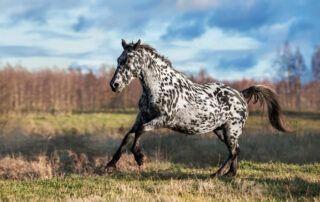
The Knabstrupper, also known as the Knabstrup horse, is a Danish warmblood breed renowned for its distinctive spotted coats. This breed has a relatively recent origin, with its lineage tracing back to a single spotted mare who relocated to Denmark in 1812. A small breeding population and limited gene pool has threatened the breed’s survival throughout its history. After extensive inbreeding resulted in reduced breed quality, breeders began outcrossing the horses to create a new strain of Knabstruppers with greater athleticism and strength.

Knabstrupper Horse Breed Guide: Characteristics, Health & Nutrition2026-07-29T17:52:21-04:00

Ringbone in Horses: Prevention, Diagnosis & Treatment

Ringbone is a degenerative condition that affects the bones and joints in the horse’s lower limbs. It is characterized by the inflammation of surrounding connective tissue, triggering the formation of bony growths around the affected joints. [2][5] These visible bony growths can manifest on the front of the pastern and coffin bones, potentially resulting in permanent fusion of bones in the joint. [13][4] Ringbone may or may not cause pain, but common signs include lameness, stiffness, and swelling of the pastern joints. [4][4]

Ringbone in Horses: Prevention, Diagnosis & Treatment2026-07-29T18:01:29-04:00

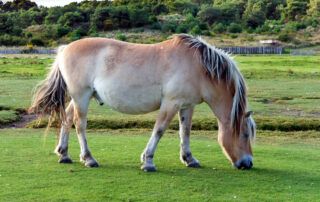
Fjord Horse Breed Guide: Characteristics, Health & Nutrition

The Norwegian Fjord is one of the world's oldest horse breeds. The breed is easily recognizable today by its dun colouring and primitive markings that trace back to prehistoric horses. Although they resemble wild Przewalski horses, they are not closely related. Fjord horses served as Viking war horses and were used for farmwork after their ancestors migrated to western Norway thousands of years ago. Their strength, unique looks, and willing temperaments created widespread interest in the breed. Modern Fjord horses have a light draft build, but genetic diseases that commonly affect draft horses rarely occur in the breed's pure bloodlines.

Fjord Horse Breed Guide: Characteristics, Health & Nutrition2026-07-29T17:49:00-04:00

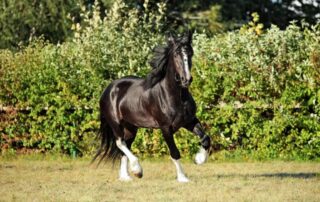
Shire Horse Breed Guide: Characteristics, Health, & Nutrition

The Shire horse is an iconic draft breed originally developed for heavy farm work in the rural shires of Great Britain. The Shire is one of the world’s largest horse breeds, known for its impressive size and strength. The record for the world’s tallest horse belongs to a Shire gelding named Sampson, who stood at an astounding height of 21.25 hands and who is estimated to have weighed 3,360 lb. Shires descend from the British Great Horses, who were ridden into battle by Medieval knights. These horses have a long history of use in agriculture, prized for their capacity for pulling heavy carts and plows.

Shire Horse Breed Guide: Characteristics, Health, & Nutrition2026-07-29T17:48:06-04:00

Strongyles in Horses: Symptoms, Treatment & Prevention

Strongyles are considered the most significant internal parasite that affects horses. It is estimated that these parasites affect between 80 – 99% of equids worldwide. There are two main types of strongyles: large strongyles and small strongyles. Both types can cause significant damage to the lining of the horse’s digestive tract, resulting in various clinical signs ranging from mild to severe. Proper parasite control measures, regular fecal egg count (FEC) monitoring, and good pasture management are essential to prevent strongyle infestation.

Strongyles in Horses: Symptoms, Treatment & Prevention2026-07-29T17:45:07-04:00

Twin Pregnancies in Horses: Management of the Mare & Foal Survival Rates

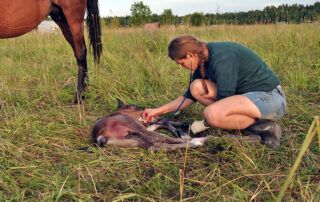
Twin pregnancies in horses are common but carry significant risks for both the mare and the unborn foals. The horse's reproductive system has developed to carry one fetus to term, and the addition of a second fetus results in competition for nutrients, oxygen and space within the womb. In most cases, twin pregnancies end in abortion of both fetuses during mid-gestation. If the foals survive, they have an increased risk of health complications and a higher mortality rate compared to singleton foals. Mares giving birth to twins also have an increased risk of retained placenta and traumatic injury during foaling. The diagnosis of twin pregnancies is simple and rapid due to widely accessible ultrasound technology in veterinary clinics. In most cases, twinning is managed by terminating one of the embryos or fetuses, or by terminating the pregnancy entirely. Methods for termination include manual embryo crush ("twin pinching"), twin puncture, or craniocervical dislocation. Early diagnosis is key for a successful twin reduction that allows survival of the remaining singleton foal. Mares should be examined between day 14 and 16 of gestation to identify the number of embryos present, as twin pinching has the best success rate at this stage.

Twin Pregnancies in Horses: Management of the Mare & Foal Survival Rates2026-07-29T18:10:59-04:00

Congenital Hypothyroidism & Dysmaturity Syndrome in Foals

Congenital hypothyroidism and dysmaturity (CHD) syndrome is a common manifestation of hypothyroidism in foals, resulting in dysmature foals that are born weak with contracted tendons, poor ossification of the cuboidal bones, and poor muscular development. The basic cause of CHD is hypothyroidism during late gestation, however the underlying cause of hypothyroidism has not been identified. Currently, the main risk factors identified for development of CHD are low levels of dietary iodine and high dietary nitrates.

Congenital Hypothyroidism & Dysmaturity Syndrome in Foals2026-07-29T17:44:45-04:00

Bone Bruises in Horses: Signs, Treatment & Recovery Time

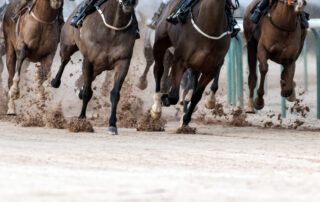
Bone bruising is a common condition often seen in young racehorses, such as Thoroughbreds or Standardbreds. It typically arises from repetitive stress, trauma, or microfractures affecting the subchondral bone, which is the layer of bone located beneath the joint’s cartilage. Horses engaging in high-impact exercise or activities that involve sudden changes in direction or speed have an increased risk of developing this condition.

Bone Bruises in Horses: Signs, Treatment & Recovery Time2026-07-29T17:42:49-04:00

Hoof & Sole Bruises in Horses: Causes, Symptoms & Treatment

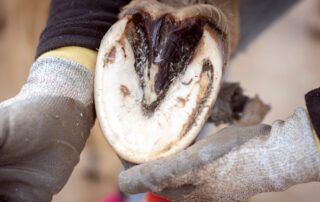
A hoof or sole bruise is a common injury in horses, occurring when there is trauma to the sensitive tissues within the hoof. This trauma leads to localized bleeding and subsequent bruising. Hoof bruises can cause mild to severe discomfort and lameness, and if left untreated, can potentially lead to further complications. Affected horses may exhibit sensitivity to pressure, alterations in their gait and behavior, and inflammation in the hoof. The treatment of hoof bruising often involves a combination of therapies, including corrective trimming and shoeing, rest from work, and pain management. It is also important to address any underlying factors that contributed to the formation of bruises.

Hoof & Sole Bruises in Horses: Causes, Symptoms & Treatment2026-07-29T17:40:27-04:00

Whey Protein for Horses: Benefits & Feeding Guide

Whey protein is a cost-effective, high-quality protein source that is safe to feed to horses. Whey is a common ingredient in commercial horse feeds and is also available as a standalone supplement. Whey protein is considered a complete protein source for horses because it contains all the essential amino acids that horses cannot synthesize in their body and need to get from the diet.

Whey Protein for Horses: Benefits & Feeding Guide2026-07-29T17:36:22-04:00

Akhal-Teke Horse Breed Guide: Characteristics, Health & Nutrition

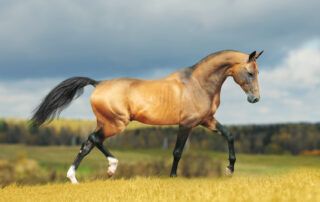
The Akhal Teke is an ancient horse breed with a legendary history and elegant looks. Sometimes referred to as “golden horses” for their distinctive metallic coats, Akhal Tekes are best known for their intelligence, endurance, and beauty. This breed originated in the deserts of modern Turkmenistan, where Akhal Tekes remain a cherished national symbol.

Akhal-Teke Horse Breed Guide: Characteristics, Health & Nutrition2026-07-29T17:41:33-04:00

Evaluating Horse Conformation: Factors that Judges Look For

The shape and structure of a horse, referred to as its conformation, significantly influence both its athletic performance and long-term soundness. How a horse is built not only determines how they generate power and speed, but also how their body absorbs and redirects concussion. A horse with conformation faults may experience reduced athletic performance and an increased vulnerability to injury caused by concussion and improper movement. The ability to assess conformation for desired performance is critical when judging whether a horse is suitable for the job you want them to do. For example, a horse with particular conformation faults may not be a good mount for a 1.20m jumper but may excel for low-level pleasure riding.

Evaluating Horse Conformation: Factors that Judges Look For2026-08-18T20:29:54-04:00