Analyze Diet

Vitamin C for Horses: Benefits, Sources & Supplementation of Ascorbic Acid

Also referred to as ascorbic acid, vitamin C is an important water-soluble vitamin for horses. It works together with vitamin E and selenium to provide antioxidant protection against cell damage. Vitamin C has additional roles in the equine body including aiding in collagen production, hormone synthesis, and bone calcification. It also supports the absorption of iron from the gut. Horses do not have a nutritional requirement for vitamin C because they can typically synthesize enough vitamin C in their liver.
Vitamin C for Horses: Benefits, Sources & Supplementation of Ascorbic Acid2026-07-29T16:11:40-04:00

Fistulous Withers in Horses – Causes, Treatment & Prevention

Supraspinous bursitis, more often known as fistulous withers, is not a common problem in horses — at least in North America. However, it is a serious condition that more often affects horses and donkeys in developing nations. Fistulous withers involves inflammation and infection in the supraspinous bursa, a fluid-filled sac located in the area of the horse's withers. This leads to the formation of open sores or draining tracts (fistulas) that connect to the bursa.

Fistulous Withers in Horses – Causes, Treatment & Prevention2026-07-29T16:05:41-04:00

Abortion in Horses: Causes of Pregnancy Loss in Mares

Equine abortion and stillbirth refer to delivery of a non-viable fetus or foal. Most causes of abortion and stillbirth do not affect the mare’s future fertility; however, the loss of the foal can cause significant economic losses for the breeder. Often, the only sign of pregnancy loss or miscarriage is the presence of a fetus and placenta in the mare’s environment. Before aborting, some mares may develop vaginal discharge or have udders filled with milk well before their expected due date. There are many causes of equine abortion and stillbirth. In North America, issues in the development of the fetus or its placenta and bacterial infections are the most common causes.

Abortion in Horses: Causes of Pregnancy Loss in Mares2026-07-29T15:58:56-04:00

Adequan® i.m. for Horses: Efficacy of PSGAG Injections

Adequan® i.m. is a widely used injectable medication for the treatment of arthritis and other joint disorders in horses. It is the only FDA-approved polysulfated glycosaminoglycan (PSGAG) for equines. Arthritis is a degenerative joint disease that can reduce athletic performance, cause lameness and lead to early retirement. An estimated 60% of lameness in horses is associated with arthritis. Adequan® injections are reported to improve pain and lameness scores in affected horses, leading to better mobility. It is purported to work by stimulating cartilage repair, restoring lubrication, and inhibiting processes that break down connective tissue.

Adequan® i.m. for Horses: Efficacy of PSGAG Injections2026-07-29T15:56:15-04:00

Prascend® (Pergolide) for Horses with PPID: Mechanism, Dosage & Side Effects

Pergolide mesylate (Prascend®) is a medication used to treat horses with pituitary pars intermedia dysfunction (PPID), previously referred to as Equine Cushing’s disease. This common endocrine disorder, typically observed in older horses, can cause tendon and ligament breakdown, abdominal wall weakness, tooth loosening, depressed immune function, altered temperature regulation, increased coat length, poor shedding, and insulin resistance with laminitis. It is estimated that between 20 and 30% of horses and ponies develop PPID by the time they are 20 years old. PPID is progressive and neurodegenerative, resulting in serious complications without proper management.

Prascend® (Pergolide) for Horses with PPID: Mechanism, Dosage & Side Effects2026-07-29T15:54:03-04:00

Common Forelimb Conformation Faults in Horses – [Guide]

Your horse's conformation impacts their overall performance, soundness, and ability to excel in various disciplines. When it comes to evaluating forelimb conformation, judges will look at the withers, shoulders, elbows, leg, knee and pastern. The horse's forelimbs should exhibit symmetry and bear weight equally, with toes pointed forwards and a straight line from the point of the shoulder down the limb to the middle of the hoof.

Common Forelimb Conformation Faults in Horses – [Guide]2026-08-25T21:09:08-04:00

Branched Chain Amino Acid (BCAA) Supplements for Horses: Do they Work?

BCAAs (branched-chain amino acids) are muscle-building supplements that have become popular among equine athletes for performance, recovery and fatigue. BCAA include leucine, isoleucine, and valine, and play a crucial role in protein synthesis, muscle growth, and energy production.

Branched Chain Amino Acid (BCAA) Supplements for Horses: Do they Work?2026-08-18T20:27:45-04:00

IgG Testing in Foals: Assessing Passive Transfer of Immunity after Birth

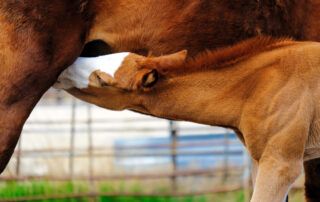
Newborn foals are born with an immature immune system, with limited ability to fight off infections and diseases. To build immunity, neonatal foals must absorb immunoglobulins, also known as antibodies, from their dam’s colostrum within 24 hours after birth. This process is known as passive transfer of immunity. The foal’s ability to absorb antibodies declines quickly after birth. If a foal fails to receive enough immunoglobulins within this crucial timeframe, failure of passive transfer (FPT) can result, leaving the foal vulnerable to infections and diseases.

IgG Testing in Foals: Assessing Passive Transfer of Immunity after Birth2026-07-28T16:37:25-04:00

Wood Chewing in Horses: Causes & How to Stop this Behaviour

Wood chewing is one of several types of stereotypic behaviors or habits that horses can develop. Stereotypic behaviors, often referred to as stereotypies, are repetitive behavior patterns with no apparent function. They may develop out of boredom or they may be a coping mechanism for stress.

Wood Chewing in Horses: Causes & How to Stop this Behaviour2026-07-28T16:35:06-04:00

Bleeding Disorders in Horses: Types, Signs & Treatment

Bleeding disorders can significantly affect your horse’s performance and overall health. These conditions can be present from birth or develop later in life and are characterized by abnormal bleeding or hemorrhage. Some bleeding disorders, such as exercise-induced pulmonary hemorrhage (EIPH), are very common and manageable while others are rare and poorly researched in horses. A coagulation disorder may be present if the horse has prolonged or excessive bleeding following trauma. Other signs of bleeding disorders include frequent nosebleeds, coughing, exercise intolerance, excessive bruising, increased respiratory effort and blood in respiratory secretions.

Bleeding Disorders in Horses: Types, Signs & Treatment2026-08-25T21:05:58-04:00

Cellulitis in Horses: Signs, Causes, Treatment & Prevention

Cellulitis refers to bacterial infection and inflammation that affects tissues under the skin anywhere in the body. In horses, this severe condition typically occurs in the hindlimbs. It is characterized by a sudden onset with significant swelling and intense pain.

Cellulitis in Horses: Signs, Causes, Treatment & Prevention2026-07-28T16:32:11-04:00

Why Do Horses Wear Shoes And Do They Need Them? [Barefoot vs. Shod]

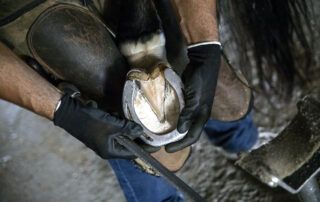
Does my horse need shoes? This is a question frequently asked by horse owners, and the answer varies depending on several factors. Horses wear shoes for various reasons, including providing protection and traction, supporting hoof structure, and improving performance. Some specialized shoes are used for corrective purposes to address hoof or gait issues. But not all horses require shoes, and many horses can thrive barefoot with regular hoof care and maintenance. Barefoot trimming is becoming increasingly popular, even among high-end performance horses. Barefoot hoof practitioners aim to replicate the natural wear of hooves, providing support to the horse without the need for shoes. However, there are cases where horses benefit from shoes and are not able to go barefoot.

Why Do Horses Wear Shoes And Do They Need Them? [Barefoot vs. Shod]2026-07-28T16:30:24-04:00

Arrhythmias in Performance Horses: Causes, Symptoms & Treatments

A heart arrhythmia, or irregular heartbeat, is a performance-limiting condition commonly seen in athletic horses. While some arrhythmias are benign, others may indicate cardiac disease or another underlying health condition. The horse is a supreme athlete with a powerful heart that can beat up to 250 times per minute during strenuous exercise. Performance horses need to pump large volumes of blood throughout the body and maintain an elevated heart rate for a extended periods during competitions and training. With regular conditioning, the cardiovascular system adapts to support improved athletic ability. Intense training regimes produce structural changes in the heart, including increased cardiac mass. However, repeated exertion can also increase the susceptibility of horses to developing arrhythmias.

Arrhythmias in Performance Horses: Causes, Symptoms & Treatments2026-07-28T16:27:37-04:00

Pinworms (Oxyuris Equi) in Horses: Symptoms, Treatment & Prevention

Equine pinworms, or Oxyuris equi, are common parasites that inhabit the horse's colon. Female pinworms lay their eggs on the perianal skin (around the anus), which can cause intense itching and irritation for the horse. Pinworm infections are most common in younger horses, but horses of any age can be affected. These parasites are transmitted among horses through the inadvertent ingestion of eggs present in their environment. Eggs from infected horses are shed into the environment, contaminating forage and adhering to fence posts and stall surfaces where horses have been scratching. Although pinworms can be bothersome for horses and their owners, they are relatively harmless and can be effectively treated. If you notice signs of a pinworm infection in your horse, seek assistance from your veterinarian for proper diagnosis and to explore available treatment options.

Pinworms (Oxyuris Equi) in Horses: Symptoms, Treatment & Prevention2026-07-28T16:24:57-04:00

Tendon Injuries in Horses: Diagnosis, Treatment and Recovery

The horse’s tendons are prone to strain injuries, especially when participating in disciplines, such as racing, jumping and eventing. Tendons are fibrous connective tissues that attach muscle to bone and allow the limbs to move. Tendons serve as a mechanical buffer for muscles, absorbing and storing energy from concussive forces.

Tendon Injuries in Horses: Diagnosis, Treatment and Recovery2026-07-28T16:23:35-04:00

Shetland Pony Breed Guide: Characteristics, Health & Nutrition

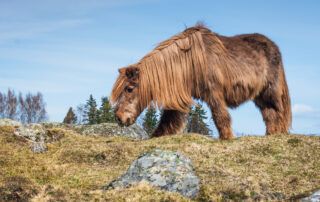
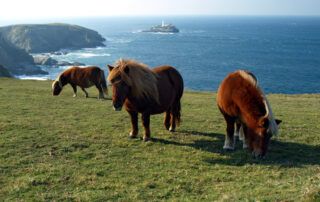
The Shetland Pony is one of the smallest breeds of equines in the world. They are the modern descendants of ancient ponies that roamed the Shetland Isles of Northern Scotland for thousands of years. Today, Shetlands are beloved family members and riding ponies for small children. Although too small to carry an adult rider, Shetland Ponies are popular driving ponies that can pull twice their weight. These ponies are known for having big personalities that outsize their short stature. Often cheeky and opinionated, Shetlands have gained fans throughout the world. However, their health and nutritional needs are very different than those of larger horse breeds.

Shetland Pony Breed Guide: Characteristics, Health & Nutrition2026-07-28T16:21:27-04:00

Welsh Pony Breed Guide – Characteristics, Health & Nutrition

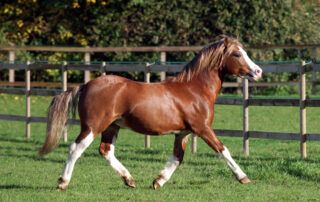
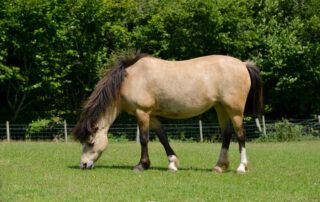
Welsh Ponies are one of the most popular breeds of small equines worldwide. Breed registries recognize four sections of Welsh Ponies depending on size and type, ranging from the smallest Welsh Mountain Pony to the sturdier Welsh Cob. The breed descends from the Celtic Ponies that roamed the mountains of Wales for thousands of years. The harsh climate of their native home produced a hardy equine, and refinement from Arabian blood helped develop the beautiful Welsh Pony of today. While beloved for their elegance and versatility, certain sections of Welsh Ponies are more susceptible to congenital health problems. Like most ponies, they are also at risk of metabolic disorders and require careful attention to their feeding programs.

Welsh Pony Breed Guide – Characteristics, Health & Nutrition2026-07-28T16:18:11-04:00

Tennessee Walking Horse Breed Guide: Health, Nutrition & Characteristics

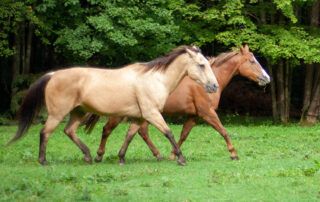
The Tennessee Walking Horse or Tennessee Walker is a gaited breed known for its unique four-beat running walk. Developed initially as a light riding horse in the American South, Tennessee Walking Horses continue to enjoy popularity as a flashy recreational mount. Tennessee Walking Horse competitions allow riders to show off their horse's natural animated movement. However, some of these competitions have witnessed controversial practices as a result of trends towards exaggerated performances. The striking appearance of these horses allows them to stand out in the show arena, but their calm dispositions and smooth gaits also make them ideal trail and pleasure horses. With quality care, these horses can continue to shine throughout their athletic careers and long lives.

Tennessee Walking Horse Breed Guide: Health, Nutrition & Characteristics2026-07-28T16:15:46-04:00

Eastern Equine Encephalitis (EEE) Virus: Symptoms & Treatment

Eastern equine encephalitis (EEE), otherwise known as Triple E or sleeping sickness, is a rare and lethal virus in horses that causes inflammation of the brain. EEE is transmitted through mosquito bites and attacks the central nervous system (CNS). It is most prevalent in the eastern regions of North America. The prognosis for this encephalitis is very poor, especially once neurological symptoms have developed. While there is no cure for EEE, supportive treatment may be administered to make the horse comfortable and help them fight infection.

Eastern Equine Encephalitis (EEE) Virus: Symptoms & Treatment2026-07-28T16:12:06-04:00

Lipizzaner Horse Breed Guide: Characteristics, Health & Nutrition

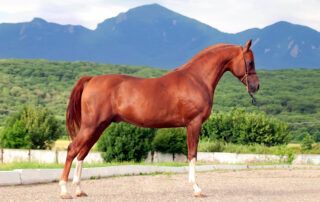
The Lipizzaner, or Lipizzan, is one of the most culturally significant European horse breeds. Made famous by the Lipizzaner stallions of the Spanish Riding School in Vienna, these horses are recognized worldwide for their classical dressage ability. Named for the stud farm where they originated, the Lipizzaner is the product of nearly five centuries of selective breeding. However, the breed's famous bloodlines were almost lost during WWII. While initially developed as the ultimate military horse and most commonly used in classical riding schools, the Lipizzaner is also a popular dressage mount for pleasure riders. And with correct care and management from their owners, these horses can lead exceptionally long lives.

Lipizzaner Horse Breed Guide: Characteristics, Health & Nutrition2026-07-28T16:10:35-04:00

How Does Hindgut Fermentation Work in the Horse?

Horses are single stomach (monogastric) herbivores that evolved to graze on fiber-rich roughage. Their unique digestive system consists of a foregut and hindgut, each with different functions for breaking down feed and absorbing nutrients. The stomach and small intestines, which make up the foregut, are responsible for digesting proteins, fats, and non-fibrous carbohydrates in the horse's diet. This happens through mechanical action and chemical reactions facilitated by enzymes. The hindgut, consisting of the cecum and colon, is where the digestion of fibrous carbohydrates takes place. Bacteria help synthesize nutrients and convert this fibre into usable energy through fermentation.

How Does Hindgut Fermentation Work in the Horse?2026-07-28T16:08:50-04:00

Gypsy Vanner Breed Guide: Characteristics, Health & Nutrition

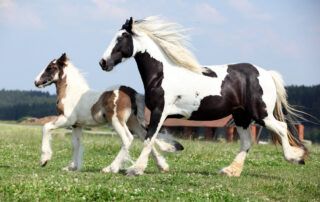
The Gypsy Vanner is one of the most recognizable breeds in the world. Also known as the Gypsy Cob, Irish Cob, and Romani Cob, these horses resemble a smaller version of draft-type breeds and come in many different coat colours. This breed descended from crosses between draft horses and native ponies in Ireland and Great Britain. Once used to pull the vardoes of nomadic Romanichal Travelers, Gypsy Vanners today serve as pleasure mounts in multiple riding and driving disciplines.

Gypsy Vanner Breed Guide: Characteristics, Health & Nutrition2026-08-18T19:14:32-04:00

Percheron Horse Breed Guide: Characteristics, Health & Nutrition

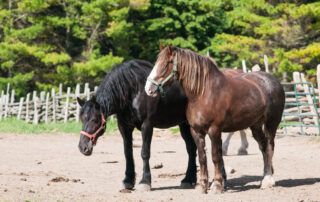
The Percheron is a French draft horse breed known for its power and versatility. Although the breed's exact origins remain a mystery, these horses likely descend from the heavy war horses ridden into battle by Medieval knights. Percherons gained popularity on both sides of the Atlantic as versatile farm horses for agriculture work. Their strength allowed them to haul heavy freights, but the beauty these horses inherited from Arabian bloodlines made the breed stand out from other drafts.

Percheron Horse Breed Guide: Characteristics, Health & Nutrition2026-07-27T21:34:10-04:00

Clydesdale Horse Breed Guide: Characteristics, Health & Nutrition

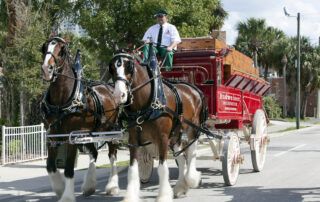
The Clydesdale is an iconic breed of draft horse from Scotland. Made famous by the Budweiser Clydesdales that pull the company's beer wagon at special events, the breed is renowned for its distinctive looks and powerful pulling ability. These horses originated in Lanarkshire, Scotland, where breeders developed Clydesdales for draft work on the local farms. Clydesdales are primarily used as carriage horses today, but they also make enjoyable pleasure mounts for riders who prefer larger horses.

Clydesdale Horse Breed Guide: Characteristics, Health & Nutrition2026-07-16T18:47:14-04:00

Andalusian Horse Breed Guide: Characteristics, Health & Nutrition

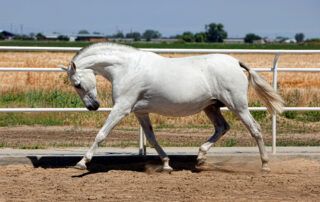
Andalusian horses belong to a lineage of baroque horses originating from the Iberian Peninsula, a region of southwestern Europe that contains modern-day Spain and Portugal. Today, the Andalusian name is most commonly used in North America to refer to horses with Spanish ancestry. Although many of these horses belong to the Caballo de Pura Raza Española (PRE) breed, not all Andalusians in North America are eligible for PRE registration. Historically, PREs, Lusitanos, and Andalusians all come from one breed. While differences between Portuguese, Spanish, and North American breeders separate the breeds, these horses share similar characteristics that make them popular pleasure and competition mounts.

Andalusian Horse Breed Guide: Characteristics, Health & Nutrition2026-07-16T18:44:45-04:00

How to Feed a Horse with PPID (Cushing’s Disease) [10-Step Guide]

Feeding horses with pituitary pars intermedia dysfunction (PPID), previously referred to as Equine Cushing’s disease, can be a challenge. Horses affected by PPID are typically older and may have other health issues including equine metabolic syndrome (EMS). This condition can involve hyperinsulinemia, recurring laminitis, and abnormal fat deposits.

How to Feed a Horse with PPID (Cushing’s Disease) [10-Step Guide]2026-07-15T14:34:03-04:00

Corrective Shoeing for Horses: Types of Horseshoes & Benefits

Corrective shoeing is a common way to address or reduce the effects of many hoof issues. From navicular syndrome to laminitis to tendon and ligament injuries, appropriate corrective shoeing done by a qualified farrier can reduce pain and increase the likelihood of your horse continuing to move their best.

Corrective Shoeing for Horses: Types of Horseshoes & Benefits2026-07-15T14:06:19-04:00

11 Causes of Muscle Loss in Horses

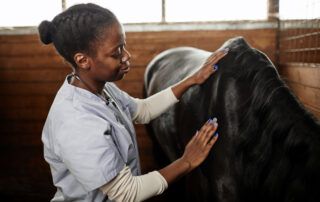
Muscle loss in horses is a worrisome problem and one that needs to be investigated promptly. This condition is also known as muscle atrophy or muscle wasting, and is defined as a decrease in muscle mass below normal levels. Loss of muscle tissue can be restricted to one area or generalized over the horse’s entire body.

11 Causes of Muscle Loss in Horses2026-07-23T16:28:24-04:00

Narcolepsy in Horses: Sleep Disorder Causes, Symptoms & Treatments

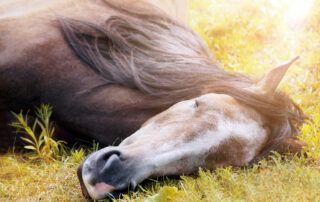
Narcolepsy is a neurological and rapid eye movement (REM) sleep disorder. It involves the sudden onset of sleep during the daytime. The condition occurs chronically and throughout life in affected horses unless treatment is provided. Two types of narcolepsies are recognized in horses: one occurring in young foals (neonatal narcolepsy) and the other affecting adult horses. Common signs of narcolepsy include excessive drowsiness or sleepiness, sudden lowering of the head, buckling at the knees, and stumbling. In some cases, a loss of muscle control (cataplexy) may occur and result in collapse.

Narcolepsy in Horses: Sleep Disorder Causes, Symptoms & Treatments2026-07-23T16:22:51-04:00

Standardbred Horse Breed Guide: Health, Nutrition & Characteristics

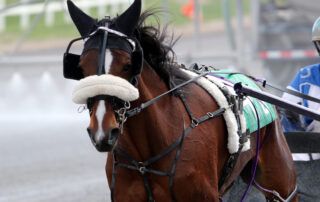
The Standardbred is an American breed developed for the sport of harness racing. But just like their Thoroughbred ancestors, these horses can go on to successful second careers as riding horses after they leave the racetrack. Standardbreds are classified as trotters or pacers depending on the gait they use for races. Bred initially from horses that could trot one mile in a standard time, the American Standardbred is now the fastest trotting breed in the world. While high-stress racing careers can lead to health problems even after Standardbreds arrive at their new homes, careful management can help these horses thrive. Many Standardbred owners enjoy these ex-racehorses as friendly and willing pleasure mounts.

Standardbred Horse Breed Guide: Health, Nutrition & Characteristics2026-07-16T18:53:55-04:00