Analyze Diet

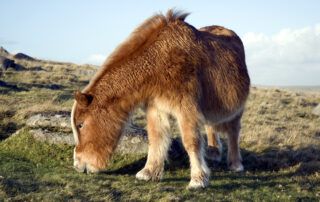
Miniature Horse Breed Guide: Health, Nutrition & Characteristics

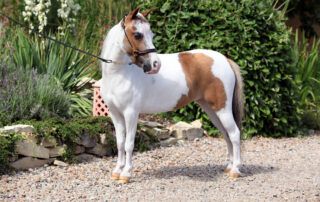
Miniature Horses are the smallest horse breed in the world. Originating from Shetlands and other pony breeds, modern breeding programs aim to produce minis with physical characteristics that resemble full-sized horses in a smaller package.
Miniature Horse Breed Guide: Health, Nutrition & Characteristics2026-07-23T16:19:15-04:00

Hackney Pony Breed Guide: Characteristics, Health & Nutrition

The Hackney is an elegant breed of light horses developed in Great Britain for carriage driving. These equines are known for their high-stepping trots, which help them stand out in harness show arenas. Hackneys come in two different height ranges. Hackney ponies are shorter than Hackney horses but share similar characteristics, packing expressive personality and movement into a smaller size. These ponies are more prevalent in North America than their larger cousins. While most Hackney owners use their horses for driving disciplines, Hackney bloodlines have significantly influenced the development of several popular riding horse breeds. Unfortunately, full-size purebred Hackeys are at risk of going extinct.

Hackney Pony Breed Guide: Characteristics, Health & Nutrition2026-07-23T16:12:25-04:00

Heat Stress in Horses: Signs, Treatment & Prevention

Heat stress occurs when the horse’s internal cooling mechanisms stop working efficiently and the ability to maintain a normal body temperature is affected. This is common and in hot and humid conditions, or following vigorous exercise. Without intervention, heat stress can progress into a life-threatening condition called heat stroke, or hyperthermia. If the horse’s body temperature exceeds 40.5°C (105°F), blood supply to the muscles and organs can be affected. Many factors can determine a horse’s ability to tolerate heat, including acclimatization, breed, age, feeding plan, fitness, energy expenditure, hydration and humidity.

Heat Stress in Horses: Signs, Treatment & Prevention2026-07-23T15:57:08-04:00

Enteroliths in Horses: Causes, Symptoms & Prevention

Enteroliths are calcifications or mineral masses that can form in the horse's intestines, sometimes resulting in impaction colic. These intestinal stones form when the horse consumes an indigestible object, which is not passed by the digestive system. Mineral deposits then accumulate around the foreign object. While some enteroliths are naturally passed in the manure with time, others grow larger and can obstruct the transit of feed through the gut. Enteroliths are most common in horses located in dry, arid regions, but can occur in any horse worldwide. A lack of pasture access and diets containing certain feeds can also increase the risk of enterolith formation.

Enteroliths in Horses: Causes, Symptoms & Prevention2026-07-23T15:54:42-04:00

Hypothyroidism in Horses: Causes, Diagnosis & Treatment

Hypothyroidism refers to inadequate production of thyroid hormones, primarily thyroxine and (T4) and triiodothyronine (T3). These hormones are produced by the thyroid gland and play a role in regulating your horse's metabolism. Hypothyroidism most commonly occurs in neonatal foals and is rarely observed in adult horses. In foals, the condition results in musculoskeletal deformities and, in some cases, thyroid gland enlargement. When hypothyroidism occurs in adult horses, typical signs include dull coat, lethargy, and poor performance.

Hypothyroidism in Horses: Causes, Diagnosis & Treatment2026-07-23T15:45:33-04:00

11 Tips to Keep Your Horse Healthy While on Stall Rest

Full-time stall confinement isn’t good for a horse’s physical or mental welfare. Horses are social animals who, in the wild, move long distances and eat small, frequent meals all day long. Many domestic horses are stalled due to boarding situations, training, or for weight management. Daily turnout and exercise are essential when this is the case. Sometimes, long-term stall confinement or stall rest is necessary for a horse to recuperate after a surgery or a significant injury or illness.

11 Tips to Keep Your Horse Healthy While on Stall Rest2026-07-23T15:40:26-04:00

American Saddlebred Horse Breed Guide: Characteristics, Health & Nutrition

The American Saddlebred horse is a charismatic equine breed with high-stepping gaits and eye-catching looks. Often called "the horse America made”, the breed traces back to Colonial America when settlers crossed imported Thoroughbreds and gaited breeds to produce a distinct riding horse. Further refinement during the 18th century in Kentucky created a breed revered for its quality, size, stamina, and ambling gaits. Today, the traits that made the American Saddlebred a preferred mount of cavalry officers during the American Civil War make this breed the ultimate show horse. Unfortunately, performance demands on American Saddlebreds can increase the risk of specific health problems.

American Saddlebred Horse Breed Guide: Characteristics, Health & Nutrition2026-08-20T14:55:33-04:00

Shivers in Horses – Signs, Causes, Treatment & Prognosis

Shivers, or shivering, in horses is a progressive neuromuscular condition characterized by an abnormal, jerky gait while backing up. Horses affected by Shivers exhibit muscle tremors in the pelvic limbs when forced to back up. Clinical signs typically appear in horses between two and five years old and gradually worsen. Shivers is more common in taller breeds, Warmbloods, and draft horses and affects geldings three times more frequently than mares.

Shivers in Horses – Signs, Causes, Treatment & Prognosis2026-07-22T19:29:56-04:00

13 Signs of PPID in Horses: Long Hair Coat, Muscle Loss & More

Pituitary Pars Intermedia Dysfunction (PPID), previously referred to as Cushing’s Disease, is an endocrine-related disease that affects approximately 20-25% of senior horses, ponies, and donkeys. Signs of PPID in horses include abnormal hair coats, muscle atrophy, loss of topline, poor performance, regional fat deposits, and weight loss. Horses may also experience infertility, abnormal sweating, increased thirst and urination, and immune dysfunction. Horses affected by PPID also have a higher risk of laminitis and may experience symptoms related to insulin resistance due to concurrent Equine Metabolic Syndrome.

13 Signs of PPID in Horses: Long Hair Coat, Muscle Loss & More2026-07-22T19:30:39-04:00

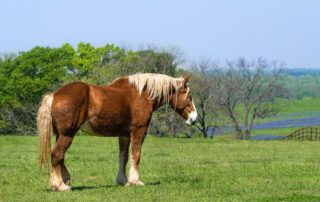
Belgian Draft Horse Breed Guide: Health, Nutrition & Characteristics

The Belgian Draft is one of the largest horse breeds in the world. With roots tracing back to the heavy horses that carried Medieval knights into battle, the Belgian has an impressive stature and exceptional power. In North America, Belgian Draft horses outnumber the population of all other draft breeds combined. These American Belgian Drafts became genetically distinct when importations of European horses slowed in the early twentieth century. Once relied upon for agricultural work, the breed continues to gain popularity thanks to their versatility and good dispositions.

Belgian Draft Horse Breed Guide: Health, Nutrition & Characteristics2026-07-15T14:16:19-04:00

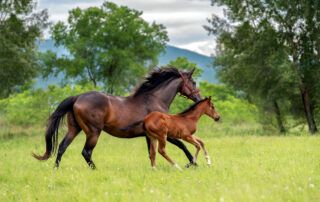
How to Feed a Growing Foal: Nutrition from Birth to Yearling

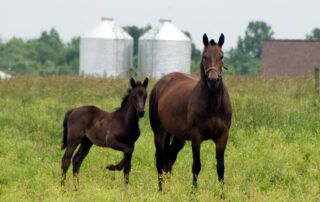
Raising a healthy foal involves working closely with your veterinarian and equine nutritionist to make sure they are maintaining proper growth and development. Foals grow quickly in the first few months after birth, reaching ~80% of their mature height and ~43% of their mature weight by just six months of age. This rapid growth rate makes foals susceptible to developmental and joint issues, which can impact their future well-being and performance in the long-term.

How to Feed a Growing Foal: Nutrition from Birth to Yearling2026-07-22T19:28:24-04:00

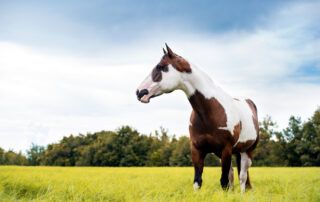
American Paint Horse Breed Characteristics, Health & Nutrition Guide

The American Paint Horse is an eye-catching breed with distinctive colouring and stock horse bloodlines. This American breed shares ancestry with the Quarter Horse, which deliberately excluded horses with pinto coat patterns from their breed registry. Paint Horses are adored by a loyal fan base of riders thanks to their willing dispositions and colourful coat patterns.  Unfortunately, the same genes responsible for specific Paint coat patterns can contribute to genetic disorders. Founded initially to preserve colourful horses ineligible for AQHA registration, the American Paint Horse is now one of the most popular breeds in North America.

American Paint Horse Breed Characteristics, Health & Nutrition Guide2026-07-22T19:23:23-04:00

Air Quality in Horse Barns: Respiratory Health, Dust & Ventilation

Respiratory problems are a common occurrence in horses, sometimes they occur in acute (short-term) bouts or can be chronic illnesses. Some respiratory diseases are communicable to other horses, while others are not contagious and occur due to allergies or environmental factors. Horses with an acute respiratory illness, such as equine influenza, may recover without complications. Horses with chronic respiratory conditions, such as equine asthma, can continue to have symptoms that, if not managed, may worsen over time. Because many horses are kept in a stall for part, or most of the day, barn ventilation is paramount to reducing the risk of respiratory disease.

Air Quality in Horse Barns: Respiratory Health, Dust & Ventilation2026-07-22T19:22:33-04:00

Thoroughbred Horse Breed: Characteristics, Health & Nutrition Guide

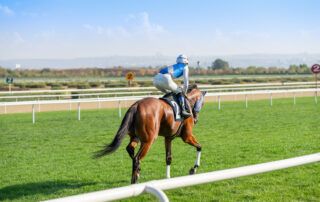
The Thoroughbred is a popular horse breed widely recognized for its speed and athleticism. Bred specifically for horse racing since the 17th century, Thoroughbreds continue to rule racetracks around the world. While the racing industry produces tens of thousands of Thoroughbreds each year, most of these horses move on to second careers after they retire from the track at young ages. Fortunately, many of the characteristics that make this breed ideal for racing also translate to success in various equestrian sports. However, off-track Thoroughbreds (OTTBs) often have unique training, health, and nutrition needs.

Thoroughbred Horse Breed: Characteristics, Health & Nutrition Guide2026-07-22T19:21:06-04:00

Long Distance Travel with Horses: [Long Haul Trailering Guide]

Shipping horses over long distances can be a daunting but rewarding undertaking. Many breeders, trainers, exporters and equestrians eventually find themselves needing to transport a horse over a long distance via air or land travel. Even settled horse owners may need to ship their horses long-haul as a result of a relocation. Knowing how to prepare your horse for long-haul shipping can save you some stress and protect the health and well-being of your horse.

Long Distance Travel with Horses: [Long Haul Trailering Guide]2026-07-22T19:14:00-04:00

How to Make Your Horse’s Coat Shine [Nutrition & Grooming Guide]

External shine is a reflection of internal health. So if you want your horse to have a gleaming, glossy coat, you'll have to start from the inside out. Quality grooming and care have a significant impact on coat health. But no amount of elbow grease can overcome poor nutrition. Nutritional gaps in the diet will cause the horse's coat to appear dull and dry. Underlying health conditions such as gastric ulcers and high parasite loads also decrease nutrient absorption and contribute to coat dullness. Regular veterinary care and appropriate deworming can help your horse feel and look his best.

How to Make Your Horse’s Coat Shine [Nutrition & Grooming Guide]2026-07-22T19:06:52-04:00

Bowed Tendons in Horses: Tendinitis Clinical Signs & Treatment

Bowed tendon in horses is defined as acute or chronic inflammation of a tendon. This condition is also known as tendinitis, tendonitis or tendinopathy. This injury usually occurs when the tendon is strained beyond its limit, resulting in torn collagen fibers. Tendinitis affects the digital flexor tendons in the lower leg of the horse and can cause severe swelling, pain and lameness. Racehorses and performance horses are more likely to be affected due to the intensity of their sports. Between 8-43% of racing Thoroughbreds develop a bowed tendon during their racing career. However, any horse can develop tendinitis.

Bowed Tendons in Horses: Tendinitis Clinical Signs & Treatment2026-07-22T19:00:39-04:00

Feeding Horses in Work – Nutritional Requirements & Example Diets

Performance horses have higher energy and protein requirements than horses at maintenance (not exercising). Formulating diets to meet the requirements of horses in work should take into account their level of work and performance goals, as well as help mitigate the increased risk of certain health conditions that come with exercise. Most horses in work can meet their energy and protein needs from high-quality forages. However, additional sources may be required to fully meet their needs. Optimizing the diet of any performance horse also needs to take into account their discipline, breed, training/racing schedule, frequency of travel, and health history.

Feeding Horses in Work – Nutritional Requirements & Example Diets2026-07-22T17:56:09-04:00

Arabian Horse Breed Characteristics, Health & Nutrition Guide

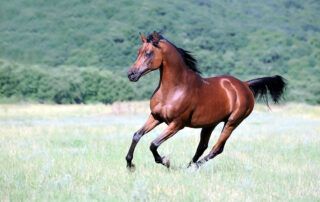
The Arabian is one of the oldest recognized horse breeds, with a history spanning thousands of years. The breed originated in the Arabian Peninsula and spread worldwide through war and trade. Today, nearly every modern breed of riding horse carries the influence of Arabian bloodlines. Originally bred in the desert by the nomadic Bedouin people, these horses are known for their distinctive beauty and charismatic spirit. While the breed's legendary history contributes to its enduring popularity, the traits that made Arabians prized in ancient cultures now help the breed succeed in modern equestrian sport.

Arabian Horse Breed Characteristics, Health & Nutrition Guide2026-08-20T14:49:27-04:00

Appaloosa Horse Breed Characteristics, Health & Nutrition Guide

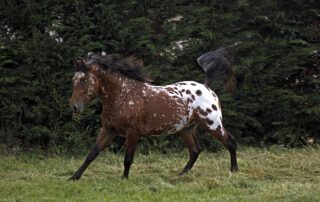
Appaloosa horses are instantly recognizable by their distinctive spotted colouring. But there's more to Appaloosas than their colourful coats. This breed's rich history and adaptable disposition make it a favourite mount for riders who want to stand out in any arena. This American breed descends from horses developed by the indigenous Nez Perce people in the Pacific Northwest. Pushed to the brink of vanishing due to breeding with other bloodlines, the modern Appaloosa exists today thanks to a concerted effort to preserve these spotted horses. The Appaloosa's ancestors carried warriors, women, children, and the elderly through rugged mountain terrain. Today, the traits that made these horses trusted battle mounts and beloved family members contribute to the Appaloosa's popularity and versatility as an equine partner.

Appaloosa Horse Breed Characteristics, Health & Nutrition Guide2026-07-22T18:00:12-04:00

Impaction Colic in Horses: Signs, Diagnosis, Treatment & Prevention

Impaction colic in horses is a painful condition caused by an obstruction in the gastrointestinal (GI) tract. It is a serious and sometimes fatal condition. The term colic describes abdominal pain or discomfort in horses. Cases of colic are generally broken down into three common types: gas colic, spasmodic colic and impaction colic.

Impaction Colic in Horses: Signs, Diagnosis, Treatment & Prevention2026-07-22T17:51:52-04:00

Morgan Horse Breed: Characteristics, Health & Nutrition Guide

The Morgan horse is a versatile American horse breed known for excelling in a wide range of disciplines. First developed in the Northeastern United States in the 1800s, modern Morgans have long maintained a reputation as dependable companions and willing partners. The breed’s history began with the offspring of a legendary stallion whose descendants went on to serve many roles throughout American history. Morgan horses are also prominent in the foundation bloodlines of several other horse breeds on both sides of the Atlantic.

Morgan Horse Breed: Characteristics, Health & Nutrition Guide2026-07-22T19:09:33-04:00

Emergency Preparedness for Horse Owners – [Disaster Planning]

No horse owner wants to face the impossible decision of leaving their animal behind in an emergency. While natural disasters can be unpredictable, an emergency preparedness checklist can help horse owners keep their animals safe when disaster strikes. Not having a plan may harm both horse and human safety. One poll found that 44% of people who did not evacuate during Hurricane Katrina kept themselves in harm’s way because of their companion animals.

Emergency Preparedness for Horse Owners – [Disaster Planning]2026-07-22T17:49:30-04:00

Skin Irritations in Horses: Hives, Infections, Allergies & Hair Loss

Strange lumps, itching, bald spots, redness, skin flaking, and scruffy patches are common signs of skin problems in horses. While most equine skin irritations don’t present serious health risks, persistent skin problems can lead to infections and could indicate allergies, systemic inflammation or other health concerns.

Skin Irritations in Horses: Hives, Infections, Allergies & Hair Loss2026-07-22T17:48:22-04:00

How To Estimate Your Horse’s Body Weight – [Average Weight by Breed]

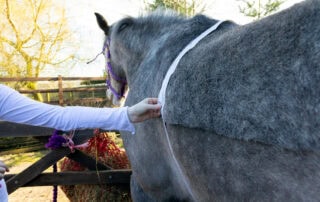
Knowing your horse's body weight is important to determine their nutritional requirements, administer certain medications and monitor their health status. However, not all horse owners have an easy way to measure their horse’s body weight. Mature adult horses can weigh anywhere between 300 - 1000 kg (650 - 2200 lb) and require special weighbridges or scales to assess weight. On-farm scales are rare, and unless your horse travels to a local animal hospital, you may never get an accurate body weight measurement. Fortunately, several methods are available to estimate your horse's weight. This includes using a weight tape or calculating their approximate weight from girth and body length measurements.

How To Estimate Your Horse’s Body Weight – [Average Weight by Breed]2026-07-22T11:10:25-04:00

Slow Feeders for Horses: Benefits & Best Way to Use

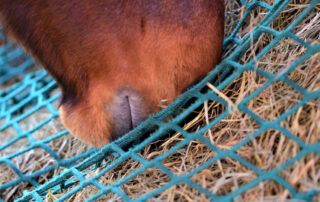
In recent decades, slow feeding has gained popularity with horse owners. Slow feeders are nets or solid feeders with small to medium-sized openings for hay access. Their purpose is to slow down the rate at which a horse eats, allowing the forage to last longer, minimizing the time your horse spends on an empty stomach.

Slow Feeders for Horses: Benefits & Best Way to Use2026-07-22T17:46:22-04:00

How to Identify Forages and Estimate Their Maturity

Forage is the single highest volume component in the equine diet. The type, quality, and maturity of the forage you feed have the greatest impact on the nutritional composition of your horse's ration. The only way to precisely assess the quality of a forage is to submit a sample for analysis. However, some visual and sensory clues can help you identify the forage species and their level of maturity to estimate the nutritional quality. This will help you decide how to choose a forage that is appropriate for your horse.

How to Identify Forages and Estimate Their Maturity2026-07-22T17:45:13-04:00