Analyze Diet

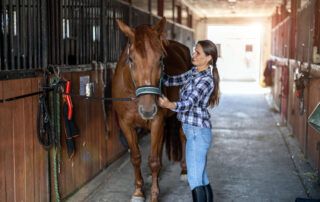
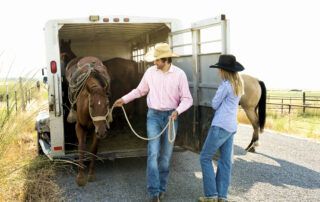
13 Tips for Trailering Your Horse [A How-To Guide]

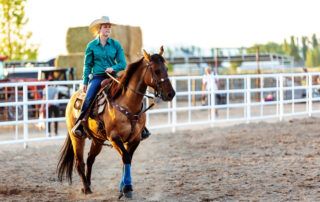
Whether you are a seasoned equestrian or a new horse owner, trailering your horse can be a daunting task but does not have to be uncomfortable for you or your horse. Many factors influence equine welfare while trailering. However, the right vehicle, proper trailer maintenance, careful driving, and thorough preparation will help ensure a safe and successful journey with your horse.
13 Tips for Trailering Your Horse [A How-To Guide]2026-07-22T17:40:41-04:00

CBD Oil Benefits for Horses: Supplement Research Review

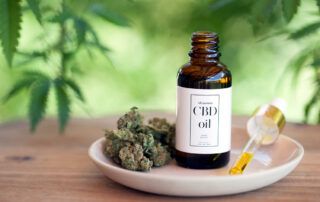
In recent years, cannabidiol (CBD) has gained popularity as a natural remedy for some equine medical conditions. Currently, research into the effects of CBD on horses is very limited, and many reports of its purported benefits are anecdotal. Cannabidiol is a non-psychoactive compound found in cannabis plants. Research in humans and other animals shows that CBD products exert anti-inflammatory, anti-anxiety,  anti-depressant and pain-relieving effects.

CBD Oil Benefits for Horses: Supplement Research Review2026-07-31T11:39:56-04:00

Vaccination Guide for Horses: Schedule & List of Equine Vaccines

Staying up-to-date with required vaccines is important to keep your horse healthy and prevent the spread of infectious diseases. Vaccines have been developed for 14 major equine diseases, including Strangles, West Nile Virus, Equine Influenza, and Equine Herpesvirus. Some vaccines are recommended for all horses, while others are recommended based on your horse's risk profile. If your horse lives in specific geographic areas, competes in performance disciplines, or frequently travels to events and shows, they may have a higher risk of contracting certain diseases.

Vaccination Guide for Horses: Schedule & List of Equine Vaccines2026-07-22T17:32:32-04:00

Tetanus in Horses: Signs, Prevention & Treatment

Tetanus, or lockjaw, is a non-contagious neurological disease that results from a bacterial infection. Horses are particularly vulnerable to tetanus, with individuals of all ages and breeds affected worldwide. Tetanus spores are particularly dangerous for horses as they survive for long periods and can be found everywhere in the environment, including in soil, dust, manure and even the digestive tract. The smallest wound can make a horse susceptible to tetanus once these spores enter the body. Fortunately, tetanus is entirely preventable with regular immunization and other protective measures.

Tetanus in Horses: Signs, Prevention & Treatment2026-07-22T17:28:09-04:00

Botulism in Horses: Causes, Symptoms & Treatment

Botulism is a fatal neuroparalytic disease that affects horses, humans and other animals worldwide. Botulism interferes with nerve signalling, weakening and often paralyzing the horse. This disease is caused by the ingestion of botulinum toxin produced by Clostridium botulinum bacteria. Horses are particularly susceptible to botulism and only need to consume a small amount of botulism neurotoxin to become seriously infected. When botulism occurs in foals, it is known as Shaker Foal Syndrome or toxico-infectious botulism. Botulism outbreaks occur sporadically but are fortunately rare. Feed or forage can be contaminated with botulism and infect multiple horses with access to that feed. Silage and haylage are the most common sources of botulism in equine diets.

Botulism in Horses: Causes, Symptoms & Treatment2026-07-22T17:25:57-04:00

Hair Loss (Alopecia) in Horses – Signs, Causes & Treatment

Alopecia or hair loss in horses can occur for several different reasons and may be temporary or permanent. Alopecia refers to the partial or complete absence of hair that occurs in any area of the body where hair is normally present. Congenital alopecia is a condition that is present at the time of birth. This form of alopecia is non-inflammatory and may occur due to genetic factors, resulting in damage to the hair follicles. Acquired alopecia refers to a partial or complete loss of hair that occurs at any stage of life. It is the most common form of hair loss that affects horses.

Hair Loss (Alopecia) in Horses – Signs, Causes & Treatment2026-07-22T17:23:09-04:00

Chia Seeds for Horses – Nutrition, Benefits & Feeding Guide

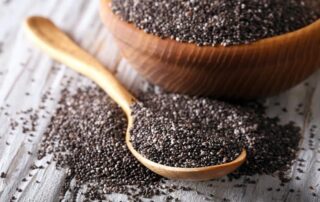
Chia seeds are derived from the Salvia hispanica plant and are fed to horses to support gut health and provide nutrients. A member of the mint family, chia has been cultivated for over 5,000 years in Central America. The seeds of the chia plant are rich in nutrients, including fiber, vitamins, minerals, and omega-3 and omega-6 polyunsaturated fatty acids. Chia is also a source of amino acids and beneficial plant chemicals (phytochemicals). Chia is included in the equine diet as a source of cool calories with digestible energy primarily supplied from fat. Feeding chia is also purported to support gut motility, possibly reducing the risk of sand colic, among other purported benefits.

Chia Seeds for Horses – Nutrition, Benefits & Feeding Guide2026-07-22T17:17:29-04:00

Guide to Turnout for Horses: Benefits, Safety & Schedules

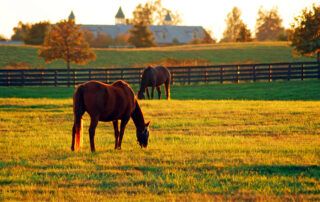
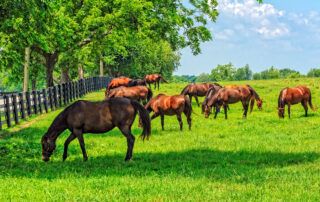
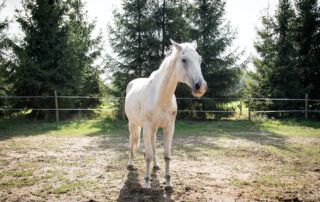
Modern domestic horses have very different lifestyles than their wild ancestors. While keeping horses in stalls is convenient for humans, confinement can be detrimental for animals who evolved to graze and walk throughout the day. Turning horses out to pasture provides freedom of movement in a controlled outdoor environment. Regular turnout can improve your horse's mental and physical health, even if your horse already gets frequent exercise under saddle. While turnout involves some risk of injury, greater turnout time generally provides more benefits for equine welfare. However, the best turnout schedule for your horse will vary depending on their unique needs and preferences.

Guide to Turnout for Horses: Benefits, Safety & Schedules2026-07-22T17:12:09-04:00

Transitioning your Horses to Grazing Pasture in the Spring [Guide]

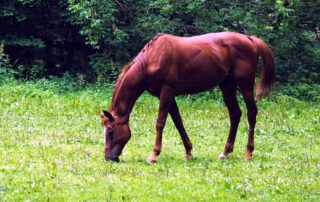
Turning horses out on pasture is one of the best ways to encourage natural grazing behaviour. Fresh forage can be a valuable part of a balanced equine diet, but grass does not have the same nutritional value throughout the year. In the spring, growing grasses can accumulate high amounts of non-structural carbohydrates (NSC) that might be unsafe for certain horses to consume. If your horse has limited pasture access during the winter, a sudden change in diet when spring arrives can increase the risk of digestive health problems and laminitis. Proper pasture management, including spring grazing restrictions, can help limit these risks. Some particularly sensitive horses may need to be housed in dry lots and only fed low-NSC hay.

Transitioning your Horses to Grazing Pasture in the Spring [Guide]2026-07-22T17:08:25-04:00

American Quarter Horse Breed Characteristics, Health & Nutrition Guide

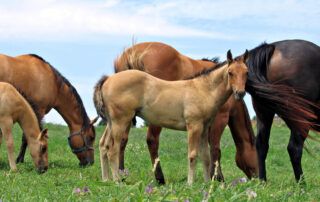
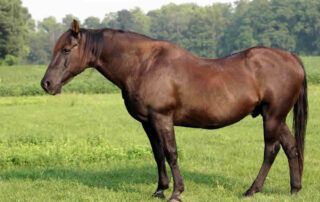
The American Quarter Horse is the most popular horse breed in the world. The AQHA has registered more than 6 million Quarter horses since 1940, thanks to the breed's trademark character and versatility. As one of the oldest recognized breeds in the United States, the Quarter Horse has a rich history closely intertwined with that of America. Initially bred for quarter-mile races, the working Quarter Horse eventually found a niche on the western frontier. Modern Quarter Horses thrive in a wide range of disciplines as pleasure and performance horses. But the breed has an increased risk of genetic diseases and health conditions requiring specialized nutrition and management.

American Quarter Horse Breed Characteristics, Health & Nutrition Guide2026-08-20T14:47:03-04:00

Coggins Test for Horses – Detecting Equine Infectious Anemia

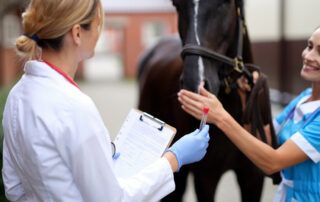
The Coggins test is a standard fixture in a routine annual equine wellness appointment. Veterinarians usually pull blood for this test when they perform spring vaccines but, some horse owners may not fully understand why. Coggins testing is often mandatory if your horse travels for competition or lives at a boarding facility. Many veterinarians recommend that every horse gets an annual Coggins test.

Coggins Test for Horses – Detecting Equine Infectious Anemia2026-07-22T17:15:18-04:00

Pasture Health & Grazing Management for Horses – [Guide]

Grazing fresh forage while out on pasture can provide excellent nutrition for horses. But environmental conditions and horse needs can make it challenging to maintain productive pastures. Some pastures require very little management to support a low density of horses. However, for horse owners with limited turnout space or poor soil quality, good management practices are critical for preserving pasture health.

Pasture Health & Grazing Management for Horses – [Guide]2026-07-22T15:52:40-04:00

Hoof Cracks in Horses and How to Treat Them [Guide]

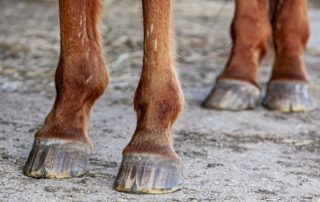
Horses are prone to hoof cracks for various reasons. Cracks can lead to the hoof chipping away in certain areas. Cracks can be a cosmetic problem that can be easily corrected, but sometimes, they indicate something more serious is happening within the hoof. Cracks often form in the hoof wall in a vertical direction, following the hoof tubules. They often originate from the bottom hoof surface or, less commonly, the coronary band. At times, a hoof crack may run the entire length of the hoof wall.

Hoof Cracks in Horses and How to Treat Them [Guide]2026-07-22T15:52:10-04:00

Feeding Alfalfa to Horses: Pros & Cons of this Forage in the Diet

Alfalfa is a popular forage choice for horses and an ingredient in many equine feeds. This legume forage can be processed and preserved in many different ways to make it easier to incorporate into the diet. Alfalfa is nutrient-dense and is an excellent source of energy, protein and minerals in the equine diet. It is also typically low in non-structural carbohydrate content.

Feeding Alfalfa to Horses: Pros & Cons of this Forage in the Diet2026-07-22T15:51:05-04:00

Photosensitization in Horses: Causes, Signs, Treatment & Prognosis

Photosensitization, or light-induced dermatitis (photodermatitis), is a noncontagious condition in horses where the skin becomes extremely sensitive to sunlight. This condition often mimics a sunburn, but it is much more serious and painful. Photosensitization is most commonly caused by ingesting toxic plants containing pigments, which are absorbed from the gastrointestinal tract and transported to the skin. When exposed to ultraviolet (UV) rays from sunlight, the pigments cause a complex photosensitivity reaction in the horse's skin. Non-pigmented (i.e. white) skin is especially sensitive to reactive compounds, as is skin with little hair cover (i.e. muzzle, eyelids, ears).

Photosensitization in Horses: Causes, Signs, Treatment & Prognosis2026-07-22T15:41:03-04:00

Dry Lots for Horses: Benefits of Turnout on Bare Paddocks

While acres of lush green fields seem like the idyllic setting for a horse farm, constant access to high-quality pastures isn't always best for your horse's health. Space limitations and environmental conditions can also make grass turnout impossible for some equine facilities. A dry lot provides an alternative turnout solution for horse owners in these situations. Dry lots are small paddocks that contain little to no vegetation. These turnout areas, also called sacrifice lots, are designed to withstand heavy use, even during increased rain or drought. A dry lot protects pasture health by allowing grass fields to rest.

Dry Lots for Horses: Benefits of Turnout on Bare Paddocks2026-07-22T15:28:41-04:00

How to Support Bone Strength in Horses: [Exercise & Nutrition]

Bones, joint cartilage, ligaments, and tendons make up your horse's skeletal system, which provides structural support for your horse's body. Most horse owners pay close attention to the role of joints and soft tissue health in preserving soundness and comfort. But bone strength is just as critical for supporting mobility and performance in horses. Bone is a dynamic tissue that responds to impact and loading forces. Research shows that exercise and nutrition influence bone density in horses.

How to Support Bone Strength in Horses: [Exercise & Nutrition]2026-10-06T12:56:59-04:00

8 Common Equine Eye Conditions & Vision Problems [List]

It’s not uncommon for horses to experience eye problems. Several conditions and diseases can affect vision and eye health in horses, including uveitis, cataracts, and conjunctivitis. Horses experiencing eye issues may have symptoms such as swelling, tearing, drainage, discoloration, cloudiness, or sensitivity to light. Some conditions may not affect the eye, but instead, the eyelid or area around the eye. If your horse is affected by vision problems, this may result in poor performance, reluctance to move, nervous behavior, stumbling or clumsiness and an increased risk of injuries.

8 Common Equine Eye Conditions & Vision Problems [List]2026-09-15T20:30:41-04:00

Basic Horse Care Guide for Beginners [Daily Checklist]

Taking care of a horse is an ongoing commitment. Even routine horse care requires significant time and resources. Horses need secure environments, adequate exercise, social companionship and a balanced diet to thrive. They also have unique digestive systems susceptible to colic and other gastrointestinal health issues if not fed appropriate forage.

Basic Horse Care Guide for Beginners [Daily Checklist]2026-07-22T14:52:19-04:00

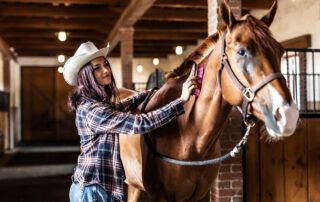
How to Groom a Horse: Step-By-Step Guide

A proper grooming routine involves more than just knocking the dirt off your horse's coat before tacking up. A well-groomed horse is a well-cared-for horse. Learning to groom your horse correctly and following a thorough daily grooming routine can significantly benefit their health and well-being. Horse owners can also use this time to bond with their horses and check for signs of health problems that might need attention.

How to Groom a Horse: Step-By-Step Guide2026-07-22T14:45:11-04:00

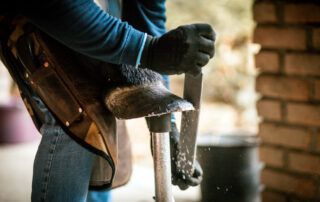
Farrier Care for Horses: Hoof Balance, Trimming & Shoeing

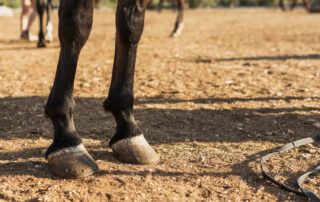
A strong hoof is the foundation of a sound horse. When it comes to proper hoof care, it's all about balance. All horses need regular farrier care, and working with an experienced farrier is one of the best investments you can make in your horse's soundness. Maintaining correct hoof balance with regular trimming and shoeing by a qualified farrier prevents overloading structures in the limb and allows the hoof to function optimally.

Farrier Care for Horses: Hoof Balance, Trimming & Shoeing2026-07-22T14:44:02-04:00

Myosin Heavy Chain Myopathy (MYHM) in Horses: Signs, Causes & Treatment

Myosin Heavy Chain Myopathy (MYHM) is a muscle disease that can affect Quarter Horses and related breeds with the associated mutation in the MYH1 gene. MYH1, also called myosin heavy chain 1, is a gene that encodes a type of myosin found in fast-twitch muscle. Myosin is a protein responsible for muscle contraction and other motor functions. Horses with the MYH1 mutation have myosin with an altered amino acid sequence which interferes with the function of myosin in muscle tissue.

Myosin Heavy Chain Myopathy (MYHM) in Horses: Signs, Causes & Treatment2026-07-22T14:30:21-04:00

Coughing in Horses: Causes, Types, Diagnosis & Treatments

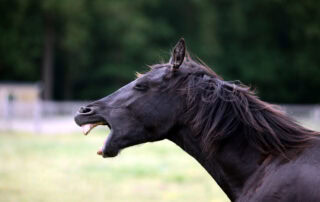
Coughing is a common clinical sign in horses that can be entirely benign or the first clue of a medical condition. Your horse’s cough is a normal reflex that keeps his airway healthy and clean. But some conditions associated with coughing require immediate veterinary care. Horse owners should learn to identify different types of coughs to determine when to call the vet. While certain diseases only respond to medical treatments, feeding and environmental changes can also help manage coughing in horses.

Coughing in Horses: Causes, Types, Diagnosis & Treatments2026-09-15T20:34:26-04:00

How to Feed a Horse with Equine Metabolic Syndrome

For horse owners and barn managers, Equine Metabolic Syndrome (EMS) is a challenging condition to manage. How do you know which hays and feeds are safe and how should pasture turnout be regulated? Horses and ponies diagnosed with EMS cannot effectively metabolize dietary sugars due to a reduced insulin sensitivity. These horses are often overweight or obese and have an increased risk of laminitis. Metabolic horses need to be fed a diet with reduced sugars and starches. It's also important to manage their weight and regulate caloric intake while balancing vitamins and minerals.

How to Feed a Horse with Equine Metabolic Syndrome2026-09-15T20:37:45-04:00

Horse Teeth Floating Guide: Equine Dental Exams and Preventative Maintenance

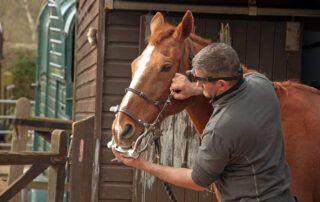
Routine equine dentistry is an often overlooked aspect of preventative care that can significantly impact your horse's welfare and performance. Horses have specialized teeth adapted to continuous grazing. Unlike human teeth, horse teeth erupt throughout their life and can become imbalanced if they are not worn down evenly. Domestic horses may have diets and eating patterns that prevent them from wearing down their teeth naturally. Uneven wear can cause significant discomfort, especially for performance horses wearing bits and bridles during exercise.

Horse Teeth Floating Guide: Equine Dental Exams and Preventative Maintenance2026-07-22T14:18:58-04:00

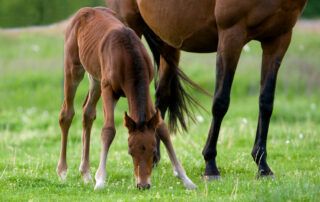
Weaning a Foal: How and When to Wean and Introduce Creep Feeds

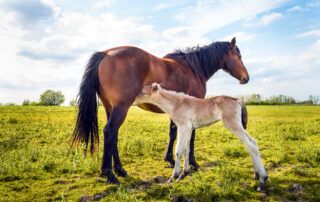
Weaning foals refers to separating the foal from their mother so they no longer consume milk by nursing. Once weaned, foals must obtain nutrients from forage and other feeds. Domesticated foals are typically weaned four to seven months after birth. Various weaning strategies can be used, including progressive and abrupt separation of the foal and dam. Progressive separation is believed to be less stressful for foals. Housing newly weaned foals in a natural environment and with unrelated adult horses and or their peers may also reduce stress. Introducing foals to creep feeding (eating small amounts of concentrates) before weaning provides a range of benefits. Creep feeds provide additional nutrients to nursing foals, reduce weaning stress, and enable the developing foal to gradually become accustomed to eating solid foods.

Weaning a Foal: How and When to Wean and Introduce Creep Feeds2026-07-22T14:16:12-04:00

Lasix (Furosemide) for Horses with Bleeders: Uses, Dosage & Side Effects

Lasix (furosemide) is a medication routinely used to prevent lung bleeding in horses with exercise-induced pulmonary hemorrhage (EIPH). This bleeding disorder is prevalent in racehorses following bouts of high-intensity exercise. Veterinarians often recommend treating with Lasix on race days to minimize the risk of bleeding, with a reported 74.2% of racehorses in North America using the drug. Horses on Lasix have faster race times and earn more money over their career than horses not on the drug. However, controversy surrounds the widespread use of Lasix in the racing industry.

Lasix (Furosemide) for Horses with Bleeders: Uses, Dosage & Side Effects2026-07-22T14:11:12-04:00

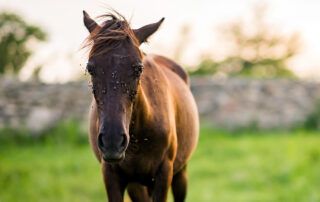
Best Fly Control for Horses & Barns: Sprays, Gears & Other Measures

Flies are more than just a nuisance to horses and their owners. Without proper fly control, these insects can transmit diseases to your horse and cause skin irritations. Effective fly control for horses starts before fly season begins with environmental management strategies to prevent flies from breeding on your farm. You can also protect your horses from flies by adding features to your barns that discourage insects from hanging around horses. Fly spray is one of the most common methods for controlling flies. But horses often need added protection from wearable fly gear to stay comfortable during peak fly season. Feed-through fly control is also available for horses, and some supplements may help support skin health in horses sensitive to bug bites.

Best Fly Control for Horses & Barns: Sprays, Gears & Other Measures2026-07-22T13:50:45-04:00

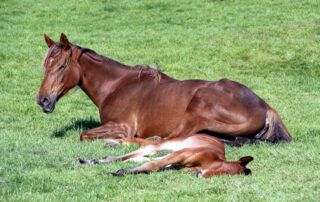
Retained Fetal Membranes (Placenta) in Mares: Signs, Causes & Treatment

Retained fetal membranes (RFM), also referred to as retained placenta, is a condition that affects a small percentage of broodmares. RFM can lead to serious medical complications in affected mares and requires prompt treatment. Potential complications of RFM include laminitis, the accumulation of toxins in the bloodstream (toxemia), and an enlarged uterus (metritis). RFM can also lead to sepsis, a potentially life-threatening condition that results when the body's response to an infection damages its own tissues. Proposed causes of retained fetal membranes are associated with hormonal and nutrient imbalances in the mare, abnormal adhesions between the placenta and the tissue that lines the uterus, foaling complications, abortion, and infections.

Retained Fetal Membranes (Placenta) in Mares: Signs, Causes & Treatment2026-07-22T13:52:42-04:00