Analyze Diet

By-product Feeds for Horses: [Ingredients Guide]

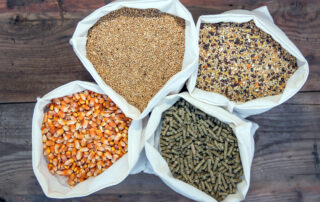
By-product ingredients are a fixture in equine diets, either as components of a complete feed or as concentrates added into the diet on their own. Although the term “by-product” may carry a negative connotation, these feeds are often high-quality, cost-effective options to add energy, protein or fibre to your horse’s diet.
By-product Feeds for Horses: [Ingredients Guide]2026-07-22T13:42:05-04:00

Best Bedding for Horses: Guide to Different Types of Materials

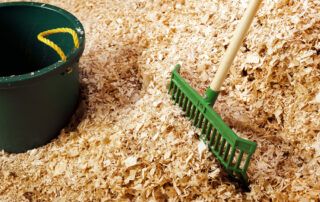
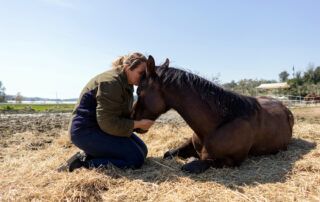
The type and amount of bedding you use for horses affects more than just how long it takes you to clean his stall. Bedding adds cushion to the floor of your horse's living space, absorbs moisture, and helps control odours that could harm your horse's respiratory health. Bedding depth also influences resting behaviours. Good bedding materials provide enough cushion for horses to lie down and are easy for care staff to keep clean. Different materials have unique advantages and disadvantages. Selecting the best bedding for your horse will depend on budget, housing situation, health needs, and the available materials in your location.

Best Bedding for Horses: Guide to Different Types of Materials2026-07-22T13:39:03-04:00

Horse Mortality: Euthanasia, Necropsy, and Carcass Disposal

If you own horses long enough, you'll eventually have to deal with the loss of a horse. Saying goodbye to a beloved equine can be traumatic. But death is an inevitable aspect of caring for any animal. Sometimes horse owners have to make end-of-life decisions. And after the final goodbye, the owner is responsible for determining what to do with the horse's body. Having a plan and understanding your options for equine disposal helps make difficult decisions more manageable when the time comes. While all horse owners hope the unthinkable never happens, better preparation can benefit everyone, not just senior horse owners.

Horse Mortality: Euthanasia, Necropsy, and Carcass Disposal2026-08-25T21:04:49-04:00

Shipping Fever in Horses: Causes, Symptoms & Treatment

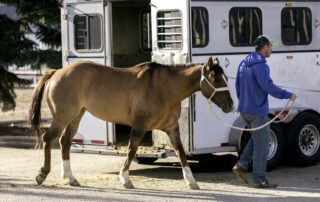
Shipping fever is a lower respiratory tract infection seen in horses transported over long distances or experiencing unusual or stressful events. Known causes of shipping fever include prolonged periods of head elevation, strenuous exercise, anesthesia or complications from a viral illness. These events increase the amount of debris aspirated by the horse and inhibit the horse’s ability to clear debris from the lungs. Stress also compromises the immune system, making horses susceptible to a viral respiratory infection. Without prompt medical intervention, shipping fever can develop into pleuropneumonia, which is a dangerous form of equine pneumonia. It is caused by fluid build-up in the lungs and pleural cavity, which is the space between the lungs and chest wall.

Shipping Fever in Horses: Causes, Symptoms & Treatment2026-09-15T20:48:20-04:00

Sand Colic & Impaction in Horses: Signs, Treatment & Prevention

Sand colic is a term for abdominal pain in horses caused by the ingestion of sand. Depending on the geographic region, five to thirty percent of all colic cases are caused by sand or sediment accumulation in the gut. Sand colic typically occurs in dry areas with poor vegetation growth. When horses forage, sand particles and other sediments (such as silt and gravel) are ingested and may remain in the large colon for long periods. Sand enteropathy or impaction occurs when sand accumulation damages the large intestine, leading to inflammation of the colon wall, distress or complete bowel obstruction. Without medical intervention, impaction colic can be fatal. Acute colic is a serious condition that requires medical attention. If your horse forages in a sandy region and presents clinical signs of sand colic, contact your veterinarian immediately.

Sand Colic & Impaction in Horses: Signs, Treatment & Prevention2026-08-20T14:43:10-04:00

Carbohydrates in the Equine Diet: Nutrition Review

Carbohydrates are the main energy source in an equine diet. These macronutrients are naturally abundant in forages, grains and grain by-products. Carbohydrates can be categorized based on their function in the plant and how they are digested by the horse.

Carbohydrates in the Equine Diet: Nutrition Review2026-07-22T12:53:59-04:00

Sarcoids in Horses: Types, Causes, Prevention & Treatment

Of the many skin conditions horses can develop, sarcoids are the most common. The term "sarcoid" was first used in 1936 in South Africa as a way to distinguish this skin lesion from other tumors. Sarcoids are benign (nonmetastatic) skin cancer believed to be caused by papillomavirus infection. They affect up to 11.5% of all horses. Sarcoids usually appear as rough, raised, hairless patches or nodules on the skin that are not painful or itchy. Some sarcoids are protruding, moveable masses with overlying skin still intact. The tumors are cosmetically unappealing and, depending on their location, can interfere with the function of the horse. But in most cases, the prognosis for affected horses is very good and some sarcoids resolve without any intervention. Effective treatments are available, including surgical removal, immunotherapy, cryotherapy, and laser surgery. However, sarcoids have a high rate of recurrence in horses.

Sarcoids in Horses: Types, Causes, Prevention & Treatment2026-07-22T12:50:36-04:00

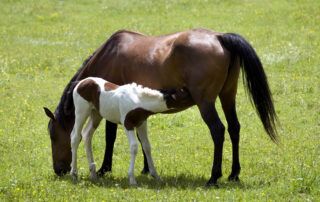
Preparing Broodmares for Breeding and Care During Pregnancy

Preparing your broodmare for breeding and pregnancy requires careful planning to ensure she is in optimal condition to carry and deliver a healthy foal. A Breeding Soundness Exam (BSE) provides a health assessment of mares being considered for breeding. Some mares may require advanced reproductive testing to ensure they can conceive and carry a healthy foal to term. Before breeding, your broodmare should have a healthy body condition score (BCS) of between 5 and 6 on the 9-point Henneke scale. Ensure your horse is up to date on deworming and vaccinations, and have your veterinarian perform a comprehensive exam to identify metabolic conditions. Work with a nutritionist to formulate a feeding plan to support your broodmare and the developing foal. After the fifth month of gestation, nutrient requirements for energy and protein increase, and by the seventh month, mineral needs also increase.

Preparing Broodmares for Breeding and Care During Pregnancy2026-07-22T12:47:12-04:00

Myofibrillar Myopathy (MFM) in Horses: Signs, Diagnosis, Management & Prognosis

Myofibrillar myopathy (MFM) is a newly identified muscle disorder that causes exercise intolerance in horses. MFM is a genetic condition that results from the abnormal build-up of desmin in muscle tissue. Desmin is a protein that is important for muscle contraction. In response to strenuous exercise, horses with MFM may experience pain, stiffness, lameness, poor stamina and intermittent gait abnormalities. This disorder has been identified mostly in Warmblood, Arabian horses and their crosses. Affected Warmbloods often refuse to collect under saddle while Arabians tend to have episodes of tying-up or extreme cramping.

Myofibrillar Myopathy (MFM) in Horses: Signs, Diagnosis, Management & Prognosis2026-07-22T12:43:37-04:00

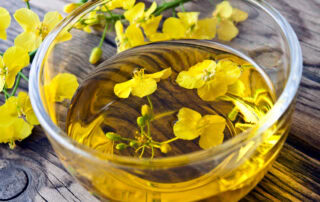
Feeding Canola Oil to Horses: Benefits for Weight Gain

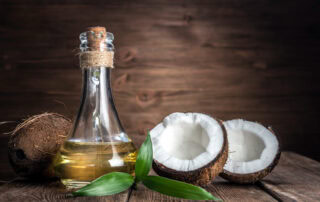
A variety of supplemental oils including camelina, flax, soy, corn, fish, and canola are commonly used in equine diets. Although every oil provides the same amount of energy, each one has a different fatty acid profile which can influence the horse's health. Dense in calories, canola oil is a source of fat that can be used to replace grain in the horse’s diet. It provides cool energy for performance horses and supports weight gain in hard keepers. Canola oil is primarily comprised of monounsaturated and polyunsaturated fatty acids and contains more than twice the amount of omega-6 fatty acids compared to omega-3 fatty acids.
Feeding Canola Oil to Horses: Benefits for Weight Gain2026-07-22T12:34:51-04:00

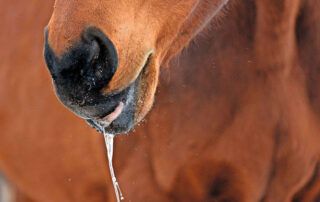
Slobbers in Horses: Slaframine Poisoning Signs, Causes & Treatment

Slobbers, otherwise known as slaframine poisoning or salivary syndrome, is a condition that causes excessive salivation or drooling in horses. It is relatively rare and usually occurs in outbreaks, with multiple horses affected at once. Slaframine intoxication is caused by horses consuming a fungus that grows on legume forages under wet and humid conditions. Horses who ingest infected pasture, hay or silage can develop clinical signs, including hypersalivation and difficulty swallowing. While many animals are affected by this fungus, horses are particularly sensitive. Outbreaks of slobbers have occurred in humid climates, including North America, Europe and South America. Slobbers is non-life threatening, but the drool hanging from an affected horse’s mouth is unsightly and can be a nuisance.

Slobbers in Horses: Slaframine Poisoning Signs, Causes & Treatment2026-07-22T12:23:17-04:00

Glycogen Branching Enzyme Deficiency (GBED) in Horses

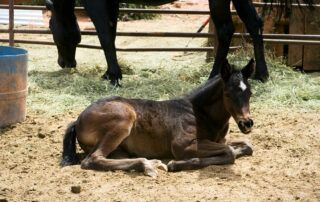
Glycogen branching enzyme deficiency (GBED) is a fatal disorder caused by a gene mutation found in the Quarter Horse and Paint Horse bloodlines. GBED causes abortion in late-term pregnancies, stillbirth or severe muscle weakness and eventually death in newborn foals. GBED prevents foals from properly storing sugars in the body. As a result, there is not enough energy to fuel the important organs and muscles of the body. This causes severe weakness and other clinical signs. Genetic testing for diseases is required for most QH and APH horses in breeding programs to ensure healthy offspring and prevent financial loss associated with losing a foal.

Glycogen Branching Enzyme Deficiency (GBED) in Horses2026-07-22T12:20:30-04:00

Black Walnut Tree Poisoning in Horses: Symptoms & Treatment

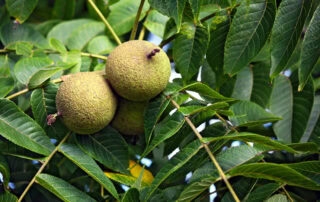
Black walnut tree poisoning occurs when horses come into contact with toxic compounds in the black walnut (Juglans nigra) tree. The roots, bark, wood, nuts, pollen and leaves of the tree contain a chemical that is poisonous to horses upon ingestion or skin contact. Horses are particularly at risk of poisoning from exposure to black walnut shavings. The hardwood shavings of the tree are sold as animal bedding in North America. Horses that come into contact with black walnut shavings, sawdust or tree materials can develop mild to severe symptoms and acute laminitis in only a few hours.

Black Walnut Tree Poisoning in Horses: Symptoms & Treatment2026-08-20T14:41:08-04:00

Rice Bran Oil for Horses: Benefits of Feeding for Weight Gain

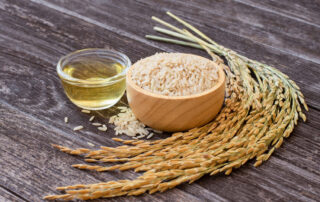
Rice bran oil (RBO) is an increasingly popular fat supplement fed to horses for weight management, cool energy, and coat quality. The oil is derived from the germ and bran of brown rice grains and contains essential fatty acids and antioxidants. Rice bran oil is palatable and provides a dense source of calories for horses. RBO is primarily composed of monounsaturated fatty acids and polyunsaturated fatty acids. It contains 42.6% oleic acid (an omega-9 monounsaturated fatty acid) and 28% linoleic acid (an omega-6 polyunsaturated fatty acid).

Rice Bran Oil for Horses: Benefits of Feeding for Weight Gain2026-07-22T11:30:54-04:00

16 Common Skin Diseases in Horses: Identification & Treatment

Horses are prone to a number of different skin conditions and diseases. Some are minor and resolve on their own, while others can be much more serious. Skin conditions may affect localized areas on the horse, such as the legs or abdomen, or they can be widespread, affecting multiple areas. Symptoms may include itchiness, swelling, hair loss, skin flaking, and more. Learning to recognize various equine skin diseases is important to take the appropriate actions needed to resolve the problem or to manage the horse to keep them more comfortable.

16 Common Skin Diseases in Horses: Identification & Treatment2026-07-22T11:28:00-04:00

Testing Your Horse’s Water Quality: Safety & Management

Water is the most vital component of the equine diet, but it is often overlooked when considering your horse's nutritional needs. Hydration influences several aspects of horse health, including exercise tolerance, digestion, and temperature regulation. Not only do you need to ensure that your horse drinks enough water, but also that your horse has good quality water available. Testing water quality helps to determine whether your horse's water supply is safe for consumption and whether you need to consider a water treatment or filtration system. A water analysis will also tell you about the mineral levels present. This can help you address any potential dietary imbalances caused by water intake.

Testing Your Horse’s Water Quality: Safety & Management2026-07-22T11:22:39-04:00

Equine Grass Sickness: Symptoms, Treatment & Prevention

Equine grass sickness (EGS), or equine dysautonomia, is a rare and fatal disease in horses. It almost exclusively affects grazing horses kept on pasture. EGS is characterized by the development of severe lesions on the neurons of the peripheral and central nervous systems. Symptoms vary in severity depending on the neuronal degeneration in the horse. EGS results in loss of normal function of the gastrointestinal tract, affecting the horse’s ability to swallow and digest food.This disease results in a decrease in gut motility, increasing the risk of colic and causing severe weight loss. Although the exact cause of EGS is unknown, it is believed to result from a combination of environmental factors and bacterial infection.

Equine Grass Sickness: Symptoms, Treatment & Prevention2026-07-22T12:14:47-04:00

Pain Management in Horses: Signs, Treatments & Therapies

Pain is something that all horses deal with at some point in their lives. Horses can experience pain for many different reasons, including injury, illness, or a result of surgery. For example, castration is the most common surgical procedure performed on horses and is associated with significant post-operative pain. Acute colic is another common painful experience for horses. Pain is also commonly associated with degenerative joint disease, laminitis, gastric ulcers, and hoof issues. Unlike humans, horses don't always show it when they are experiencing pain, or they may only display subtle signs of discomfort. This is because, as prey animals, they have evolved to hide signs of pain and weakness in the presence of predators.

Pain Management in Horses: Signs, Treatments & Therapies2026-08-12T16:59:10-04:00

Stringhalt in Horses: Causes, Symptoms & Treatment

Stringhalt, or equine reflex hypertonia, is a neuromuscular condition that causes abnormal hindlimb movement in the horse. Horses with stringhalt have excessive and prolonged flexion of the pelvic limbs while in forward movement, showing signs of the condition at most gaits. One (unilateral) or both (bilateral) legs may be affected. Some horses experience mild cases characterized by involuntary jerking of the hindlimb, while others experience lameness and difficulty standing up. Horses of all ages and breeds can be affected by stringhalt. In some cases, it is caused by ingesting toxic plants at pasture, but other cases develop quickly without apparent cause.

Stringhalt in Horses: Causes, Symptoms & Treatment2026-08-20T14:38:02-04:00

Hay Belly in Horses: Signs, Causes, and Treatments

A large, round belly doesn't always mean your horse is overweight. Some horses have a hay belly that makes them appear pregnant, yet they may struggle to maintain enough body condition to cover their ribs. While multiple factors contribute to abdominal distention in horses, poor hindgut fermentation of high-fibre, low-quality forage is the primary culprit. These horses may not be getting enough energy and protein from their diet, leading to poor topline and body condition. Dietary changes or gut support are necessary to get rid of the hay belly.

Hay Belly in Horses: Signs, Causes, and Treatments2026-07-22T11:19:00-04:00

Bone Spavin in Horses: Symptoms, Treatment & Management

Bone spavin, also known as Degenerative Joint Disease (DJD) of the hock (tarsus), is an extremely common cause of equine lameness. It is caused by repeated concussion and rotational forces on the hock joint, as well as excessive forces on the adjoining ligaments. As a wear and tear condition, bone spavin is characterized by narrowed joint spaces and bone spurs. It is frequently bilateral and accompanied by lameness, with a decreased range of motion.

Bone Spavin in Horses: Symptoms, Treatment & Management2026-10-07T17:24:09-04:00

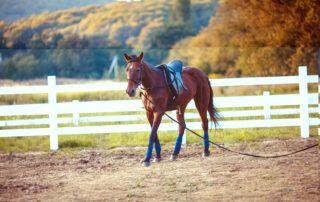
Equine Soundness: How to Tell if Your Horse is Sound?

What does it mean to have a sound horse? The term 'soundness' is used by horse owners to describe how a horse moves. For example, a horse is not sound if they are limping or there is a deviation in their gait. However, soundness refers to much more than just movement. It also encompasses a horse's overall health and wellness and ability to perform the job they are meant to do. Horses are considered perfectly sound if they have no health issues and move perfectly without veterinary intervention (i.e. injections or pain control). As you can imagine, perfectly sound horses that never require intervention are very rare. A horse may be perfectly sound for only a short period of its life.

Equine Soundness: How to Tell if Your Horse is Sound?2026-07-22T11:13:02-04:00

Common Antibiotics for Horses: Oral, Injectable & IV Drugs [List]

Antibiotics or antimicrobial drugs are effective medications for the treatment of bacterial infections in horses. Common equine infections requiring antibiotics include infected skin wounds and abscesses, pneumonia, infectious diarrhea, cellulitis, peritonitis and more. Many antibiotics have broad-spectrum action meaning they act against many different bacteria. Others more specifically target certain bacterial strains. Your veterinarian can determine which antibiotic is appropriate for your horse given their medical situation. These drugs are not without risks, and they can have adverse effects on horse health when given without veterinary oversight.

Common Antibiotics for Horses: Oral, Injectable & IV Drugs [List]2026-07-22T11:01:59-04:00

Equine Herpesvirus Infection: Symptoms, Treatment & Prevention

Equine herpesvirus (EHV), or rhinopneumonitis, is a contagious infection that is endemic to horses worldwide. EHV may cause mild to severe symptoms that usually involve the upper respiratory tract. In rare cases, it may cause neurological symptoms, abortion or death. Horses can experience latent infections of EHV where the virus lives dormant without causing symptoms. There are nine known types of herpes viruses in horses, of which EHV-1 and EHV-4 are the most common. EHV-1 usually results in more severe symptoms but EHV-4 is more common.

Equine Herpesvirus Infection: Symptoms, Treatment & Prevention2026-07-22T10:59:43-04:00

Paddock Paradise for Horses: A Guide to Track Systems

Are you considering setting up a track system such as the Paddock Paradise for your horse? In recent decades, many horse owners have shown interest in natural equine management and care practices. These practices seek to mimic the lifestyle of wild horses.

Paddock Paradise for Horses: A Guide to Track Systems2026-08-20T14:35:38-04:00

Botflies in Horses: Symptoms, Prevention & Treatment

Botflies (Gasterophilus spp.) are parasitic flies that affect the horse's digestive tract and can cause negative health consequences. Botflies lay eggs on the horse's coat in the summer. Some of these eggs, known as horse bots, are ingested as the horse licks and grooms itself. The bot eggs hatch and the larvae develop in the horse's mouth before migrating to the stomach where they attach to the gastric mucosa. Once mature, they detach and are passed through the manure. They pupate into flies, and the cycle repeats with new botflies seeking out horses to host their eggs.

Botflies in Horses: Symptoms, Prevention & Treatment2026-07-21T15:19:23-04:00

Coconut Oil for Horses: Nutrition, Benefits & How to Feed [Review]

Coconut oil is a popular fat supplement for horses used to promote weight gain, skin health and a shiny coat. It is also used as a cool energy source for exercising horses to add calories to the diet without relying on sugars and starches. Coconut oil is derived from the kernel of mature coconuts that are harvested from the coconut palm tree. The two main types of oil obtained from coconuts are copra oil and virgin coconut oil. High-fat equine feeds are typically made with vegetable fats derived from canola, rice bran, soybean, and flax, but a growing number of products are now using coconut oil as an ingredient.

Coconut Oil for Horses: Nutrition, Benefits & How to Feed [Review]2026-09-15T20:57:08-04:00

Sleep Deprivation in Horses: Signs, Causes & Management Strategies

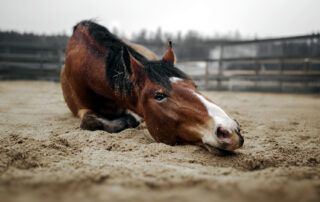
Horses may not require as much sleep as humans, but quality sleep is still vital for your equine's overall health and well-being. Although horses can sleep standing up thanks to their unique stay apparatus, REM sleep is only possible when they are lying down, and their muscles can relax. Many factors can prevent a horse from getting enough quality sleep and lead to signs of sleep deprivation. Factors include pain, injury, health conditions, loud or bright barn environments, and even social hierarchy. While equine sleep disorders are still poorly understood, horse owners should be aware of the signs of sleep deprivation in horses and take action to improve their horse's sleep quality.

Sleep Deprivation in Horses: Signs, Causes & Management Strategies2026-09-28T09:57:09-04:00

Fructans in Horse Forages: Do High-Fructan Grasses Cause Laminitis?

Fructans are a storage form of carbohydrate and a component of the non-structural carbohydrates (NSC) found in cool-season grasses, such as tall fescue, timothy, orchardgrass, and perennial ryegrass. Fructans are indigestible by horses, passing through the foregut to the hindgut where they are rapidly fermented by bacteria to supply energy to the horse.

Fructans in Horse Forages: Do High-Fructan Grasses Cause Laminitis?2026-07-21T14:08:36-04:00

Can Hair Analysis Determine your Horse’s Mineral Status?

Is hair analysis a reliable way to evaluate your horse's mineral status? Mineral testing is an important aspect of monitoring your horse's health, especially if forages in your area are known to be deficient or excessive in a given nutrient. Horses with certain medical conditions may also need frequent monitoring of mineral levels. In horses, mineral status is most commonly assessed through blood testing, hair samples or by evaluating intake with a forage analysis. These methods each have advantages and disadvantages that impact their usefulness. Hair sample analysis is convenient, but few reference ranges have been established for mineral levels in equine hair, making interpretation of results difficult.

Can Hair Analysis Determine your Horse’s Mineral Status?2026-08-20T14:32:00-04:00