Analyze Diet

6 Developmental Orthopedic Diseases in Horses – [Causes, Signs & Treatment]

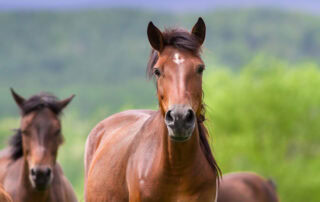
Developmental orthopedic diseases (DODs) refer to a range of non-infectious conditions that affect the musculoskeletal system of growing horses. These conditions arise from an interruption in the normal development of cartilage, bone, or soft tissue (joint capsule, tendon, or ligament). Genetics, growth rate, nutrition, and exercise conditions can influence the onset of DODs in growing foals. While some developmental issues are apparent at birth, others occur later as the horse grows. Conditions such as osteochondrosis and physitis can affect any breed of horses and are a common cause of pain and lameness.
6 Developmental Orthopedic Diseases in Horses – [Causes, Signs & Treatment]2026-08-18T18:26:02-04:00

Dummy Foal Syndrome (Neonatal Maladjustment) in Horses: Signs, Causes & Treatment

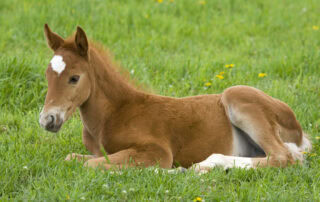
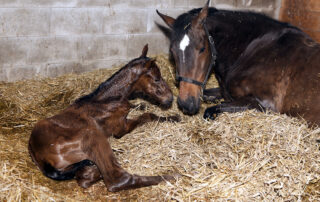
Neonatal maladjustment syndrome (NMS) - also referred to as dummy foal syndrome - is a condition that causes neurological symptoms in foals. This condition prevents the foal from performing normal behaviours, such as recognizing and feeding from the mare, standing and walking. Affected foals may appear lethargic, depressed, or display more serious clinical signs. NMS can be caused by oxygen and nutrient deprivation in the foal before birth. It may also be caused by a failure of placental hormones to drop following birth.

Dummy Foal Syndrome (Neonatal Maladjustment) in Horses: Signs, Causes & Treatment2026-08-18T18:23:04-04:00

Common Causes of Weight Loss in Horses – [Top 10 Reasons]

Unexplained weight loss in your horse is a cause for concern for any horse owner but is often straightforward to diagnose and address. If your horse is losing body condition, it could indicate an undiagnosed health problem or it may be time to consider changes to your horse's feeding and management. Older horses and horses affected by chronic disease are more prone to weight loss than healthy horses. Weight loss may also indicate a gut health issue, dental problem or concern with your horse's social grouping. Horses also lose weight when exposed to extreme weather or when fed a diet that does not provide sufficient dietary energy to match their needs.

Common Causes of Weight Loss in Horses – [Top 10 Reasons]2026-08-18T18:20:39-04:00

Sinusitis in Horses: Symptoms, Diagnosis, & Treatment

Equine sinusitis is the most common disease affecting the paranasal sinuses in horses. Sinusitis is an inflammatory condition that often involves excessive nasal discharge. Horses with sinus diseases can also experience swelling in the face or reduced appetite. The causes of sinusitis vary but can include dental disease or bacterial infection of the upper respiratory tract. Treatment for this condition often presents a challenge to veterinarians because of the large size of the horse's sinus structures, their complex anatomy, difficulties accessing the area, and the advanced state of the disease before a diagnosis is made.

Sinusitis in Horses: Symptoms, Diagnosis, & Treatment2026-08-18T18:10:44-04:00

Foal Heat Diarrhea (Scours) – Signs, Causes & Treatment

Foal heat diarrhea is a condition involving transient diarrhea in young foals, lasting for a few days up to two weeks. Foals with heat diarrhea do not have any systemic illness. While it is not known exactly what causes foal heat diarrhea, researchers believe this condition may occur because the flora of the foal's gastrointestinal tract is developing.

Foal Heat Diarrhea (Scours) – Signs, Causes & Treatment2026-08-18T18:07:38-04:00

Best Fat Supplements & Oils for Horses – [How & Why to Feed]

Adding fats and oils to your horse’s diet is a great way to increase calorie supply without relying on grains and high-NSC feeds. Fats can be added to the diets of underweight horses as weight gain supplements. Oils also provide cool energy to support exercise performance, weight maintenance and gut health. High-fat feeds are typically made with rice bran, ground flax, or vegetable fat. Oils such as canola, soybean, flax, or camelina oil are also popular options for horses.

Best Fat Supplements & Oils for Horses – [How & Why to Feed]2026-08-18T18:02:32-04:00

Planning for a Dressage Show Day [14-Point Checklist]

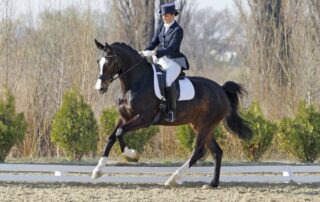
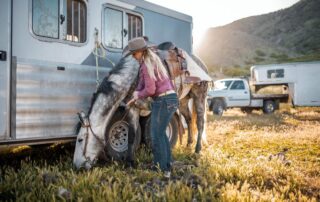
Competing in horse shows can be stressful for both you and your horse. Trailering, changes in routine and exposure to new environments are all major stressors for horses. But with a little planning, you will feel more confident heading into the ring and be able to focus on performing and having fun. In preparation for show day, give your horse ample opportunities to practice loading onto the trailer and travelling to new locations. This will help your horse arrive at your competition in a calmer state.

Planning for a Dressage Show Day [14-Point Checklist]2026-08-18T17:58:48-04:00

Why Do you Need an Equine Nutritionist? – [Free Consultation Inside]

Is your horse getting what she needs in her current diet? Does she have health concerns that could be improved through feeding practices? If you own or care for horses, chances are you have asked yourself these questions at some point. You may have even sought out the services of an equine nutritionist to help you formulate a balanced diet for your horse.

Why Do you Need an Equine Nutritionist? – [Free Consultation Inside]2026-08-18T17:53:06-04:00

Swayback (Equine Lordosis): Causes, Management & Care

Swayback, or equine lordosis, is characterized by a large dip in the spine of a horse, often resulting in a high wither and severe downwards curve to their topline. Swayback is more common in older horses and broodmares who have carried multiple large babies. Lordosis can also occur in younger horses with a genetic predisposition. Equine lordosis is caused by a failure of the ligament support structures along the length of the back. When the ligaments are weak, stretched, or compromised, the spine can sag toward the ground.

Swayback (Equine Lordosis): Causes, Management & Care2026-08-18T17:44:11-04:00

Strangles Disease in Horses: Symptoms, Treatment & How to Prevent

Strangles, also known as equine distemper, is a highly contagious disease caused by the bacteria Streptococcus equi. Young horses are most susceptible to developing strangles disease. This condition most commonly occurs in horses under the age of two. The name "strangles" comes from the common sign of dysphagia or trouble swallowing that some horses experience, caused by enlarged lymph nodes.

Strangles Disease in Horses: Symptoms, Treatment & How to Prevent2026-08-18T17:43:17-04:00

Top 10 Signs of Dehydration in Horses [+ How to Prevent & Treat]

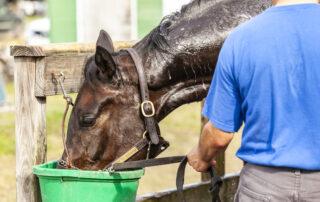
Dehydration is a serious problem in competing and working horses, especially during hot weather. Horses competing in endurance racing or engaging in sustained or strenuous activities are at the highest risk of dehydration. Dehydration occurs when a horse loses excessive fluids from sweat, urine, feces, and respiration. If this fluid loss is not offset by water consumption, dehydration can occur.

Top 10 Signs of Dehydration in Horses [+ How to Prevent & Treat]2026-08-18T17:40:25-04:00

Top Risks of Trailer Transport for Horses – [8 Tips to Reduce Stress]

Does your horse resist going in the trailer or show signs of stress after being unloaded at your destination? You may need to trailer your horse for many reasons, such as seeing a veterinarian, competing, breeding, or for recreational purposes. Trailer stress can make it more difficult to load your horse, increase the dangers of transit, and negatively impact health and performance.

Top Risks of Trailer Transport for Horses – [8 Tips to Reduce Stress]2026-08-18T17:37:14-04:00

Roaring (Laryngeal Hemiplegia) in Horses: Causes, Treatment & Prognosis

Roaring is a condition that causes some horses to make a whistling or roaring sound during exercise. It can affect a horse’s performance during high-intensity exercises, such as racing. This condition is also referred to as recurrent laryngeal neuropathy (RLN) or laryngeal hemiplegia. It is estimated that 2-8% of Thoroughbreds and up to 35% of draft breeds are affected by RLN. The larynx is part of the trachea (windpipe) and includes the vocal cords. RLN involves the partial collapse of cartilage in the larynx caused by progressive weakening of nerves.

Roaring (Laryngeal Hemiplegia) in Horses: Causes, Treatment & Prognosis2026-09-27T15:08:08-04:00

Best Electrolyte Supplements for Horses: A How-To Guide

Electrolytes are minerals that play a key role in cellular function and regulate fluid balance in the body. Electrolytes carry an electric charge when dissolved in fluids such as blood or fluid in and around cells. These are critical for nerve transmission and muscle contractions.

Best Electrolyte Supplements for Horses: A How-To Guide2026-08-18T17:14:37-04:00

Fetlock Lameness in Horses: Signs, Diagnosis & Treatment

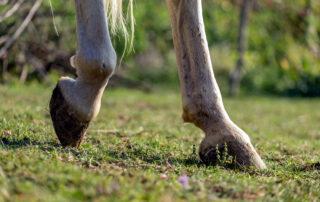
The hind fetlock is a high-motion joint that undergoes significant compression and force absorption when the horse is moving. This joint is highly susceptible to soft-tissue injuries and bone disorders. Horses with hind fetlock lameness often show signs of heat and swelling in this joint. In severe cases, horses may be unable to weight-bare on the limb. Performance horses such as racehorses and dressage horses are prone to hind fetlock injuries. Eventers are more prone to fore-fetlock injuries, likely due to the landing forces after large jumps.

Fetlock Lameness in Horses: Signs, Diagnosis & Treatment2026-08-18T17:11:17-04:00

Knee Lameness and Pain in Horses: Causes, Treatment & Prevention

The horse's knee is a complex joint, susceptible to trauma and progressive arthritis - especially in performance horses. Knee (or carpal) lameness is characterized by a shuffling gait, shortened foreleg strides, tripping in front due to not being able to lift the hoof fully off the ground, and swelling or heat on the knee. The causes of knee lameness are varied. It is most often seen in horses that take excessive weight or concussion onto their front legs, such as jumpers, barrel racers, reiners, and cutters.

Knee Lameness and Pain in Horses: Causes, Treatment & Prevention2026-08-18T17:06:45-04:00

Best Magnesium Supplements for Your Horse [Bioavailability Comparison]

Magnesium supplements for horses come in many forms and are used to support muscle function and calming. This important macromineral is required in the equine diet to facilitate muscle contraction, maintain ion balance in the blood, and activate enzymes throughout the body.

Best Magnesium Supplements for Your Horse [Bioavailability Comparison]2026-08-18T16:59:17-04:00

An Update on Mad Barn’s Equine Nutrition Modelling Research Program

Mad Barn’s equine nutrition modelling project at the University of Guelph is underway after being awarded several research grants to match our initial investment. Currently, there are large gaps in the research available on the nutritional needs of horses. The goal of our research program is to better understand nutrient dynamics in horses and to use advanced modelling techniques to formulate optimal feeding practices.

An Update on Mad Barn’s Equine Nutrition Modelling Research Program2026-08-18T16:58:17-04:00

Equine Coronavirus (ECoV): Symptoms, Transmission, Treatment & Diagnosis

Equine Coronavirus (ECoV) is a highly contagious illness transmitted between horses that can cause fever, anorexia, diarrhea, and colic. Most horses recover from equine coronavirus with supportive care. In serious cases, affected horses may require specific treatments such as electrolytes, fluid administration, and anti-inflammatory and antibiotic medications. Death from the illness is uncommon and believed to be secondary to complications associated with gastrointestinal barrier disruption. There is no vaccine for equine coronavirus. Proper biosecurity practices at your barn can significantly reduce the risk of horses contracting the illness. Strategies to prevent the transmission of coronavirus in horses include quarantining sick horses, practicing good hygiene in equine facilities, and monitoring horses for signs of illness.

Equine Coronavirus (ECoV): Symptoms, Transmission, Treatment & Diagnosis2026-08-18T16:57:33-04:00

How to Tell if Your Horse is Happy [Top 7 Signs]

The internet is full of criticism and judgment about what we do wrong with our horses. We’re often told that we aren’t good enough because we don’t jump high enough, don’t ride well enough, or can’t afford the most expensive horse. But at the end of the day, what matters most is that you have a happy, healthy, willing horse and that you two are both enjoying your time together.

How to Tell if Your Horse is Happy [Top 7 Signs]2026-08-18T17:55:56-04:00

How to Feed an Emaciated Horse to Avoid Refeeding Syndrome

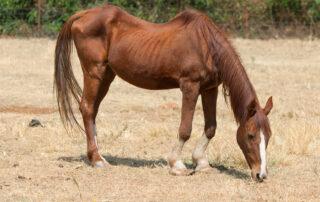
Emaciated horses have a very low body condition score with extensive loss of muscle and fat. These severely underweight horses need to be carefully managed with veterinary care and precise nutrition strategies during their recovery. Reintroducing feed must be done slowly to allow your horse’s body to adjust.

How to Feed an Emaciated Horse to Avoid Refeeding Syndrome2026-08-18T16:54:59-04:00

Thumps in Horses: Signs, Causes and Treatment of Synchronous Diaphragmatic Flutter

Thumps in horses is a condition that produces irregular contractions of the diaphragm, resulting in a thumping noise similar to a human hiccup. Scientifically referred to as Synchronous Diaphragmatic Flutter (SDF), thumps causes the diaphragm to spasm in the same rhythm as the heartbeat.

Thumps in Horses: Signs, Causes and Treatment of Synchronous Diaphragmatic Flutter2026-08-18T16:49:11-04:00

Hock Lameness in Horses: Causes, Signs & Treatments of Hock Problems

Lameness in the horse's hock joint is one of the most common causes of altered hind end gait. Hock lameness is characterized by shortened gait, weight shifting, stiffness when your horse picks their hind legs up, and reduced springiness off the ground when the horse picks up a canter or jumps.

Hock Lameness in Horses: Causes, Signs & Treatments of Hock Problems2026-08-18T16:43:13-04:00

Equine Wobbler Syndrome: Causes, Signs, Diagnosis & Treatment

Equine wobbler syndrome, also known as cervical vertebral stenotic myelopathy (CVSM), is a devastating neurological syndrome resulting from damage to your horse's spinal cord. Horses with CVSM exhibit neurological symptoms such as poor balance and stumbling when walking.

Equine Wobbler Syndrome: Causes, Signs, Diagnosis & Treatment2026-08-18T16:40:27-04:00

Top 8 Signs of Insulin Resistance (IR) in Horses – [List]

Insulin resistance (IR) in horses describes a condition in which the body fails to properly respond to the hormone insulin. Impaired insulin response is the main feature of Equine Metabolic Syndrome (EMS). Horses with EMS do not metabolize sugars properly and have difficulty losing weight.

Top 8 Signs of Insulin Resistance (IR) in Horses – [List]2026-08-18T16:25:48-04:00

Grazing Muzzles for Horses and Ponies – [How & When to Use]

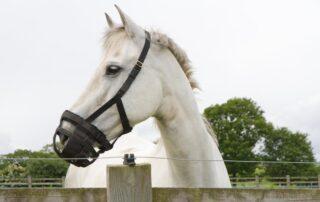
Grazing muzzles are a staple in the tack room of many pony and horse owners. These muzzles fit over the mouth and nose of a horse and restrict grass intake while allowing access to pasture. Grazing muzzles have been shown to reduce dry matter intake by between 30 - 80%.

Grazing Muzzles for Horses and Ponies – [How & When to Use]2026-08-18T16:23:05-04:00

Chronic Progressive Lymphedema (CPL) in Horses – [Symptoms & Treatment]

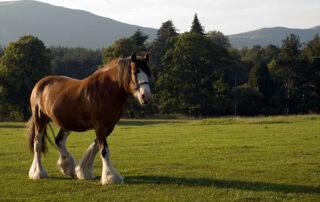
Chronic Progressive Lymphedema (CPL) is a condition that describes impaired lymph flow in the lower legs. Primarily observed in draft horse breeds, CPL causes swelling and skin inflammation on affected legs. Horses with the condition are also at risk of lesions and secondary bacterial and parasitic infections developing on their legs because of poor lymph flow.

Chronic Progressive Lymphedema (CPL) in Horses – [Symptoms & Treatment]2026-08-18T15:39:10-04:00